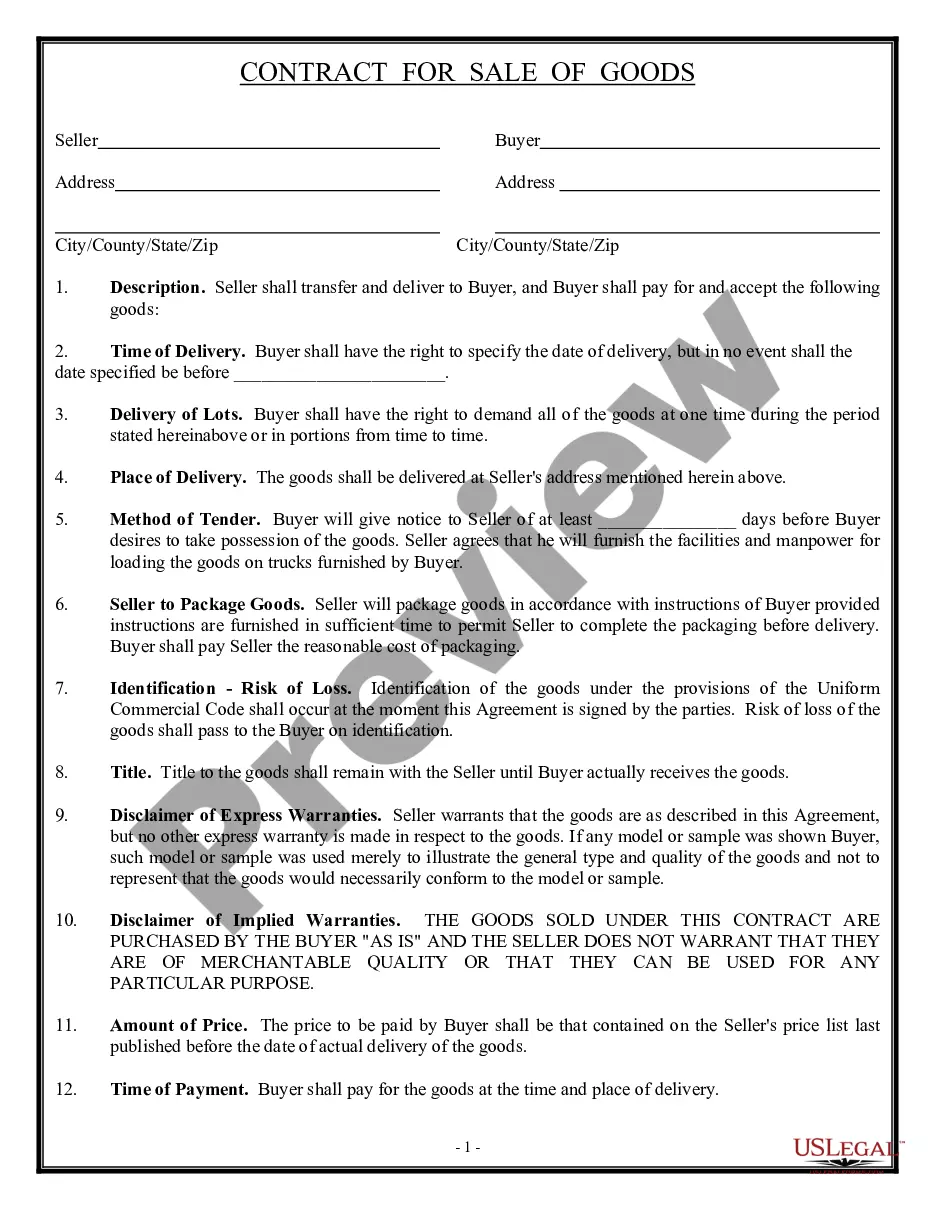
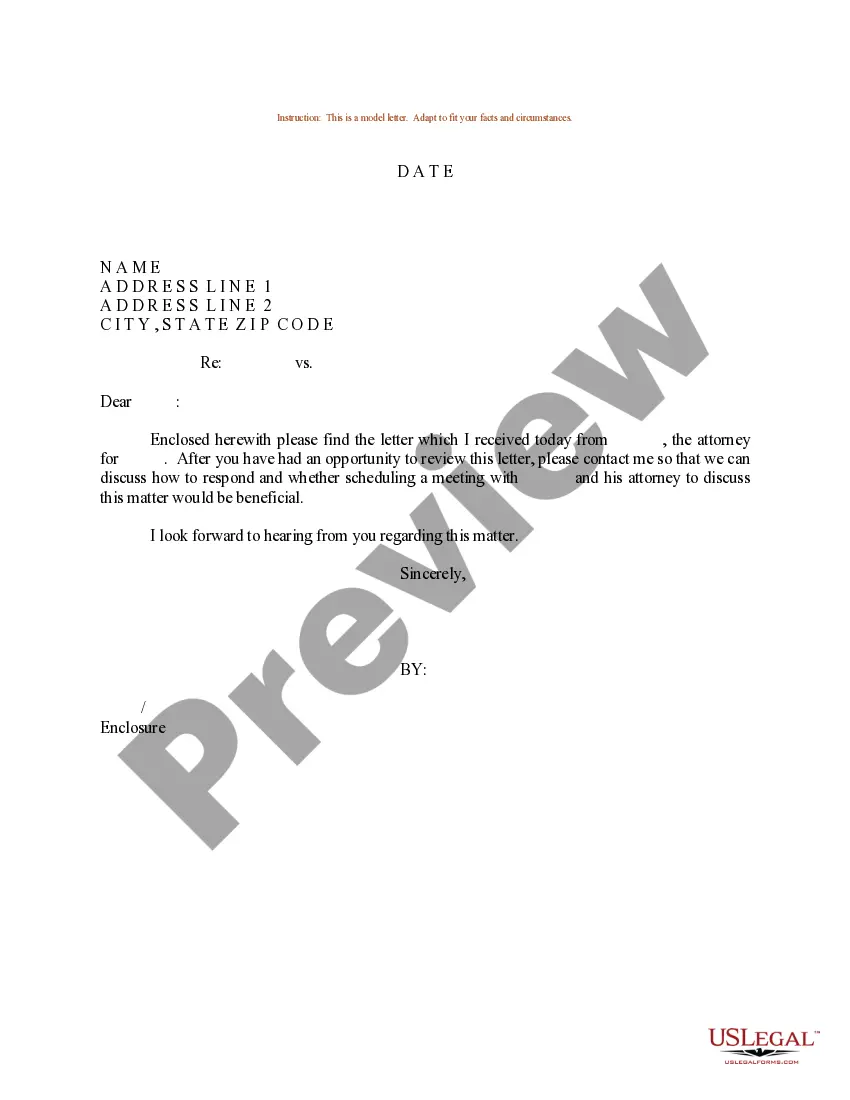
South Carolina Sample Letter for Meeting Opposing Attorney
Description
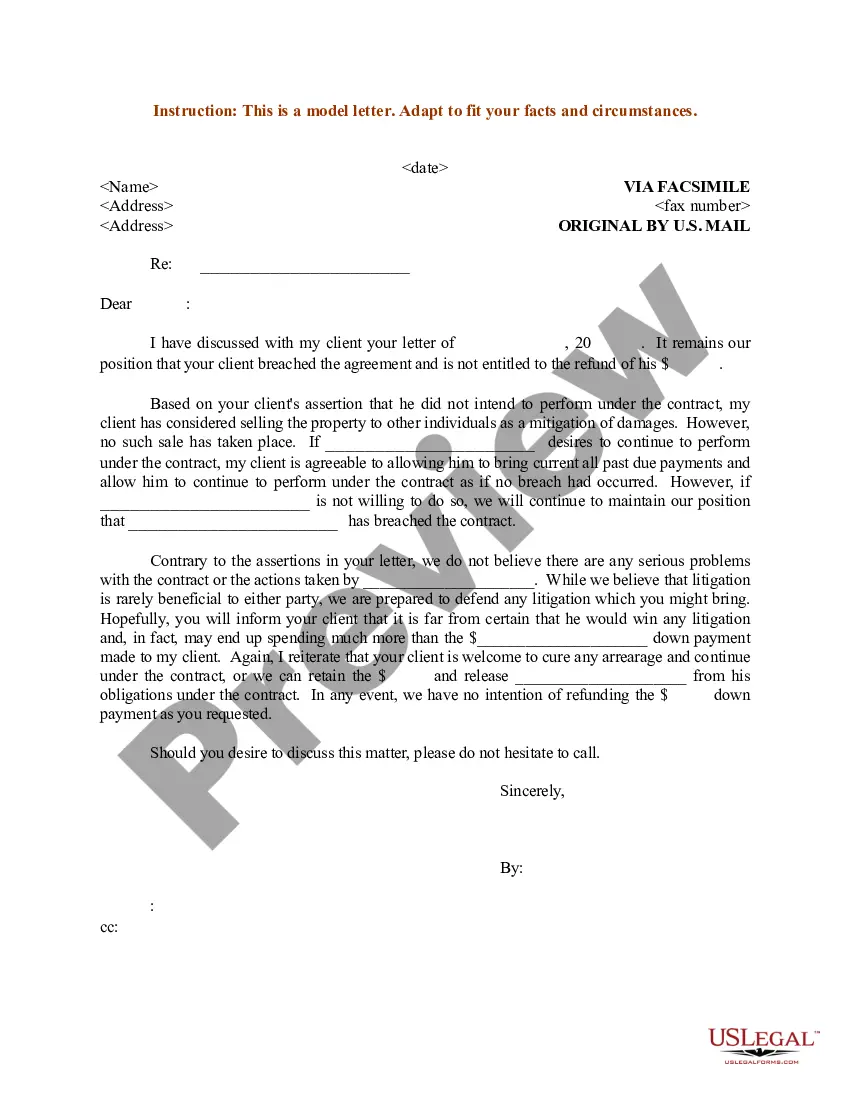
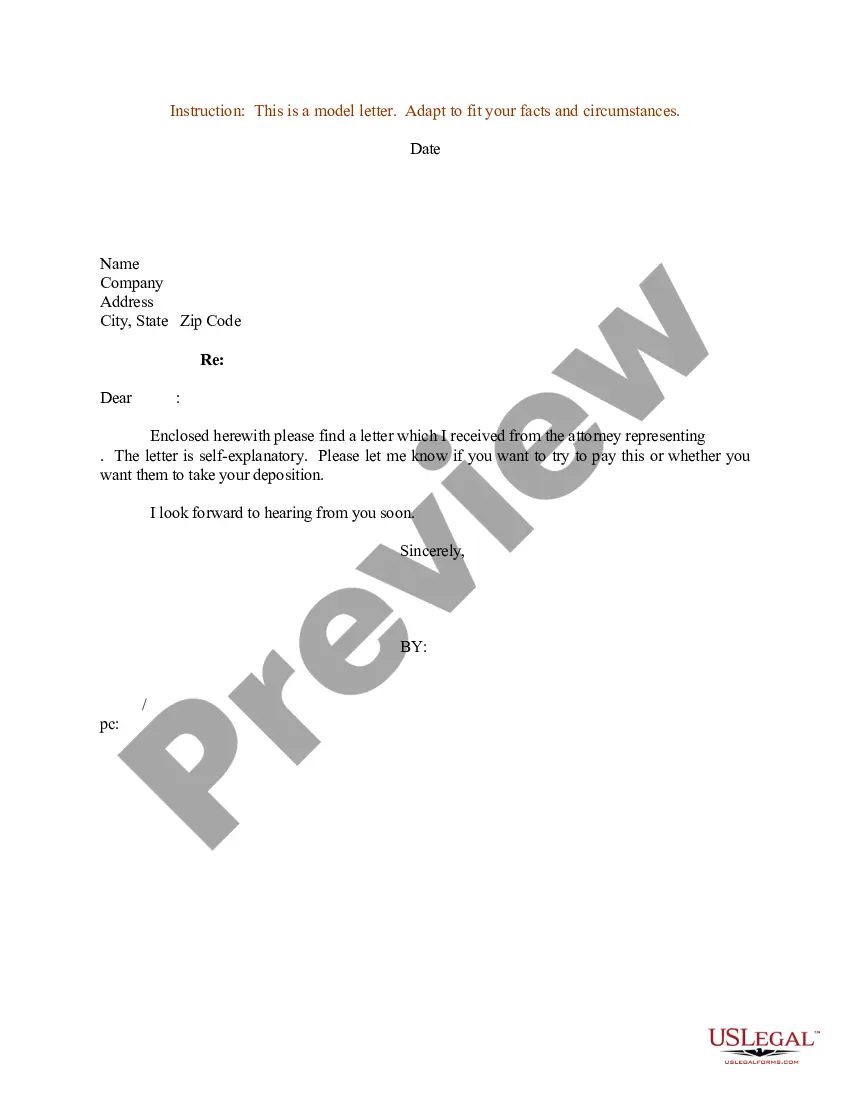
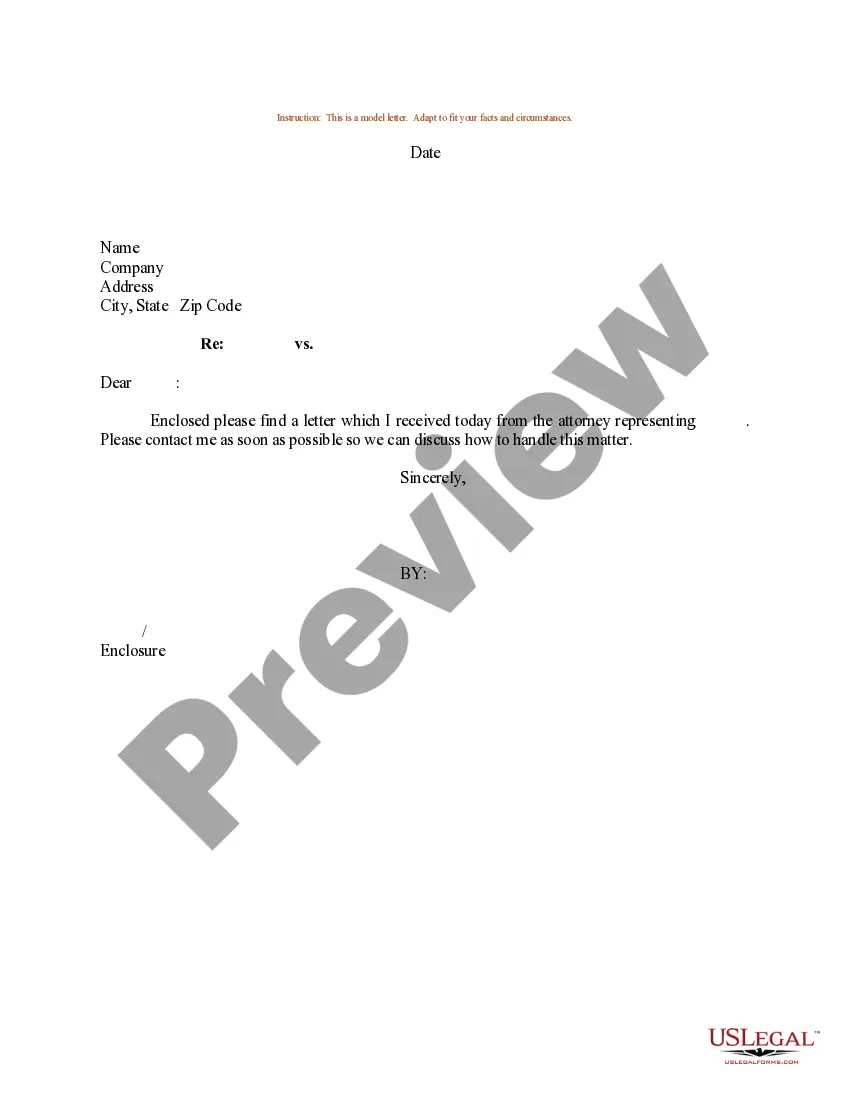
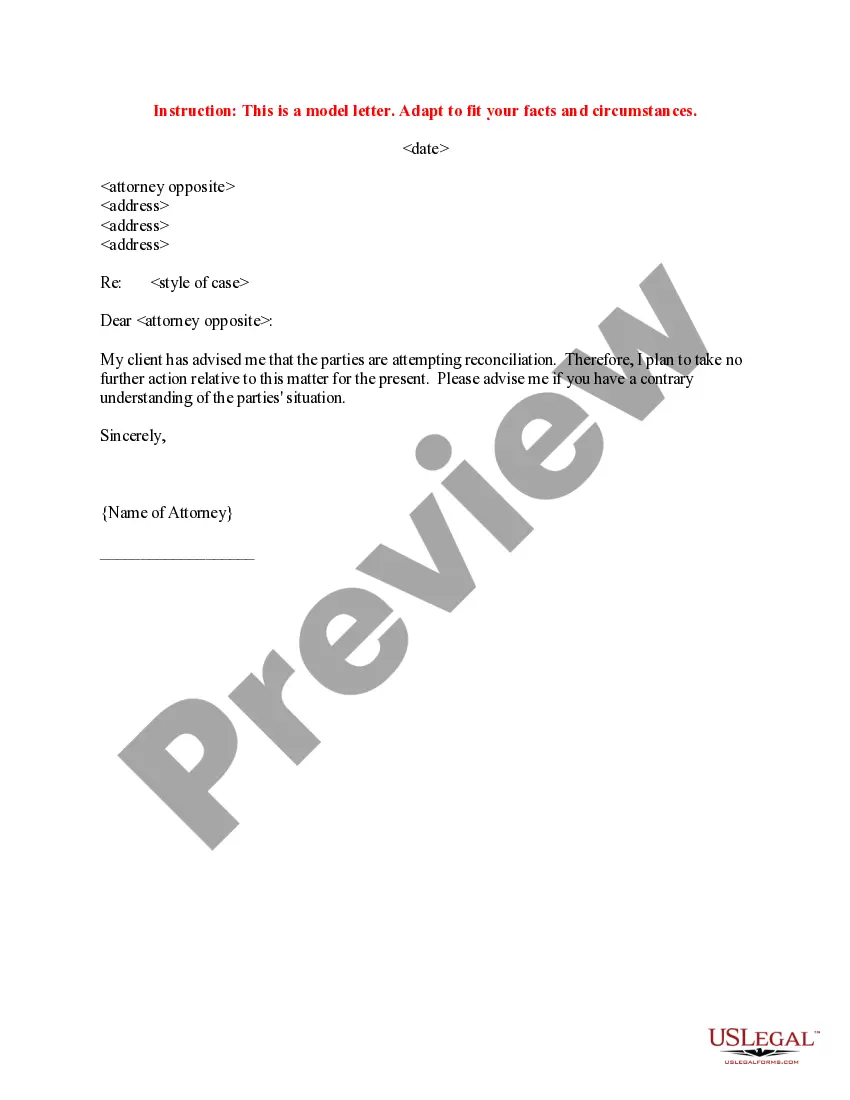
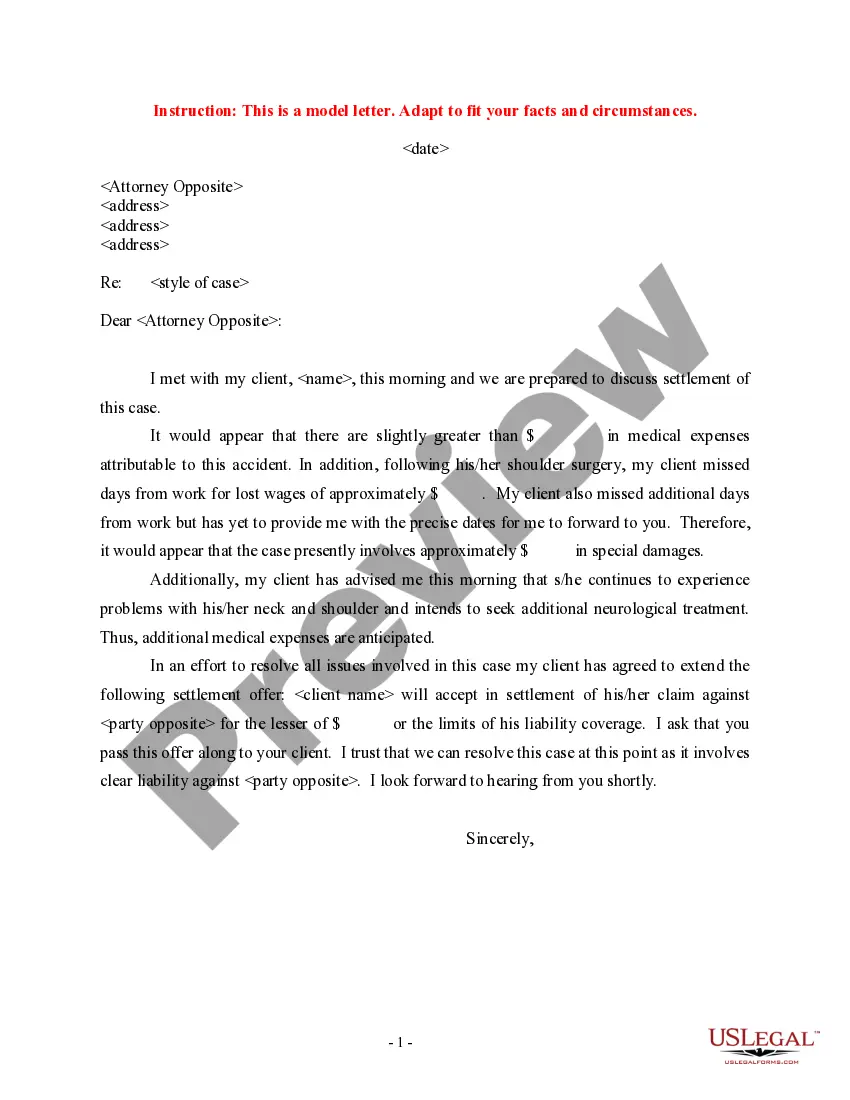



How to fill out Sample Letter For Meeting Opposing Attorney?
Finding the right legal record format can be a battle. Obviously, there are tons of templates available on the net, but how will you discover the legal type you need? Take advantage of the US Legal Forms web site. The service delivers 1000s of templates, for example the South Carolina Sample Letter for Meeting Opposing Attorney, that you can use for organization and private demands. Each of the types are checked out by pros and fulfill state and federal specifications.
If you are previously listed, log in to your profile and click on the Down load option to get the South Carolina Sample Letter for Meeting Opposing Attorney. Utilize your profile to appear with the legal types you may have ordered previously. Proceed to the My Forms tab of the profile and acquire another copy from the record you need.
If you are a whole new end user of US Legal Forms, here are straightforward instructions so that you can comply with:
- Very first, ensure you have selected the proper type for the area/county. You may look through the form utilizing the Preview option and study the form explanation to guarantee this is the right one for you.
- In case the type is not going to fulfill your expectations, utilize the Seach industry to get the appropriate type.
- Once you are certain the form would work, click the Purchase now option to get the type.
- Choose the prices prepare you desire and enter in the needed information. Design your profile and pay for your order making use of your PayPal profile or charge card.
- Opt for the submit formatting and obtain the legal record format to your device.
- Total, revise and print and indicator the obtained South Carolina Sample Letter for Meeting Opposing Attorney.
US Legal Forms may be the most significant local library of legal types in which you can see different record templates. Take advantage of the company to obtain expertly-manufactured files that comply with status specifications.
Form popularity
FAQ
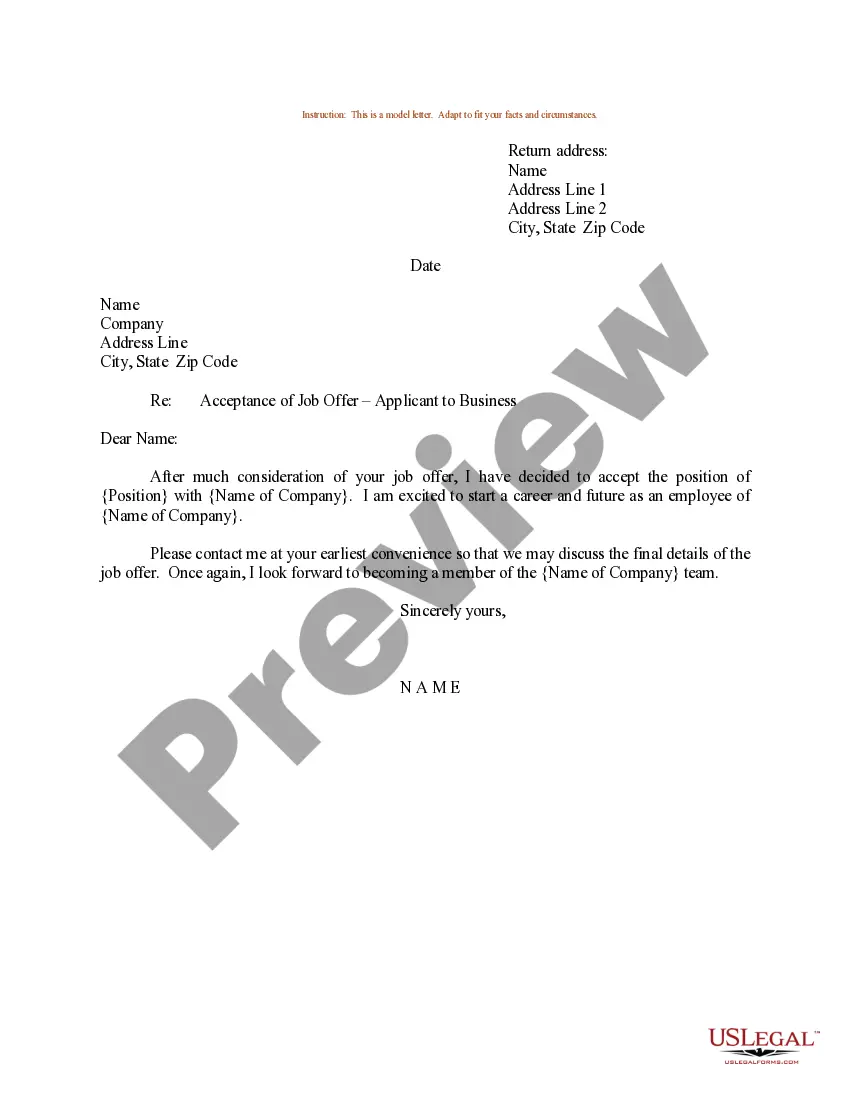
Dear [Opposing Counsel Name], I am writing to follow up on our recent communication regarding [case name]. I have not yet received a response from you regarding [list the specific issue or question]. Please let me know your thoughts as soon as possible so that we can continue to move forward with the case.
FRCP Rule 26(f) Explained Rule 26(f) describes a conference of two parties (the plaintiff and defendant) to cooperate and set out a clear plan for the process of discovery. In terms of responsibility for arrangement, both parties are jointly responsible?and this remains true as the case progresses.
That means the lawyer must discuss the legal basis for the demurrer or motion and the opposing attorney must be given a chance to respond. The law is optimistic that if the lawyers meet and confer, then disputes can be resolved without having to file a motion in court.
(a) Meet and confer During this time, parties must discuss and make a good faith attempt to settle all issues, even if a complete settlement is not possible and only conditional agreements are made. The requirement to meet and confer does not apply to cases involving domestic violence.
Remember, opposing counsel isn't the problem; it's the tactics they are employing that are problematic. Try to frame interactions without blame or judgment of the person, but highlight the actions instead. This will decrease the likelihood of enflaming them further, and will lead to more peaceful interactions.
Your meet and confer letter should look something like this: Dear Counsel; I am in receipt of your client's objections to our Request for Production of Documents, set #1 in the above entitled case. Below are a more detailed description of our problems with your responses.
A good faith attempt is more than arguing with opposing counsel. Instead, the law requires you to discuss the issues, compare views, exchange information (including statutes and case law supporting your position), and propose solutions to discovery fights without court interference.
Failing to do a meet and confer can result in sanctions or the court's refusal to rule on motions you file, if the issue should have been addressed in a meet and confer first.