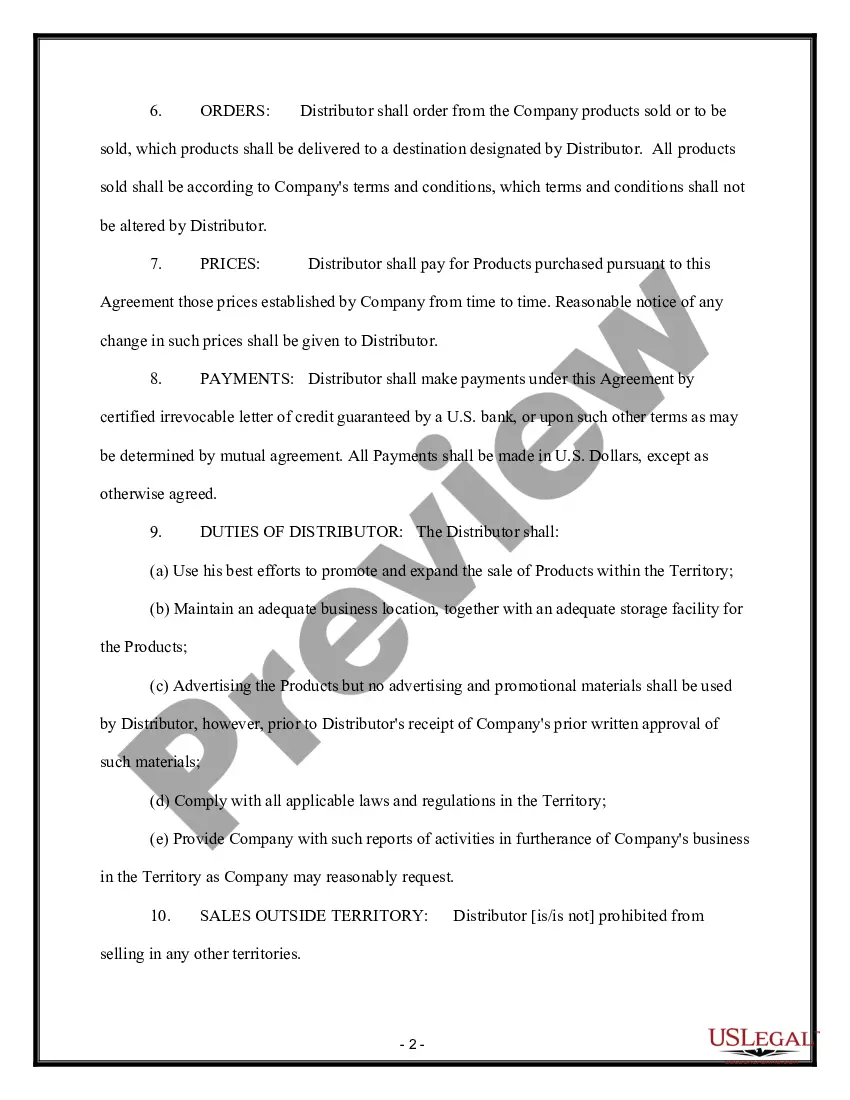
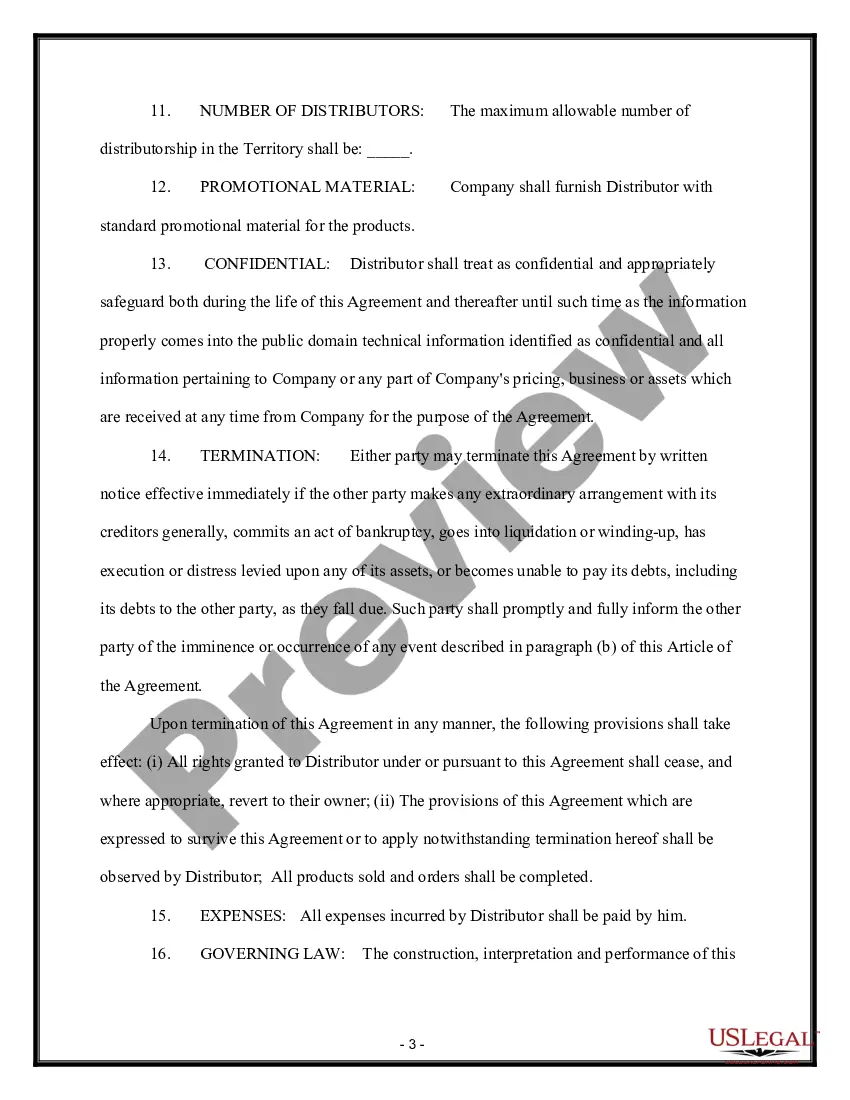
South Carolina Distributorship Agreement
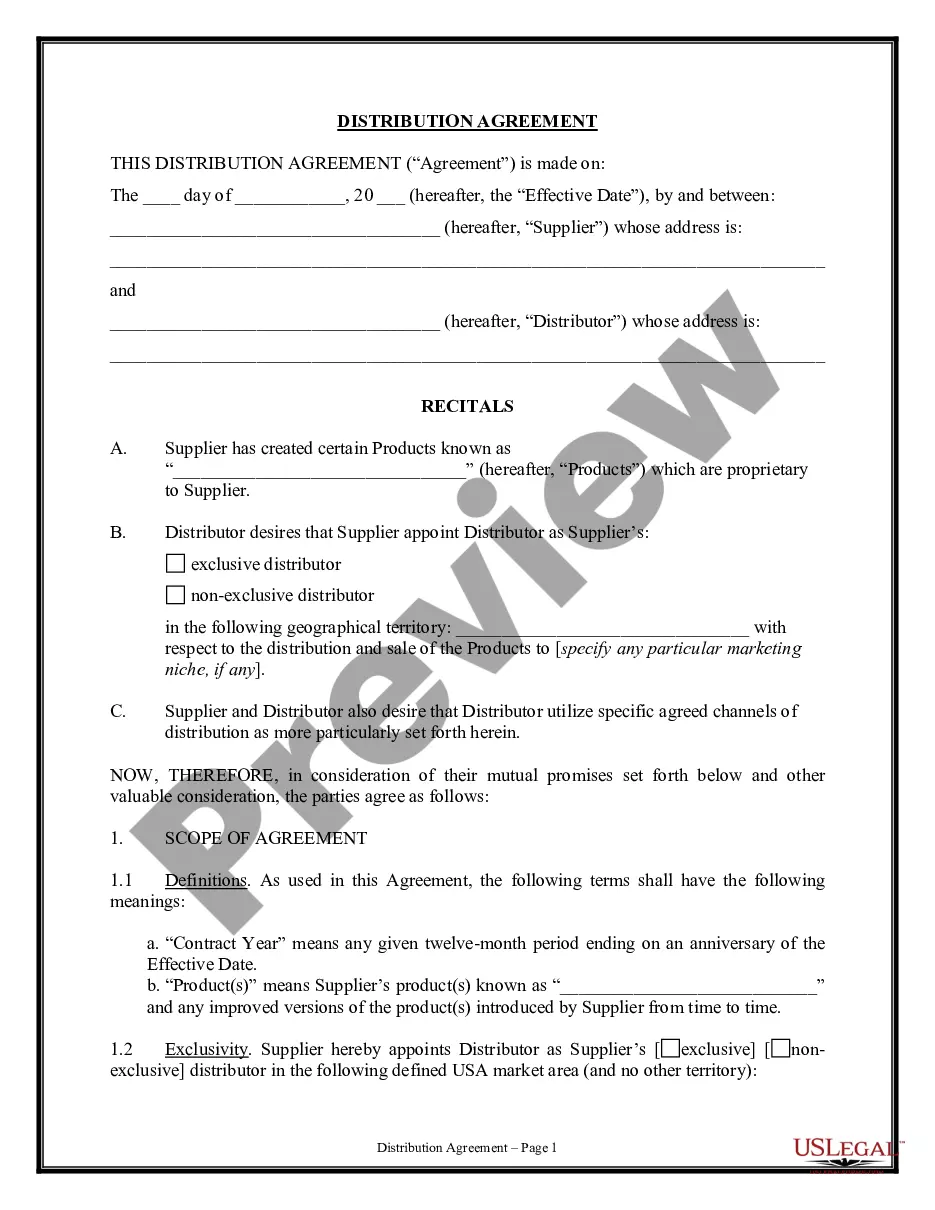
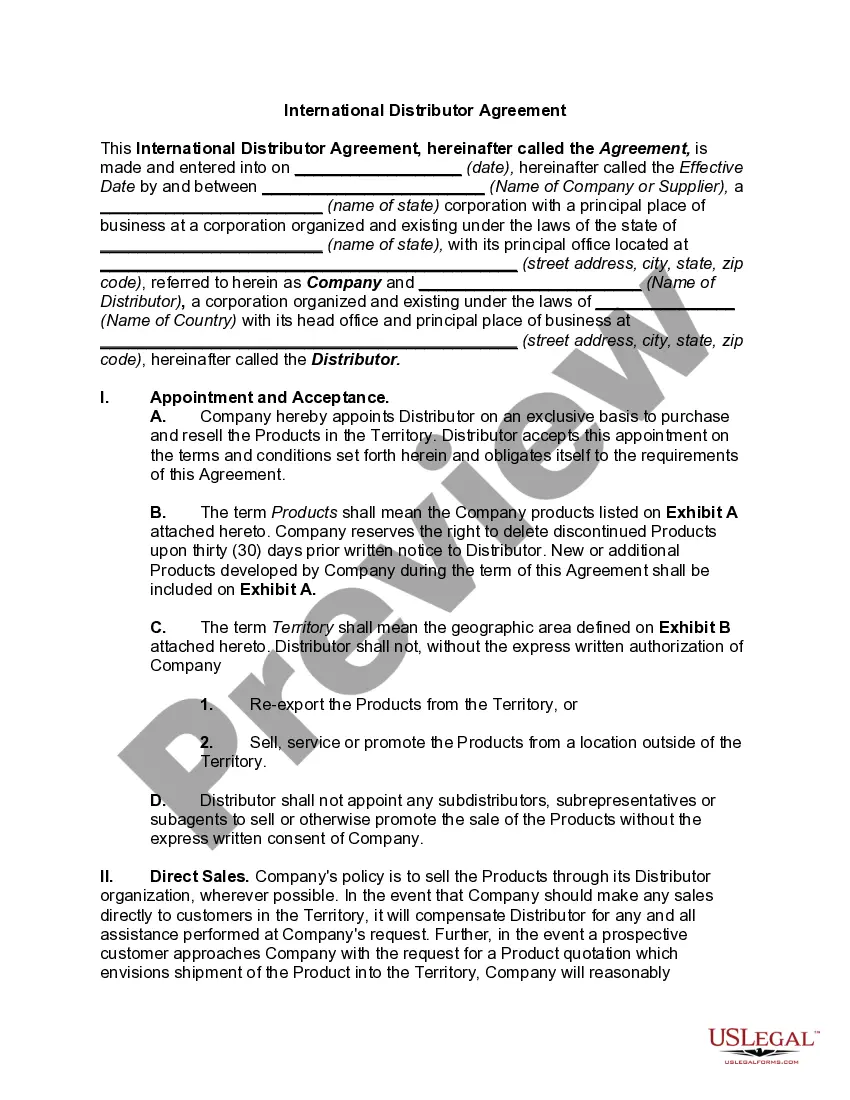
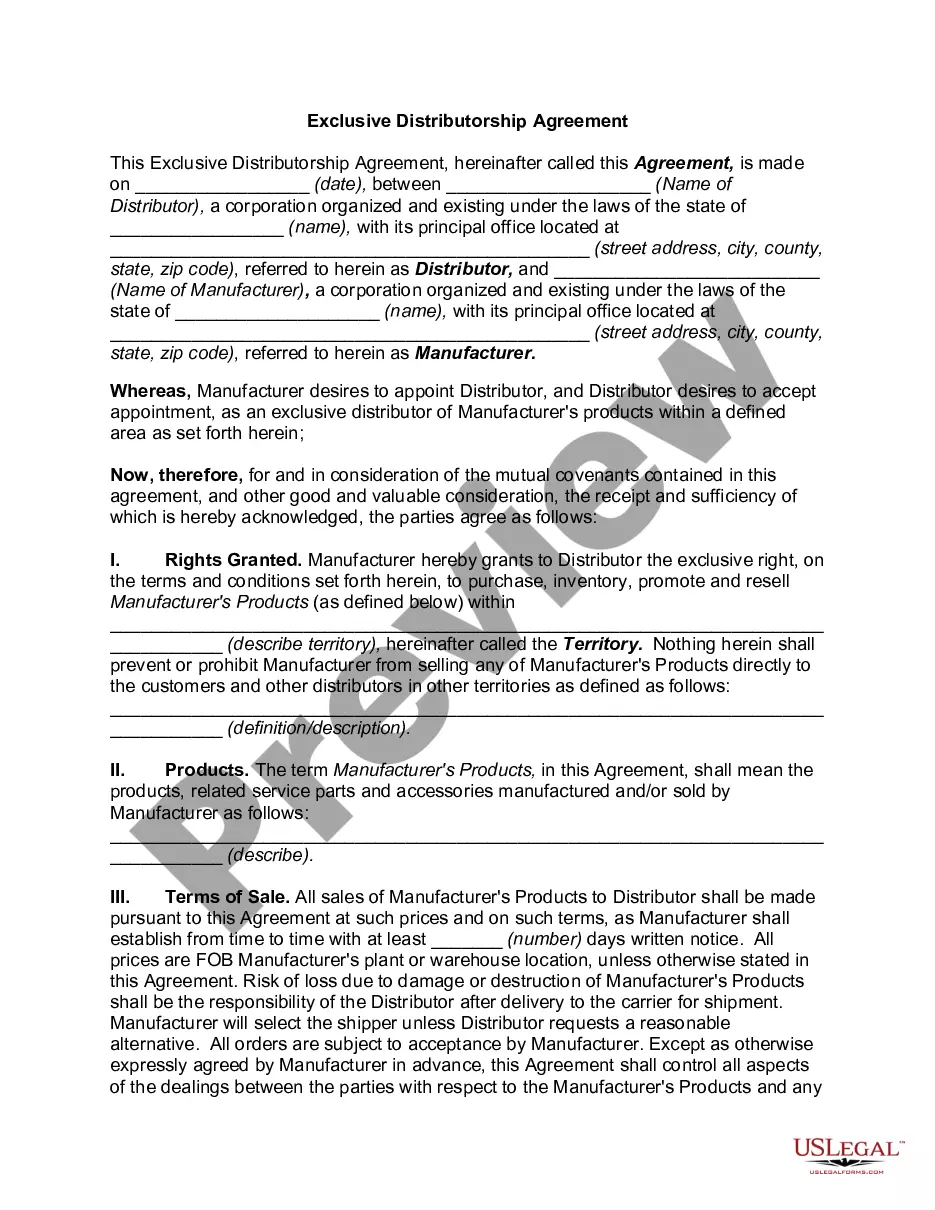
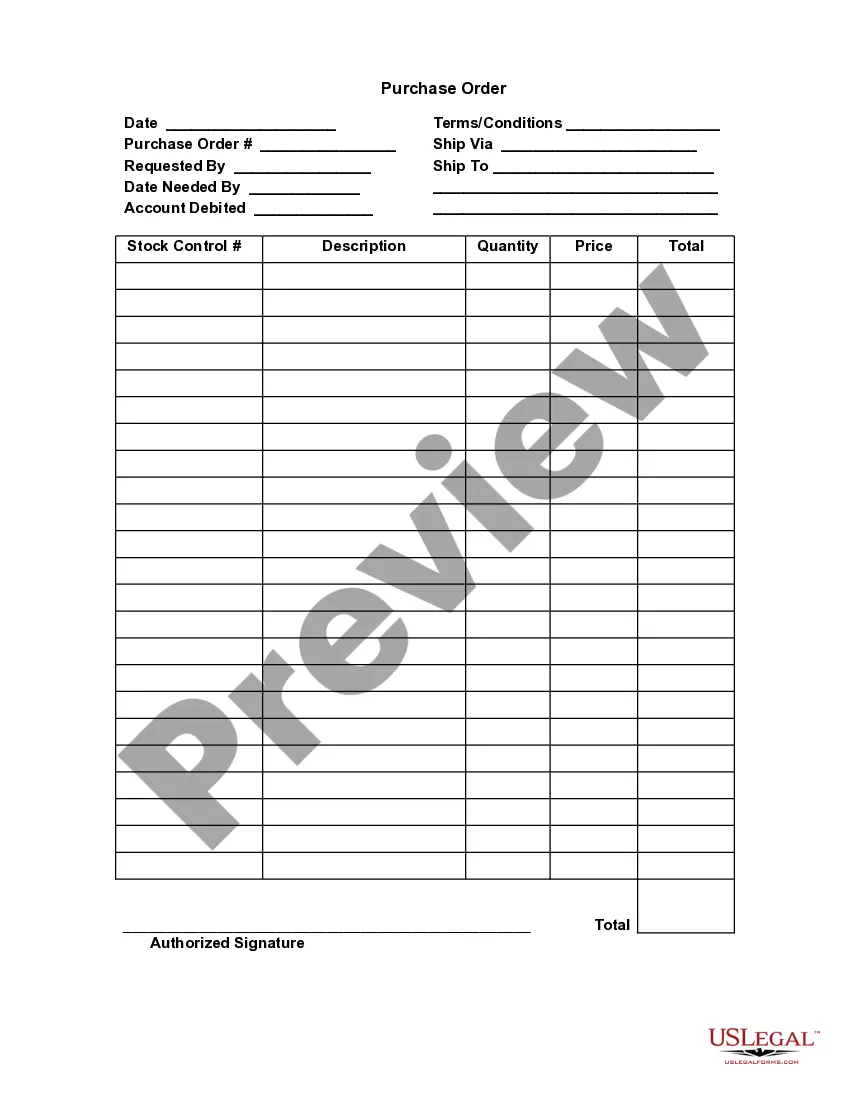
Description
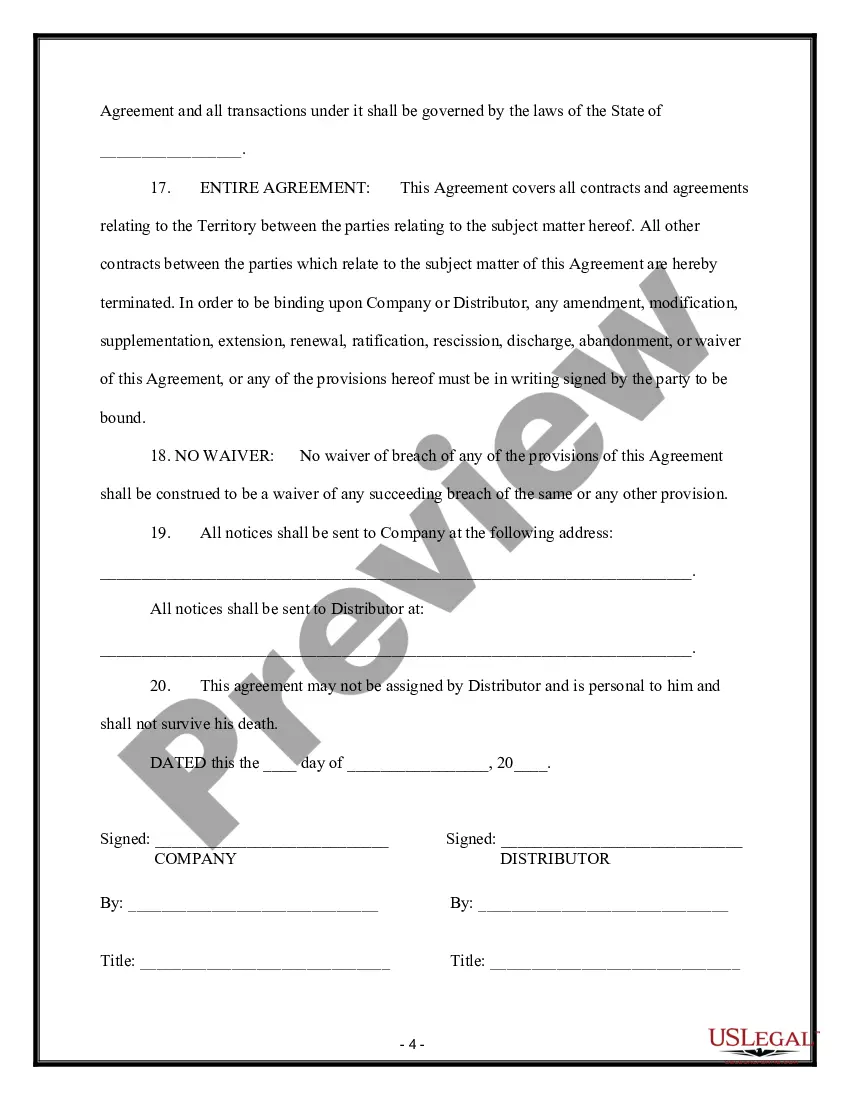
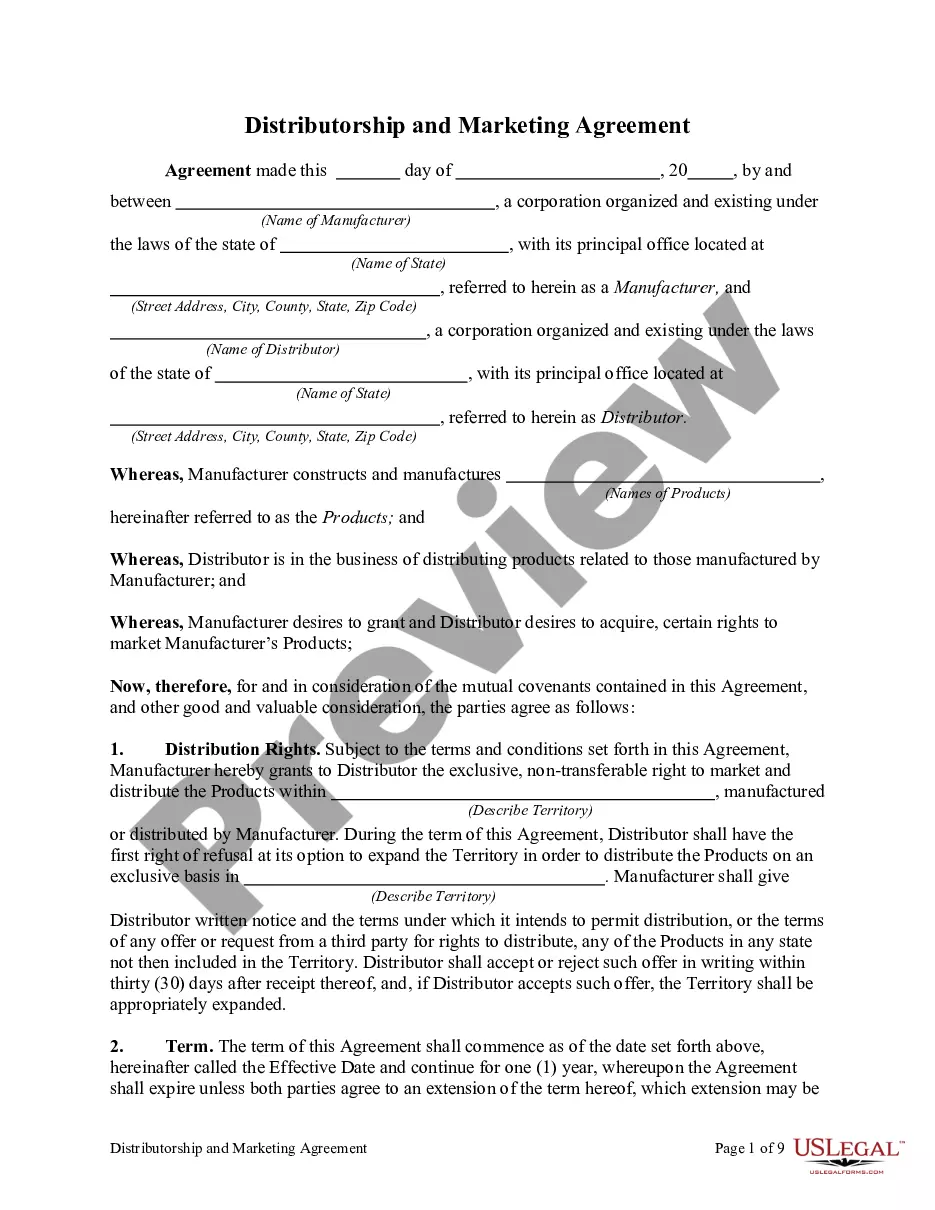
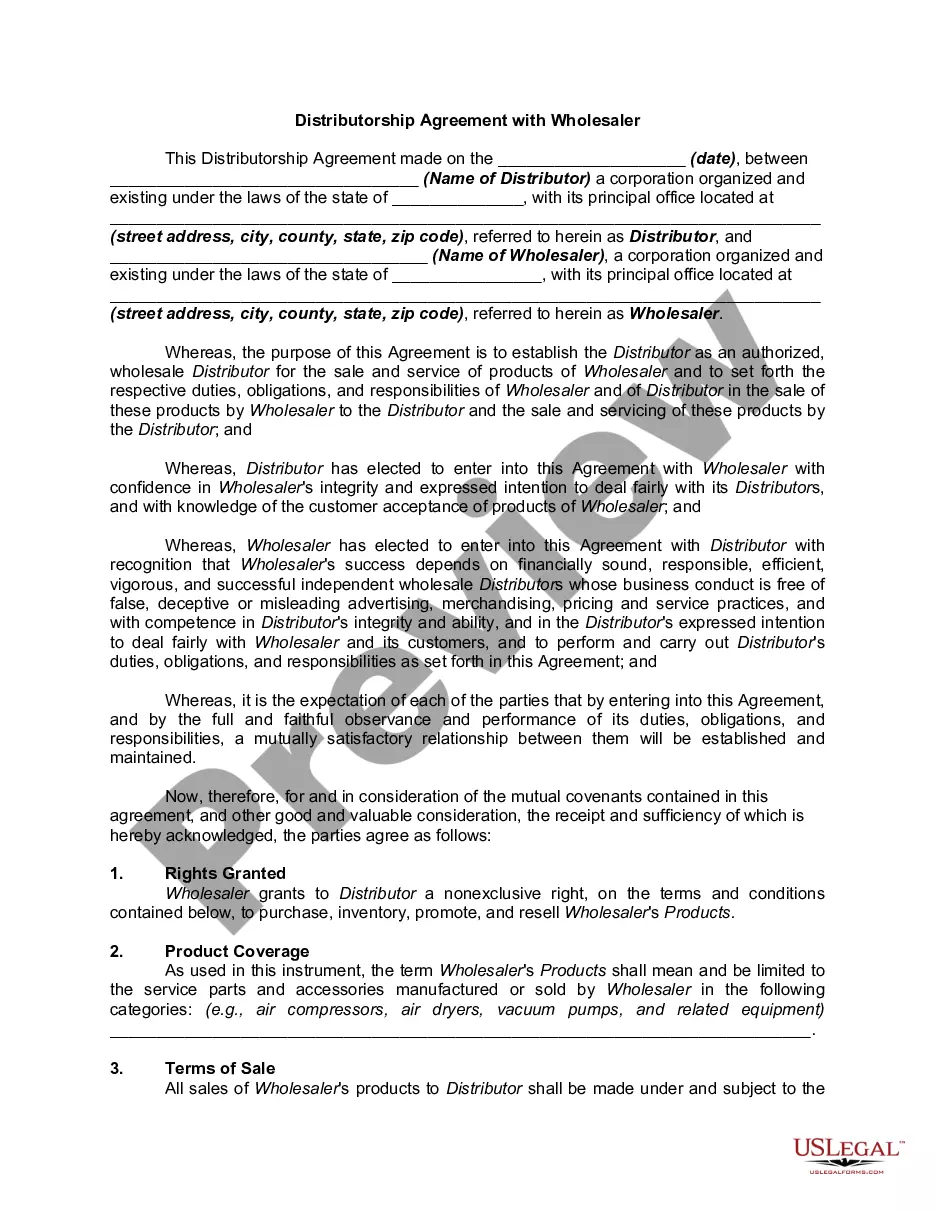
Get your form ready online
Our built-in tools help you complete, sign, share, and store your documents in one place.
Make edits, fill in missing information, and update formatting in US Legal Forms—just like you would in MS Word.
Download a copy, print it, send it by email, or mail it via USPS—whatever works best for your next step.
Sign and collect signatures with our SignNow integration. Send to multiple recipients, set reminders, and more. Go Premium to unlock E-Sign.
If this form requires notarization, complete it online through a secure video call—no need to meet a notary in person or wait for an appointment.
We protect your documents and personal data by following strict security and privacy standards.

Make edits, fill in missing information, and update formatting in US Legal Forms—just like you would in MS Word.

Download a copy, print it, send it by email, or mail it via USPS—whatever works best for your next step.

Sign and collect signatures with our SignNow integration. Send to multiple recipients, set reminders, and more. Go Premium to unlock E-Sign.

If this form requires notarization, complete it online through a secure video call—no need to meet a notary in person or wait for an appointment.

We protect your documents and personal data by following strict security and privacy standards.
Looking for another form?






How to fill out Distributorship Agreement?
Are you presently in a situation where you require documents for either business or personal purposes every time.
There are numerous legal document templates accessible online, but finding ones you can trust is not easy.
US Legal Forms offers a multitude of form templates, like the South Carolina Distributorship Agreement, that are crafted to fulfill federal and state regulations.
Once you find the appropriate form, click on Buy now.
Select the pricing plan you want, complete the necessary information to create your account, and pay for the order using your PayPal or credit card.
- If you are already familiar with the US Legal Forms website and have an account, simply Log In.
- Then, you may download the South Carolina Distributorship Agreement template.
- If you do not have an account and wish to start utilizing US Legal Forms, follow these steps.
- Find the form you need and ensure it is for the correct city/county.
- Use the Review button to inspect the form.
- Check the details to confirm that you have selected the right form.
- If the form does not match what you require, use the Lookup field to find the form that suits your needs.
Form popularity
FAQ
A distributor acts as an intermediary, purchasing products from manufacturers and selling them to dealers or directly to retailers, often across broader regions. Meanwhile, a dealer typically sells products directly to consumers or businesses, serving a more localized market. Each plays a unique role in the distribution chain, and understanding these differences can guide your decisions when considering a South Carolina Distributorship Agreement.
To obtain a South Carolina dealer license, you must first complete an application form provided by the South Carolina Department of Motor Vehicles. This process often requires you to present identification, proof of residency, and a valid business plan. Additionally, you'll need to gather necessary documents, such as a tax identification number and liability insurance. Finally, submitting your application and paying the required fees allows you to operate legally under a South Carolina Distributorship Agreement.
As a private seller in South Carolina, you can sell up to five vehicles in a calendar year without needing a dealer's license. This limit allows individuals to sell their personal vehicles without formal registration. If you plan to engage in more significant sales, consider exploring options through a South Carolina Distributorship Agreement for a more structured approach.
To obtain a dealer license in South Carolina, you must complete an application and submit it to the Department of Motor Vehicles. This process often requires you to provide proof of your business location, a background check, and payment of fees. A South Carolina Distributorship Agreement could facilitate your understanding of these procedures and help streamline your efforts.
Yes, you need a license to sell cars in South Carolina, especially if you intend to sell more than five vehicles in a year. This requirement ensures that sellers comply with state regulations and consumer protection laws. A South Carolina Distributorship Agreement can also help clarify licensing requirements and other legal obligations.
You can sell a maximum of five vehicles in South Carolina annually without obtaining a dealer's license. It's essential to track your sales closely to avoid crossing this threshold. Understanding these regulations is vital if you are exploring options under a South Carolina Distributorship Agreement.
In South Carolina, you can sell up to five cars per year without needing a dealer's license. However, if you exceed this limit, you must comply with the state's licensing requirements. This is important to remember when considering a South Carolina Distributorship Agreement, as maintaining compliance can help avoid legal issues.
The Dealers Act in South Carolina regulates dealer agreements to protect dealers from unfair practices by manufacturers or wholesalers. This law requires transparency and fair dealings in the equipment and automobile industry. If you operate in this sector, understanding the Dealers Act is crucial, especially for structuring your South Carolina Distributorship Agreement appropriately.
Several factors can void a non-solicitation agreement in South Carolina, including overreaching terms or lack of consideration. If the agreement is unreasonable in duration or geographic restrictions, a court may find it unenforceable. To ensure the validity of a non-solicitation clause in your South Carolina Distributorship Agreement, seek legal advice during development.
Non-compete agreements can be enforced in South Carolina, but they must be reasonable concerning time, geography, and scope. Courts will assess whether the agreement protects legitimate business interests without imposing an undue burden on the employee or party affected. Therefore, if you are drafting a South Carolina Distributorship Agreement, working with an attorney to ensure your non-compete clauses are enforceable is wise.