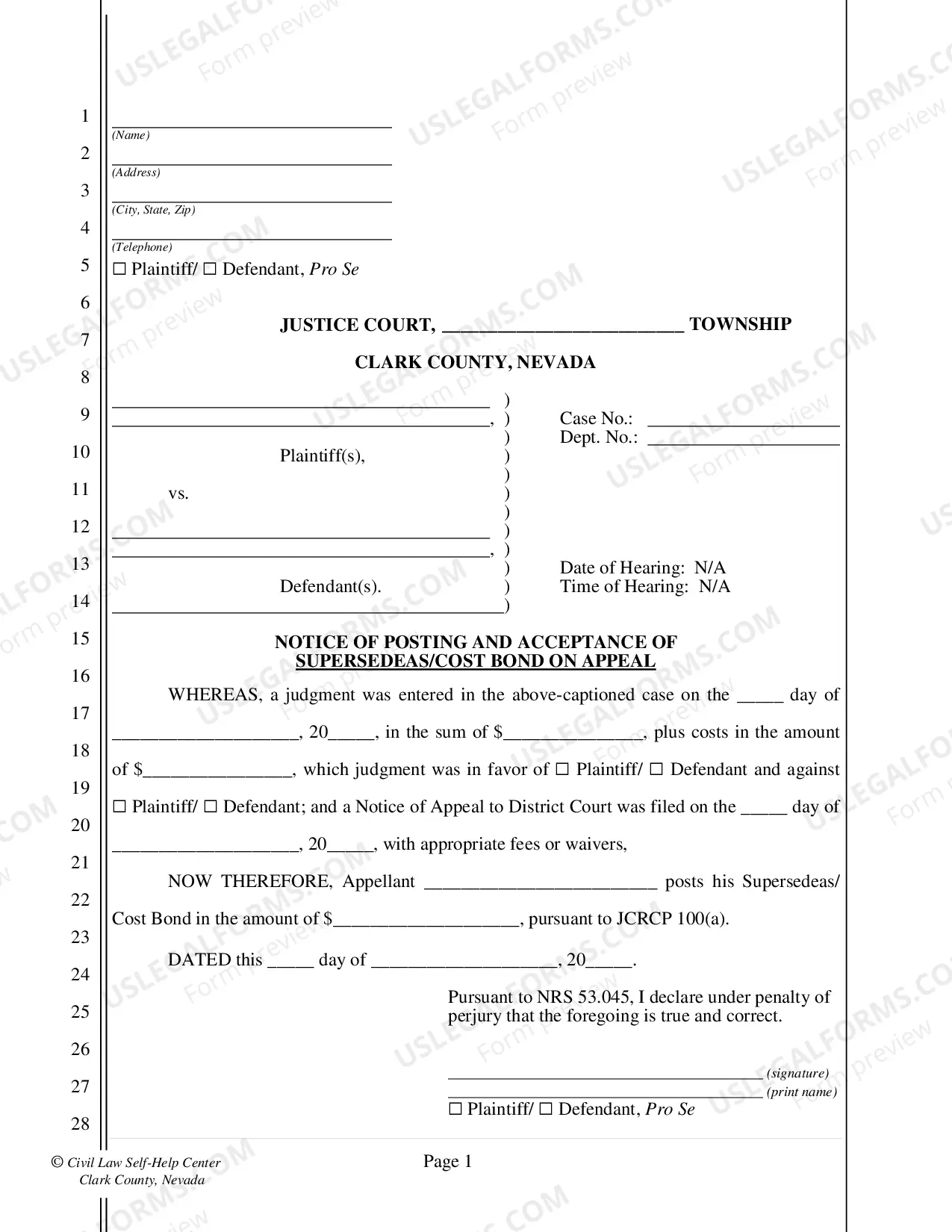
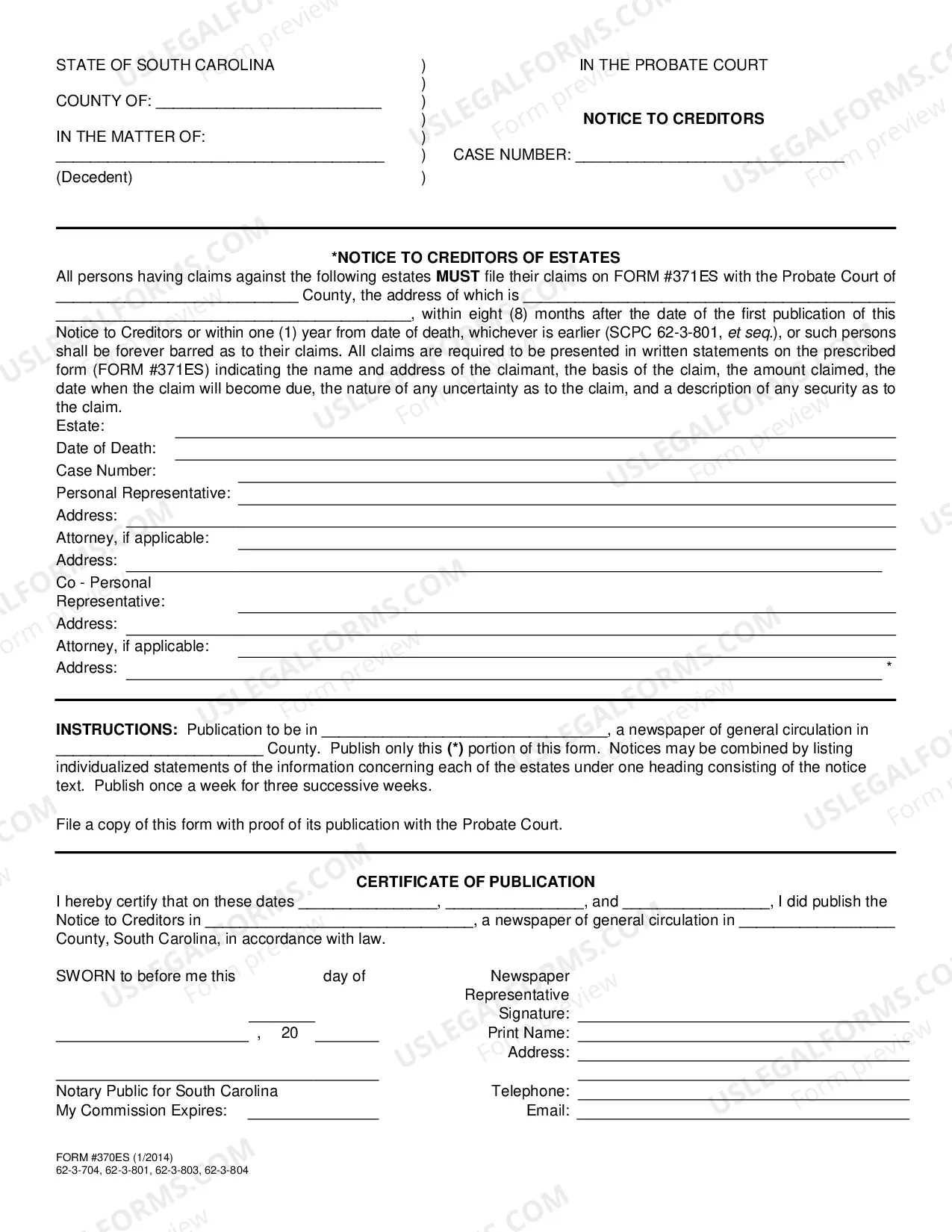
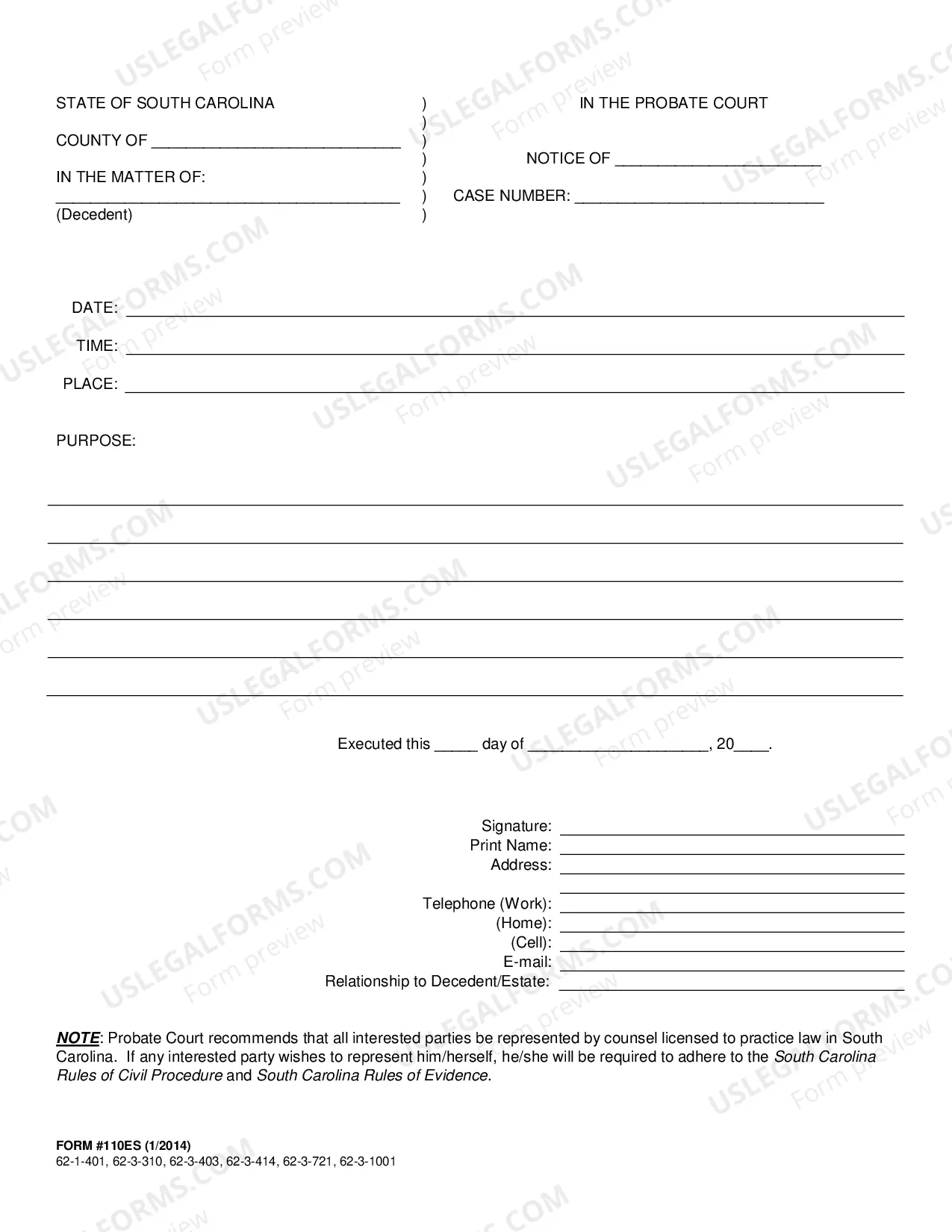
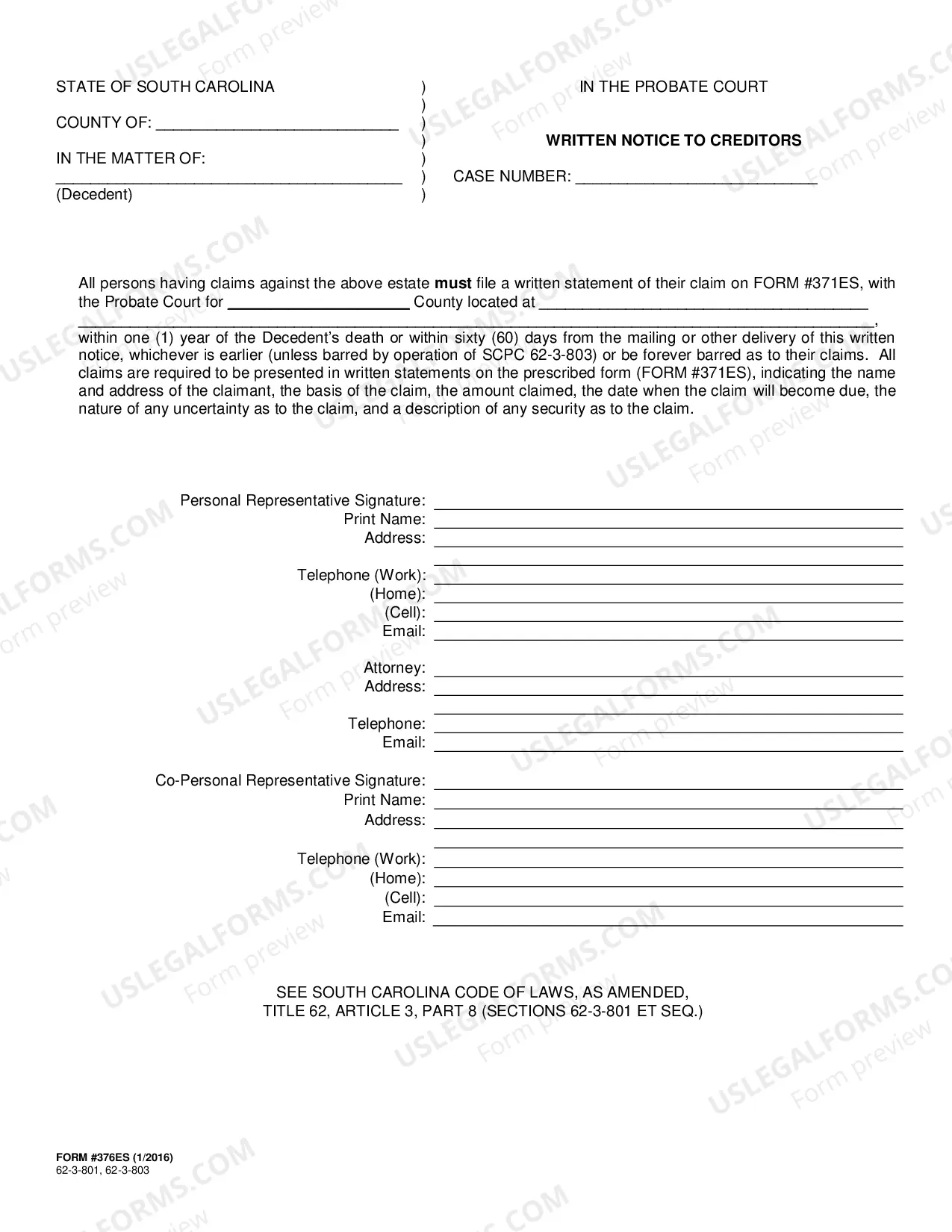
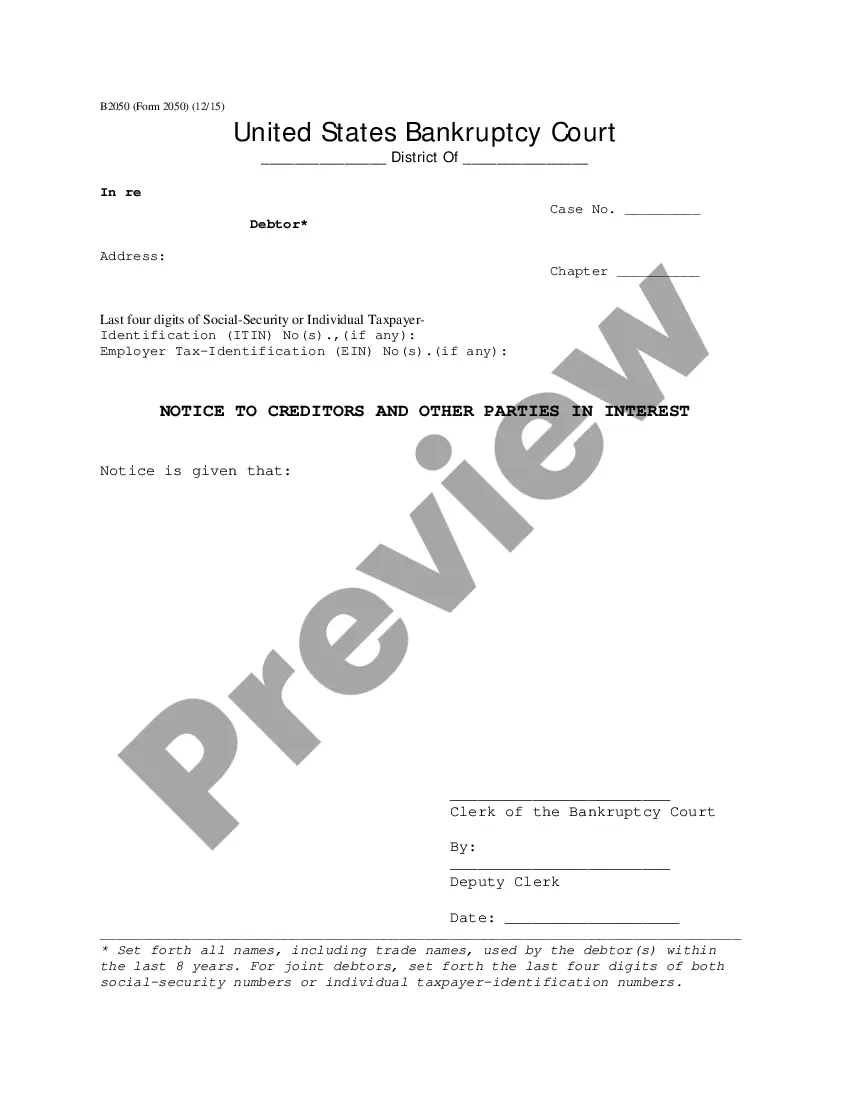
South Carolina Notice to Creditors
Description
Get your form ready online
Our built-in tools help you complete, sign, share, and store your documents in one place.
Make edits, fill in missing information, and update formatting in US Legal Forms—just like you would in MS Word.
Download a copy, print it, send it by email, or mail it via USPS—whatever works best for your next step.
Sign and collect signatures with our SignNow integration. Send to multiple recipients, set reminders, and more. Go Premium to unlock E-Sign.
If this form requires notarization, complete it online through a secure video call—no need to meet a notary in person or wait for an appointment.
We protect your documents and personal data by following strict security and privacy standards.

Make edits, fill in missing information, and update formatting in US Legal Forms—just like you would in MS Word.

Download a copy, print it, send it by email, or mail it via USPS—whatever works best for your next step.

Sign and collect signatures with our SignNow integration. Send to multiple recipients, set reminders, and more. Go Premium to unlock E-Sign.

If this form requires notarization, complete it online through a secure video call—no need to meet a notary in person or wait for an appointment.

We protect your documents and personal data by following strict security and privacy standards.
Looking for another form?
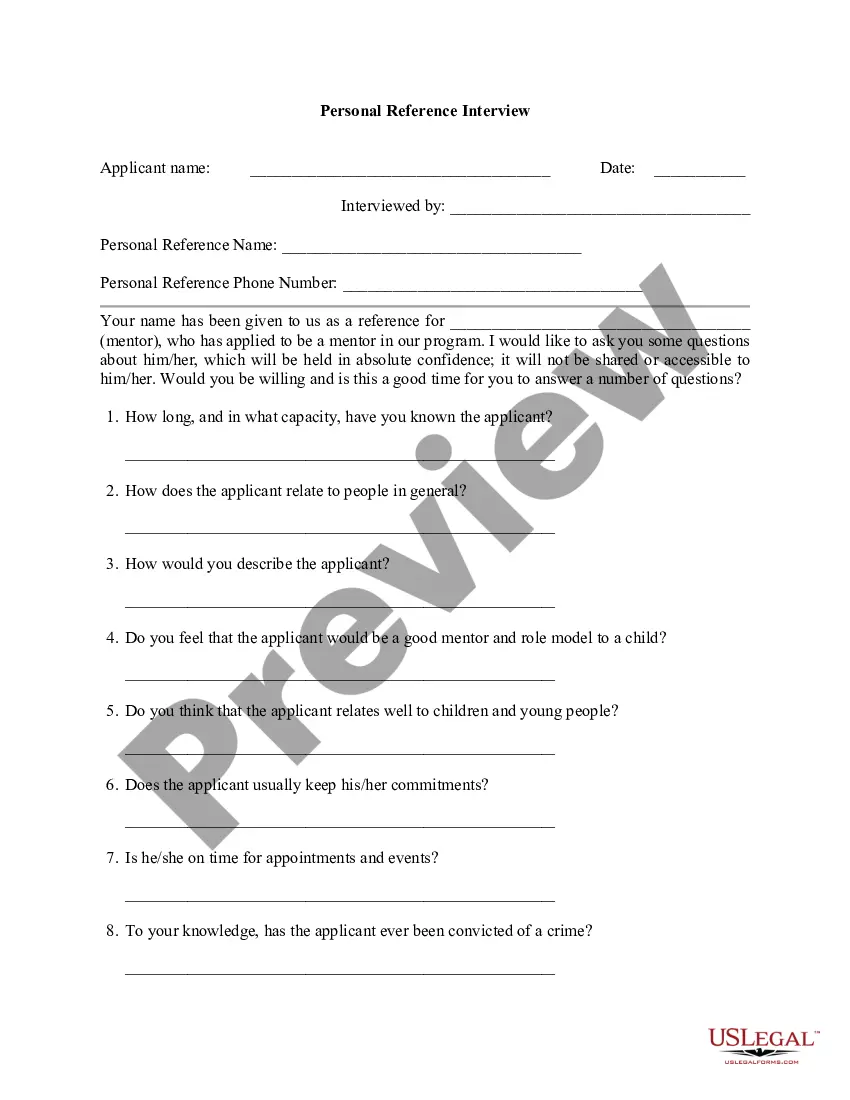
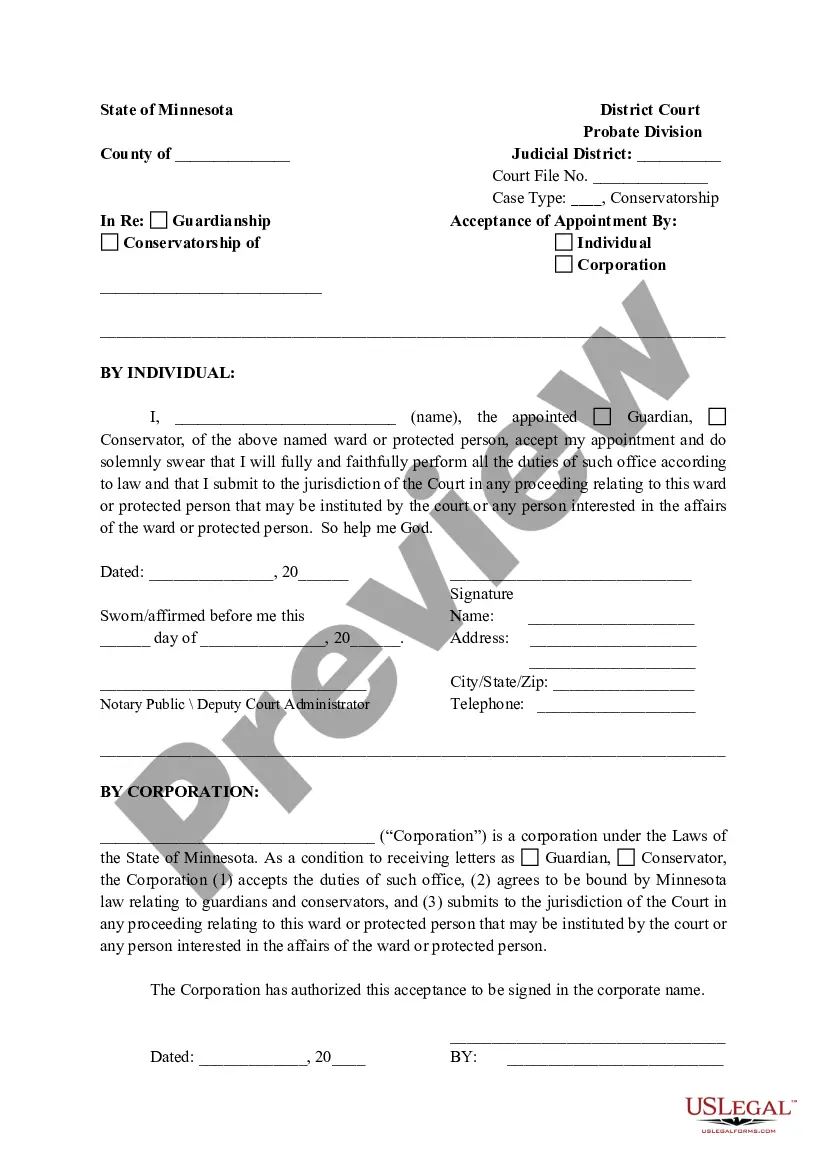
How to fill out South Carolina Notice To Creditors?
Handling legal paperwork requires attention, precision, and using properly-drafted blanks. US Legal Forms has been helping people nationwide do just that for 25 years, so when you pick your South Carolina Notice to Creditors template from our library, you can be certain it complies with federal and state laws.
Working with our service is simple and quick. To obtain the required paperwork, all you’ll need is an account with a valid subscription. Here’s a brief guideline for you to find your South Carolina Notice to Creditors within minutes:
- Make sure to carefully examine the form content and its correspondence with general and legal requirements by previewing it or reading its description.
- Look for an alternative formal template if the previously opened one doesn’t suit your situation or state regulations (the tab for that is on the top page corner).
- Log in to your account and download the South Carolina Notice to Creditors in the format you prefer. If it’s your first time with our service, click Buy now to proceed.
- Create an account, select your subscription plan, and pay with your credit card or PayPal account.
- Choose in what format you want to obtain your form and click Download. Print the blank or add it to a professional PDF editor to prepare it paper-free.
All documents are created for multi-usage, like the South Carolina Notice to Creditors you see on this page. If you need them one more time, you can fill them out without re-payment - simply open the My Forms tab in your profile and complete your document any time you need it. Try US Legal Forms and accomplish your business and personal paperwork quickly and in total legal compliance!
Form popularity
FAQ
Current through 2023 Act No. 5. Section 62-2-202 - Probate estate (a) For purposes of this Part, probate estate means the decedent's property passing under the decedent's will plus the decedent's property passing by intestacy, reduced by funeral and administration expenses and enforceable claims.
All creditor claims must be resolved before the estate is closed in probate, and in any event within 14 months after the date of death.
SECTION 62-2-101. Intestate estate. Any part of the estate of a decedent not effectively disposed of by his will passes to his heirs as prescribed in the following sections of this Code.
The appointment of a witness, a witness's spouse, or a witness's issue is valid, if otherwise so, and the individual so appointed, in such case, is entitled by law to take or receive any commissions or other compensation on account thereof.
Any executor, devisee, legatee, guardian, attorney, or other person who fails to deliver to the judge of the probate court having jurisdiction to admit it to probate any last will and testament, including any codicil or codicils thereto, upon conviction must be punished as for a misdemeanor.
In South Carolina, you can make a living trust to avoid probate for virtually any asset you own?real estate, bank accounts, vehicles, and so on. You need to create a trust document (it's similar to a will), naming someone to take over as trustee after your death (called a successor trustee).
Creditors must ?present? claims arising before the decedent's death within the earlier of one year after the decedent's death or eight months after the date of the first publication of the notice to creditors. S.C. Code Ann. § 62?3?803.
Exempt property. The surviving spouse of a decedent who was domiciled in this State is entitled from the estate to a value not exceeding twenty-five thousand dollars in excess of any security interests therein in household furniture, automobiles, furnishings, appliances, and personal effects.