South Carolina Amended Answer
Description


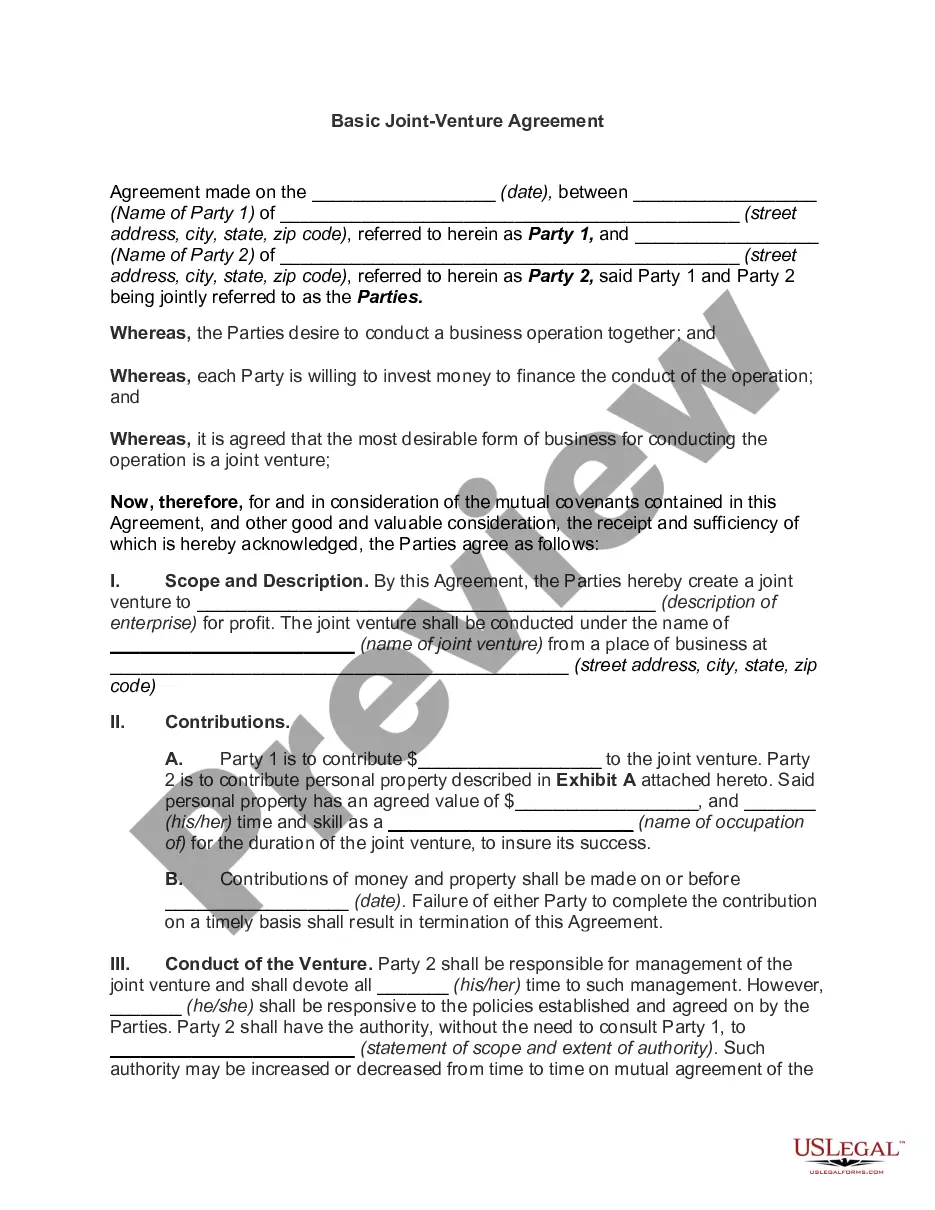
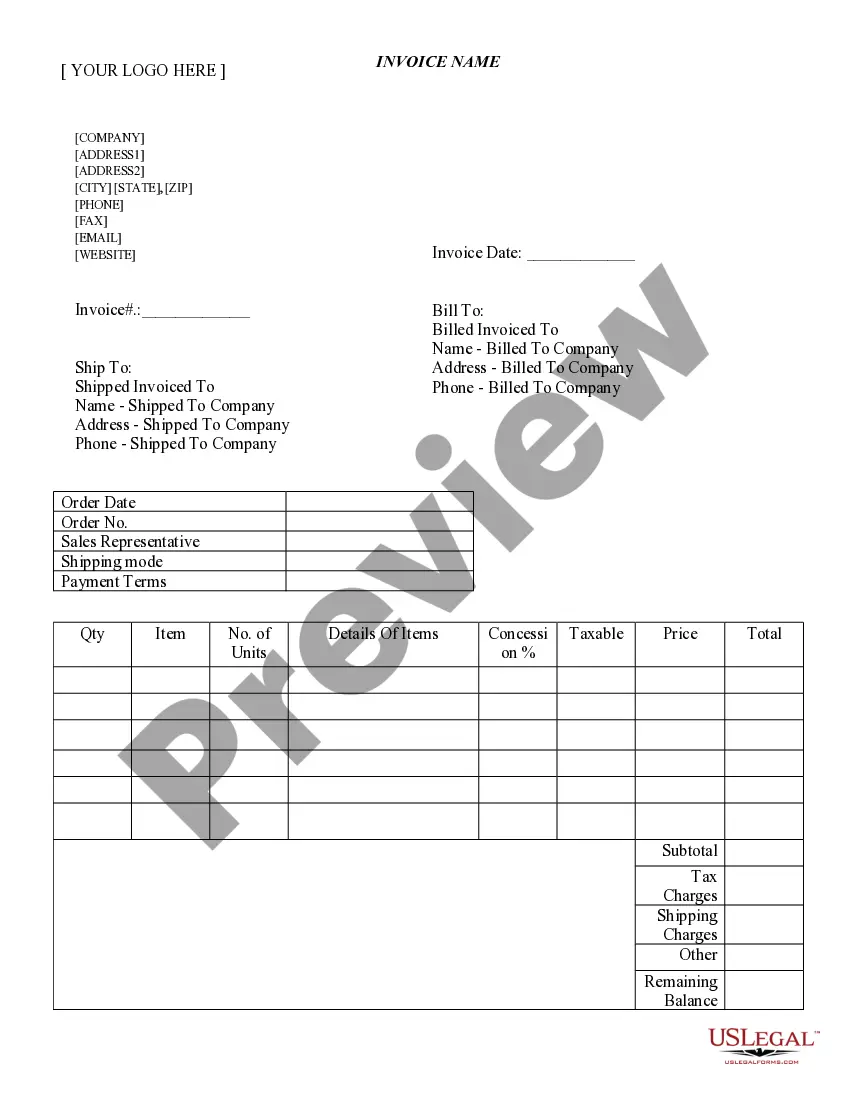

How to fill out South Carolina Amended Answer?
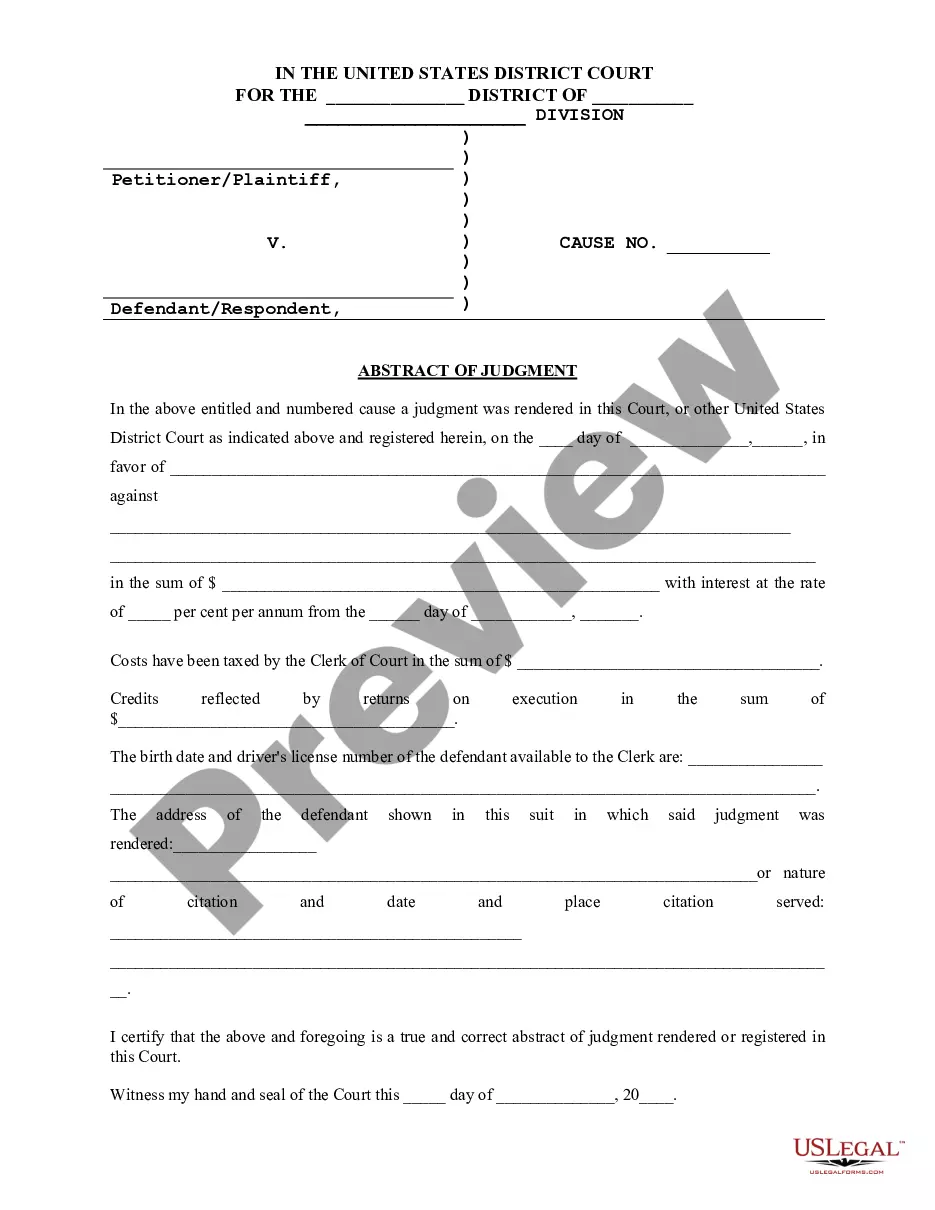
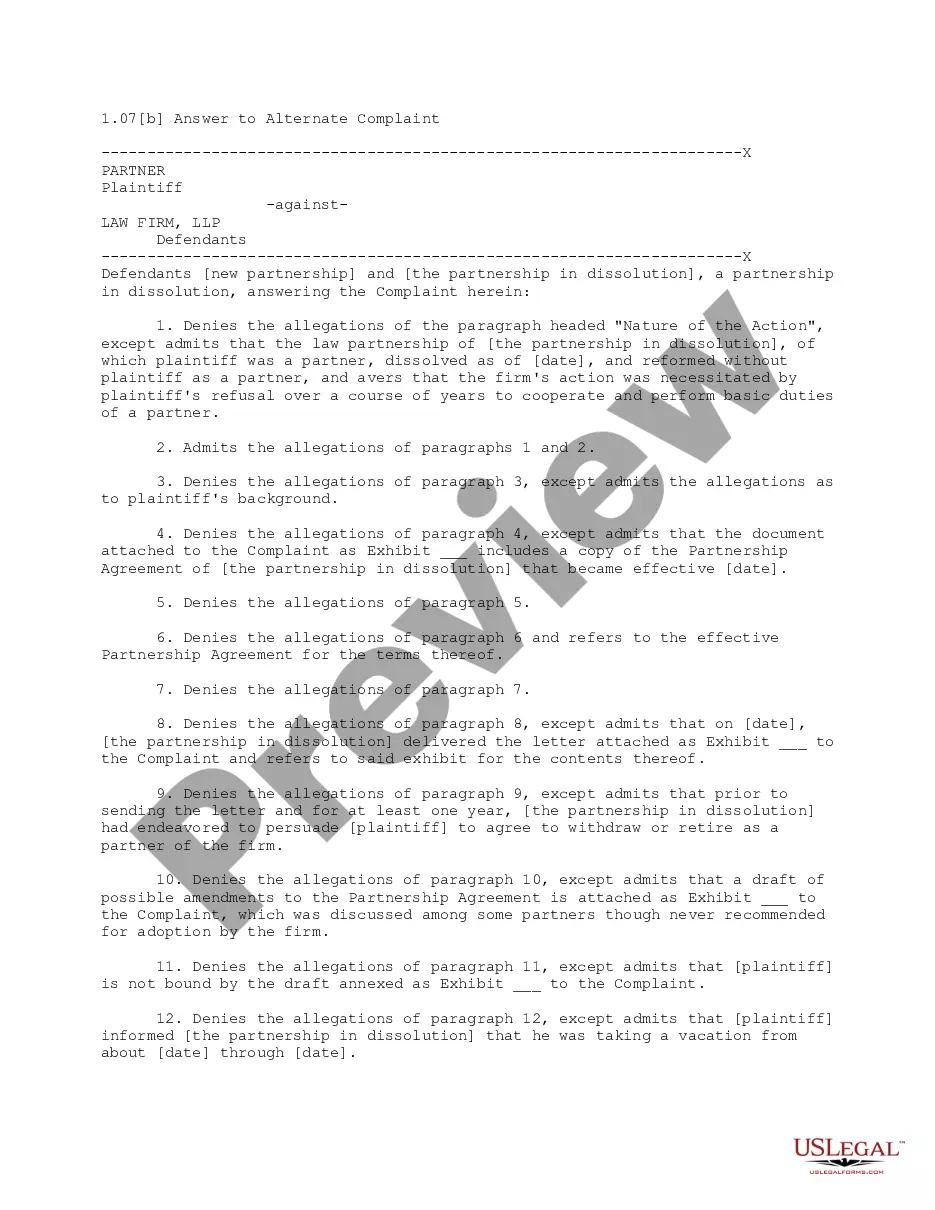
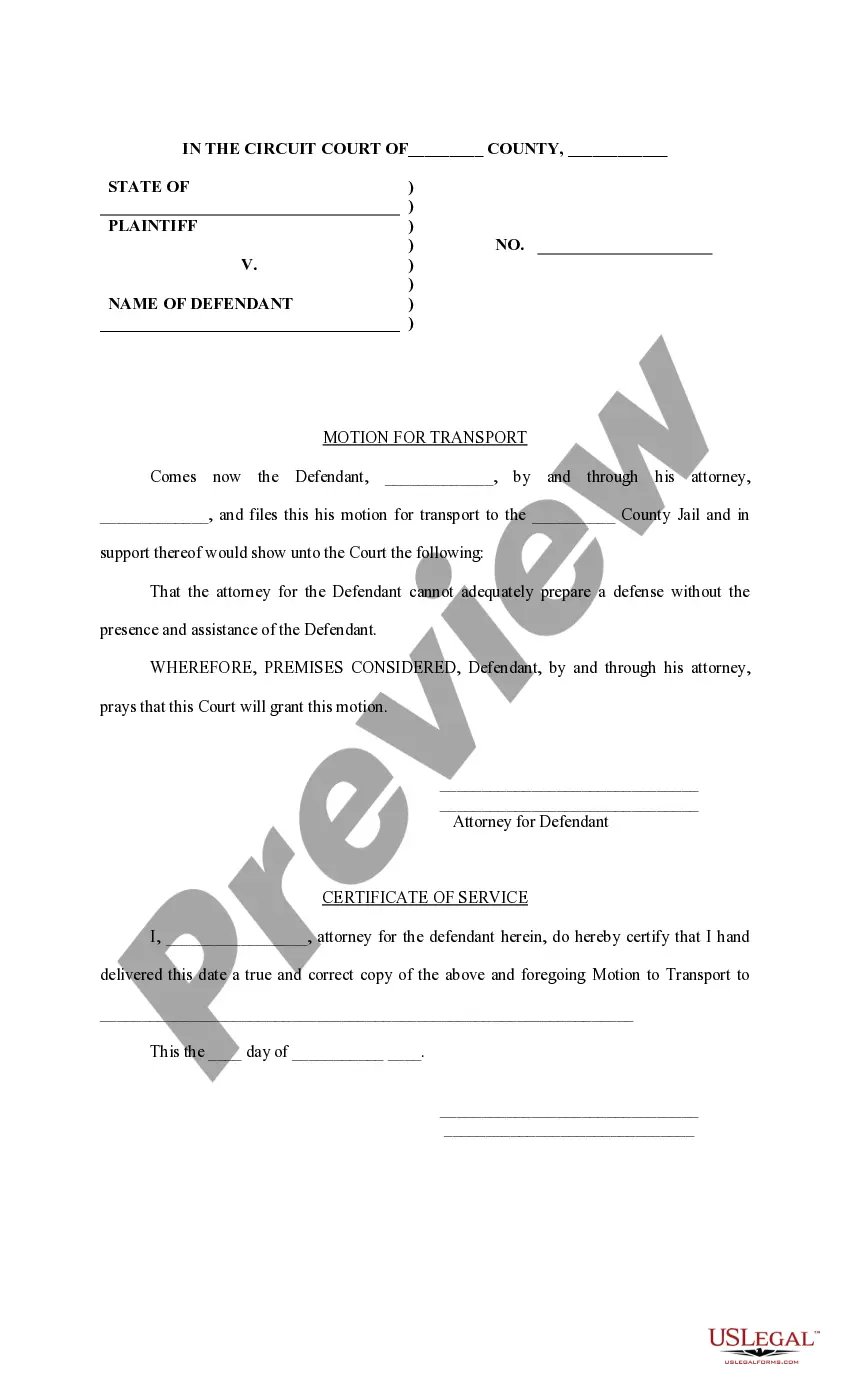
How much time and resources do you typically spend on composing official paperwork? There’s a better option to get such forms than hiring legal specialists or wasting hours browsing the web for an appropriate template. US Legal Forms is the top online library that offers professionally designed and verified state-specific legal documents for any purpose, such as the South Carolina Amended Answer.
To obtain and complete an appropriate South Carolina Amended Answer template, follow these simple steps:
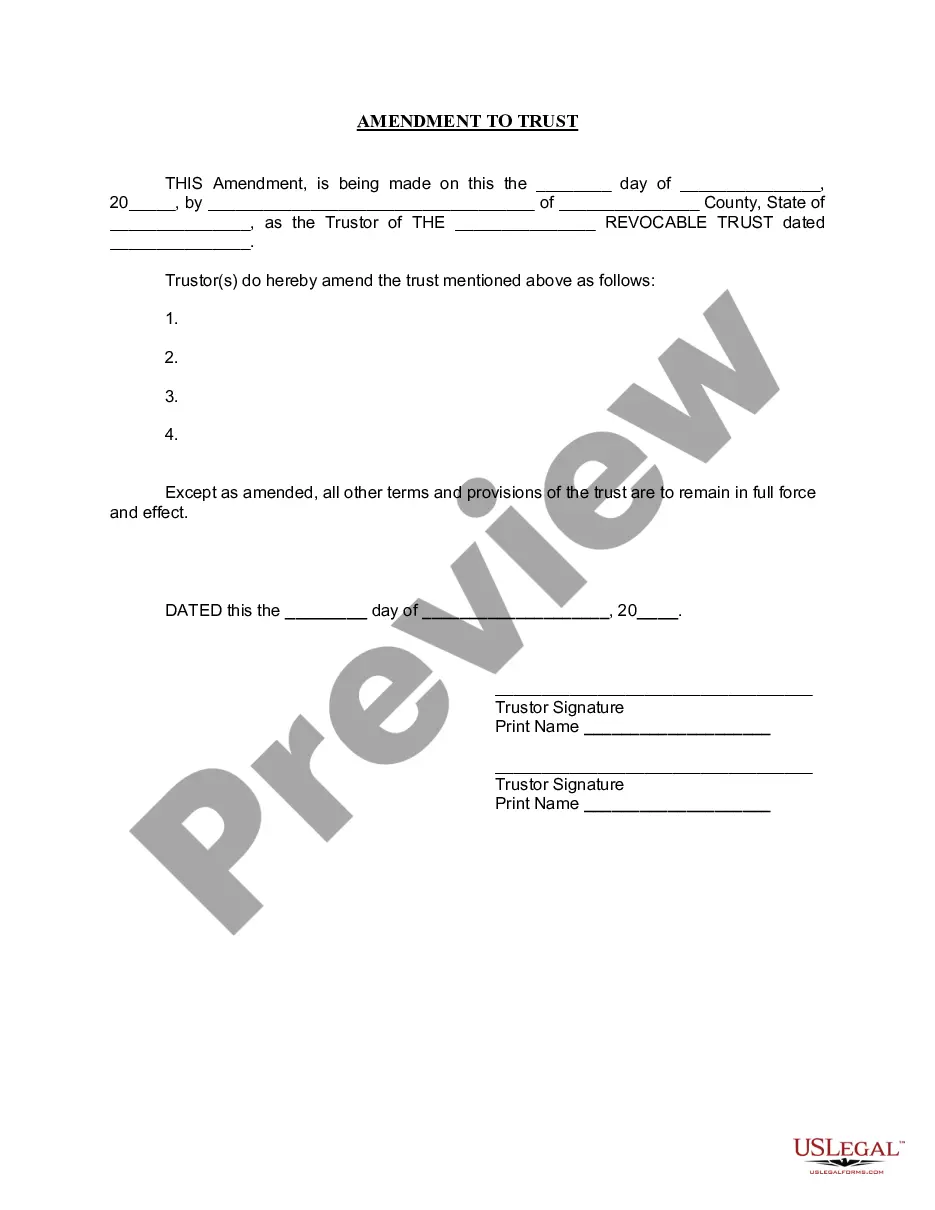
- Examine the form content to ensure it complies with your state requirements. To do so, read the form description or use the Preview option.
- If your legal template doesn’t satisfy your needs, locate a different one using the search bar at the top of the page.
- If you are already registered with our service, log in and download the South Carolina Amended Answer. If not, proceed to the next steps.
- Click Buy now once you find the right document. Choose the subscription plan that suits you best to access our library’s full service.
- Register for an account and pay for your subscription. You can make a payment with your credit card or through PayPal - our service is absolutely reliable for that.
- Download your South Carolina Amended Answer on your device and complete it on a printed-out hard copy or electronically.
Another benefit of our library is that you can access previously acquired documents that you safely keep in your profile in the My Forms tab. Get them anytime and re-complete your paperwork as often as you need.
Save time and effort completing official paperwork with US Legal Forms, one of the most trustworthy web services. Join us now!
Form popularity
FAQ
On a motion for a new trial in an action tried without a jury, the court may open the judgment if one has been entered, take additional testimony, amend findings of fact and conclusions of law or make new findings and conclusions, and direct the entry of a new judgment.
A changed written pleading in a lawsuit, including complaint or answer to a complaint.
Rule 12(b)(6), permitting a motion to dismiss for failure of the complaint to state a claim on which relief can be granted, is substantially the same as the old demurrer for failure of a pleading to state a cause of action.
What does a trial test that a 12(b)(6) motion does not? Trial tests the truth of the allegations.
If a pleading sets forth a cause of action or defense to which an adverse party is not required to serve a responsive pleading, he may assert at the trial any defense in law or fact to that cause of action or defense.
FRCP Rule 12(b) pertains to pretrial motions, and 12(b)(6) specifically deals with motions to dismiss for failure to state a claim upon which relief can be granted. As a practical matter, Rule 12(b)(6) motions are rarely successful, and when they are, their success usually has more to do with the judge than the law.
(a) Amendments. A party shall plead in response to an amended pleading within the time remaining for response to the original pleading or within fifteen days after service of the named amended pleading, whichever period may be the longer, unless the court otherwise orders.
There are, however, key differences between a Rule 12(b)(6) and a Rule 12(c) motion. First, Rule 12(c) permits any party to file the motion. While a motion under Rule 12(b)(6) is brought by a party against whom a claim is asserted, a motion under Rule 12(c) may be brought by any party.