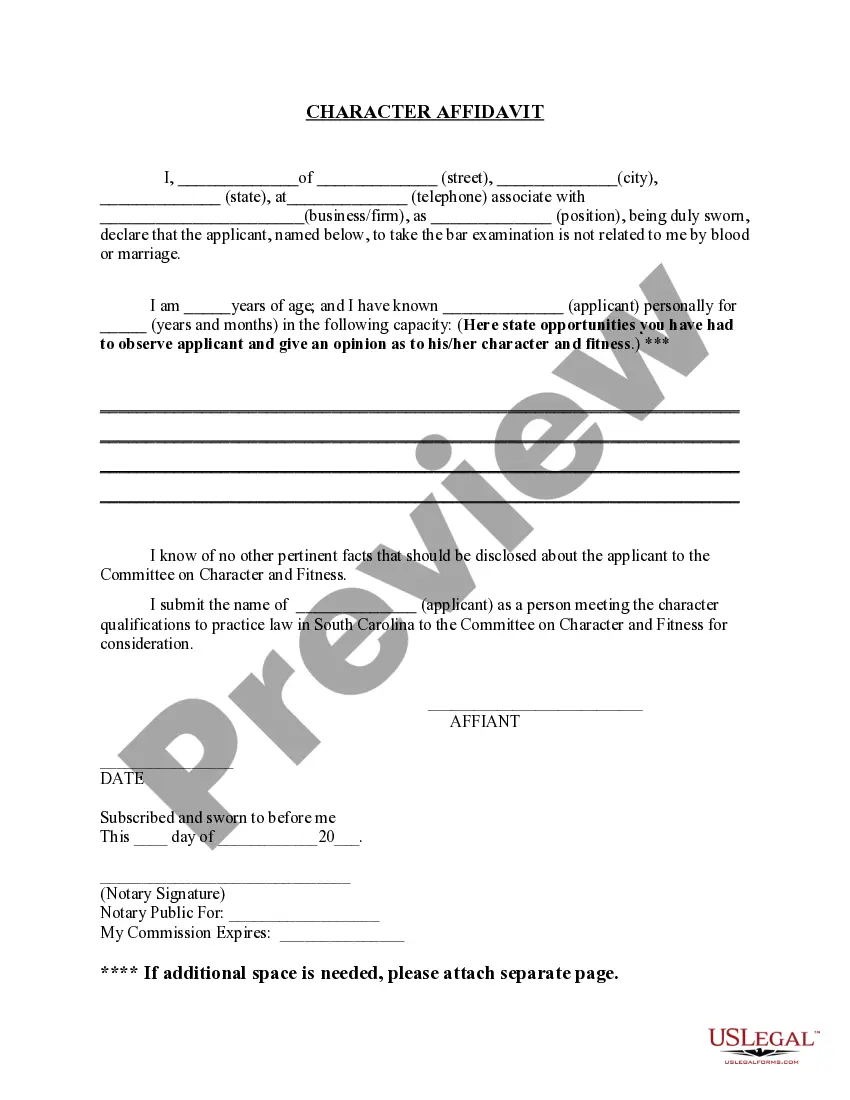
South Carolina Character Affidavit
What is this form?
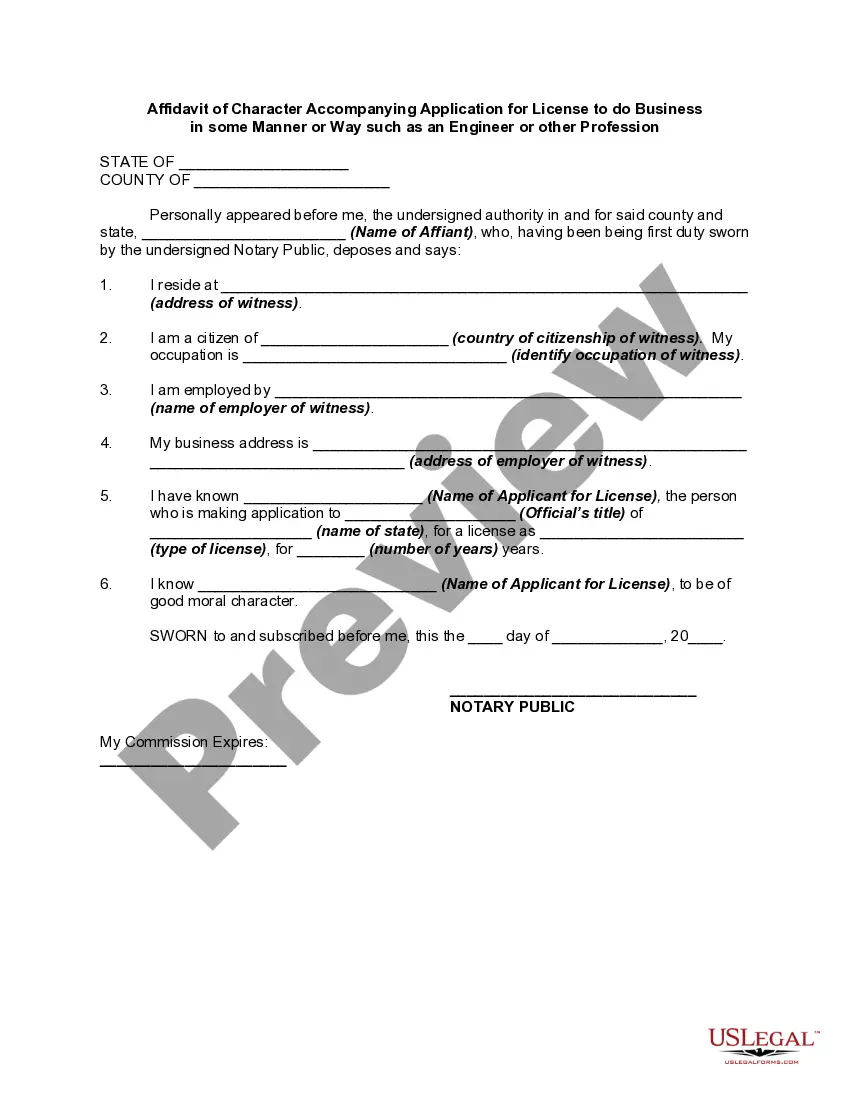
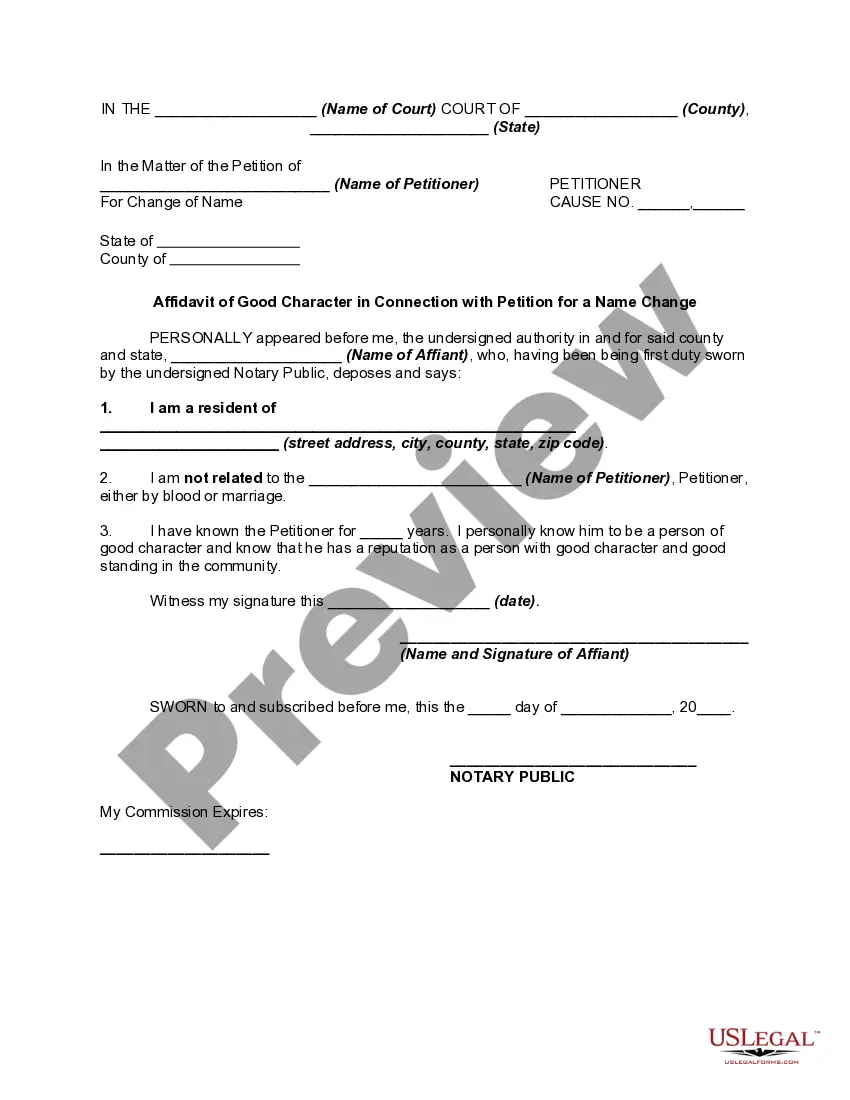
A character affidavit is a legal document used to provide a sworn statement of character regarding a specific individual. This affidavit serves as a character reference, often required by organizations or committees assessing the individual's moral standing, such as when applying for licenses or positions that require good moral character. Unlike generic character references, a character affidavit is legally binding and entails a formal declaration under oath by the signer, enhancing its credibility and weight in legal contexts.
Main sections of this form
- Name and contact information of the affiant (the person making the statement).
- Details about the applicant, including their relationship to the affiant.
- Affidavit statement affirming the character of the applicant based on personal experience.
- Affiant's age and the duration of their acquaintance with the applicant.
- Declaration that the applicant is not related to the affiant by blood or marriage.
- A statement affirming the applicant's qualifications for practicing law, if applicable.
When to use this form
This form is typically used when an individual needs to establish their good moral character, particularly in legal contexts such as applying for a bar examination or other professional licenses. It may also be utilized in court proceedings or by organizations that require a formal character reference for employment, volunteer opportunities, or other evaluations of character.
Intended users of this form
- Individuals applying for a bar examination or legal licensing.
- Affiants willing to attest to the character of the applicant under oath.
- Employers or organizations needing character verification for applicants.
- Anyone requiring a formal document to support the moral qualifications of another person.
Steps to complete this form
- Enter your full name and contact information in the designated fields.
- Provide the name of the applicant and the nature of your relationship.
- Describe your observations of the applicant's character and fitness in the specified section.
- Confirm your age and how long you have known the applicant.
- Sign and date the affidavit, ensuring it is sworn before a notary public.
- Attach any additional pages if more space is needed for your statements.
Is notarization required?
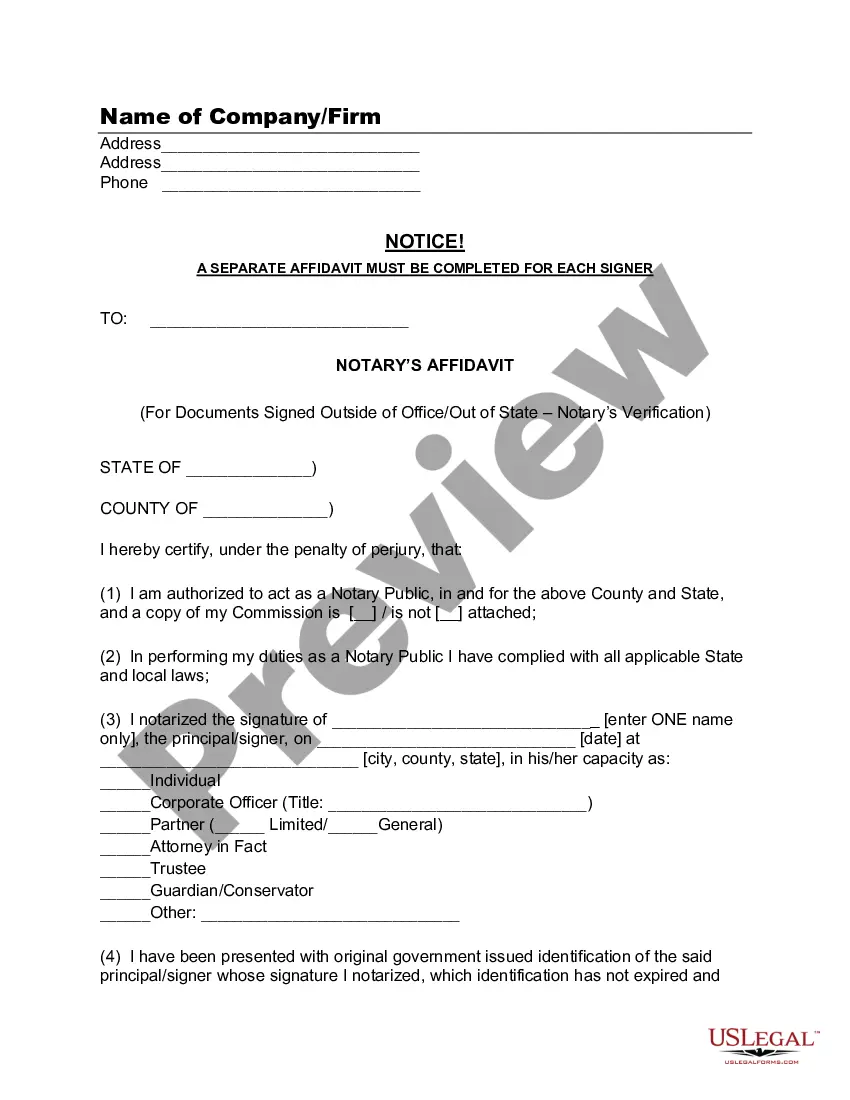
Yes, this form must be notarized to be legally valid. It must be signed in the presence of a notary public who will verify your identity and witness your signature. US Legal Forms provides online notarization services that are available 24/7, securely connecting you with a notary through a video call, allowing for convenience without the need to travel.
Get your form ready online
Our built-in tools help you complete, sign, share, and store your documents in one place.
Make edits, fill in missing information, and update formatting in US Legal Forms—just like you would in MS Word.
Download a copy, print it, send it by email, or mail it via USPS—whatever works best for your next step.
Sign and collect signatures with our SignNow integration. Send to multiple recipients, set reminders, and more. Go Premium to unlock E-Sign.
If this form requires notarization, complete it online through a secure video call—no need to meet a notary in person or wait for an appointment.
We protect your documents and personal data by following strict security and privacy standards.

Make edits, fill in missing information, and update formatting in US Legal Forms—just like you would in MS Word.

Download a copy, print it, send it by email, or mail it via USPS—whatever works best for your next step.

Sign and collect signatures with our SignNow integration. Send to multiple recipients, set reminders, and more. Go Premium to unlock E-Sign.

If this form requires notarization, complete it online through a secure video call—no need to meet a notary in person or wait for an appointment.

We protect your documents and personal data by following strict security and privacy standards.
Typical mistakes to avoid
- Failing to provide complete contact information for both the affiant and the applicant.
- Neglecting to include the duration of acquaintance with the applicant.
- Inaccurate or incomplete statements regarding the applicant's character.
- Missing the notarization requirement, which invalidates the affidavit.
Why complete this form online
- Convenience of downloading and completing the form from anywhere.
- Editability allows for corrections and tailored statements as necessary.
- Access to professionally drafted templates ensures legal compliance.
- Time-saving as you can complete the process without visiting a lawyer.
Legal use & context
- Character affidavits are often used in legal proceedings as official evidence of a person's moral standing.
- These documents can play a crucial role in influencing decisions made by licensing boards or courts.
- The weight of a character affidavit is significantly higher than casual character references due to its sworn nature.
What to keep in mind
- A character affidavit serves as a formal, legally binding reference to an individual's morality.
- It is essential for applications requiring proof of good moral character, especially in legal professions.
- Complete accuracy and notarization are necessary for the affidavit to be accepted officially.
Looking for another form?



Form popularity
FAQ
6 steps to writing an affidavit Title the affidavit. First, you'll need to title your affidavit.Craft a statement of identity. The very next section of your affidavit is what's known as a statement of identity.Write a statement of truth.State the facts.Reiterate your statement of truth.Sign and notarize.
Do I Need to Have My Will Notarized? No, in South Carolina, you do not need to notarize your will to make it legal. However, South Carolina allows you to make your will "self-proving" and you'll need to go to a notary if you want to do that.
A private process server will charge a fee to serve papers. After the process server serves the papers, he or she must prepare an affidavit that they completed service of process. This affidavit must be notarized. File the affidavit with the Clerk of Court's office where the case is filed.
To be an admissible Affidavit, the acknowledgment must be sworn to be true and correct to the best personal knowledge of the affiant. Furthermore, the affiant must declare that the statements contained in the Affidavit are true and correct under penalties of perjury.
These include that the ?will shall be: (1) in writing; (2) signed by the testator or signed in the testator's name by some other individual in the testator's presence and by the testator's direction; and (3) signed by at least two individuals each of whom witnessed either the signing or the testator's acknowledgement
What Should You Include in a South Carolina Affidavit? The name and address of the affiant. A statement of the facts. A sworn declaration that the statements are true. The signature of the affiant. The date of the affidavit. The signature of the Notary Public.