South Carolina Contract for Deed
Understanding this form
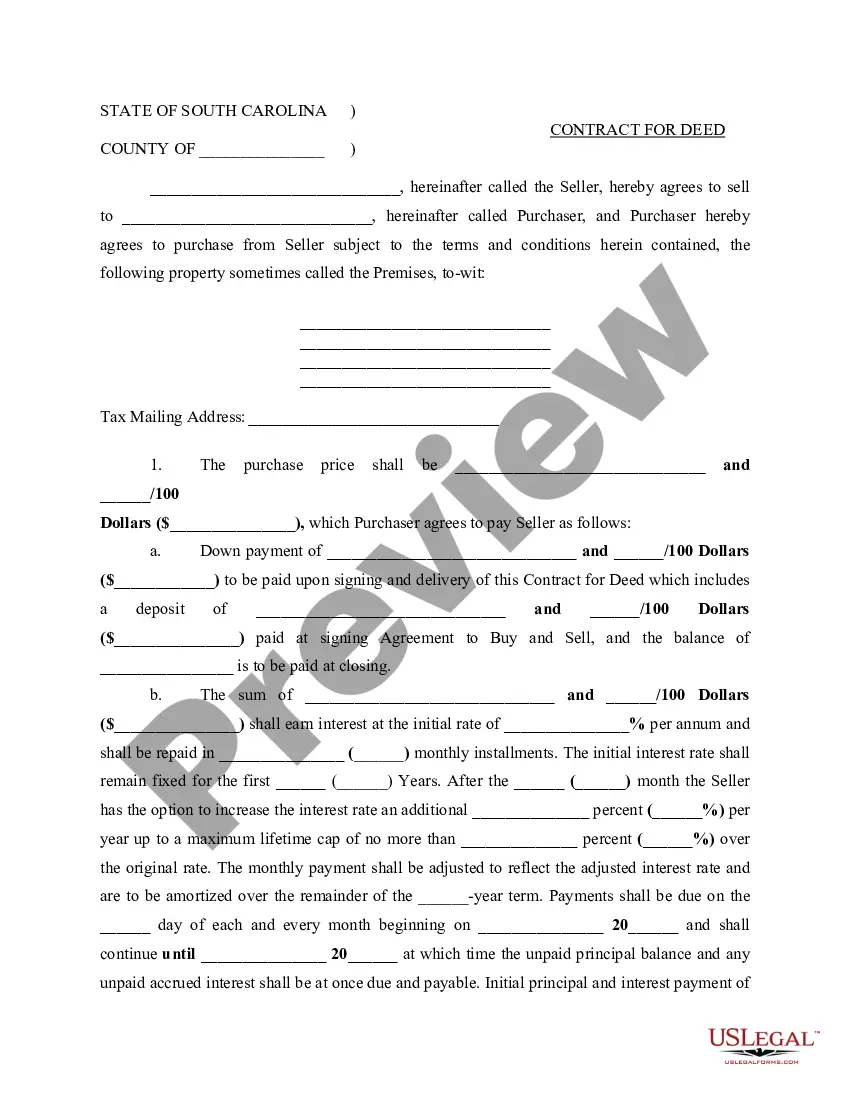
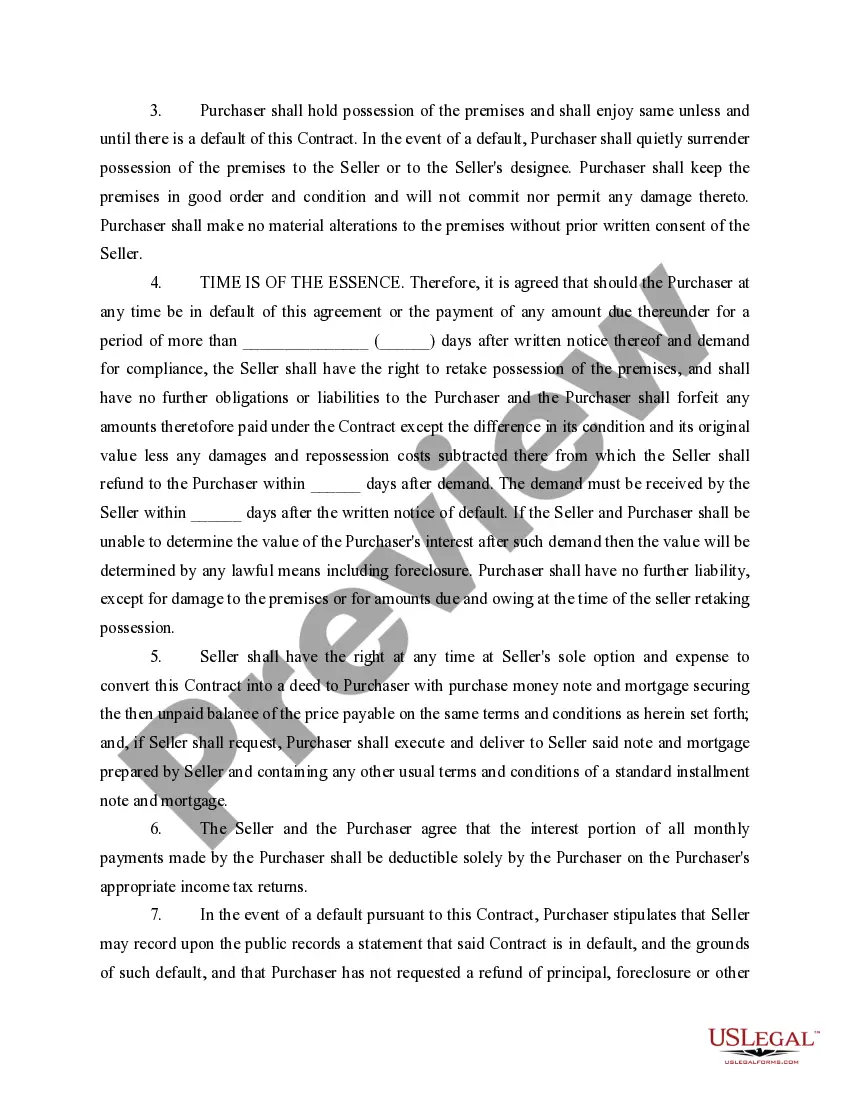
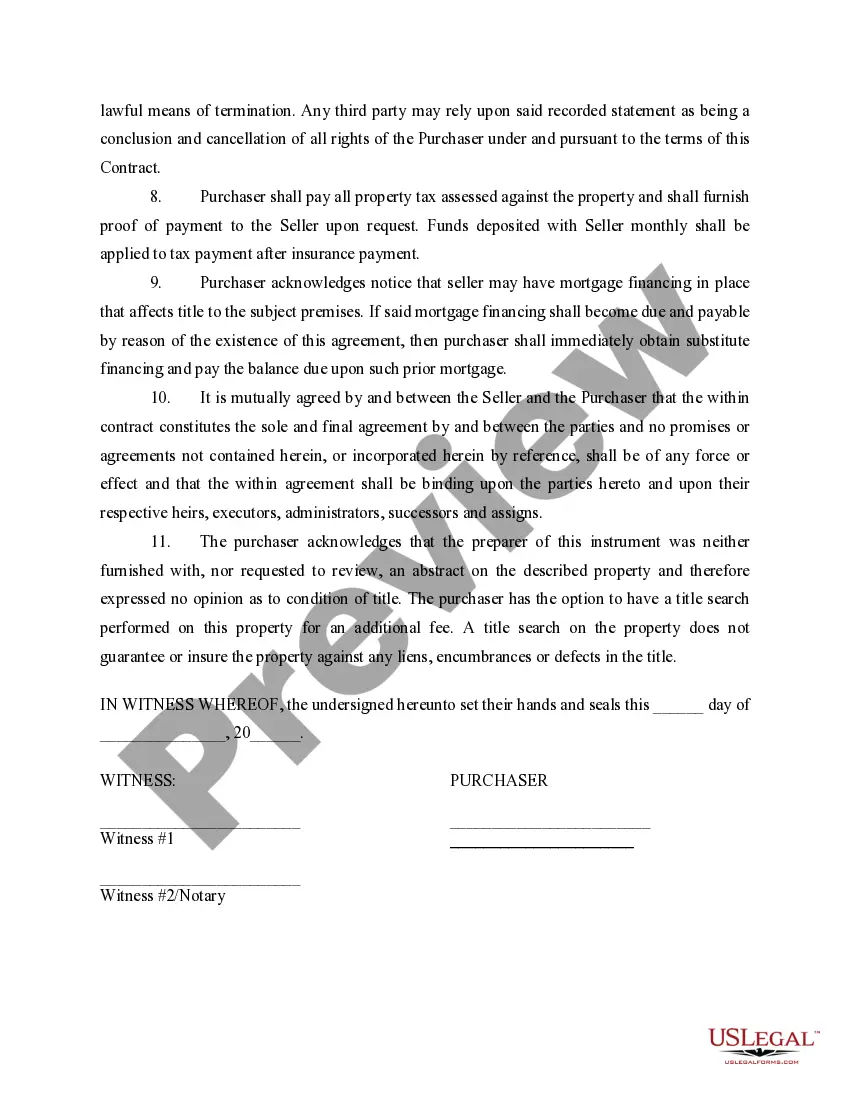
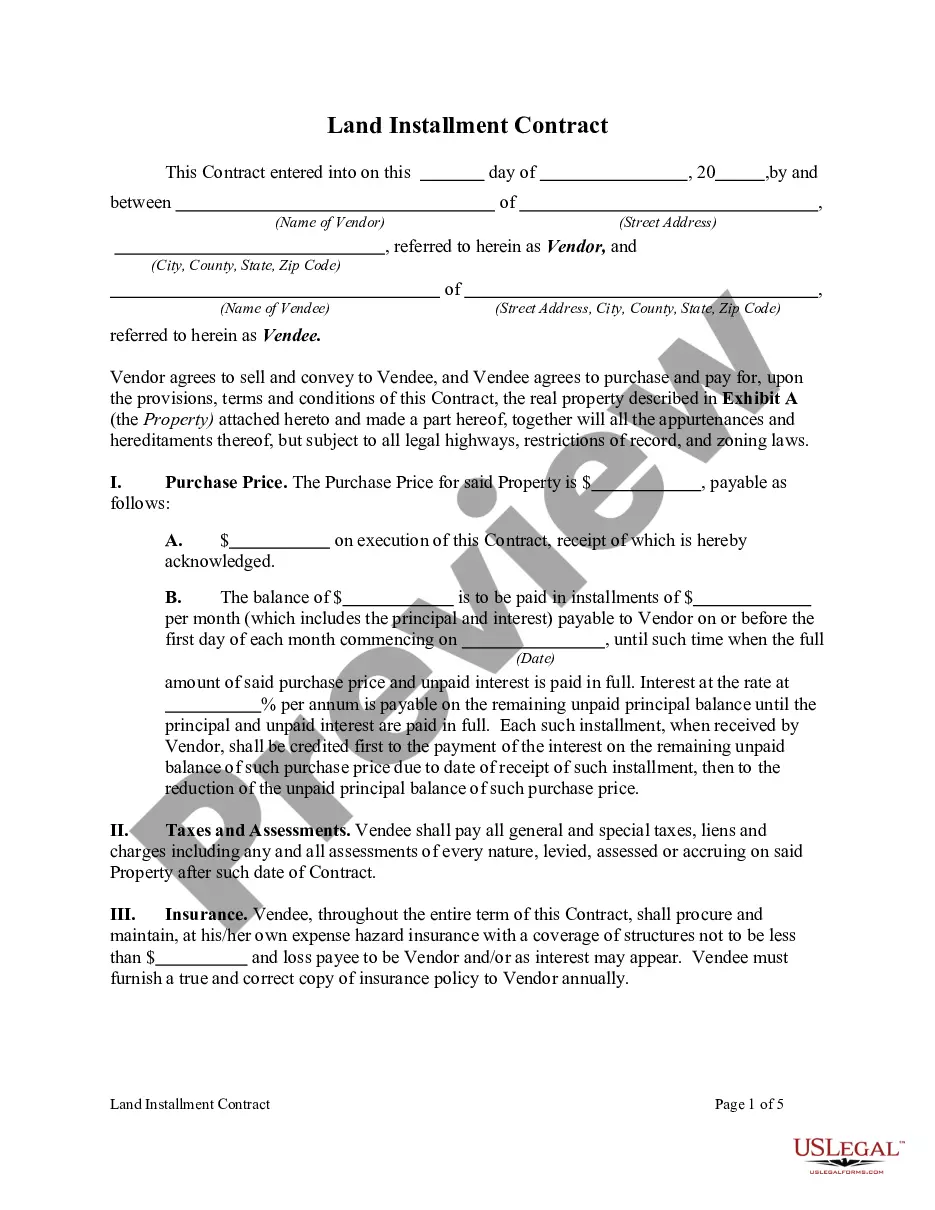
A Contract for Deed is a legal document that allows buyers who may not qualify for traditional financing options to purchase property. This form enables the buyer to make regular payments directly to the seller until the total price is paid off. The seller retains legal title to the property during this period, with the buyer obtaining it only after the final payment is made. In case of default, the seller can reclaim the property, making this arrangement distinct from standard mortgage agreements.
What’s included in this form
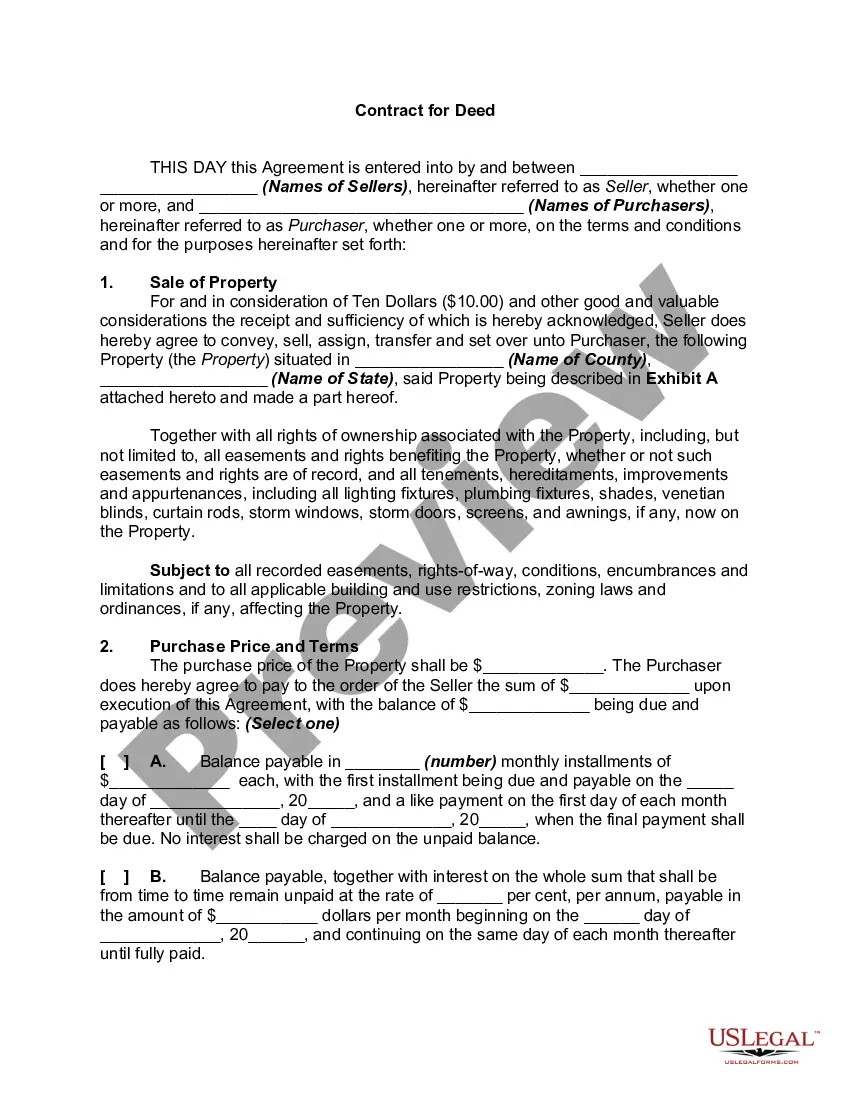
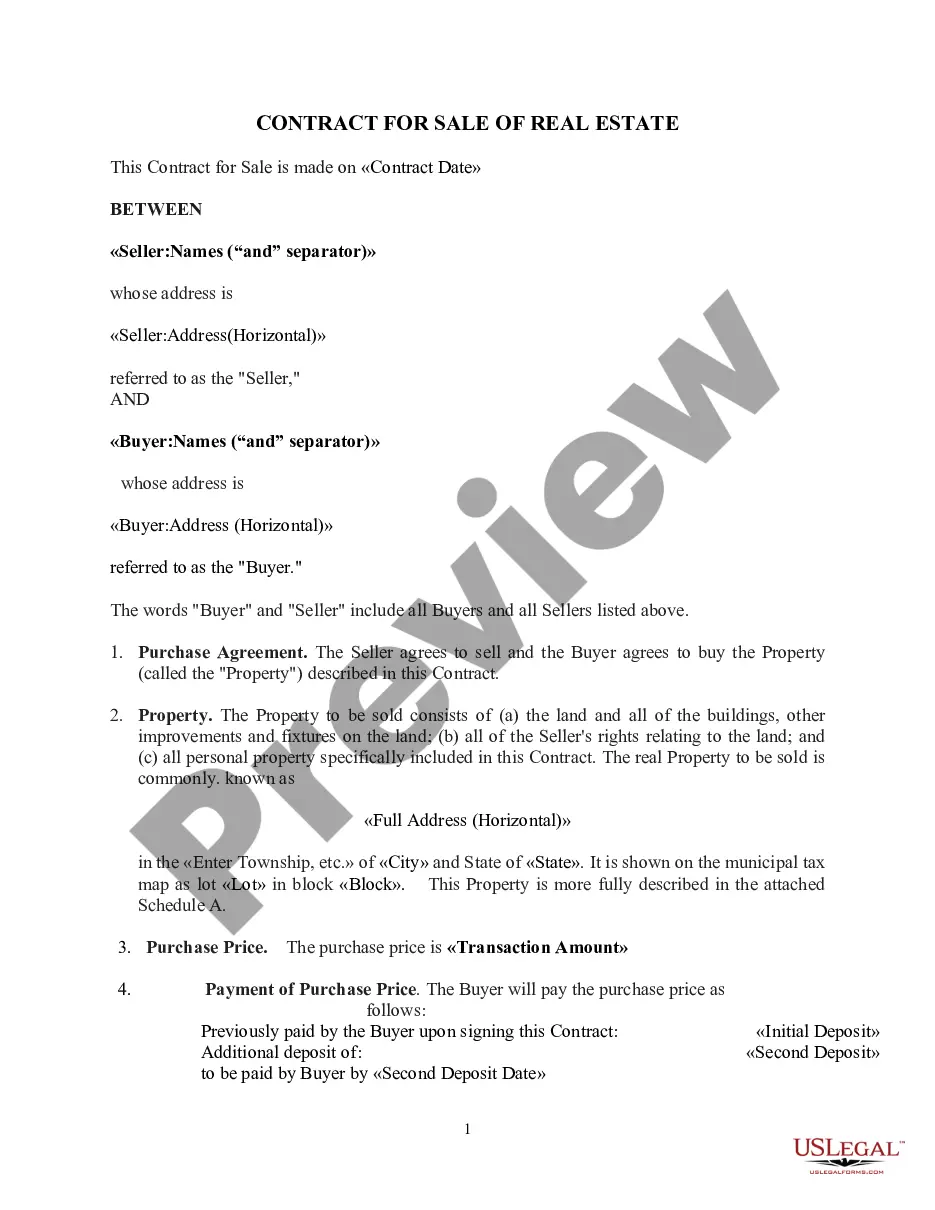
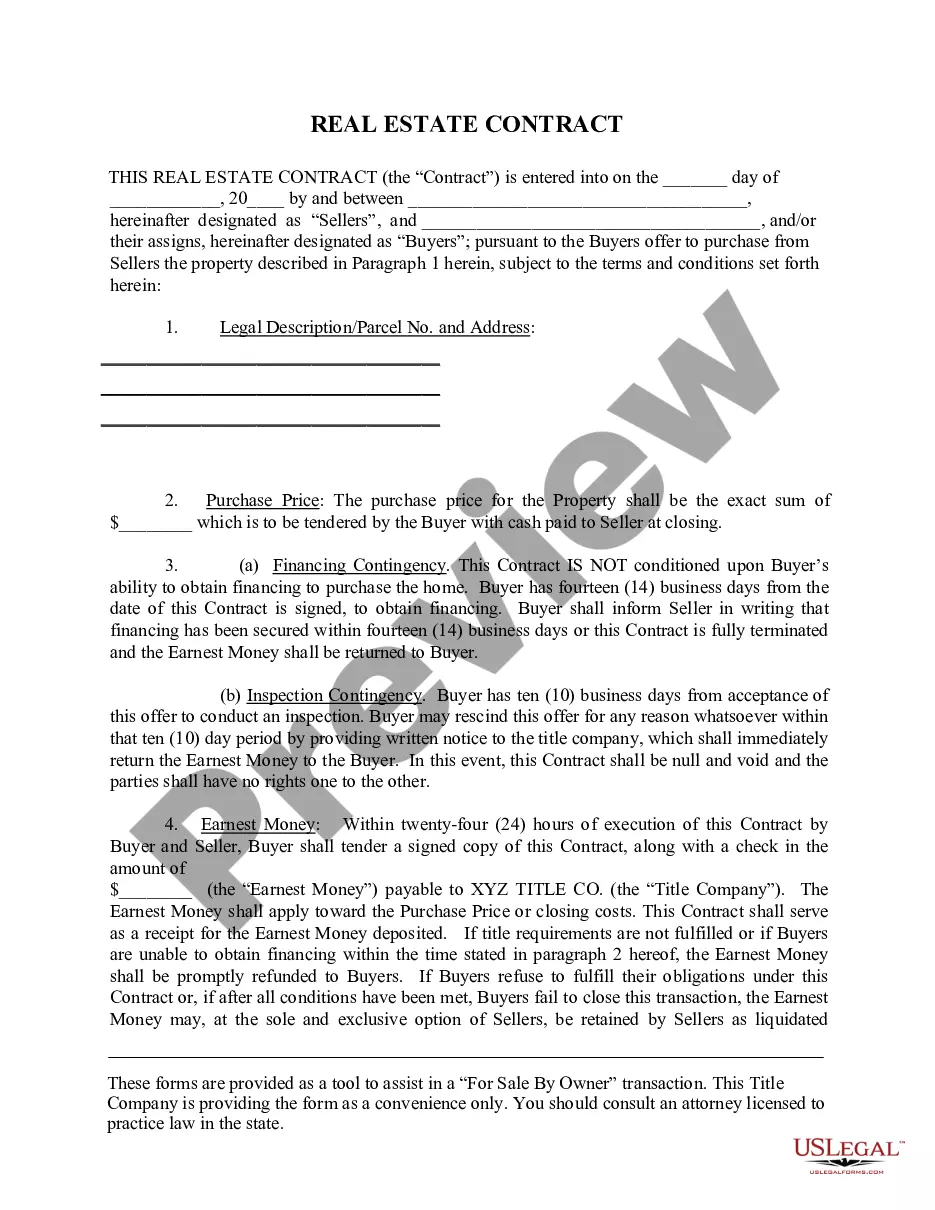
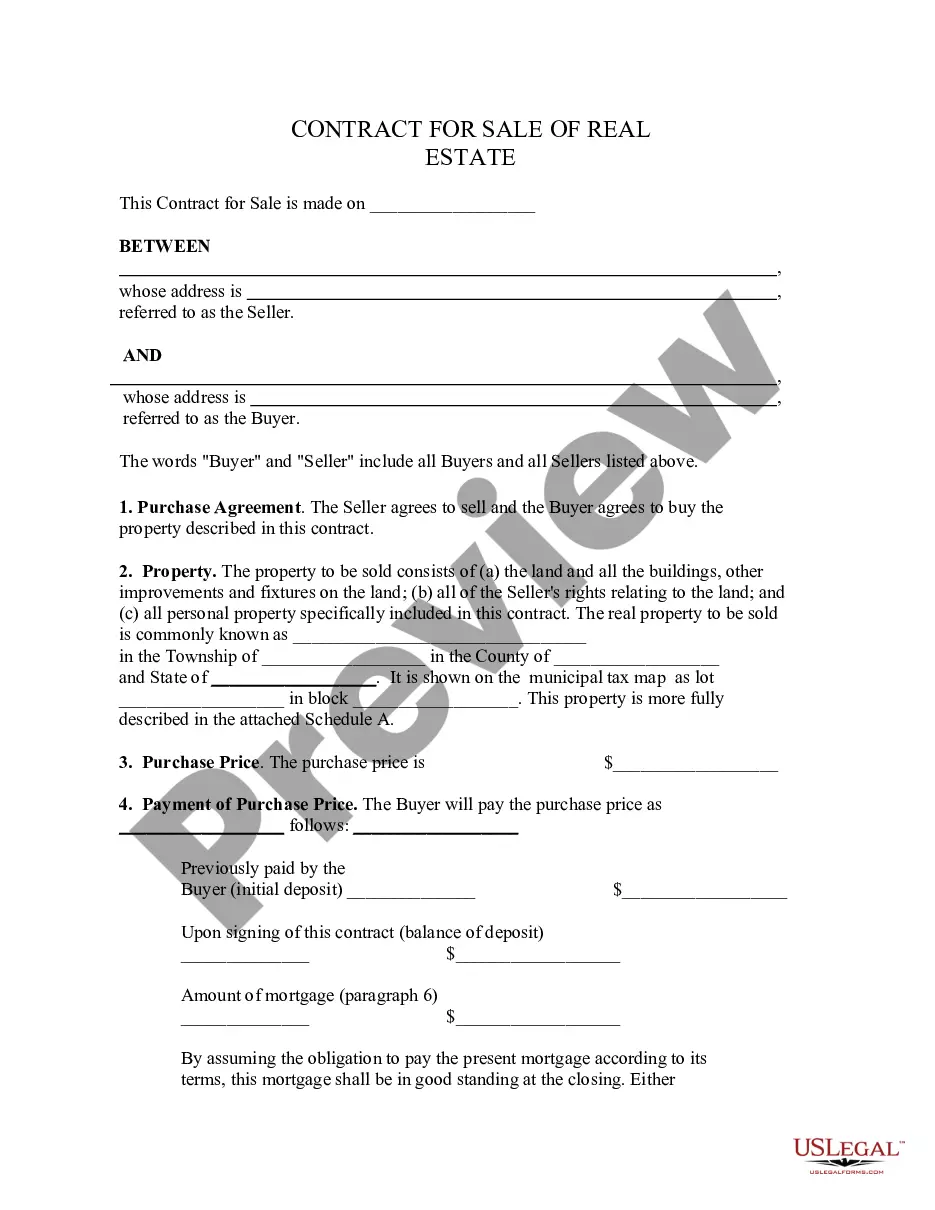
- Identification of the seller and purchaser, including legal names and property details.
- Agreement on the purchase price and payment terms, including down payment and interest rates.
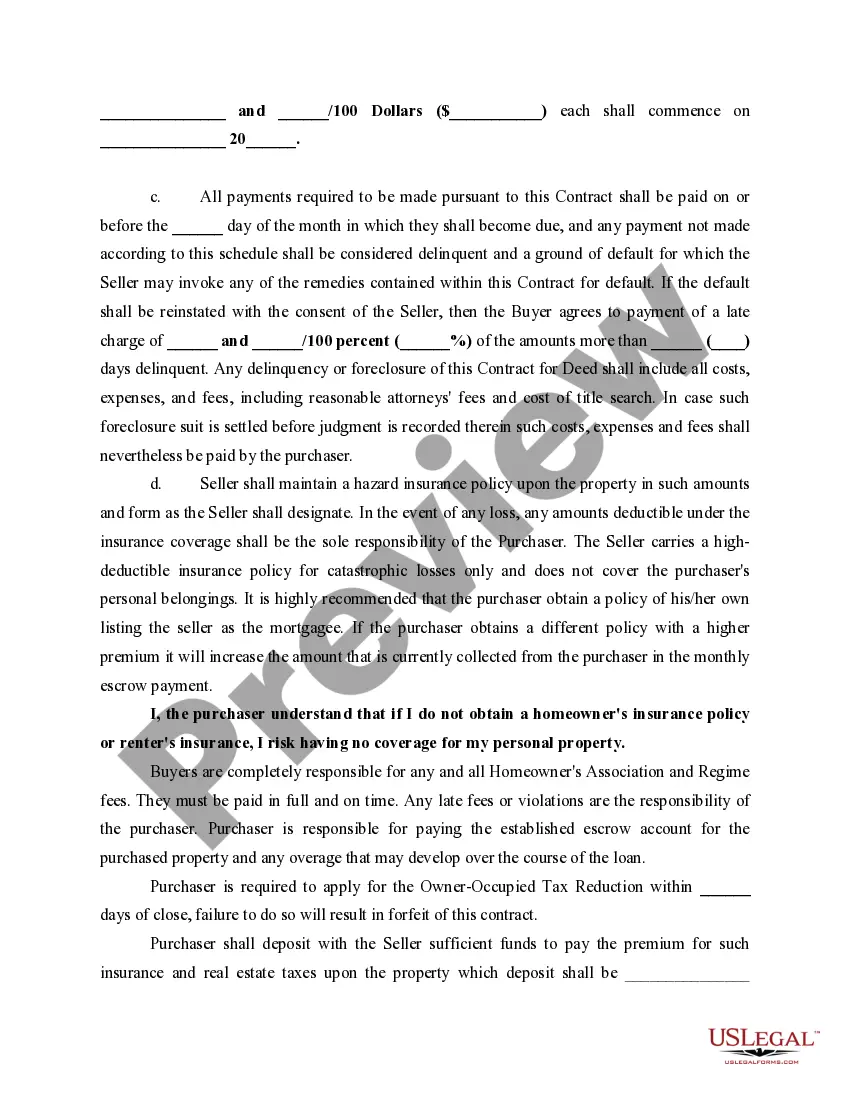
- Outline of remedies for default, including potential late fees and foreclosure actions.
- Insurance requirements for the property, including maintenance of hazard insurance.
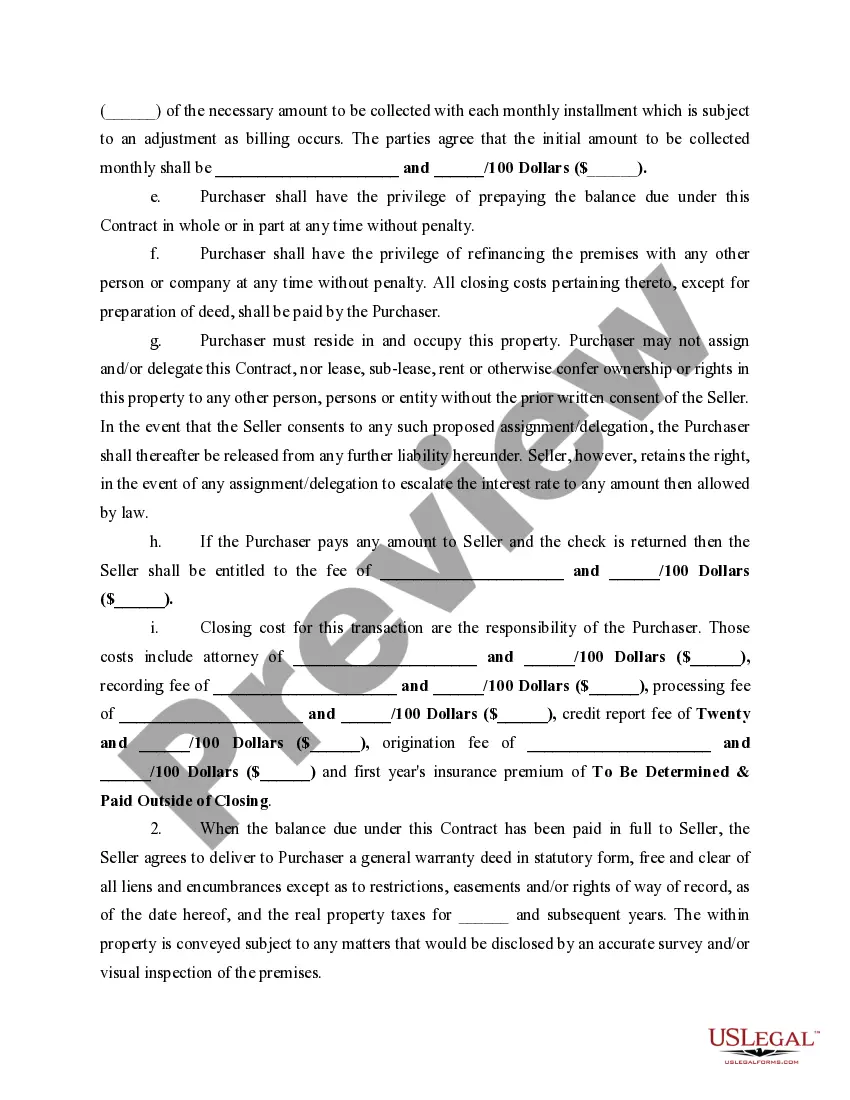
- Conditions regarding the occupation and use of the property by the purchaser.
- Title conveyance details upon full payment of the purchase price.
When to use this form
This form is beneficial for buyers who are unable to secure a mortgage due to credit issues, financial limitations, or those seeking a quicker purchasing process. If you are purchasing property directly from a seller and prefer flexible payment arrangements, a Contract for Deed can be an appropriate solution. It is especially useful in situations where banks may not provide loans for the specific property involved.
Who needs this form
This form is intended for:
- Individuals or entities looking to buy property without traditional financing.
- Homebuyers with credit challenges or those seeking immediate possession.
- Sellers interested in offering financing options to potential buyers.
- Real estate investors or sellers who want to structure property sales directly.
How to complete this form
- Identify the parties involved: Fill in the names of the seller and purchaser accurately.
- Specify the property: Clearly define the property details including its address.
- Enter the purchase price: Include the full purchase price along with the agreed payment terms.
- Detail insurance and tax responsibilities: Indicate who is responsible for homeowners or hazard insurance and property taxes.
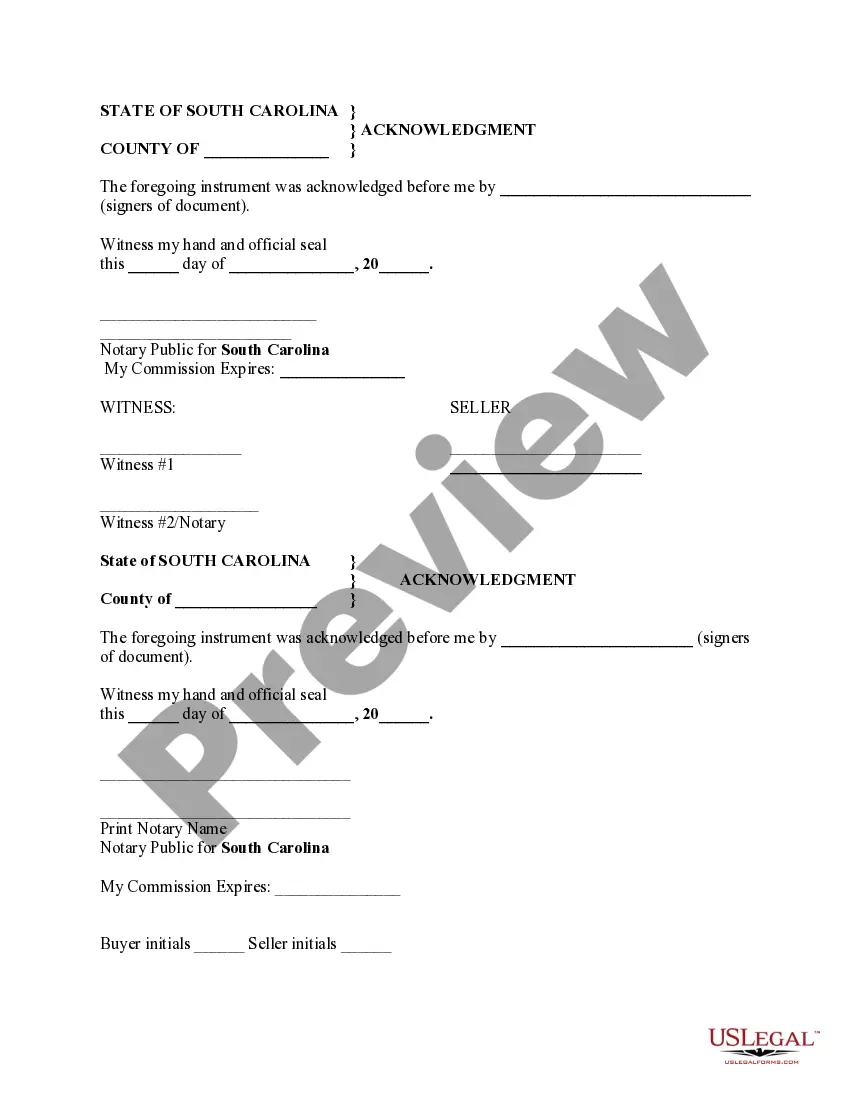
- Sign and date: Ensure both parties sign the document and have it notarized as required.
Does this form need to be notarized?
Yes, this form must be notarized to be legally valid. Having the document notarized provides an additional level of security and ensures that all parties acknowledge their signatures in front of a legal authority. US Legal Forms offers integrated online notarization services, available 24/7, ensuring a secure and convenient process without the need for travel.
Get your form ready online
Our built-in tools help you complete, sign, share, and store your documents in one place.
Make edits, fill in missing information, and update formatting in US Legal Forms—just like you would in MS Word.
Download a copy, print it, send it by email, or mail it via USPS—whatever works best for your next step.
Sign and collect signatures with our SignNow integration. Send to multiple recipients, set reminders, and more. Go Premium to unlock E-Sign.
If this form requires notarization, complete it online through a secure video call—no need to meet a notary in person or wait for an appointment.
We protect your documents and personal data by following strict security and privacy standards.

Make edits, fill in missing information, and update formatting in US Legal Forms—just like you would in MS Word.

Download a copy, print it, send it by email, or mail it via USPS—whatever works best for your next step.

Sign and collect signatures with our SignNow integration. Send to multiple recipients, set reminders, and more. Go Premium to unlock E-Sign.

If this form requires notarization, complete it online through a secure video call—no need to meet a notary in person or wait for an appointment.

We protect your documents and personal data by following strict security and privacy standards.
Common mistakes
- Failing to specify clear terms on payment schedules and interest rates.
- Neglecting to detail insurance responsibilities effectively.
- Not including all necessary signatures, including notarization if required.
- Overlooking local regulations that affect the contract's enforceability.
Why complete this form online
- Convenience: Download and complete the form at your own pace from anywhere.
- Editability: Easily modify the document to suit your specific needs.
- Reliability: Access professionally drafted templates created by licensed attorneys.
Legal use & context
- The Contract for Deed is legally binding once signed and notarized.
- It provides a framework for property transfer but requires compliance with state laws.
- Defaulting on payments can lead to foreclosure, making it crucial to understand all terms.
Main things to remember
- A Contract for Deed aids buyers unable to obtain traditional financing.
- The seller maintains legal title until the purchase price is fully paid.
- Understanding payment terms, including interest and default conditions, is critical.
Looking for another form?
Form popularity
FAQ
Con: Buyer Depends On Seller Unless the seller owns the property outright, he is still making payments to a lending institution. If, for any reason, the seller does not make regular payments, the property can be foreclosed upon, leaving the buyer with a worthless contract and no home.
A disadvantage to the seller is that a contract for deed is frequently characterized by a low down payment and the purchase price is paid in installments instead of one lump sum.The legal fees and time frame for this process will be more extensive than a standard Power of Sale foreclosure.
The disadvantages are that a preprinted contract may not adequately fit a given A contract for deed allows buyers to purchase a home that's financed by the seller. The seller keeps the deed to the property, and therefore the property's ownership, until the contract is fulfilled.
Purchase price. Down payment. Interest rate. Number of monthly installments. Responsibilities of the buyer and seller. Legal remedies for the seller if the buyer does not make payments.
Usually the contract requires the buyer to make payments over time with interest payable on the unpaid balance. Once a buyer pays all of the payments called for under the contract, the owner transfers to the buyer a deed to the property.
A disadvantage to the seller is that a contract for deed is frequently characterized by a low down payment and the purchase price is paid in installments instead of one lump sum.The legal fees and time frame for this process will be more extensive than a standard Power of Sale foreclosure.
A contract for deed is an agreement for buying property without going to a mortgage lender. The buyer agrees to pay the seller monthly payments, and the deed is turned over to the buyer when all payments have been made.
Loss of Service Control. A major disadvantage of contract management is that the organization gives up a considerable amount of control over the services that will be provided to customers. Potential Time Delays. Loss of Business Flexibility. Loss of Product Quality. Compliance and Legal Issues.
A seller using a contract for deed doesn?t have that option, unless you agree to include that clause in your contract. Other benefits include: no loan qualifying, low or flexible down payment, favorable interest rates and flexible terms, and a quicker settlement.