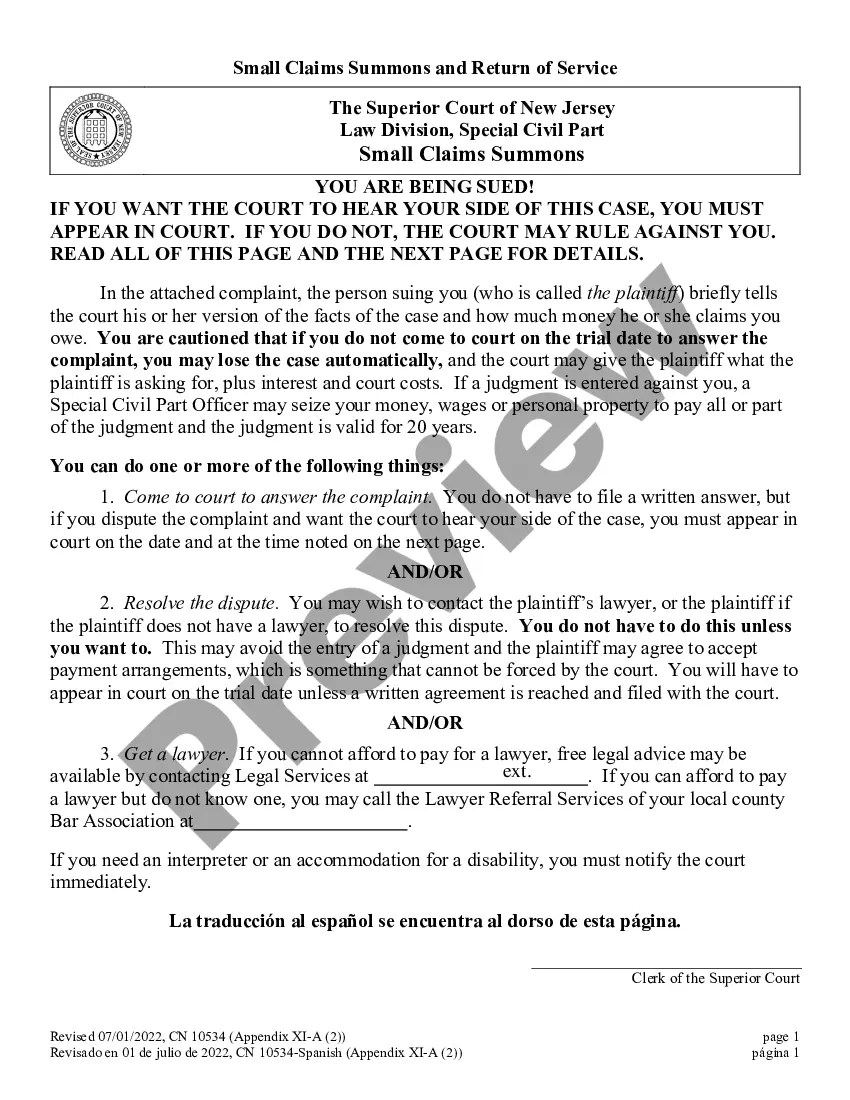
South Carolina Cancellation of Contract
What is this form?
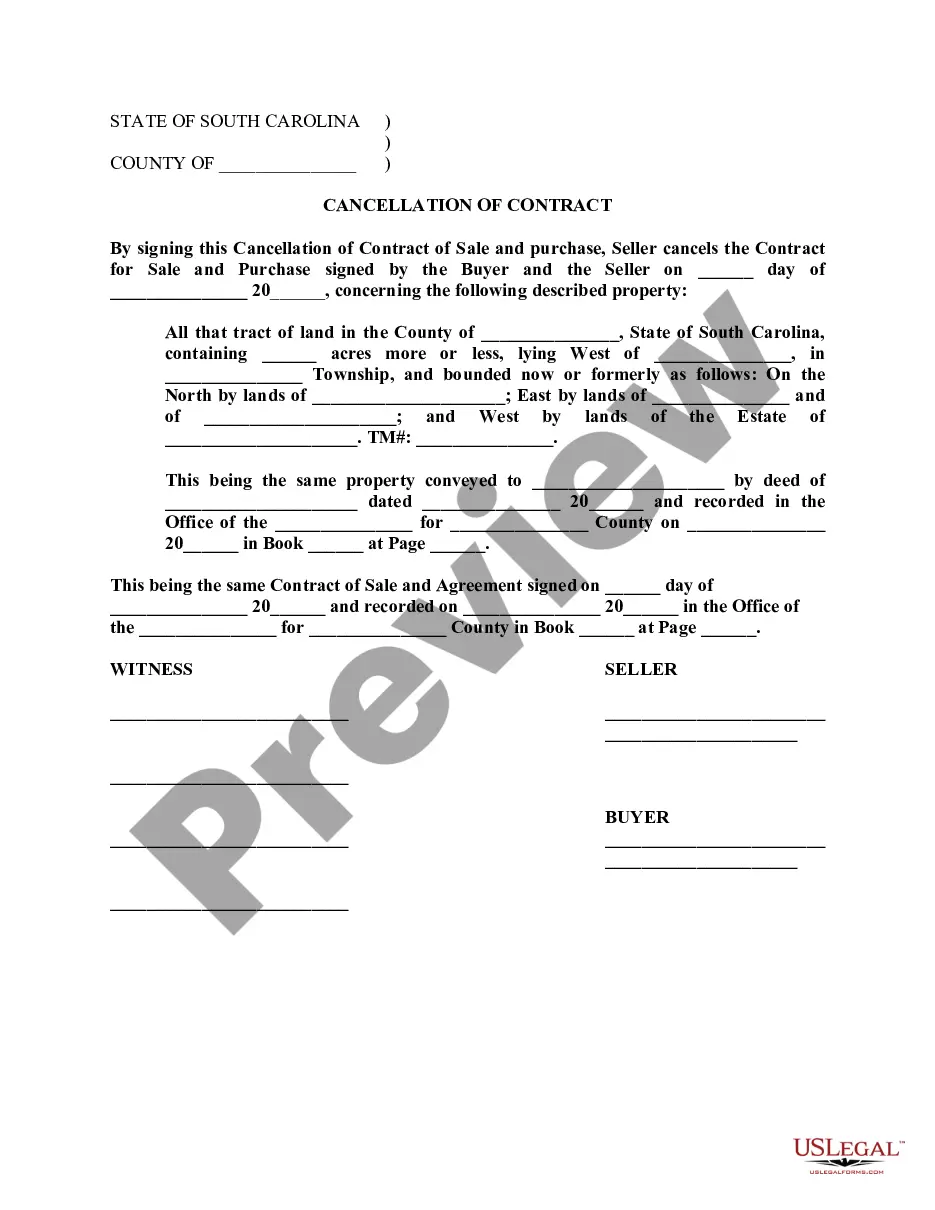
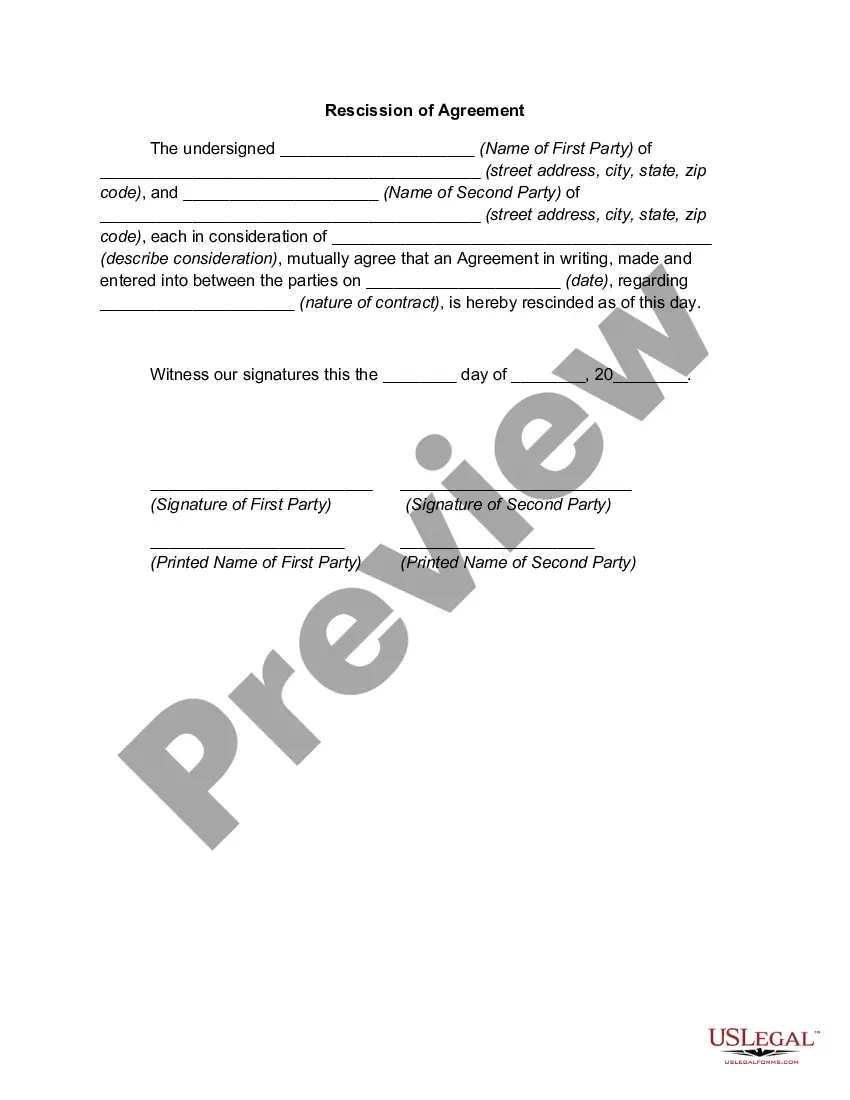
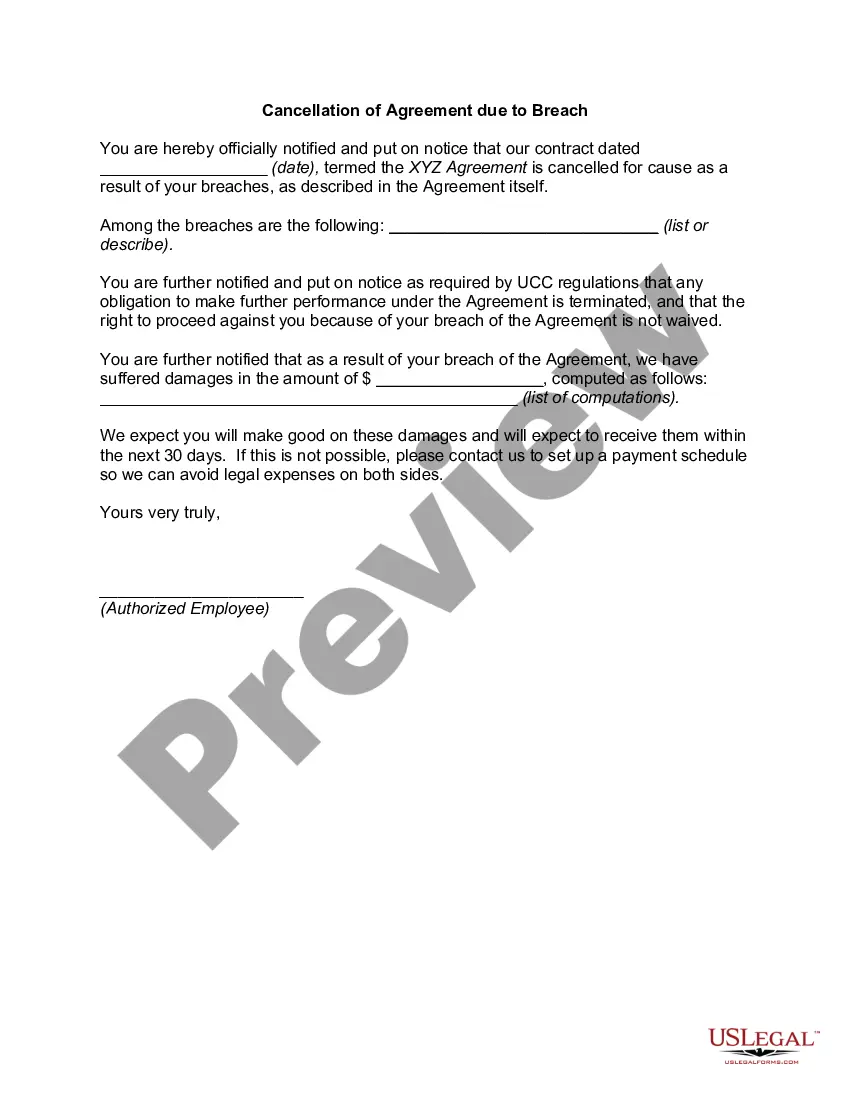
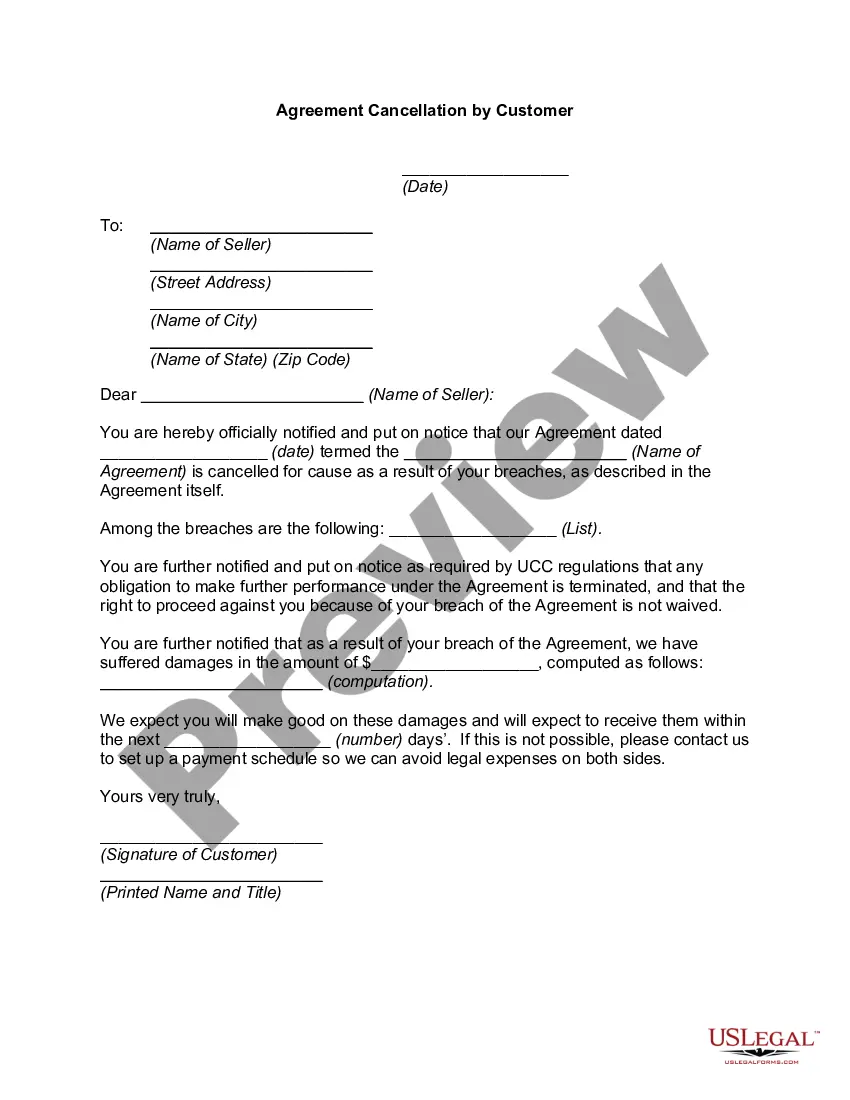
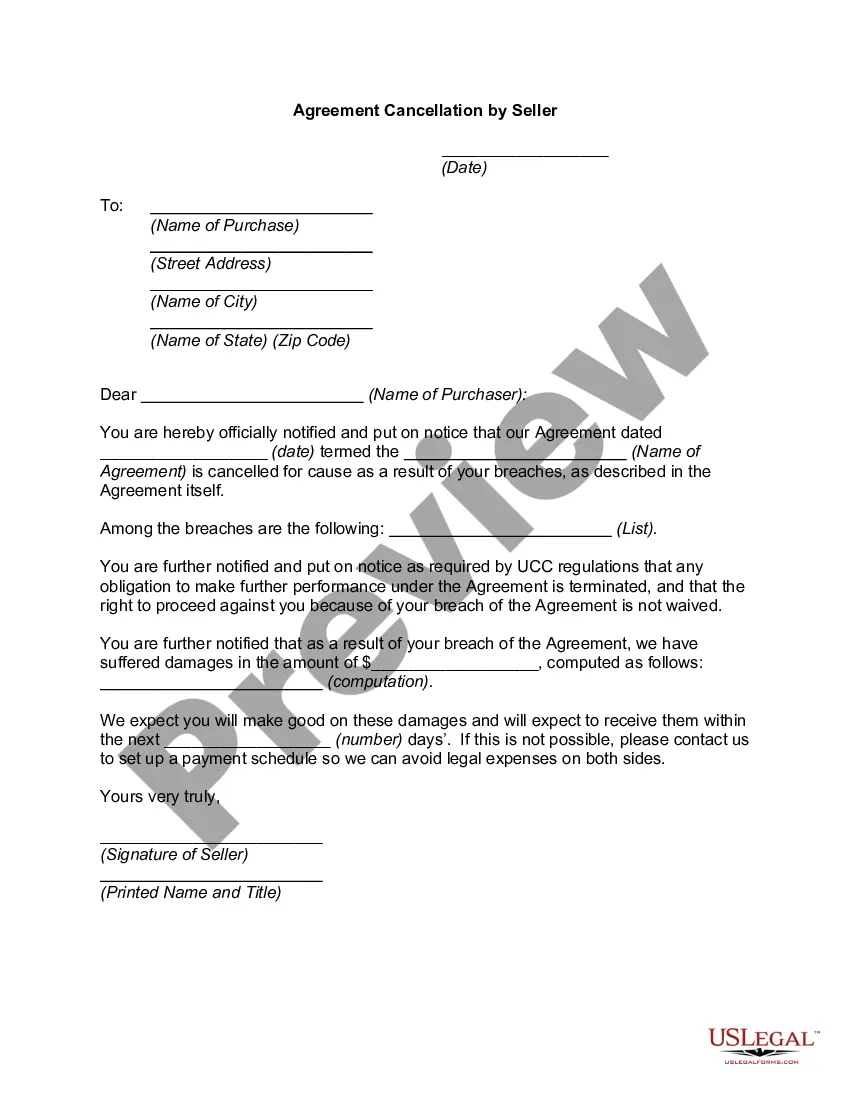
The Cancellation of Contract is a legal document used to terminate a contract by mutual agreement of the parties involved. This form allows both the seller and the buyer to formally cancel their contractual obligations without the need for litigation. It ensures that neither party can pursue claims related to the contract once it is canceled, thus providing a clear resolution to any potential disputes that may arise from the agreement.
Key components of this form
- Date of the original contract.
- Identification of the property involved in the transaction.
- Names and signatures of both the seller and the buyer.
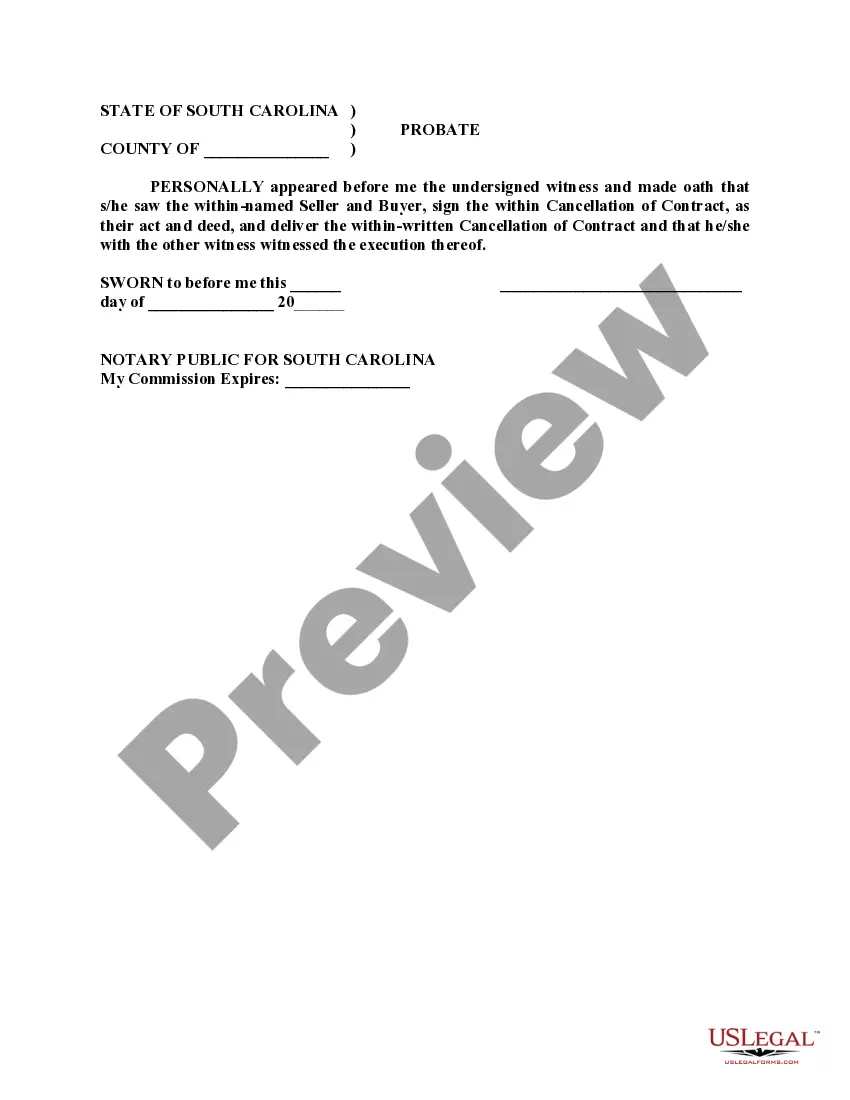
- Witness statements and notarization sections to validate the document.
- Legal descriptions of the property for clarity in the agreement.
When to use this form
You should use the Cancellation of Contract when both parties have agreed to end an existing contract, whether due to changed circumstances, mutual dissatisfaction, or other reasons that make continuing the contract untenable. This form is useful in real estate transactions, service agreements, and any situation where a formal contract exists and both parties wish to nullify it amicably.
Who this form is for
- Individuals or businesses that have entered into a contract and wish to cancel it.
- Real estate sellers and buyers who agree to terminate a property sale.
- Parties seeking to prevent future legal disputes regarding the canceled contract.
- Legal representatives facilitating contract cancellations for clients.
How to complete this form
- Identify the parties involved by entering the names of the seller and buyer.
- Specify the contract date and provide a detailed description of the property.
- Include the date of the cancellation and ensure all parties sign the form.
- Provide information for notarization, including the names of witnesses.
- Keep a copy for your records and ensure all parties receive copies of the signed document.
Is notarization required?
Yes, this form must be notarized to be legally valid. US Legal Forms offers integrated online notarization, providing secure video call services for document validation. This 24/7 availability allows you to complete the notarization process from the comfort of home.
Get your form ready online
Our built-in tools help you complete, sign, share, and store your documents in one place.
Make edits, fill in missing information, and update formatting in US Legal Forms—just like you would in MS Word.
Download a copy, print it, send it by email, or mail it via USPS—whatever works best for your next step.
Sign and collect signatures with our SignNow integration. Send to multiple recipients, set reminders, and more. Go Premium to unlock E-Sign.
If this form requires notarization, complete it online through a secure video call—no need to meet a notary in person or wait for an appointment.
We protect your documents and personal data by following strict security and privacy standards.

Make edits, fill in missing information, and update formatting in US Legal Forms—just like you would in MS Word.

Download a copy, print it, send it by email, or mail it via USPS—whatever works best for your next step.

Sign and collect signatures with our SignNow integration. Send to multiple recipients, set reminders, and more. Go Premium to unlock E-Sign.

If this form requires notarization, complete it online through a secure video call—no need to meet a notary in person or wait for an appointment.

We protect your documents and personal data by following strict security and privacy standards.
Common mistakes
- Failing to include the original contract date, leading to confusion about which contract is canceled.
- Not providing a complete legal description of the property, which can lead to disputes.
- Overlooking the need for signatures from both parties and witnesses, which can invalidate the form.
- Neglecting to have the document notarized when required, which may impact its legal standing.
Benefits of completing this form online
- Convenience of accessing and downloading the form at any time.
- Editability of the document to ensure it meets specific needs.
- Reliability of professionally drafted templates created by licensed attorneys.
Looking for another form?

Form popularity
FAQ
Consequences for a real estate contract breach They may include: Compensating the buyer (money damages) Returning the buyer's earnest money deposit, which may range from 1% to 3% of the home's purchase price, and other related expenses. Completing a court-ordered sale of the home.
Can you back out of an accepted offer? The short answer: yes. When you sign a purchase agreement for real estate, you're legally bound to the contract terms, and you'll give the seller an upfront deposit called earnest money.
Walking away from a purchase contract though could result in the buyers losing their earnest money and worse being sued if there were no contract contingency clauses upon which they based their decision to cancel the contract.
Fortunately, since the sale was made in your home, you have three days to cancel it without owing any money. Sales signed solely in your home are covered by the South Carolina Consumer Protection Code, specifically SC Code 37-2-502. This law gives you until midnight on the third business day after the sale to cancel.
To be perfectly clear, you can always back out of a real estate purchase contract at any time before closing. There's no way the seller can force you to actually purchase the home. However, if there's no valid reason for backing out as defined in the contract, you'll likely lose your earnest deposit.
Once the time limit has expired on the contingencies, you can still walk away from the house right up until closing, although you may lose your deposit. This is called liquidated damages.If you decide to walk away after those deadlines, consult with an attorney about the best course of action.
Can you back out of an accepted offer? The short answer: yes. When you sign a purchase agreement for real estate, you're legally bound to the contract terms, and you'll give the seller an upfront deposit called earnest money.
A home owner can cancel the home equity or refinancing contract for any reason within three business days after signing the contract. The right of rescission does not apply to contracts pertaining to the sale or purchase or a house.
(1) Except as provided in subsection (5), in addition to any right otherwise to revoke an offer, the buyer may cancel a home solicitation sale until midnight of the third business day after the day on which the buyer signs an agreement or offer to purchase which complies with this part.