South Carolina BRIBERY OF OFFICIALS and ILLEGAL GRATUITIES
Description





How to fill out South Carolina BRIBERY OF OFFICIALS And ILLEGAL GRATUITIES?
If you’re looking for a way to properly complete the South Carolina BRIBERY OF OFFICIALS and ILLEGAL GRATUITIES without hiring a legal professional, then you’re just in the right spot. US Legal Forms has proven itself as the most extensive and reputable library of formal templates for every individual and business situation. Every piece of paperwork you find on our web service is drafted in accordance with federal and state regulations, so you can be certain that your documents are in order.
Adhere to these straightforward instructions on how to obtain the ready-to-use South Carolina BRIBERY OF OFFICIALS and ILLEGAL GRATUITIES:
- Ensure the document you see on the page complies with your legal situation and state regulations by examining its text description or looking through the Preview mode.
- Enter the document name in the Search tab on the top of the page and choose your state from the dropdown to locate an alternative template in case of any inconsistencies.
- Repeat with the content check and click Buy now when you are confident with the paperwork compliance with all the requirements.
- Log in to your account and click Download. Sign up for the service and choose the subscription plan if you still don’t have one.
- Use your credit card or the PayPal option to pay for your US Legal Forms subscription. The document will be available to download right after.
- Decide in what format you want to get your South Carolina BRIBERY OF OFFICIALS and ILLEGAL GRATUITIES and download it by clicking the appropriate button.
- Upload your template to an online editor to complete and sign it quickly or print it out to prepare your hard copy manually.
Another wonderful thing about US Legal Forms is that you never lose the paperwork you acquired - you can pick any of your downloaded templates in the My Forms tab of your profile any time you need it.
Form popularity
FAQ
Ing to South Carolina Code of Laws §16-3-910, a person may face criminal charges of kidnapping if they unlawfully abduct, confine, or carry away any person, unless that person is a minor and the alleged kidnapper is that minor's lawful parent or guardian.
You have the right to remain silent and you are not required to identify yourself to law enforcement in South Carolina.
(A) It is unlawful for a person knowingly and wilfully to oppose or resist a law enforcement officer in serving, executing, or attempting to serve or execute a legal writ or process or to resist an arrest being made by one whom the person knows or reasonably should know is a law enforcement officer, whether under
SECTION 16-9-340. Intimidation of court officials, jurors or witnesses. (2) destroy, impede, or attempt to obstruct or impede the administration of justice in any court.
South Carolina Code Annotated 16-17-530: Public Disorderly Conduct (Misdemeanor) Under South Carolina Code Annotated 16-17-530, the crime of public disorderly conduct is defined as behavior that is outside the bounds of behavior expected of citizens in public areas.
No person shall discharge or in any manner discriminate against any employee because such employee has filed any complaint or instituted, or caused to be instituted, any proceeding under or relating to statutes, rules or regulations regarding occupational safety and health, or testified, or is about to testify, in any
Under South Carolina Code § 16-13-110, shoplifting is criminal charge where the defendant is accused of trying to defraud a business or merchant not paying the retail price for their items.
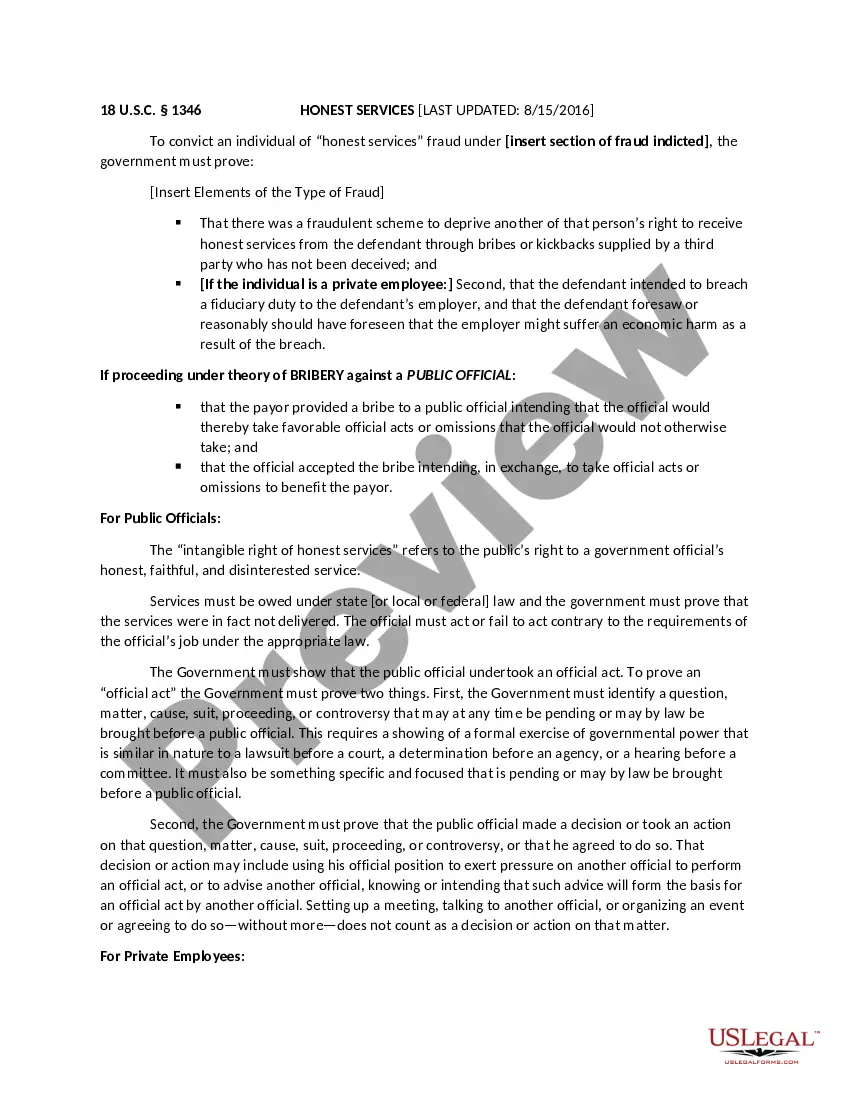
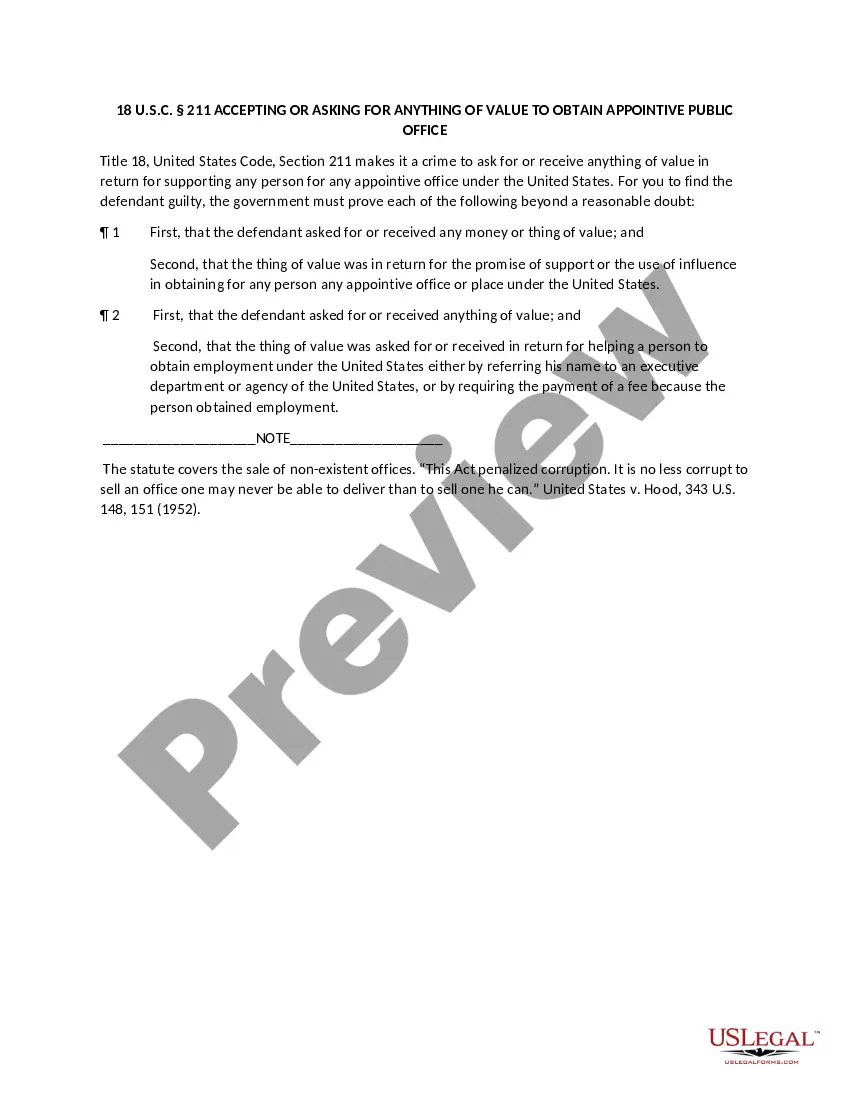
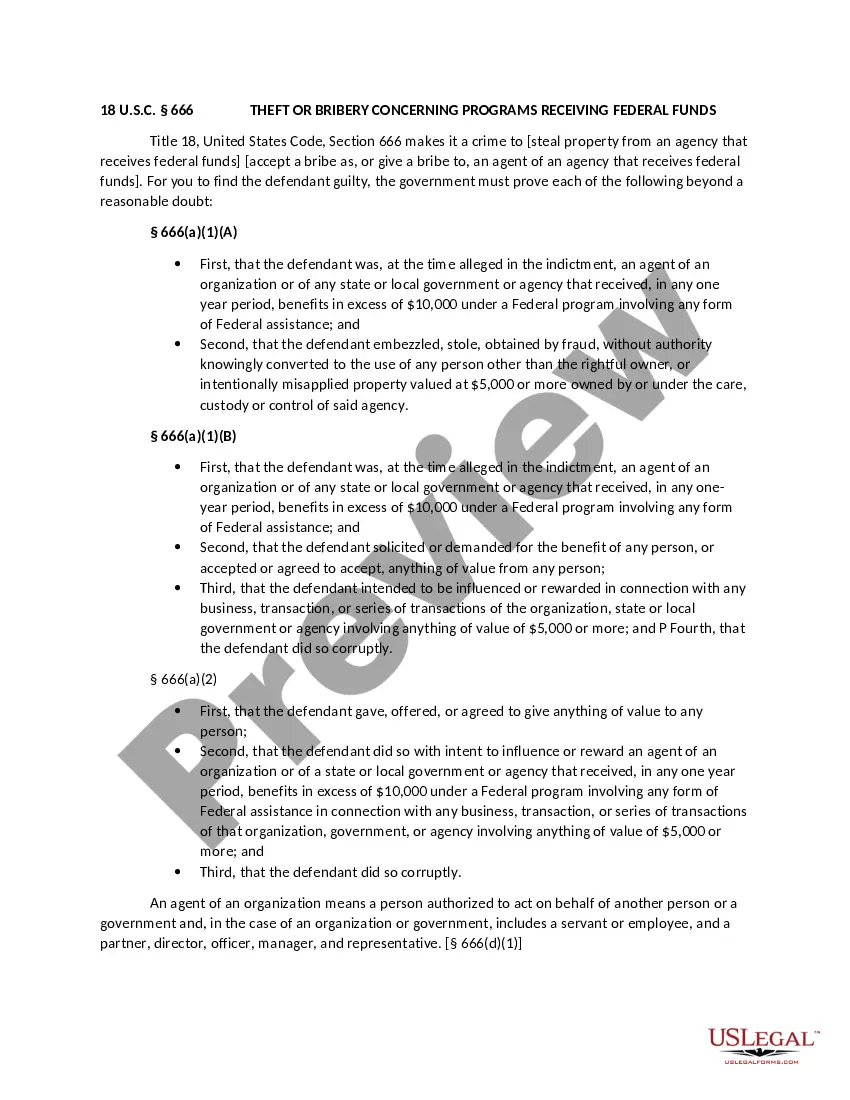
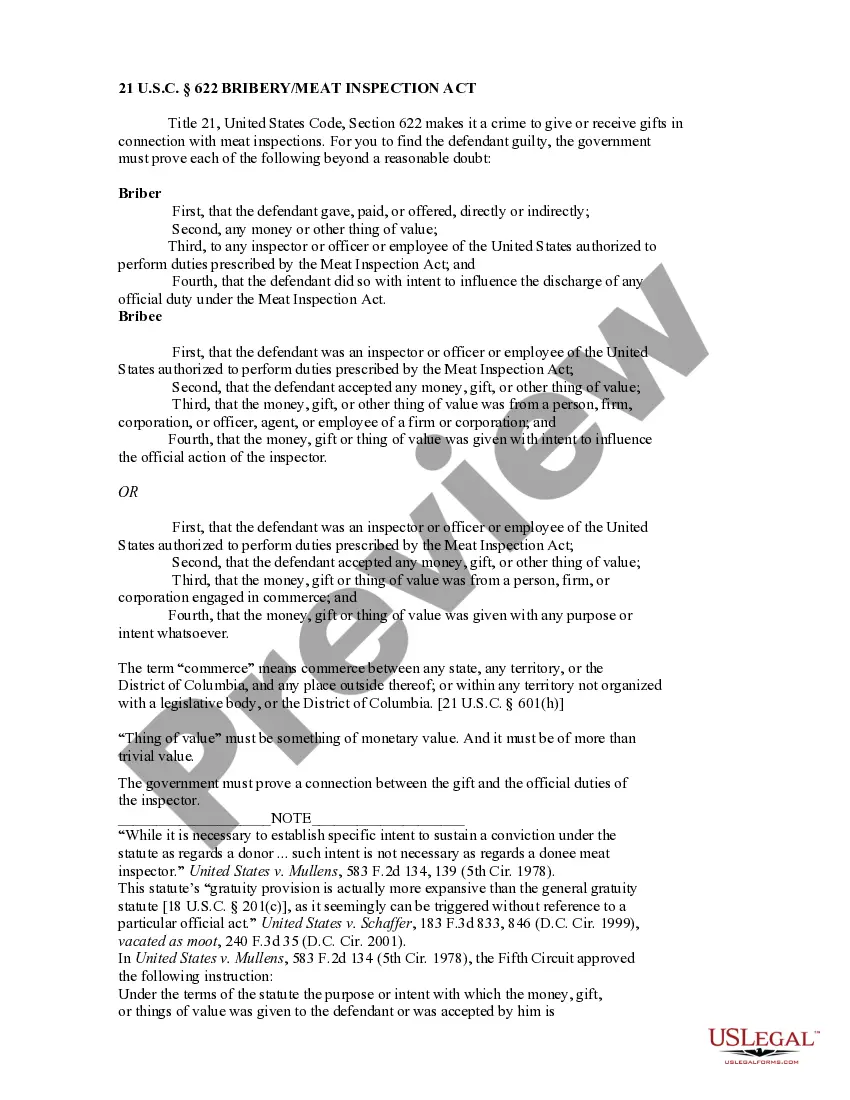
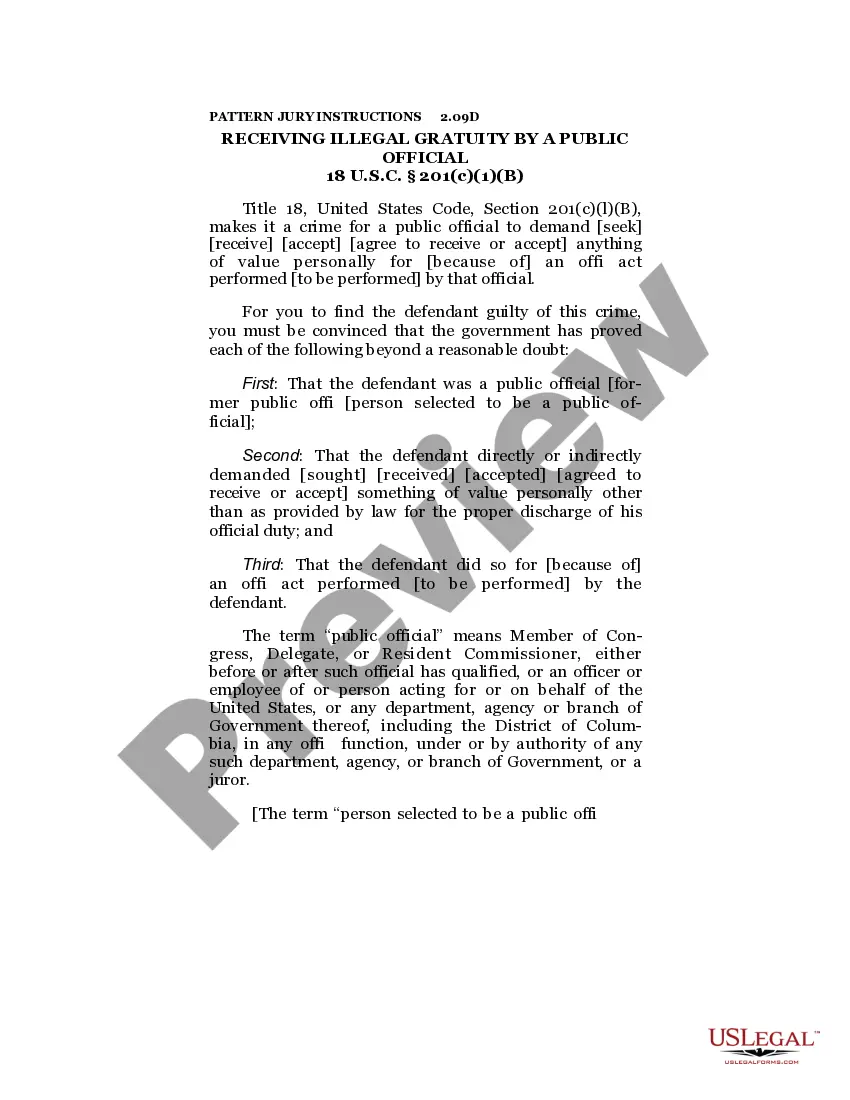
Offering, giving, soliciting, or receiving anything of value to influence action of public employee, member or official, or to influence testimony of witness; exceptions; penalty for violation.