South Carolina Marital Domestic Separation and Property Settlement Agreement Adult Children
What is this form?
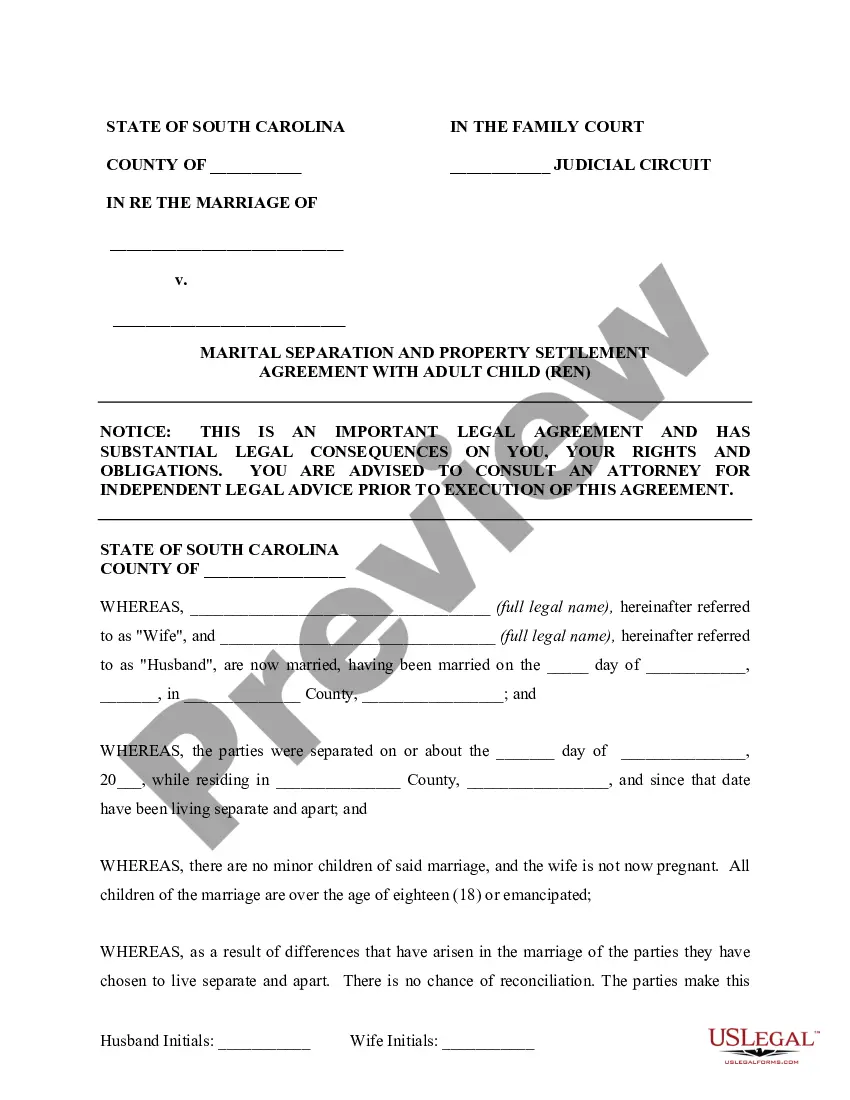
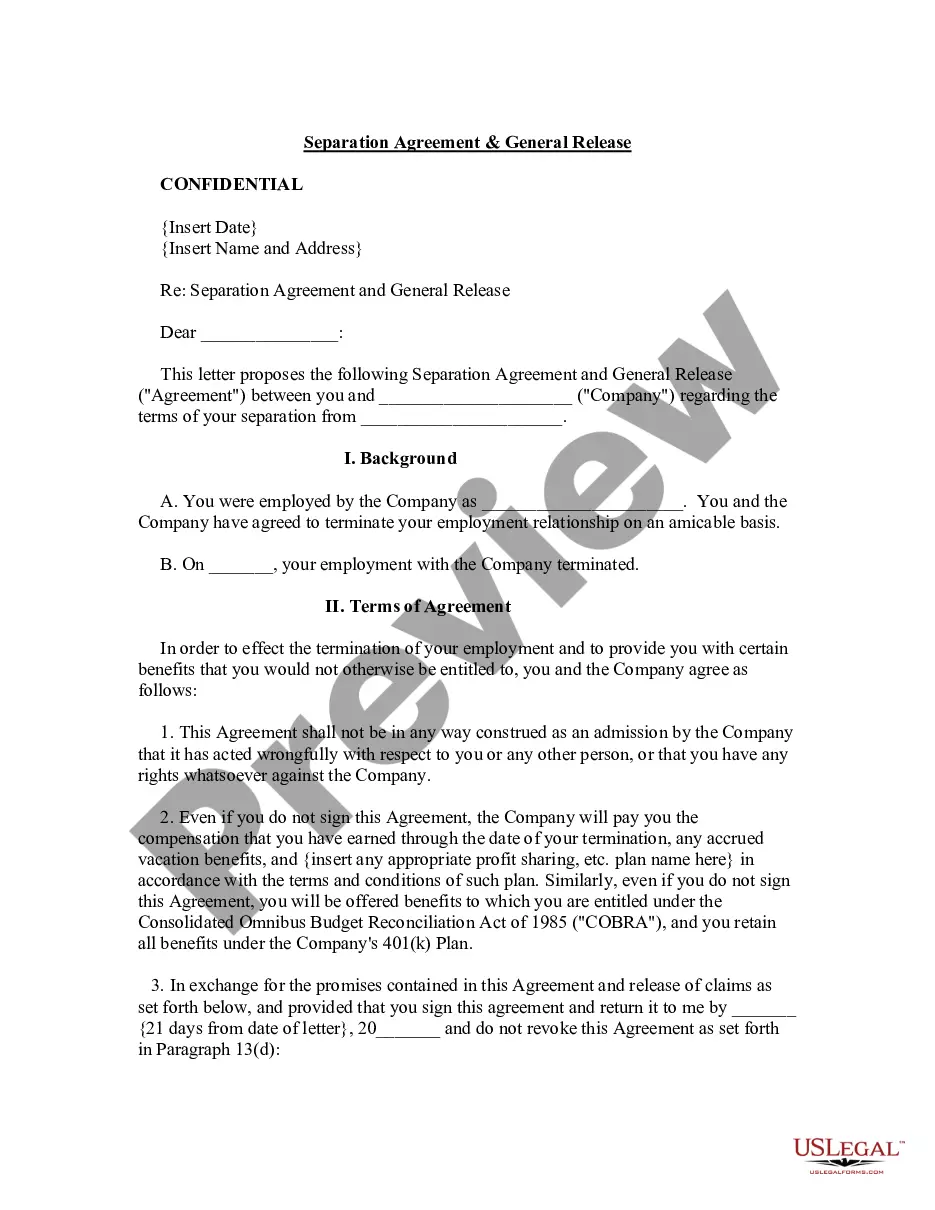
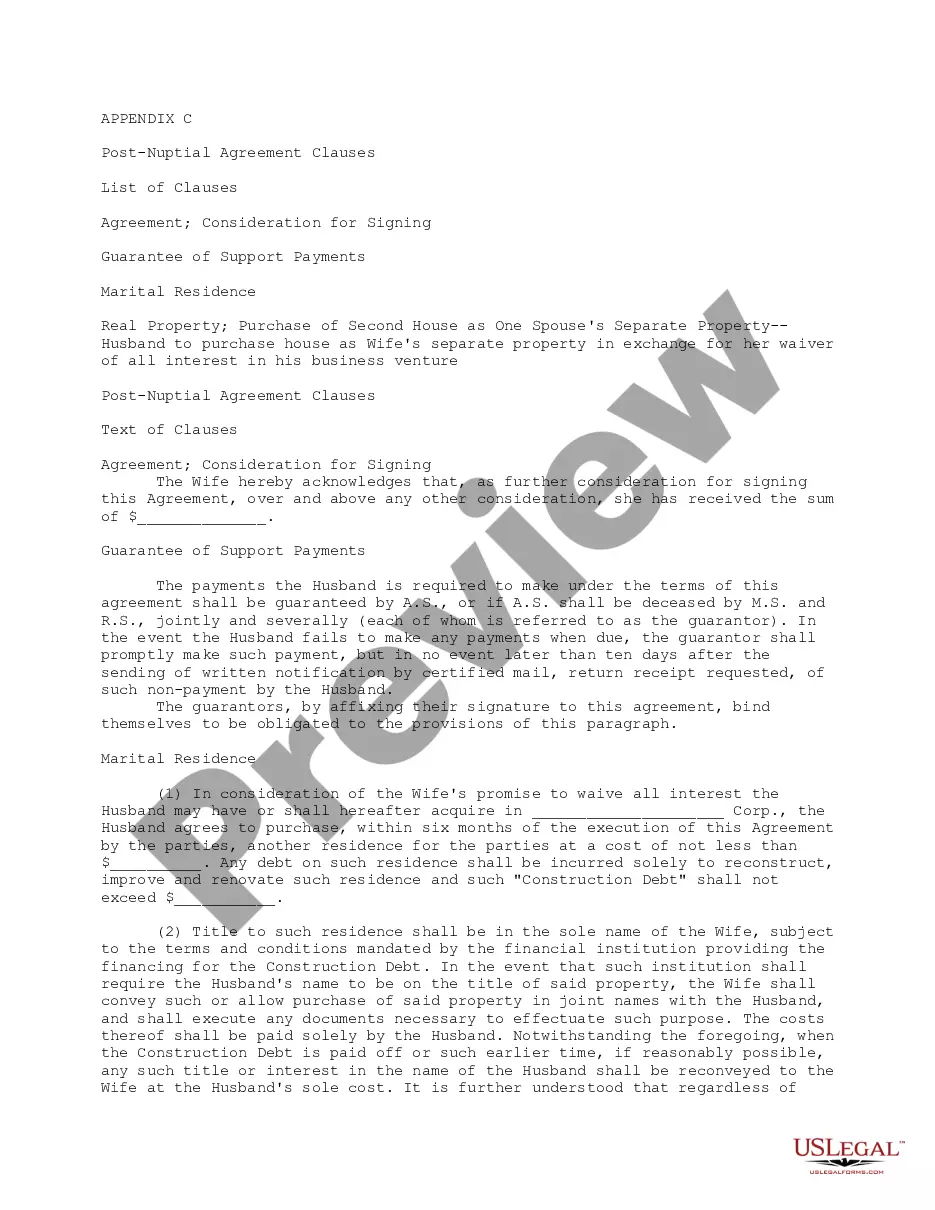
The Marital Domestic Separation and Property Settlement Agreement for Adult Children is a legal document that outlines the division of assets and debts between married individuals with adult children who are separating. This agreement addresses support for adult children, and it ensures that both parties are clear about their financial responsibilities and rights. This form differs from other separation agreements that focus on minor children or do not explicitly address assets owned jointly by couples.
Key parts of this document
- Separation agreements and terms defining living arrangements.
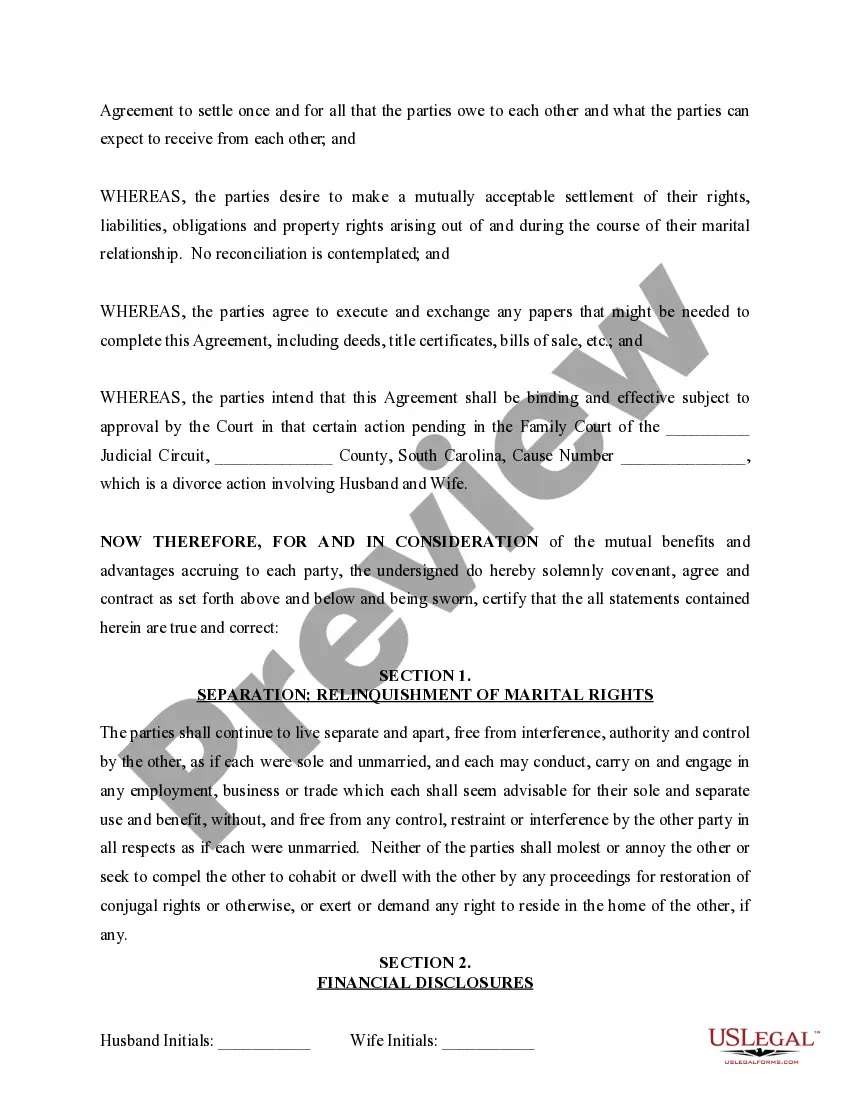
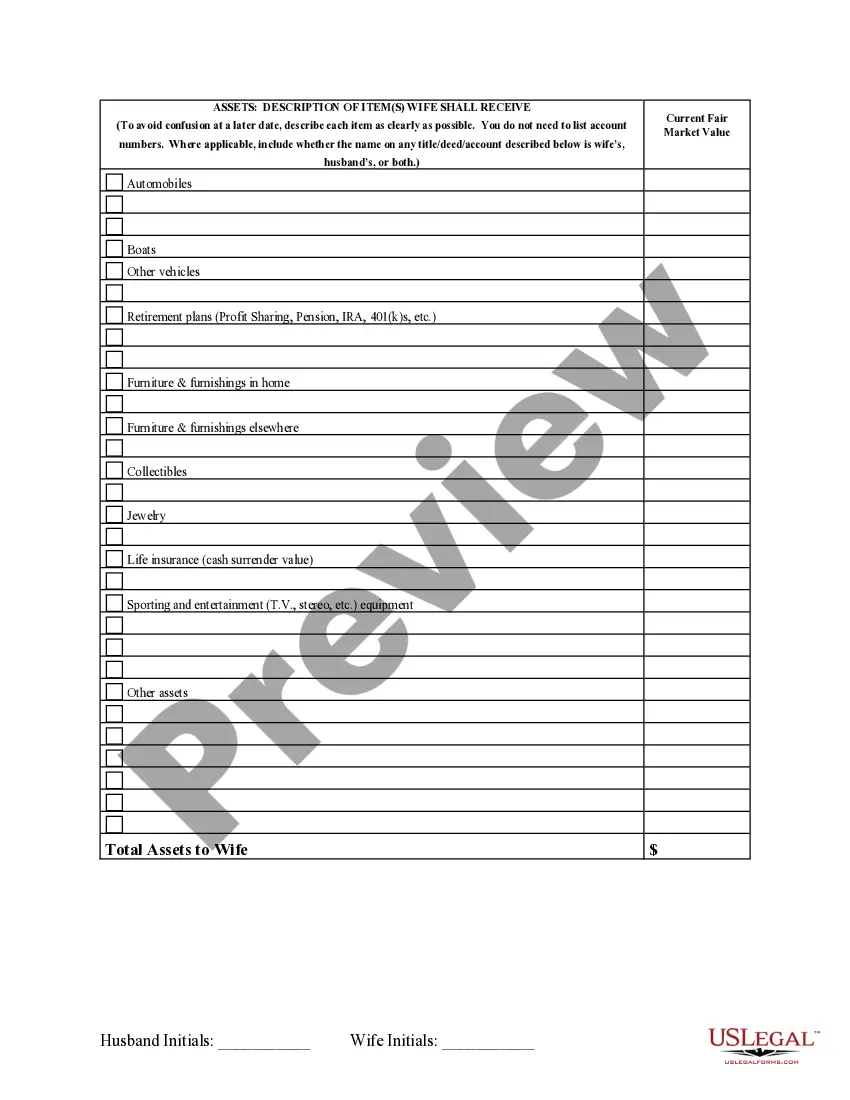
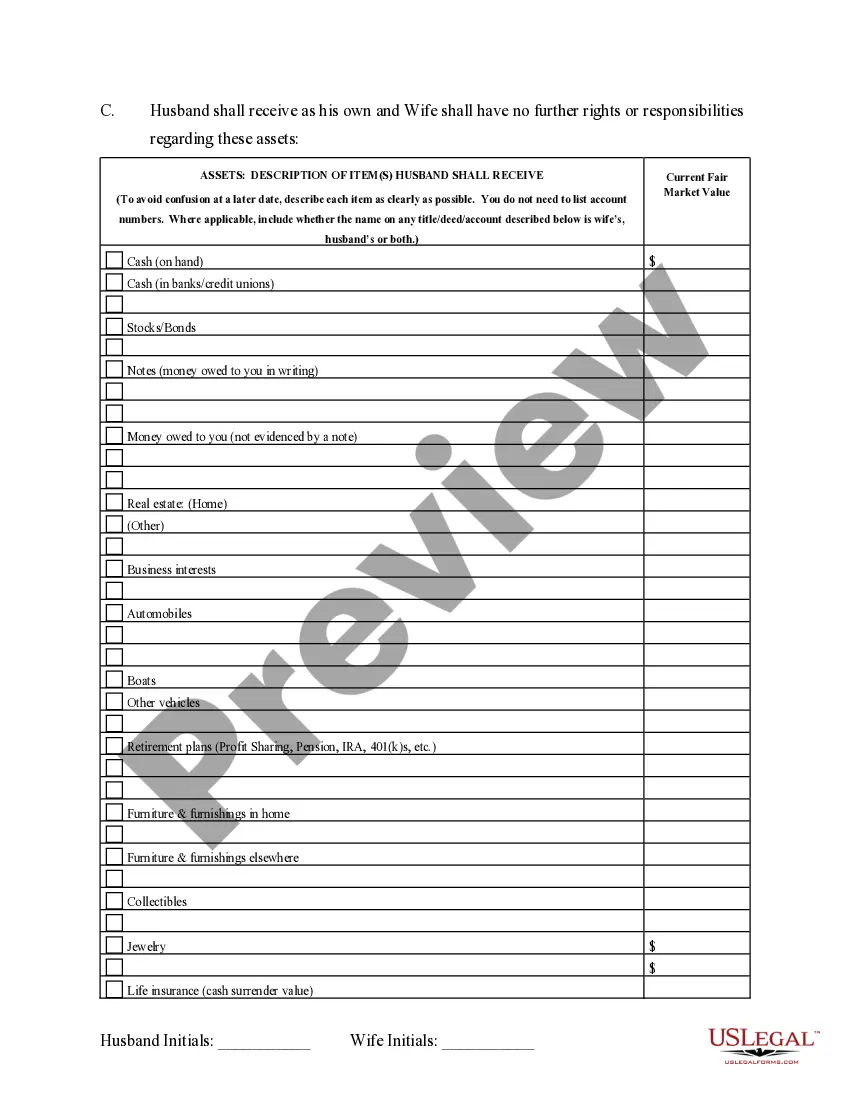
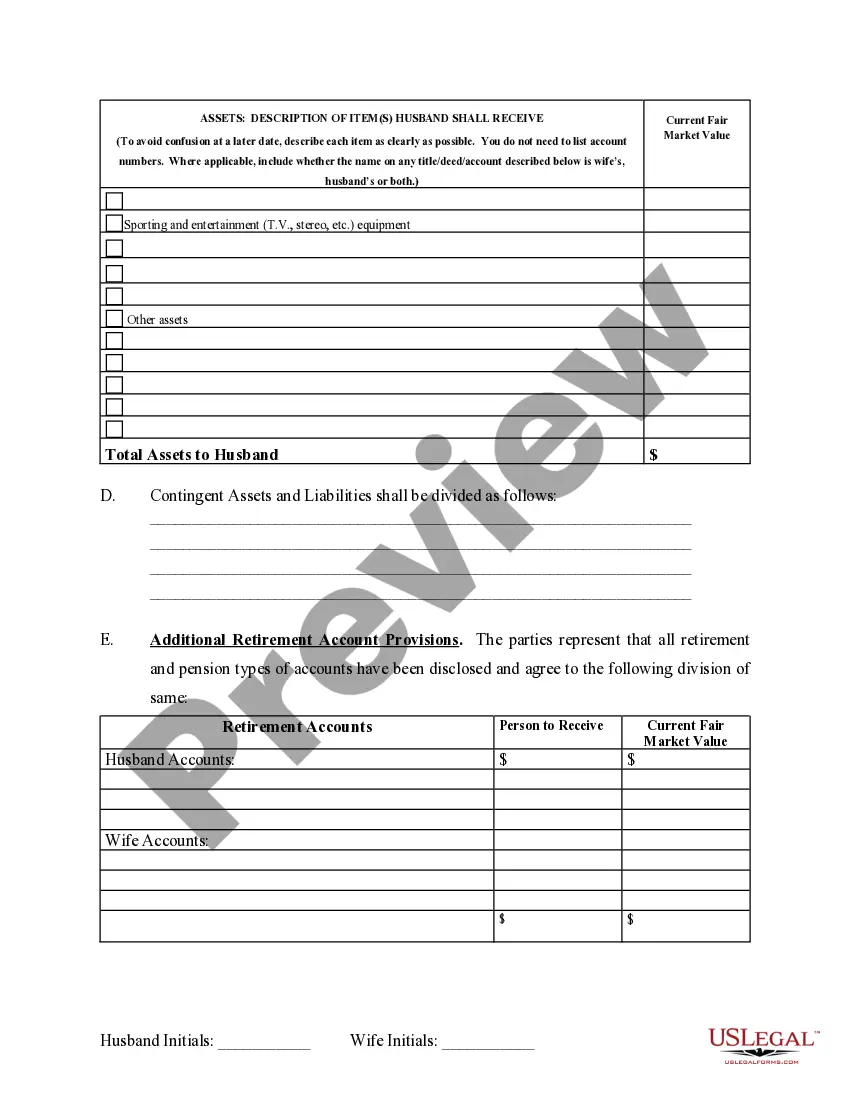
- Financial disclosures including assets and liabilities.
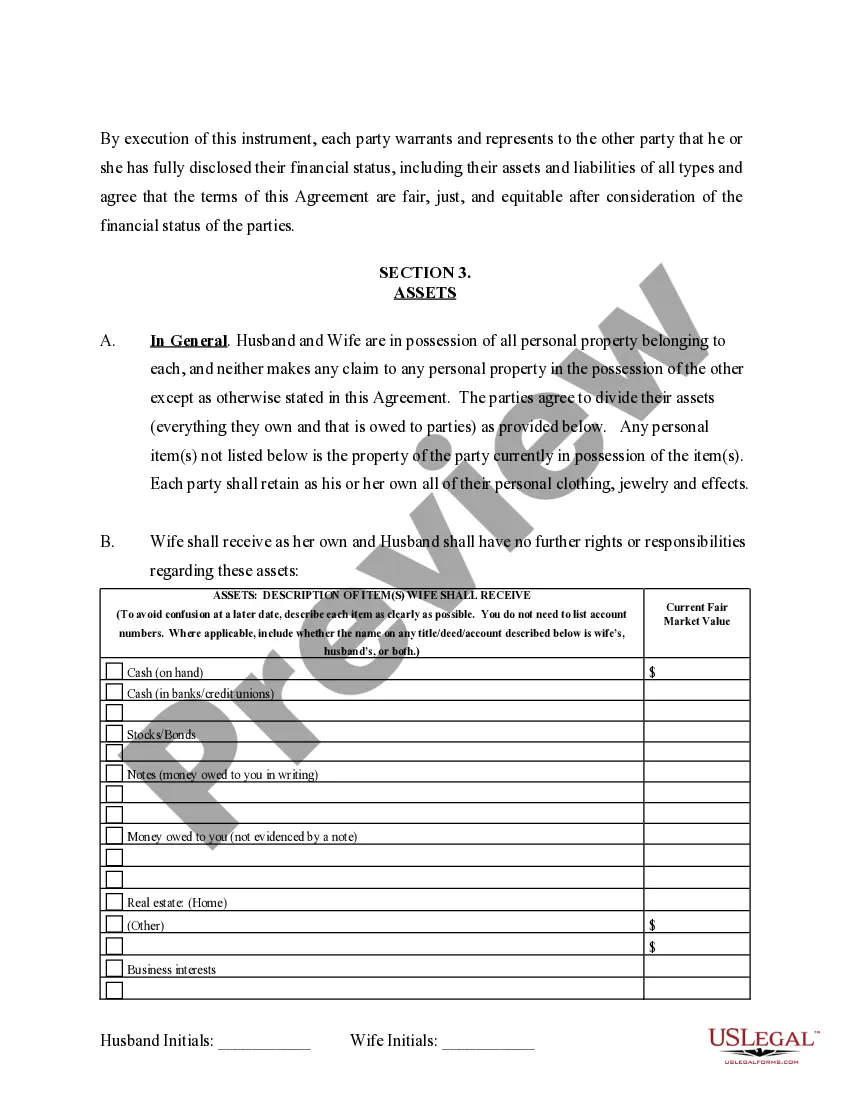
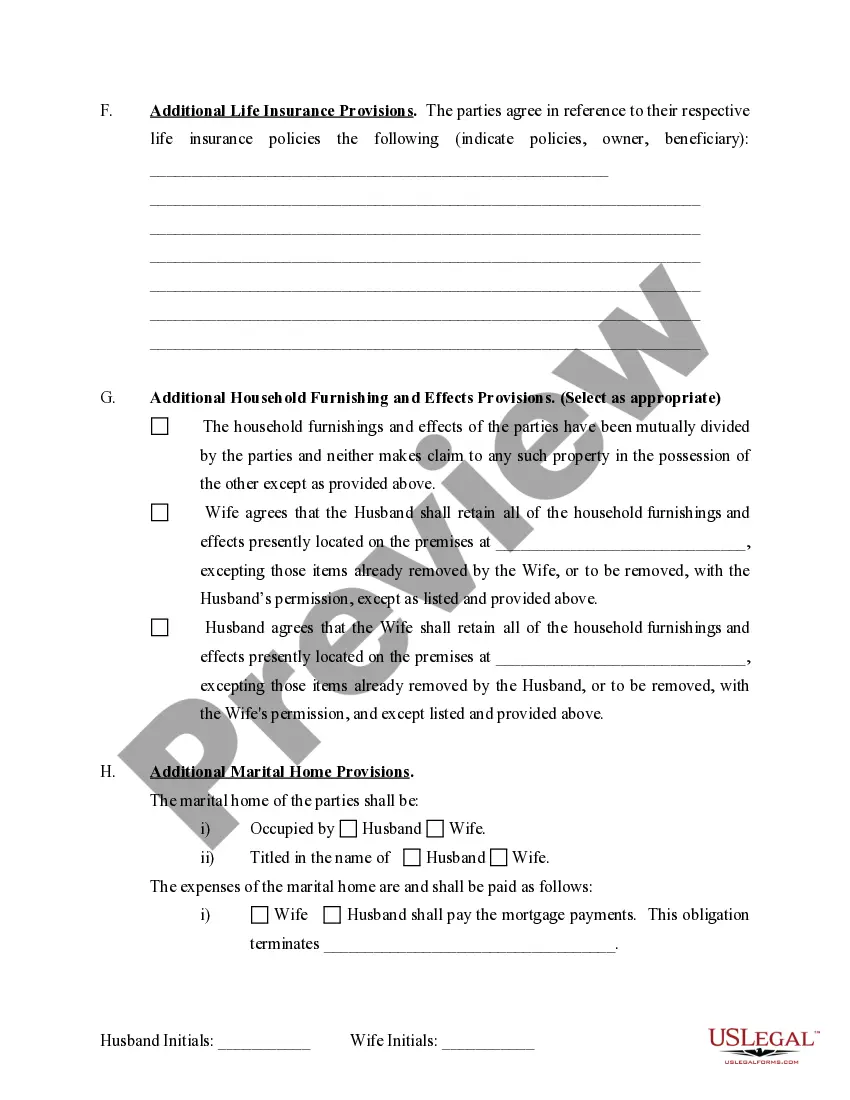
- Detailed division of property, including personal and marital assets.
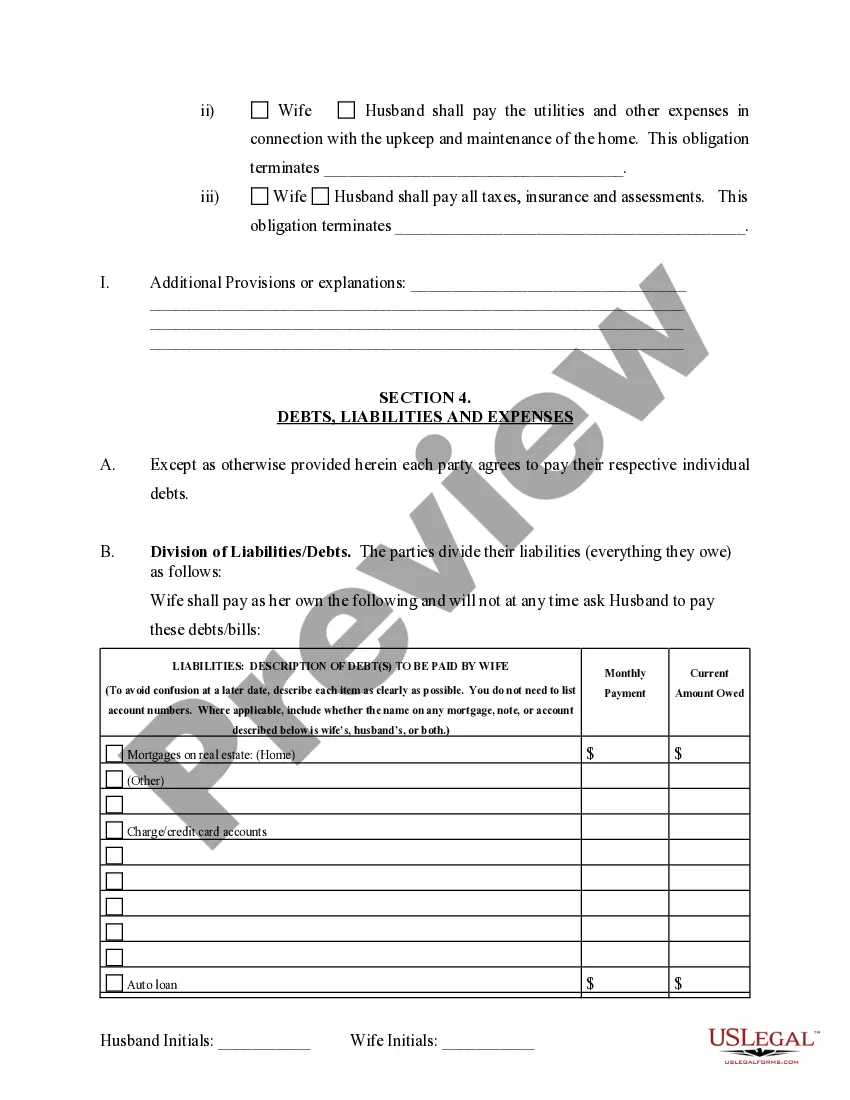
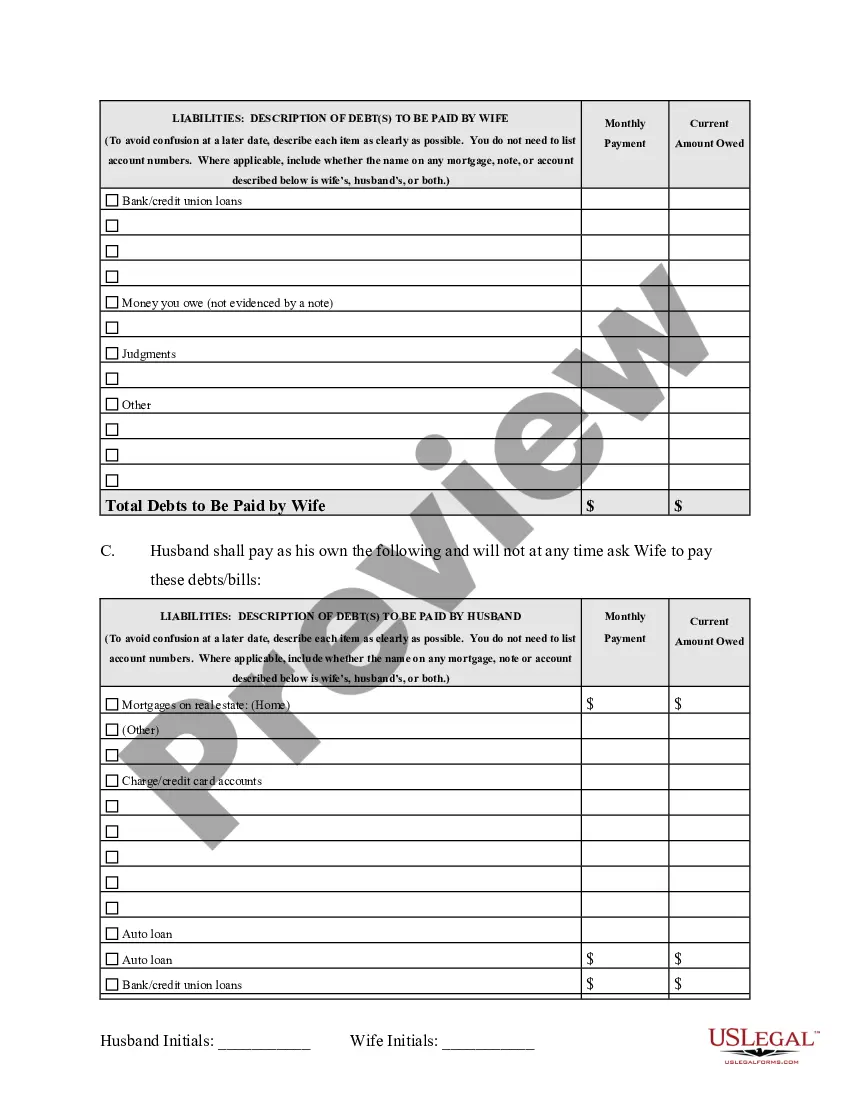
- Provisions for debts, specifying which party is responsible.
- Clauses regarding future earnings and acquisitions.
- Statements regarding spousal support (alimony) if applicable.


When this form is needed
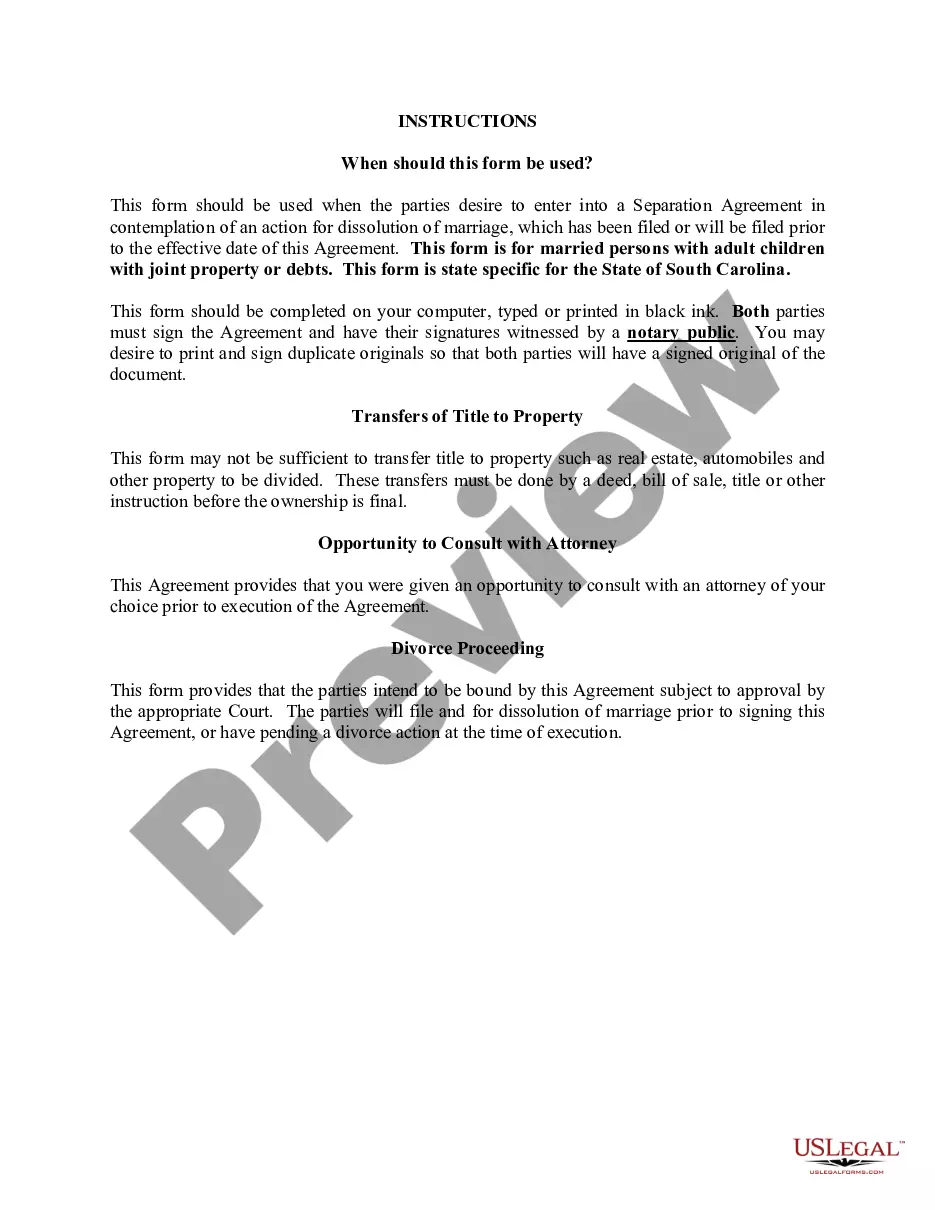
This form should be used when a couple, already separated or contemplating separation, wishes to formally document their agreement regarding the division of assets and responsibilities. It is ideal for married couples with adult children looking to clarify their financial rights and obligations before or during a divorce process. This legal agreement aids in preventing misunderstandings and ensures that both parties are on the same page regarding their shared obligations.
Who needs this form
- Married couples contemplating separation or divorce with adult children.
- Couples seeking to clarify financial obligations and asset distribution.
- Parties involved in divorce proceedings needing to formalize agreements.
How to complete this form
- Identify and list both parties involved, including full legal names and addresses.
- Document the date of separation and provide details about any adult children.
- Disclose all financial information, including assets and debts.
- Clearly define how assets and debts will be divided between the parties.
- Both parties must sign the agreement in the presence of a notary public.
- Consider making duplicate originals for each party to retain a signed copy.
Notarization guidance
Notarization is required for this form to take effect. Our online notarization service, powered by Notarize, lets you verify and sign documents remotely through an encrypted video session, available 24/7.
Get your form ready online
Our built-in tools help you complete, sign, share, and store your documents in one place.
Make edits, fill in missing information, and update formatting in US Legal Forms—just like you would in MS Word.
Download a copy, print it, send it by email, or mail it via USPS—whatever works best for your next step.
Sign and collect signatures with our SignNow integration. Send to multiple recipients, set reminders, and more. Go Premium to unlock E-Sign.
If this form requires notarization, complete it online through a secure video call—no need to meet a notary in person or wait for an appointment.
We protect your documents and personal data by following strict security and privacy standards.

Make edits, fill in missing information, and update formatting in US Legal Forms—just like you would in MS Word.

Download a copy, print it, send it by email, or mail it via USPS—whatever works best for your next step.

Sign and collect signatures with our SignNow integration. Send to multiple recipients, set reminders, and more. Go Premium to unlock E-Sign.

If this form requires notarization, complete it online through a secure video call—no need to meet a notary in person or wait for an appointment.

We protect your documents and personal data by following strict security and privacy standards.
Typical mistakes to avoid
- Failing to fully disclose all assets and liabilities.
- Not having the agreement notarized, if required, for legal validity.
- Omitting crucial details about adult children's support arrangements.
- Not obtaining legal advice before signing the agreement.
Benefits of using this form online
- Convenience of immediate download and accessibility from anywhere.
- Editability allows you to customize the document to fit your unique situation.
- Reliability due to the form being drafted by licensed attorneys.
Legal use & context
- This agreement is legally binding and enforceable in the State of South Carolina.
- It is advisable to consult an attorney to ensure compliance with local laws and regulations.
- Incorporation into court proceedings will make the agreement formal and enforceable.
What to keep in mind
- The form is essential for married couples with adult children needing to separate or divorce.
- Both parties must fully disclose their financial status to ensure a fair agreement.
- Notarization is necessary for the agreement to be legally valid.
- Consultation with an attorney is advisable to navigate any complex legal issues.
Looking for another form?


Form popularity
FAQ
What Rights do Spouses Have During Separation? In a legal separation proceeding, a court can decide matters such as child custody and support, alimony and property division. However, as stated above, the spouses will remain legally married and cannot remarry unless and until they get a divorce.
Marital property is all the real and personal property acquired by the parties during the marriage and owned at the date of filing for divorce. It doesn't matter if the family home bought during the marriage in only one spouse's name; the other spouse also has a right to it.
In most cases, parents will share legal custody unless it's not in the child's best interests. Even where parents share legal custody, if the parents can't agree on a matter involving the child, the primary custodial parent has the right to make the final decision.
50% of children born in South Carolina are born to unmarried parents. When a child is born out-of-wedlock in South Carolina, the biological father has no legal rights or connection to the child until he establishes legal paternity.
#1. Start with the Basics. #2. Include the Details. #3. Confirm Your Agreement. #4. Identify and Divide Assets and Debts. #5. Create a Parenting Plan for Custody and Visitation. #6. Agree on Child Support and Spousal Support (Alimony) #7. Polishing Your Agreement. Conclusion.
Children can't choose where to live until they are 18 years old. Each case is different, and the judge will decide how much weight to give to the child's preference using broad discretion. Courts will generally give more value to older children's opinions than those of younger children.
Your divorce settlement agreement should cover everything that is important to you, including custody of your children, child support payments, alimony, and the separation of your property, such as your family home, vehicles, and other assets.
In most instances, South Carolina is not going to allow children under the age of 12 to voice their preference about which parent they would like to live with. Most courts will see the child too young to make the decision.
1 attorney answer Although a child's wishes are one factor among many the court must consider in determining the child's best interests, a minor child never gets to "decide" which parent to live with.