South Carolina Subcontractor's Agreement
What this document covers
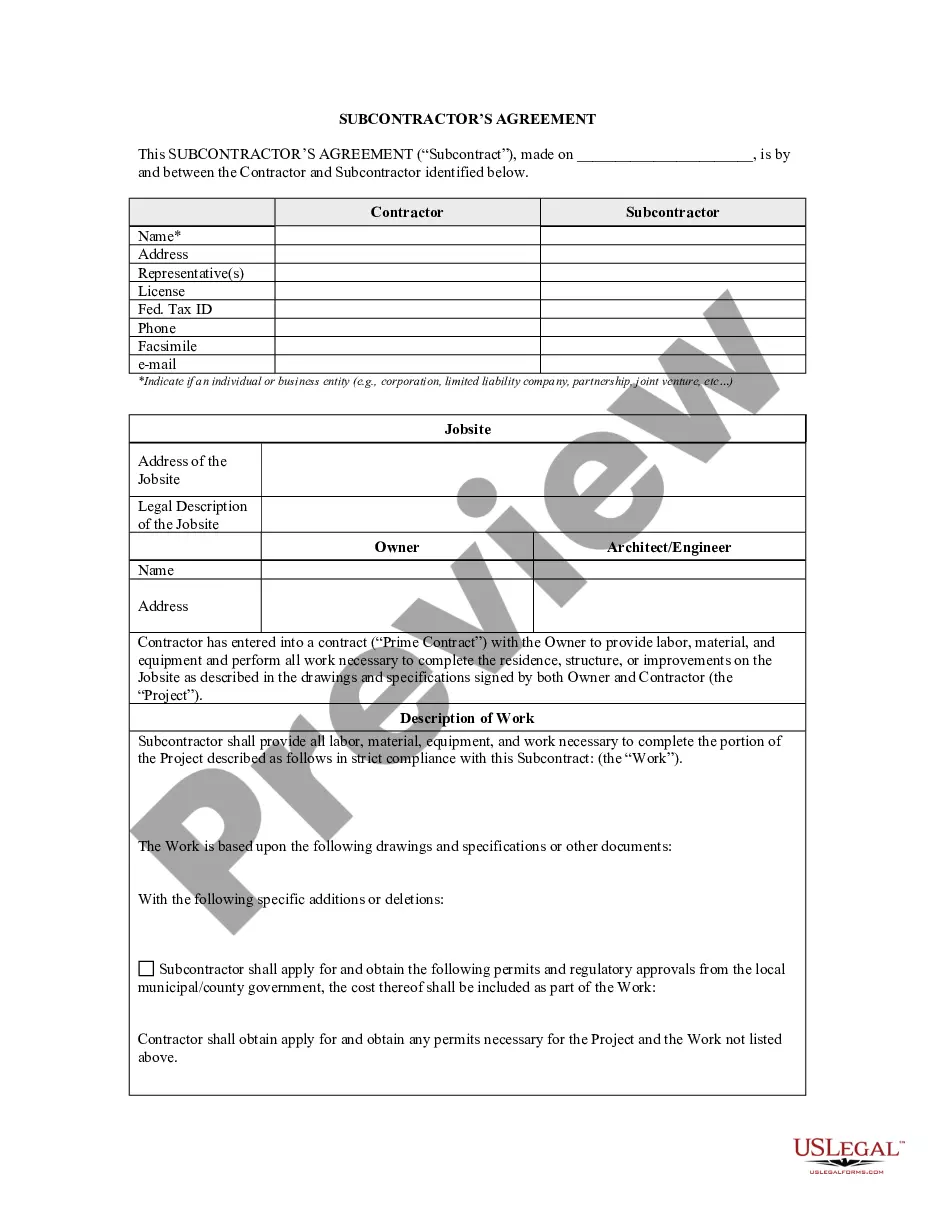
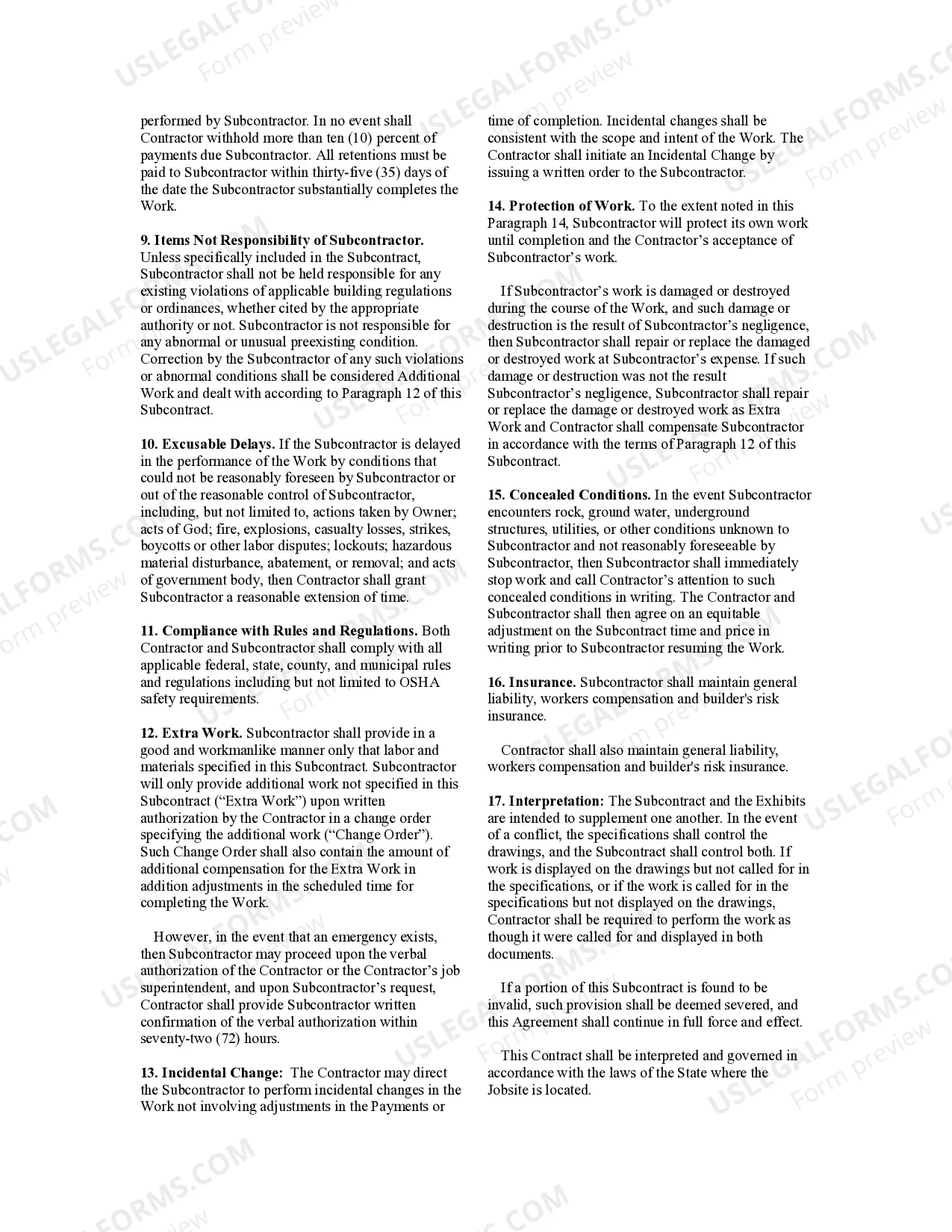
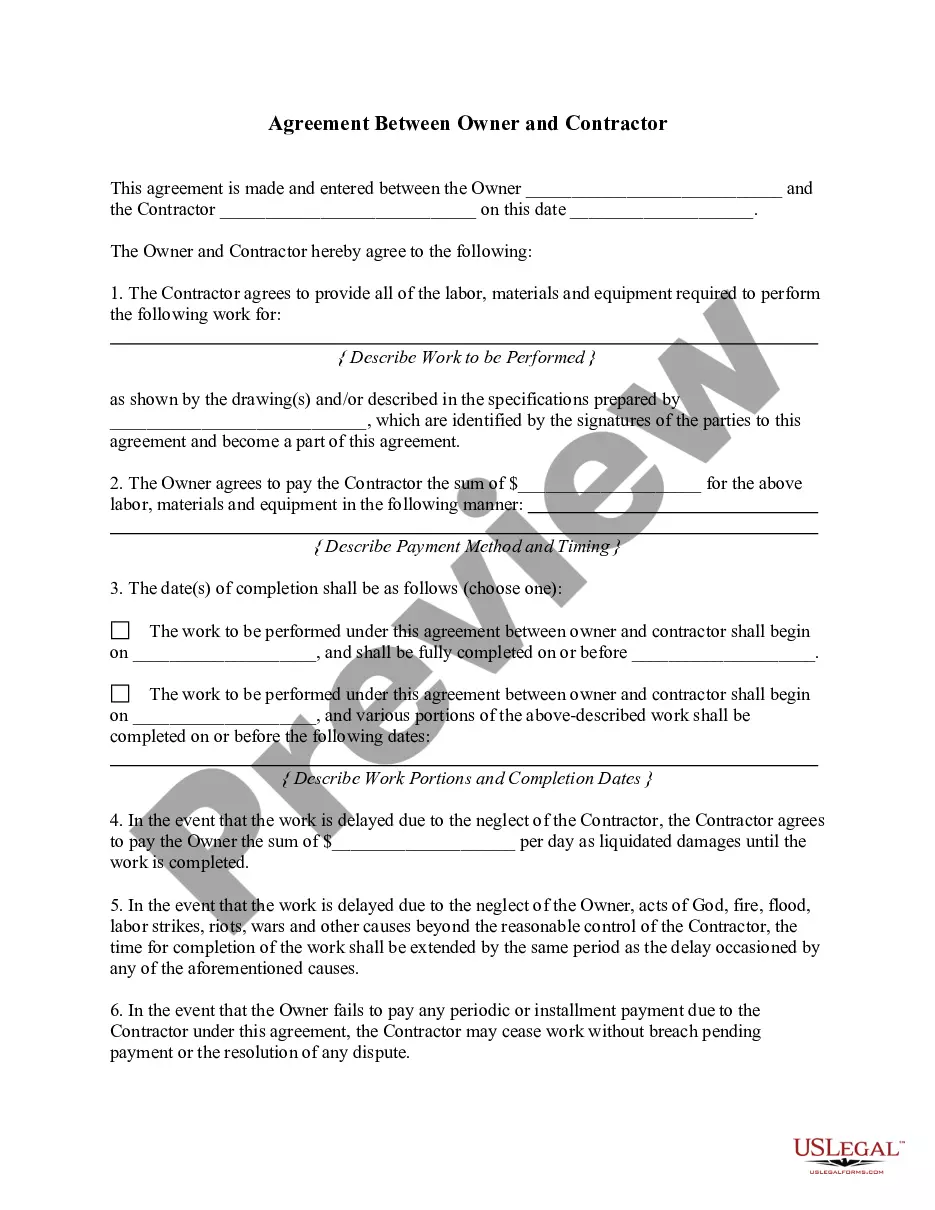
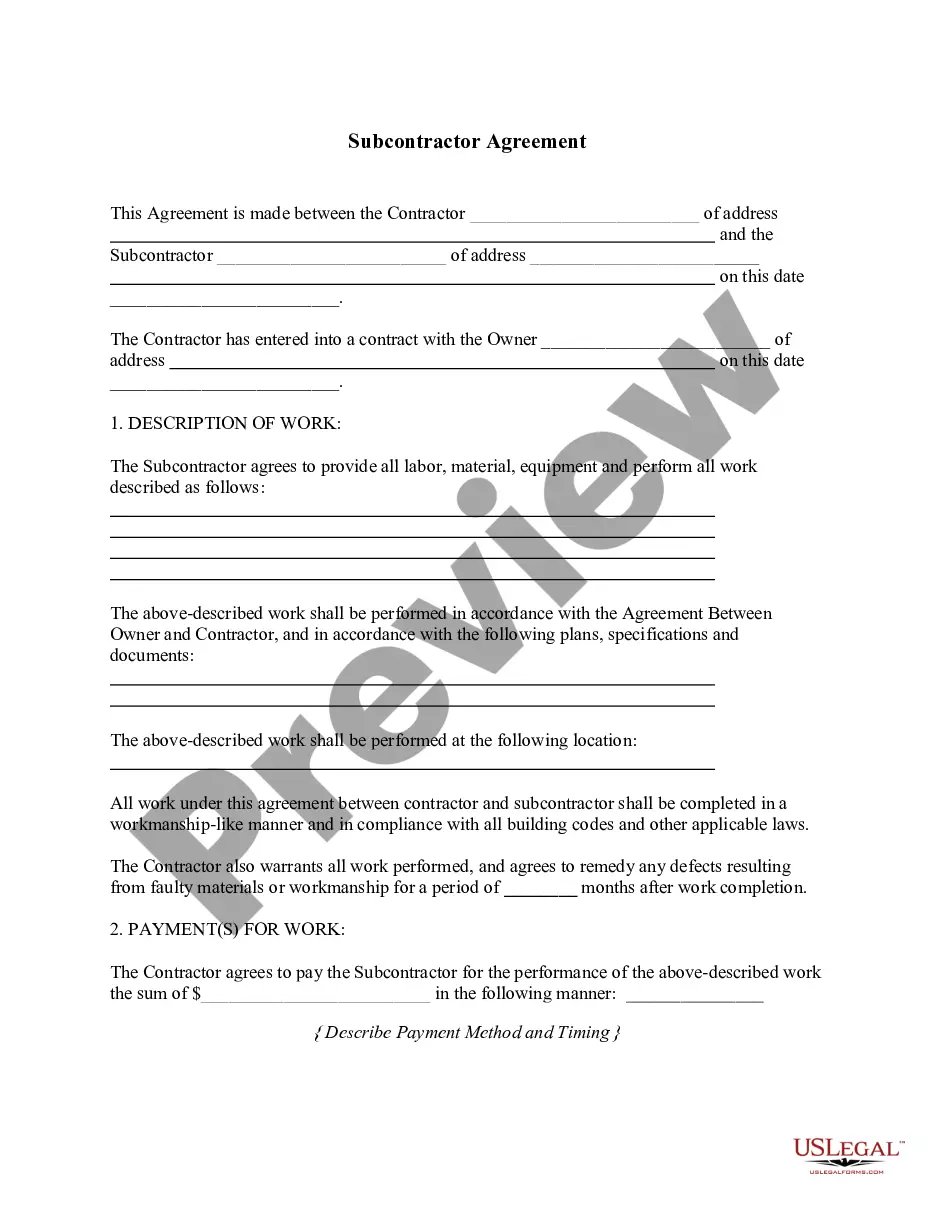
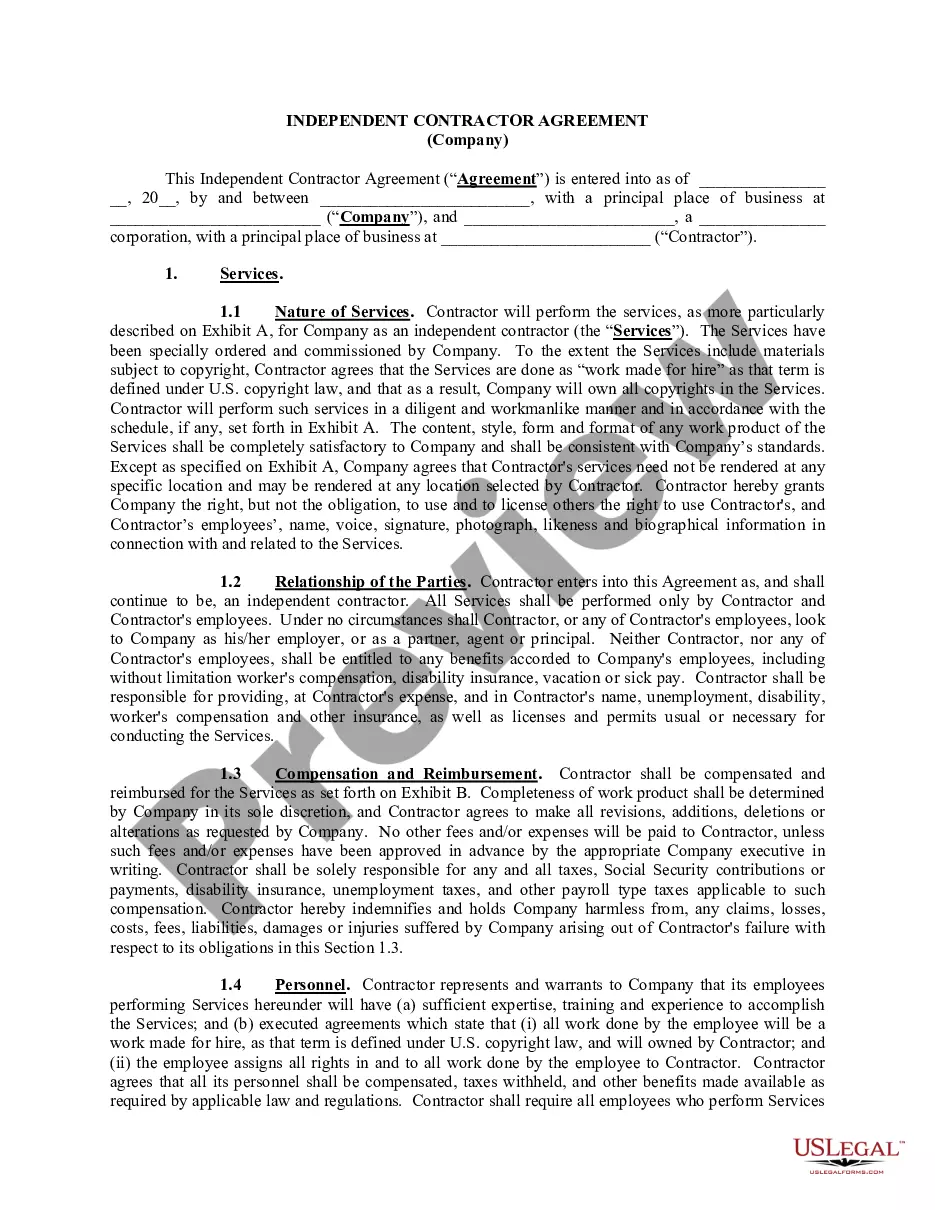
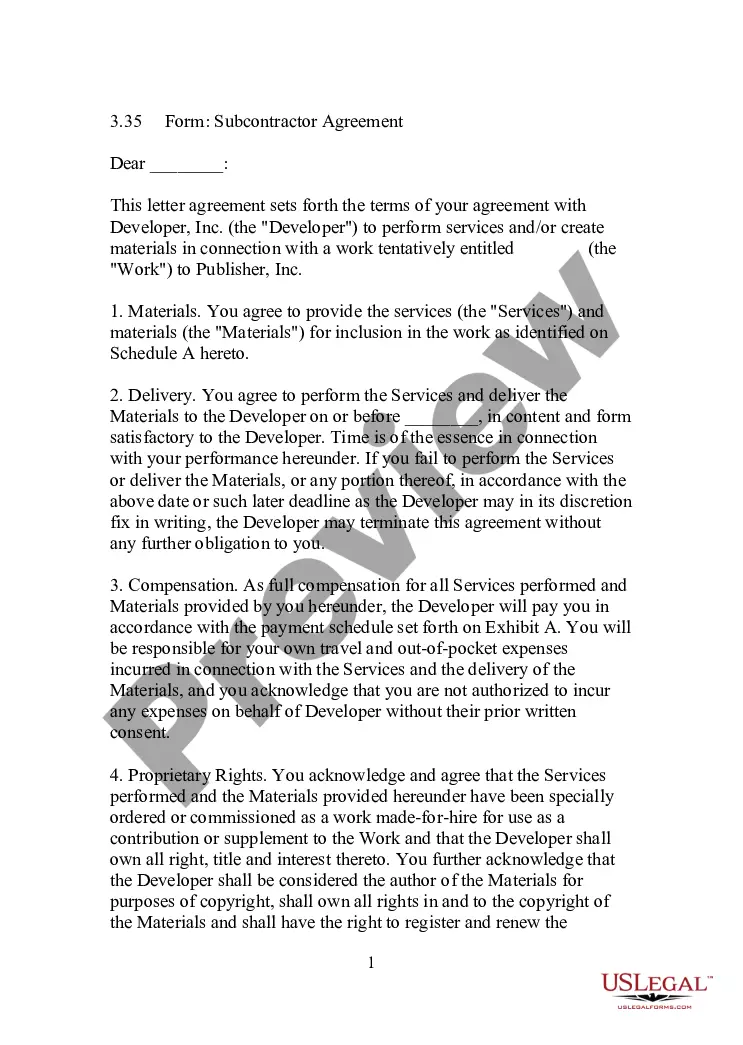
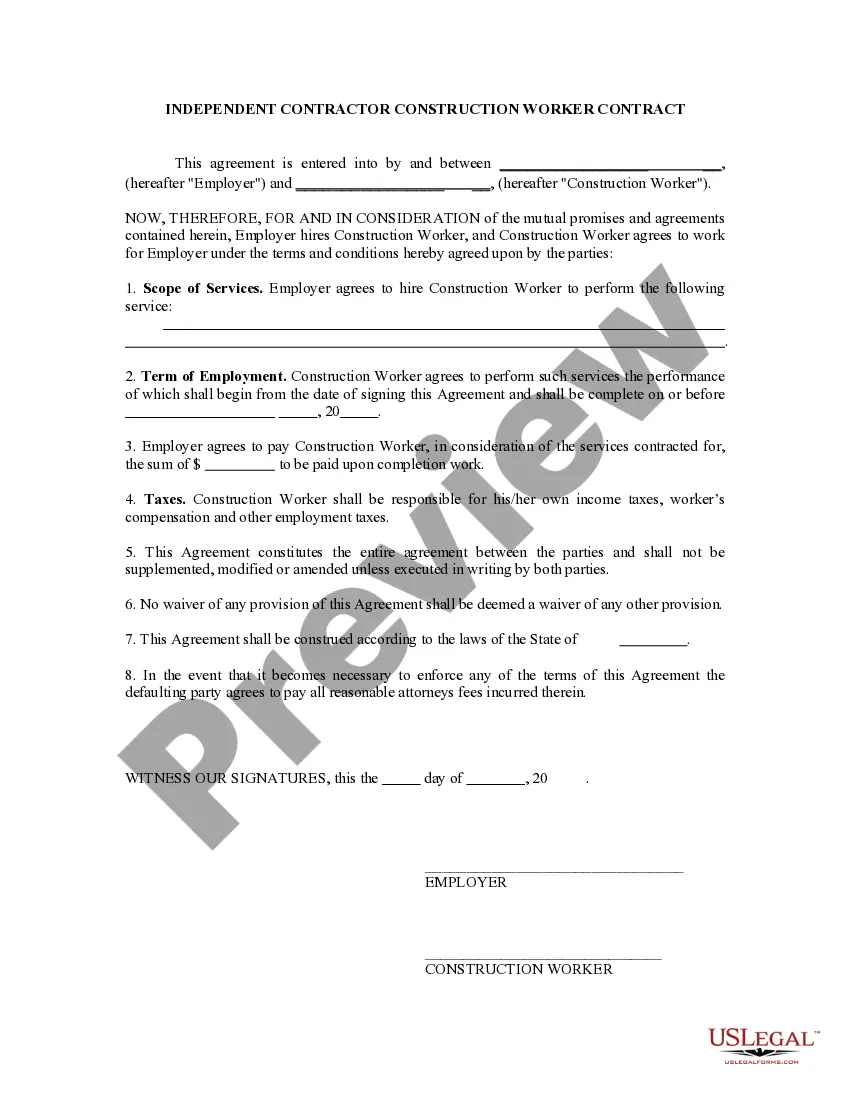
The Subcontractor's Agreement is a legal document designed for subcontracting work in construction or various projects. This form outlines the responsibilities of subcontractors and contractors, including work description, payment details, and dispute resolution mechanisms. Unlike general contracts, this agreement focuses specifically on subcontracting relationships, making it essential for ensuring clarity in scope and performance expectations.
Form components explained
- Identification of parties involved in the agreement
- Description of the work to be performed by the subcontractor
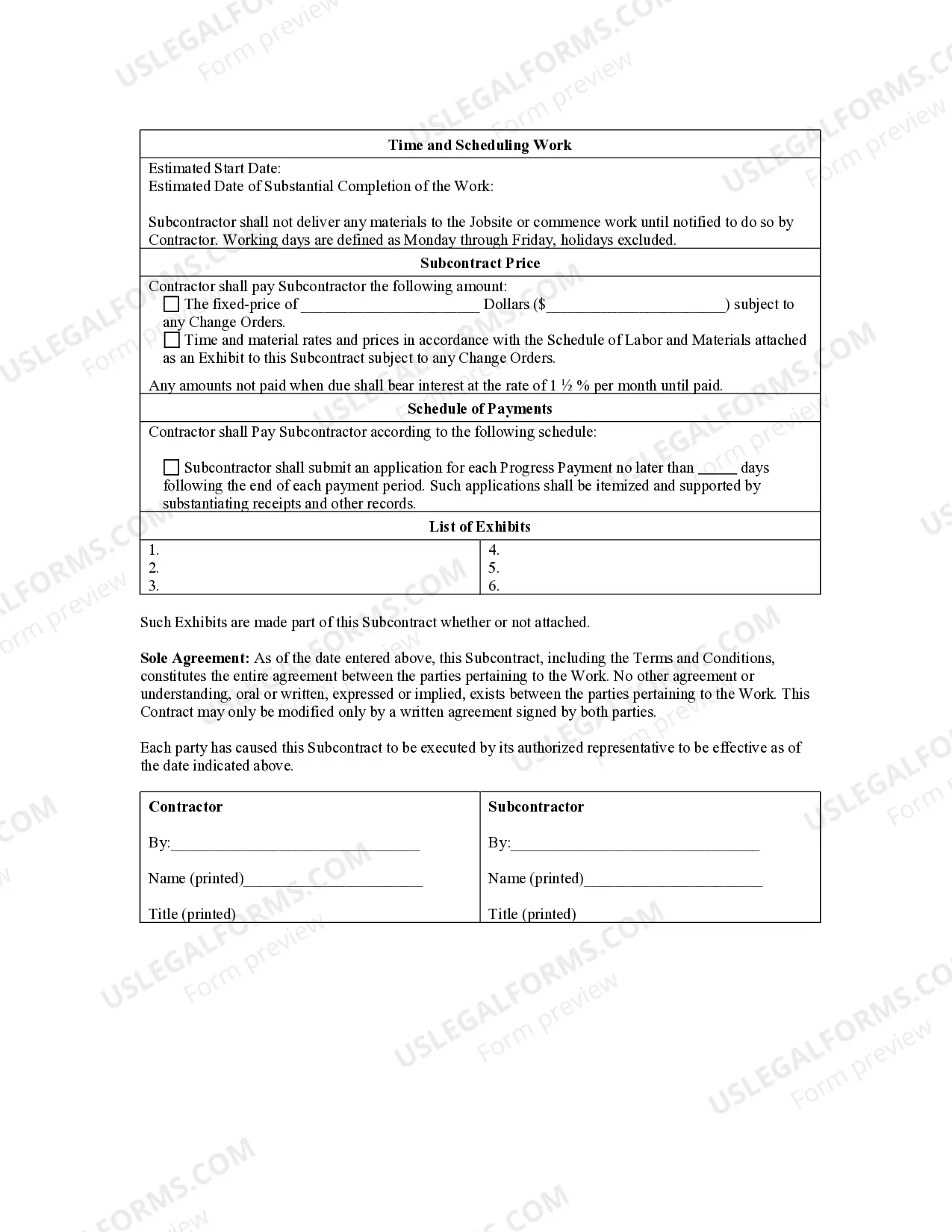
- Payment terms, including fixed-price amounts and payment schedules
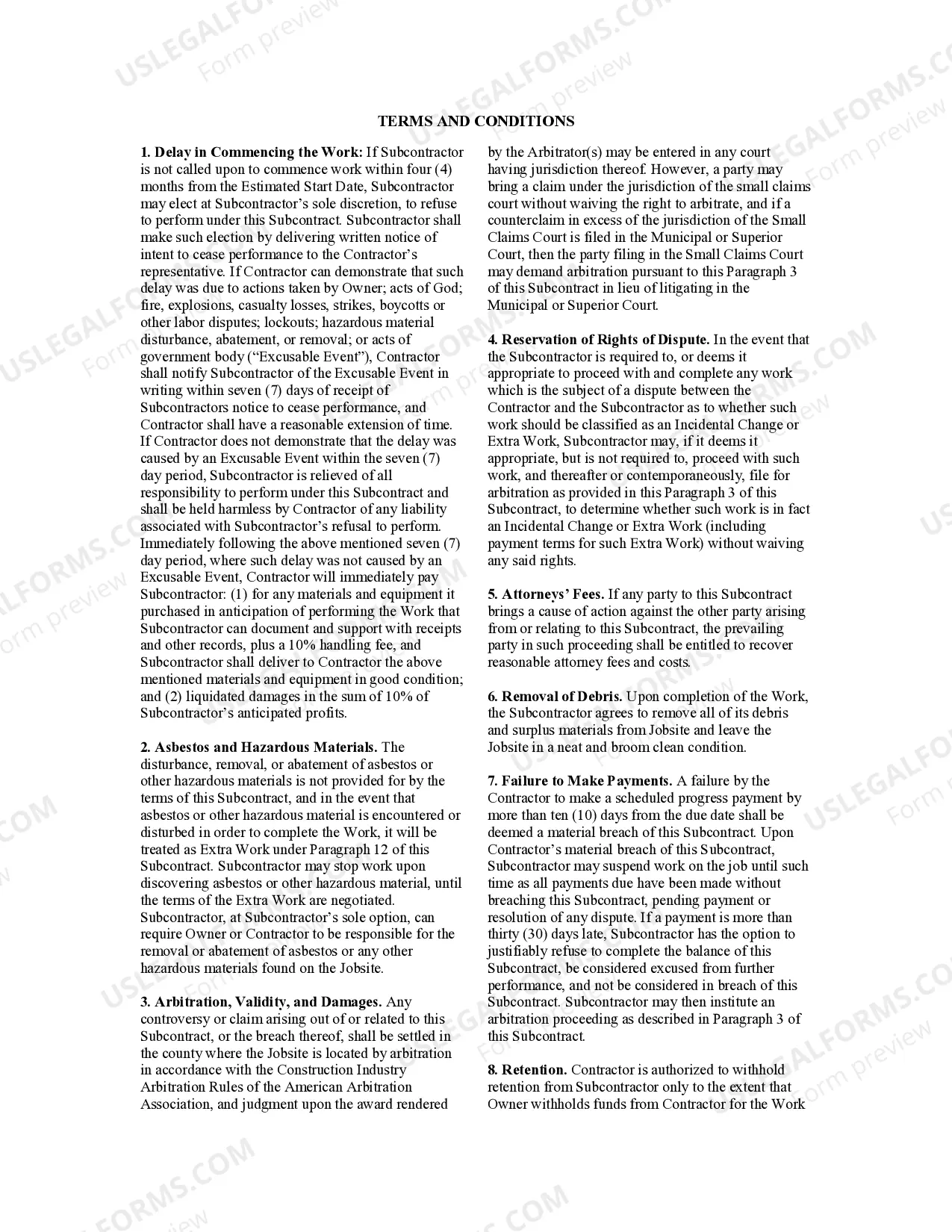
- Provisions for change orders and circumstances affecting project completion
- Insurance and liability requirements for both subcontractors and contractors
- Dispute resolution procedures, including arbitration details

Common use cases
This form is necessary when a contractor hires a subcontractor to perform specific tasks on a construction project. It is ideal for establishing clear obligations and expectations, especially in situations where changes to the original plans may occur. Use this agreement when clarifying responsibilities, ensuring that payment details are agreed upon, or managing potential disputes that may arise during the course of the work.
Who can use this document
This form is suitable for:
- Builders and general contractors seeking to engage subcontractors
- Subcontractors looking to formalize their work agreements
- Project managers coordinating between multiple parties in a construction project
- Anyone involved in contractual agreements related to construction or renovation
Completing this form step by step
- Identify and enter the names of the contractor and subcontractor at the beginning of the document.
- Specify the jobsite location and detailed description of the work to be performed.
- Determine and document the total fixed-price amount and any applicable change orders.
- Fill out the payment schedule, ensuring clarity on timing and amounts.
- Both parties review and sign the agreement to bind them to the terms outlined.
Is notarization required?
This form does not typically require notarization to be legally valid. However, some jurisdictions or document types may still require it. US Legal Forms provides secure online notarization powered by Notarize, available 24/7 for added convenience.
Get your form ready online
Our built-in tools help you complete, sign, share, and store your documents in one place.
Make edits, fill in missing information, and update formatting in US Legal Forms—just like you would in MS Word.
Download a copy, print it, send it by email, or mail it via USPS—whatever works best for your next step.
Sign and collect signatures with our SignNow integration. Send to multiple recipients, set reminders, and more. Go Premium to unlock E-Sign.
If this form requires notarization, complete it online through a secure video call—no need to meet a notary in person or wait for an appointment.
We protect your documents and personal data by following strict security and privacy standards.

Make edits, fill in missing information, and update formatting in US Legal Forms—just like you would in MS Word.

Download a copy, print it, send it by email, or mail it via USPS—whatever works best for your next step.

Sign and collect signatures with our SignNow integration. Send to multiple recipients, set reminders, and more. Go Premium to unlock E-Sign.

If this form requires notarization, complete it online through a secure video call—no need to meet a notary in person or wait for an appointment.

We protect your documents and personal data by following strict security and privacy standards.
Common mistakes
- Failing to clearly define the scope of work, leading to confusion over responsibilities.
- Not including a detailed payment schedule, which can cause payment disputes.
- Neglecting to specify conditions for change orders, resulting in unexpected costs.
- Omitting necessary insurance requirements for liability protection.
Benefits of completing this form online
- Convenient access to professionally drafted documents tailored to your needs.
- Editability allows for customization to specific project requirements.
- Reliability of using legally sound forms that comply with state laws.
Legal use & context
By using this Subcontractor's Agreement, both contractors and subcontractors establish a legally binding relationship that clearly outlines obligations and expectations. It is designed to minimize misunderstandings and protect the interests of both parties in the event of disputes.
What to keep in mind
- The Subcontractor's Agreement is essential for defining relationships in construction projects.
- It includes critical components such as payment terms, work scope, and mediation procedures for disputes.
- Proper completion and understanding of this form can significantly mitigate risks and liabilities in subcontracting agreements.
Looking for another form?


Form popularity
FAQ
The disadvantages contractors doing this work lie in costs: The hourly expenses are high, and the professionals are independent in that they don't report to supervisors inside the company. These factors make it challenging to control the costs of these subcontracts.
Each subcontractor should complete Form W-9 before they begin any work. On the form, the subcontractor identifies their business structure type (sole proprietorship, corporation, etc.). Form W-9 also asks for the subcontractor's name and Taxpayer Identification Number (TIN).
Subcontractor agreements outline the responsibilities of each party, to ensure that if a claim were to arise, the responsible party is accountable. A subcontractor agreement provides protection to the company that hired the vendor or subcontractor by transferring the risk back to the party performing the work.
Start with procurement standards. Execute all subcontracts prior to starting your projects. Help those who help you. Award the job to the lowest fully qualified bidder. Use contract scope checklists. Make sure you have tight clauses. Meet to review the proposed subcontract.
A subcontractor agreement is a contract between contractors or project managers and subcontractors. This solidifies any agreement between the two parties and assures work. Subcontractors should read the subcontractor agreement and assure specifics to protect themselves from unfair risk.
Scope of the Project. Timing for Completion: Duration of Work Clause. Payment and Billing Clause. Independent Contractor Notice. Non-Disclosure Agreement. Non-Complete Clause. Work for Hire Inclusion. Responsibilities for Insurance for Accidental Damages.
A subcontractor has a contract with the contractor for the services provided - an employee of the contractor cannot also be a subcontractor.