South Carolina Roofing Contract for Contractor
What is this form?
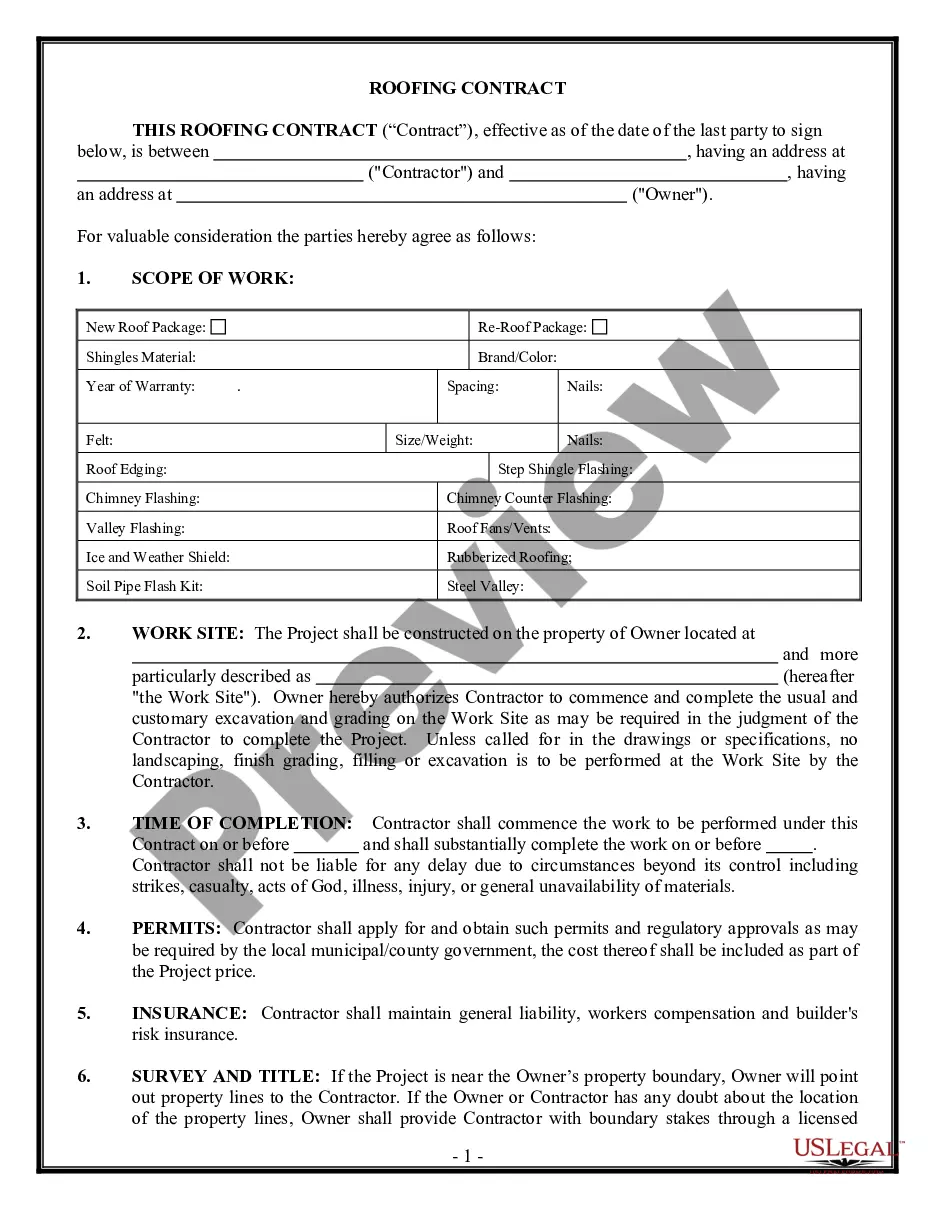
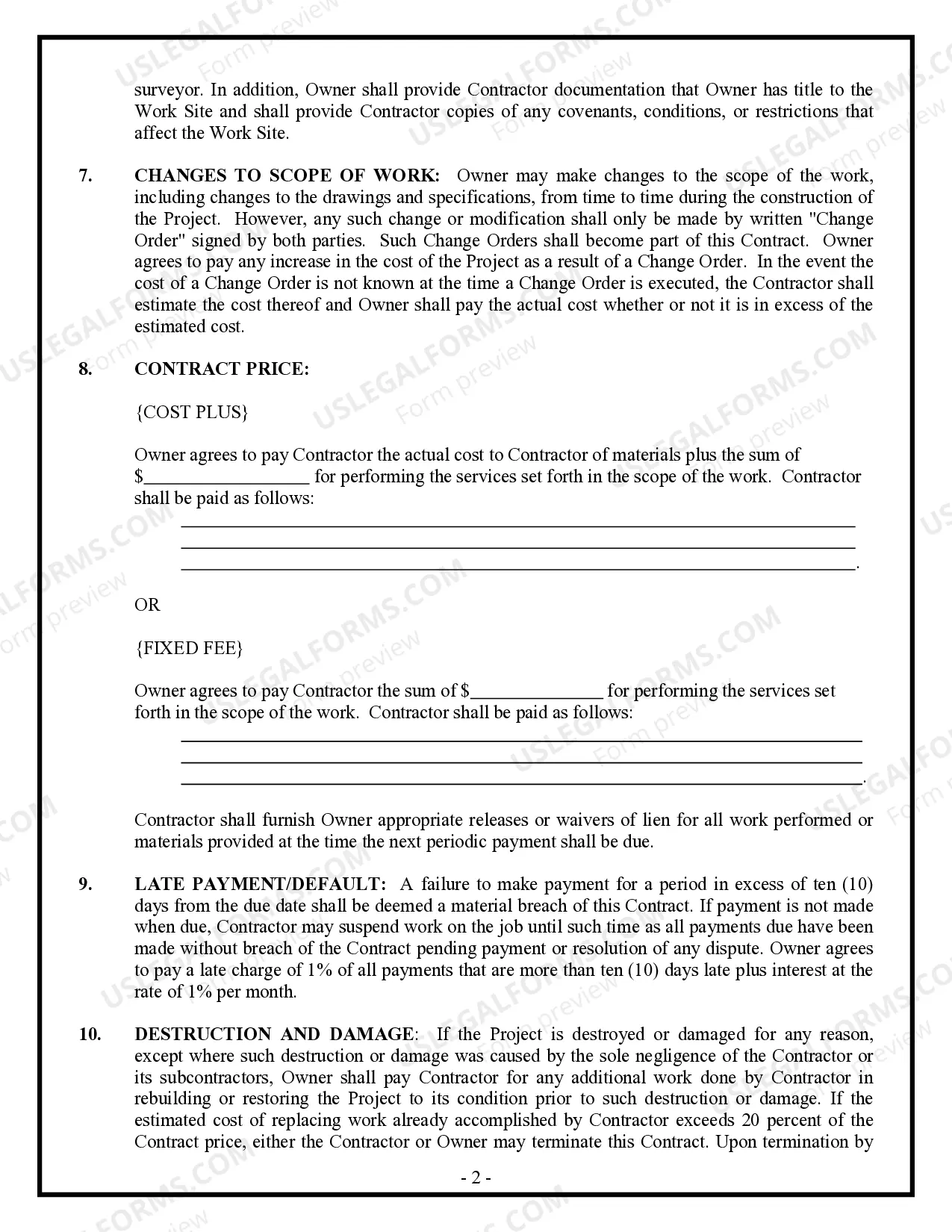
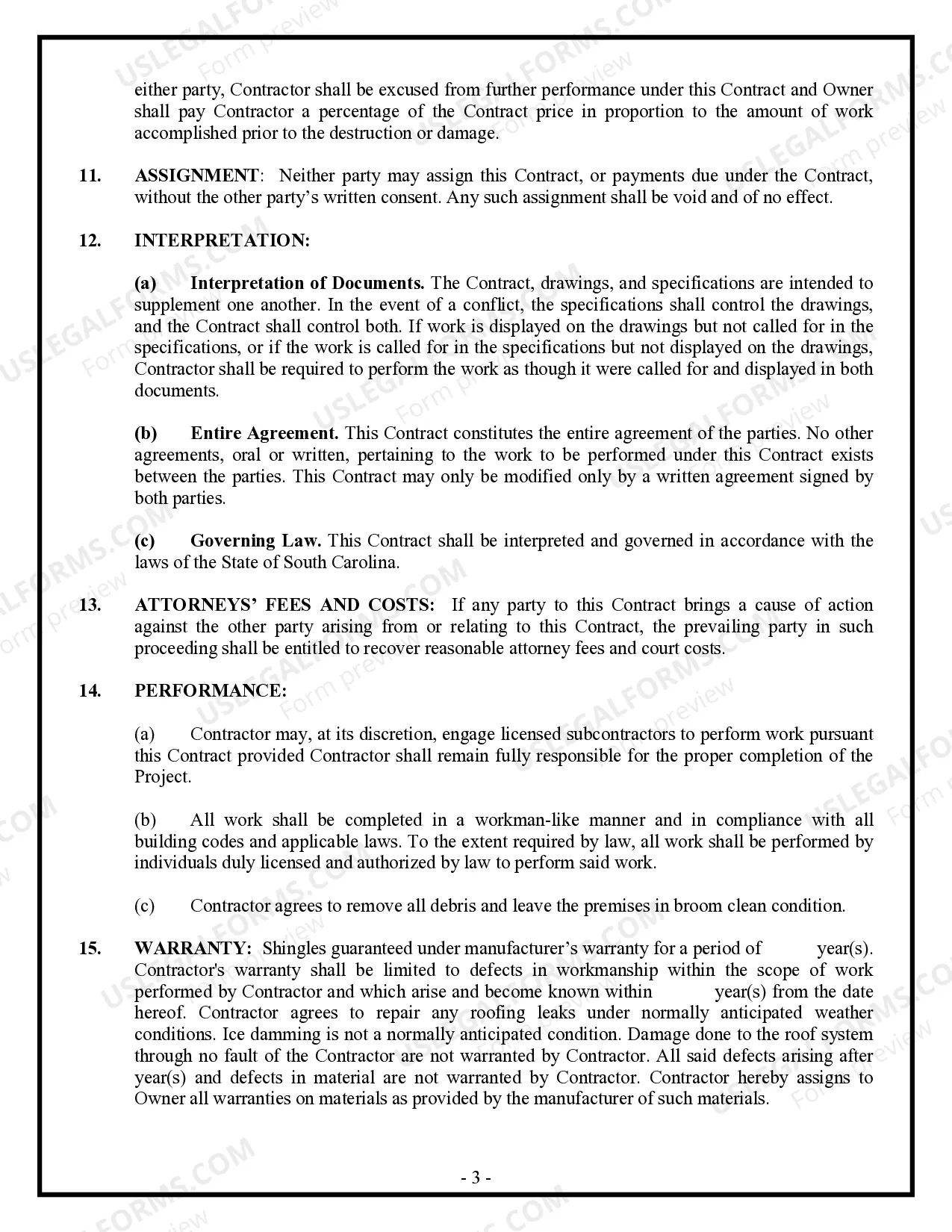
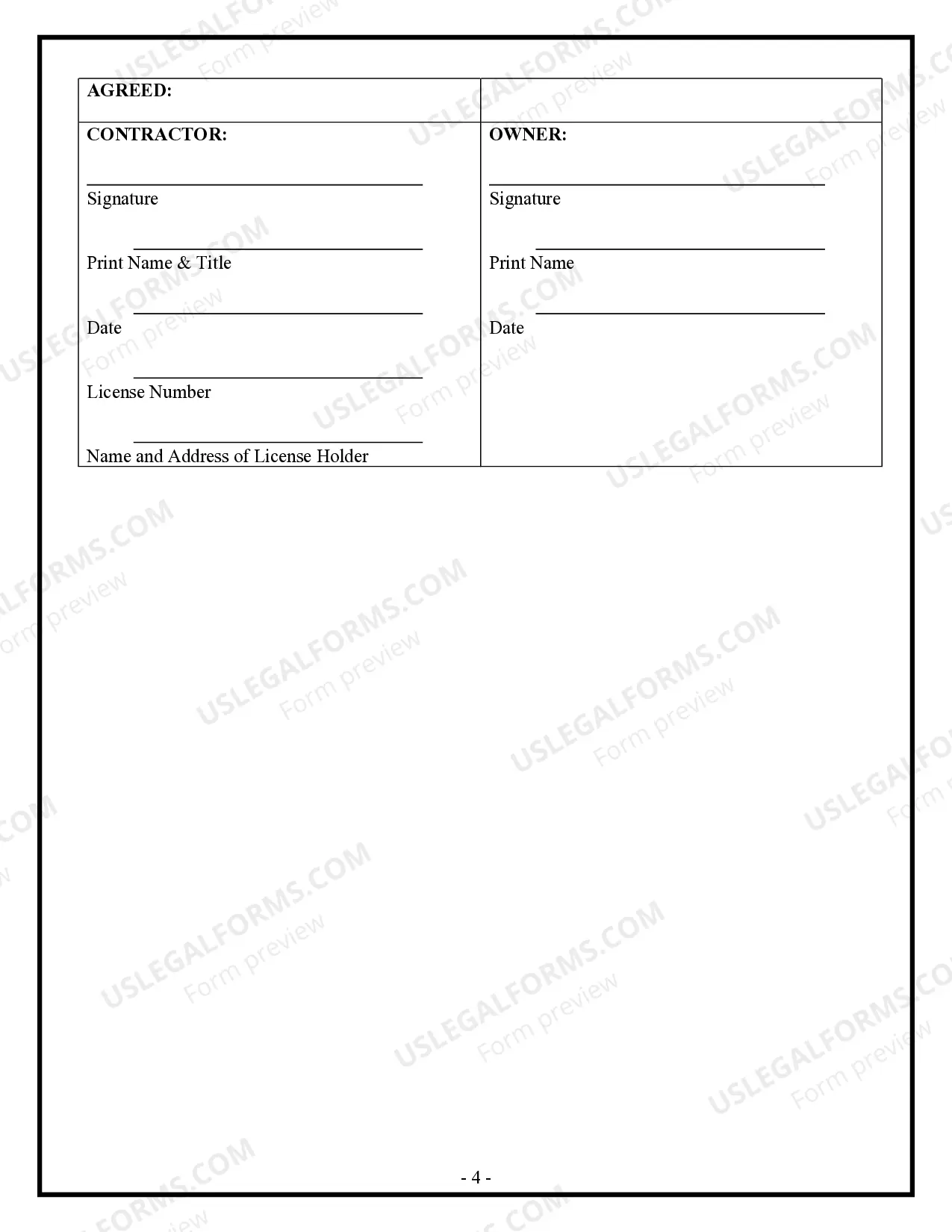
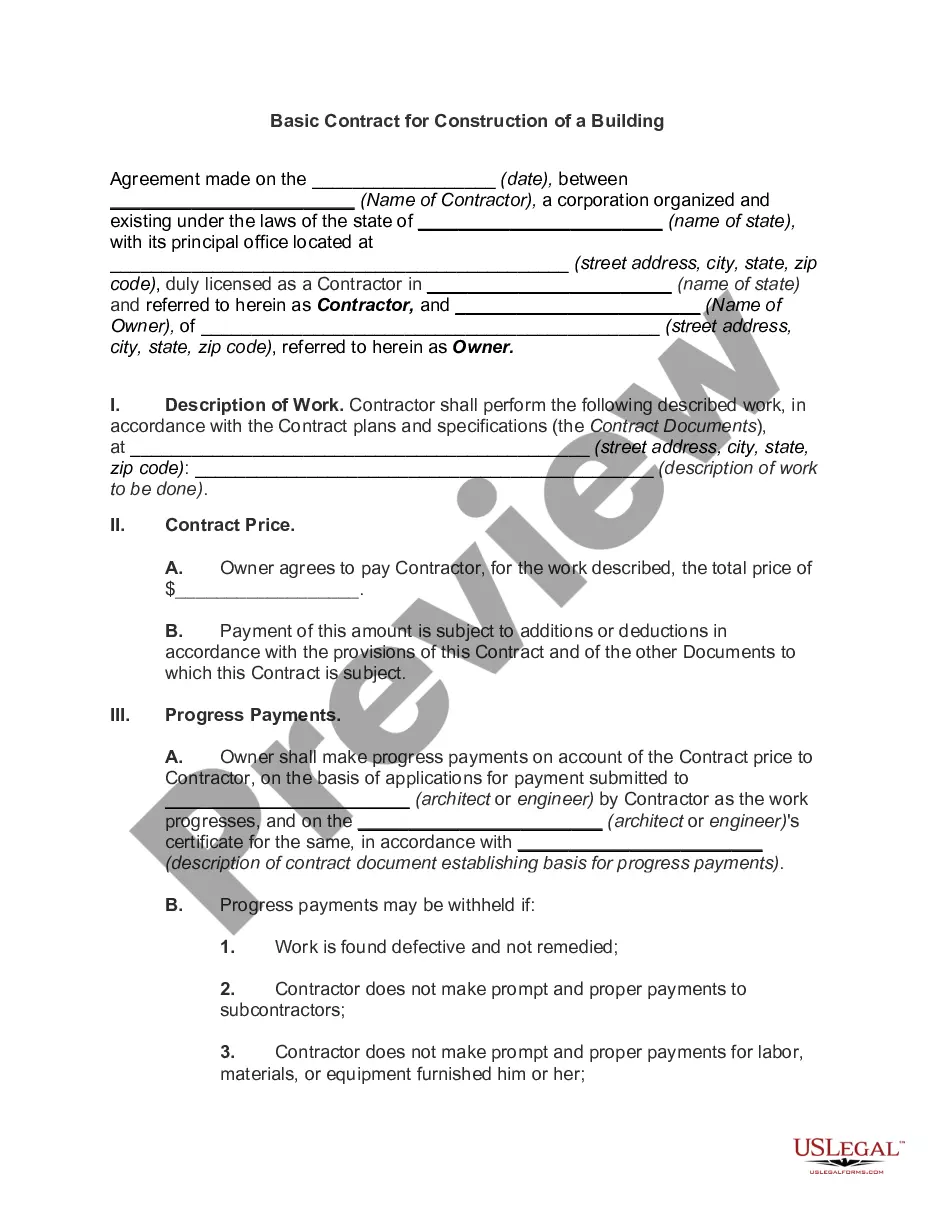
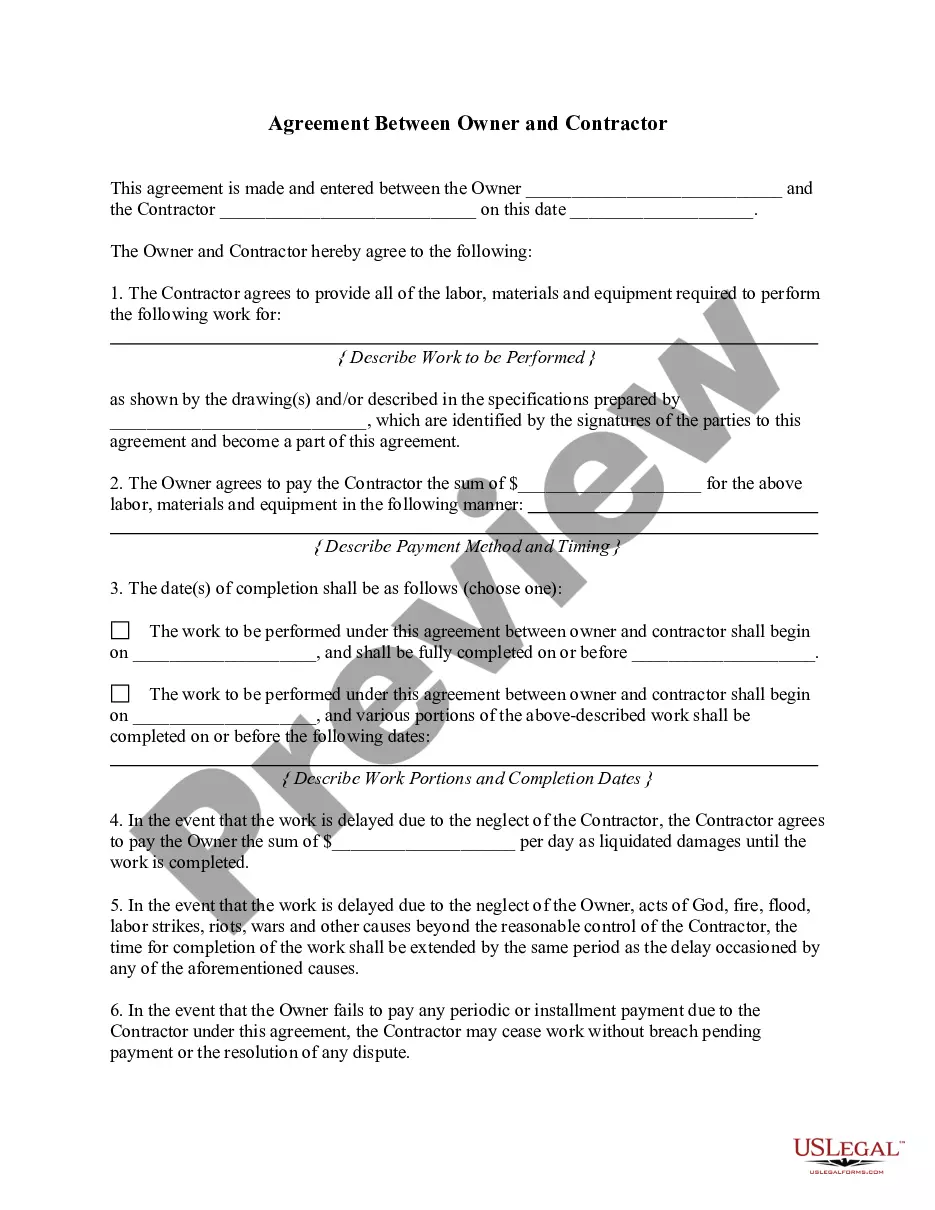
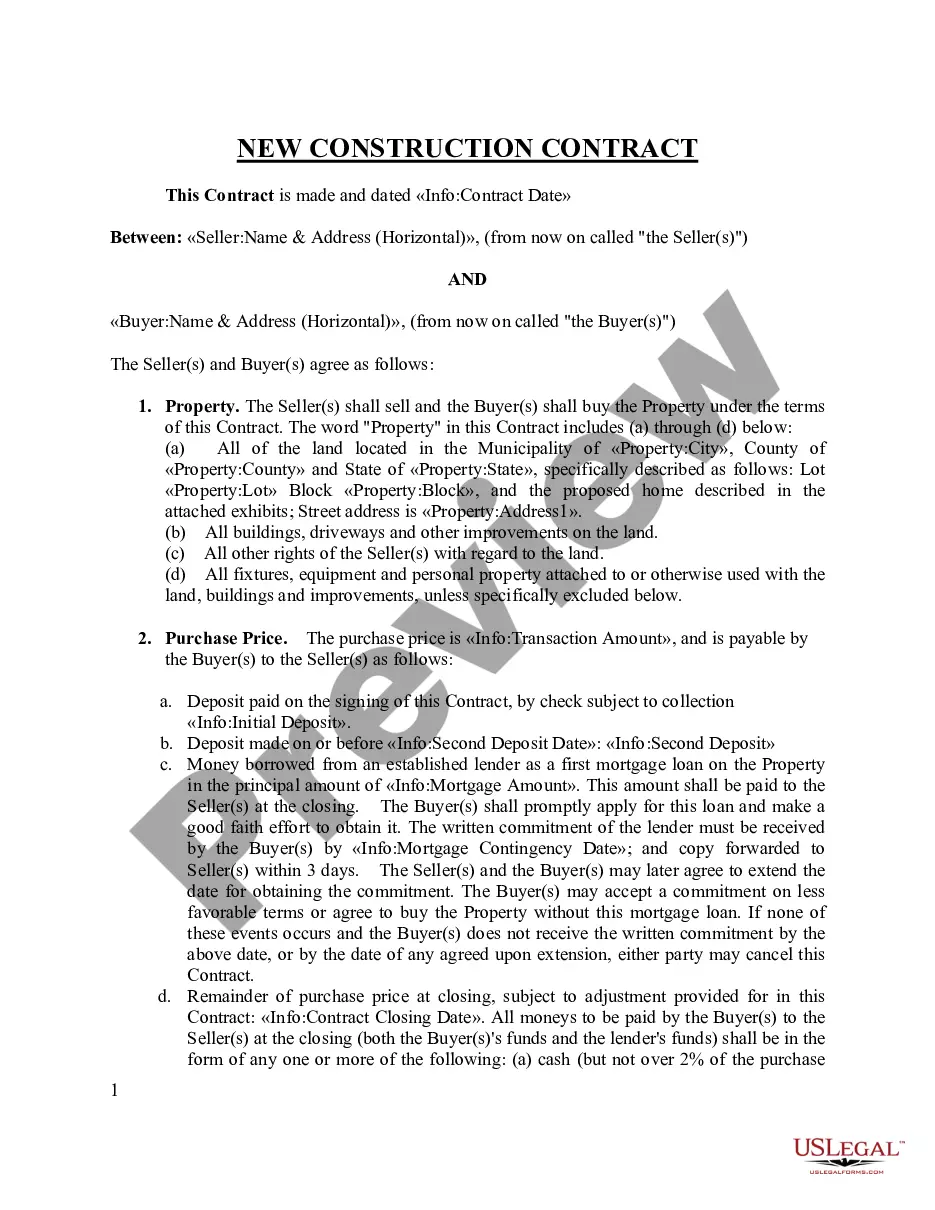
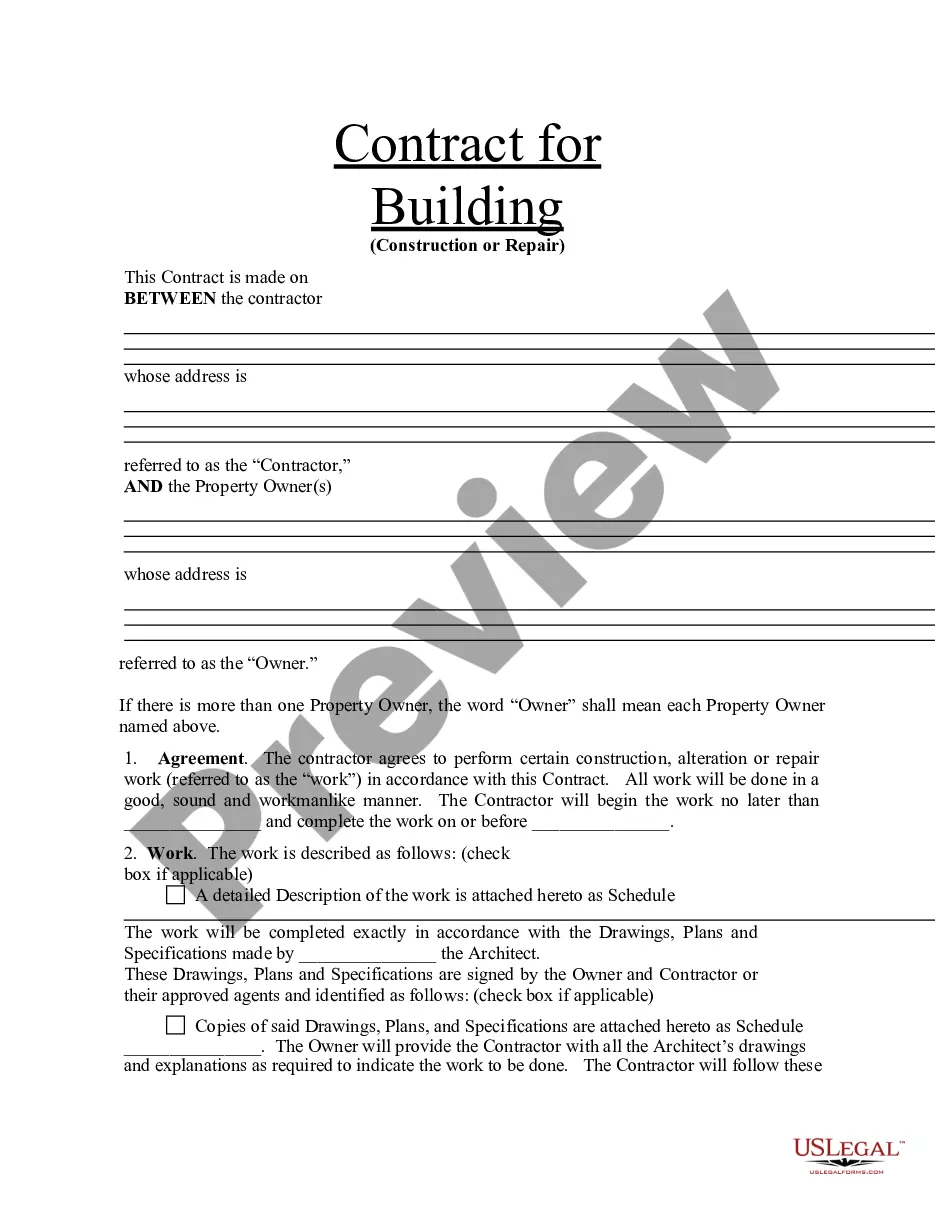
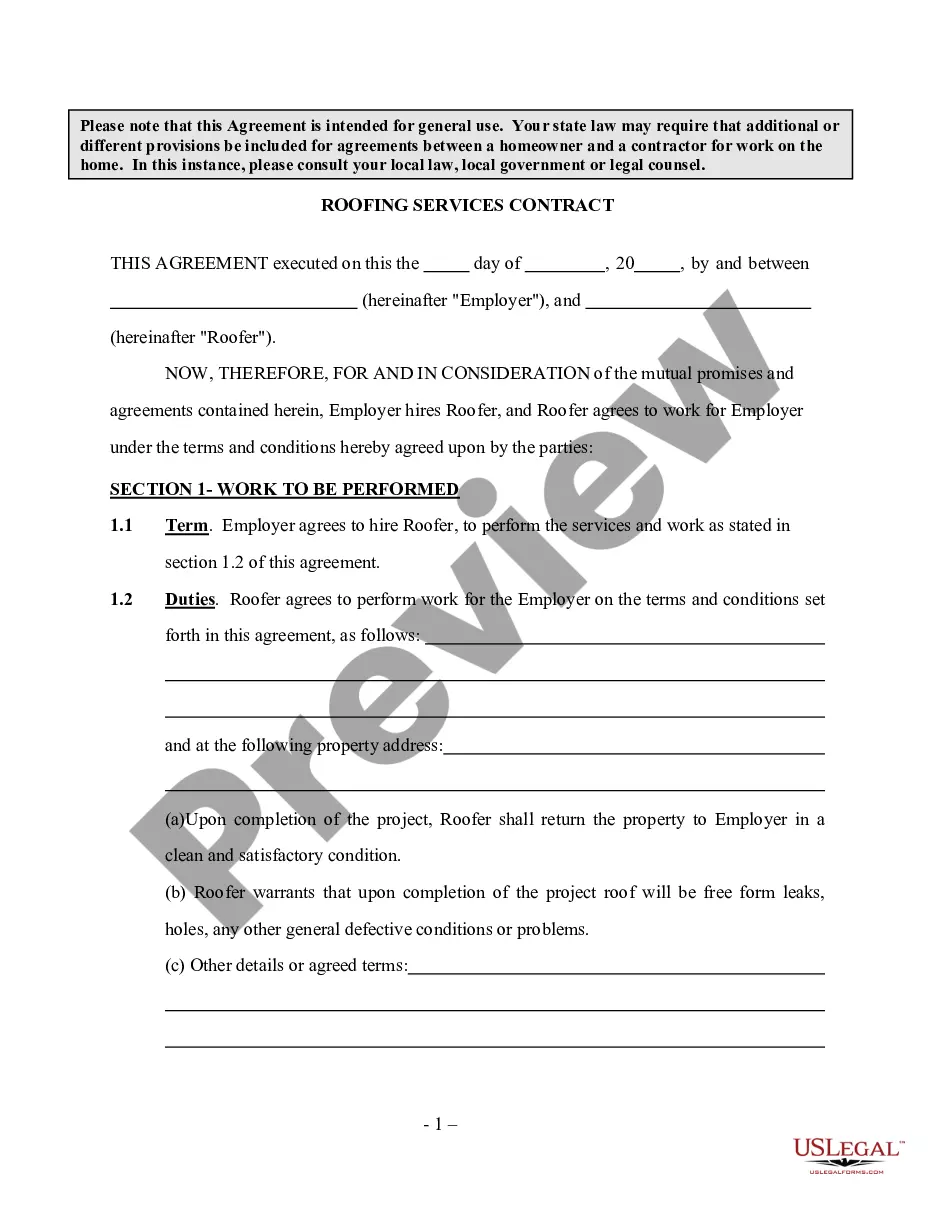
The Roofing Contract for Contractor is a legal document designed to outline the terms of a roofing project between contractors and property owners. This form specifies payment arrangements, such as cost plus or fixed fee, and details important aspects like change orders, warranties, and insurance obligations. It is tailored to comply with the laws of South Carolina, ensuring that both parties are protected under local regulations related to roofing contracts.
What’s included in this form
- Permits: The contractor must obtain necessary permits and regulatory approvals.
- Insurance: The contractor must maintain general liability and workers' compensation insurance.
- Survey and title: Requires the owner to confirm property boundaries and provide title documentation.
- Changes to scope of work: Owners can request changes through written change orders, with costs accounted for accordingly.
- Destruction and damage: Outlines responsibilities for additional work if damage occurs.
- Assignment and interpretation: Specifies rules against assignment without consent and clarifies document control in case of disputes.
Situations where this form applies
This roofing contract should be used when a property owner engages a contractor for roofing work. It is suitable for projects involving new installations, repairs, or replacements of roofs. The form is beneficial in cases where payment details, project scope, and liabilities need to be clearly defined to avoid misunderstandings during the roofing process.
Who needs this form
- Roofing contractors entering into agreements with property owners.
- Property owners looking to clarify terms and responsibilities with their roofing contractor.
- Individuals seeking to ensure compliance with South Carolina roofing laws.
Instructions for completing this form
- Identify the parties involved: Clearly state the names and contact information of both the contractor and the property owner.
- Specify the project details: Describe the scope of work, including specific roofing services to be provided.
- Enter payment information: Indicate whether the payment will be a cost-plus or fixed fee structure.
- Obtain necessary permits: Ensure the contractor agrees to apply for and acquire all required permits.
- Include change order provisions: Outline how changes to the project will be documented and agreed upon by both parties.
Does this document require notarization?
This form does not typically require notarization unless specified by local law. It is advisable to check with local regulations to confirm if notarization is necessary for enforceability.
Get your form ready online
Our built-in tools help you complete, sign, share, and store your documents in one place.
Make edits, fill in missing information, and update formatting in US Legal Forms—just like you would in MS Word.
Download a copy, print it, send it by email, or mail it via USPS—whatever works best for your next step.
Sign and collect signatures with our SignNow integration. Send to multiple recipients, set reminders, and more. Go Premium to unlock E-Sign.
If this form requires notarization, complete it online through a secure video call—no need to meet a notary in person or wait for an appointment.
We protect your documents and personal data by following strict security and privacy standards.

Make edits, fill in missing information, and update formatting in US Legal Forms—just like you would in MS Word.

Download a copy, print it, send it by email, or mail it via USPS—whatever works best for your next step.

Sign and collect signatures with our SignNow integration. Send to multiple recipients, set reminders, and more. Go Premium to unlock E-Sign.

If this form requires notarization, complete it online through a secure video call—no need to meet a notary in person or wait for an appointment.

We protect your documents and personal data by following strict security and privacy standards.
Common mistakes
- Not thoroughly discussing project details before signing.
- Failing to obtain the necessary permits required by local authorities.
- Ineffectively documenting change orders, leading to disputes over costs.
Advantages of online completion
- Convenience of downloadable access from anywhere.
- Editability to tailor the contract to individual project needs.
- Reliability with content drafted by licensed attorneys to ensure legal compliance.
Legal use & context
The Roofing Contract for Contractor is legally binding when properly completed and signed by both parties. It establishes the obligations of each party and can be enforced in court if necessary. Understanding local laws is crucial for validity and compliance.
What to keep in mind
- The Roofing Contract defines all essential terms between the contractor and the property owner.
- It is designed specifically for compliance with South Carolina law.
- Proper completion and signing are necessary for the contract to be enforceable.
Looking for another form?


Form popularity
FAQ
A handyman, under the classification of Residential Specialty Contractor, does not need a license to work in South Carolina. However, you will need to register with the South Carolina Department of Labor, Licensing and Regulation.
Ways to G et a Contractor License Without Experience The states of Florida, Louisiana, Colorado, Connecticut, Kansas, Indiana, Kansas, Missouri, New Hampshire, New York, Ohio, Pennsylvania, and Wyoming don't require a state license for contractors.
Your roofing contract must include the specifics of the project including details about materials to be used (their brand, type, color, and price), and start and end date of the project. The contract must also include details about the removal of the old roof and installing the replacement.
In South Carolina, the South Carolina Department of Labor, Licensing and Regulations is responsible for the licensing of all contractors. General, mechanical, specialty and manufactured housing contractors must be licensed in order to work in the state.
Roofing contractors, who fall under the category of Residential Specialty Contractor, do not require a state license to work in South Carolina, but they must be registered with the South Carolina Department of Labor, Licensing and Regulation.
In South Carolina, the South Carolina Department of Labor, Licensing and Regulations is responsible for the licensing of all contractors. General, mechanical, specialty and manufactured housing contractors must be licensed in order to work in the state.
FILE A WRITTEN APPLICATION. SUBMIT A CERTIFIED CHECK. SUBMIT AN AFFIDAVIT. PASS THE EXAM. PAY THE LICENSE FEE.
Roofers in the ACT must hold Class C Building Licences issued by the ACT Planning and Land Authority. This type of licence allows them to work on low rise residential buildings. If a trade licence is not required for roof repairs in your area, make sure your roof repair service is qualified and carries insurance.