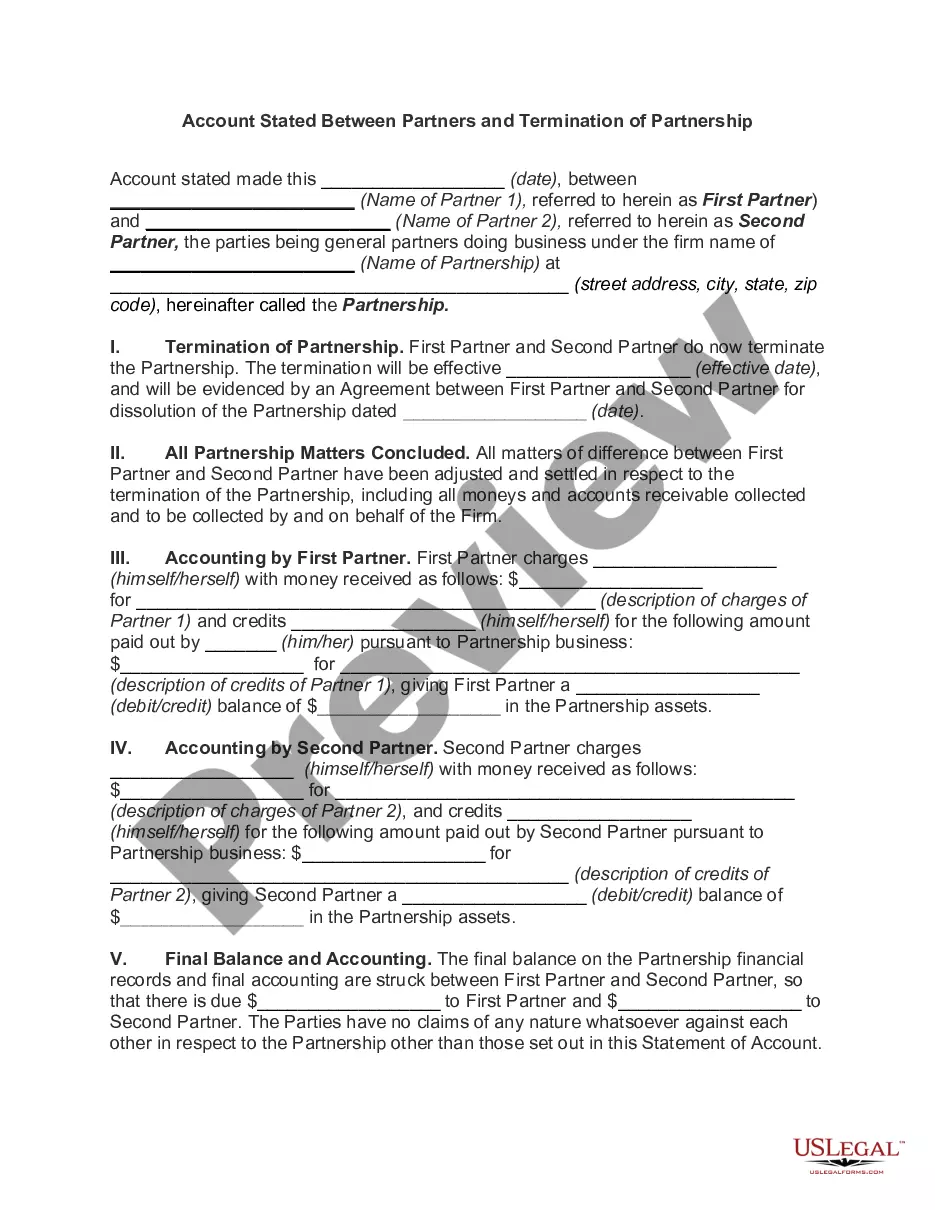
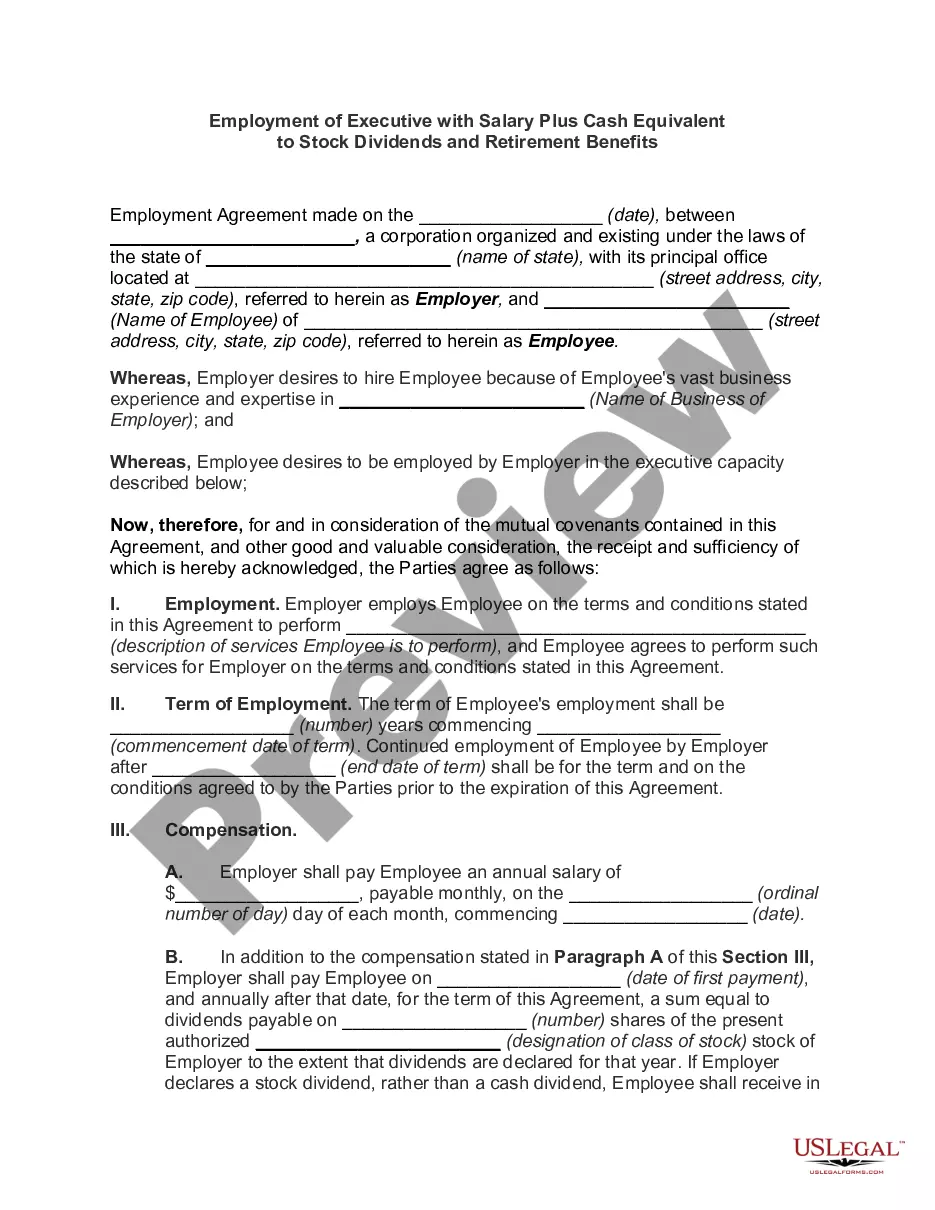
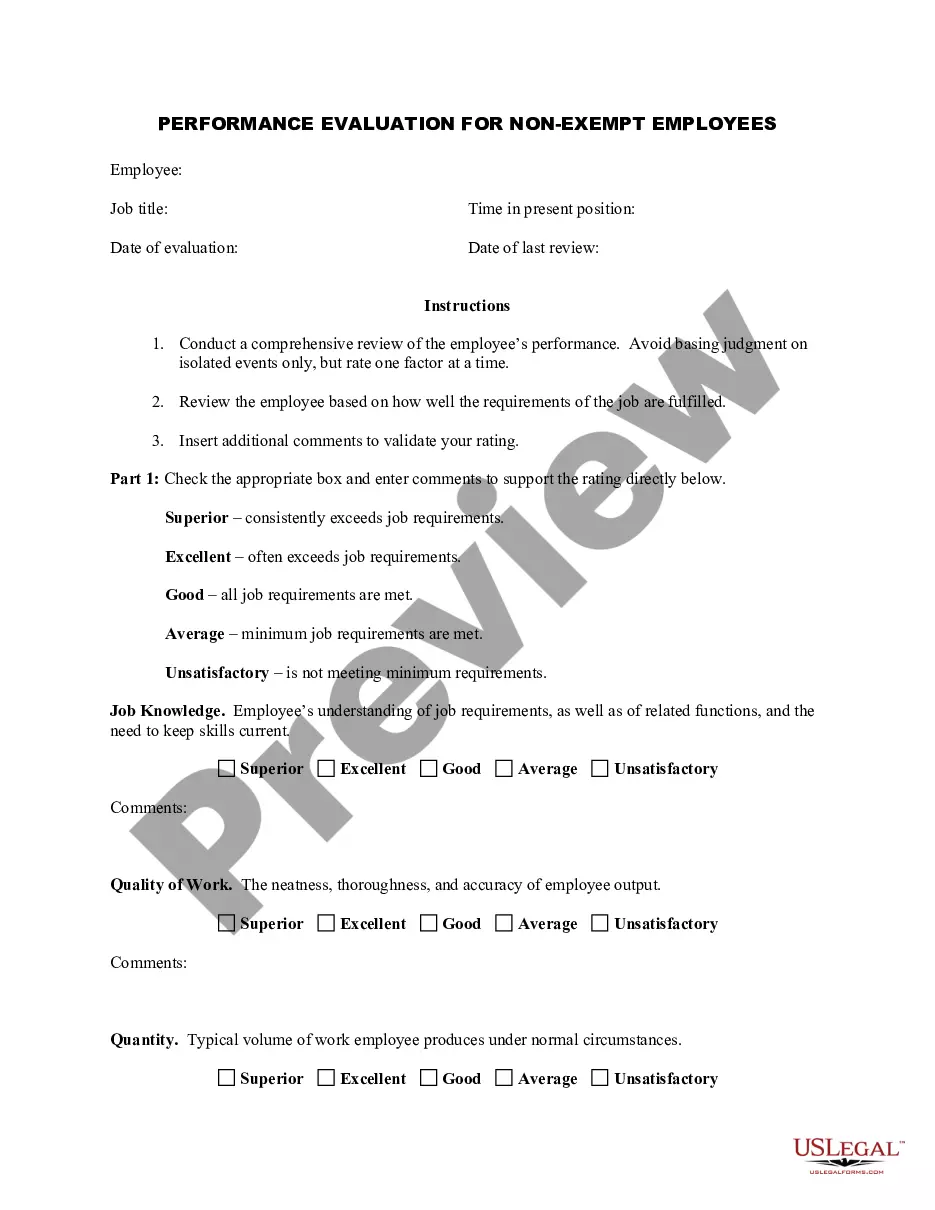
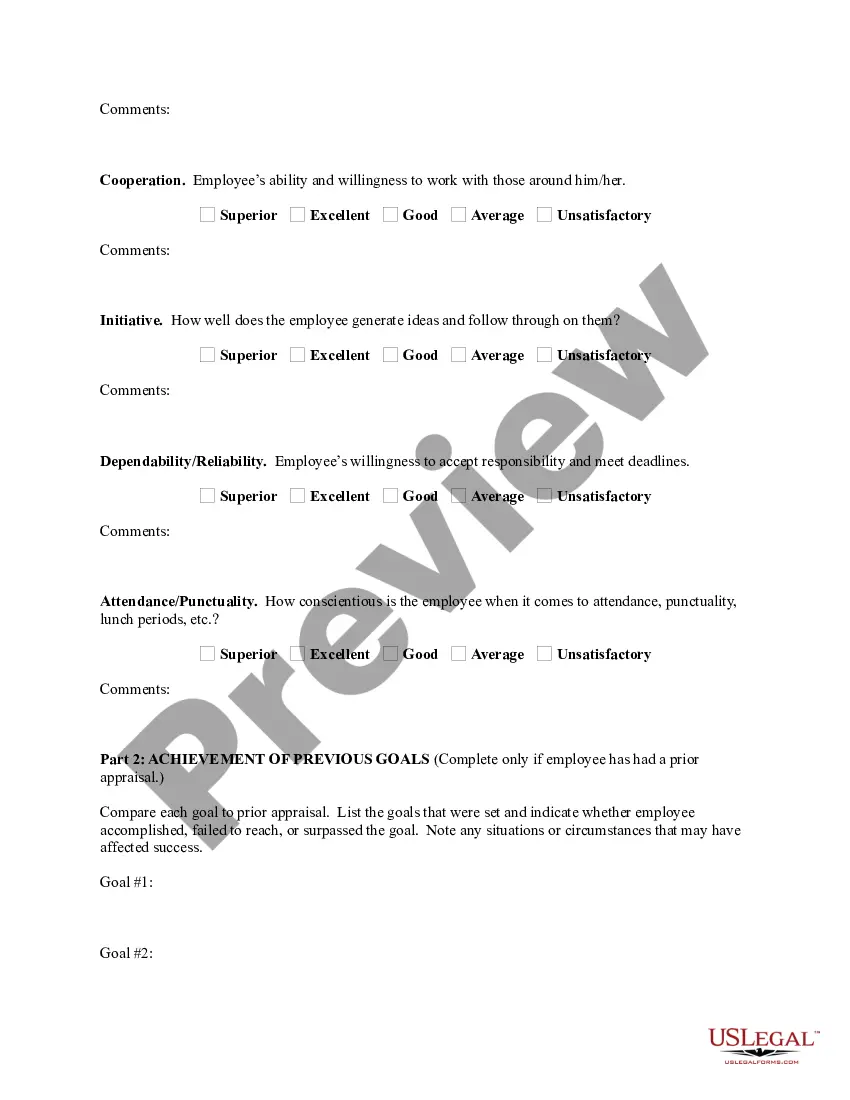
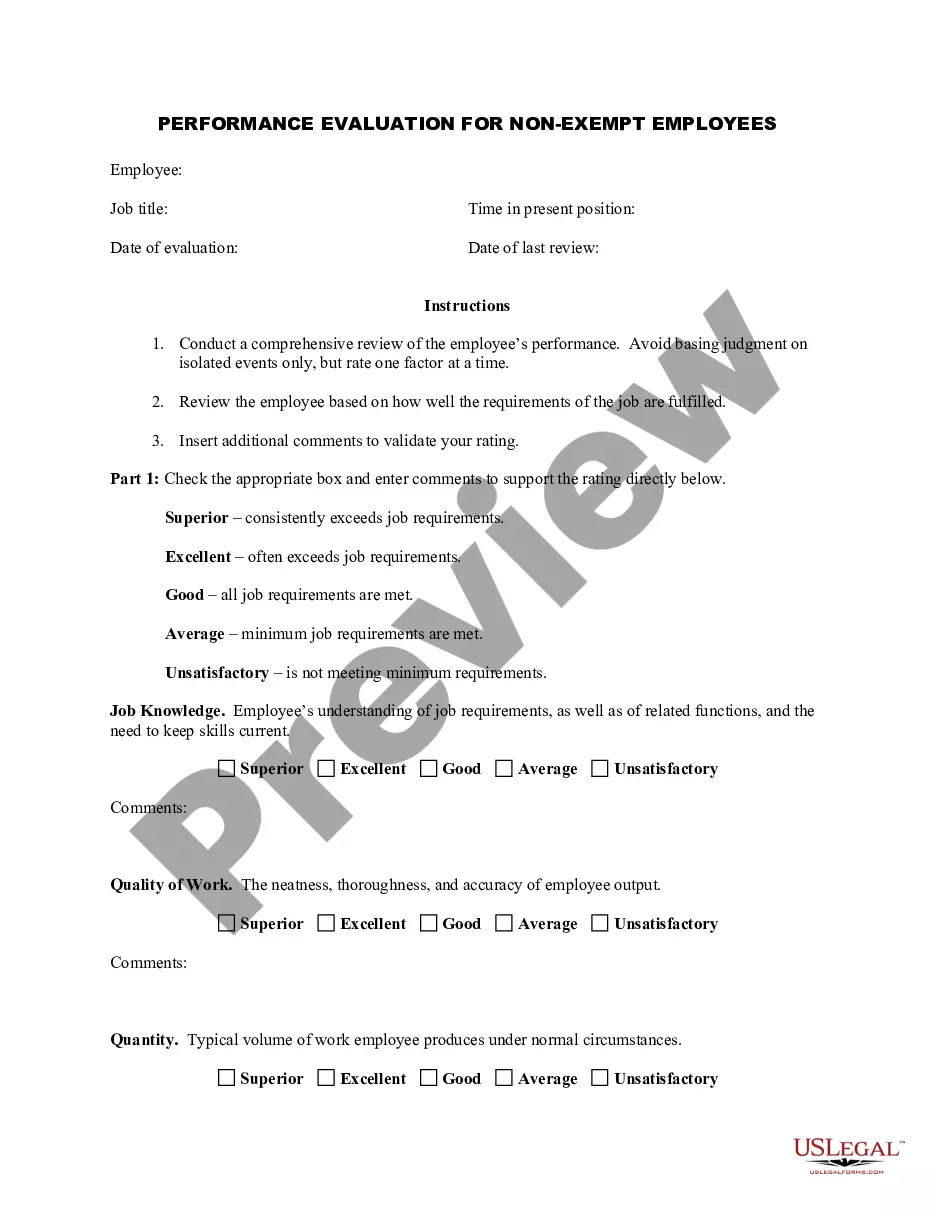
Rhode Island Employee Evaluation Form for HR Manager
Description
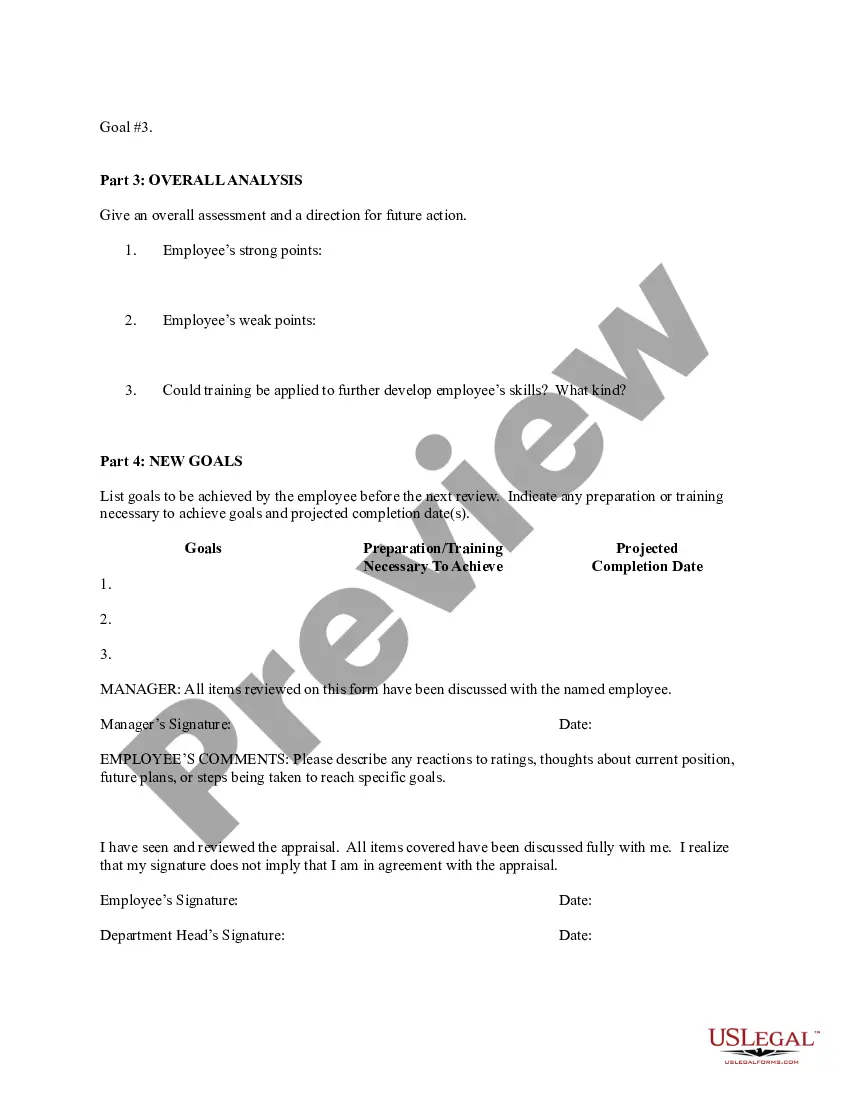
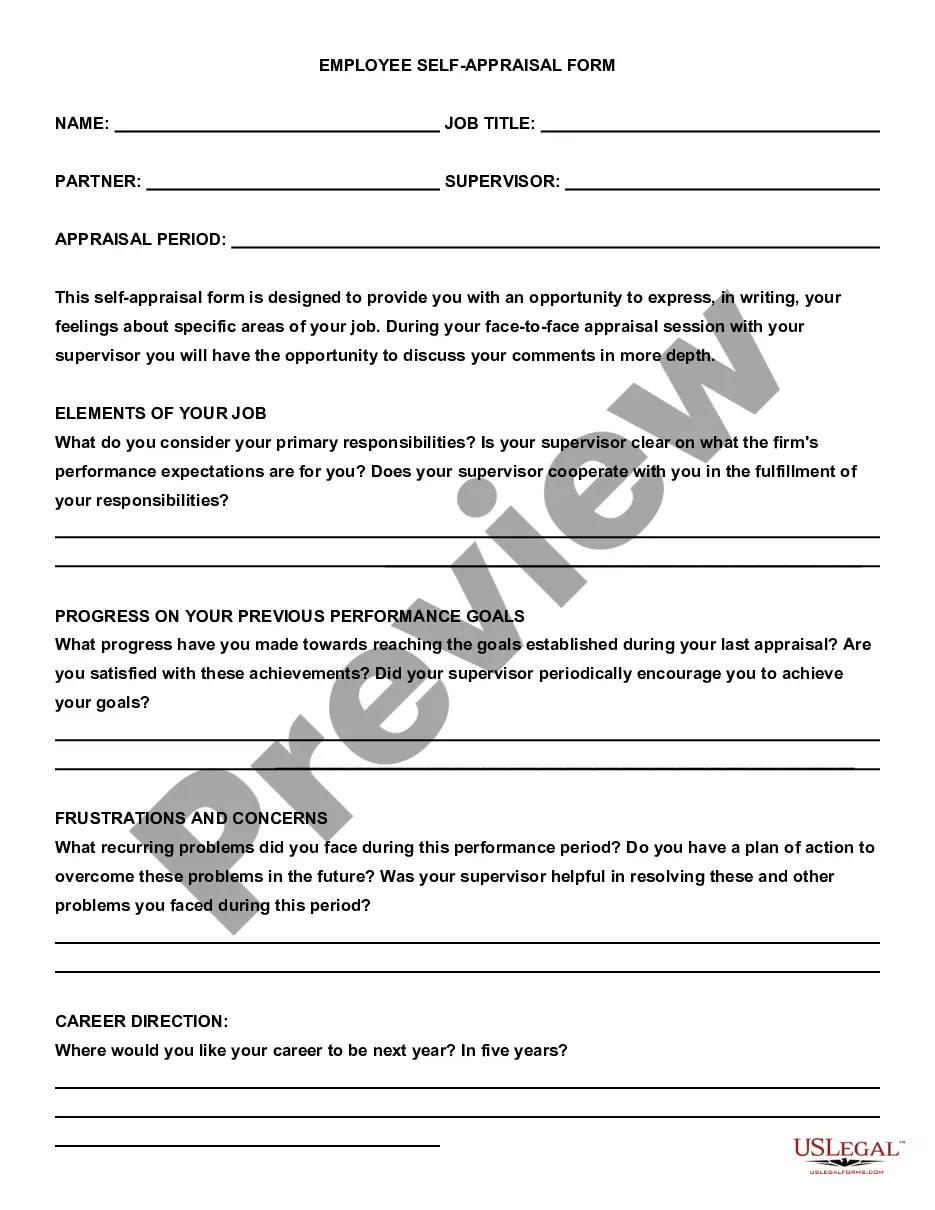
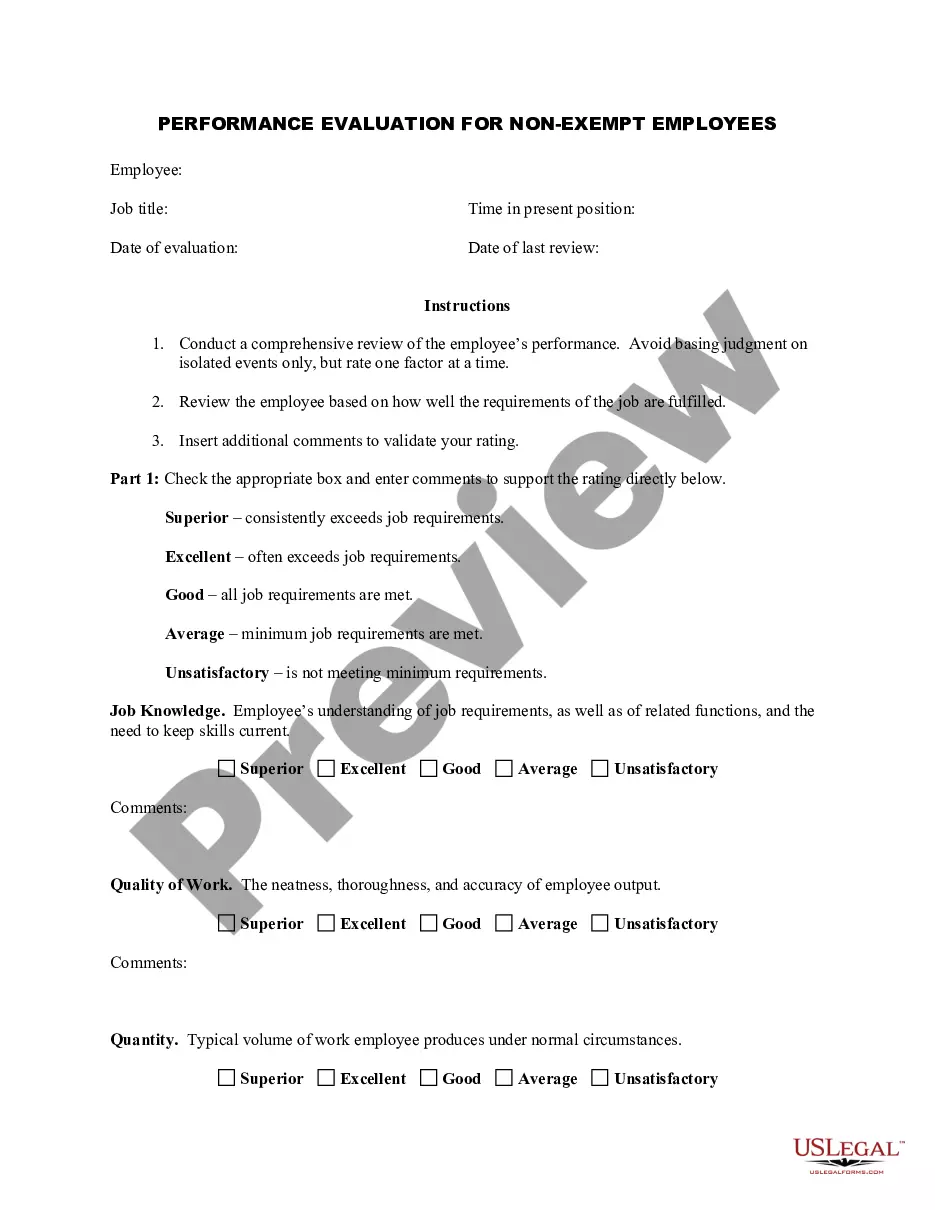
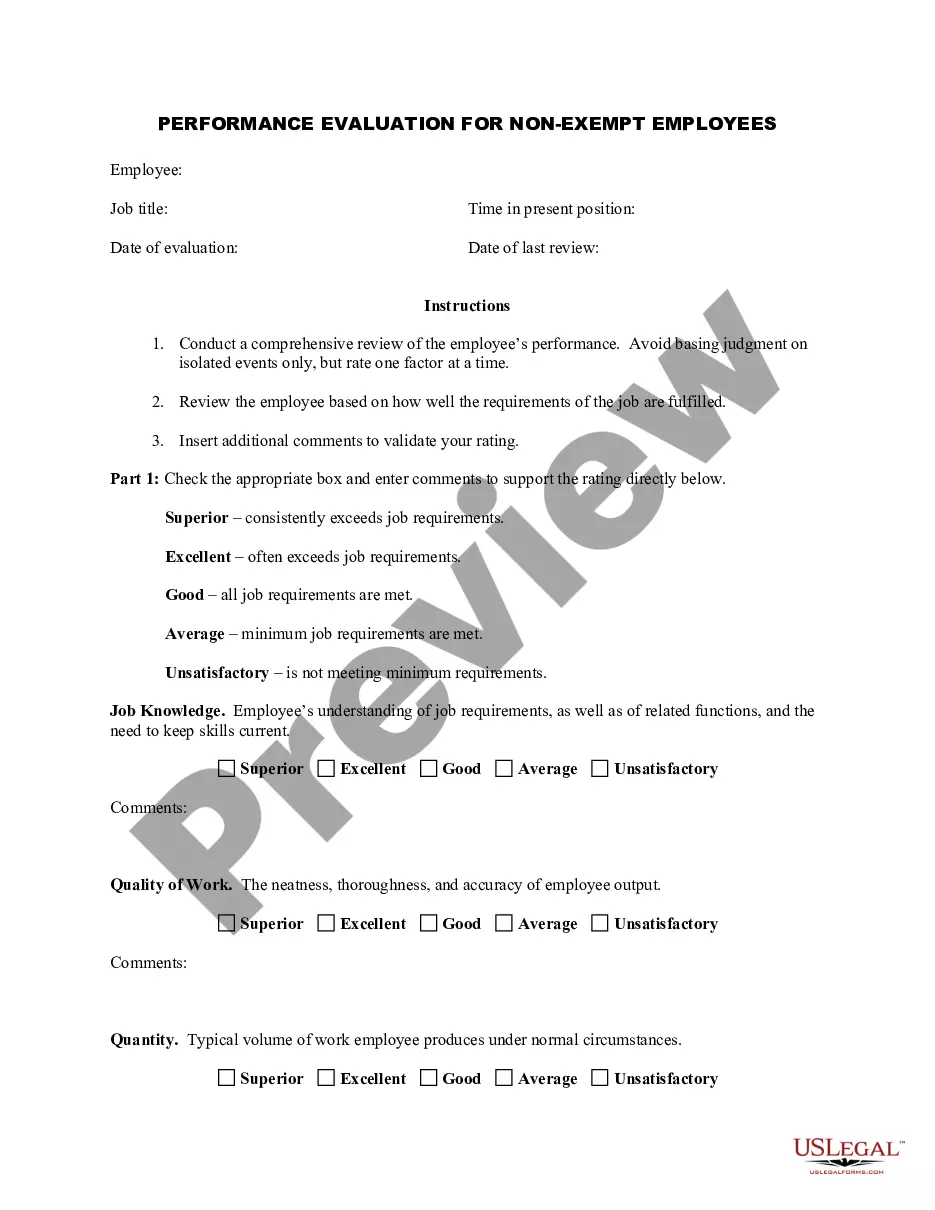
Get your form ready online
Our built-in tools help you complete, sign, share, and store your documents in one place.
Make edits, fill in missing information, and update formatting in US Legal Forms—just like you would in MS Word.
Download a copy, print it, send it by email, or mail it via USPS—whatever works best for your next step.
Sign and collect signatures with our SignNow integration. Send to multiple recipients, set reminders, and more. Go Premium to unlock E-Sign.
If this form requires notarization, complete it online through a secure video call—no need to meet a notary in person or wait for an appointment.
We protect your documents and personal data by following strict security and privacy standards.

Make edits, fill in missing information, and update formatting in US Legal Forms—just like you would in MS Word.

Download a copy, print it, send it by email, or mail it via USPS—whatever works best for your next step.

Sign and collect signatures with our SignNow integration. Send to multiple recipients, set reminders, and more. Go Premium to unlock E-Sign.

If this form requires notarization, complete it online through a secure video call—no need to meet a notary in person or wait for an appointment.

We protect your documents and personal data by following strict security and privacy standards.
Looking for another form?




How to fill out Employee Evaluation Form For HR Manager?
Selecting the most suitable legal document format can be somewhat challenging.
Of course, there are many templates accessible online, but how can you acquire the legal document you require.
Utilize the US Legal Forms website. This service offers a vast collection of templates, such as the Rhode Island Employee Evaluation Form for HR Manager, which you can utilize for both business and personal purposes.
First, ensure you have selected the correct form for your city/state. You can review the form using the Preview button and examine the form details to confirm it is the right one for your needs.
- All forms are reviewed by experts and comply with federal and state regulations.
- If you are already registered, Log In to your account and click the Download button to retrieve the Rhode Island Employee Evaluation Form for HR Manager.
- Use your account to browse through the legal forms you have previously purchased.
- Navigate to the My documents section of your account to obtain another copy of the document you need.
- If you are a new user of US Legal Forms, here are simple instructions for you to follow.
Form popularity
FAQ
Here's a step-by-step guide to effectively evaluating employees:Set Performance Standards.Set Specific Goals.Take Notes Throughout the Year.Be Prepared.Be Honest and Specific with Criticism.Don't Compare Employees.Evaluate the Performance, Not the Personality.Have a Conversation.More items...
The performance review is a crucial part of the ongoing dialogue between managers and employees. It summarizes ongoing performance and development conversations and provides a record of past performance and expectations for work moving forward.
The purposes of the annual performance evaluation process are to promote communication and provide useful feedback about job performance, to facilitate better working relationships, to provide an historical record of performance and to contribute to professional development.
Quality of Work.Goals and Target Achievement.Level of Productivity.Initiative and Motivation.Teamwork and Leadership Skills.Ability to Problem Solve.Written and Verbal Communication Skills.Performance Self-Appraisal.
Step 1: Set goals, monitor goals, provide feedback, and document feedback and progress throughout the evaluation period.Step 2: Review Position Description.Step 3: Employee's Self Evaluation.Step 4: Review Goals.Step 5: Optional Evaluation of the University Core Competencies.Step 6: Rate Overall Performance.More items...
Human resources forms are documents used by a company's HR department to recruit and manage employees.
Performance evaluation tips for HR managersPrepare an evaluation form.Ask employees to evaluate themselves.Judge actual performance and achievements.Access performance for the entire cycle.Review the job aspects separately.Beware of the rating pitfalls.Maintain a positive attitude.
For most staff positions, the job performance areas that should be included on a performance evaluation form are job knowledge and skills, quality of work, quantity of work, work habits and attitude.
Reviews include key accomplishments and examples of both strengths and weaknesses. They should also include expectations and goals for the coming year. This will guide the employee's performance. Performance reviews should focus on observable and measurable performance.
Approaches to HR Evaluation. There are several approaches to human resource evaluation. The most prominent of them are: audit approach, analytical approach, qualitative and quantitative approach, balanced scorecard perspective, and benchmarking.