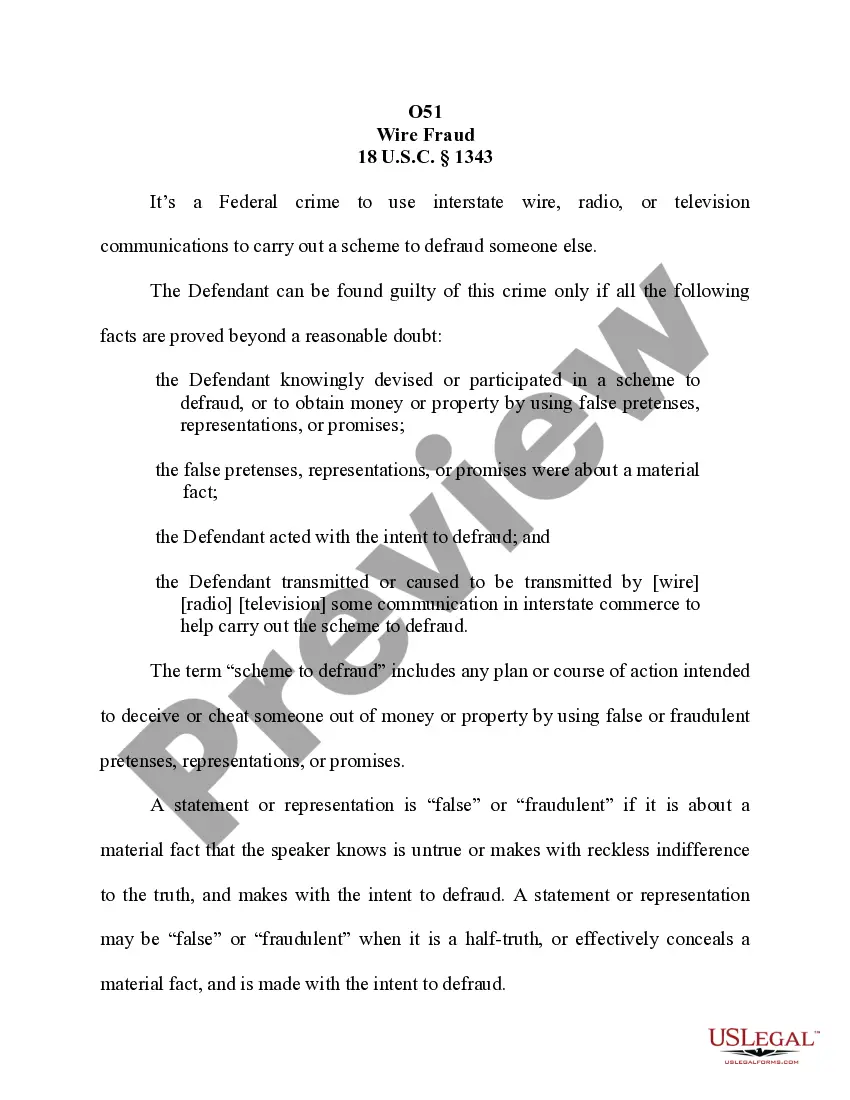
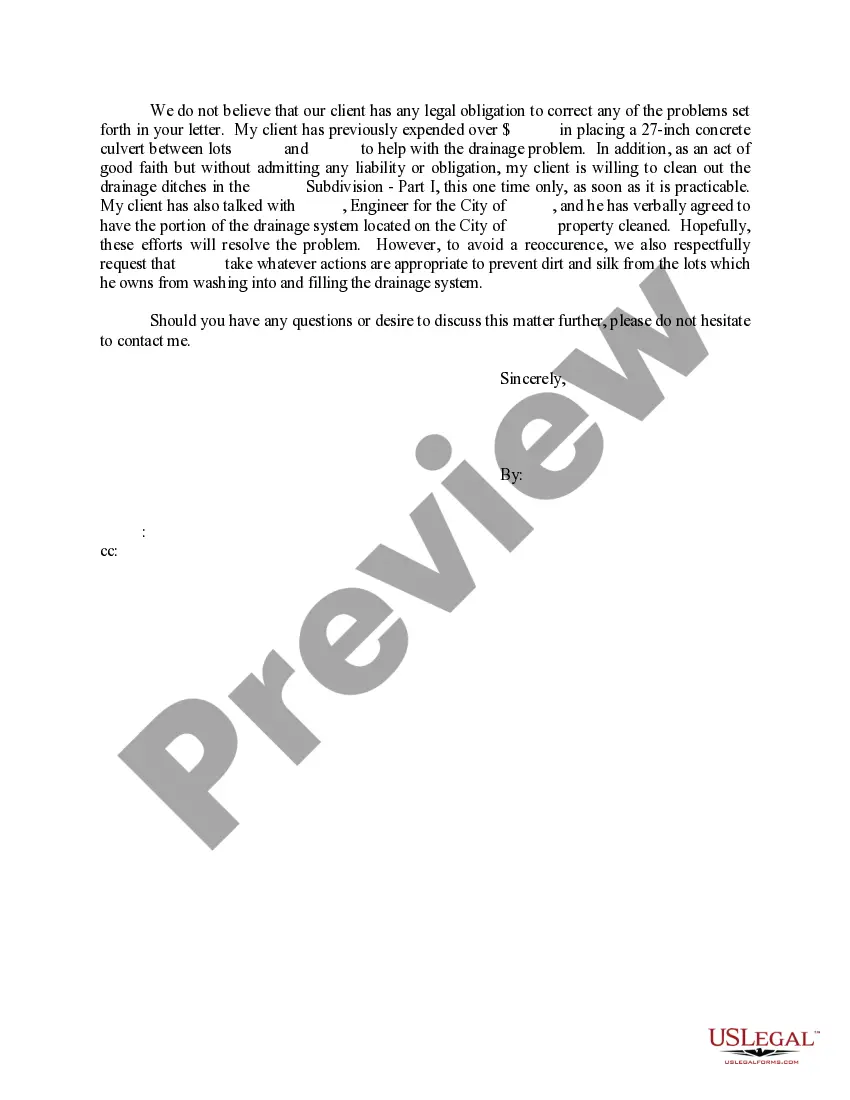
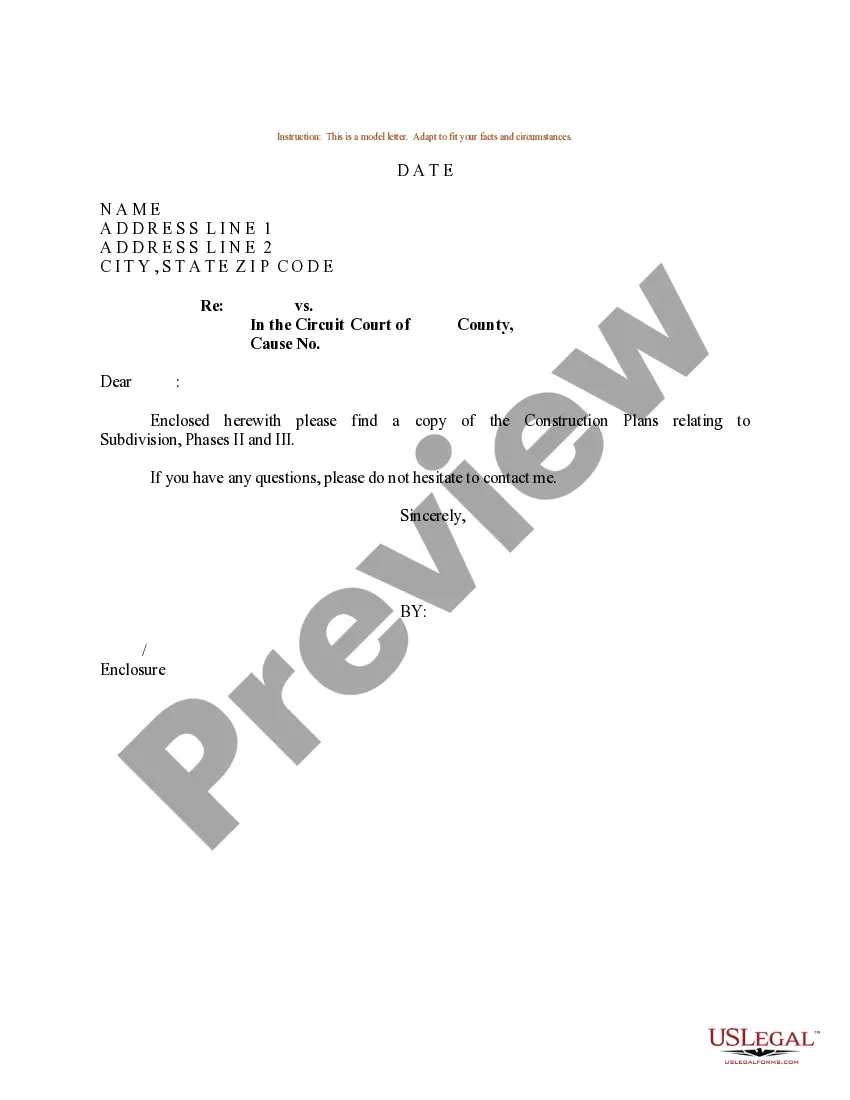
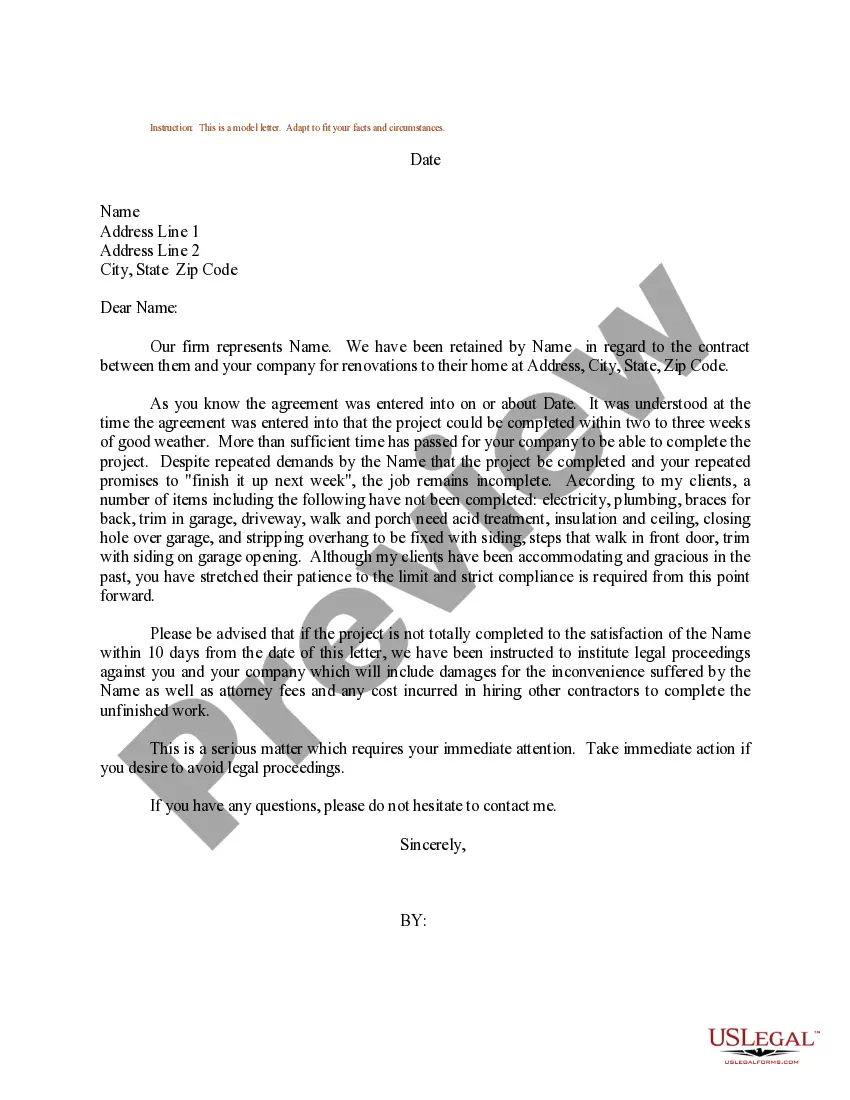
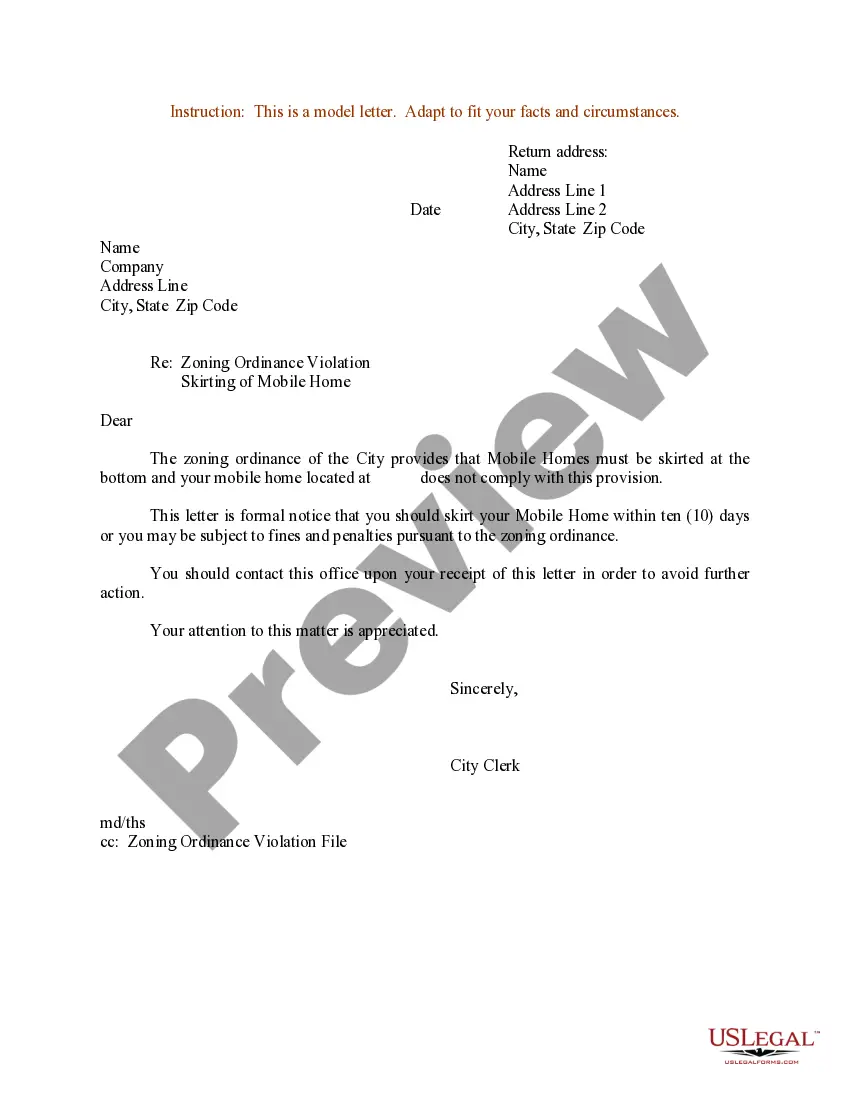
Rhode Island Sample Letter for Subdivision Construction
Description

Get your form ready online
Our built-in tools help you complete, sign, share, and store your documents in one place.
Make edits, fill in missing information, and update formatting in US Legal Forms—just like you would in MS Word.
Download a copy, print it, send it by email, or mail it via USPS—whatever works best for your next step.
Sign and collect signatures with our SignNow integration. Send to multiple recipients, set reminders, and more. Go Premium to unlock E-Sign.
If this form requires notarization, complete it online through a secure video call—no need to meet a notary in person or wait for an appointment.
We protect your documents and personal data by following strict security and privacy standards.

Make edits, fill in missing information, and update formatting in US Legal Forms—just like you would in MS Word.

Download a copy, print it, send it by email, or mail it via USPS—whatever works best for your next step.

Sign and collect signatures with our SignNow integration. Send to multiple recipients, set reminders, and more. Go Premium to unlock E-Sign.

If this form requires notarization, complete it online through a secure video call—no need to meet a notary in person or wait for an appointment.

We protect your documents and personal data by following strict security and privacy standards.
Looking for another form?



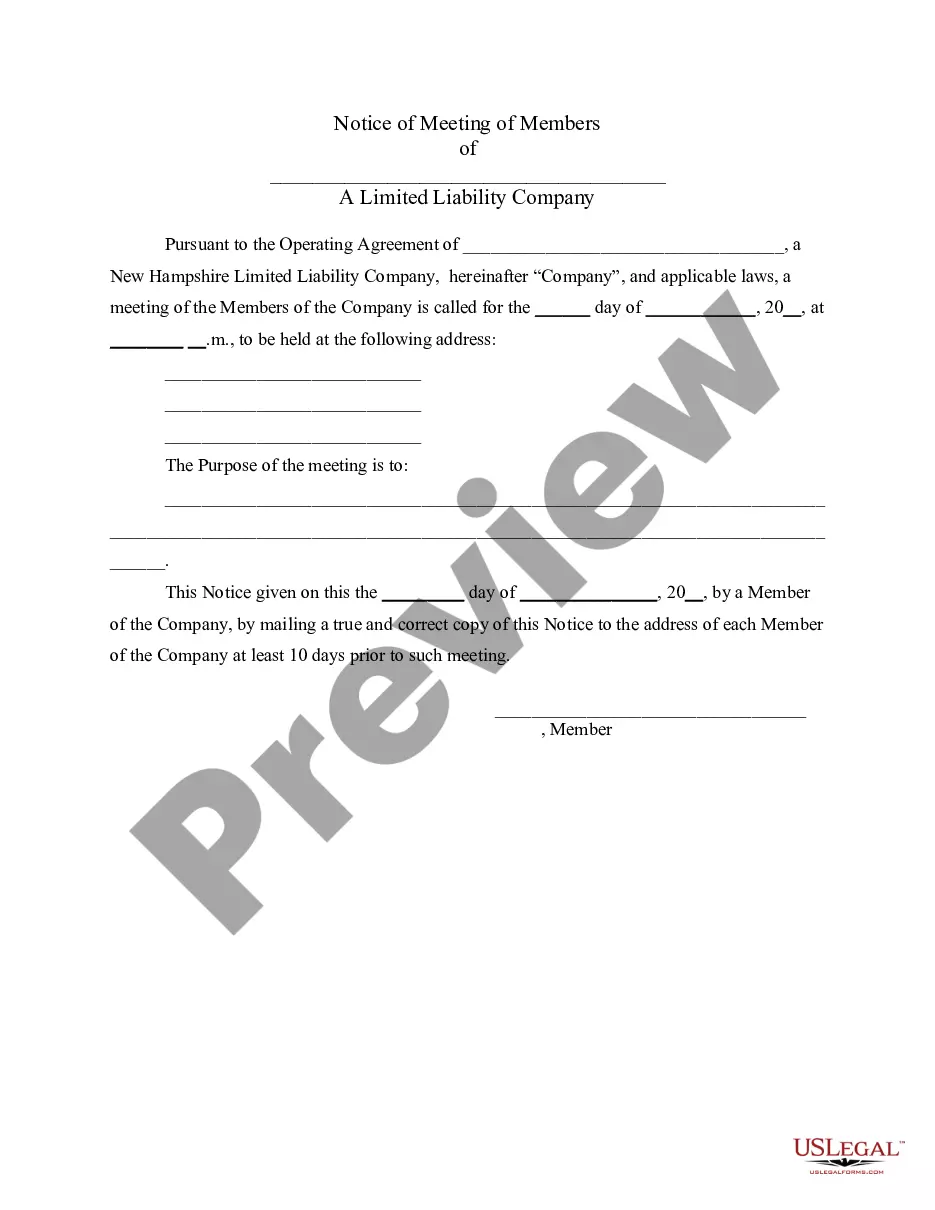

How to fill out Sample Letter For Subdivision Construction?
US Legal Forms - one of the largest collections of legal templates in the USA - offers a broad array of legal document formats that you can download or print. By using the site, you can discover thousands of forms for business and personal purposes, organized by categories, states, or keywords.
You can find the latest versions of forms such as the Rhode Island Sample Letter for Subdivision Construction in just minutes. If you already have a subscription, Log In and retrieve the Rhode Island Sample Letter for Subdivision Construction from your US Legal Forms library. The Download button will appear on every form you view. You have access to all previously obtained forms in the My documents section of your account.
If you are using US Legal Forms for the first time, here are easy steps to help you get started: Ensure you have selected the correct form for your city/area. Click the Review button to check the form's details. Read the form summary to confirm that you have chosen the right form. If the form does not meet your requirements, use the Search box at the top of the screen to find one that does. When you are satisfied with the form, confirm your choice by clicking the Purchase now button. Next, select the pricing plan you prefer and provide your information to create an account.
- Complete the transaction. Use your credit card or PayPal account to finish the payment.
- Choose the format and download the form to your device.
- Make modifications. Fill out, edit, print, and sign the downloaded Rhode Island Sample Letter for Subdivision Construction.
- Every template you add to your account does not expire and is yours indefinitely. Therefore, if you want to download or print another copy, simply go to the My documents section and click on the form you need.
- Access the Rhode Island Sample Letter for Subdivision Construction with US Legal Forms, the most extensive library of legal document formats.
- Utilize a vast array of professional and state-specific templates that suit your business or personal needs and requirements.
Form popularity
FAQ
The R-10 residential district is an area of medium density residential development. This district generally extends outward from the highest density development located within the urban core. The intent of this district is to provide a transition area of diminishing residential densities.
R1 and R2 are residential zones. R1 is a single-unit zoning district, while R2 is a zone that permits all types of housing. The primary difference between these three types of zones is their density.
Zoning in Rhode Island is one of the more complex areas of real estate law in the state. In simple terms, zoning is the process of a city or town dividing the land and designating it for specific acceptable or unacceptable use.
The R-2 residential district is intended to be medium-density residential. Single-family and two-family residential uses are permitted subject to appropriate density controls and provisions for reducing interresidential friction.
The R-20 residential district is also an area of medium density residential development. This district occurs in areas adjacent to the R-10 district and is characterized by larger minimum lot size requirements. The intent of this district is to maintain the nature of the established residential pattern in these areas.