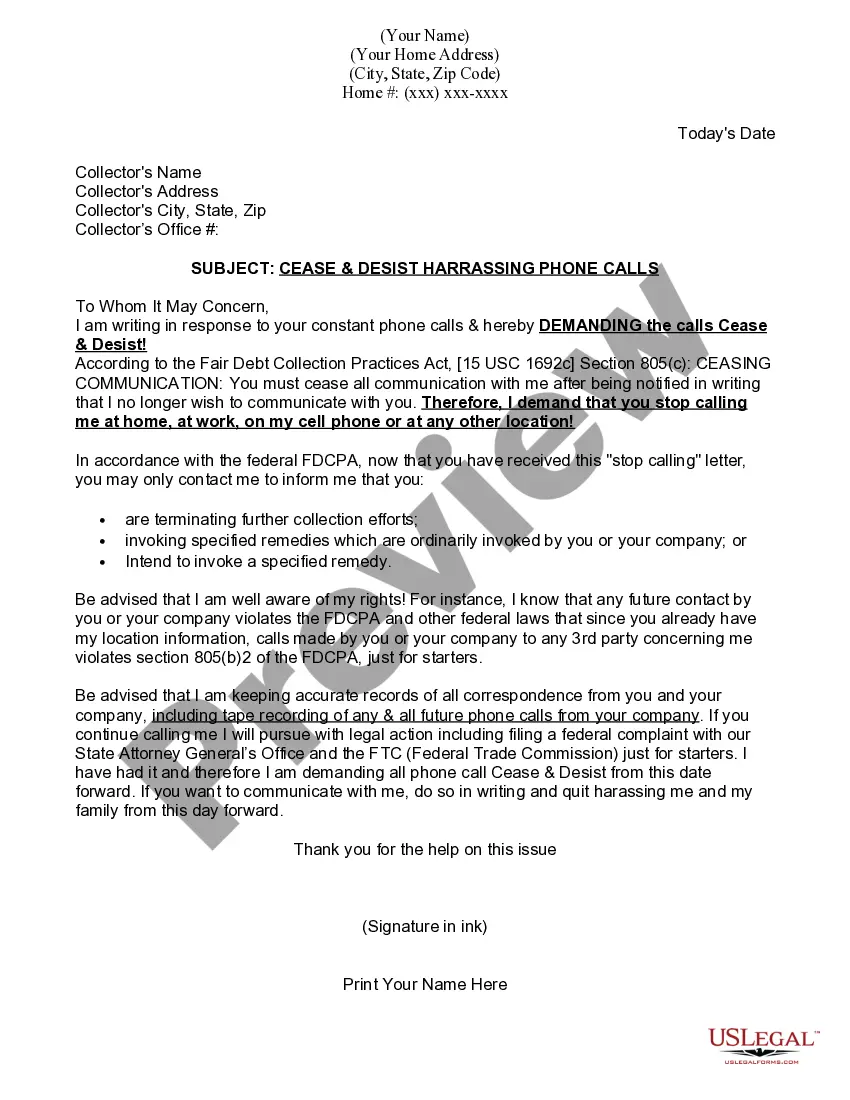
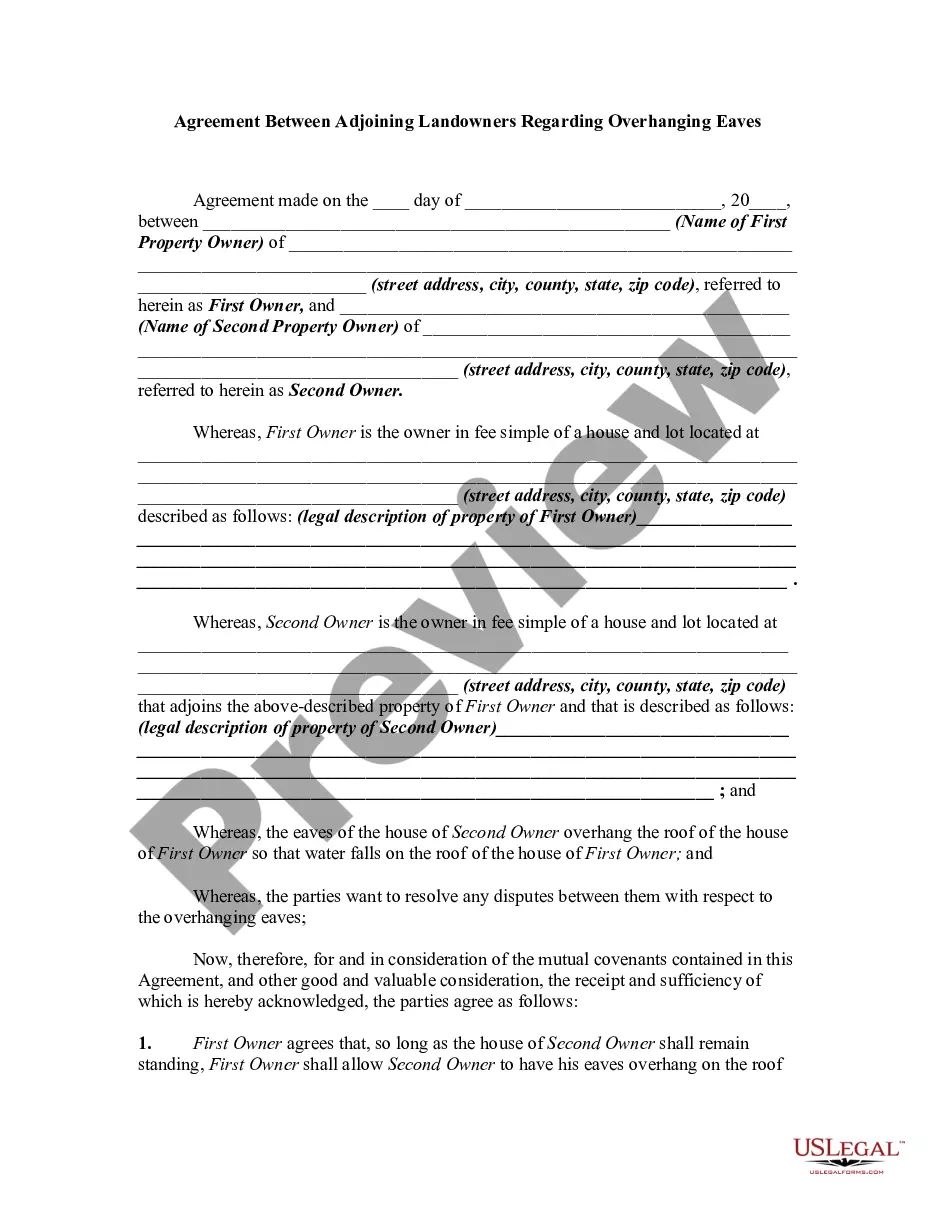
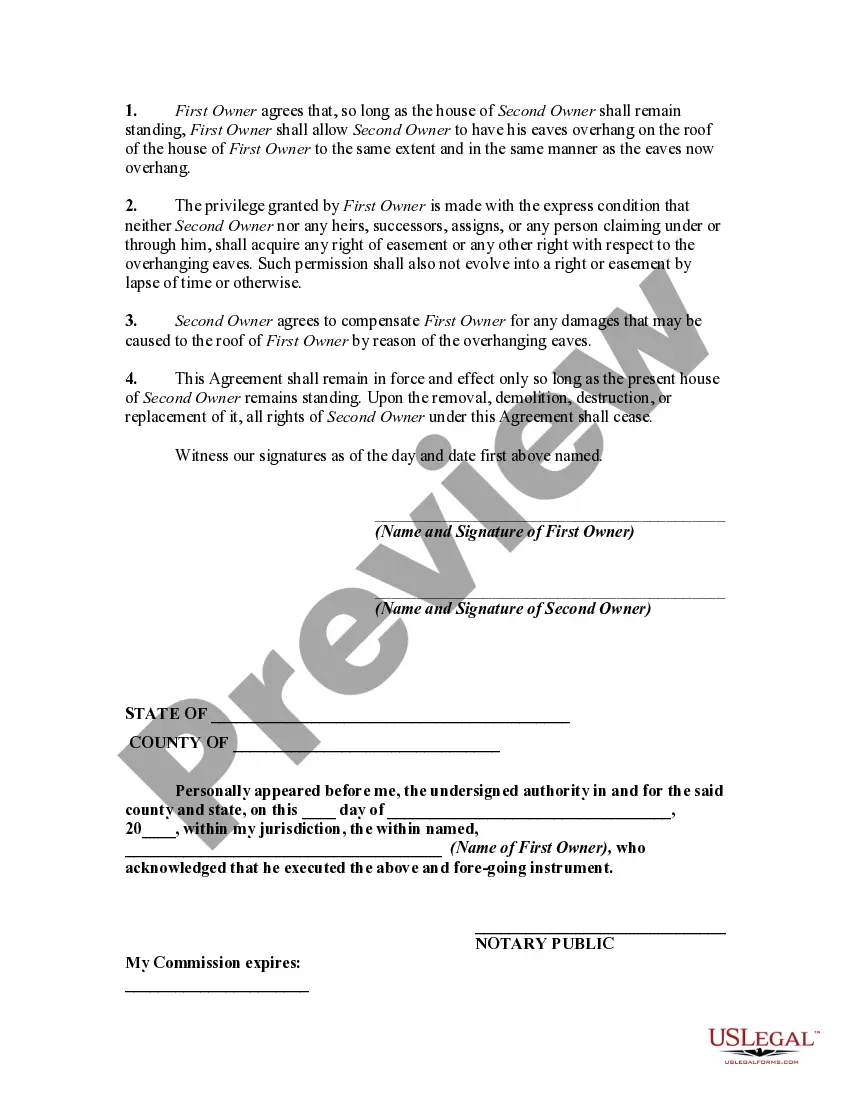
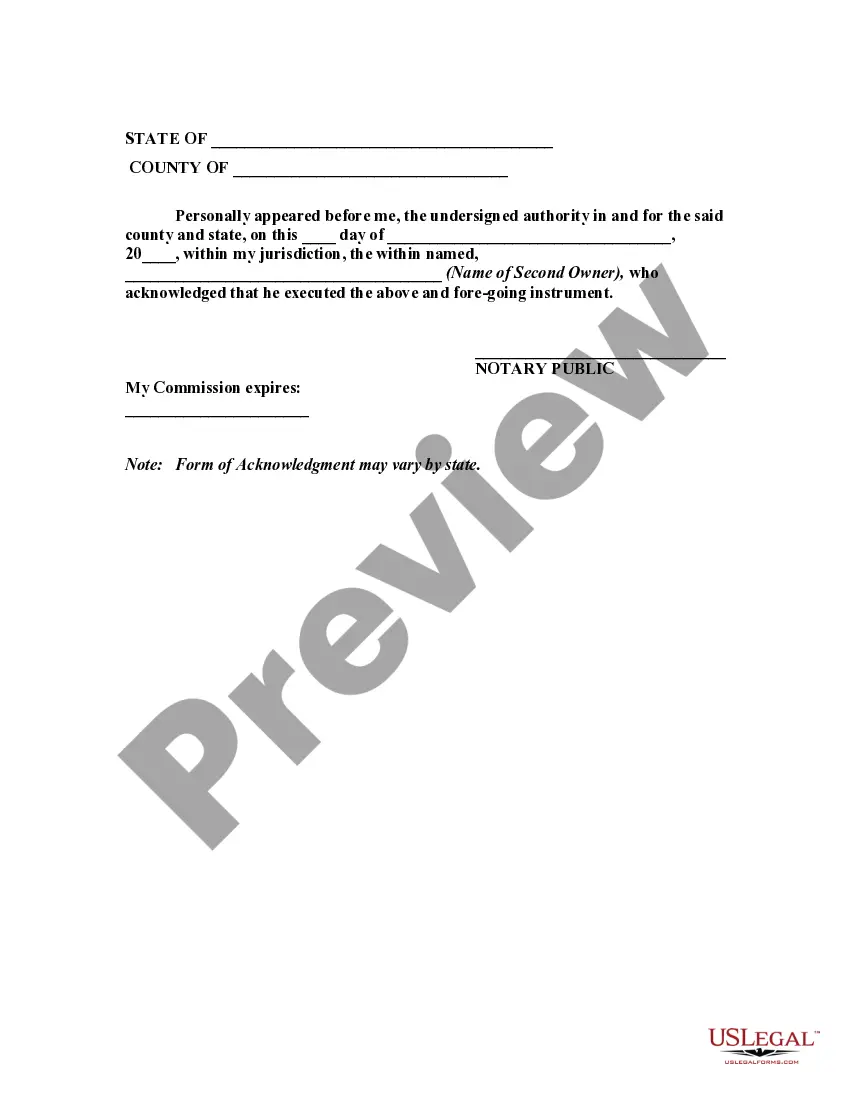
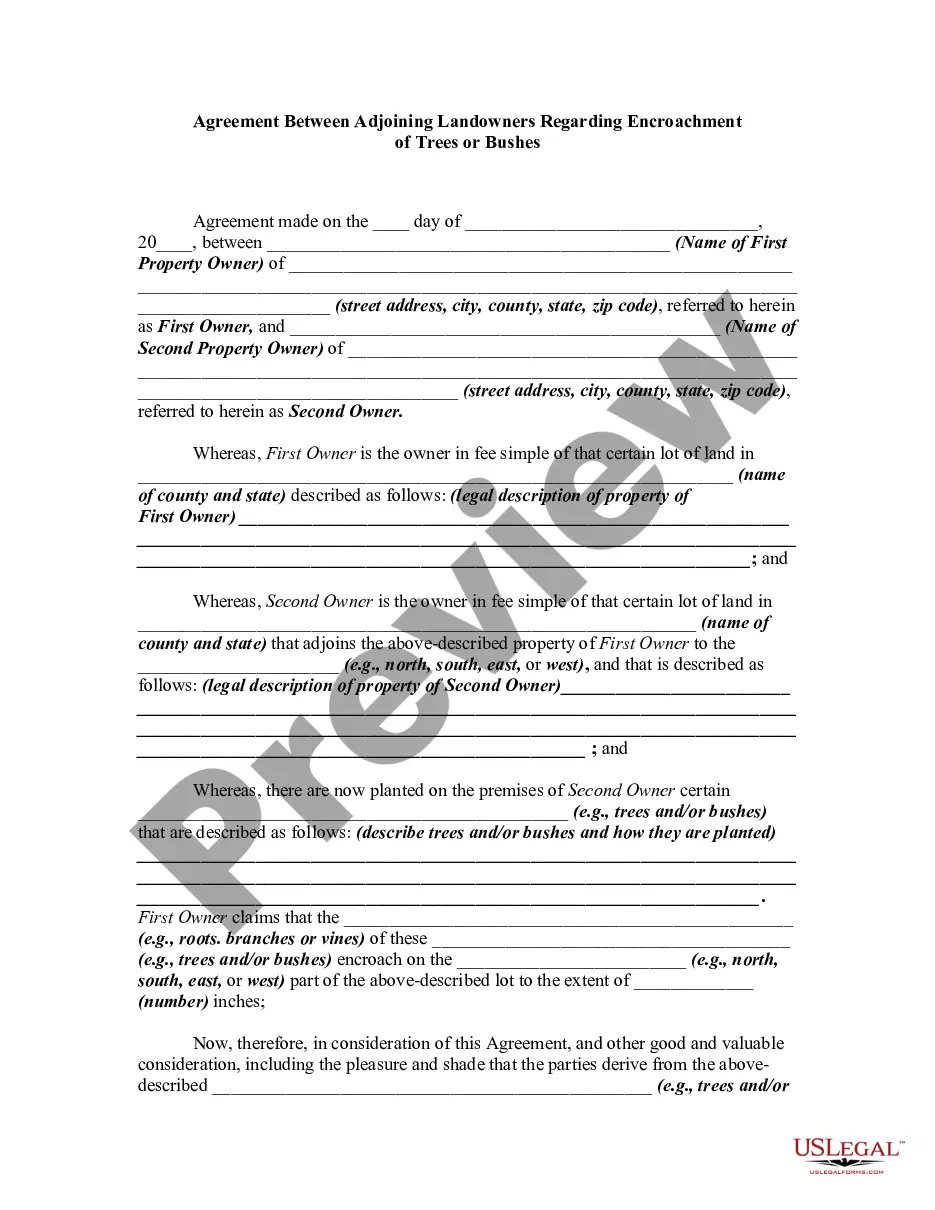
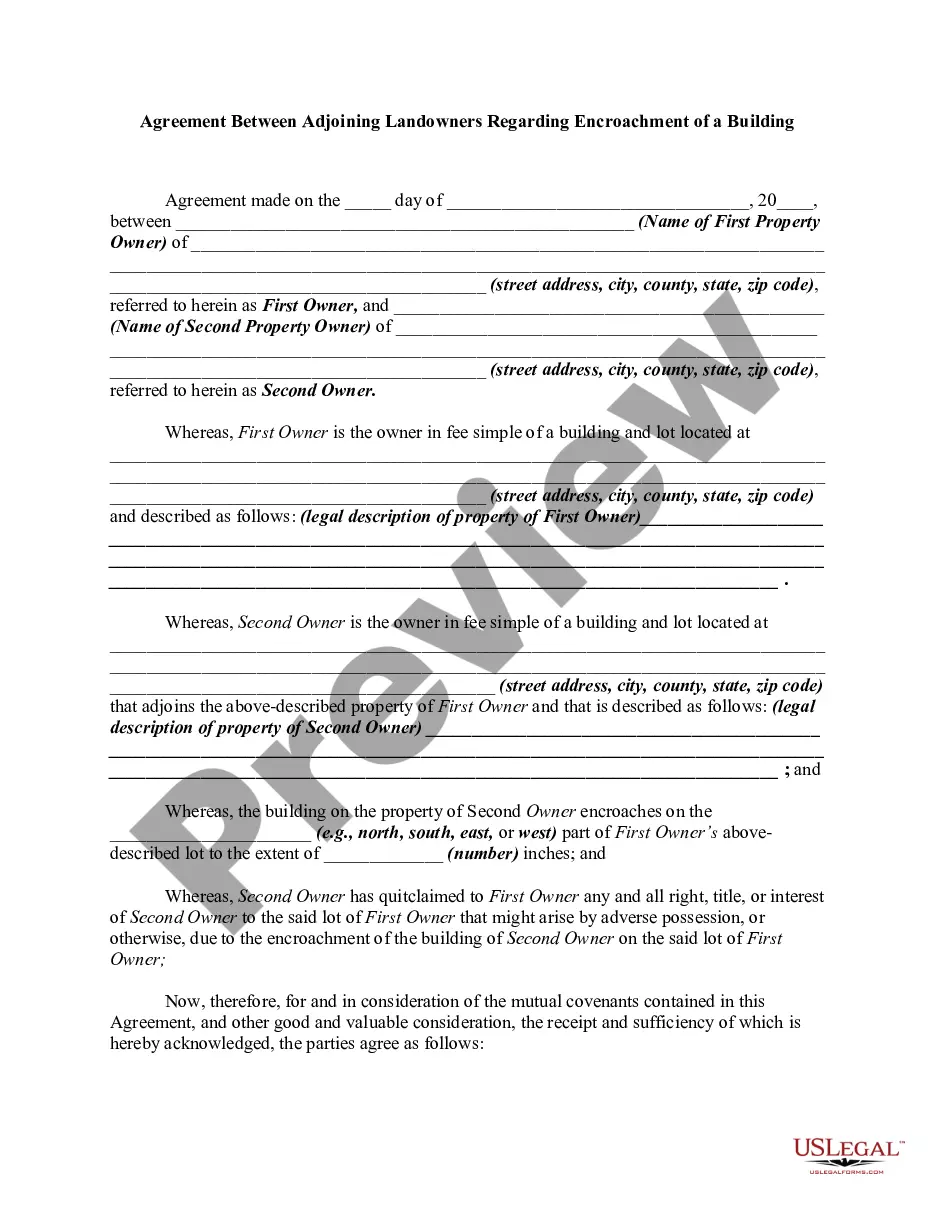
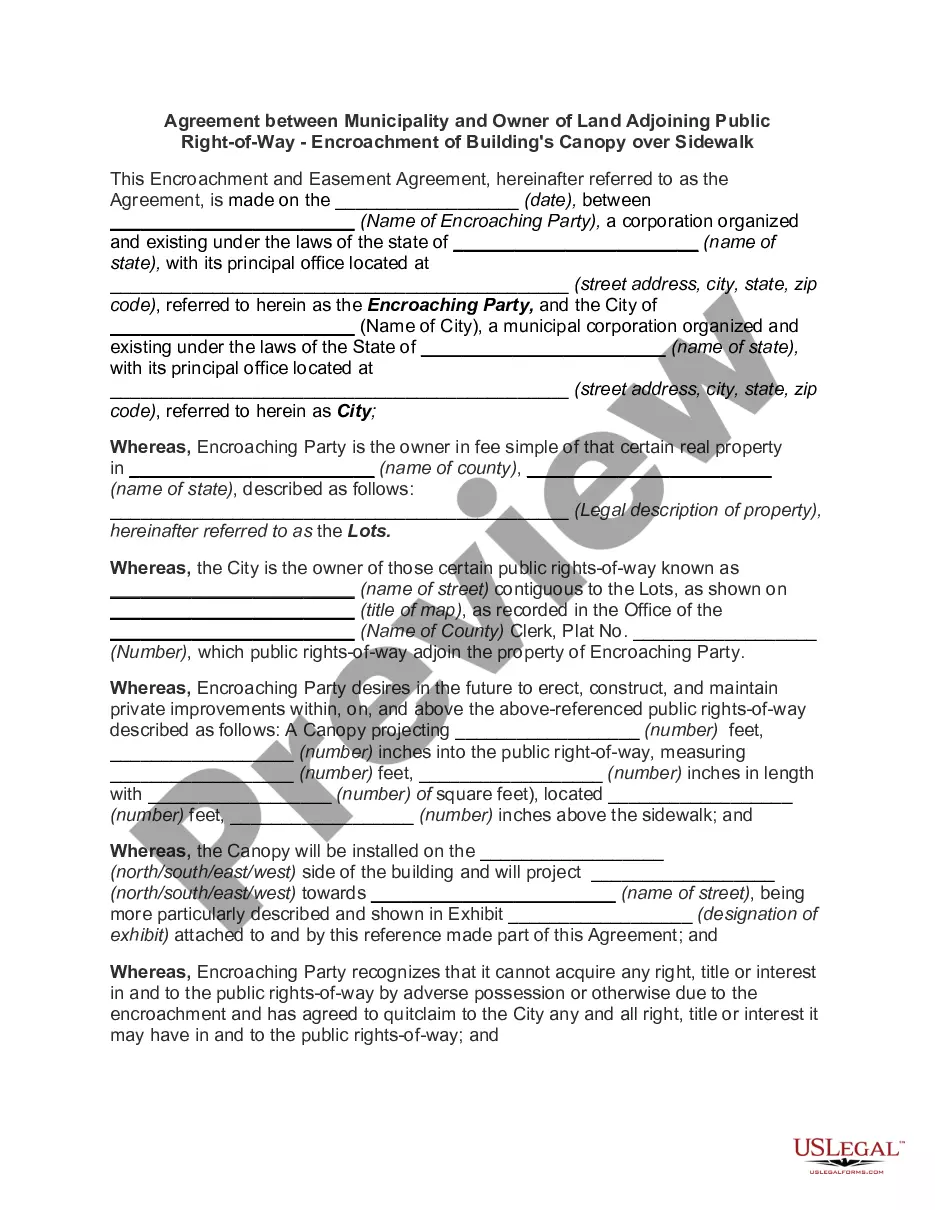
A encroachment occurs when a portion of adjoining real property owned by Owner A hangs over the property line of Owner B's premises or physically intrudes onto Owner B's premises. The actual structure that encroaches might be a portion of a building (like eaves), a tree, bush, fence, or other fixture. In this agreement, Owner B agrees to allow such an encroachment. However, this consent of Owner B shall remain in force and effect only so long as the present structure of Owner A remains standing.
Rhode Island Agreement Between Adjoining Landowners Regarding Overhanging Eaves
Category:
State:
Multi-State
Control #:
US-01139BG
Format:
Word;
Rich Text
Instant download
Description
Free preview
Get your form ready online
Our built-in tools help you complete, sign, share, and store your documents in one place.
Built-in online Word editor
Make edits, fill in missing information, and update formatting in US Legal Forms—just like you would in MS Word.
Export easily
Download a copy, print it, send it by email, or mail it via USPS—whatever works best for your next step.
E-sign your document
Sign and collect signatures with our SignNow integration. Send to multiple recipients, set reminders, and more. Go Premium to unlock E-Sign.
Notarize online 24/7
If this form requires notarization, complete it online through a secure video call—no need to meet a notary in person or wait for an appointment.
Store your document securely
We protect your documents and personal data by following strict security and privacy standards.

Make edits, fill in missing information, and update formatting in US Legal Forms—just like you would in MS Word.

Download a copy, print it, send it by email, or mail it via USPS—whatever works best for your next step.

Sign and collect signatures with our SignNow integration. Send to multiple recipients, set reminders, and more. Go Premium to unlock E-Sign.

If this form requires notarization, complete it online through a secure video call—no need to meet a notary in person or wait for an appointment.

We protect your documents and personal data by following strict security and privacy standards.
Looking for another form?


How to fill out Agreement Between Adjoining Landowners Regarding Overhanging Eaves?
Selecting the optimal legal document template can be challenging.
It goes without saying that there are numerous designs available online, but how can you obtain the legal form you need.
Utilize the US Legal Forms website. The service offers a wide array of templates, including the Rhode Island Agreement Between Adjoining Landowners Concerning Overhanging Eaves, useful for both business and personal requirements.
First, ensure that you have selected the correct form for your city/county. You can view the form using the Preview button and read the form description to confirm it is suitable for your needs.
- All forms are reviewed by professionals and meet federal and state standards.
- If you are already registered, Log In to your account and click the Acquire button to locate the Rhode Island Agreement Between Adjoining Landowners Concerning Overhanging Eaves.
- Use your account to browse through the legal documents you have purchased previously.
- Go to the My documents tab in your account and retrieve another copy of the document you need.
- If you are a new user of US Legal Forms, here are simple instructions for you to follow.
Form popularity
FAQ
Examples of a boundary disputeOverhanging foliage. Disagreements over boundary lines. Fence / hedge / wall maintenance. Overhanging house extensions.
Put up 'Private Property' or 'No Trespassing' signs that state trespassers will be prosecuted to deter entry. Build a fence or a wall, being sure to keep to your own property's boundary and seeking planning permission if necessary. If the trespassing persists, seek legal advice.
Obligation to fence one's land. We are all accustomed to seeing fences around fields and around the gardens of individual houses. So it may come as a surprise to learn that there is no general obligation in law to fence the boundaries of one's land.
Negotiate directly with the neighbour to achieve a settlement of the dispute that has arisen; or. Agree with the neighbour to enter into a form of Alternative Dispute Resolution (ADR), and in the present conundrum I would recommend Mediation; or.
Some believe that there is a 7-year limit on adverse possession, meaning that a squatter can take ownership of land after they have been using that land without the owner's permission for a certain amount of time.
Broadly speaking, the majority of these disputes can be broken down into four categories:Lot line disputes.Fence, landscaping, and outbuilding disputes.Access disputes.Adverse possession claims.
Some believe that there is a 7-year limit on adverse possession, meaning that a squatter can take ownership of land after they have been using that land without the owner's permission for a certain amount of time.
If you know where the boundary is and you don't need to follow the process for party walls, the best approach is to talk to your neighbour. Talk to them face to face if you can - make a note of what you agreed. If you don't feel comfortable speaking to them, write to them or ask someone to contact them for you.
Hopefully, our approach can help you settle your dispute with ease.Step #1: Recognize the Dispute. The first step towards resolving a property boundary problem is knowing it exists.Step #2: Kindly Approach Your Neighbor.Step #3: Talk with a Lawyer.Step #4: Pursue Mediation.Step #5: File a Lawsuit.