California Complaint for Fraud by Inducement
About this form
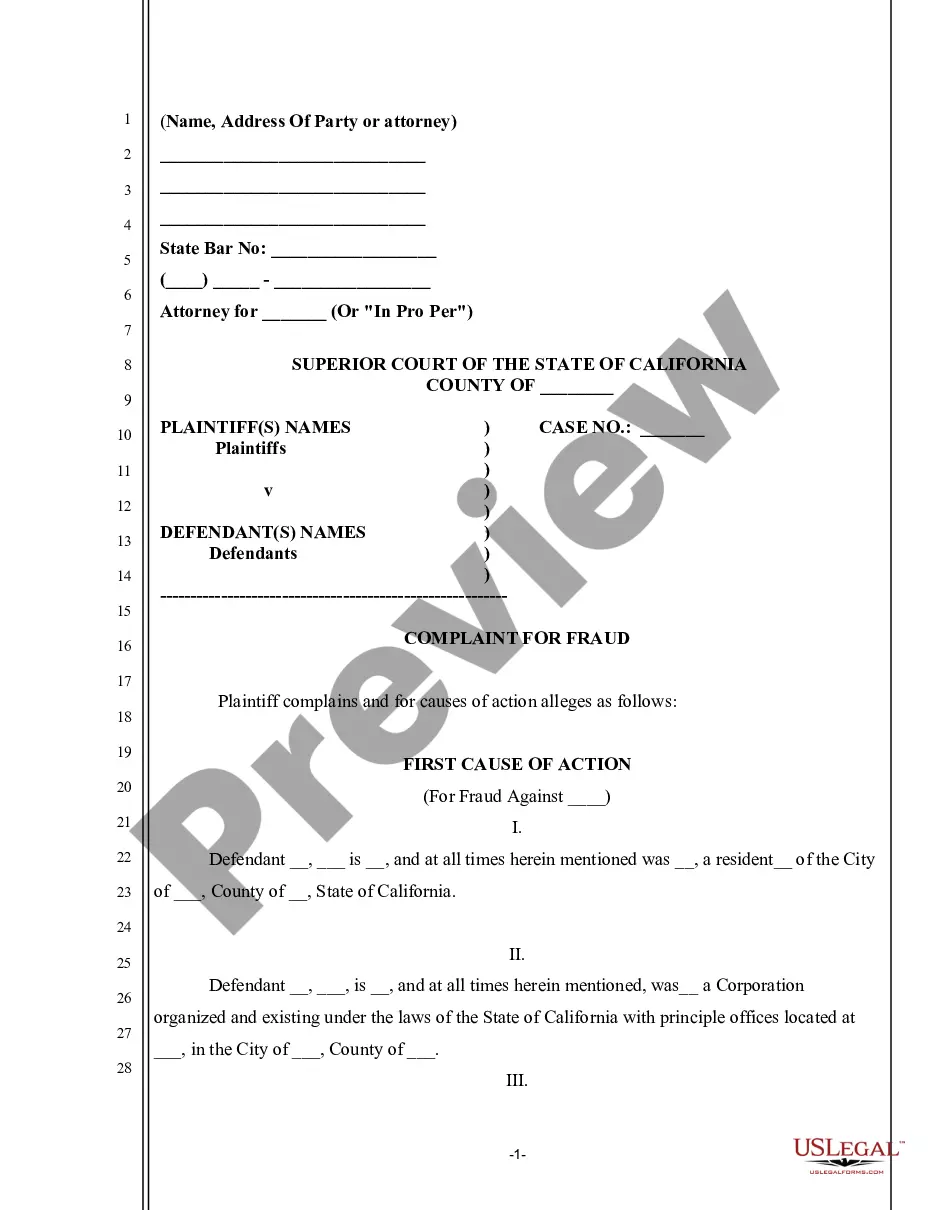
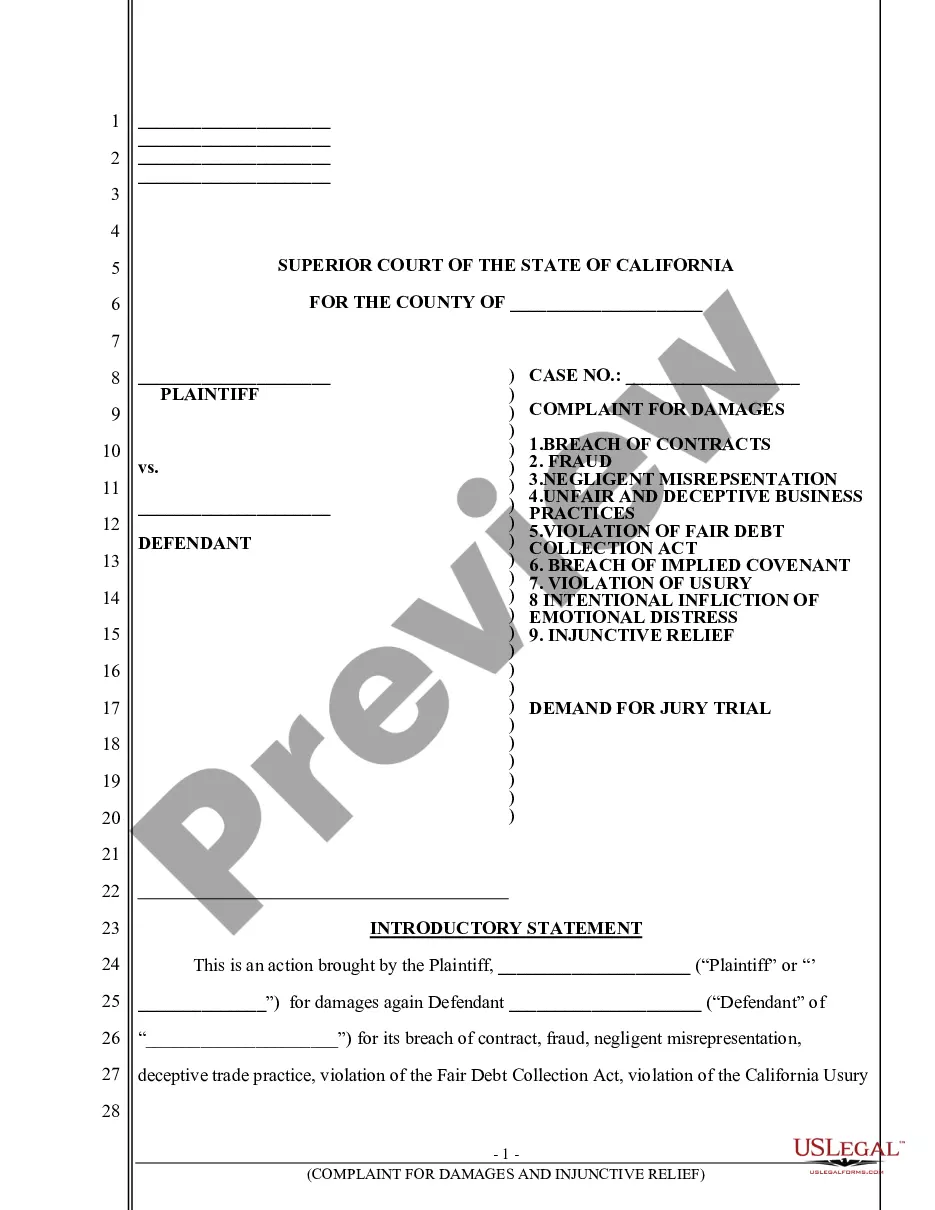
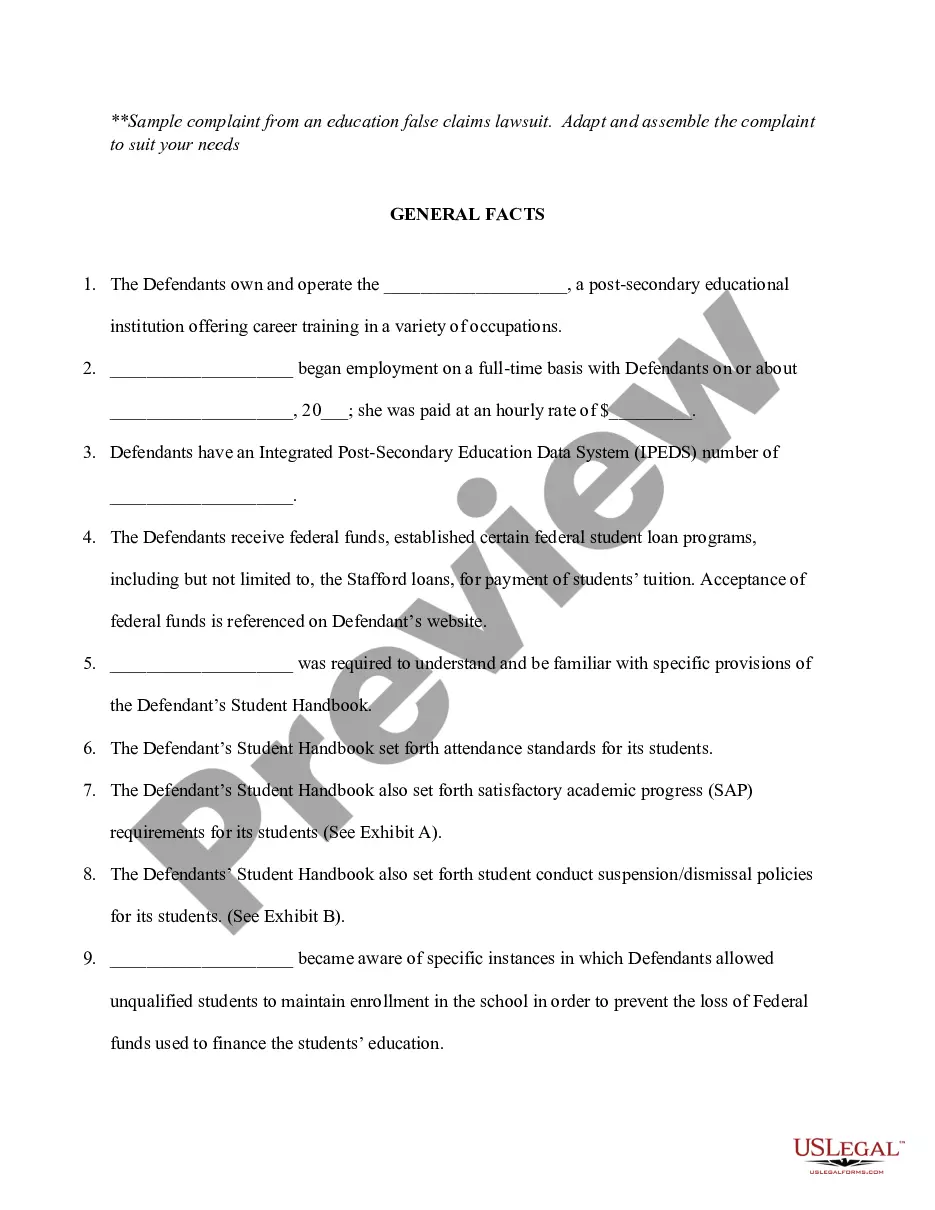
The Complaint for Fraud by Inducement is a legal document used to initiate a lawsuit when a party has been deceived by false representations made by another party. This form allows the plaintiff to allege that the defendant knowingly provided misleading information that induced the plaintiff to take specific actions, which ultimately caused harm. Unlike other types of fraud complaints, this form specifically addresses instances where the plaintiff acted based on inaccurate information that the defendant intended to deceive with.
Key parts of this document
- Identifying information for plaintiffs and defendants.
- Details of the fraudulent representations made by the defendant.
- Allegations of knowledge and intent to deceive on part of the defendant.
- Specific actions taken by the plaintiff in reliance on the fraudulent information.
- Claims for general damages, punitive damages, and costs incurred.


Situations where this form applies
This form should be used when a person or business has been misled by false statements made by another, which have resulted in financial loss or harm. Common scenarios may include cases involving investments, contractual agreements, or consumer transactions where deception has played a critical role in the decision-making process. It is essential to file this complaint promptly to seek redress for the damages incurred due to the fraudulent conduct.
Intended users of this form
- Individuals or businesses who believe they have been defrauded.
- Victims of fraudulent misrepresentation affecting financial interests.
- Anyone seeking legal restitution for damages caused by fraud.
How to prepare this document
- Identify and list the names and addresses of all plaintiffs and defendants.
- Clearly state the false representations made by the defendant.
- Explain how the defendant knew these representations were false.
- Detail the actions you took in reliance on the misleading information.
- Specify the damages you are seeking, including general and punitive damages.
Notarization requirements for this form
This form does not typically require notarization unless specified by local law. However, you should check local regulations to ensure compliance with any specific authentication needs.
Get your form ready online
Our built-in tools help you complete, sign, share, and store your documents in one place.
Make edits, fill in missing information, and update formatting in US Legal Forms—just like you would in MS Word.
Download a copy, print it, send it by email, or mail it via USPS—whatever works best for your next step.
Sign and collect signatures with our SignNow integration. Send to multiple recipients, set reminders, and more. Go Premium to unlock E-Sign.
If this form requires notarization, complete it online through a secure video call—no need to meet a notary in person or wait for an appointment.
We protect your documents and personal data by following strict security and privacy standards.

Make edits, fill in missing information, and update formatting in US Legal Forms—just like you would in MS Word.

Download a copy, print it, send it by email, or mail it via USPS—whatever works best for your next step.

Sign and collect signatures with our SignNow integration. Send to multiple recipients, set reminders, and more. Go Premium to unlock E-Sign.

If this form requires notarization, complete it online through a secure video call—no need to meet a notary in person or wait for an appointment.

We protect your documents and personal data by following strict security and privacy standards.
Avoid these common issues
- Failing to provide sufficient details about the fraudulent representations.
- Not clearly stating the damages sought in dollar amounts.
- Neglecting to identify all parties involved in the fraud.
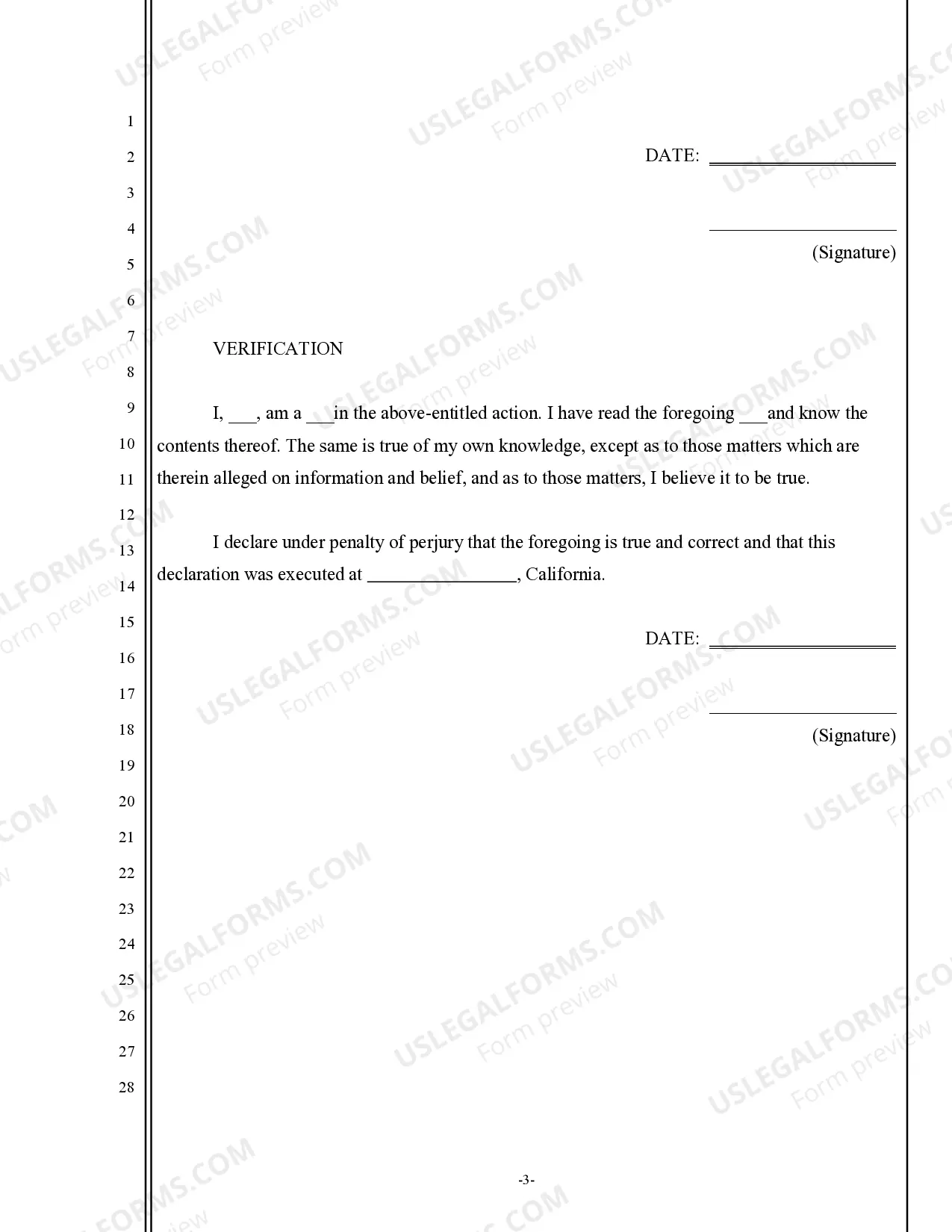
- Omitting to sign the verification section of the complaint.
Why complete this form online
- Convenience of completing and downloading the form from home.
- Editability, allowing you to tailor the form to your specific circumstances.
- Access to reliable, attorney-drafted templates that meet legal requirements.
Key takeaways
- The form is essential for initiating a lawsuit based on fraudulent inducement.
- Specific details regarding the fraud and damages must be clearly stated.
- Review and accuracy are crucial to prevent mistakes that may delay legal proceedings.
Looking for another form?
Form popularity
FAQ
The California Complaint for Fraud by Inducement is a civil pleading used to allege that a defendant provided false information with the intent to deceive and to seek monetary redress. It focuses on deceitful inducements that caused losses and typically requests general damages, punitive damages, and related costs, supported by a verification and signatures.
The remedy is a civil award of damages for the harm caused by fraud in the inducement. The form supports seeking general (compensatory) damages and, if warranted, punitive damages plus related costs, with the allegations supported by verification and the signature blocks.
The form includes five key parts: Parties (plaintiff and defendant(s)); Allegations detailing the fraudulent actions and false representations; Damages specifying general and punitive damages; Verification under penalty of perjury; and Signature fields with dates.
The intended users are individuals who believe they were defrauded in financial or contractual matters; business owners suspecting fraudulent claims against their business; and legal representatives acting for clients who experienced fraud.
Use this form when a party alleges misrepresentation and fraud by inducement, and substantial evidence exists of deceit that led to losses. It is appropriate in real estate, financial agreements, or contractual obligations where legal redress is pursued.
It is distinguished by its focus on deceitful inducements that cause the plaintiff to take unwarranted actions. The form emphasizes inducement, and it supports seeking general damages and punitive damages plus related costs, with a verification and signature blocks to validate the claim.