Rhode Island Living Trust - Irrevocable

State:
Multi-State
Control #:
US-00556-A
Format:
Word; 
Rich Text
Instant download

Description

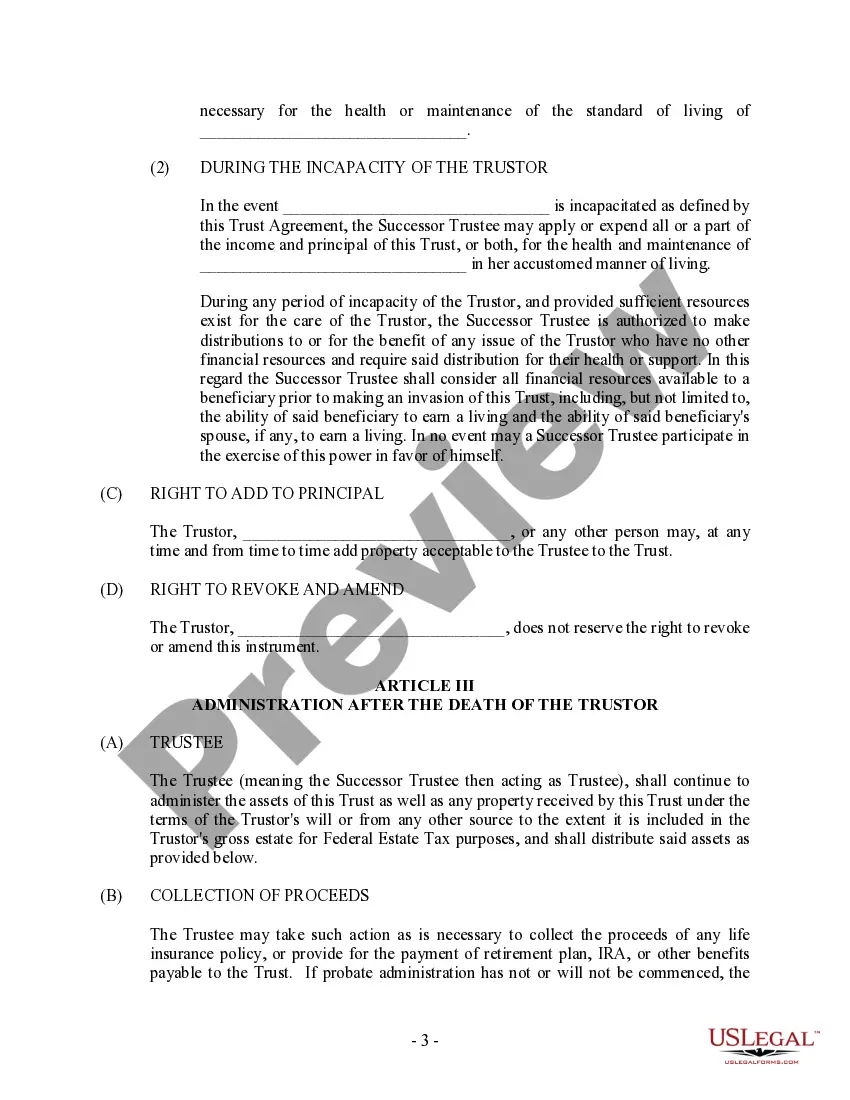
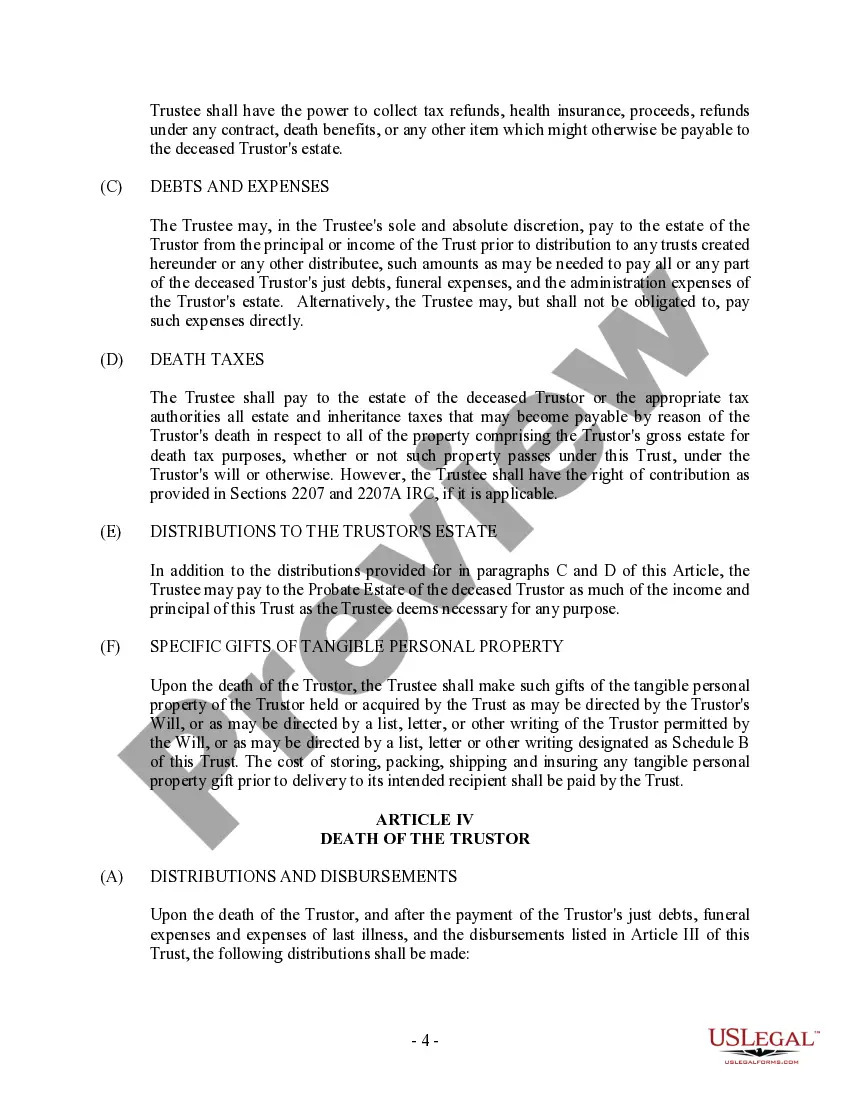
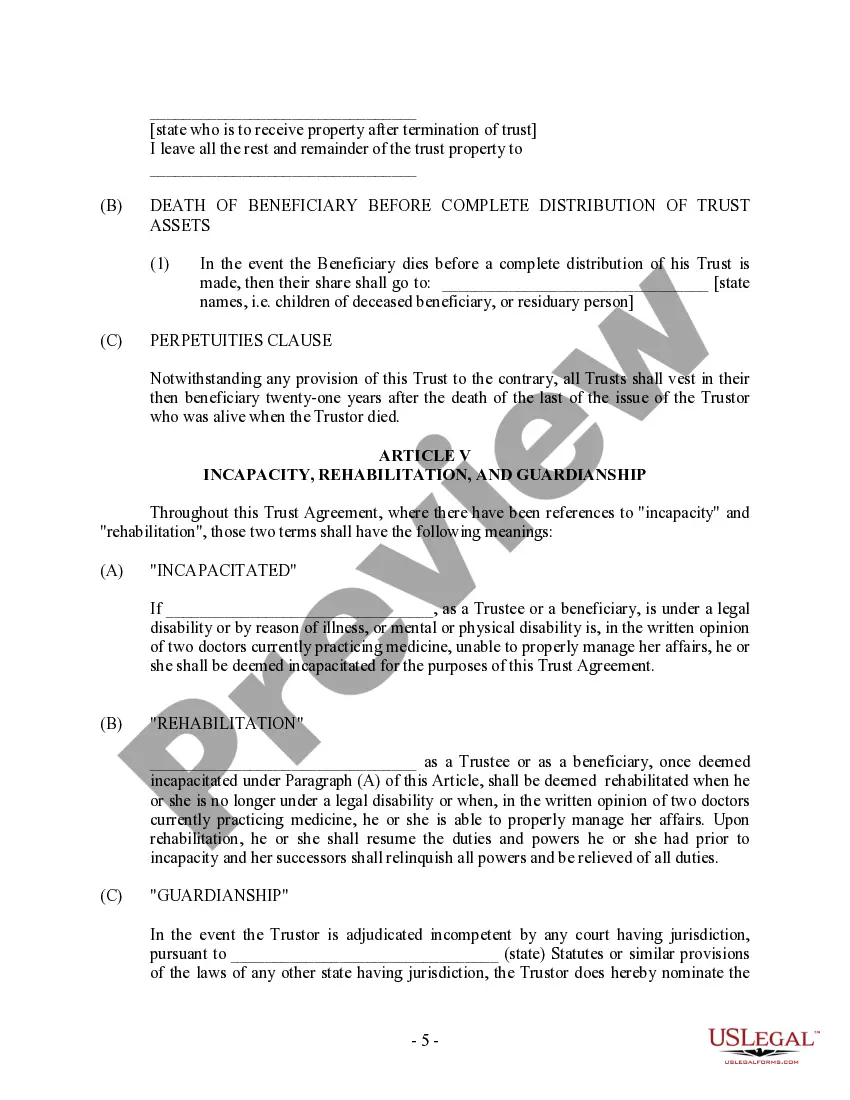
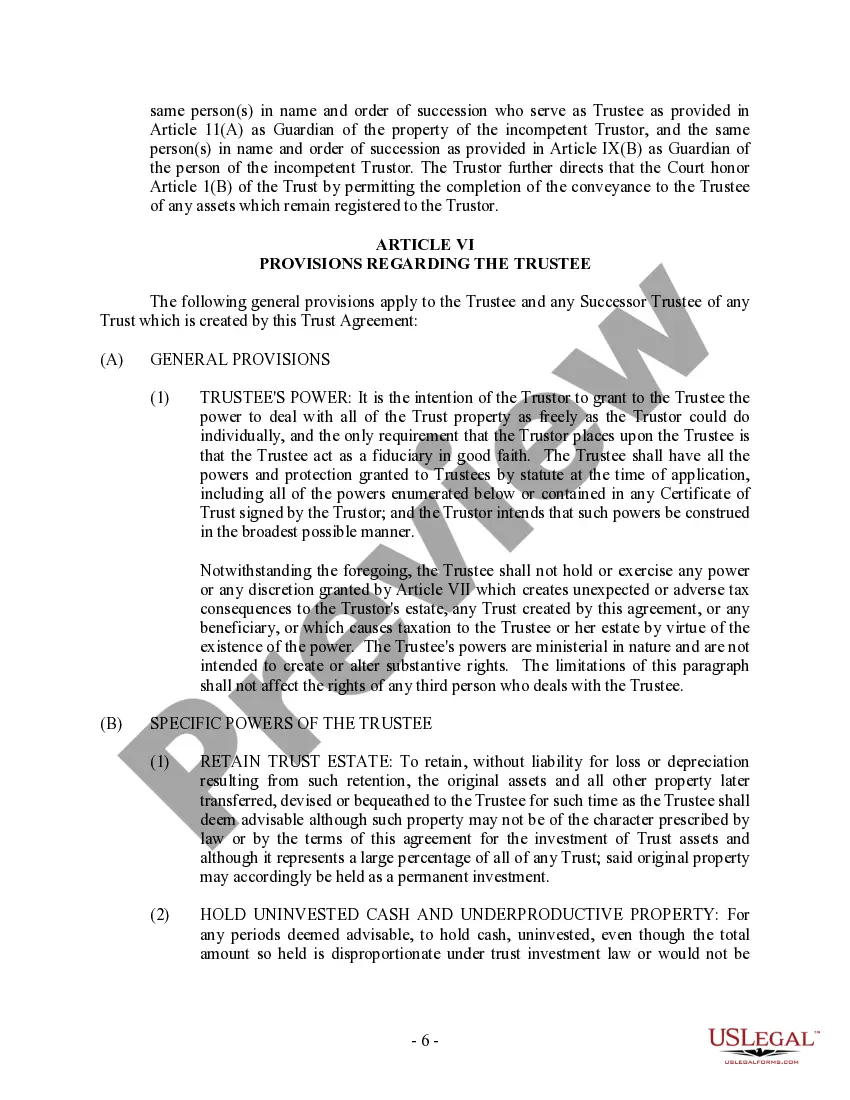
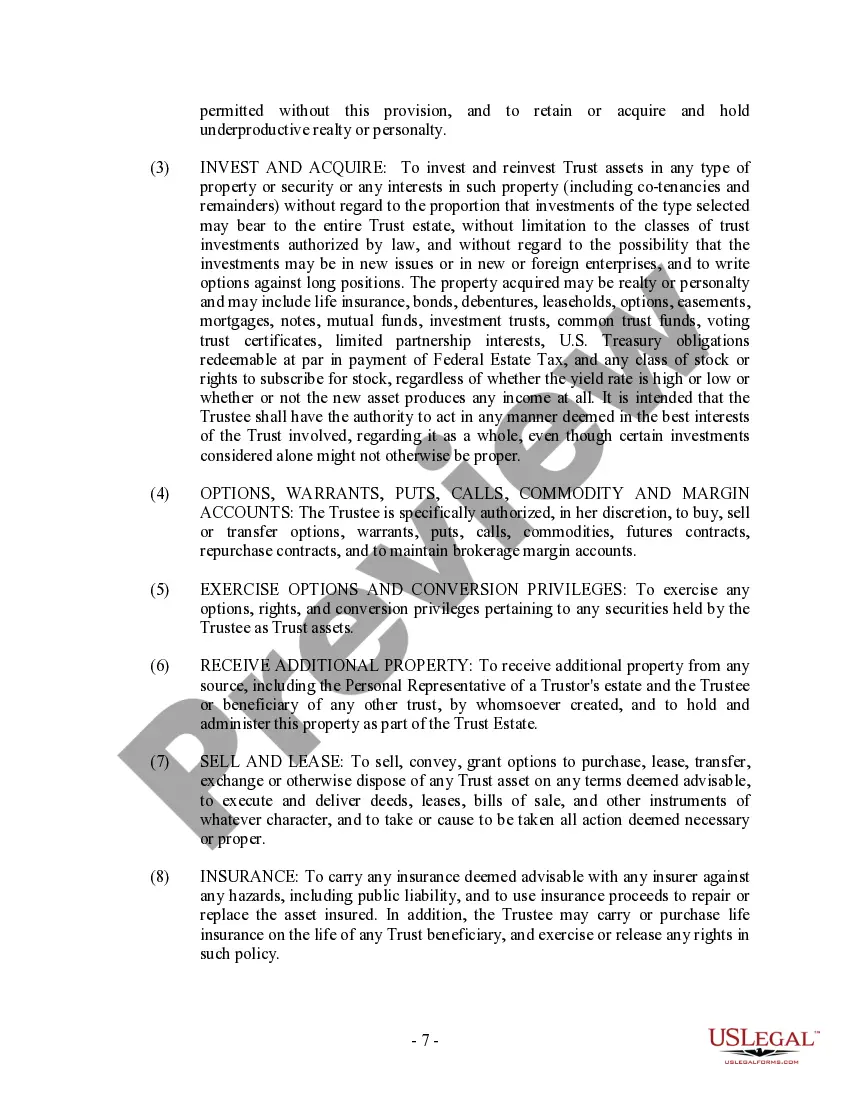
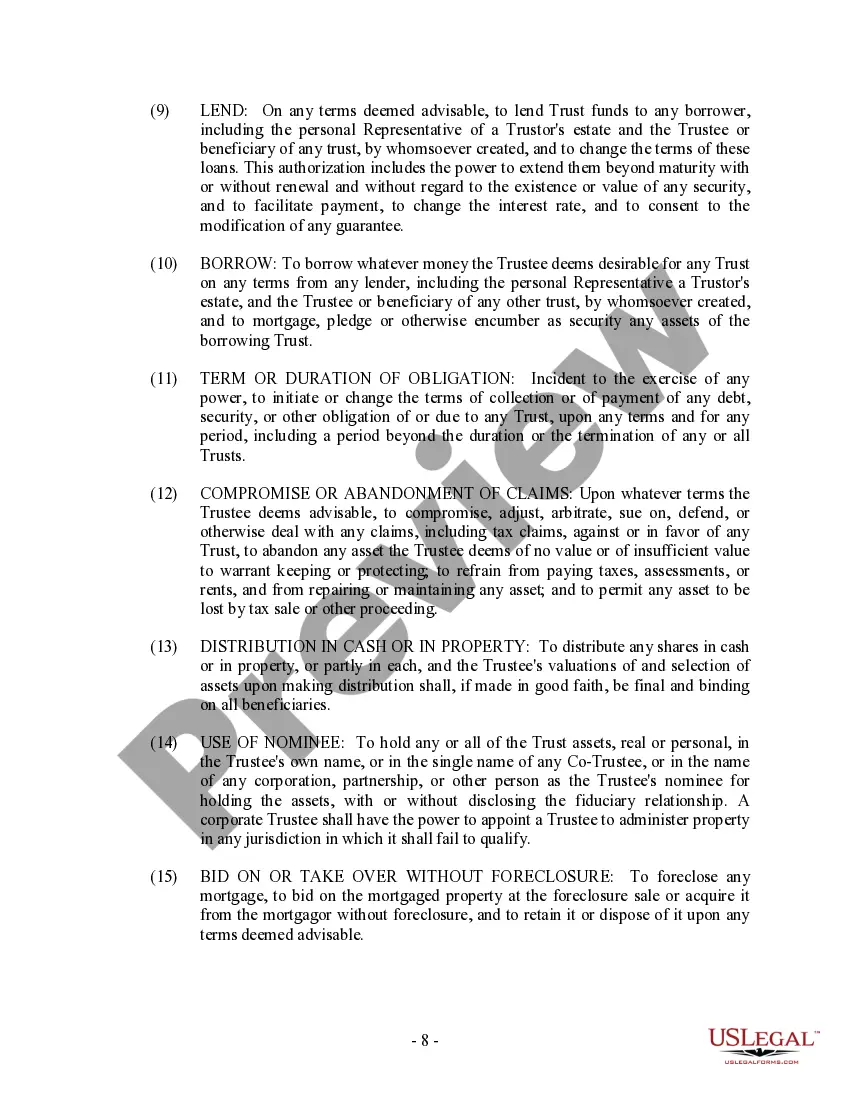
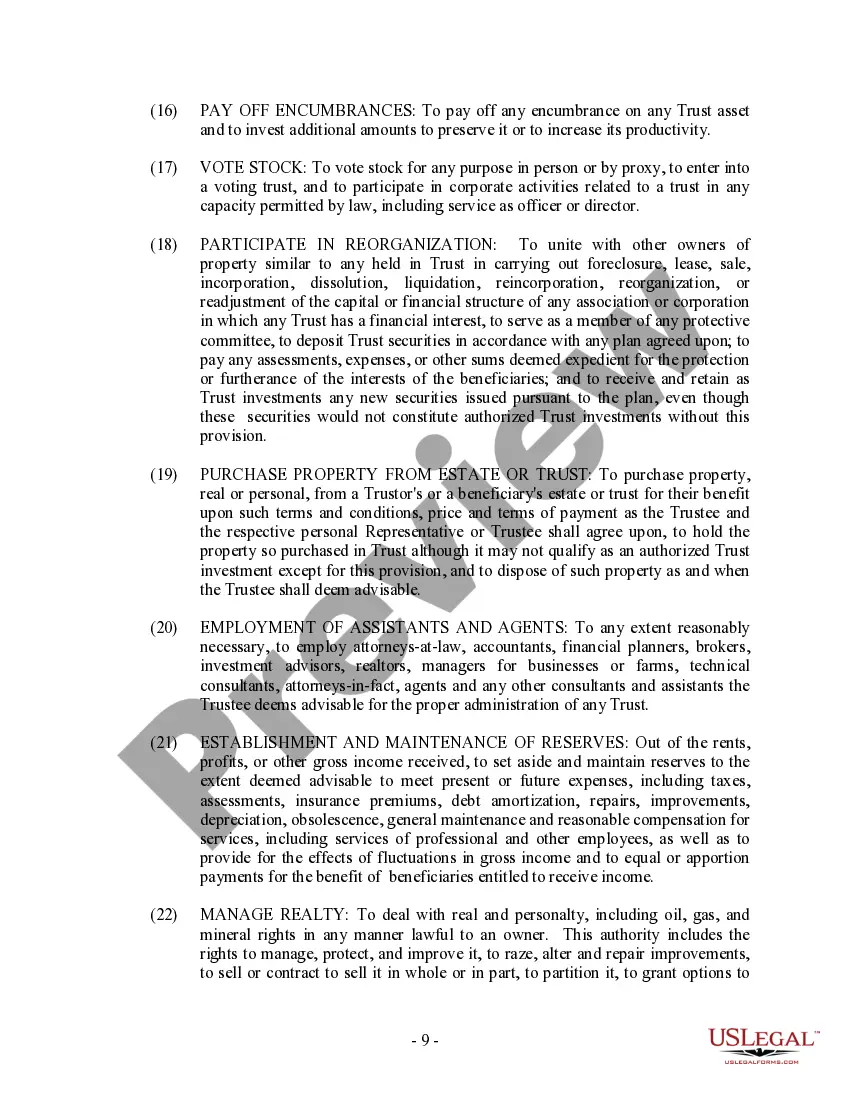
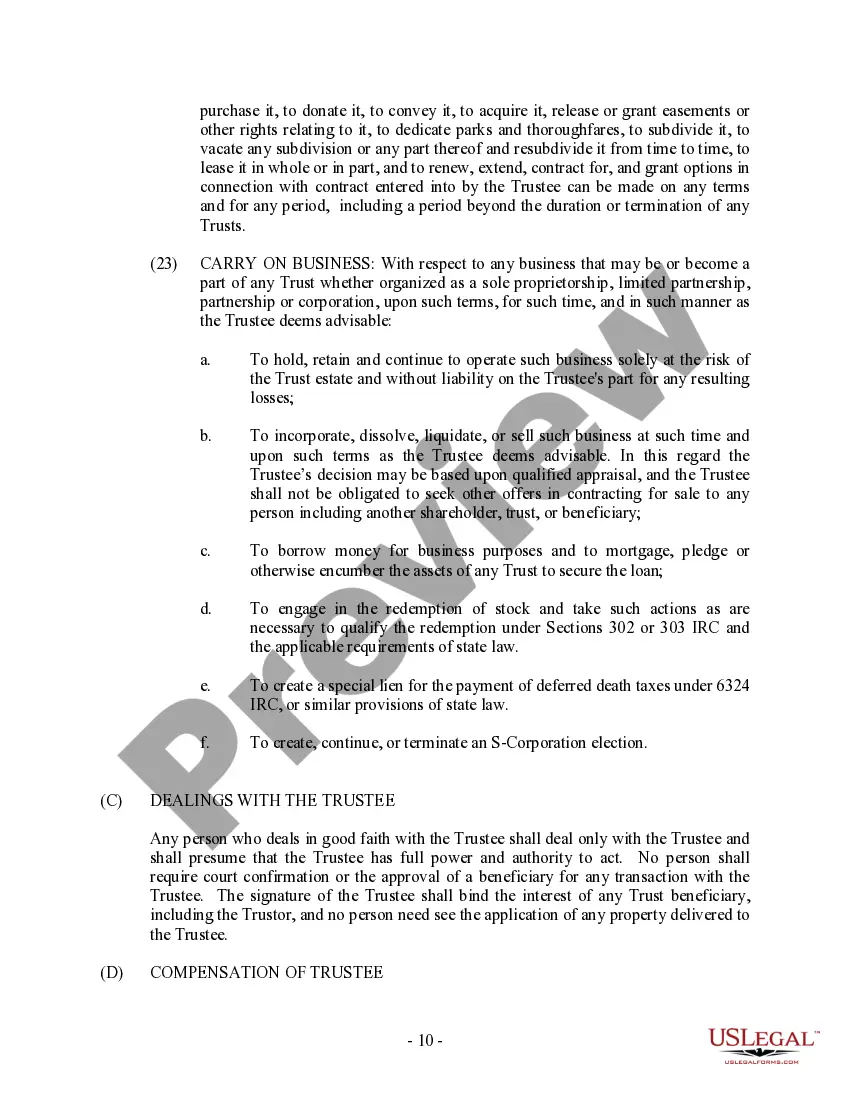
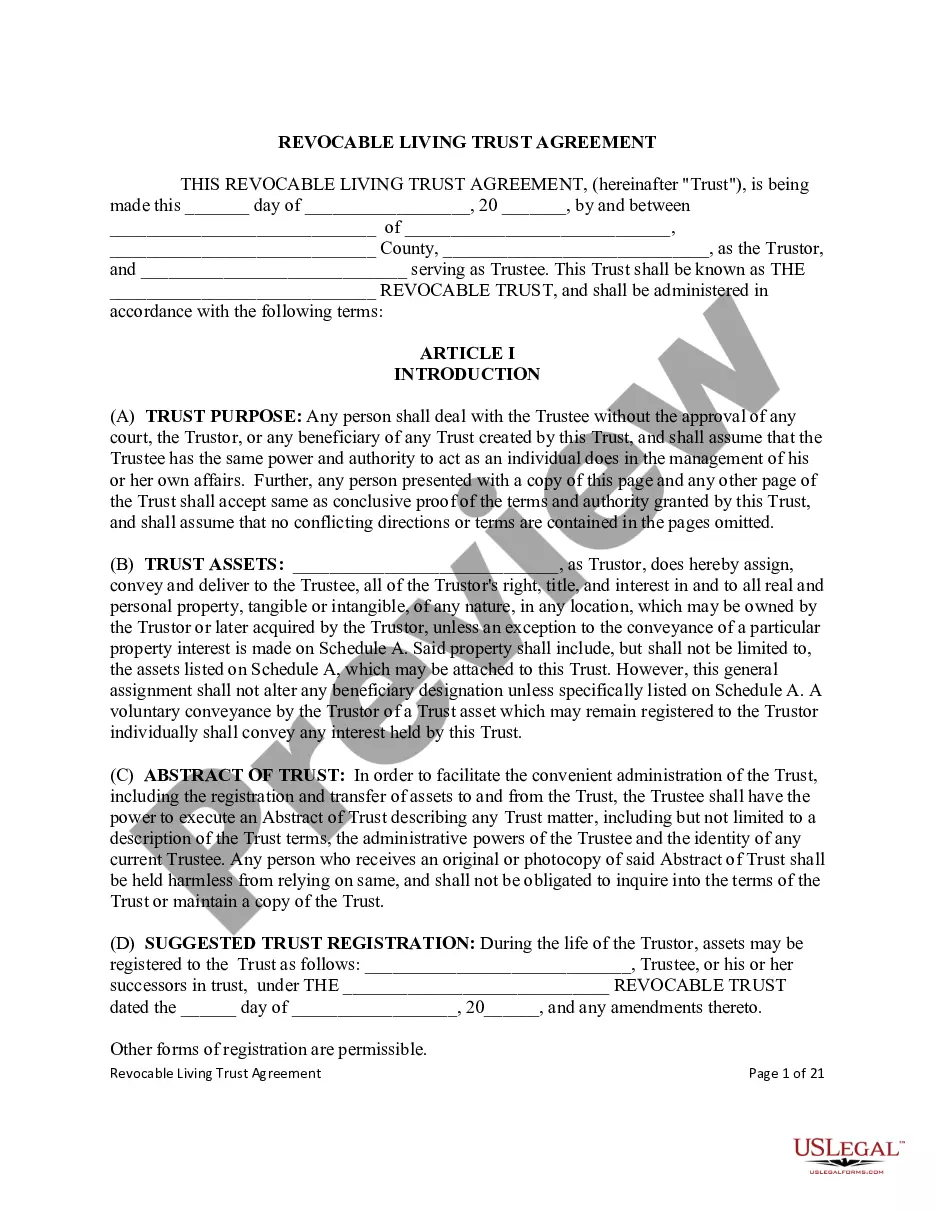
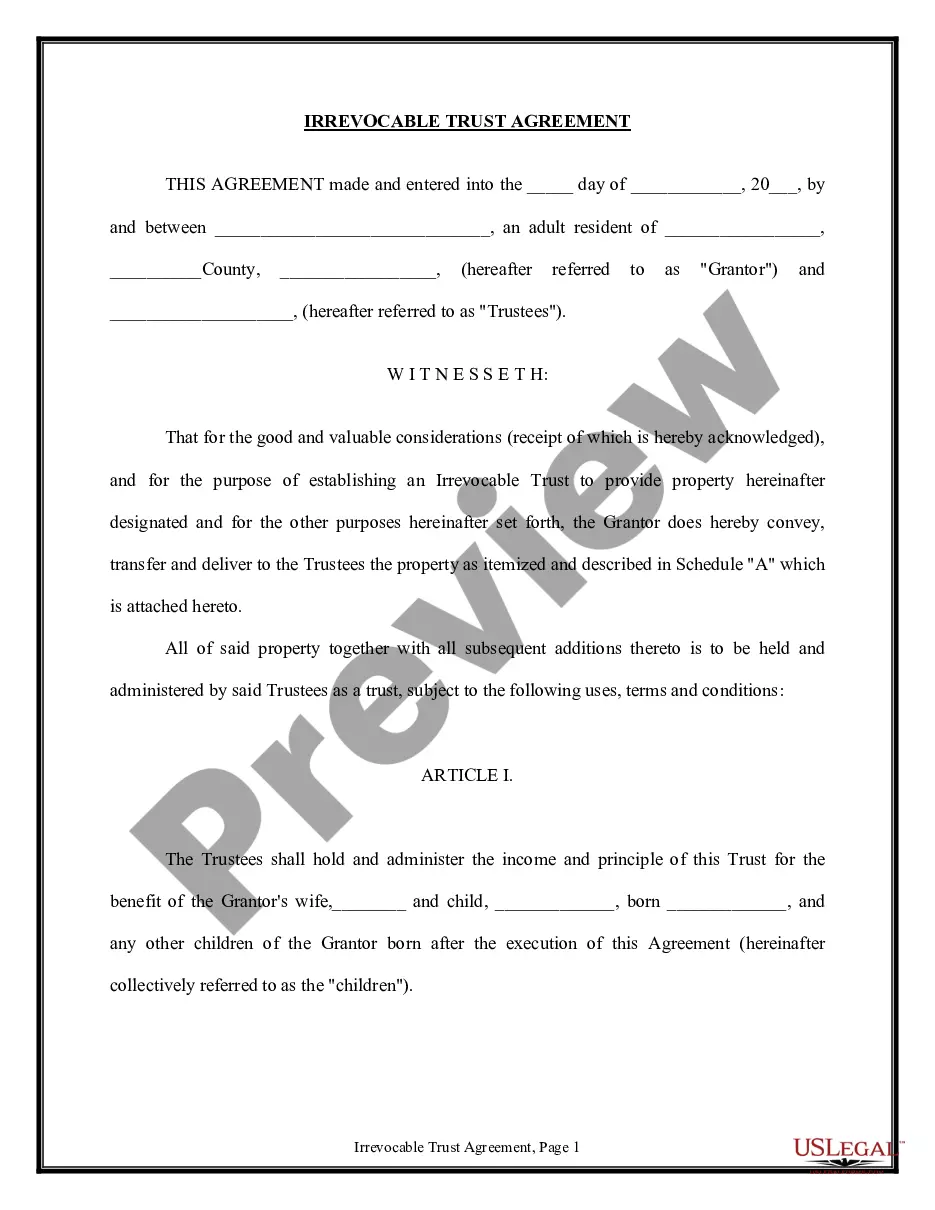
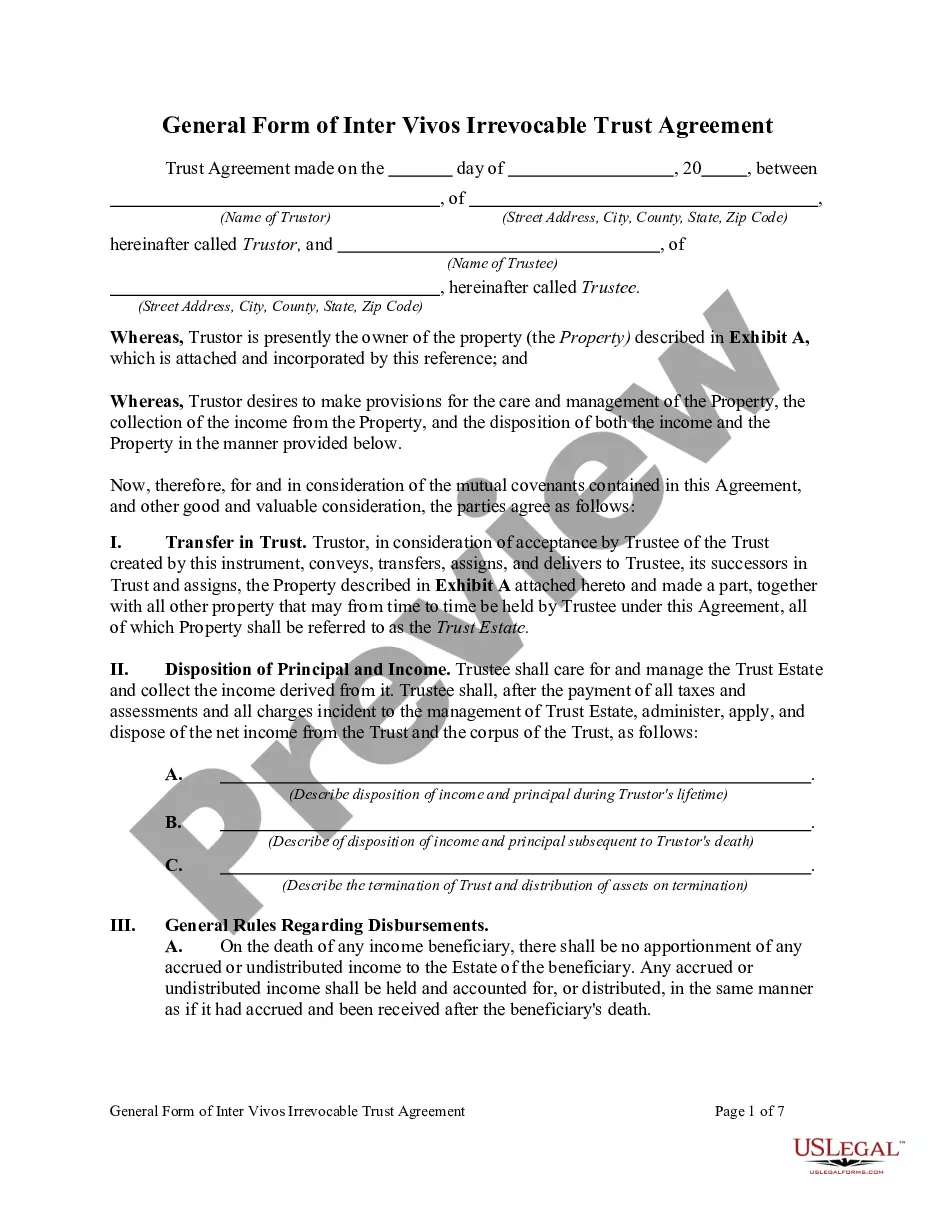
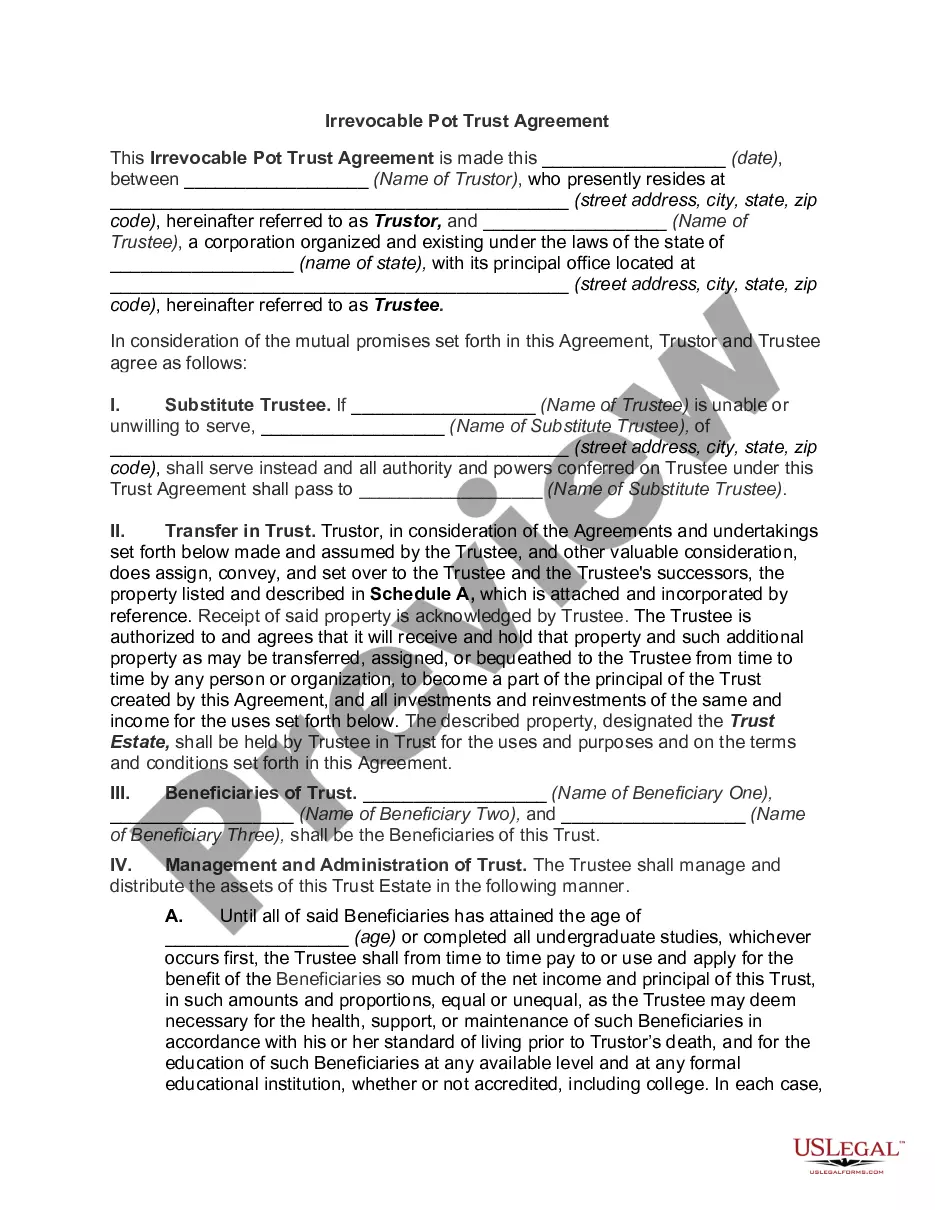
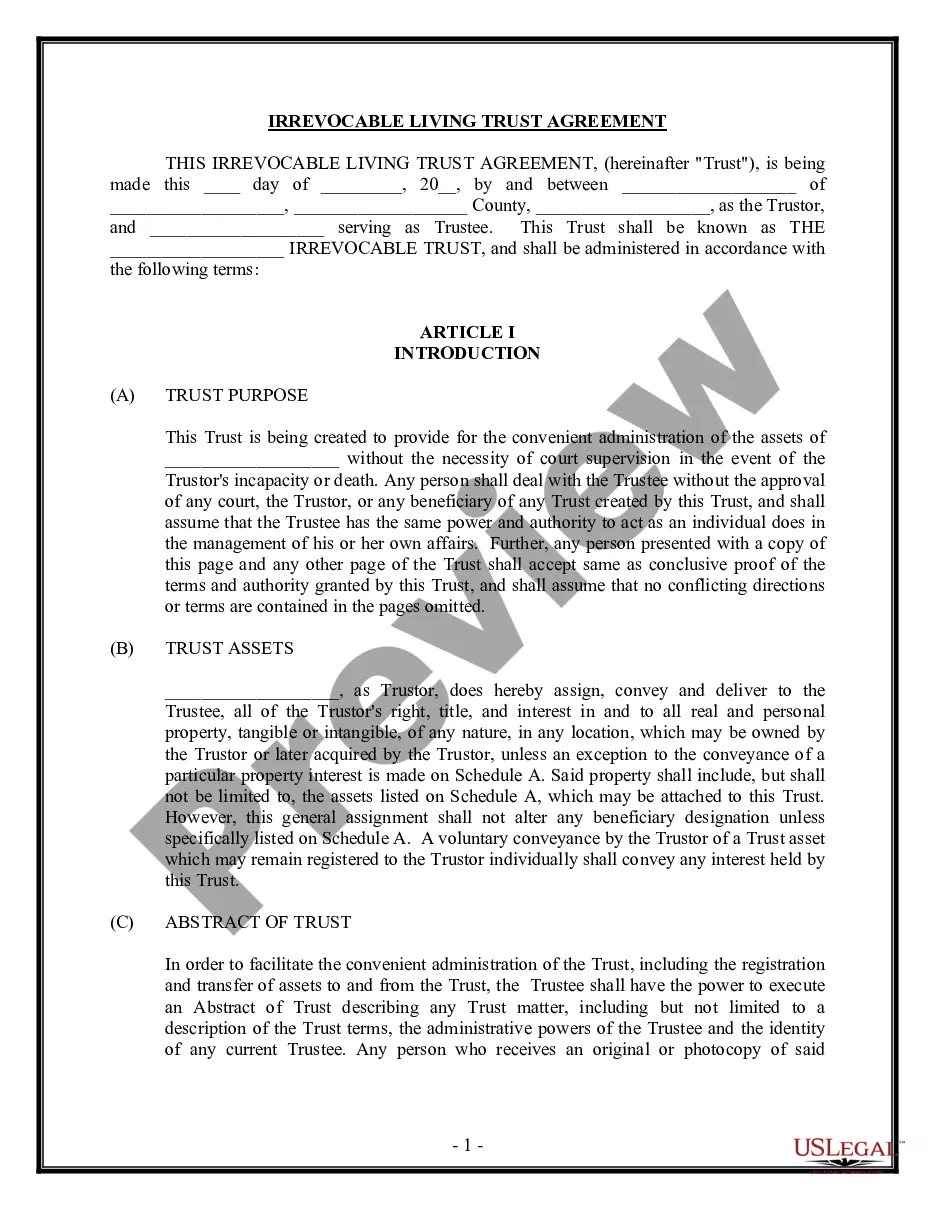
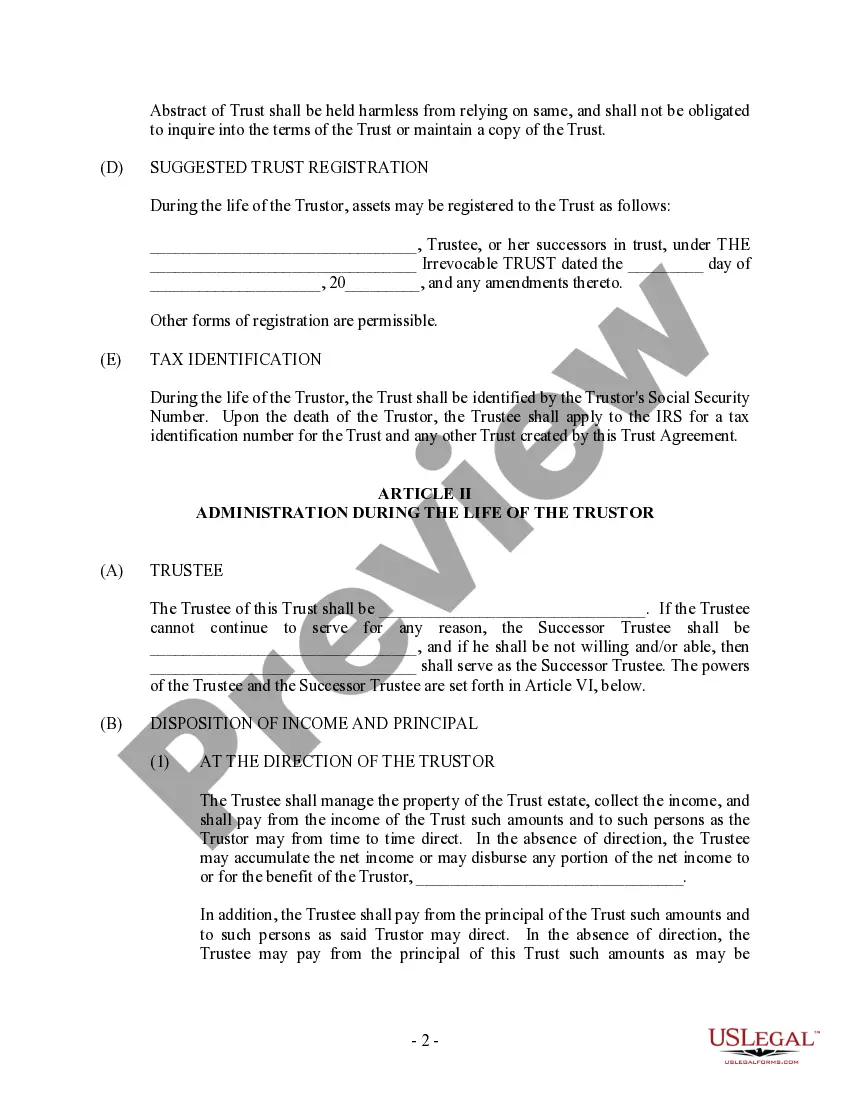
This form is an agreement between the trustor and the trustee to create an irrevocable living trust.The purpose of the creation of the trust is to provide for the convenient administration of certain assets without the necessity of court supervision in the event of the trustor incapacity or death. Other provisions within the document include: trust assets, the abstract of the trust, and suggested trust registration.


What is an Irrevocable living trust?


A living trust is a legal document that individuals (grantors or trustors) prepare to create a fund of assets they want to hold during their lifetime and bequeath to the named people (beneficiaries) after they pass away. They assign a third party (trustee) to manage these assets and supervise their transfer at a predetermined time. A living trust  are an essential tool for estate or property planning as an alternative to wills; allowing owners to distribute their assets (estate, stocks, bank accounts, etc.) as they wish and bypass state court probate procedures if they die intestate.


Trusts can be either revocable or irrevocable. An irrevocable living trust is the stricter form of property transfer as it excludes the grantor’s opportunity to modify anything in the agreement or to terminate it once set up. Though both types have similar terms, you should be aware of some important differences.


Revocable vs. irrevocable trust


As the name implies, a revocable trust allows the grantor to modify its terms (for example, transfer some assets out or add some extra ones, change the beneficiaries and trustees) or cancel it at any moment. Such terms are wholly different from those that apply to an irrevocable living trust, which must remain unchanged and without a termination option from the moment you set it up. However, in some states, the grantor can change the document with the beneficiary’s permission or by court order.


Both of these property grants have their benefits:


  • A revocable trust allows the grantor to preserve control over their property and make changes to the document terms when required. Creating a living trust of this type is also a way to avoid the probate process after the owner dies and keep privacy over terms of distribution.

  • An irrevocable trust can help reduce estate taxes (however, it’s better to consult a lawyer on that). It also protects the parties from creditors, so it can be a good option for those whose profession has a higher risk of lawsuits.

  • Types of irrevocable trusts


    There are several irrevocable trust examples:


    1. Irrevocable life insurance trusts;

    2. Charitable trusts;

    3. Lifetime gifting trusts (including the grantor-retained annuity, spousal lifetime access, and qualified personal residence trusts);

    4. Testament trust created after the grantor’s death.

    5. Living trust forms


      To set up a living trust, the grantor must ensure the accuracy of the necessary paperwork. US Legal Forms offers only verified printable and electronically editable legal templates specific to your state regulations. Download our Trust Irrevocable Form and provide the following information:


    6. Personal details of the parties involved (grantor, beneficiary, trustee, and successor trustee);

    7. Description of the transferred property items.


    The agreement template we offer is a universal multi-state do-it-yourself form. If you want to add additional terms to the contract or amend any existing ones, though, please consult a legal advisor to do this task correctly.
    Free preview
    • Preview Living Trust - Irrevocable
    • Preview Living Trust - Irrevocable
    • Preview Living Trust - Irrevocable
    • Preview Living Trust - Irrevocable
    • Preview Living Trust - Irrevocable
    • Preview Living Trust - Irrevocable
    • Preview Living Trust - Irrevocable
    • Preview Living Trust - Irrevocable
    • Preview Living Trust - Irrevocable
    • Preview Living Trust - Irrevocable
    • Preview Living Trust - Irrevocable

    How to fill out Living Trust - Irrevocable?

    US Legal Templates - one of the largest collections of legal documents in the United States - offers a variety of legal document templates that you can download or print.

    By using the website, you can access thousands of templates for business and personal needs, organized by types, states, or keywords. You can find the most recent versions of documents like the Rhode Island Living Trust - Irrevocable in just minutes.

    If you have a subscription, Log In and download the Rhode Island Living Trust - Irrevocable from the US Legal Templates library. The Download button will appear on every document you view. You will have access to all previously downloaded documents in the My documents section of your account.

    Complete the purchase. Use your credit card or PayPal account to finalize the transaction.

    Select the format and download the document to your device.

    1. Ensure you've selected the correct document for your locality/county.
    2. Click the Review button to evaluate the document's contents.
    3. Check the description to confirm that you’ve selected the right document.
    4. If the document does not meet your needs, use the Search field at the top of the screen to find one that does.
    5. When you are satisfied with the form, confirm your selection by clicking the Buy now button.
    6. Then, choose the pricing plan you prefer and provide your information to register for an account.

    Form popularity

    FAQ

    When the grantor of a Rhode Island Living Trust - Irrevocable passes away, control of the trust immediately transfers to the designated trustee. The trust remains in effect and continues to manage and distribute assets according to the grantor's wishes as outlined in the trust documents. Importantly, the assets in the trust typically avoid probate, allowing for a smoother transition to the beneficiaries. Utilizing platforms like UsLegalForms can help simplify the initial setup and ensure compliance with all state laws.

    Filing taxes for a Rhode Island Living Trust - Irrevocable requires you to obtain a separate Tax Identification Number (TIN) for the trust. The trust itself must file Form 1041, which details its income and deductions. It is important to note that the income generated by the trust is reported on its own tax return, not the grantor's personal tax return. Consulting with a tax professional can help ensure you meet all requirements and manage tax obligations effectively.

    There are several reasons to consider a Rhode Island Living Trust - Irrevocable, but key reasons include asset protection, tax benefits, and financial assistance for Medicaid eligibility. An irrevocable trust can shield your assets from creditors while potentially lowering your estate taxes. Moreover, it can help in qualifying for Medicaid by reducing your countable assets. This strategy provides peace of mind for both you and your beneficiaries.

    The Rhode Island Living Trust - Irrevocable offers numerous benefits, including enhanced asset protection, potential tax advantages, and a clear pathway for your estate distribution. By removing assets from your estate, you can reduce your estate tax liability while also ensuring that your beneficiaries receive their inheritance without interference. Understanding these benefits will help you make informed decisions about your estate planning.

    Certain assets may not be suitable for inclusion in a Rhode Island Living Trust - Irrevocable. For instance, retirement accounts like 401(k)s or IRAs typically require careful handling due to tax implications. Additionally, assets that you need to retain control over for personal use, such as your primary residence, may also be best left out of the trust.

    One significant downside of the Rhode Island Living Trust - Irrevocable is that once established, you cannot amend or dissolve the trust without the consent of all beneficiaries. This lack of flexibility can lead to complications if your financial situation or family dynamics change. It's essential to weigh these considerations carefully before committing to this type of trust.

    The primary purpose of the Rhode Island Living Trust - Irrevocable is to safeguard your assets from future creditors and ensure they pass to your beneficiaries according to your wishes. This type of trust removes assets from your estate, which can assist in tax savings and protection from legal challenges. By establishing an irrevocable trust, you gain greater control over your estate distribution.

    The new rule on irrevocable trusts signifies important updates that could influence your estate planning. Under the Rhode Island Living Trust - Irrevocable, recent changes may allow for different asset protections or tax benefits. It’s crucial to stay informed about these updates, as they can enhance the effectiveness of your estate plan.

    Ulegalforms simplifies the process of creating a Rhode Island Living Trust - Irrevocable by providing user-friendly templates and guides. Their platform offers resources that help you understand the necessary steps for filling out the trust accurately. With their assistance, you can navigate the complexities of estate planning with confidence.

    When considering a Rhode Island Living Trust - Irrevocable, it's essential to know which assets to exclude. Typically, assets that you want to retain full control over, like primary residences or any personal belongings that hold sentimental value, should remain outside the trust. Additionally, certain retirement accounts may not be suitable for inclusion in an irrevocable trust. This distinction can help safeguard your estates in the future.

    Trusted and secure by over 3 million people of the world’s leading companies

    Rhode Island Living Trust - Irrevocable