Rhode Island Commercial Building or Space Lease
What this document covers
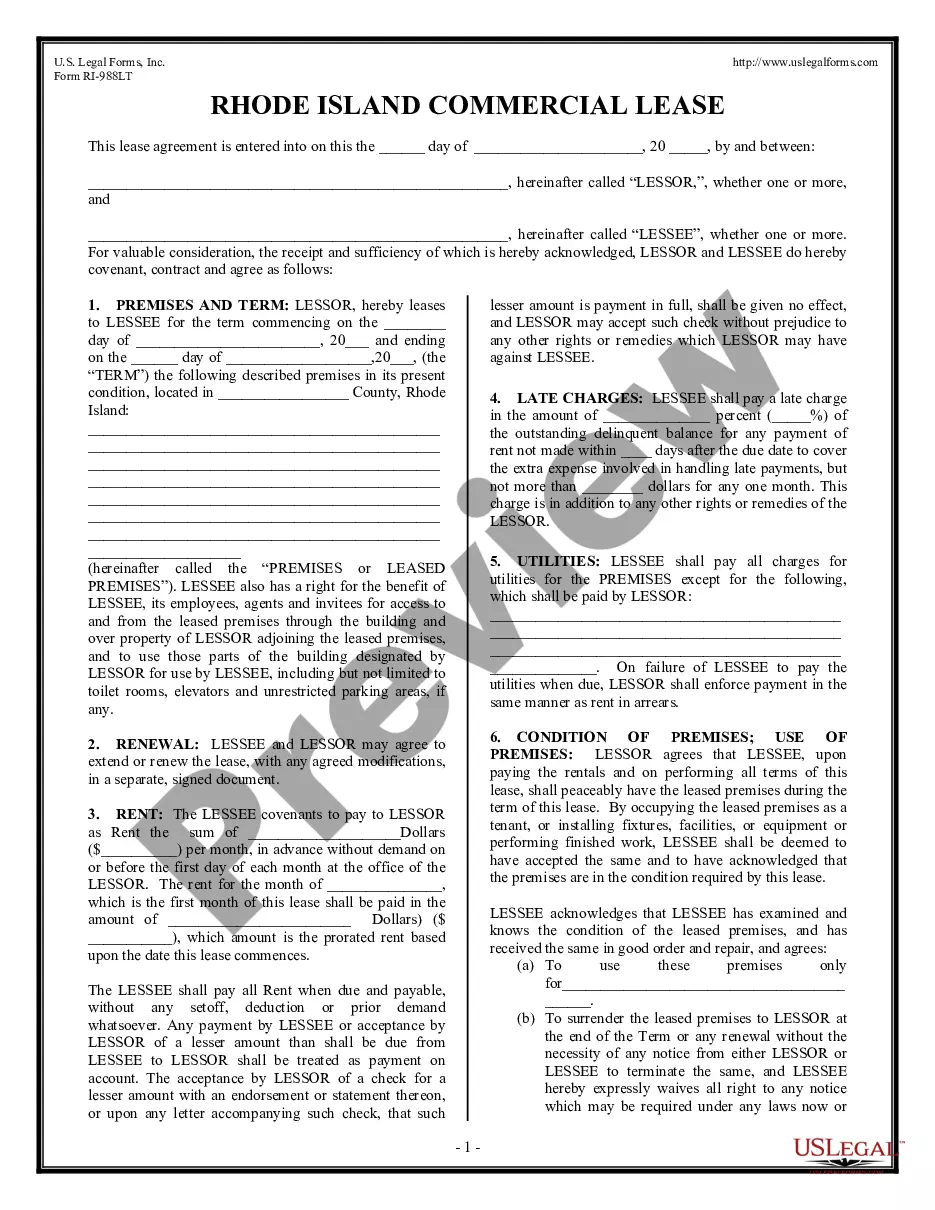
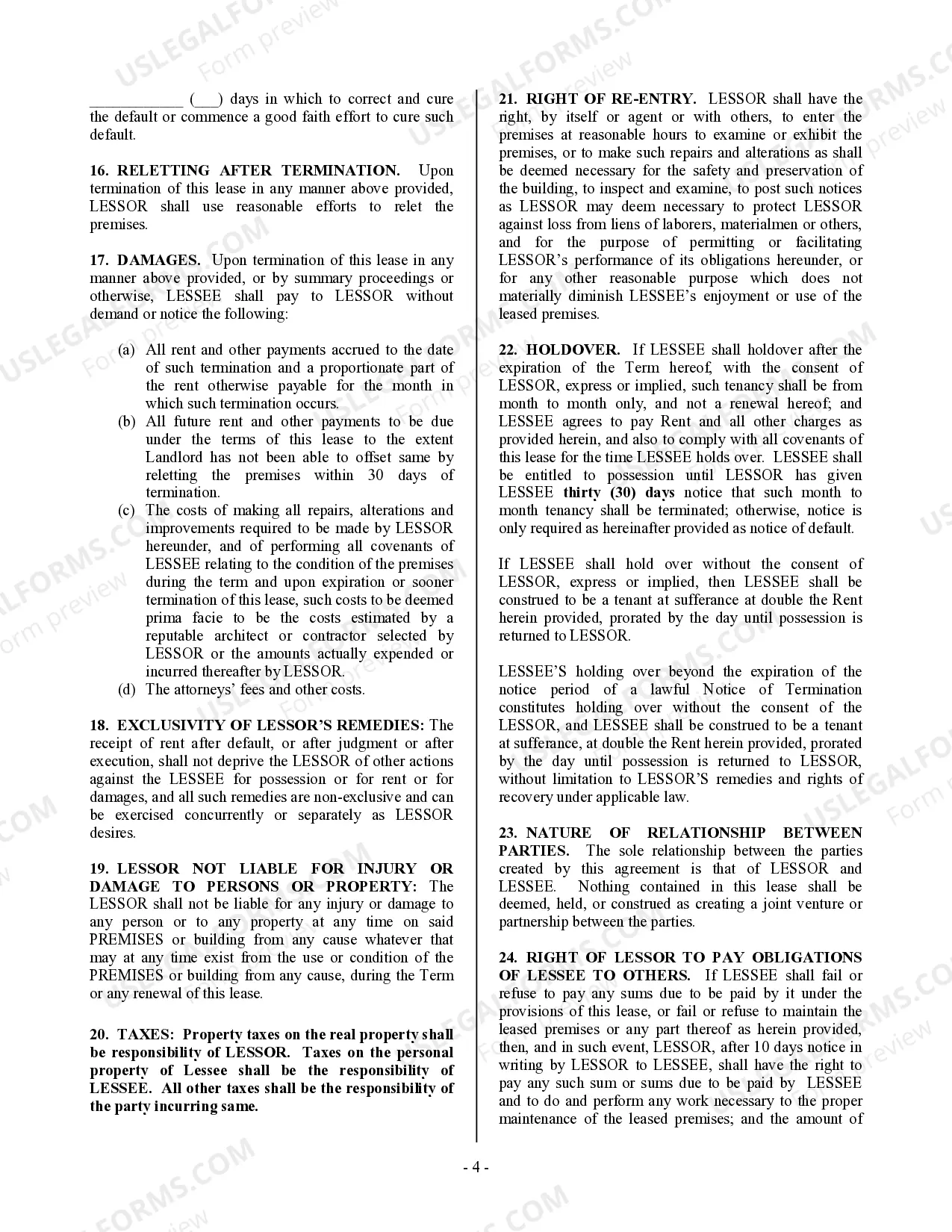
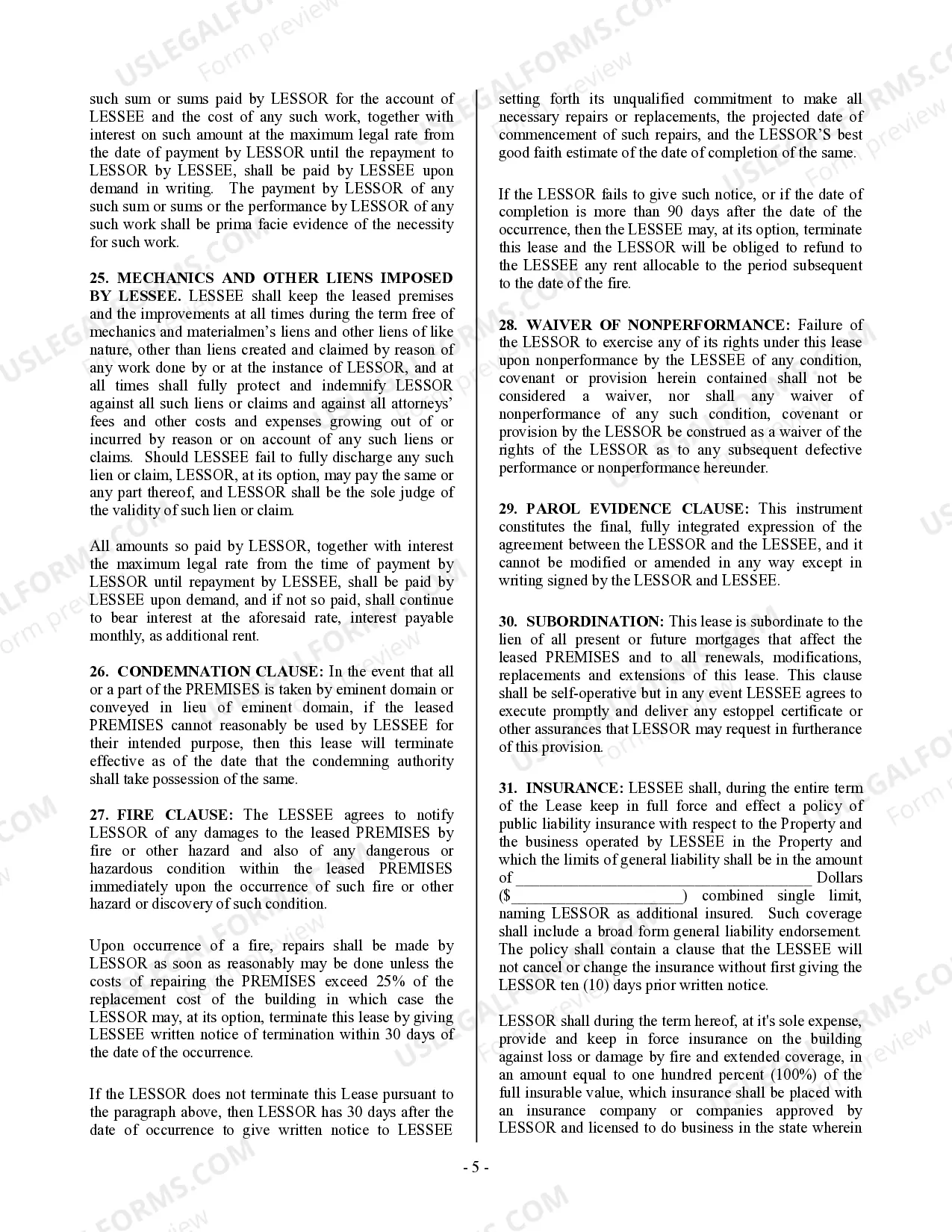
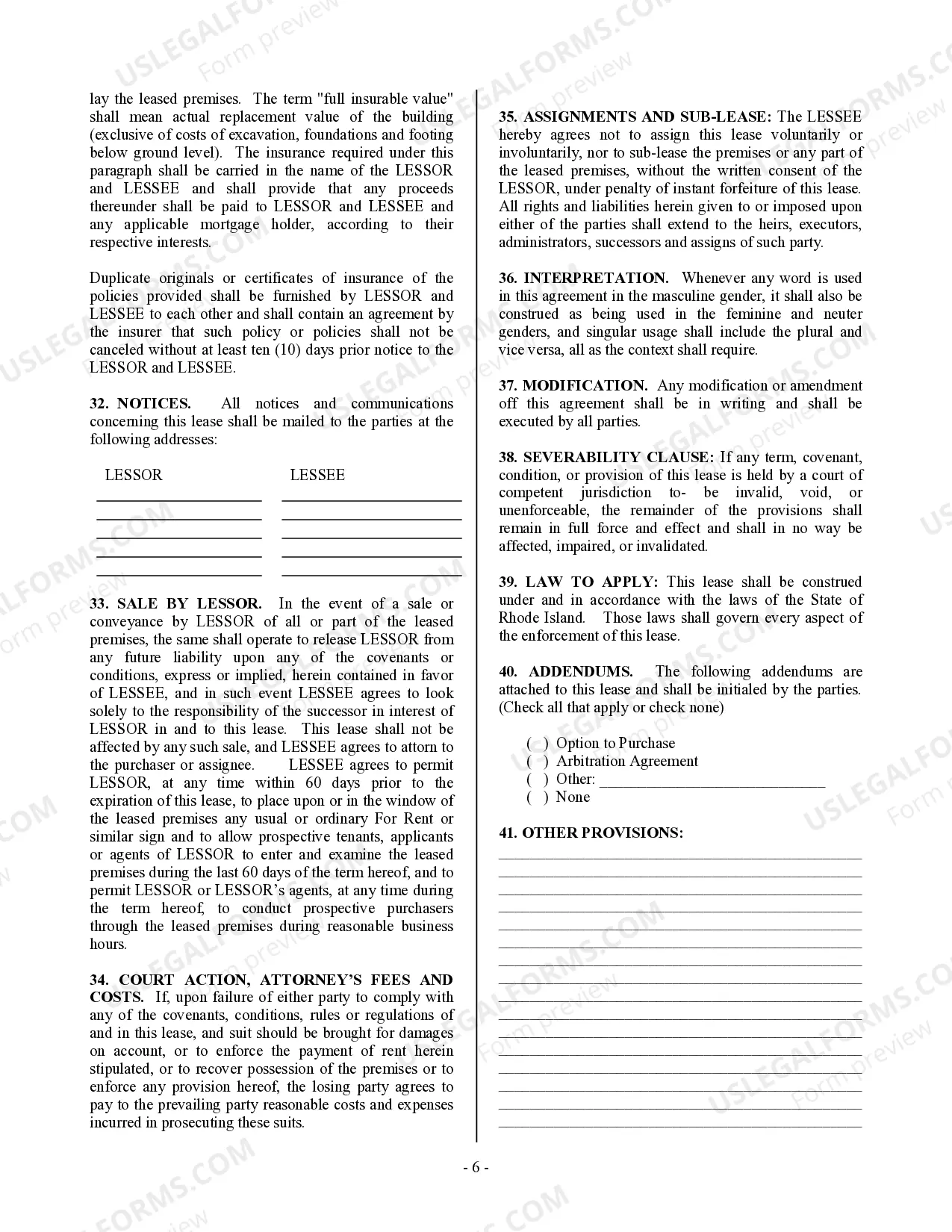
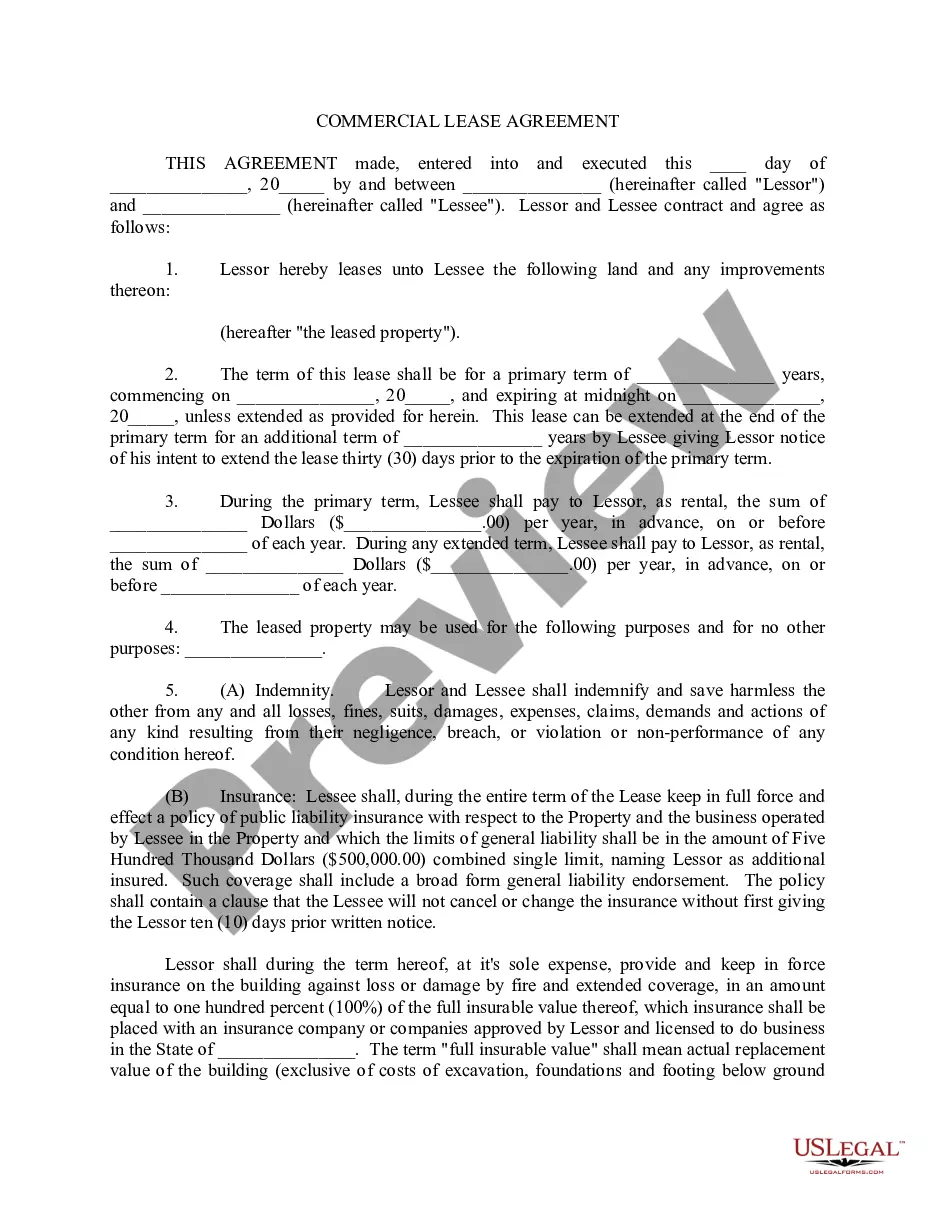
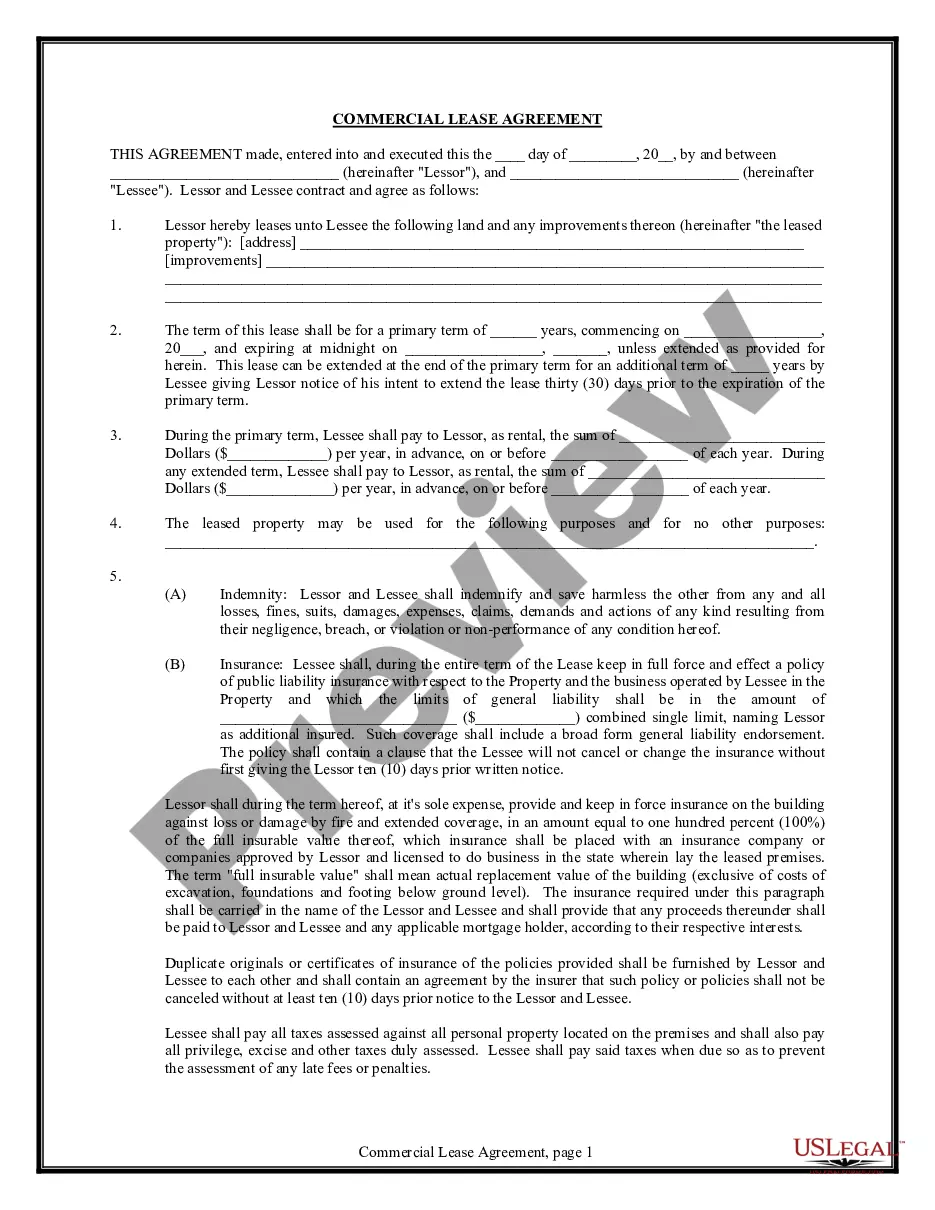
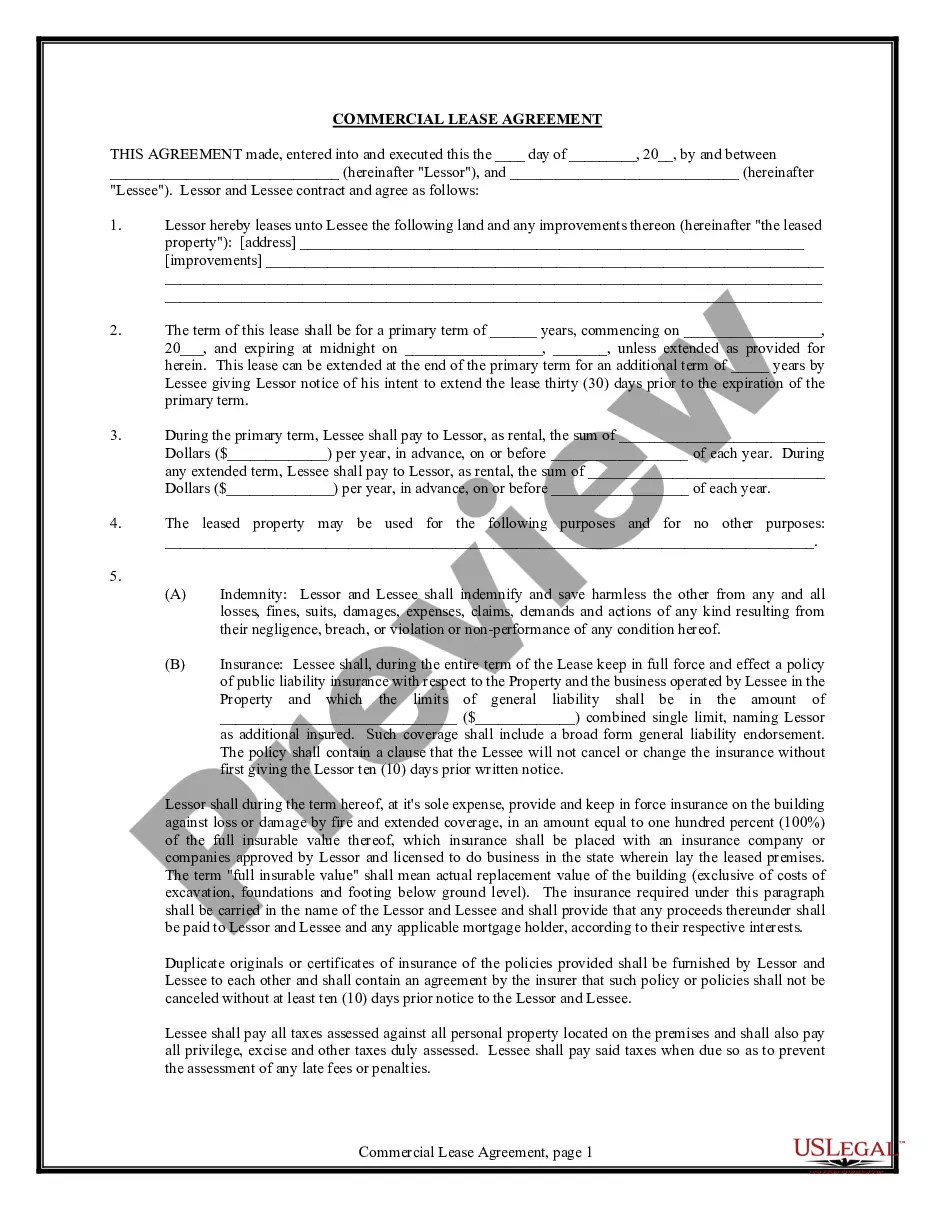
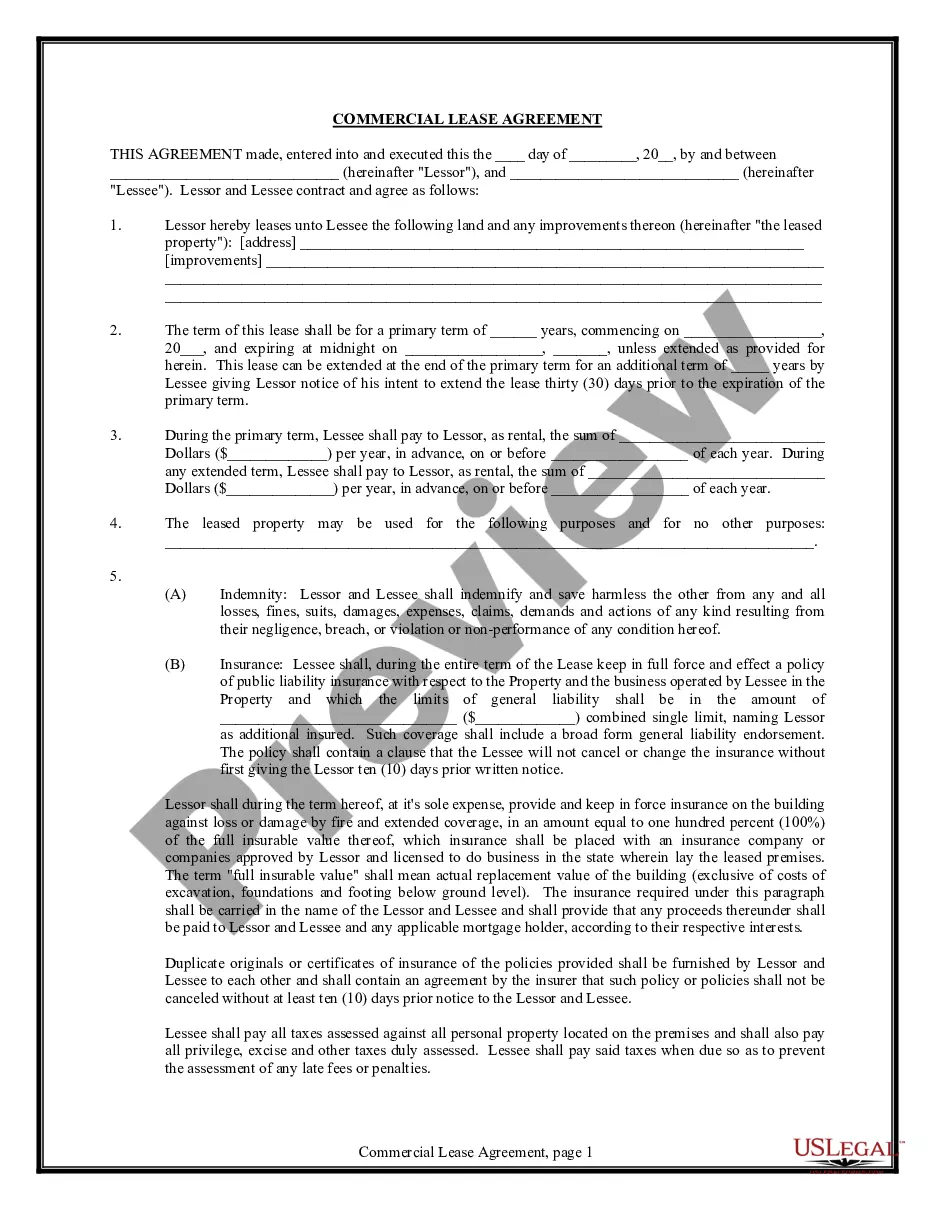
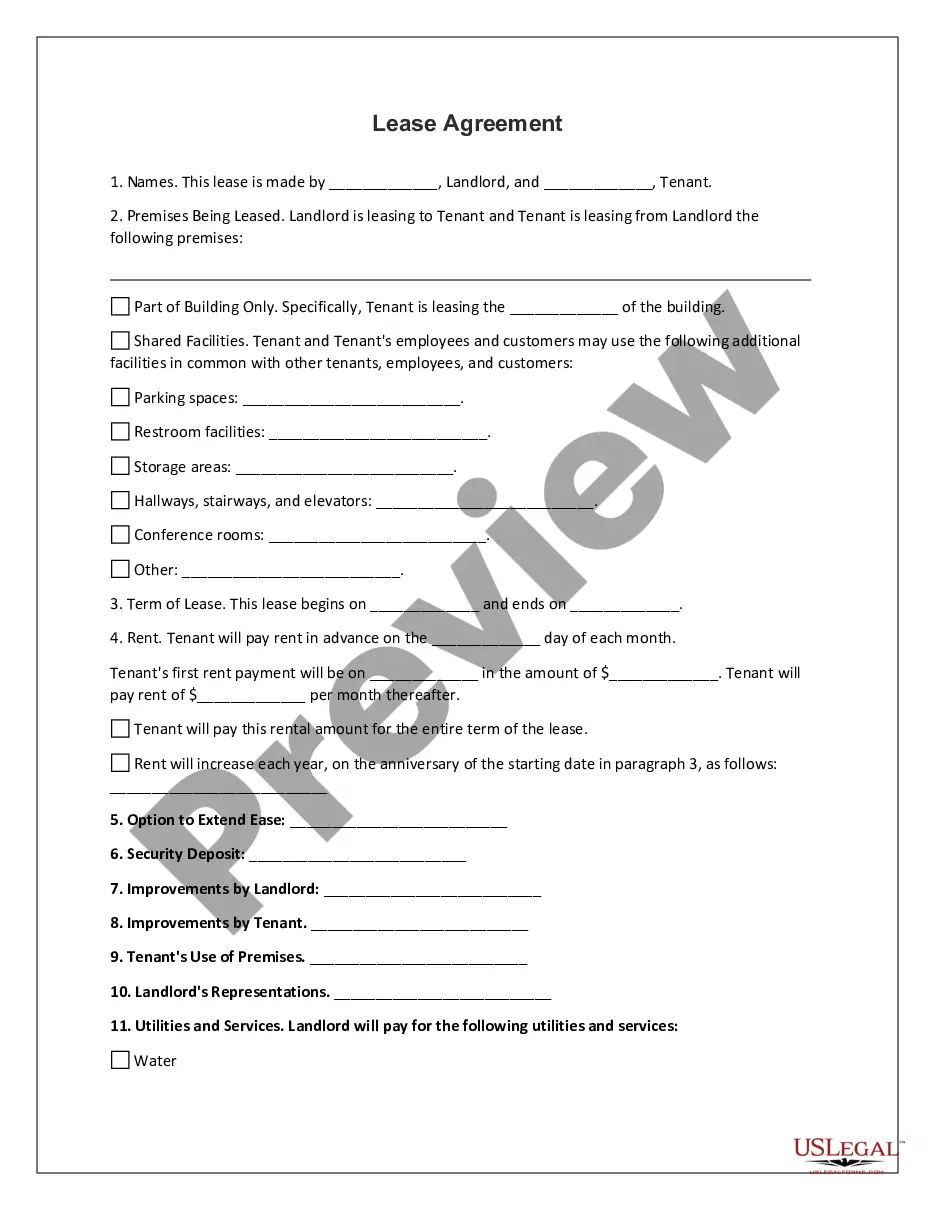
The Commercial Building or Space Lease is a legally binding agreement specifically designed for leasing commercial property in Rhode Island. This form covers a variety of essential elements such as lease terms, rent payment, utilities, and conditions of the premises. Unlike residential leases, this commercial lease accommodates the needs of businesses, ensuring both landlords and tenants are legally protected throughout the leasing period.
What’s included in this form
- Lease Term: Describes the start and end dates of the lease.
- Rent Payment: Details the monthly rent amount and payment schedule.
- Utilities Responsibility: Specifies which party is responsible for utility payments.
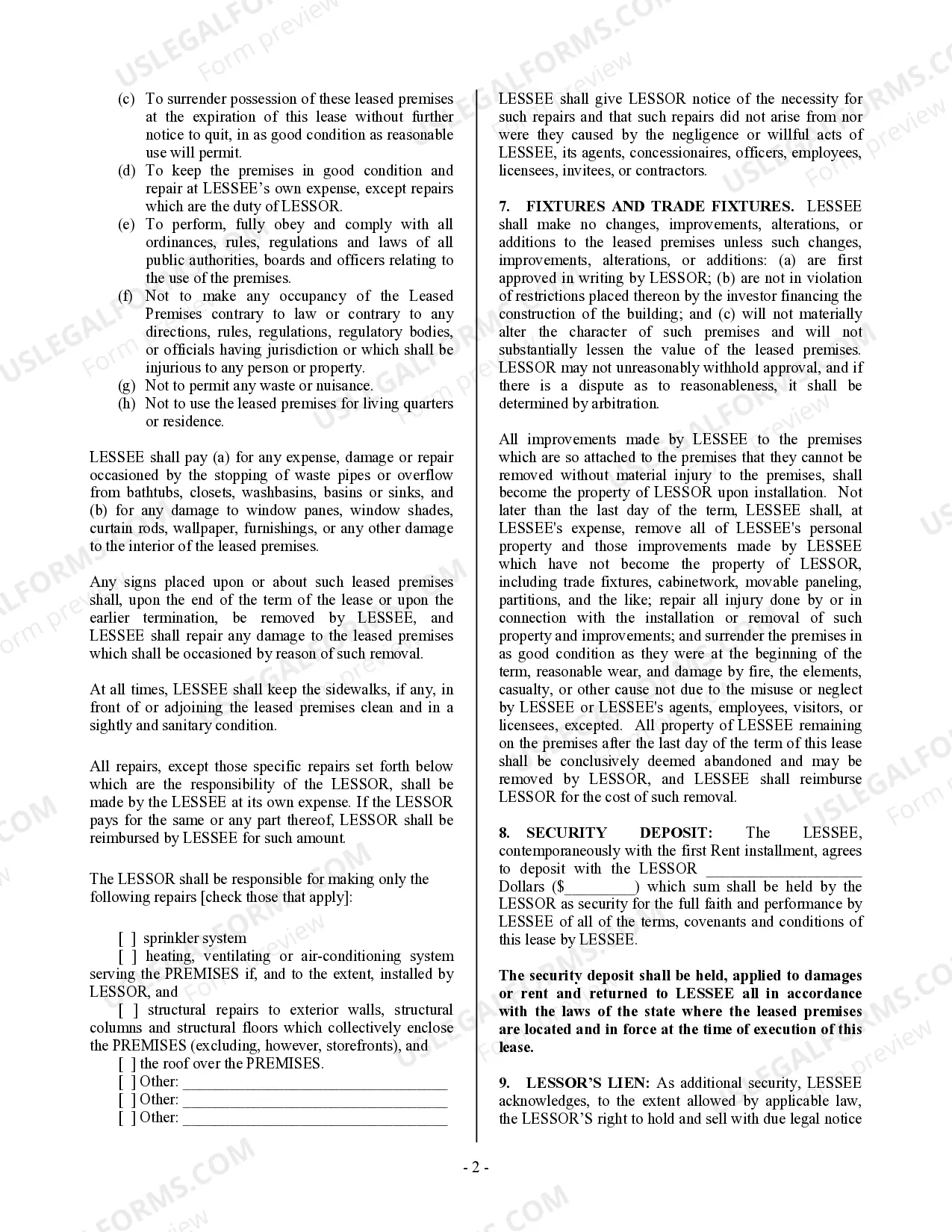
- Security Deposit: Outlines the required security deposit amount and its purpose.
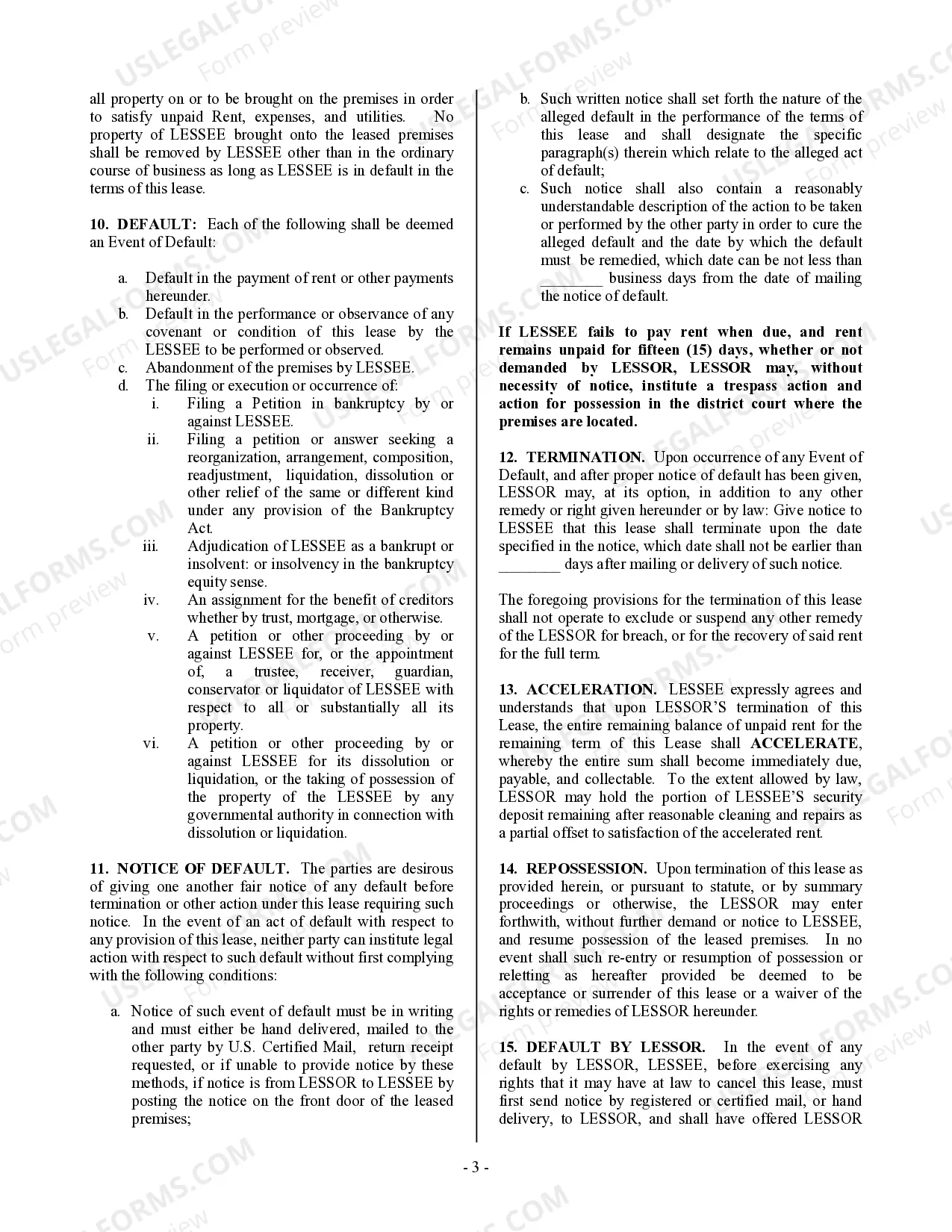
- Default and Termination: Identifies conditions under which the lease can be terminated.
- Conditions of Premises: Addresses the responsibilities for maintenance and repairs.
When to use this form
This form is essential when entering a commercial lease agreement for a property intended for business purposes. Use this lease template when you are a property owner renting out commercial spaces, such as offices or retail stores, or when you are a business owner looking to rent a commercial property in Rhode Island. It helps in establishing clear expectations and responsibilities from both parties.
Who can use this document
- Property Owners: Those leasing out commercial spaces needing a formal agreement.
- Business Owners: Entrepreneurs and companies seeking to rent office or retail space.
- Real Estate Professionals: Agents assisting clients in commercial leasing transactions.
Instructions for completing this form
- Identify the parties involved: Fill in the names of the lessor (property owner) and lessee (tenant).
- Specify the premises: Detail the address and description of the leased property.
- Enter the lease term: Clearly state the starting and ending dates of the lease.
- Outline the rent and payment terms: Indicate the monthly rent amount and payment due dates.
- Complete condition and maintenance clauses: Define responsibilities for maintaining the property.
Does this form need to be notarized?
This form must be notarized to be legally valid. US Legal Forms provides secure online notarization powered by Notarize, allowing you to complete the process through a verified video call.
Get your form ready online
Our built-in tools help you complete, sign, share, and store your documents in one place.
Make edits, fill in missing information, and update formatting in US Legal Forms—just like you would in MS Word.
Download a copy, print it, send it by email, or mail it via USPS—whatever works best for your next step.
Sign and collect signatures with our SignNow integration. Send to multiple recipients, set reminders, and more. Go Premium to unlock E-Sign.
If this form requires notarization, complete it online through a secure video call—no need to meet a notary in person or wait for an appointment.
We protect your documents and personal data by following strict security and privacy standards.

Make edits, fill in missing information, and update formatting in US Legal Forms—just like you would in MS Word.

Download a copy, print it, send it by email, or mail it via USPS—whatever works best for your next step.

Sign and collect signatures with our SignNow integration. Send to multiple recipients, set reminders, and more. Go Premium to unlock E-Sign.

If this form requires notarization, complete it online through a secure video call—no need to meet a notary in person or wait for an appointment.

We protect your documents and personal data by following strict security and privacy standards.
Typical mistakes to avoid
- Not specifying all responsible parties in the lease agreement.
- Leaving out payment terms or the exact rental amount.
- Failing to include the condition of the premises and maintenance responsibilities.
- Not addressing what happens in case of default or lease termination.
Benefits of using this form online
- Convenience: Download and complete the form at your convenience.
- Editability: Easily modify the form to fit specific rental agreements.
- Accuracy: Legal forms are drafted by licensed attorneys to ensure compliance with state laws.
- Accessibility: Available anytime, allowing for immediate use and reference.
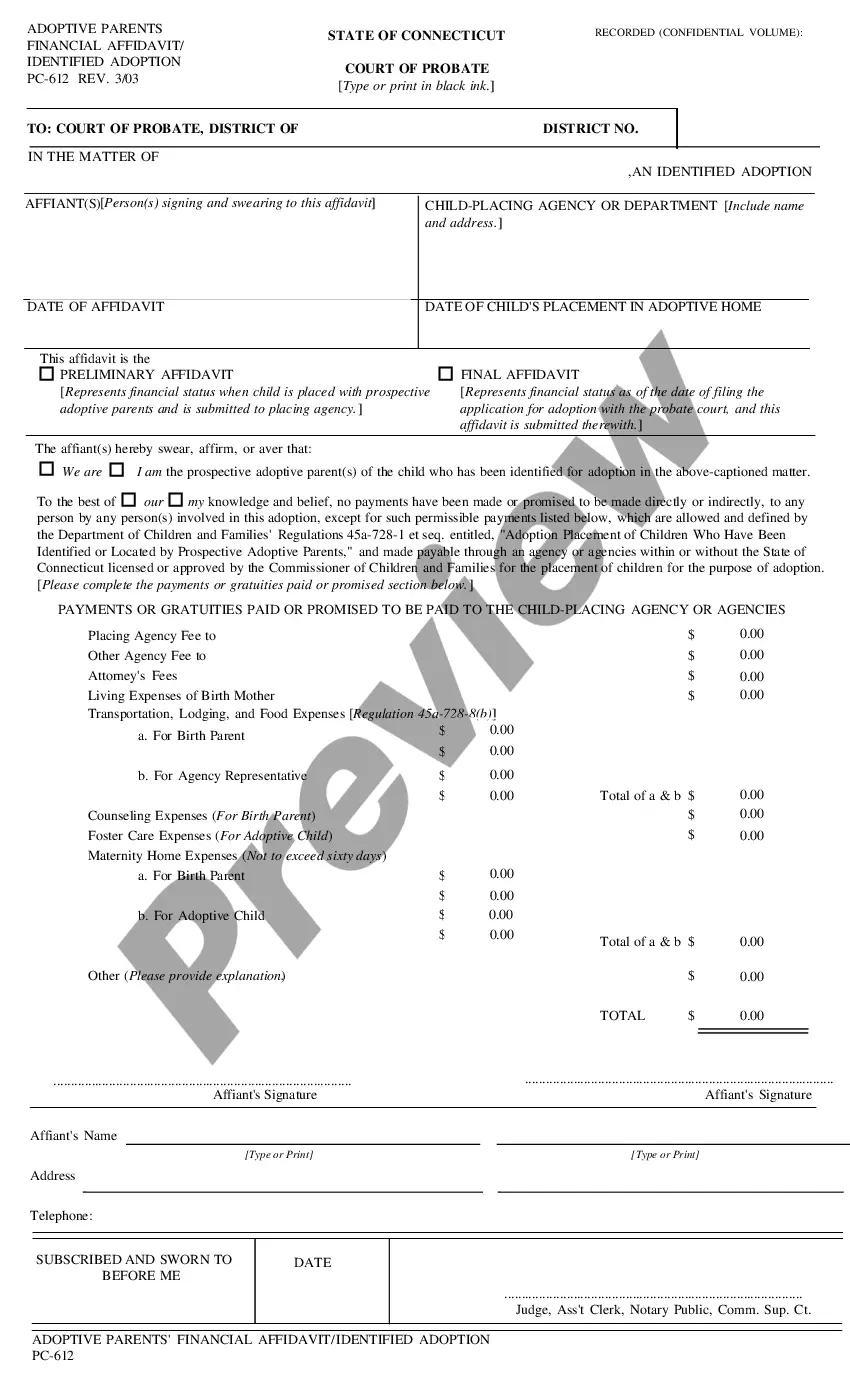
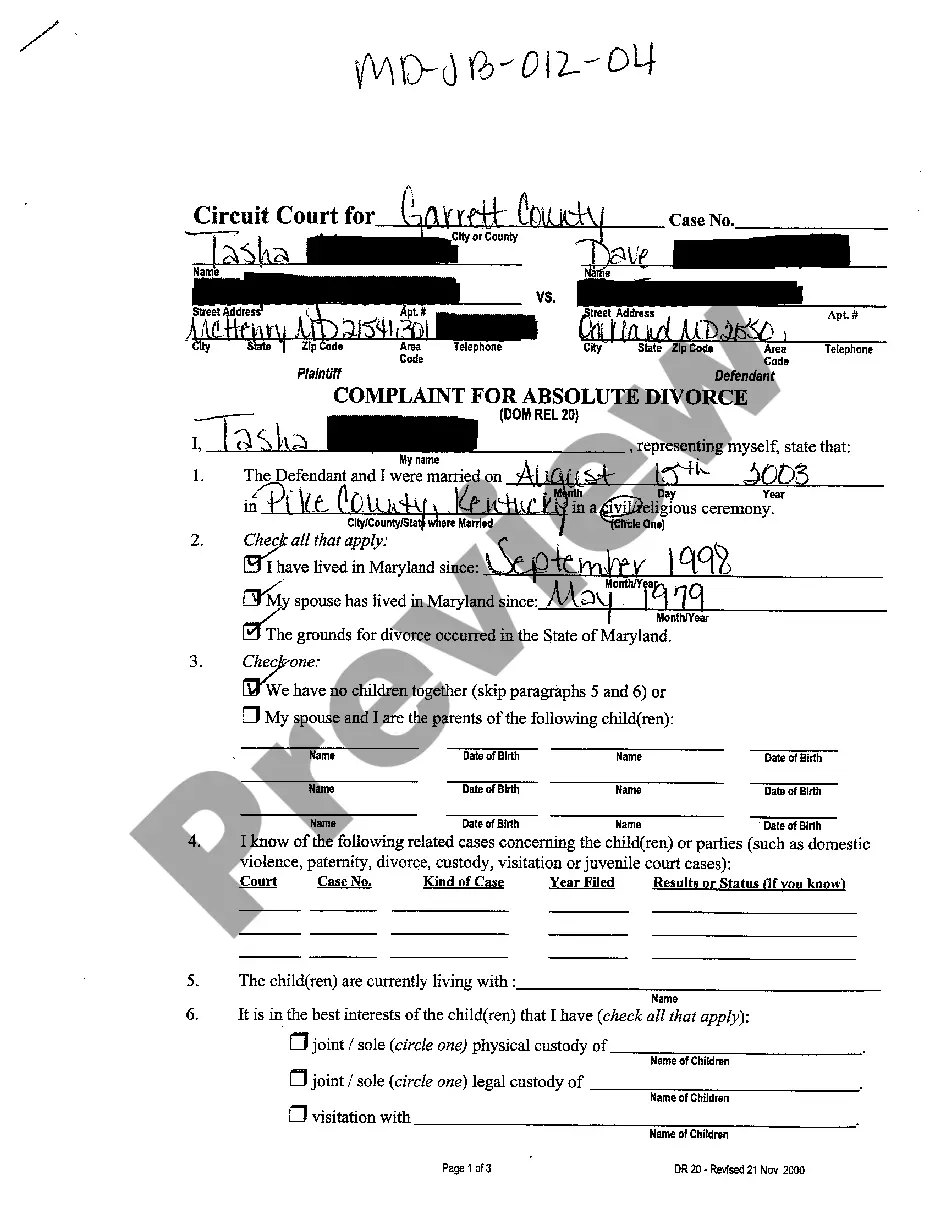
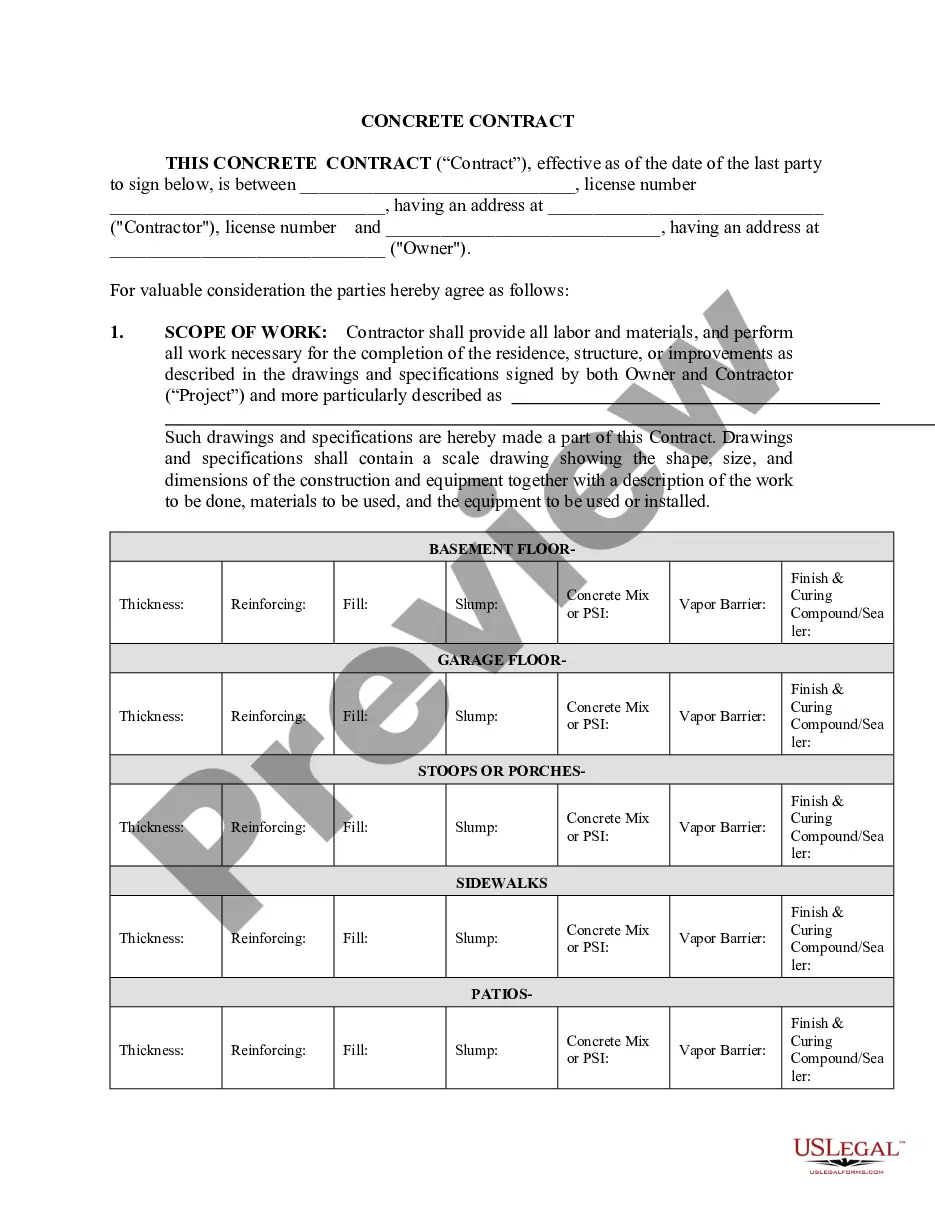
Looking for another form?

Form popularity
FAQ
So a tenant is likely to have to give between 3 and 4 months notice if rent is paid monthly, and 3 and 6 months notice if rent is paid quarterly.
Surrender the Lease. One option for getting out of your commercial lease early is to approach your landlord and request to surrender the lease. Early Termination Clause. Some lease agreements will contain an early termination clause (commonly called a break clause). Assignment of Lease. Subletting the Premises. Licensing.
Break rights can only be exercised on reasonable prior written notice and usually a minimum of 6 months' notice is required.It is therefore prudent for a landlord or tenant to ask its professional advisors to serve a break notice on its behalf and to review the validity of any such notice served by the other party.
Commercial landlords with multiple properties, or developments with more than one tenant, are generally loath to disclose to potential tenants the terms of leases into which they have previously entered.
A security deposit is typically an amount equivalent to one or two month's rent, which is deposited by the tenant to secure, as far as money can, the tenant's performance of the tenant's obligations under the Lease.
If the commercial tenant is a shell corporation and/or does not have any assets of value, the commercial tenant may choose to walk away from its commercial lease obligations.Often the landlord will require guarantees in order to prevent a commercial tenant from walking away from its lease obligations.
Landlords can try and forfeit a lease if a tenant is in breach of their obligations (this assumes that the lease document includes a right to forfeit).If a commercial lease contains a break clause, either or both parties to the agreement may seek to terminate the lease before its fixed period has ended.
Liability insurance for commercial property is to compensate 3rd parties in respect to property damage and injury through negligence. You are liable, and not your tenants in these circumstances because it's ultimately the landlord's responsibility to oversee that their property is adequately maintained.
Recording a lease means that it (or a Notice of Lease) is submitted to the public record, usually at the local Registry of Deeds following the signing of it by both parties. Generally, recording of the lease protects the tenant against subsequent claims to the property.