Rhode Island Seller's Information for Appraiser provided to Buyer
Overview of this form
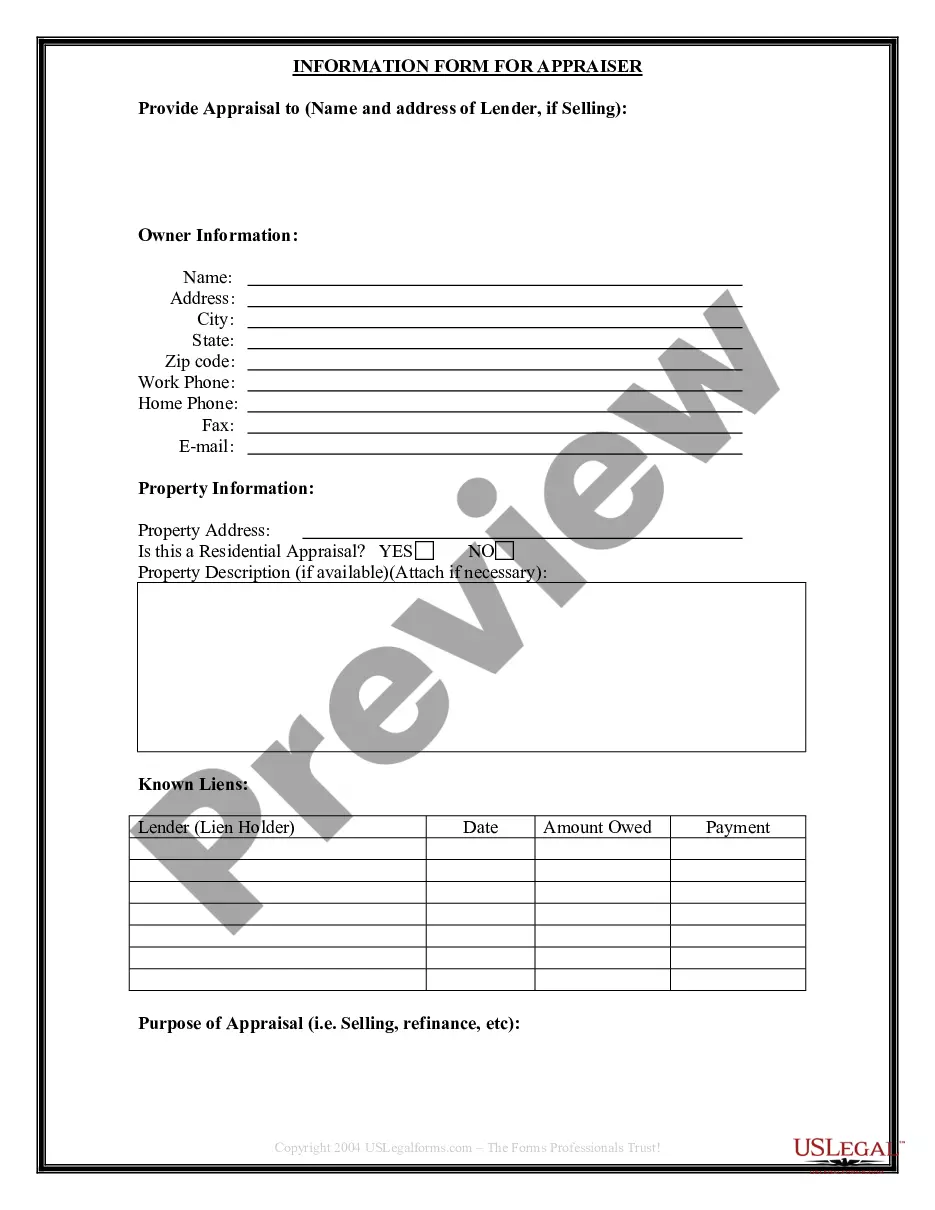
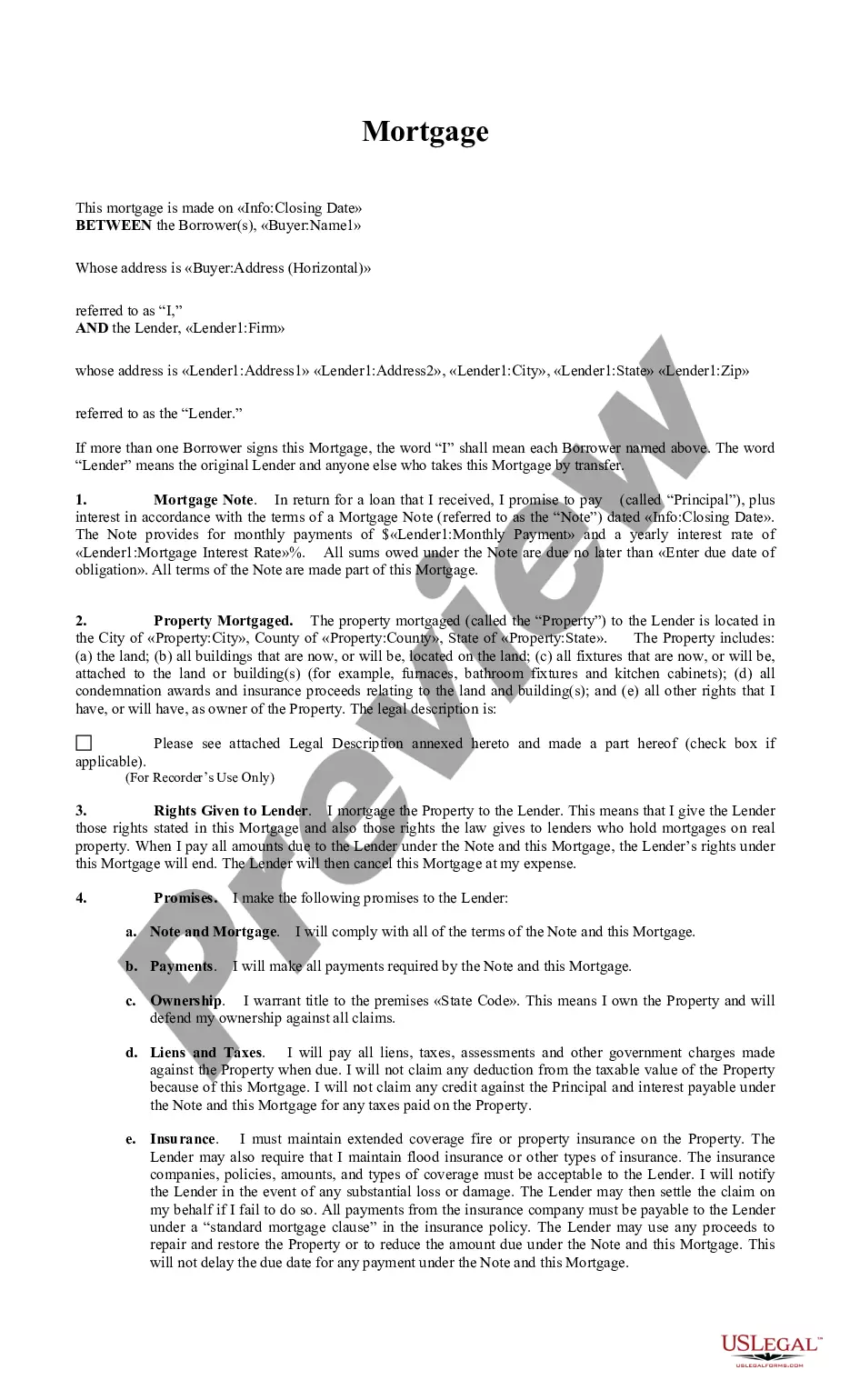
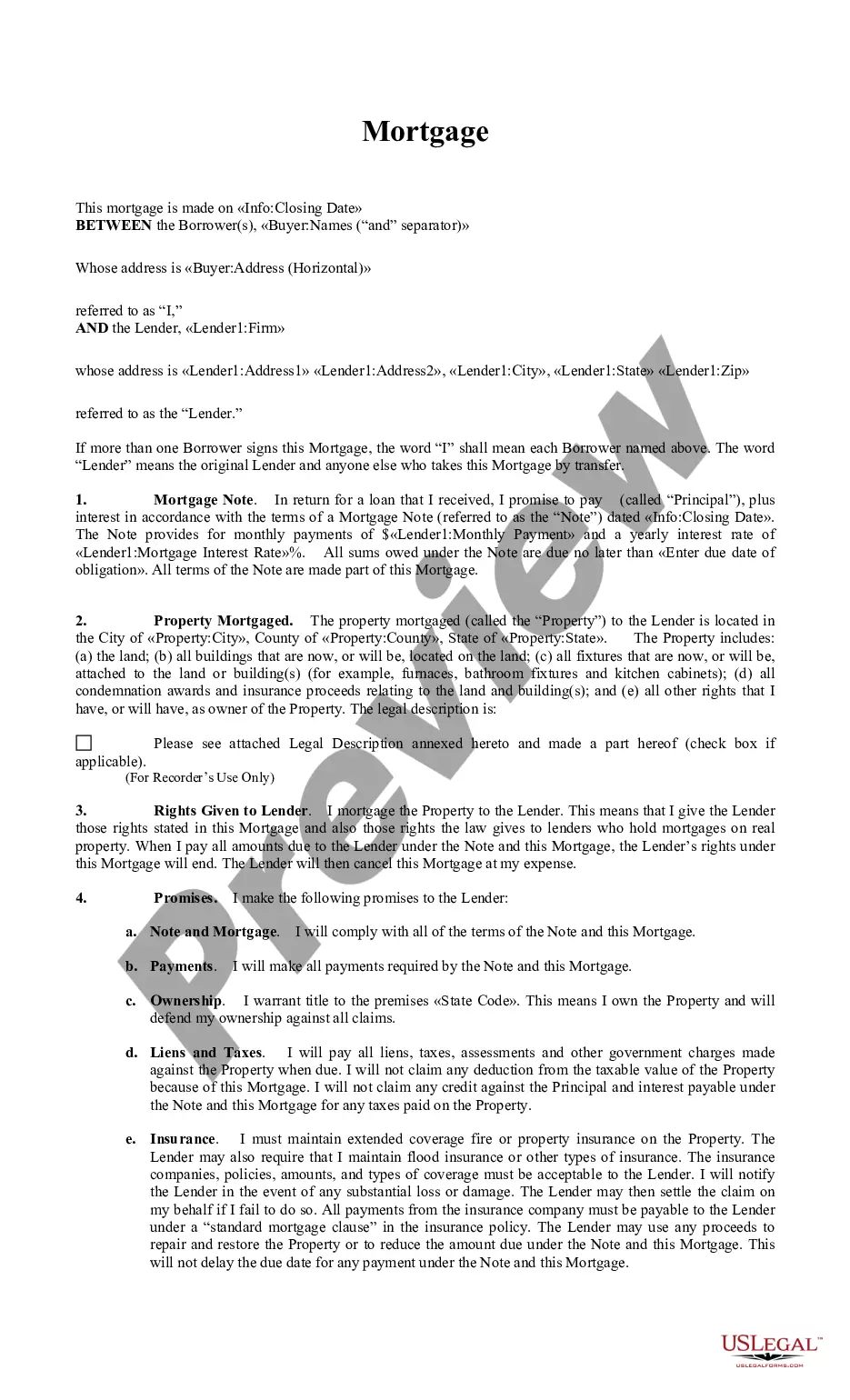
The Seller's Information for Appraiser provided to Buyer form is a legal document used in Rhode Island to facilitate property transactions. This form allows the Seller to provide the necessary information that an appraiser requires to assess the property before the Buyer completes the purchase. This form is essential for ensuring that the appraisal process flows efficiently and accurately, distinguishing it from other forms that may not specifically address appraisal needs.
What’s included in this form
- Seller's contact information
- Property address details
- Disclosure of any recent renovations or repairs
- Information regarding property taxes and utility services
- Any additional remarks or instructions for the appraiser


When to use this document
This form should be used when a Buyer is in the process of purchasing real estate in Rhode Island and needs to provide relevant information to an appraiser. It's typically utilized after an offer has been accepted, and before the appraisal is conducted, ensuring that the appraiser has access to all the pertinent details about the property.
Who can use this document
- Sellers of residential properties in Rhode Island
- Buyers looking to obtain a property appraisal
- Real estate agents facilitating transactions
Completing this form step by step
- Identify and enter the Seller's full contact information.
- Specify the property address, including city, state, and ZIP code.
- List any recent renovations or repairs made to the property.
- Provide information regarding property taxes and utility services.
- Include any additional remarks or special instructions for the appraiser.
Does this document require notarization?
This form does not typically require notarization unless specified by local law. However, it is always advisable to consult with a legal professional to ensure compliance with any specific requirements.
Get your form ready online
Our built-in tools help you complete, sign, share, and store your documents in one place.
Make edits, fill in missing information, and update formatting in US Legal Forms—just like you would in MS Word.
Download a copy, print it, send it by email, or mail it via USPS—whatever works best for your next step.
Sign and collect signatures with our SignNow integration. Send to multiple recipients, set reminders, and more. Go Premium to unlock E-Sign.
If this form requires notarization, complete it online through a secure video call—no need to meet a notary in person or wait for an appointment.
We protect your documents and personal data by following strict security and privacy standards.

Make edits, fill in missing information, and update formatting in US Legal Forms—just like you would in MS Word.

Download a copy, print it, send it by email, or mail it via USPS—whatever works best for your next step.

Sign and collect signatures with our SignNow integration. Send to multiple recipients, set reminders, and more. Go Premium to unlock E-Sign.

If this form requires notarization, complete it online through a secure video call—no need to meet a notary in person or wait for an appointment.

We protect your documents and personal data by following strict security and privacy standards.
Avoid these common issues
- Failing to include complete Seller contact information.
- Omitting crucial details about recent renovations.
- Not verifying the property address for accuracy.
- Neglecting to include instructions that may aid the appraiser.
Why complete this form online
- Convenience of easily downloadable and editable forms.
- Access to reliable templates drafted by licensed attorneys.
- Immediate access without the need for physical paperwork.
Quick recap
- The Seller's Information for Appraiser provided to Buyer is essential for efficient property appraisal.
- Accurate and complete information is critical to prevent delays in the buying process.
- This form is specific to Rhode Island, adhering to local laws and requirements.
Looking for another form?




Form popularity
FAQ
A property deed is a legal document that transfers the ownership of real estate from a seller to a buyer. For a deed to be legal it must state the name of the buyer and the seller, describe the property that is being transferred, and include the signature of the party that is transferring the property.
Who Must Make These Seller Disclosures in California. As a broad rule, all sellers of residential real estate property containing one to four units in California must complete and provide written disclosures to the buyer.
Buyers must sign off on all disclosures and reports. So it's important to review them carefully and ask questions if you need to. Full disclosure upfront is the way to go. Providing full disclosure can help a seller.
As a general rule it certainly is not a good idea for a buyer and seller to talk directly with each other during negotiations.Good communications between the buyer and seller are important, and that also means that both Realtors need to be good communicators, too.
The initial escrow disclosure statement. This document, which home buyers usually sign at closing, shows the specific charges you will pay into your escrow account each month (in accordance with the terms of your mortgage agreement). An escrow account is a special kind of account used to pay property-related expenses.
A property deed is an official document used to transfer ownership from the buyer to the seller. The deed should not be confused with the house title, which refers to a home's history of ownership. During closing, the newly signed deed is collected by the county recorder and made public.
For sellers, it can also be advantageous to pre-sign all necessary documents to expedite the funding process on the day of closing. Although it is often thought of as customary for sellers to wait to sign until after the buyer has signed, this is unnecessary and can delay the process.
While your lender will typically arrange for an appraisal, the buyer is ultimately responsible for the cost. Generally appraisal fees range between $450 and $750, depending on the size and location of your property.
Keys, codes, and garage door openers to the house. Cashier's checks for closing costs and repair credits. Personal checkbook. Time, date, and location of the closing. Government-issued identification. Your writing hand (and maybe your lucky pen)