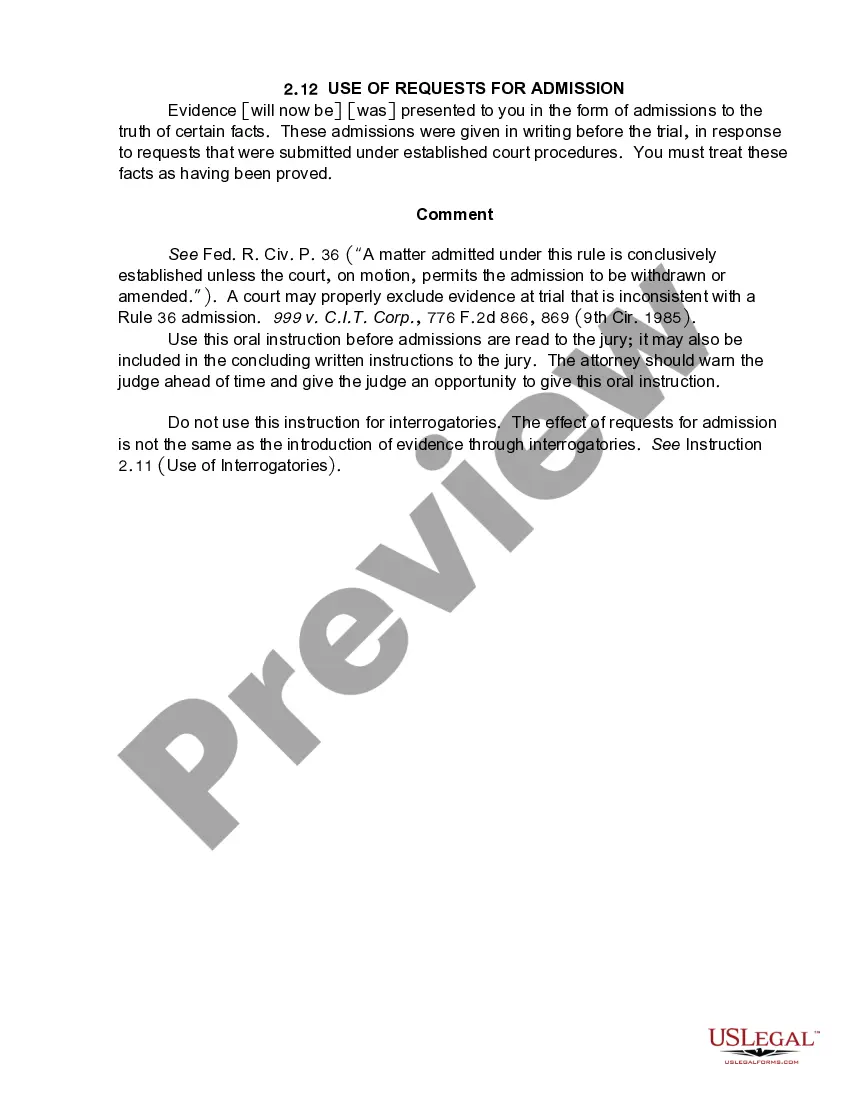
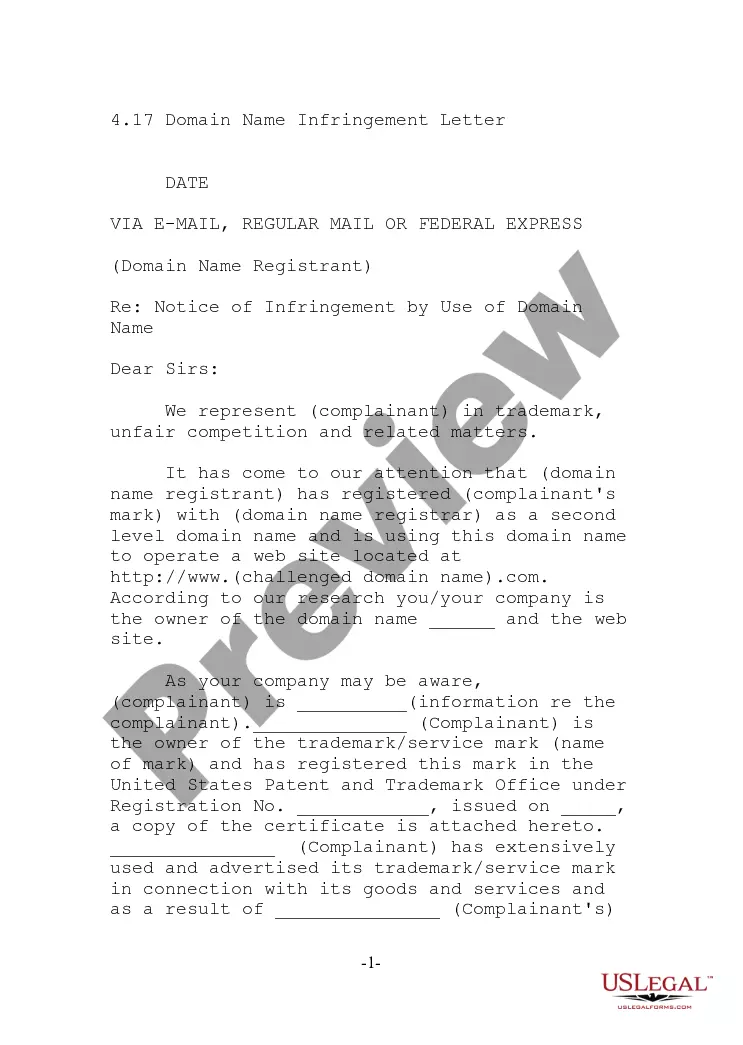
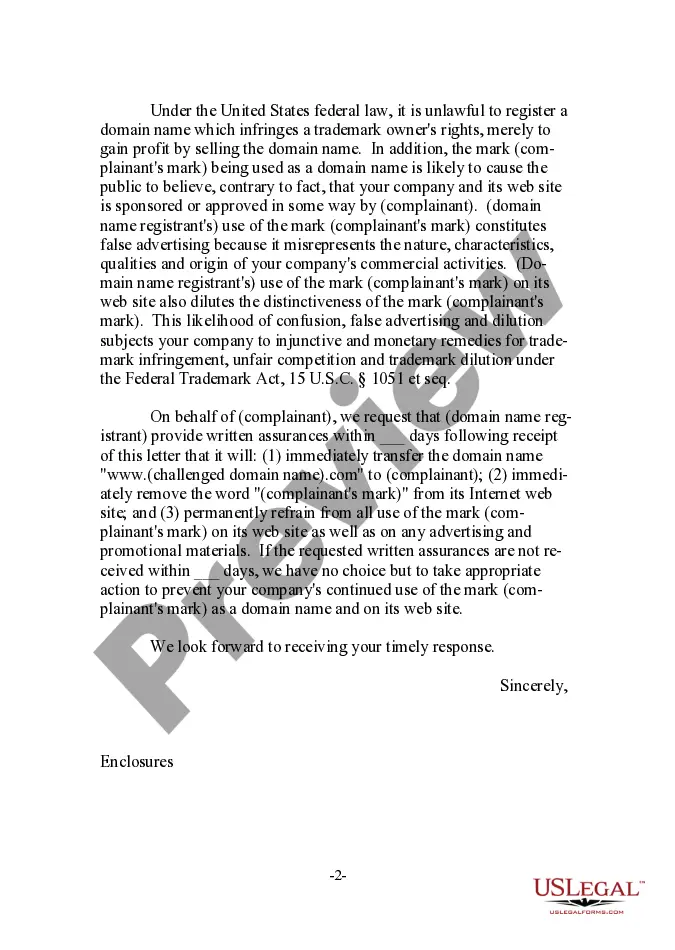
Puerto Rico Domain Name Infringement Letter
Description
Get your form ready online
Our built-in tools help you complete, sign, share, and store your documents in one place.
Make edits, fill in missing information, and update formatting in US Legal Forms—just like you would in MS Word.
Download a copy, print it, send it by email, or mail it via USPS—whatever works best for your next step.
Sign and collect signatures with our SignNow integration. Send to multiple recipients, set reminders, and more. Go Premium to unlock E-Sign.
If this form requires notarization, complete it online through a secure video call—no need to meet a notary in person or wait for an appointment.
We protect your documents and personal data by following strict security and privacy standards.
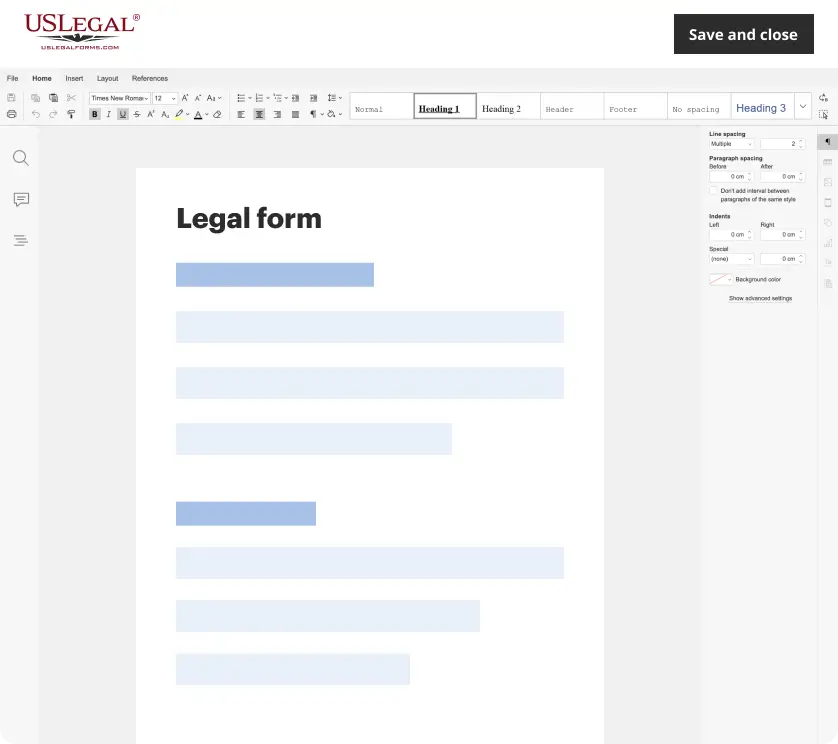
Make edits, fill in missing information, and update formatting in US Legal Forms—just like you would in MS Word.
Download a copy, print it, send it by email, or mail it via USPS—whatever works best for your next step.
Sign and collect signatures with our SignNow integration. Send to multiple recipients, set reminders, and more. Go Premium to unlock E-Sign.
If this form requires notarization, complete it online through a secure video call—no need to meet a notary in person or wait for an appointment.
We protect your documents and personal data by following strict security and privacy standards.
Looking for another form?
How to fill out Domain Name Infringement Letter?
You can spend hrs on-line trying to find the lawful record template that suits the state and federal requirements you will need. US Legal Forms supplies 1000s of lawful varieties which are evaluated by experts. It is possible to download or produce the Puerto Rico Domain Name Infringement Letter from the services.
If you currently have a US Legal Forms account, you may log in and then click the Down load button. Following that, you may total, edit, produce, or signal the Puerto Rico Domain Name Infringement Letter. Every lawful record template you get is yours eternally. To obtain an additional version for any purchased form, visit the My Forms tab and then click the related button.
If you use the US Legal Forms web site the first time, follow the basic recommendations listed below:
- Initially, make certain you have selected the proper record template for that county/town of your choice. Browse the form information to ensure you have picked out the appropriate form. If readily available, take advantage of the Preview button to appear from the record template also.
- If you wish to locate an additional version from the form, take advantage of the Look for industry to find the template that fits your needs and requirements.
- When you have found the template you need, click on Get now to move forward.
- Select the prices plan you need, key in your credentials, and sign up for a free account on US Legal Forms.
- Comprehensive the purchase. You may use your charge card or PayPal account to cover the lawful form.
- Select the file format from the record and download it to your device.
- Make modifications to your record if required. You can total, edit and signal and produce Puerto Rico Domain Name Infringement Letter.
Down load and produce 1000s of record templates using the US Legal Forms site, that provides the greatest variety of lawful varieties. Use professional and condition-specific templates to handle your organization or individual requirements.
Form popularity
FAQ
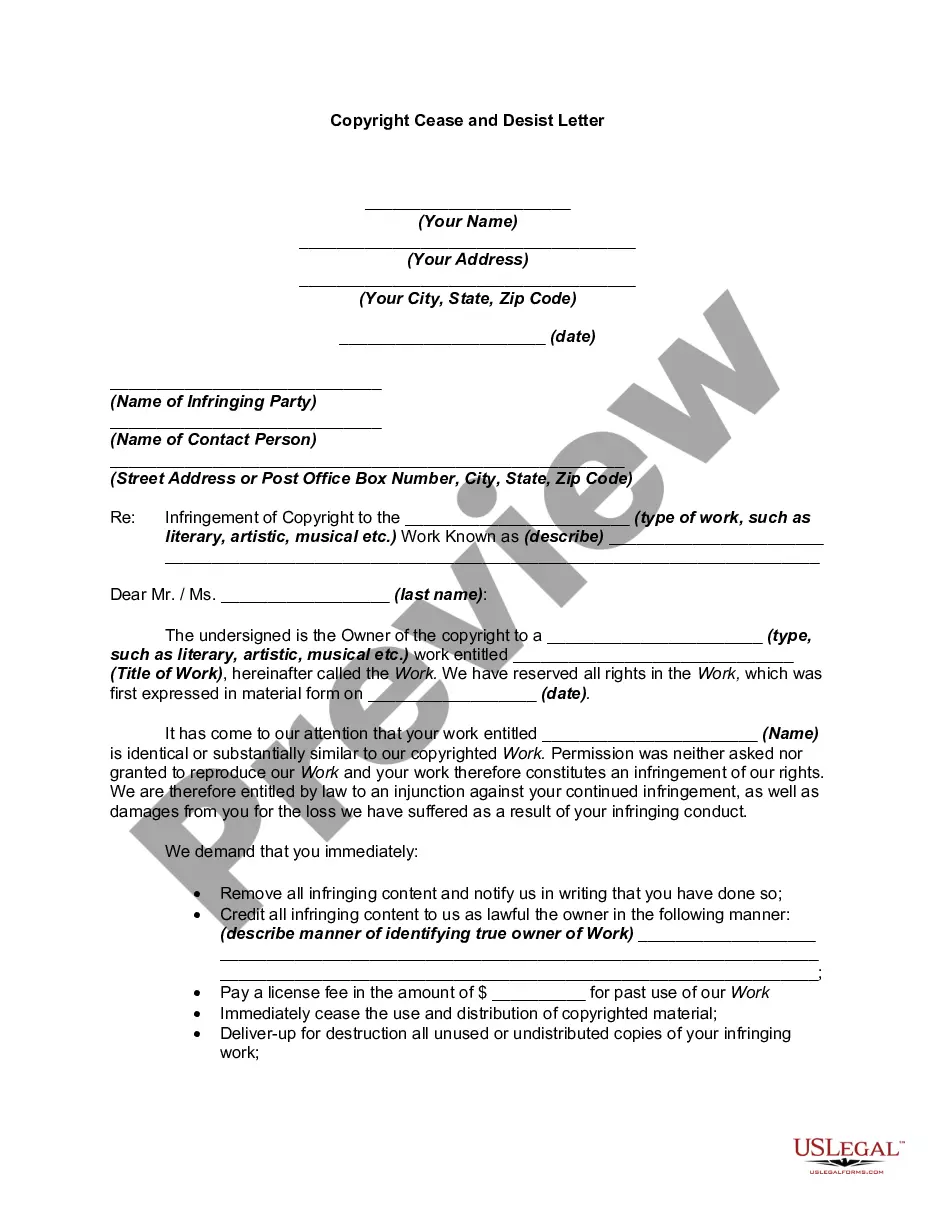
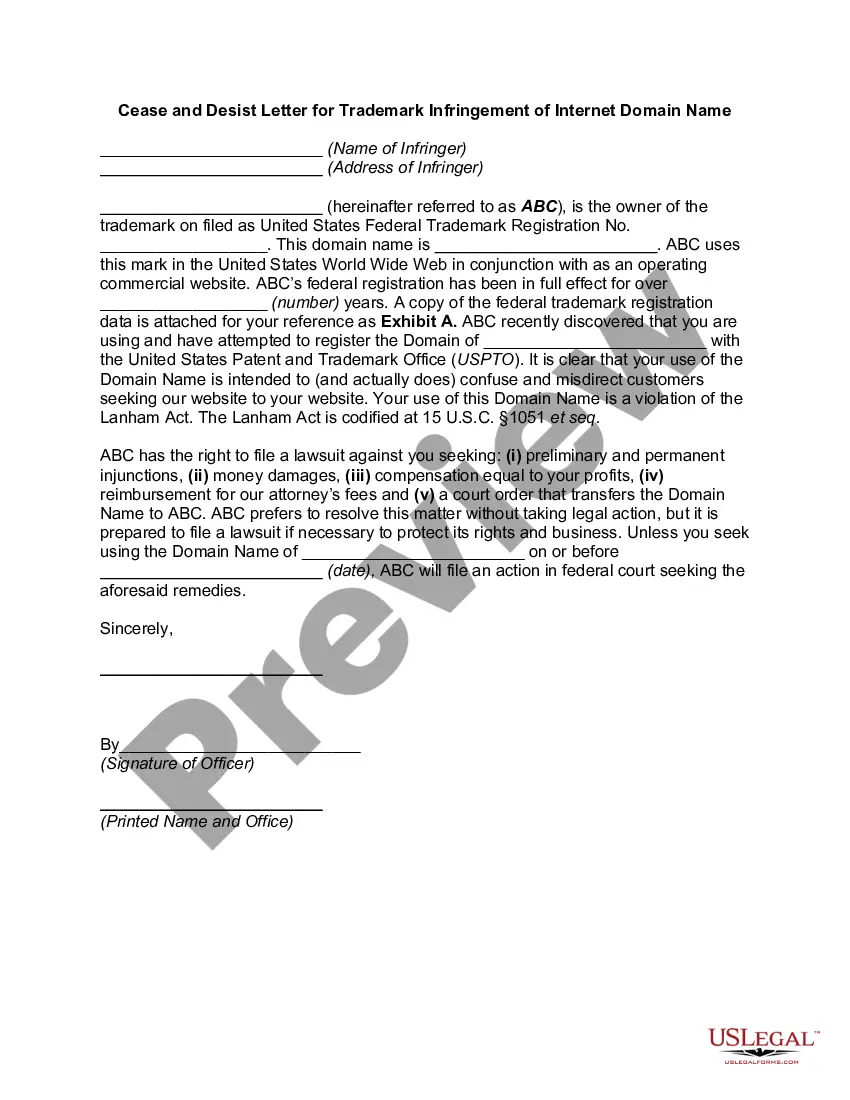
Dear [Infringer's Name]: We have recently discovered that your business is using the mark [mark/domain] for your service or product. We believe your use infringes on our ownership of the [registered trademark/domain] mark. We learned of your use of the same or similar [mark/domain] mark on [date].
In relation to this general concept, domain name trademark infringement thus occurs when a person or entity acquires and/or uses a domain name that is otherwise protected by a trademark.
Trademarks are registered only for specific goods and services; domain names are not. So, for example, only one person in the world can own delta.com, even though many companies own a trademark registration for the word DELTA for various goods and services.
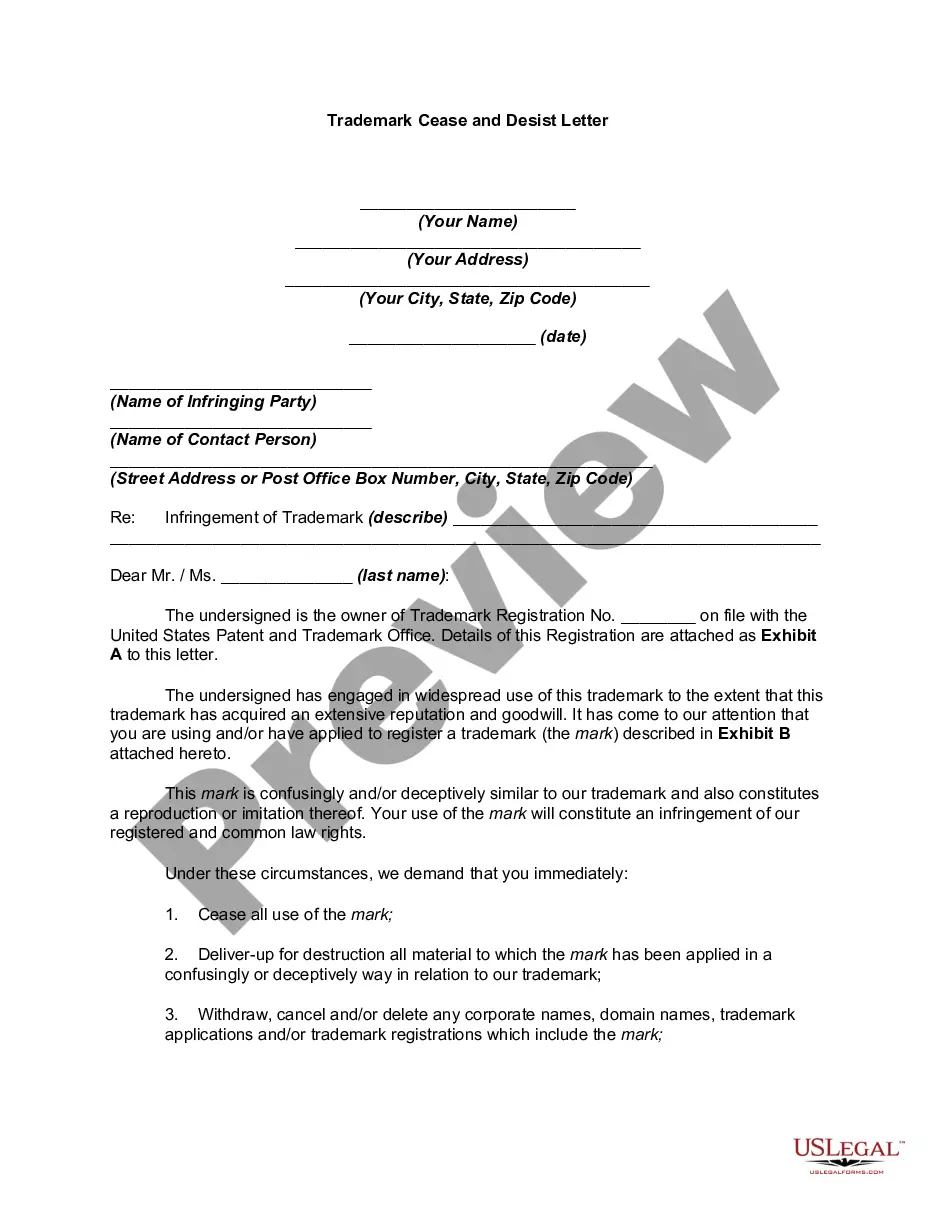
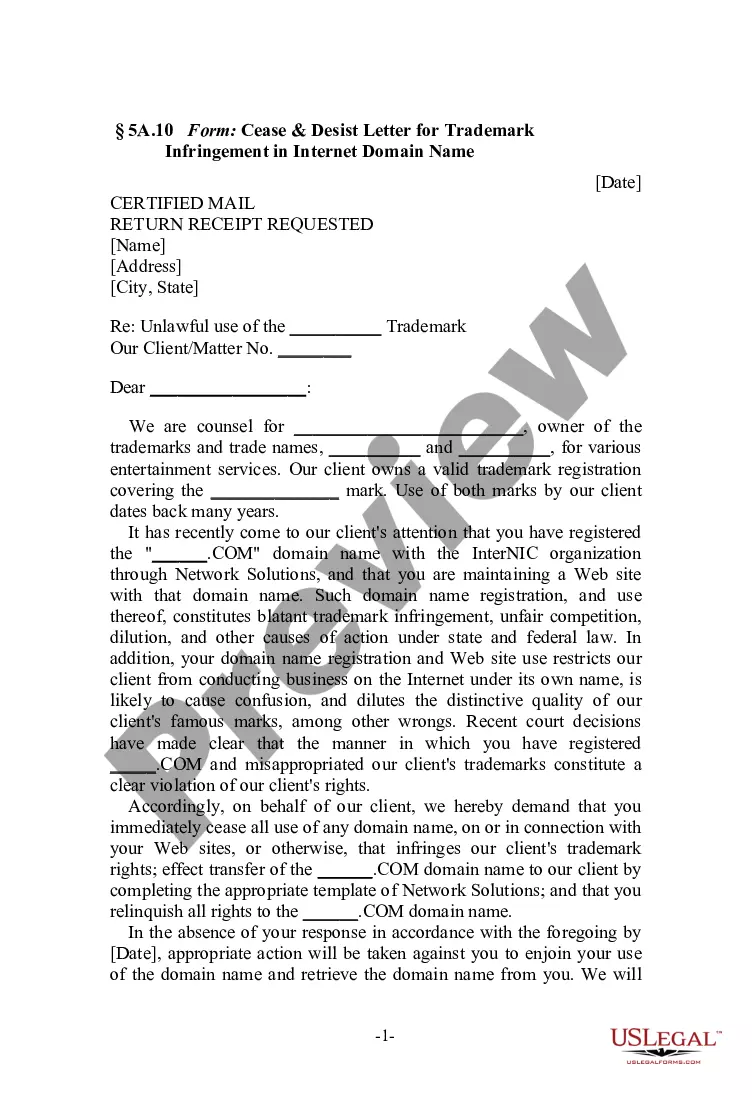
Once a trademark owner becomes aware that a third party is infringing its trademark, the first step frequently is to send the infringing party a cease and desist letter as opposed to immediately resorting to filing a legal complaint, seeking a declaratory judgment, or filing a temporary restraining order.
But when someone intentionally tries to violate your trademark by registering a domain under false pretenses?a practice commonly known as ?cybersquatting??there are legal remedies available to enforce your intellectual property rights.
Dear [Infringer's Name]: We have recently discovered that your business is using the mark [mark/domain] for your service or product. We believe your use infringes on our ownership of the [registered trademark/domain] mark. We learned of your use of the same or similar [mark/domain] mark on [date].
A domain name cease and desist letter is usually written by an attorney, although sometimes it's written by the trademark owner. The letter is not a court order, so it isn't legally enforceable. The letter contains your opinion, while notifying the offender that they're intruding upon your trademark.
This type of domain infringement is similar to cybersquatting but occurs when the domain name holder registers a famous trademark. Competing use. Courts have prohibited such behavior from occurring. But competing claims is a complex field that still gets tangled up in many legal disputes.