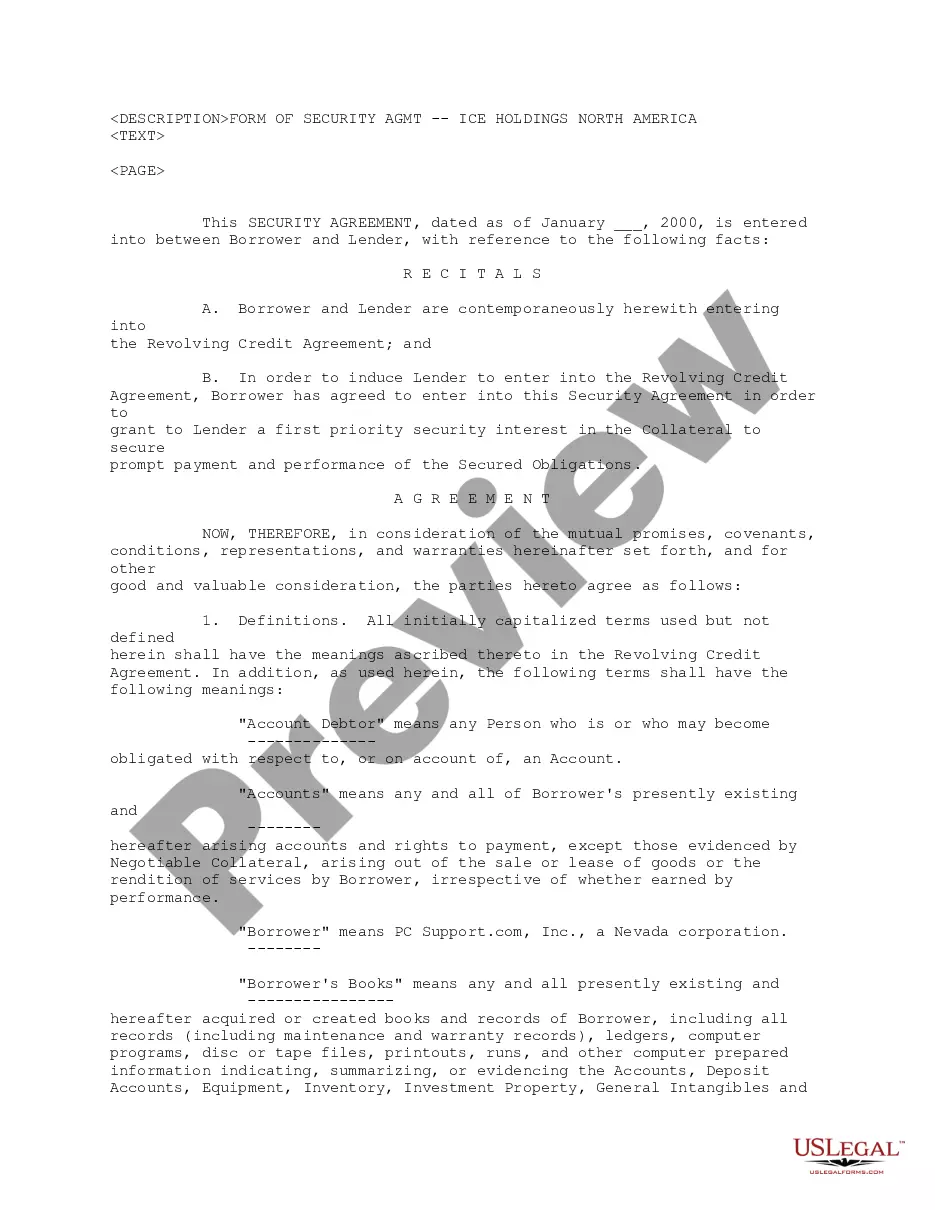
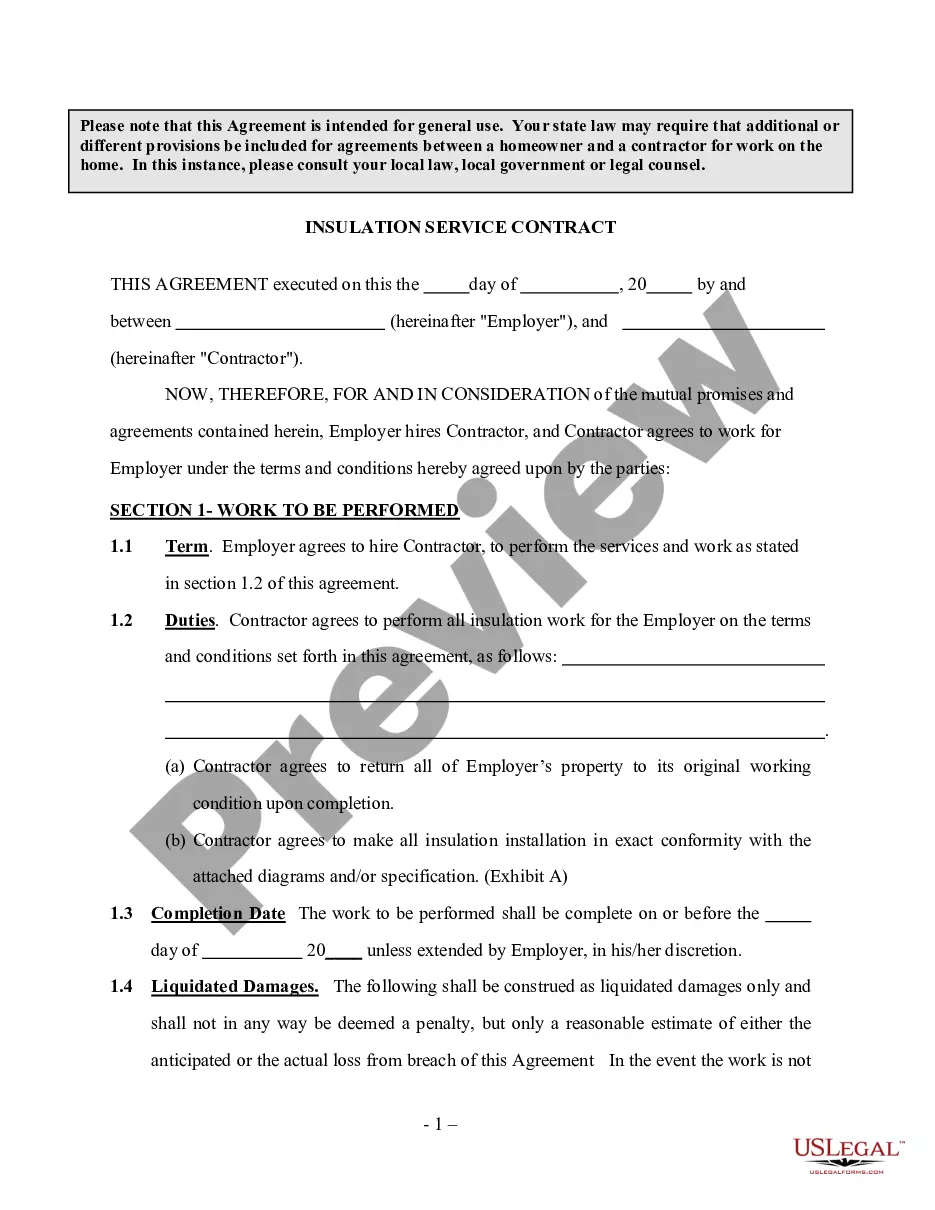
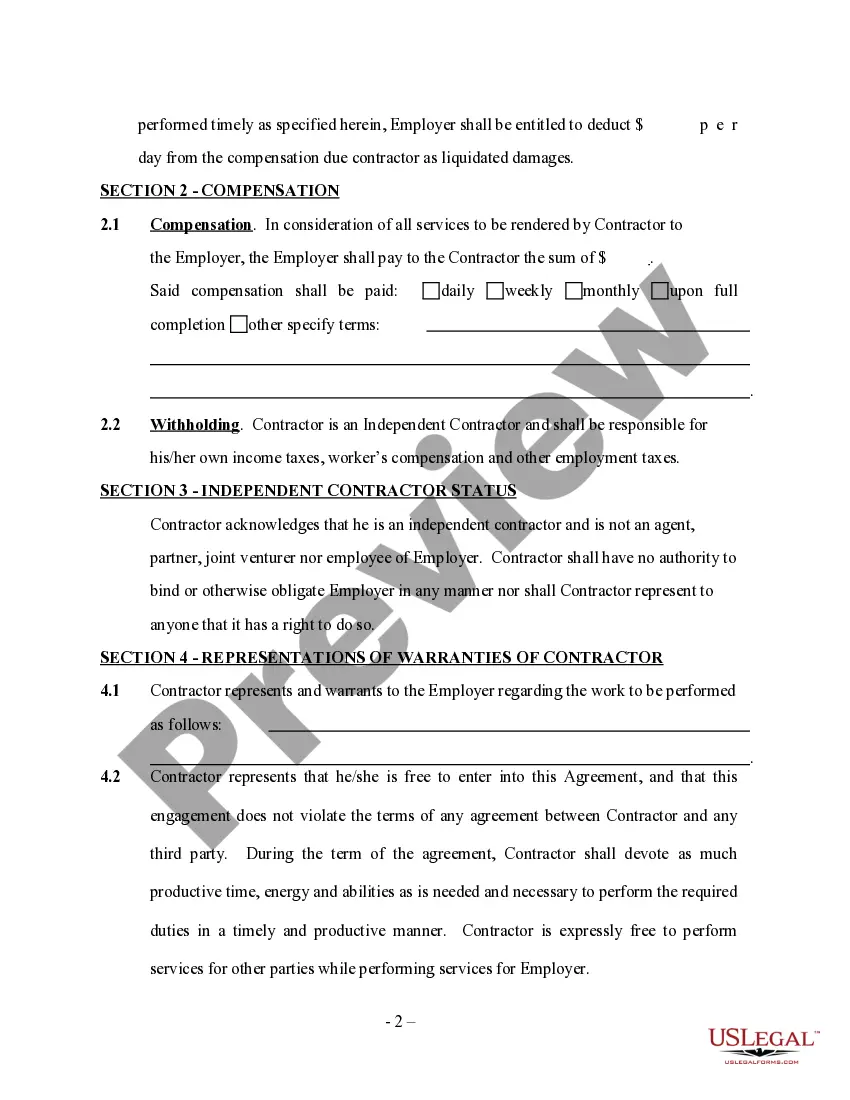
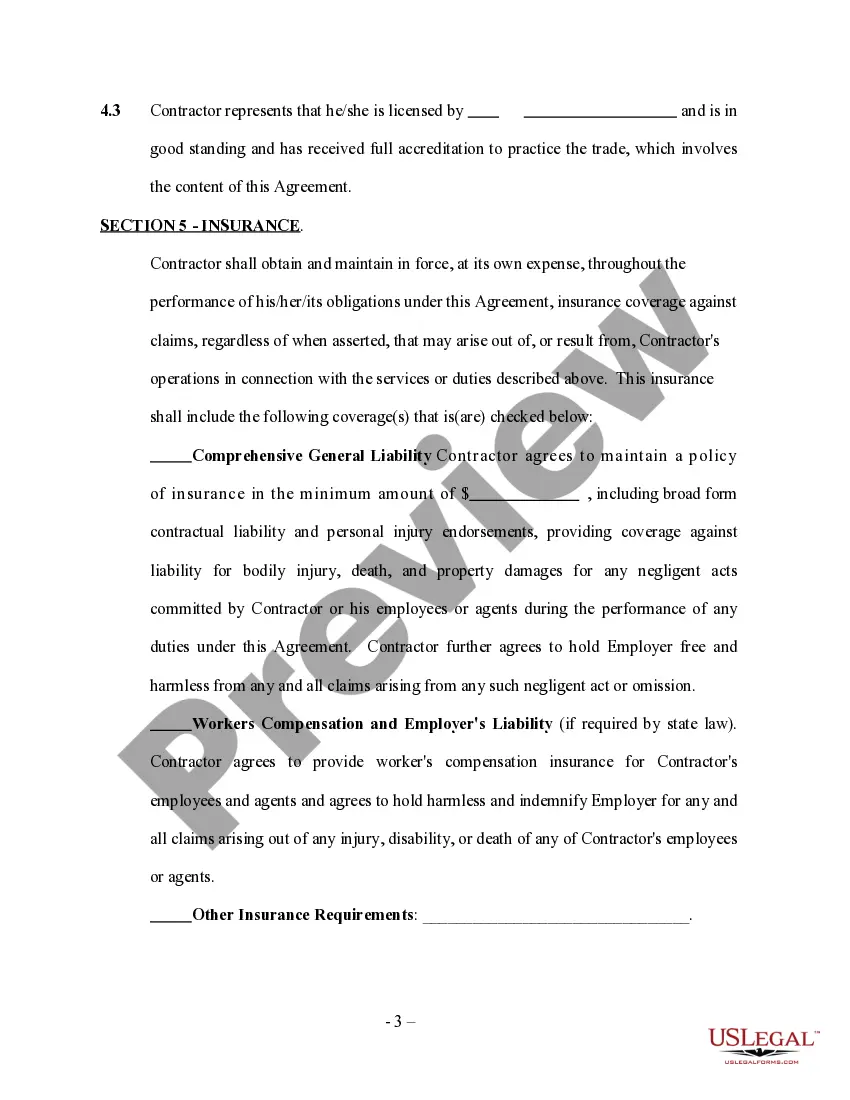
Employer contracts with an independent contractor to provide and install insulation as specified and agreed upon in the contract. Please note that this Agreement is intended for general use. Your state law may require that additional or different provisions be included for agreements between a homeowner and a contractor for work on the home. In this instance, please consult your local law, local government or legal counsel.
Puerto Rico Insulation Services Contract - Self-Employed
State:
Multi-State
Control #:
US-INDC-104
Format:
Word;
Rich Text
Instant download
Description
Free preview
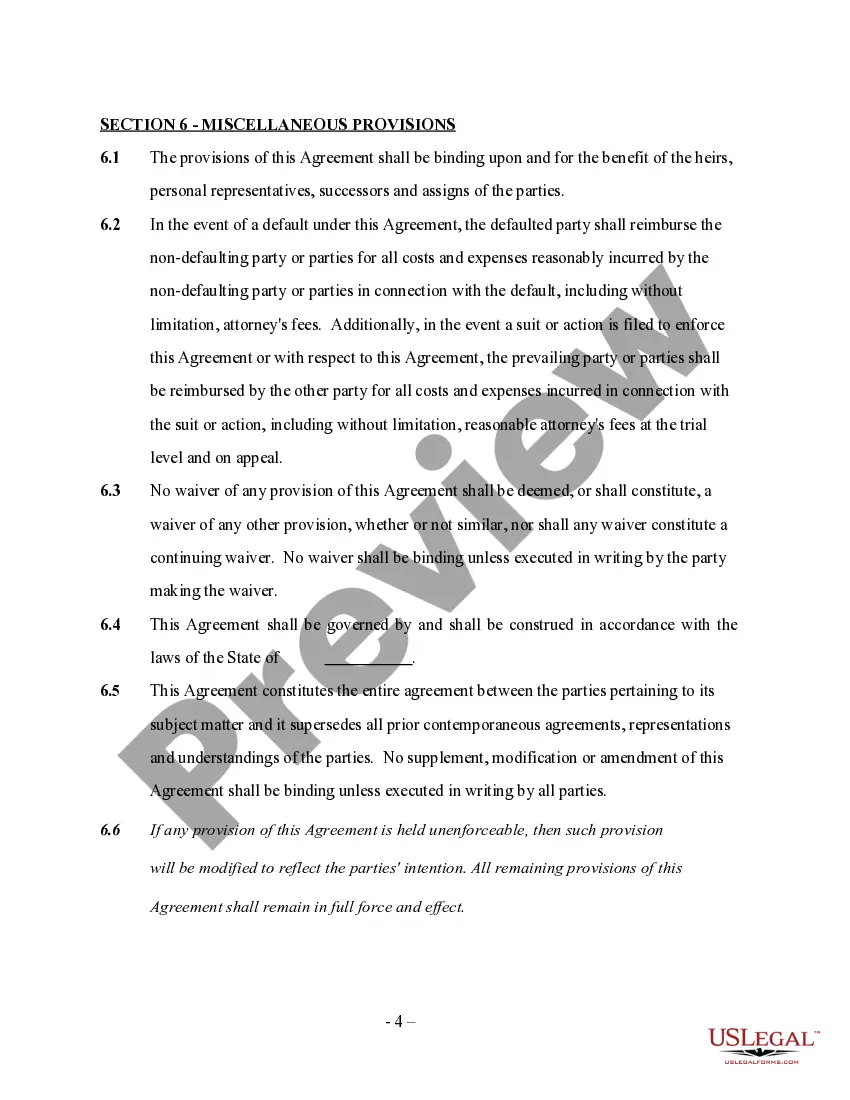
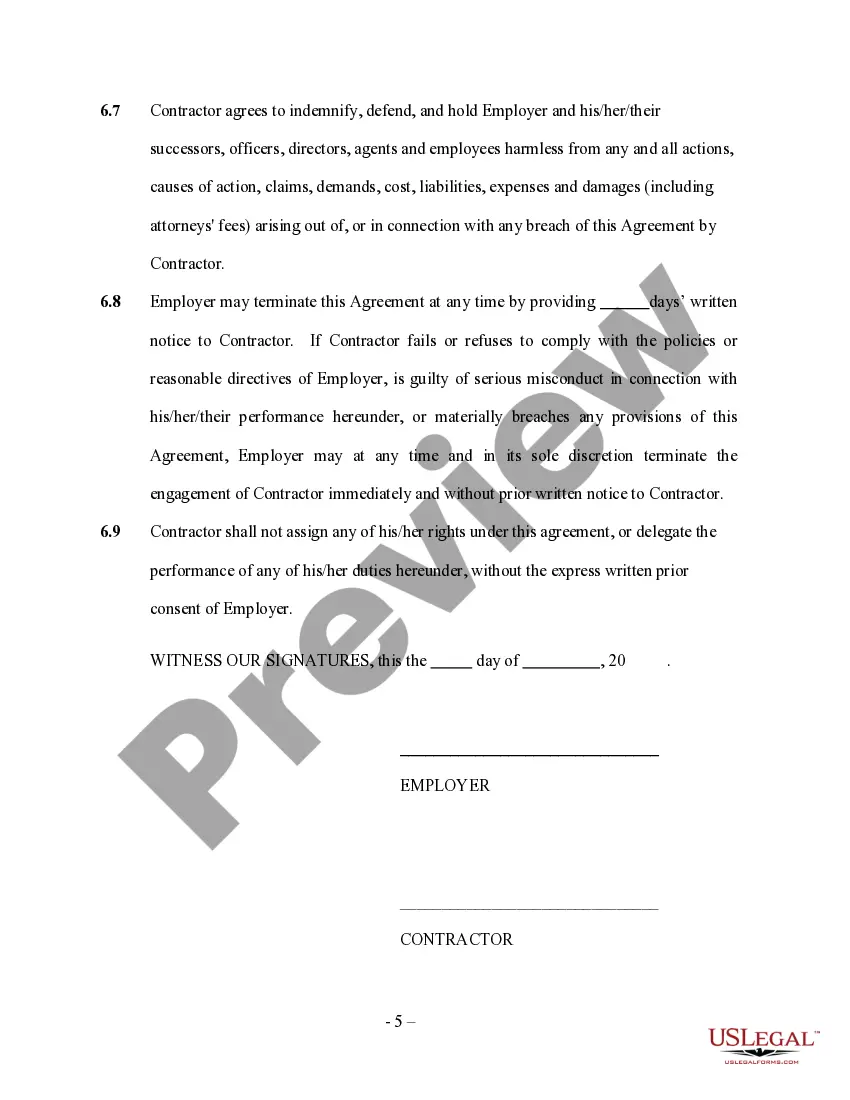
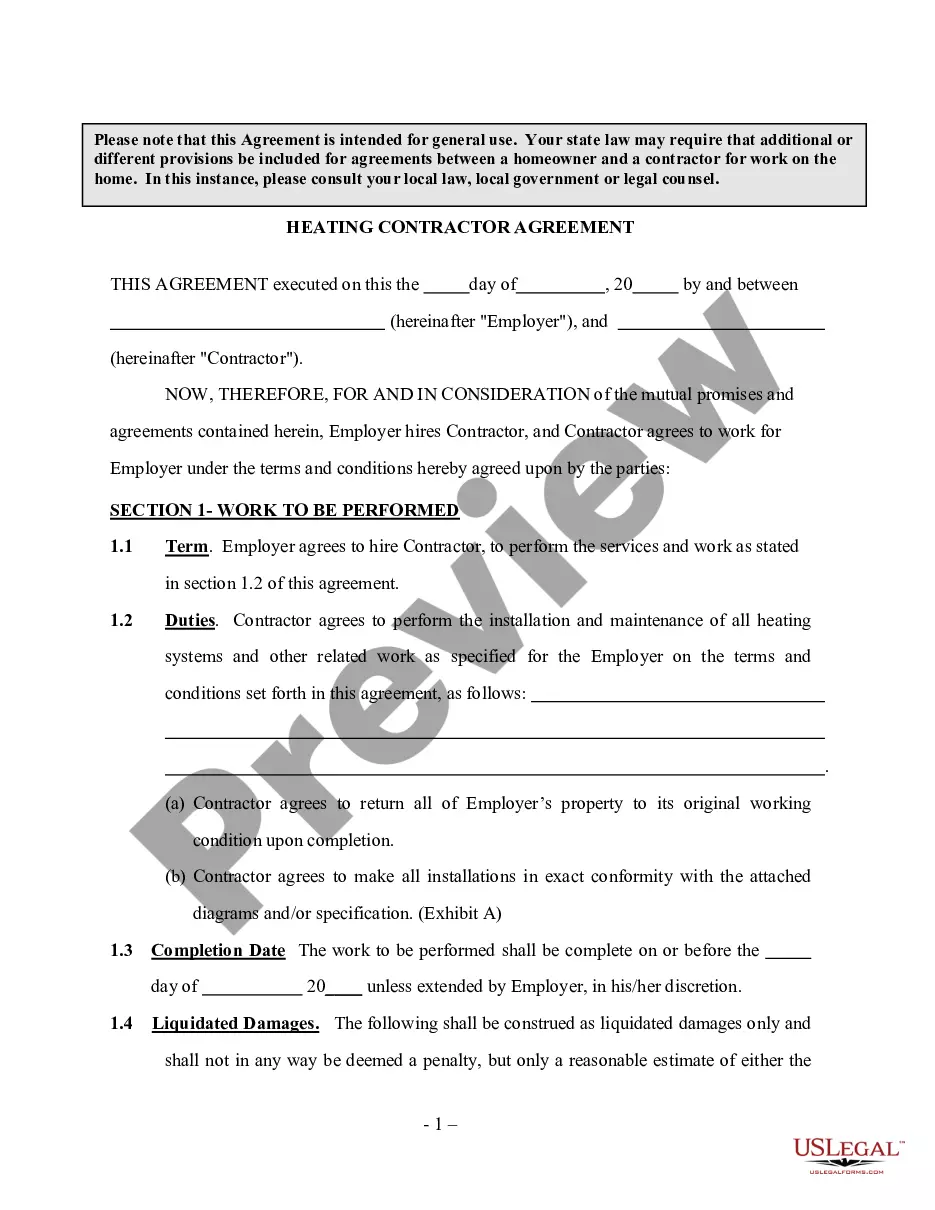
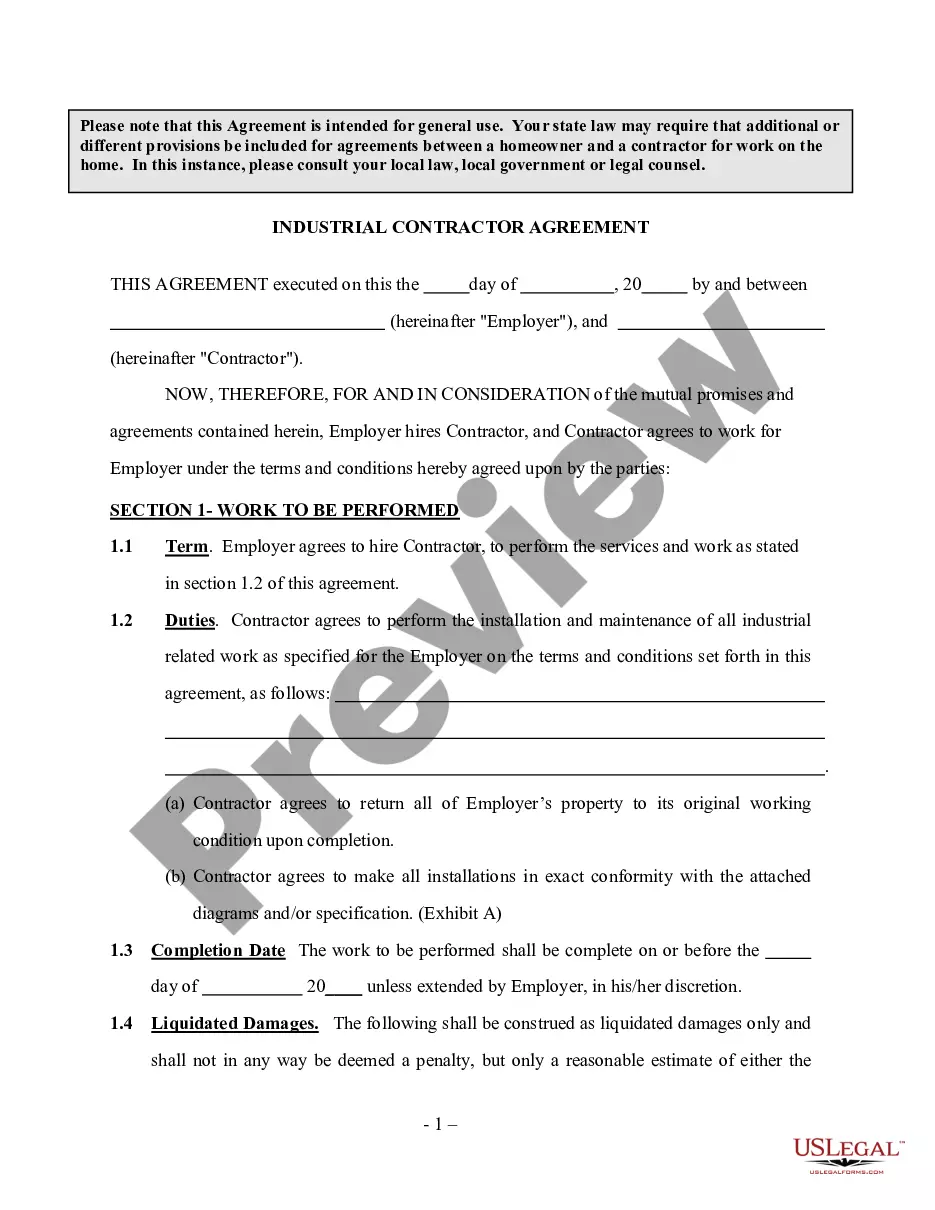
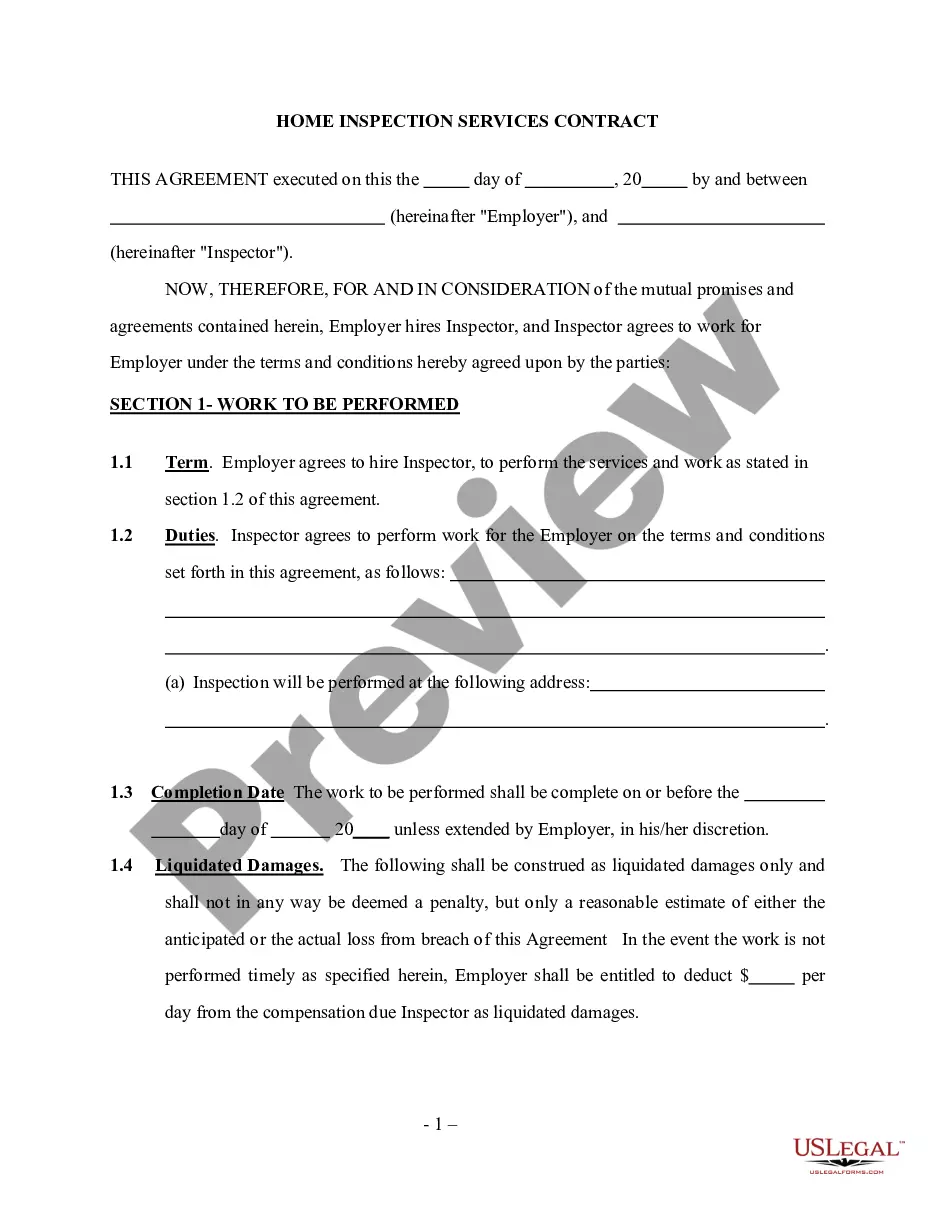
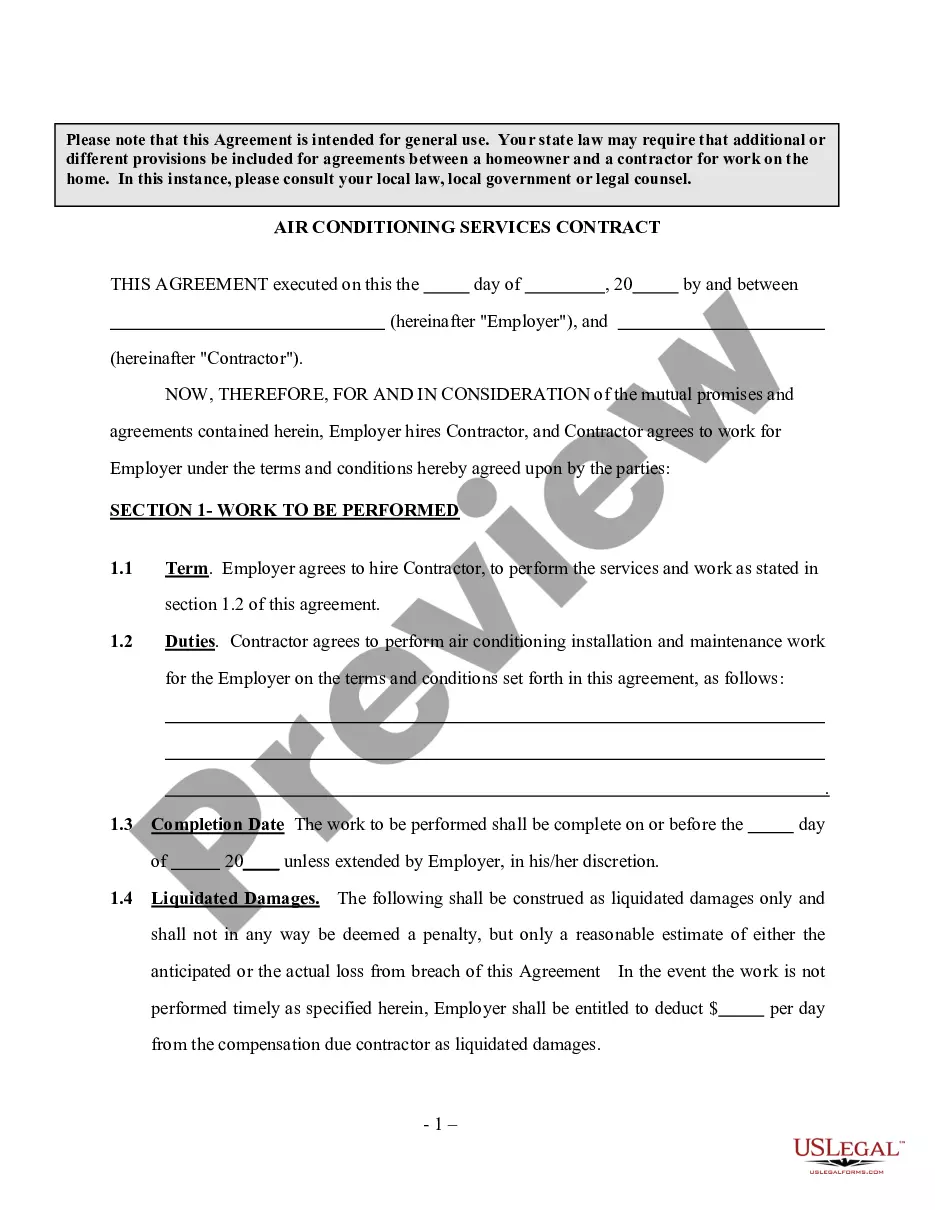
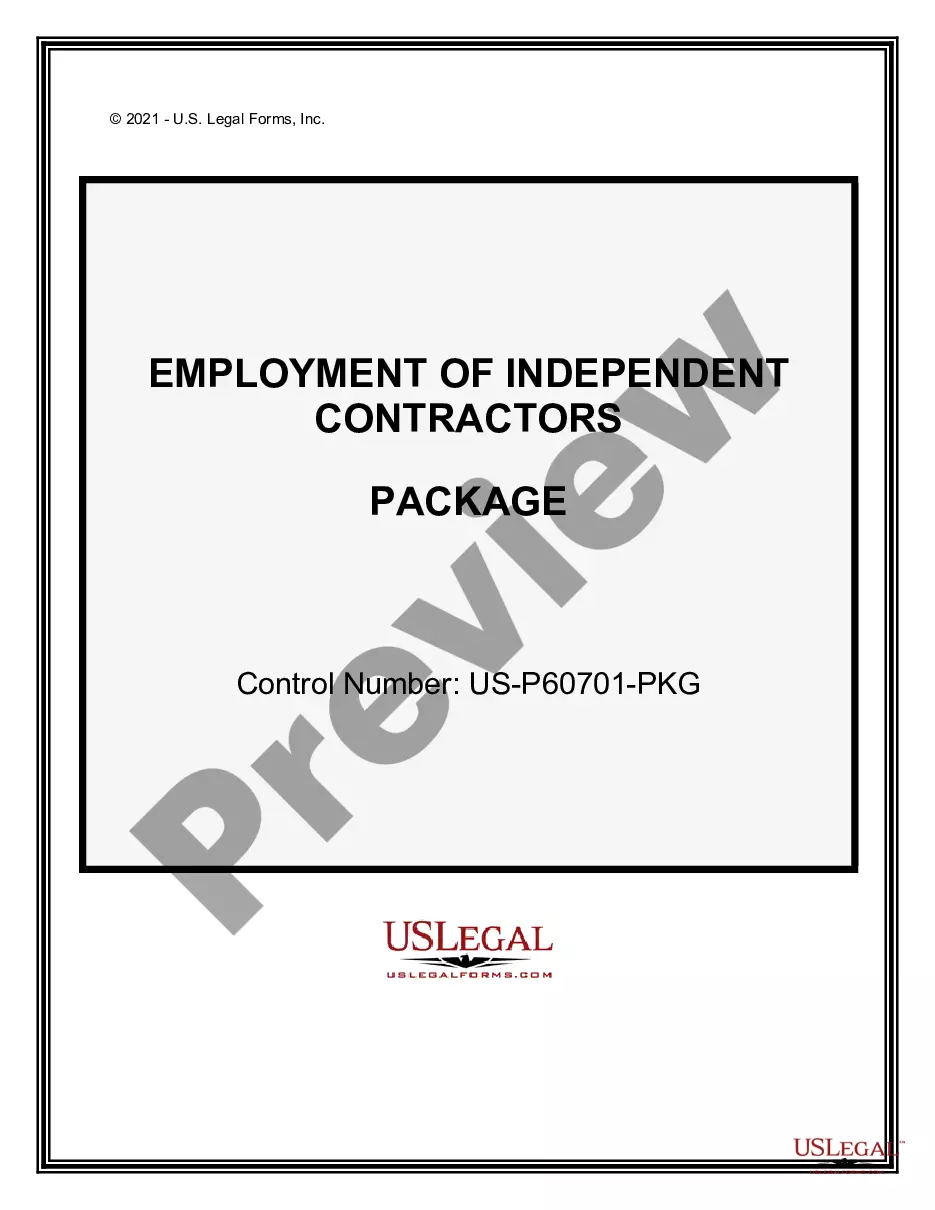
Get your form ready online
Our built-in tools help you complete, sign, share, and store your documents in one place.
Built-in online Word editor
Make edits, fill in missing information, and update formatting in US Legal Forms—just like you would in MS Word.
Export easily
Download a copy, print it, send it by email, or mail it via USPS—whatever works best for your next step.
E-sign your document
Sign and collect signatures with our SignNow integration. Send to multiple recipients, set reminders, and more. Go Premium to unlock E-Sign.
Notarize online 24/7
If this form requires notarization, complete it online through a secure video call—no need to meet a notary in person or wait for an appointment.
Store your document securely
We protect your documents and personal data by following strict security and privacy standards.

Make edits, fill in missing information, and update formatting in US Legal Forms—just like you would in MS Word.

Download a copy, print it, send it by email, or mail it via USPS—whatever works best for your next step.

Sign and collect signatures with our SignNow integration. Send to multiple recipients, set reminders, and more. Go Premium to unlock E-Sign.

If this form requires notarization, complete it online through a secure video call—no need to meet a notary in person or wait for an appointment.

We protect your documents and personal data by following strict security and privacy standards.
Looking for another form?
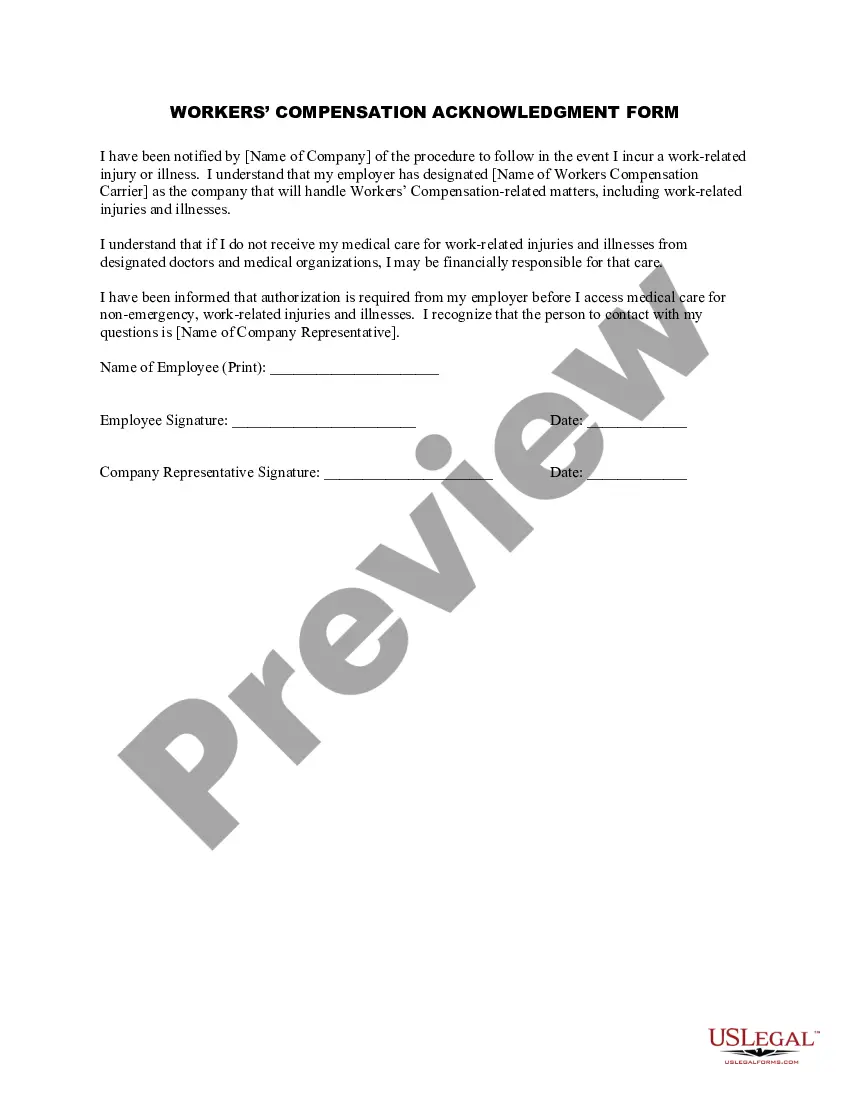



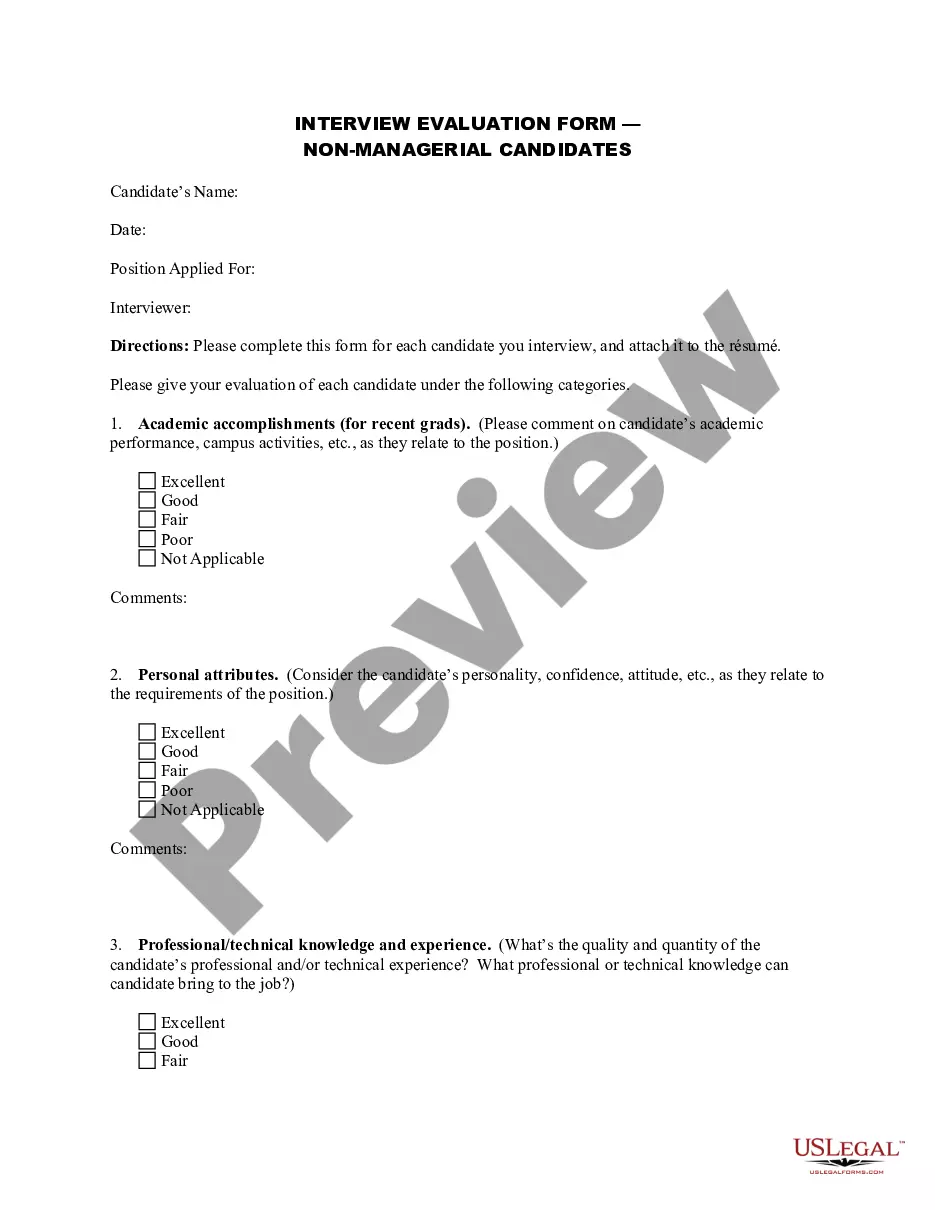
How to fill out Insulation Services Contract - Self-Employed?
US Legal Forms - one of the largest collections of legal documents in the United States - provides a variety of legal form templates that you can download or print.
By using the website, you can access thousands of forms for business and personal purposes, organized by categories, states, or keywords. You can find the most recent versions of forms like the Puerto Rico Insulation Services Contract - Self-Employed in a matter of seconds.
If you already hold a subscription, Log In to download the Puerto Rico Insulation Services Contract - Self-Employed from the US Legal Forms library. The Download button will appear on each form you view. You can access all previously downloaded forms from the My documents section of your account.
Complete the purchase. Use your credit card or PayPal account to finalize the transaction.
Select the format and download the form to your device. Edit. Fill out, modify, print, and sign the downloaded Puerto Rico Insulation Services Contract - Self-Employed. Every template you add to your account has no expiration date and is yours permanently. So, if you need to download or print another copy, simply visit the My documents section and click on the form you wish to access. Obtain the Puerto Rico Insulation Services Contract - Self-Employed through US Legal Forms, one of the most comprehensive libraries of legal document templates. Leverage thousands of professional and state-specific templates that meet your business or personal requirements.
- Ensure you have selected the correct form for your city/state.
- Click the Preview button to review the form's content.
- Read the form details to confirm you have chosen the correct form.
- If the form does not meet your needs, utilize the Search bar at the top of the page to find one that does.
- If you are satisfied with the form, confirm your selection by clicking the Acquire now button.
- Then, choose the payment plan you prefer and provide your details to register for an account.
Form popularity
FAQ
Hiring independent contractors as a sole proprietor requires clear communication of your expectations and project details. Start by creating a job description that aligns with your needs. When negotiating terms, ensure they reflect the standards of the Puerto Rico Insulation Services Contract - Self-Employed. You can also utilize platforms like US Legal Forms to draft contracts that protect both parties involved.
Writing an independent contractor agreement involves outlining key terms such as project description, payment methods, and project timelines. Focus on clarity and specificity to avoid misunderstandings later. Furthermore, ensure that the agreement adheres to Puerto Rico Insulation Services Contract - Self-Employed standards. Resources, such as the US Legal Forms platform, provide customizable templates that can streamline this task.
When filling out an independent contractor form, provide your personal information, including your name and contact details. Clearly outline the services you offer, the payment structure, and any relevant timelines. Make sure to check for legal compliance with local laws, especially regarding Puerto Rico Insulation Services Contract - Self-Employed. Using resources like US Legal Forms can help you find forms that are ready to use.
Filling out an independent contractor agreement involves specifying the scope of work, payment terms, and deadlines. Ensure you include both parties' legal names, contact information, and signatures. It's wise to review a template or example, particularly one tailored for Puerto Rico Insulation Services Contract - Self-Employed, to ensure all crucial elements are included. The US Legal Forms platform offers handy templates that can simplify this process.
To establish yourself as an independent contractor in Puerto Rico, start by determining the specific services you will offer. Create a business plan that outlines your goals and methods. Register your business with the appropriate local authorities to comply with Puerto Rico Insulation Services Contract - Self-Employed requirements. Finally, consider obtaining the necessary permits and licenses to ensure you're legally allowed to operate.
The basic elements required for the agreement to be a legally enforceable contract are: mutual assent, expressed by a valid offer and acceptance; adequate consideration; capacity; and legality.
(a) Generally, prospective prime contractors are responsible for determining the responsibility of their prospective subcontractors (but see 9.405 and 9.405-2 regarding debarred, ineligible, or suspended firms).
The contract should state who pays which expenses. The contractor is usually responsible for all expenses including mileage, vehicle maintenance, and other business travel costs; work supplies and tools; licenses, fees, and permits; phone and internet expenses; and payments to employees or subcontractors.
10 steps to setting up as a contractor:Research the regulations and responsibilities surrounding contractors.Be prepared to leave your permanent role and set up as a limited company.Consider your tax position and understand IR35.Decide whether to form a limited company or join an umbrella organisation.More items...?03-Mar-2019
The prime contractor is responsible for managing its subcontracts, per FAR 42.202(e)(2). The prime contractor is primarily responsible for subcontract award, technical and financial performance, monitoring, and payment to the subcontractor for the work accomplished under subcontract terms.