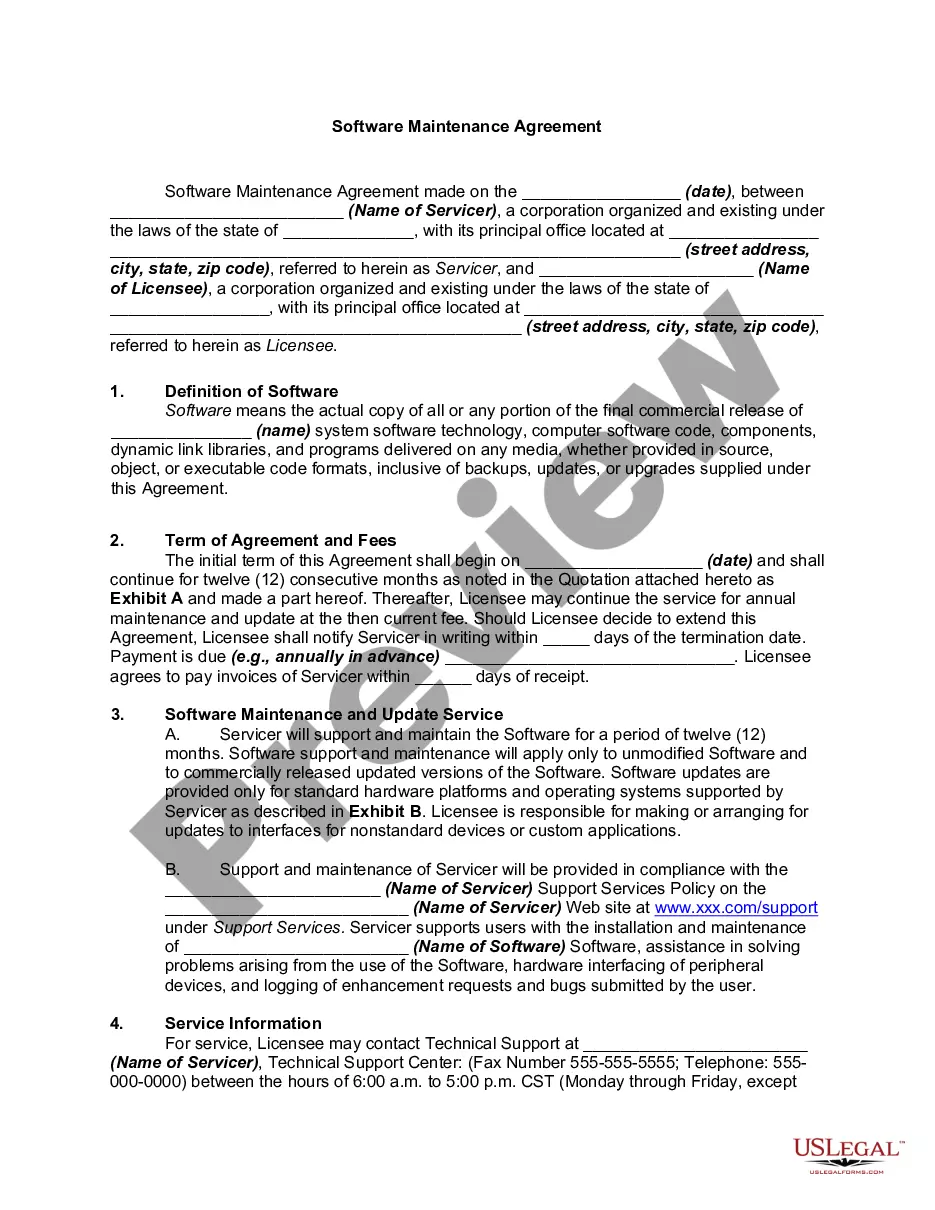
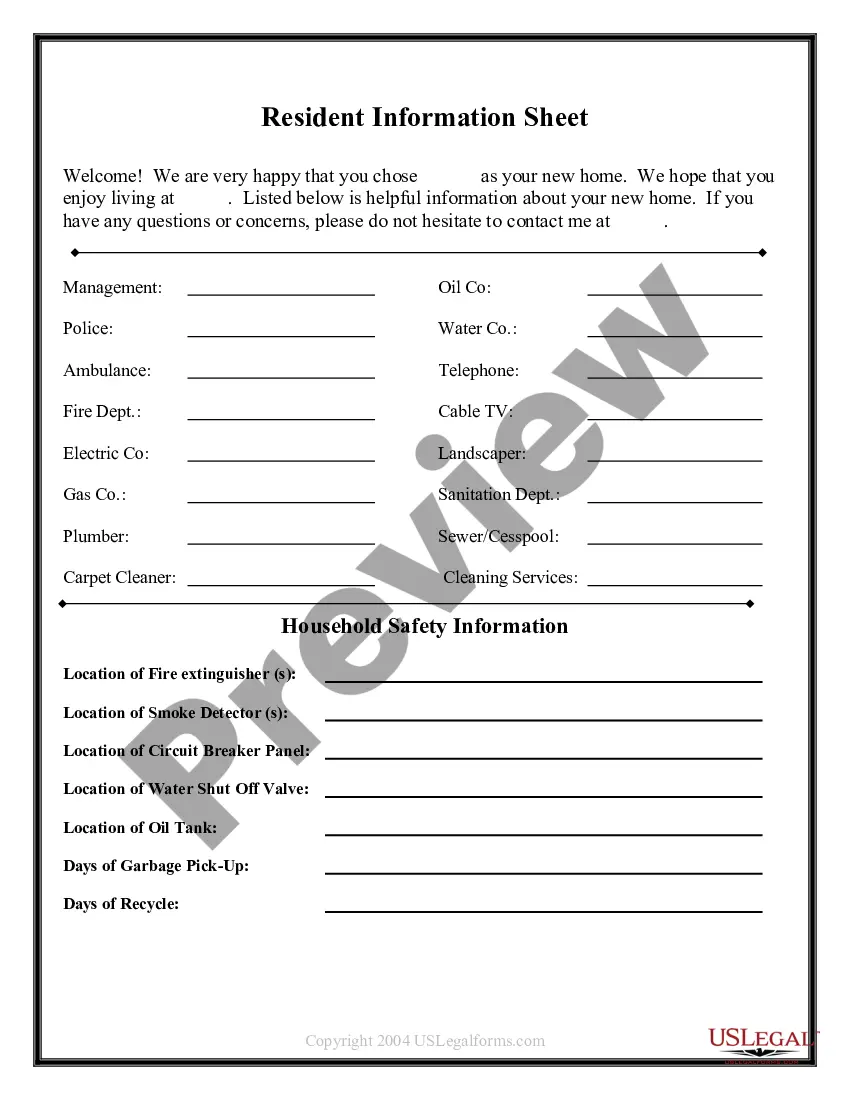
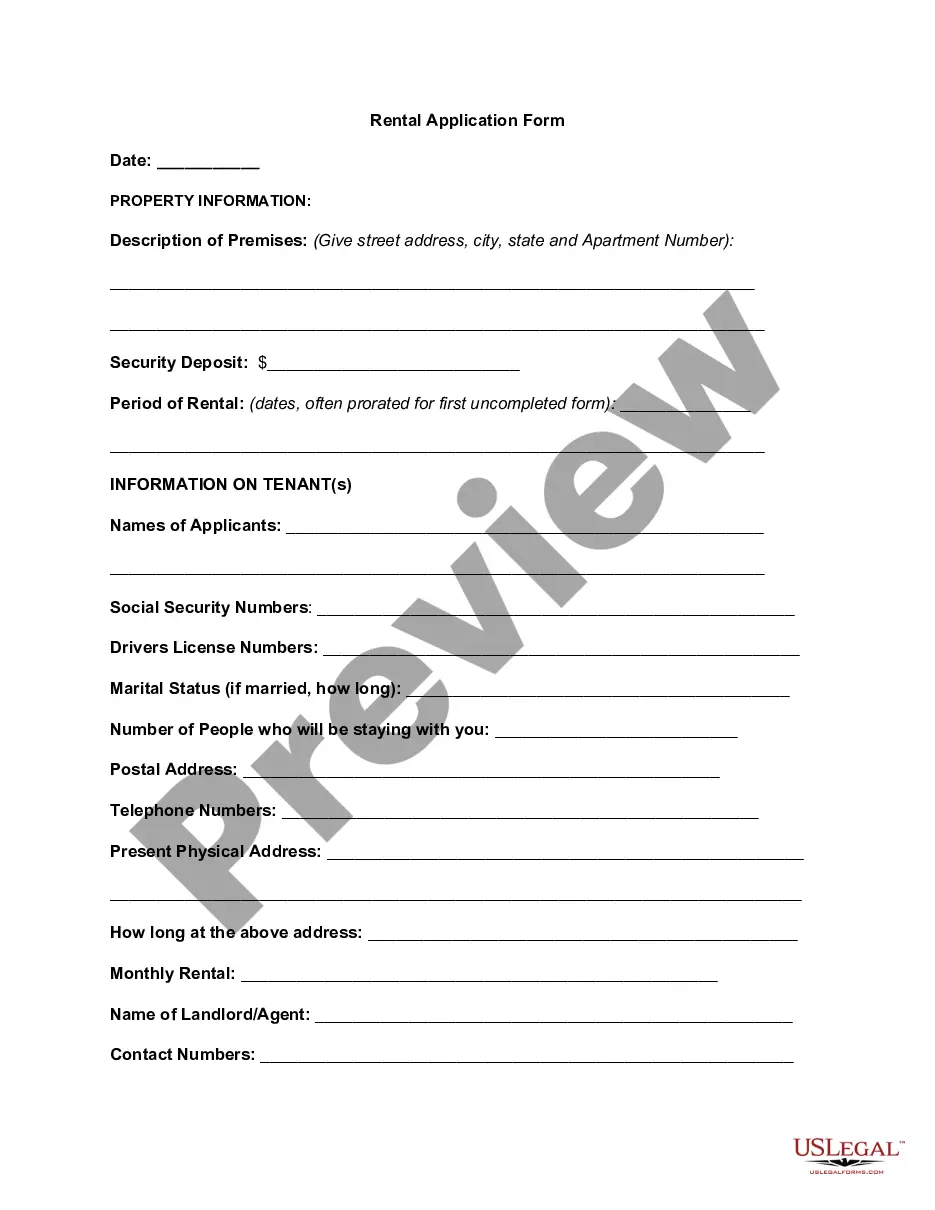
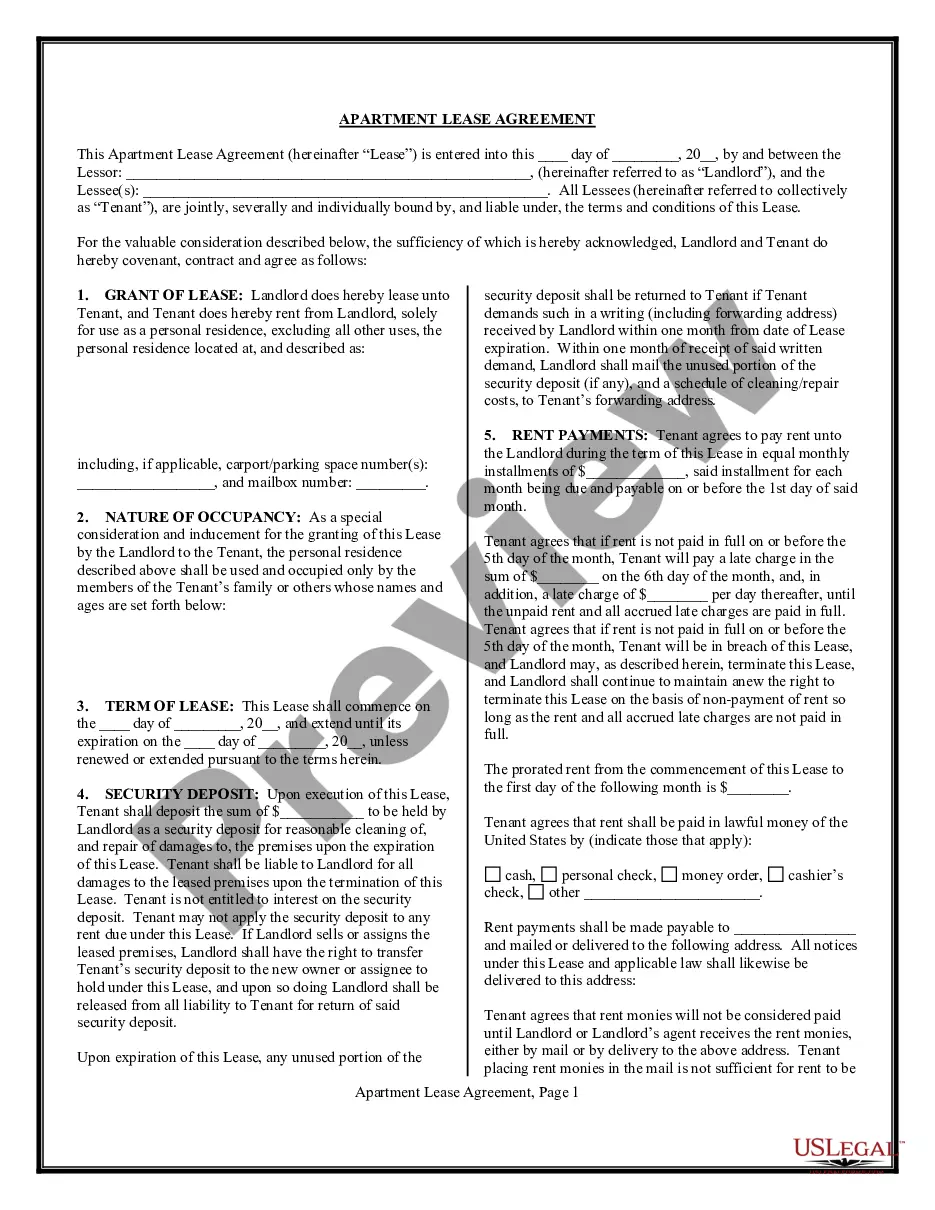
Puerto Rico Resident Information Sheet
Description
Get your form ready online
Our built-in tools help you complete, sign, share, and store your documents in one place.
Make edits, fill in missing information, and update formatting in US Legal Forms—just like you would in MS Word.
Download a copy, print it, send it by email, or mail it via USPS—whatever works best for your next step.
Sign and collect signatures with our SignNow integration. Send to multiple recipients, set reminders, and more. Go Premium to unlock E-Sign.
If this form requires notarization, complete it online through a secure video call—no need to meet a notary in person or wait for an appointment.
We protect your documents and personal data by following strict security and privacy standards.
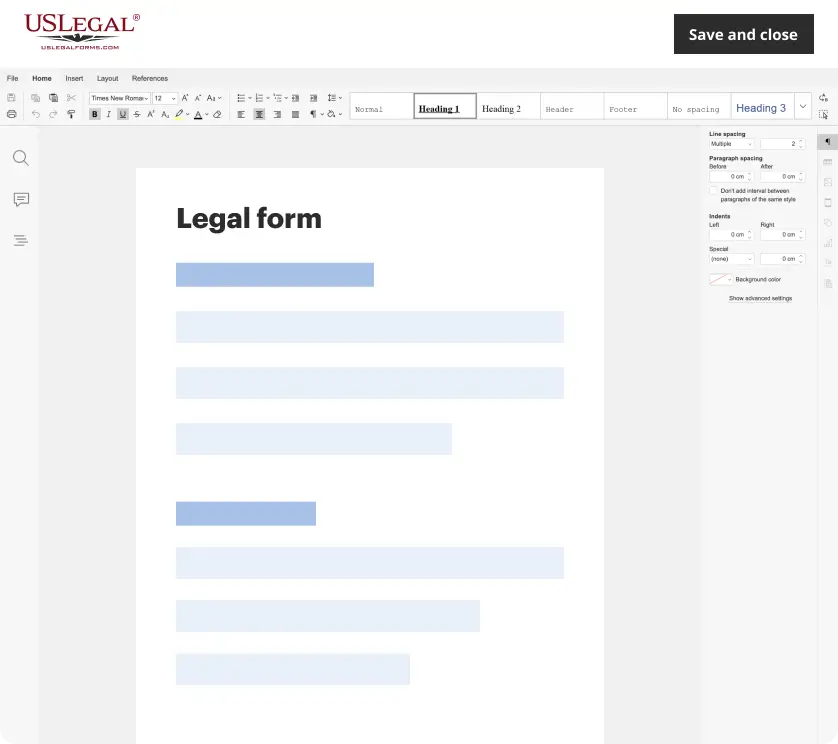
Make edits, fill in missing information, and update formatting in US Legal Forms—just like you would in MS Word.
Download a copy, print it, send it by email, or mail it via USPS—whatever works best for your next step.
Sign and collect signatures with our SignNow integration. Send to multiple recipients, set reminders, and more. Go Premium to unlock E-Sign.

If this form requires notarization, complete it online through a secure video call—no need to meet a notary in person or wait for an appointment.
We protect your documents and personal data by following strict security and privacy standards.
Looking for another form?






How to fill out Resident Information Sheet?
Finding the appropriate legitimate documents template can be a challenge.
Certainly, there is an abundance of templates accessible online, but how can you locate the genuine type you need.
Utilize the US Legal Forms website.
If you are a new user of US Legal Forms, here are simple steps to follow: First, ensure you have selected the correct type for your locality/region. You can review the form using the Preview button and examine the form details to make certain this is indeed the right one for you.
- The service provides a large collection of templates, including the Puerto Rico Resident Information Sheet, which can be utilized for business and personal purposes.
- All forms are verified by professionals and comply with federal and state regulations.
- If you are already registered, Log In to your account and click the Acquire button to obtain the Puerto Rico Resident Information Sheet.
- Use your account to browse the legitimate forms you have previously ordered.
- Go to the My documents tab of your account and obtain another copy of the documents you need.
Form popularity
FAQ
Yes, since you are a Puerto Rico resident, you must file the Puerto Rico income tax return reporting all your earnings, and you may claim a credit in such return for any income taxes paid to the United States.
You must file a tax return for 2021 under any of the following circumstances if you're single, someone else can claim you as a dependent, and you're not age 65 or older, or blind: Your unearned income was more than $1,100. Your earned income was more than $12,550.
Be present in Puerto Rico for a minimum of 183 days in the tax year. Spend at least 549 days in Puerto Rico during the 3-year period of the current tax year and the 2 preceding years, including at least 60 days in Puerto Rico during each tax year.
In Publication 570, the IRS lays out three main criteria to establish Puerto Rican residency: an individual must be present for a certain time on the island, they must have their tax home there, and they must have closer connections to Puerto Rico than anywhere else.
Every partner (except pass-through partners) that receives a Form 8986 from a pass-through entity must file Form 8978 to report any additional reporting year tax as a result of taking into account the partner's share of the review year(s) adjustments.
Puerto Rico is an unincorporated territory of the United States and Puerto Ricans are U.S. citizens; however, Puerto Rico is not a U.S. state, but a U.S. insular area. Consequently, while all Puerto Rico residents pay federal taxes, many residents are not required to pay federal income taxes.
File this form to notify the IRS that you became or ceased to be a bona fide resident of a U.S. possession in accordance with Internal Revenue Code Section 937(c).
Among other things, Puerto Ricans don't pay federal income taxand that apparently makes the difference, even in this case, involving the rights of a citizen who lived on the mainland, paying taxes like every other resident, for nearly three decades.
Residents of Puerto Rico who aren't required to file a U.S. income tax return must file Form 1040-SS or Form 1040-PR with the United States to report self-employment income and if necessary, pay self-employment tax.
If your worldwide gross income is $75,000 or more, you must file Form 8898 for the tax year in which you became or ceased to be a bona fide resident of the U.S. possession. For married individuals, the $75,000 filing threshold applies to each spouse separately.