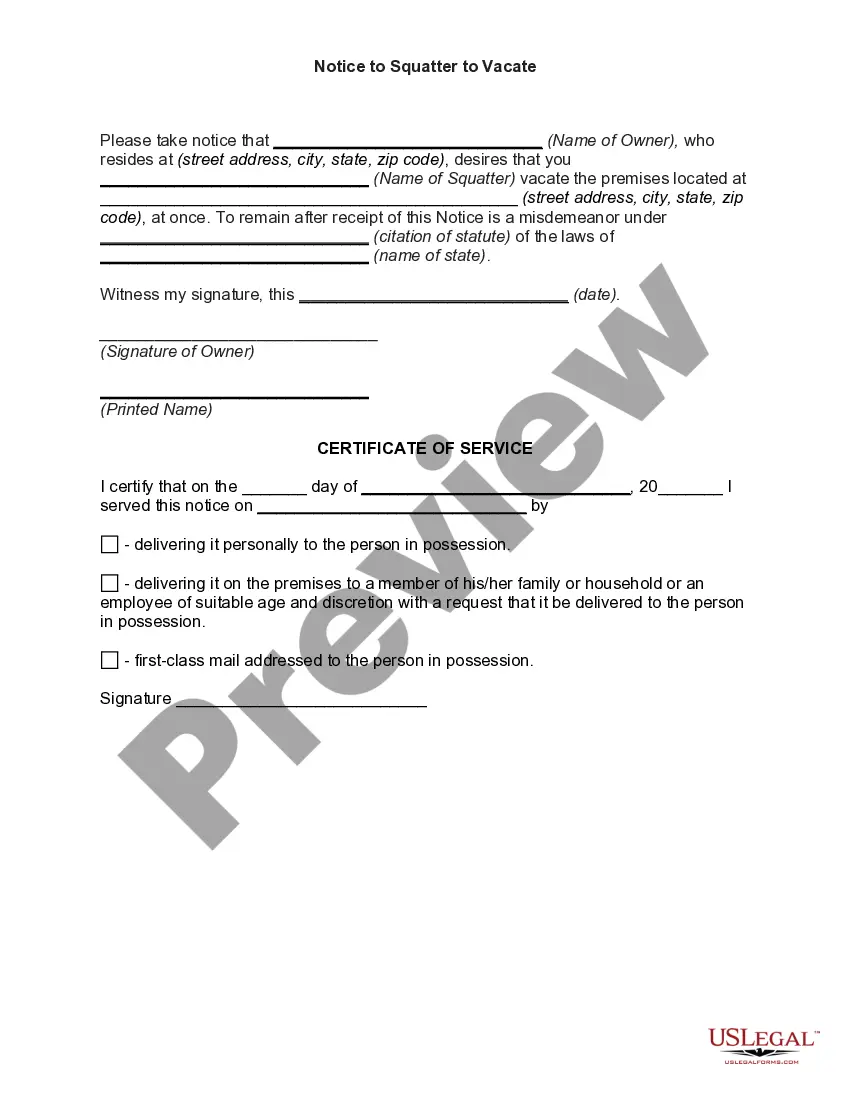
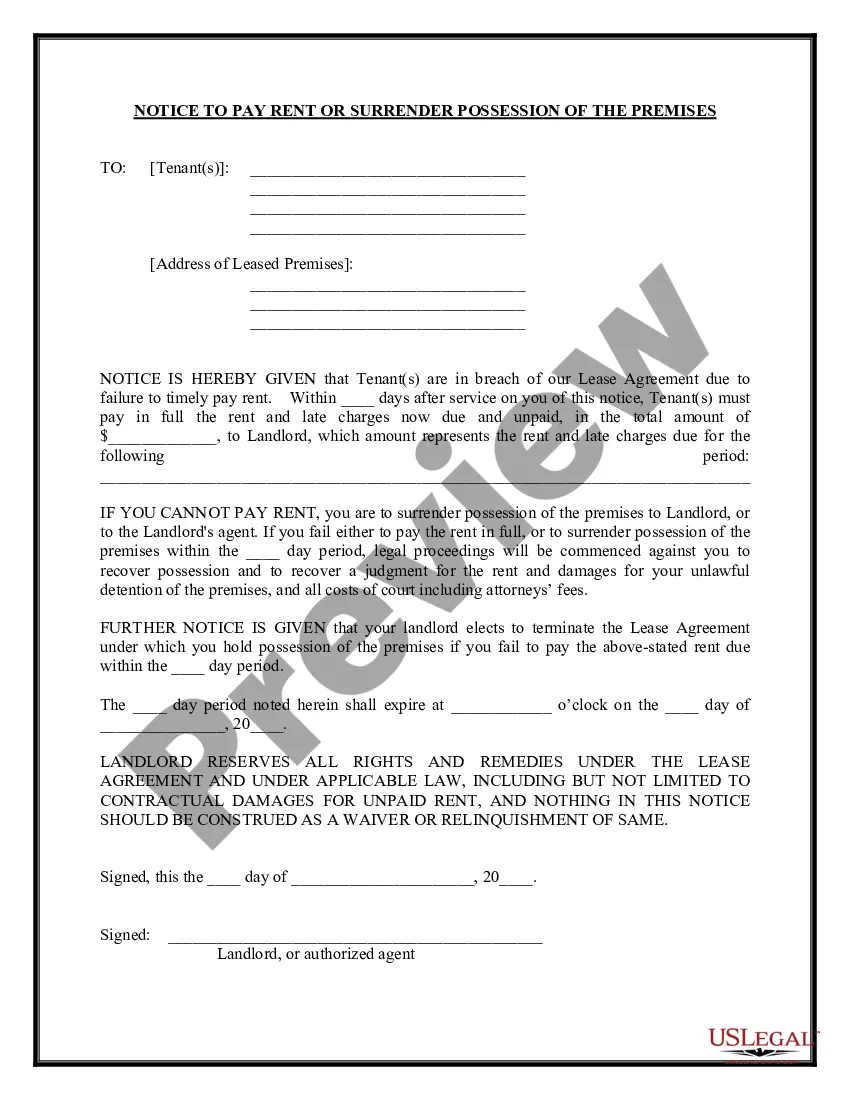
Puerto Rico Notice to Pay Rent
Description
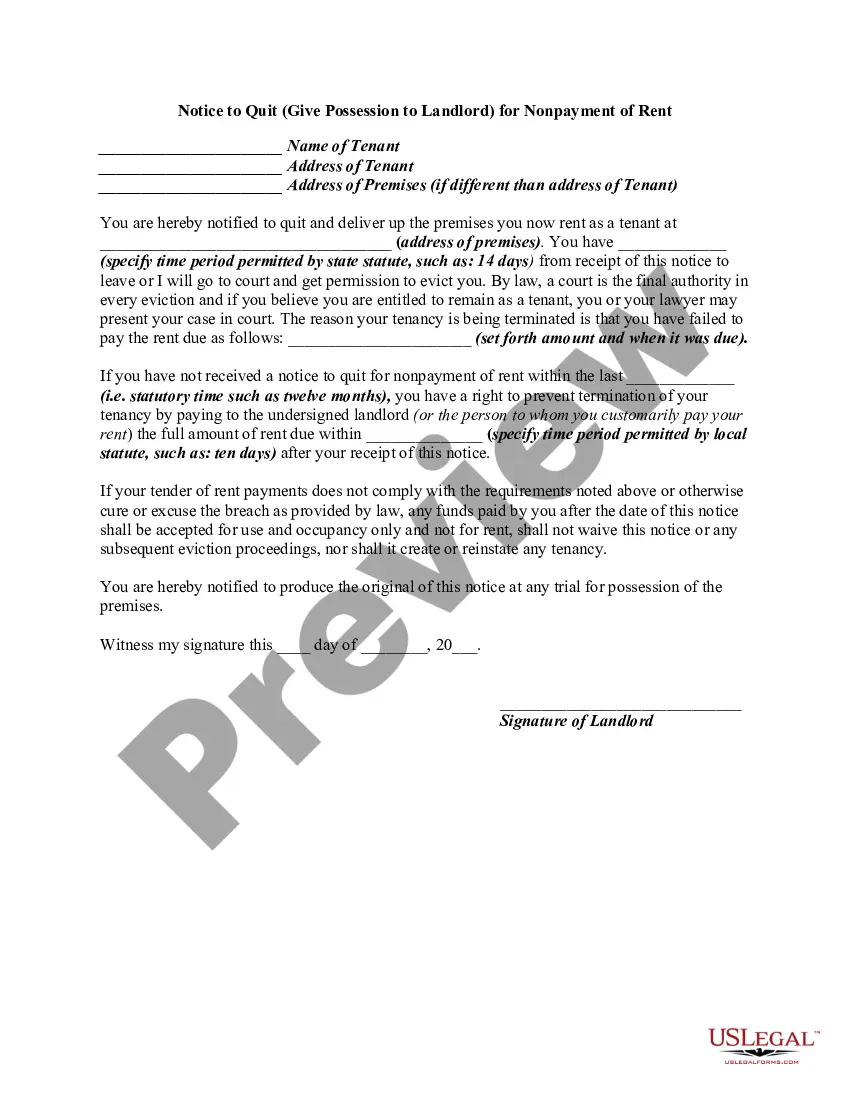
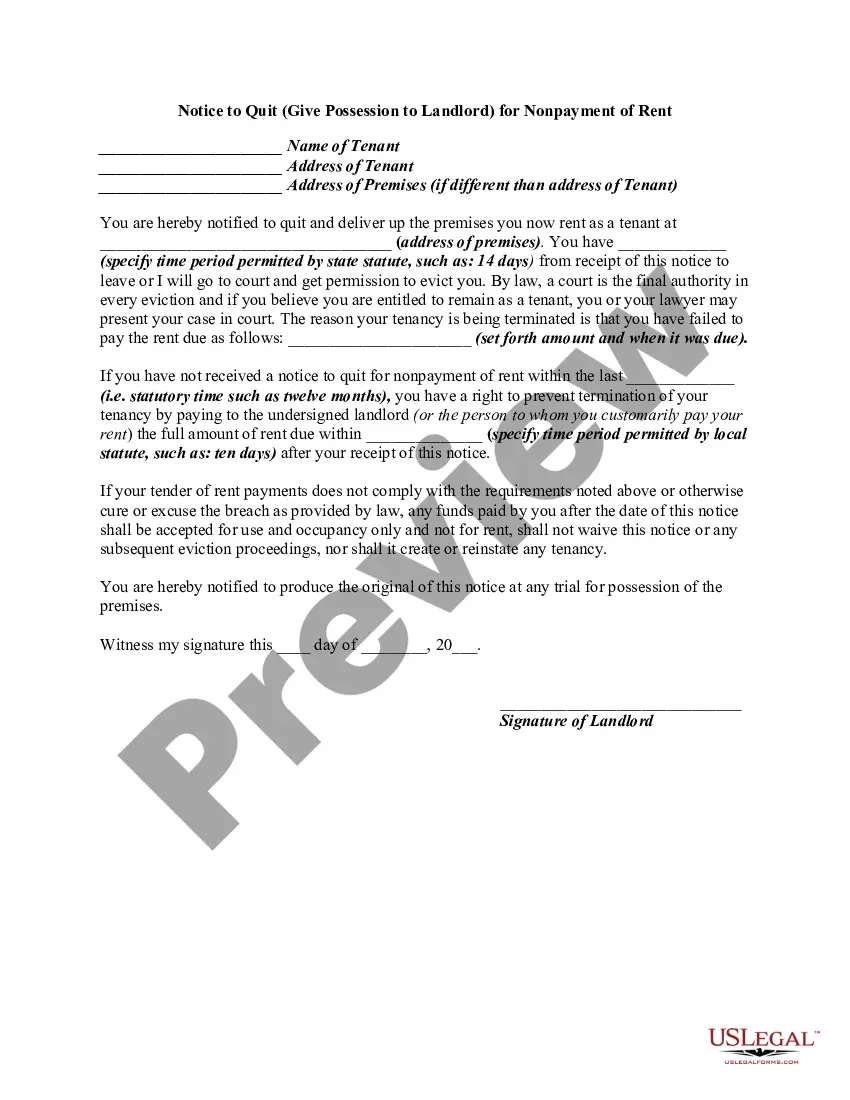
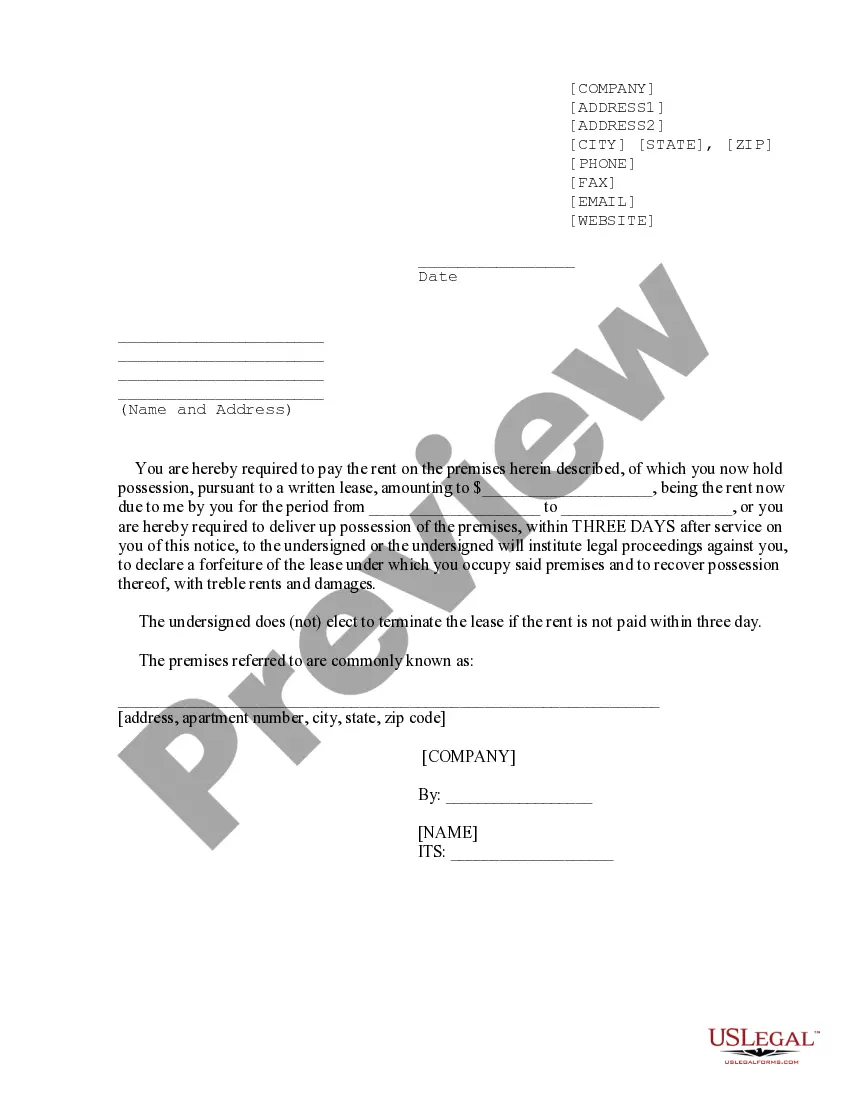









How to fill out Notice To Pay Rent?
It is feasible to spend hours online searching for the appropriate legal format that meets the federal and state requirements you need.
US Legal Forms provides a vast array of legal templates that can be reviewed by professionals.
You can easily download or print the Puerto Rico Notice to Pay Rent from their service.
If available, use the Review button to preview the format as well.
- If you already possess a US Legal Forms account, you can Log In and click the Acquire button.
- After that, you can complete, modify, print, or sign the Puerto Rico Notice to Pay Rent.
- Every legal format you purchase is yours permanently.
- To receive an additional copy of a purchased template, visit the My documents tab and click the relevant button.
- If you are using the US Legal Forms website for the first time, follow the simple steps below.
- First, ensure you have selected the correct format for the state/city of your choice.
- Read the template description to ensure you have picked the appropriate one.
Form popularity
FAQ
The easiest way to evict a tenant is to begin by issuing a thorough Puerto Rico Notice to Pay Rent, which informs the tenant of their overdue obligations. Afterward, maintaining clear communication and documentation helps the process. If the tenant fails to comply, taking legal action through the courts is necessary. Utilizing platforms like USLegalForms can provide the essential documentation needed for a smooth eviction process.
Tenants in Puerto Rico have several rights, including the right to receive a proper Puerto Rico Notice to Pay Rent before any eviction process begins. They also have the right to seek repairs and maintain a safe living environment. Tenants can challenge an eviction in court, ensuring they have legal representation. Understanding your rights helps in safeguarding your living situation.
In Puerto Rico, the eviction process begins when a landlord issues a Puerto Rico Notice to Pay Rent, demanding payment from the tenant. If the tenant does not comply within the stated timeframe, the landlord can file a complaint in court. Once in court, both parties present their cases, and a ruling is made. If the court favors the landlord, a writ of eviction may be issued.
From 1 June your landlord or letting agent has legal powers to serve an eviction notice. Your landlord cannot make you leave your home without giving you the appropriate notice. The notice period is usually four months, however sometimes this can be reduced to 2-4 weeks in serious cases.
Police involvement in evictionsThe only way that a tenant can forcibly be ejected from a property he or she rents is by Enforcement of Judgments Office personnel who are enforcing a possession order.
There is no Landlord and Tenant Law in Puerto Rico. Instead, the basic legal arrangement between the tenant and the landlord is called a contract, and is regulated by the Puerto Rico Civil Code. Contracts or lease as is usually called may be verbal or written and are binding between parties.
Your landlord can't sue you. If 30 days comes and goes without a response, the landlord forfeits their right to sue you for any damage to the property (if there is any). Carroll says this is one of the more significant penalties a landlord could face if they don't get back to you quickly.
Puerto Rico does not allow a landlord to evict a tenant without the court process such as serving a notice in some cases and by filing a summons and complaint.
The first step to take in evicting your tenant is to have your lawyer serve him with a notice to quit, if he is already 6 months in arrears of rent or according to your agreement with him. The notice to quit is a statutory requirement for the termination of all forms of periodic tenancies.
The decision to evict a tenant must be based on grounds specified by the rental law in the Philippines. The Rent Control Act allows eviction only for any of the following reasons: Subleasing The tenant rents out a portion or all of the unit to another person without the property owner's written consent.