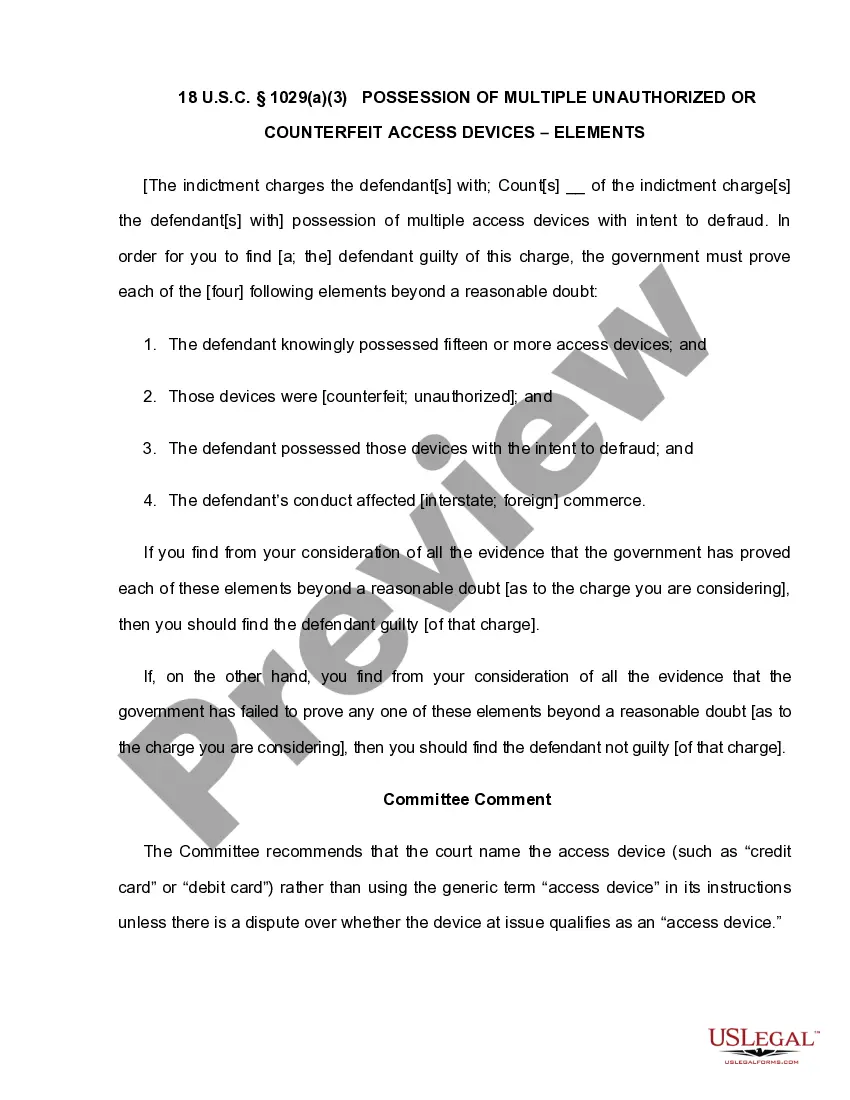
Puerto Rico Agreement to Devise or Bequeath Property to Grantors Who Convey Property to Testator
Description
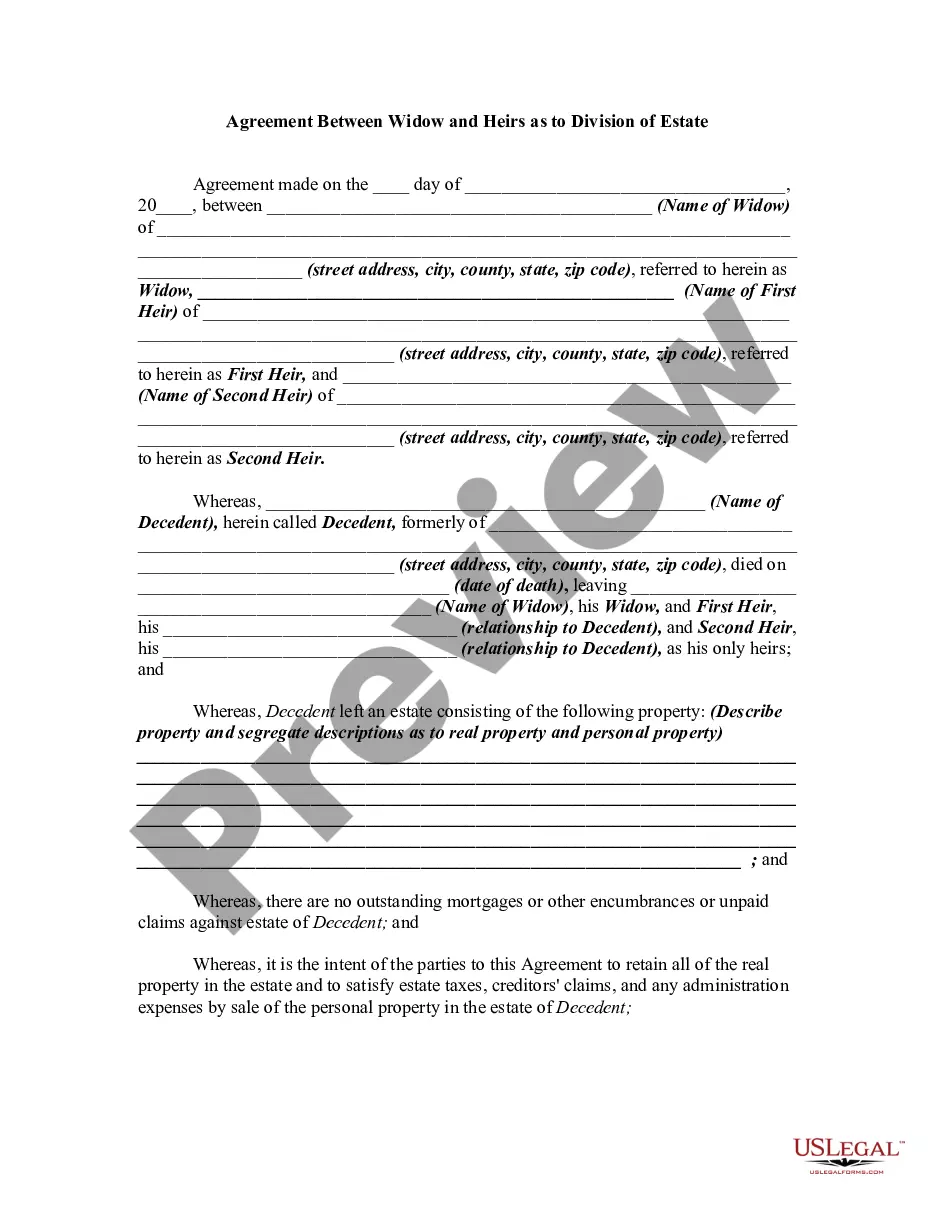
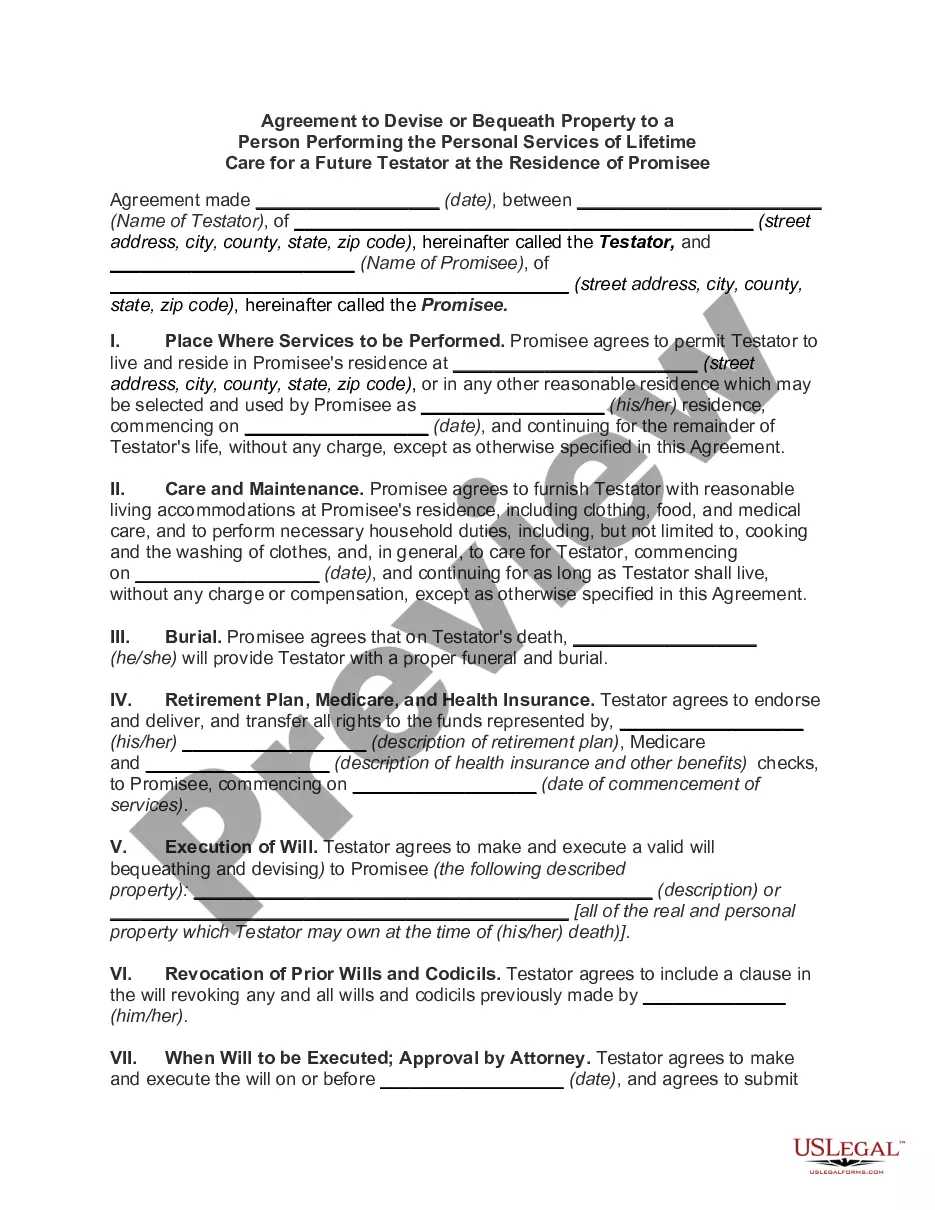
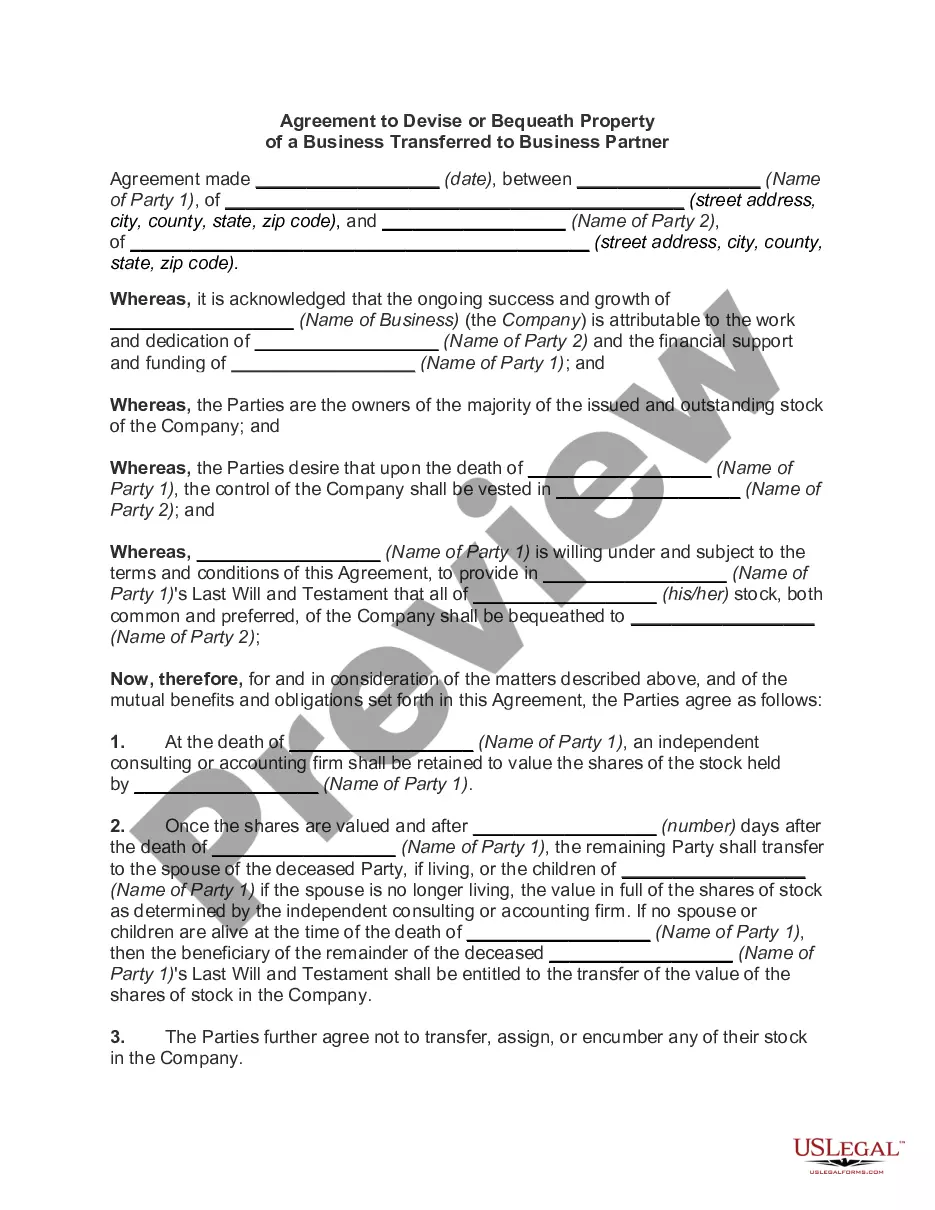
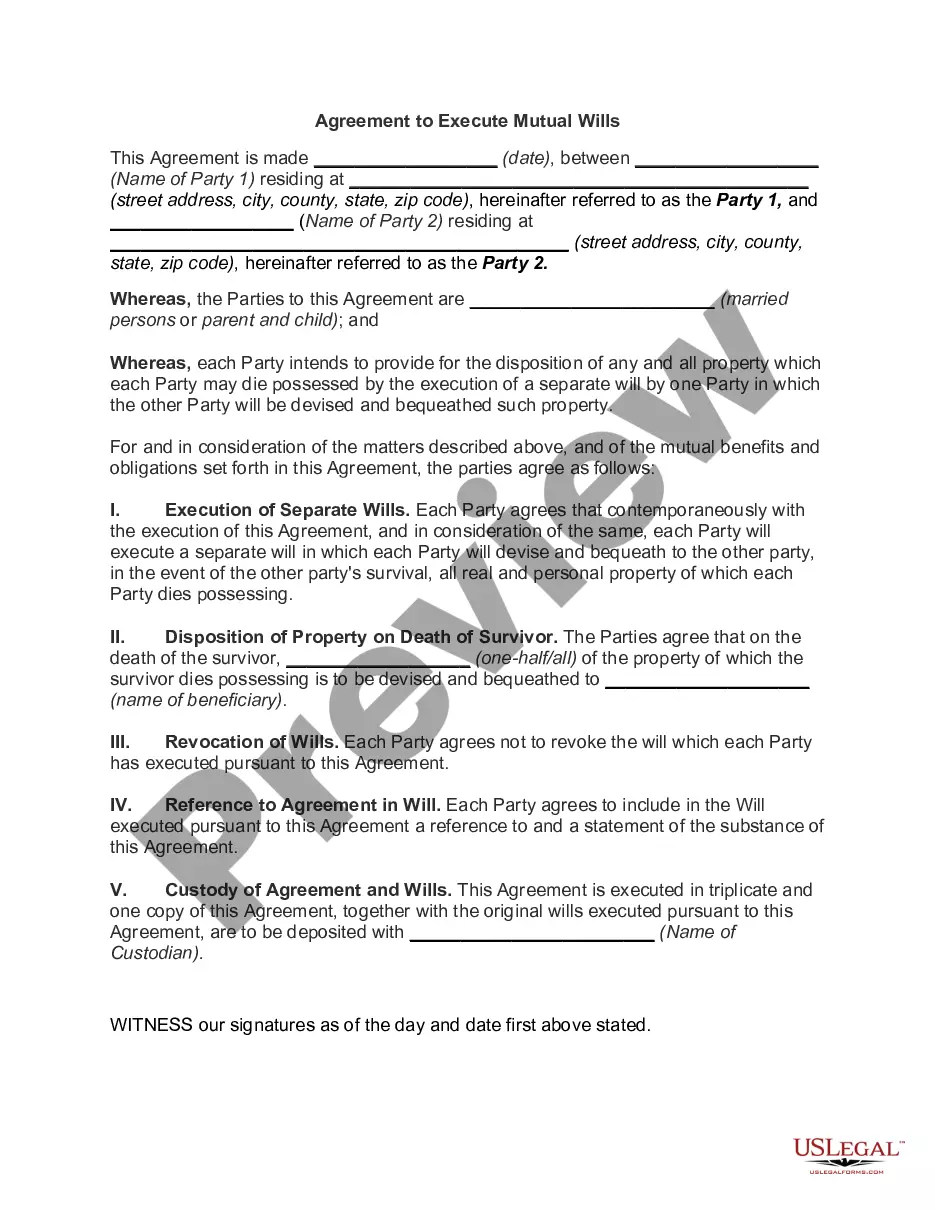
Get your form ready online
Our built-in tools help you complete, sign, share, and store your documents in one place.
Make edits, fill in missing information, and update formatting in US Legal Forms—just like you would in MS Word.
Download a copy, print it, send it by email, or mail it via USPS—whatever works best for your next step.
Sign and collect signatures with our SignNow integration. Send to multiple recipients, set reminders, and more. Go Premium to unlock E-Sign.
If this form requires notarization, complete it online through a secure video call—no need to meet a notary in person or wait for an appointment.
We protect your documents and personal data by following strict security and privacy standards.

Make edits, fill in missing information, and update formatting in US Legal Forms—just like you would in MS Word.

Download a copy, print it, send it by email, or mail it via USPS—whatever works best for your next step.

Sign and collect signatures with our SignNow integration. Send to multiple recipients, set reminders, and more. Go Premium to unlock E-Sign.

If this form requires notarization, complete it online through a secure video call—no need to meet a notary in person or wait for an appointment.

We protect your documents and personal data by following strict security and privacy standards.
Looking for another form?


How to fill out Agreement To Devise Or Bequeath Property To Grantors Who Convey Property To Testator?
Are you facing a scenario where you frequently require documents for either professional or personal purposes.
There are numerous legal document templates available online, but finding reliable ones isn't simple.
US Legal Forms offers a vast collection of form templates, including the Puerto Rico Agreement to Devise or Bequeath Property to Grantors Who Convey Property to Testator, designed to comply with federal and state regulations.
Once you find the right form, click Get now.
Choose the pricing plan you want, fill in the required information to create your account, and pay for your order using PayPal or a credit card. Select a convenient file format and download your copy.
- If you are already familiar with the US Legal Forms website and have an account, simply Log In.
- After that, you can download the Puerto Rico Agreement to Devise or Bequeath Property to Grantors Who Convey Property to Testator template.
- If you do not have an account and wish to start using US Legal Forms, follow these steps.
- Select the form you need and ensure it is for the correct city/state.
- Utilize the Review button to examine the form.
- Check the description to confirm that you have chosen the correct template.
- If the form isn’t what you’re looking for, use the Search field to find the form that suits your needs.
Form popularity
FAQ
Leaving Your Property Some Other Way Before you list those specific bequests, you will name a beneficiary or beneficiaries to get "everything else" in your estate-- that is, all of the property that is left over after the specific gifts are distributed.
Beneficiary: Someone named in a legal document to inherit money or other property. Wills, trusts, and insurance policies commonly name beneficiaries; beneficiaries can also be named for "payable-on-death" accounts. Bequeath: To leave property at one's death; another word for "give."
However, they achieve this in different ways. And in California, a trust can have more advantages. A will, or a last will and testament, is a legal document that outlines who should receive your assets after you die.
1 : to give or leave by will (see will entry 2 sense 1) used especially of personal property a ring bequeathed to her by her grandmother. 2 : to hand down : transmit lessons bequeathed to future generations.
Which of following CANNOT inherit from or through a decedent? The decedent's stepchild who has been treated as the decedent's child since birth.
A gift given by means of the will of a decedent of an interest in real property.
Historically speaking, a devisee" is someone who receives real property (as opposed to personal property) from an estate. In modern times, though, a devisee usually refers to anyone who receives property by being named in a decedent's will whether they are related or notlike a friend, as described above.
What is the difference between these two phrases? Traditionally, a devise referred to a gift by will of real property. The beneficiary of a devise is called a devisee. In contrast, a bequest referred to a gift by will of personal property or any other property that is not real property.
BENEFICIARY - A person named to receive property or other benefits.
Beneficiary. noun. someone who gets money or other things from someone who has died.