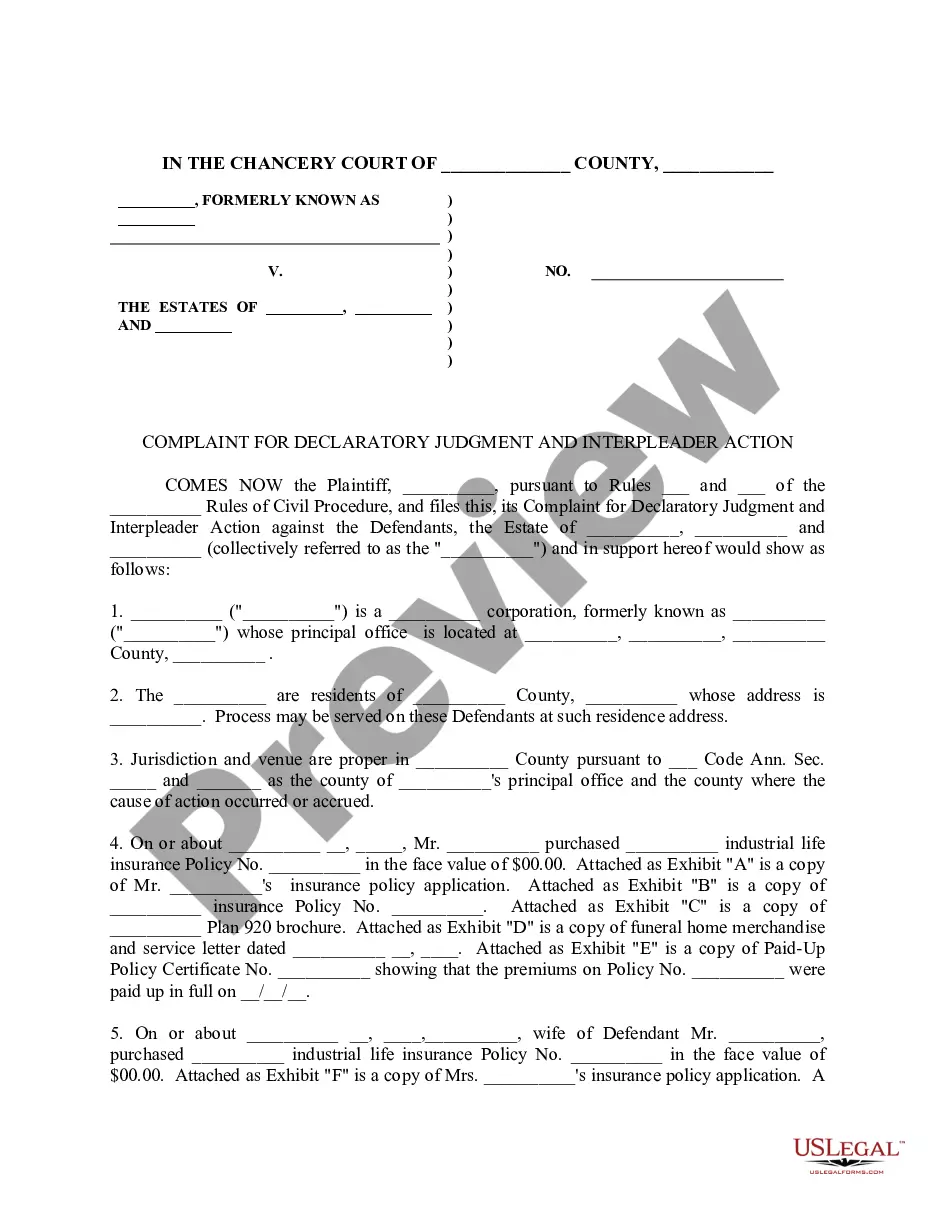
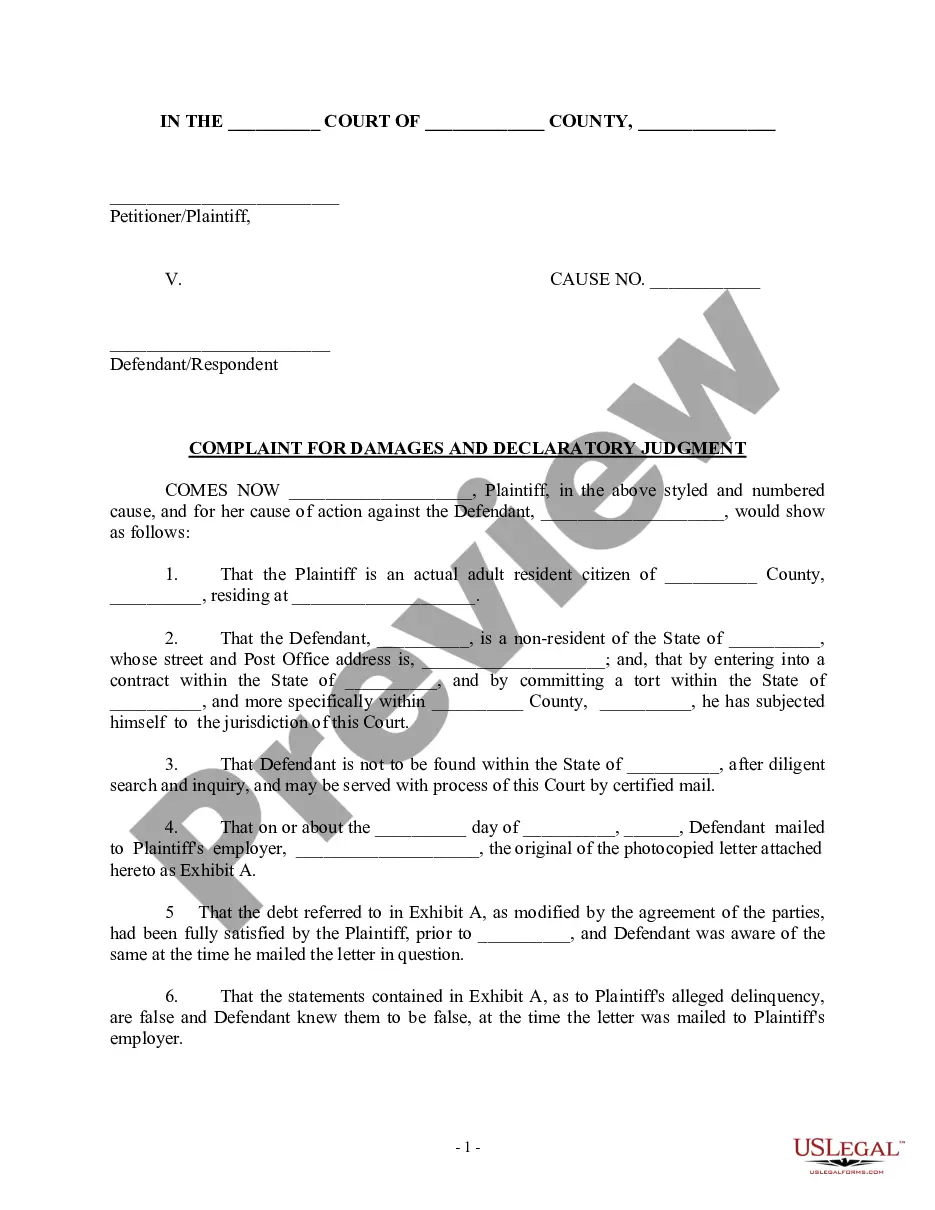
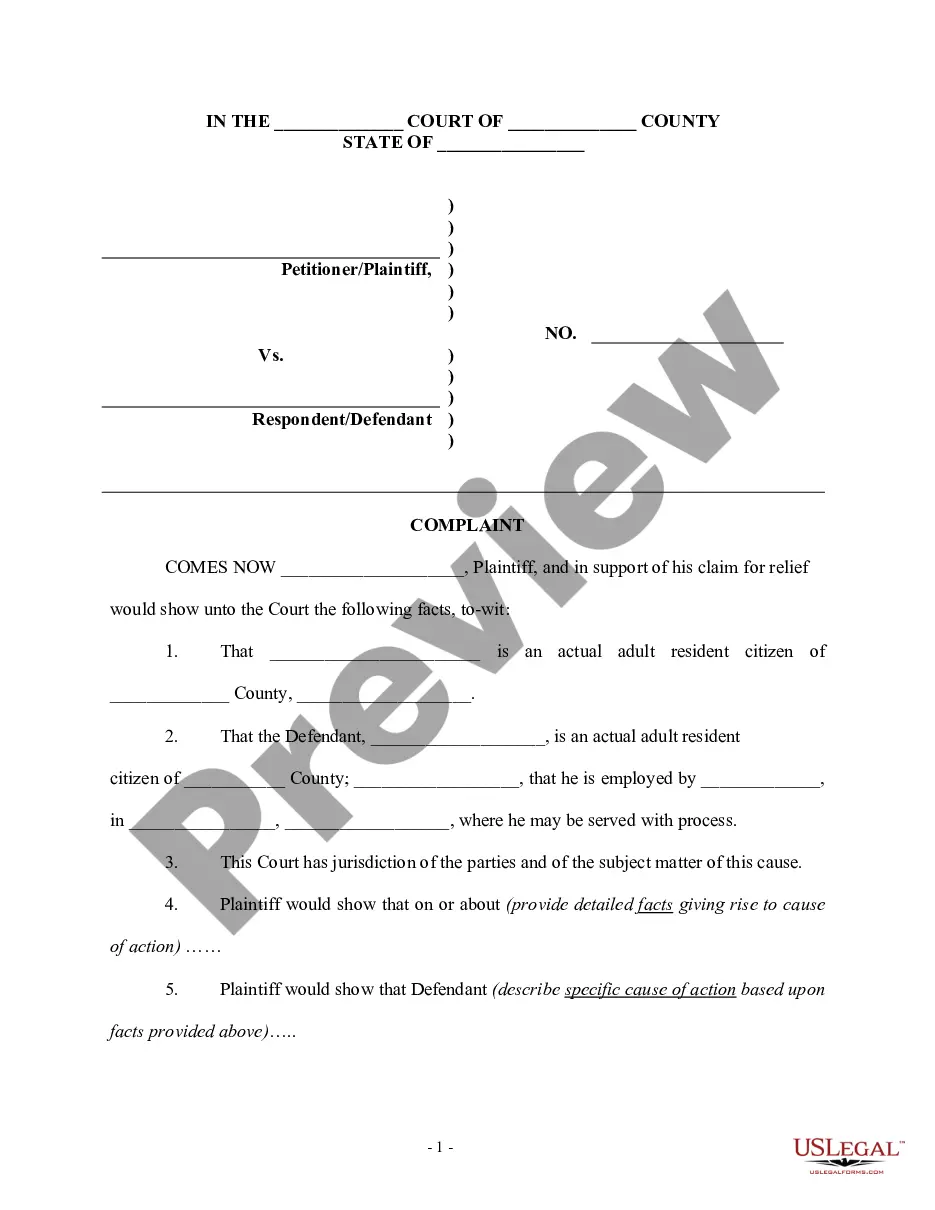
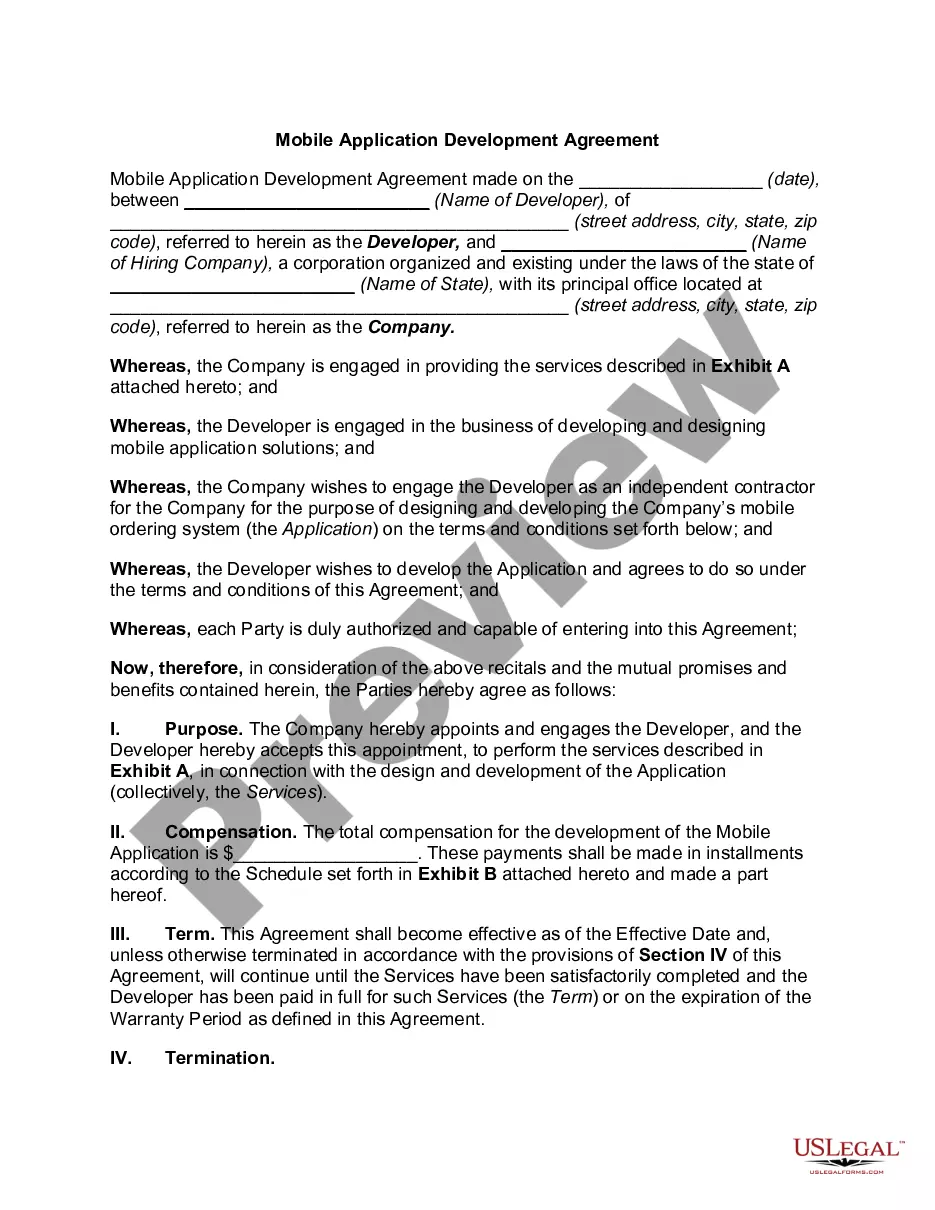
Puerto Rico Complaint for Declaratory Judgment
Description




Get your form ready online
Our built-in tools help you complete, sign, share, and store your documents in one place.
Make edits, fill in missing information, and update formatting in US Legal Forms—just like you would in MS Word.
Download a copy, print it, send it by email, or mail it via USPS—whatever works best for your next step.
Sign and collect signatures with our SignNow integration. Send to multiple recipients, set reminders, and more. Go Premium to unlock E-Sign.
If this form requires notarization, complete it online through a secure video call—no need to meet a notary in person or wait for an appointment.
We protect your documents and personal data by following strict security and privacy standards.

Make edits, fill in missing information, and update formatting in US Legal Forms—just like you would in MS Word.

Download a copy, print it, send it by email, or mail it via USPS—whatever works best for your next step.

Sign and collect signatures with our SignNow integration. Send to multiple recipients, set reminders, and more. Go Premium to unlock E-Sign.

If this form requires notarization, complete it online through a secure video call—no need to meet a notary in person or wait for an appointment.

We protect your documents and personal data by following strict security and privacy standards.
Looking for another form?
How to fill out Complaint For Declaratory Judgment?
You can dedicate time online searching for the official document template that meets the federal and state requirements you require. US Legal Forms provides a vast array of legal documents that can be reviewed by professionals.
You can download or print the Puerto Rico Complaint for Declaratory Judgment from the service. If you possess a US Legal Forms account, you can Log In and then click the Download button. After that, you can complete, modify, print, or sign the Puerto Rico Complaint for Declaratory Judgment. Each legal document template you purchase is yours permanently.
To obtain another copy of a purchased form, visit the My documents tab and click the corresponding button. If you are using the US Legal Forms website for the first time, follow the straightforward instructions below: First, ensure you have selected the correct document template for your county/city of choice. Review the form description to confirm you have chosen the appropriate document. If available, utilize the Preview button to view the document template as well.
- If you wish to find another version of the form, use the Search field to locate the template that suits you and your needs.
- Once you have found the template you desire, click Get now to proceed.
- Select the pricing plan you want, enter your credentials, and register for an account on US Legal Forms.
- Complete the transaction. You can use your credit card or PayPal account to pay for the legal document.
- Choose the format of the document and download it to your device.
- Make changes to your document if necessary. You can complete, modify, sign, and print the Puerto Rico Complaint for Declaratory Judgment.
- Download and print a multitude of document templates using the US Legal Forms website, which offers the largest selection of legal forms. Utilize professional and state-specific templates to address your business or personal needs.
Form popularity
FAQ
To begin with, a ?declaratory judgment action is the preferred manner of deciding a dispute between an insured and insurer over the construction and effect of the terms of the insurance contract.? Franklin v. Professional Risk Managment Services, Inc., 987 F. Supp.
So what is a "declaratory judgment" lawsuit? This answer is this: It's a lawsuit that a plaintiff files in which the plaintiff asks the court to "declare" through issuance of a "declaratory judgment" what the respective rights of the parties are.
Under CCP §1060, declaratory relief is available only "in cases of actual controversy relating to the legal rights and duties of the respective parties." The controversy must be real, involving justiciable questions that relate to the parties' rights and obligations.
For example, a declaratory judgment action could be brought to determine party rights and obligations under a contract or to establish the validity of a patent. Under Article III of the U.S. Constitution, a federal court may only issue a declaratory judgment when there is an actual controversy.
For example, a policyholder believes that their denied claim is unjust. As a result, they inform the insurer that they are considering a lawsuit to recover losses. The insurer seeks a declaratory judgment to clarify its rights and obligations with hopes of preventing the lawsuit.
To establish federal jurisdiction in a declaratory judgment action, two conditions must be satisfied. First, is the constitutional inquiry - the case must be a 'case or controversy' pursuant to Article III of the US Constitution. Second is the prudential inquiry ? declaratory relief must be appropriate.
The declaratory judgment is generally considered a statutory remedy and not an equitable remedy in the United States, and is thus not subject to equitable requirements, though there are analogies that can be found in the remedies granted by courts of equity.