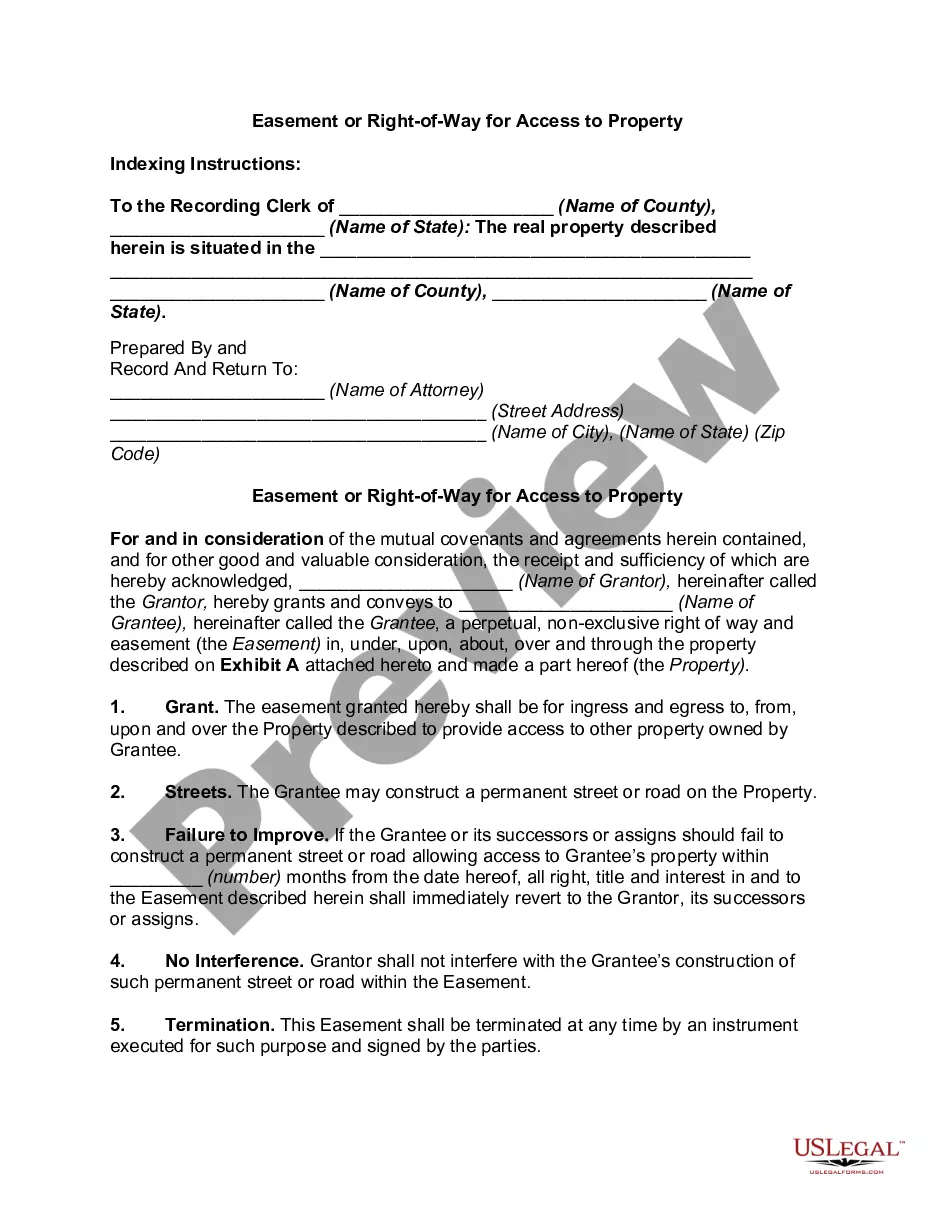
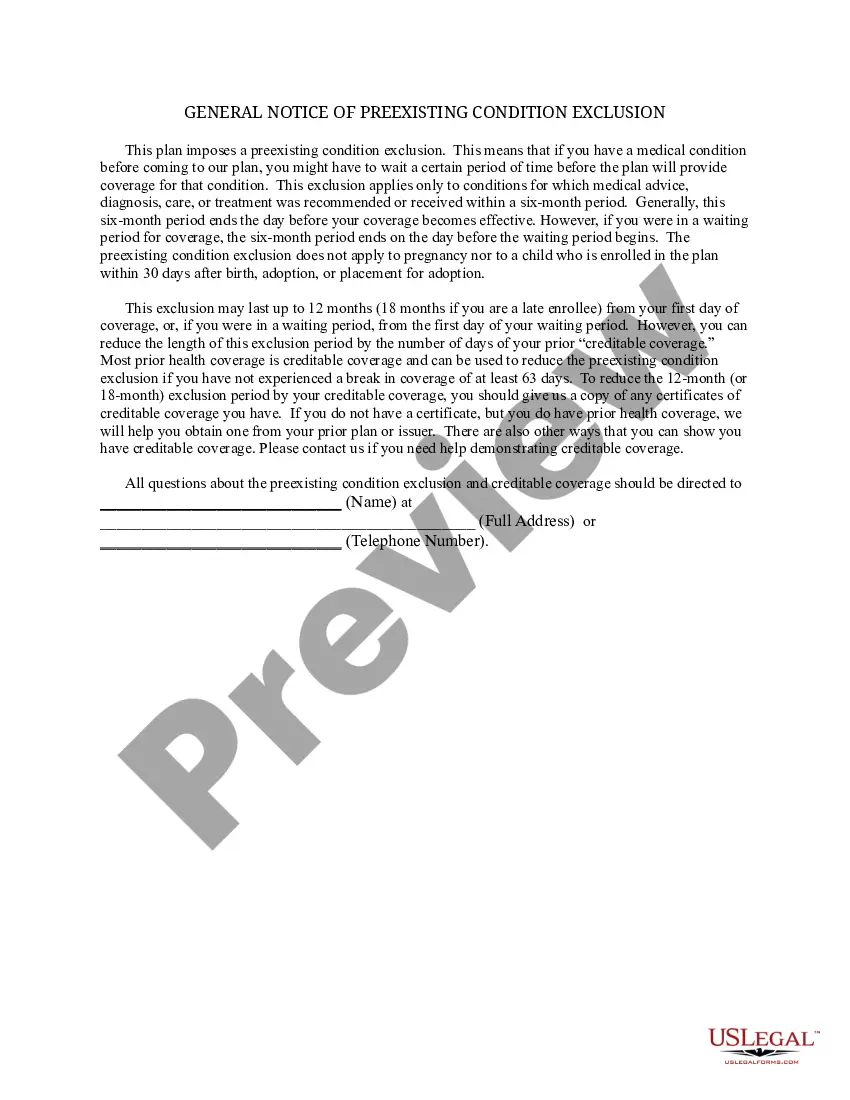
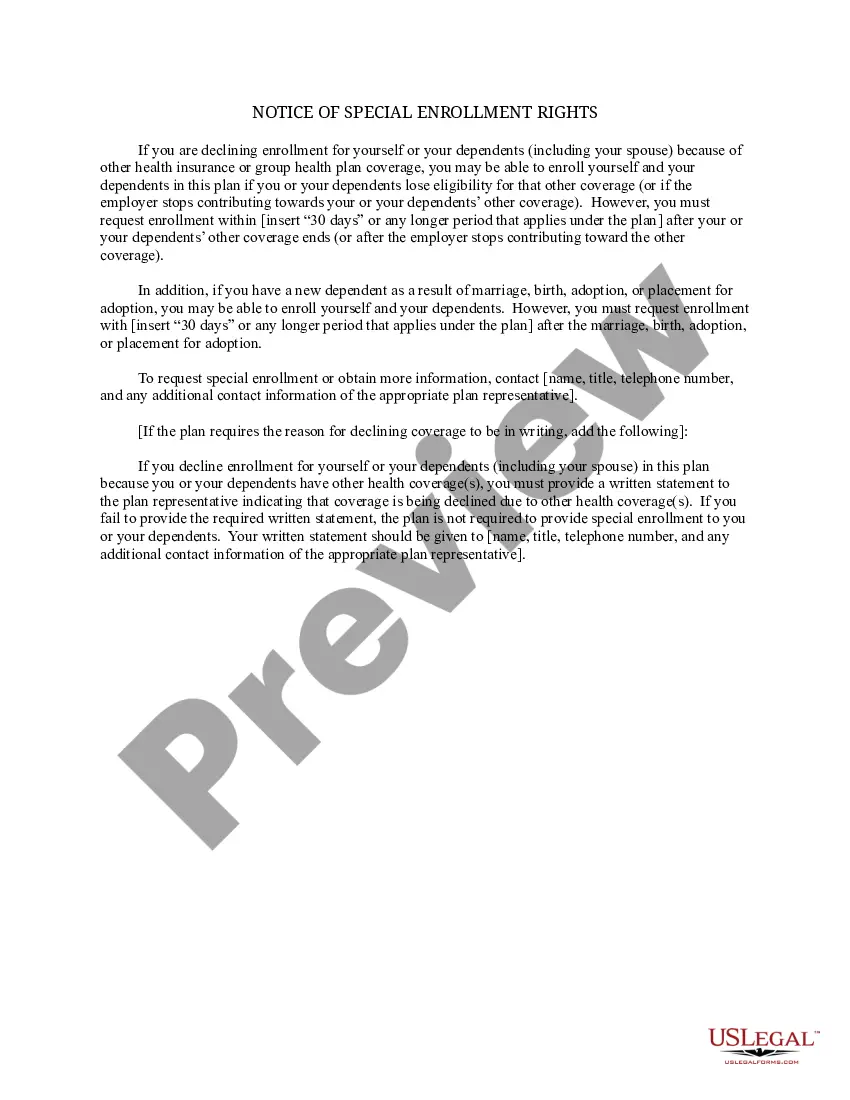
Pennsylvania General Notice of Preexisting Condition Exclusion
Description
Get your form ready online
Our built-in tools help you complete, sign, share, and store your documents in one place.
Make edits, fill in missing information, and update formatting in US Legal Forms—just like you would in MS Word.
Download a copy, print it, send it by email, or mail it via USPS—whatever works best for your next step.
Sign and collect signatures with our SignNow integration. Send to multiple recipients, set reminders, and more. Go Premium to unlock E-Sign.
If this form requires notarization, complete it online through a secure video call—no need to meet a notary in person or wait for an appointment.
We protect your documents and personal data by following strict security and privacy standards.

Make edits, fill in missing information, and update formatting in US Legal Forms—just like you would in MS Word.

Download a copy, print it, send it by email, or mail it via USPS—whatever works best for your next step.

Sign and collect signatures with our SignNow integration. Send to multiple recipients, set reminders, and more. Go Premium to unlock E-Sign.

If this form requires notarization, complete it online through a secure video call—no need to meet a notary in person or wait for an appointment.

We protect your documents and personal data by following strict security and privacy standards.
Looking for another form?

How to fill out General Notice Of Preexisting Condition Exclusion?
Are you situated in a location where you will require documents for both professional or personal reasons nearly every day.
There is a multitude of legal document templates available online, but finding ones you can trust is not straightforward.
US Legal Forms offers thousands of form templates, such as the Pennsylvania General Notice of Preexisting Condition Exclusion, that are designed to satisfy state and federal requirements.
Once you find the correct form, click Get now.
Select the payment plan you want, fill in the necessary information to create your account, and place an order using your PayPal or credit card.
- If you are already acquainted with the US Legal Forms website and have an account, simply Log In.
- After that, you can download the Pennsylvania General Notice of Preexisting Condition Exclusion template.
- If you do not possess an account and wish to start using US Legal Forms, follow these steps.
- Retrieve the form you need and ensure it's for your specific city/county.
- Utilize the Preview option to review the form.
- Check the description to confirm that you have chosen the correct form.
- If the form is not what you're looking for, take advantage of the Search field to locate the form that meets your needs.
Form popularity
FAQ
It limits the time a new employer plan can exclude the pre-existing condition from being covered. An employer health plan can avoid covering costs of medical care for a pre-existing condition for no more than 12 months after the person is accepted into the plan.
Yes. Under the Affordable Care Act, health insurance companies can't refuse to cover you or charge you more just because you have a pre-existing condition that is, a health problem you had before the date that new health coverage starts. They also can't charge women more than men.
If you had a pre-existing condition exclusion period, you didn't have coverage for any care or services related to your pre-existing condition for a predetermined amount of time, despite paying your monthly premiums.
Health insurers can no longer charge more or deny coverage to you or your child because of a pre-existing health condition like asthma, diabetes, or cancer, as well as pregnancy. They cannot limit benefits for that condition either.
existing condition exclusion can not be longer than 12 months from your enrollment date (18 months for a late enrollee). existing condition exclusion that is applied to you must be reduced by the prior creditable coverage you have that was not interrupted by a significant break in coverage.
What Is the Pre-existing Condition Exclusion Period? The pre-existing condition exclusion period is a health insurance provision that limits or excludes benefits for a period of time. The determination is based on the policyholder having a medical condition prior to enrolling in a health plan.
Employer-based plans and individual health plans cannot deny coverage to people with pre-existing conditions. People under individual health plans that existed before September 23, 2010 known as grandfathered plans, are allowed to use pre-existing condition exclusions.
A health problem, like asthma, diabetes, or cancer, you had before the date that new health coverage starts. Insurance companies can't refuse to cover treatment for your pre-existing condition or charge you more.
Health insurance companies cannot refuse coverage or charge you more just because you have a pre-existing condition that is, a health problem you had before the date that new health coverage starts.