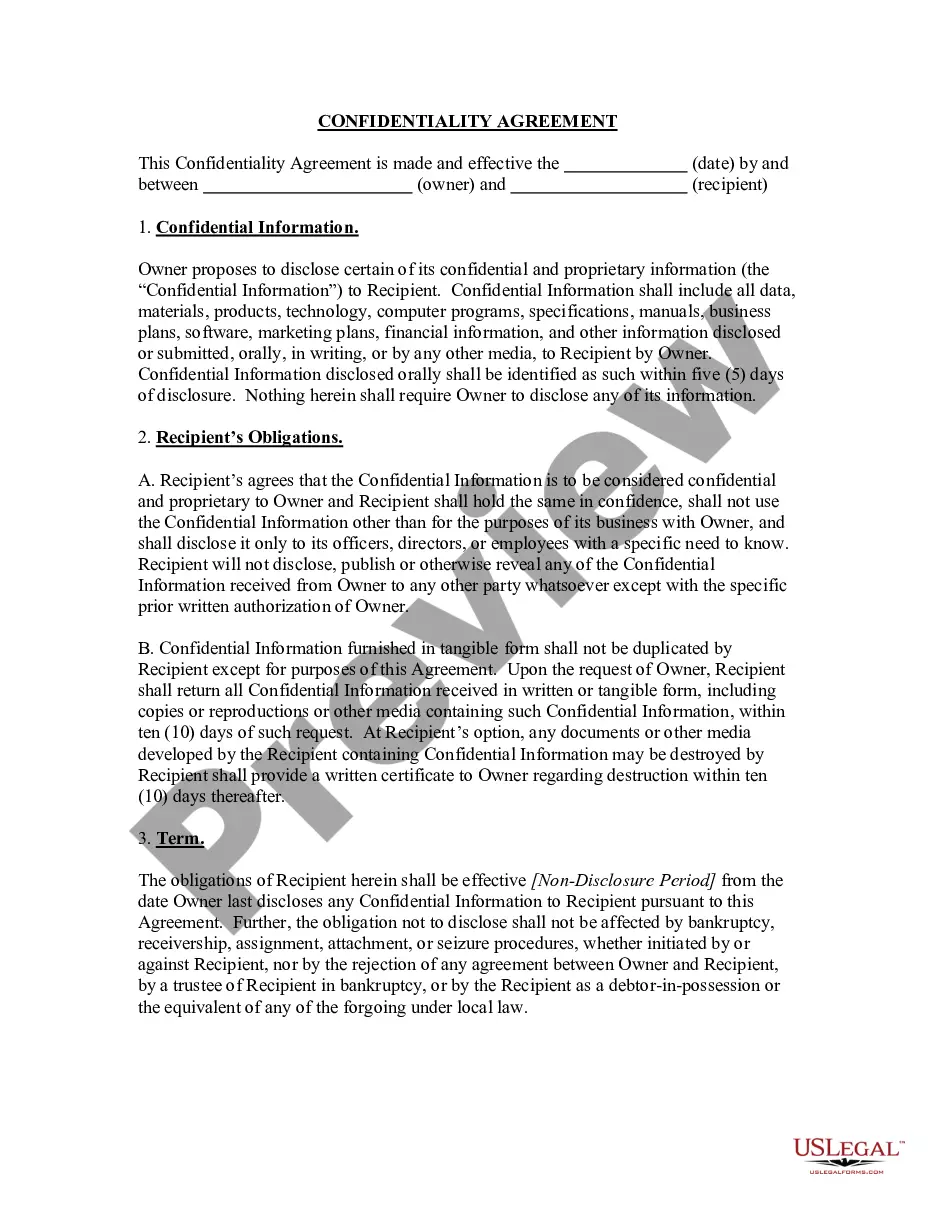
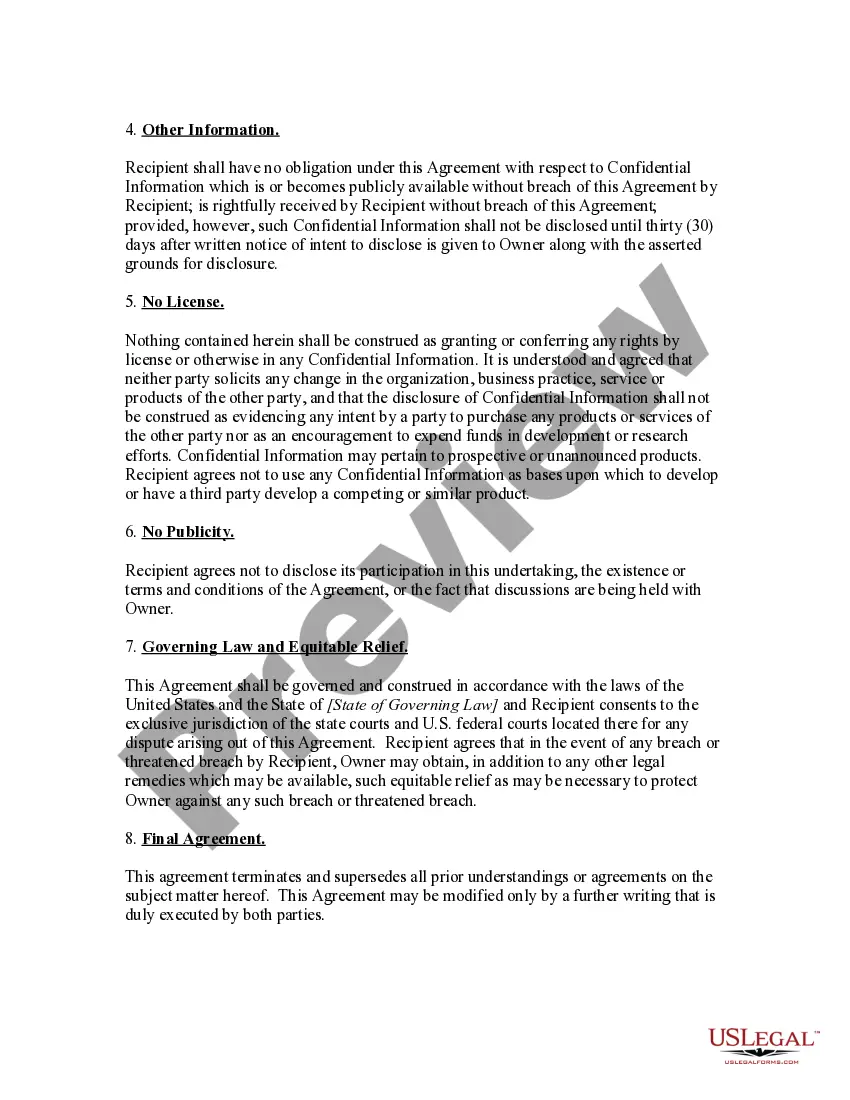
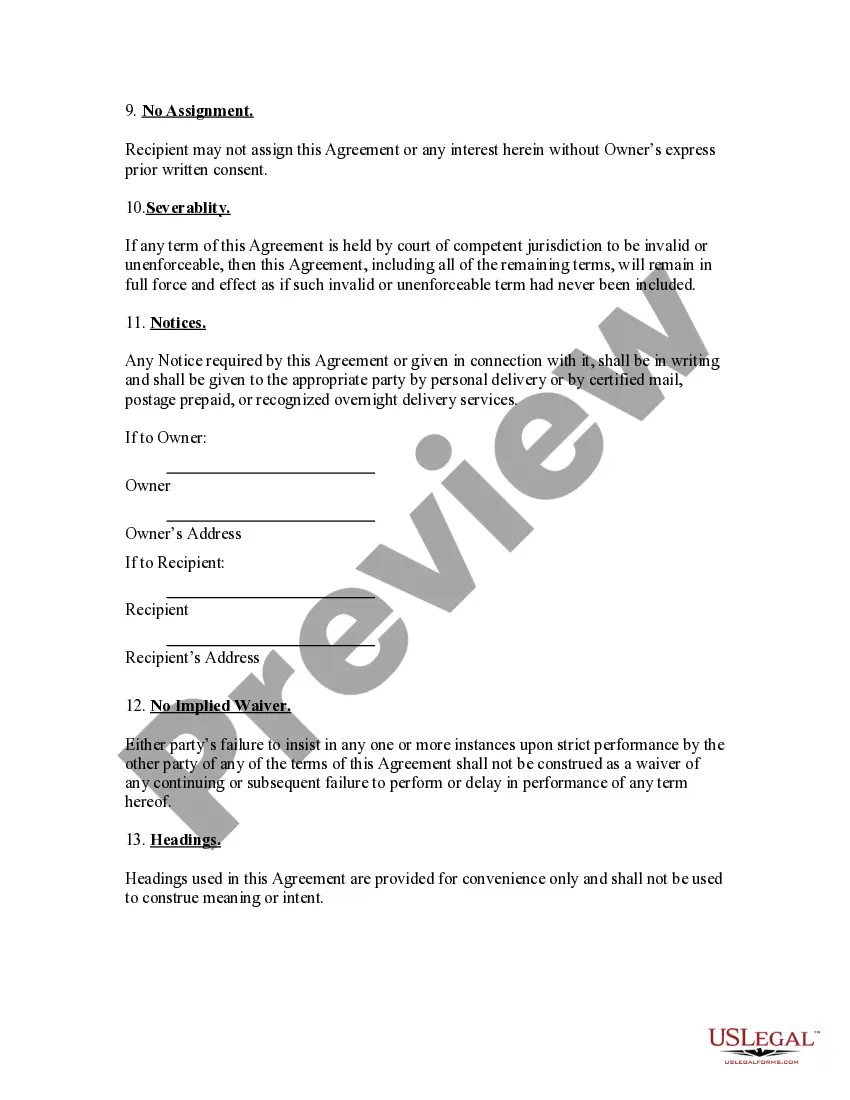
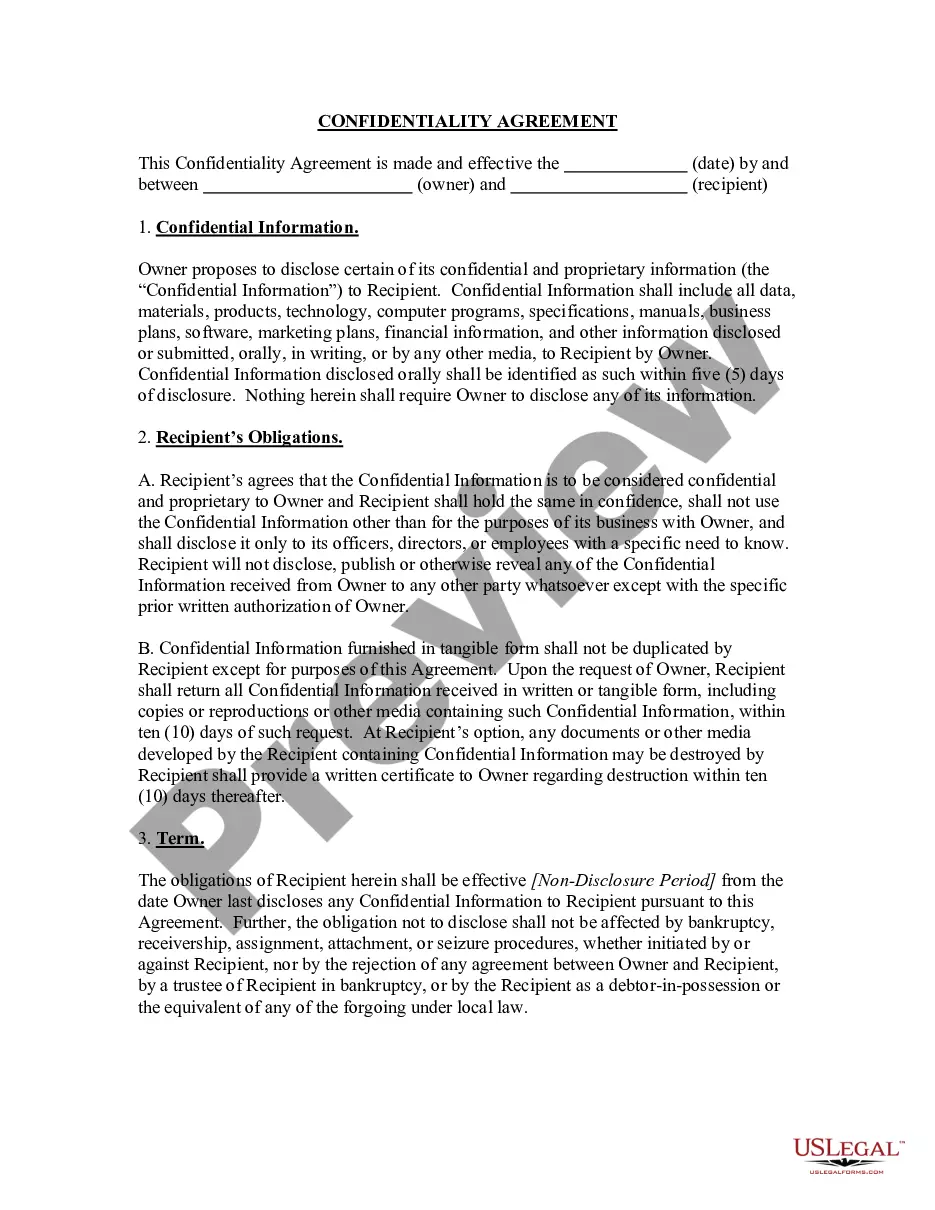
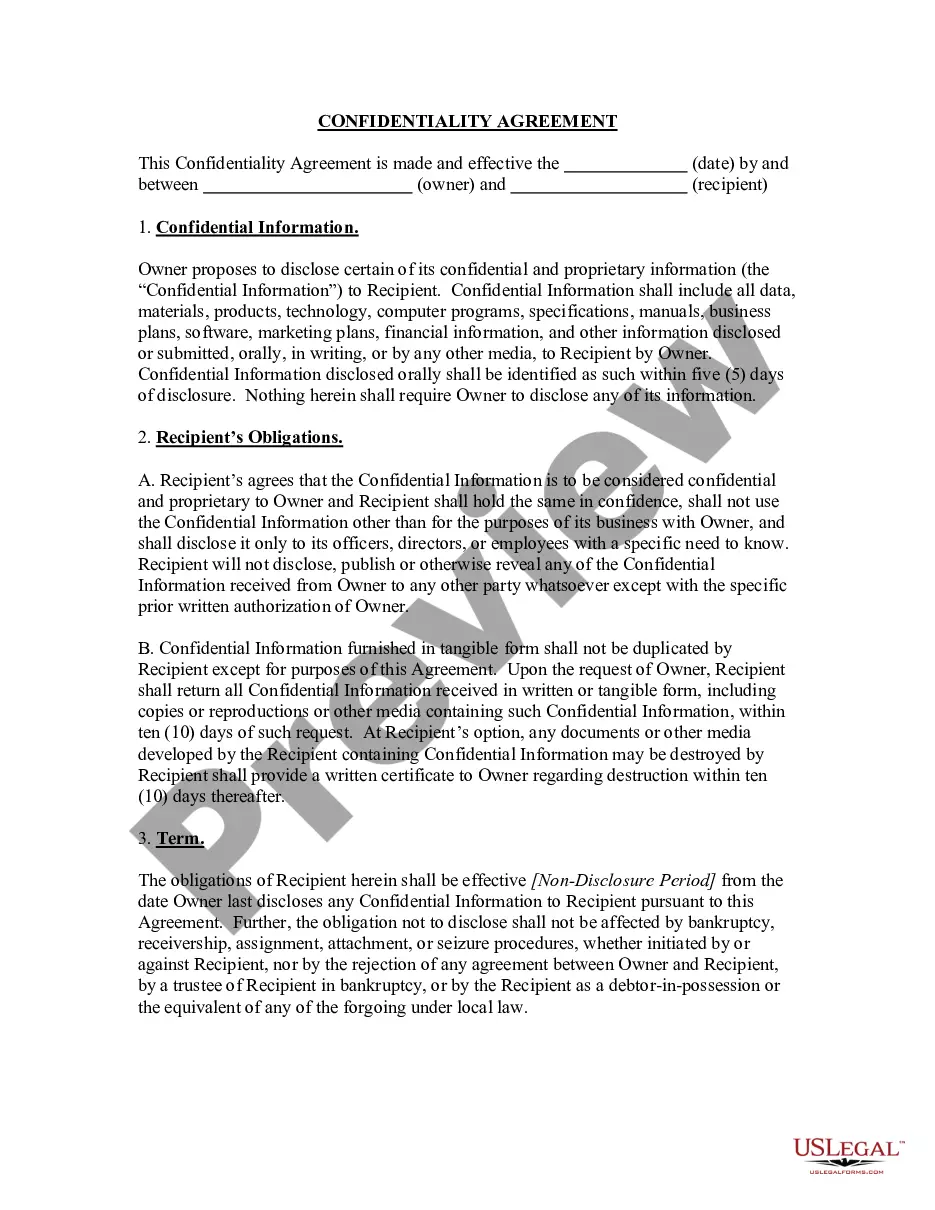
Pennsylvania Confidentiality Agreement for Interpreters
Description
Get your form ready online
Our built-in tools help you complete, sign, share, and store your documents in one place.
Make edits, fill in missing information, and update formatting in US Legal Forms—just like you would in MS Word.
Download a copy, print it, send it by email, or mail it via USPS—whatever works best for your next step.
Sign and collect signatures with our SignNow integration. Send to multiple recipients, set reminders, and more. Go Premium to unlock E-Sign.
If this form requires notarization, complete it online through a secure video call—no need to meet a notary in person or wait for an appointment.
We protect your documents and personal data by following strict security and privacy standards.

Make edits, fill in missing information, and update formatting in US Legal Forms—just like you would in MS Word.

Download a copy, print it, send it by email, or mail it via USPS—whatever works best for your next step.

Sign and collect signatures with our SignNow integration. Send to multiple recipients, set reminders, and more. Go Premium to unlock E-Sign.

If this form requires notarization, complete it online through a secure video call—no need to meet a notary in person or wait for an appointment.

We protect your documents and personal data by following strict security and privacy standards.
Looking for another form?




How to fill out Confidentiality Agreement For Interpreters?
Selecting the most suitable legitimate document template can be a challenge.
Certainly, there are numerous templates available online, but how do you locate the proper template you need.
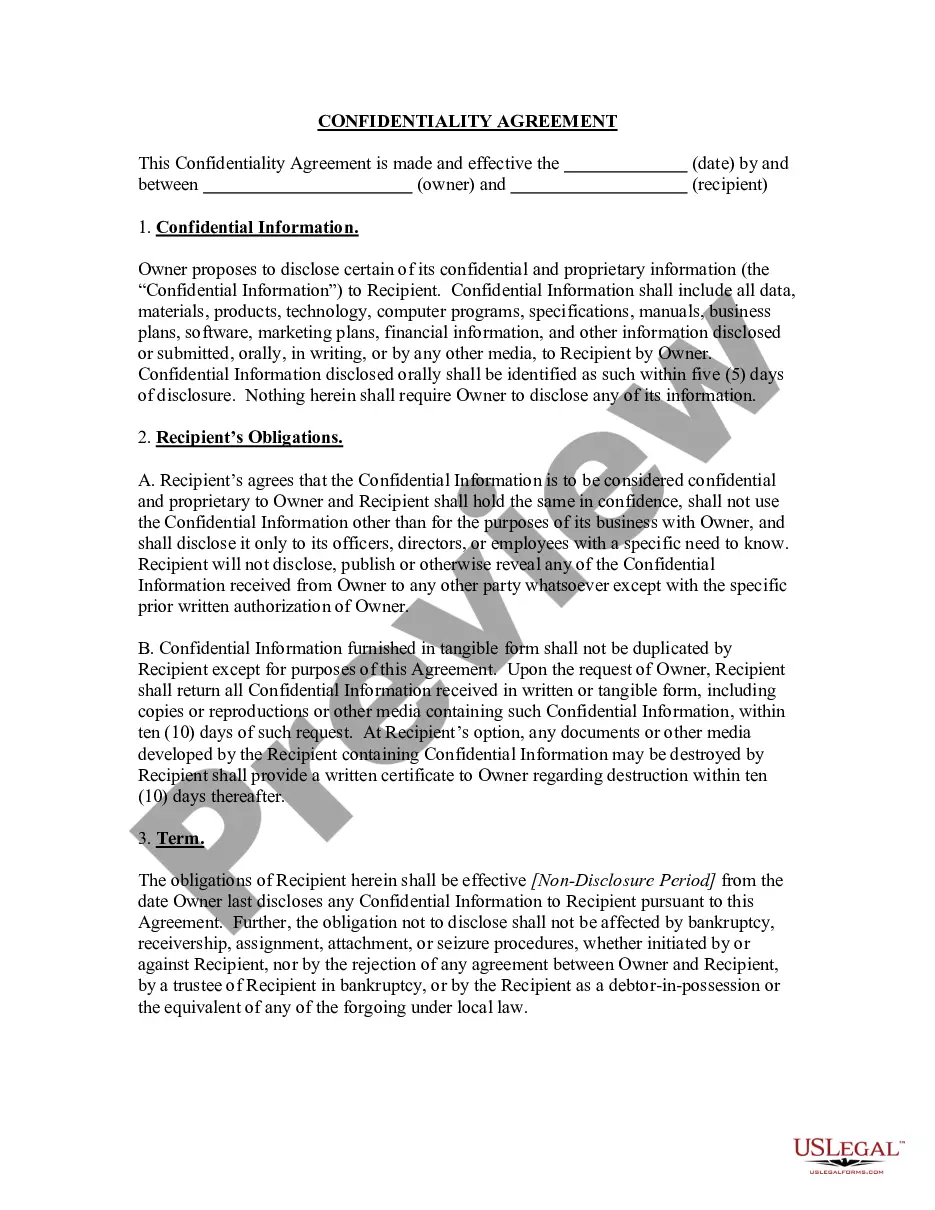
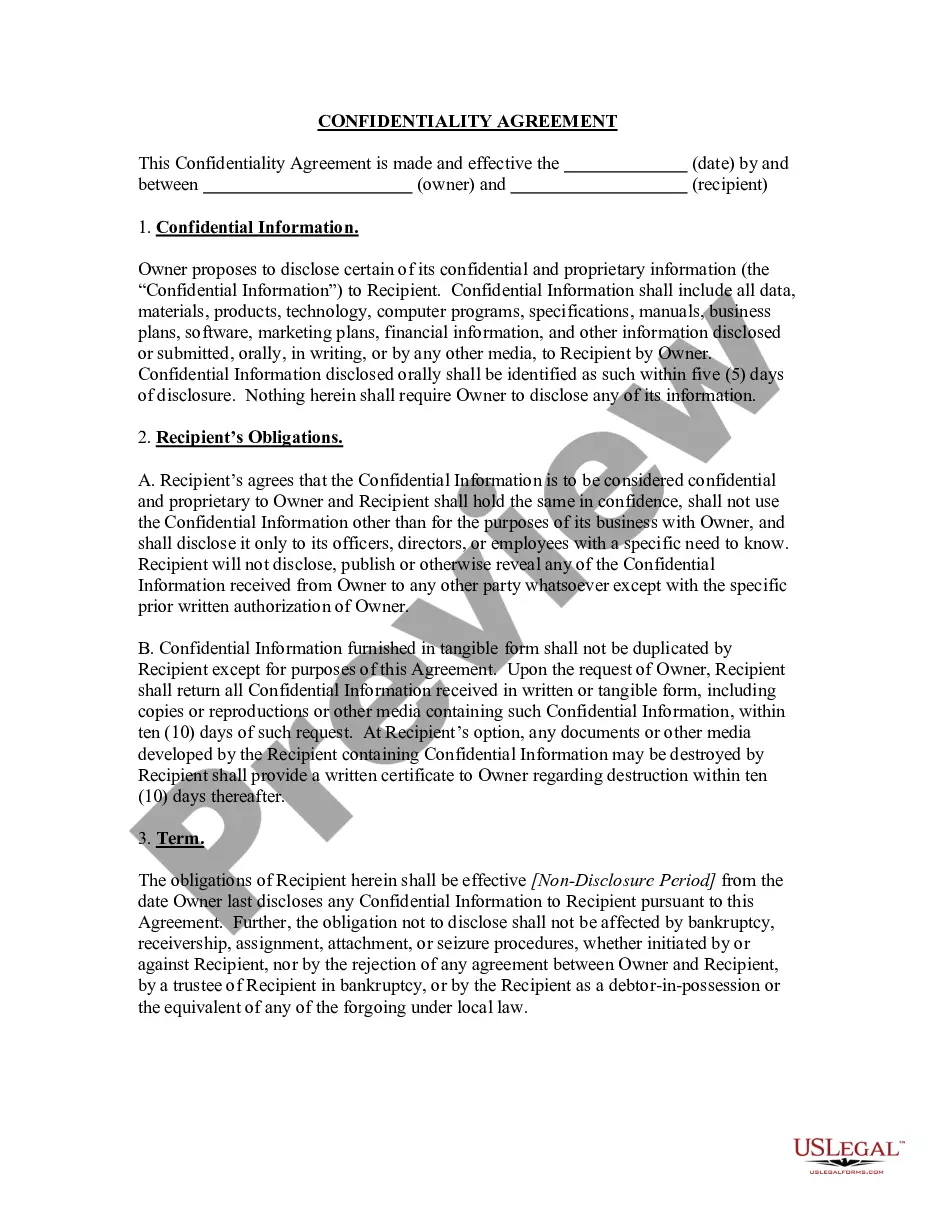
Utilize the US Legal Forms website. The platform provides a vast array of templates, such as the Pennsylvania Confidentiality Agreement for Interpreters, which can be utilized for both business and personal purposes.
You can preview the form using the Review option and read the form description to confirm it is suitable for your needs.
- All of the forms are reviewed by professionals and comply with federal and state requirements.
- If you are already registered, Log In to your account and click the Download option to obtain the Pennsylvania Confidentiality Agreement for Interpreters.
- Use your account to search for the legal forms you have acquired previously.
- Navigate to the My documents tab in your account and obtain another copy of the document you require.
- If you are a new user of US Legal Forms, here are simple steps you can follow.
- Firstly, ensure you have selected the correct document for your city/state.
Form popularity
FAQ
Engaging an interpreter is recommended when the client: Requests it. Speaks English as a second language and is in a stressful, complex or unfamiliar situation. Is difficult to understand.
Interpreters must treat all information learned during the interpretation as confidential. Information shall only be shared on a need to know basis with other employees and service providers to the extent permitted by law.
Unless a document or a piece of information is translated and transferred accurately, it risks being meaningless to the company receiving it. This can cause potential delays or misunderstandings in important tasks and could lead to financial losses.
Confidentiality involves ensuring that information intended for one purpose is not used for another, without the agreement of the person or organisation supplying that information. Information must not be divulged to another agency or person without the consent of the informant.
Confidentiality involves ensuring that information intended for one purpose is not used for another, without the agreement of the person or organisation supplying that information. Information must not be divulged to another agency or person without the consent of the informant.
Impartiality is defined as fair, equitable, unprejudiced, unbiased and objective. To be impartial is to act free of favor for either party. In medical interpretation, the concept of impartiality helps ensure that communication remain solely between the patient and provider, free of judgement by way of the interpreter.
Engaging an interpreter is recommended if:requested by the client.the client cannot comprehend or respond to basic questions in English.you are experiencing difficulty understanding your client, or your client can only respond in a limited way.the client relies on family or friends to communicate.More items...
Confidentiality means respecting someone's privacy, and abstaining from sharing personal or potentially sensitive information about an individual, especially if that information has been shared in confidence.
Professional interpreters do have limitations; these include but are not limited to confidentiality for the patient, accuracy of information, comfort level with information being translated, and the lack of a relationship with the patient.
5 Qualities Every Interpreter Should Have1) Amazing Language Skills. First and foremost, interpreters need to have an exhaustive grasp of the language they interpret for.2) Specialty Knowledge.3) Accreditation.4) Soft Skills.5) Cultural Competence.A Great Interpreter Is An Empathetic Listener.