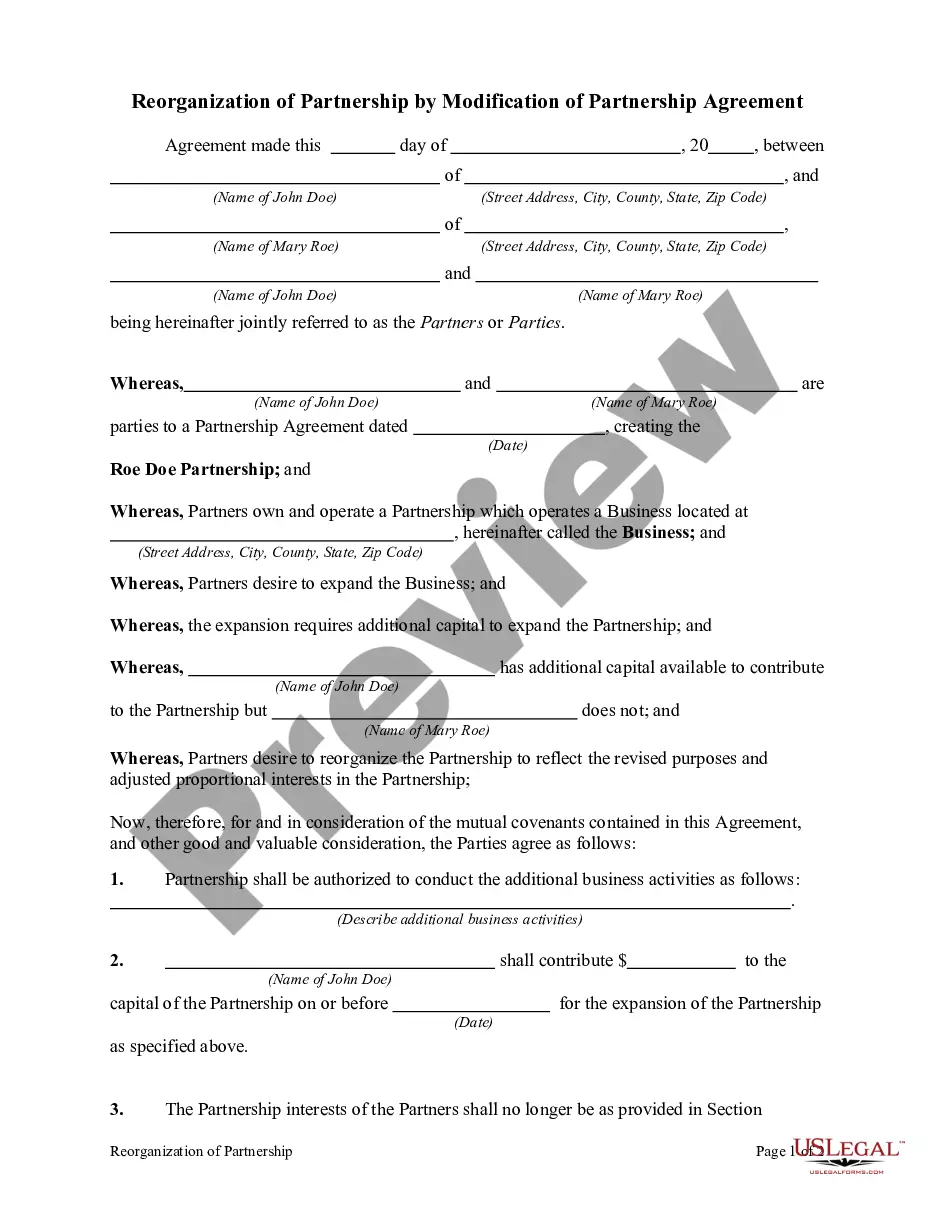
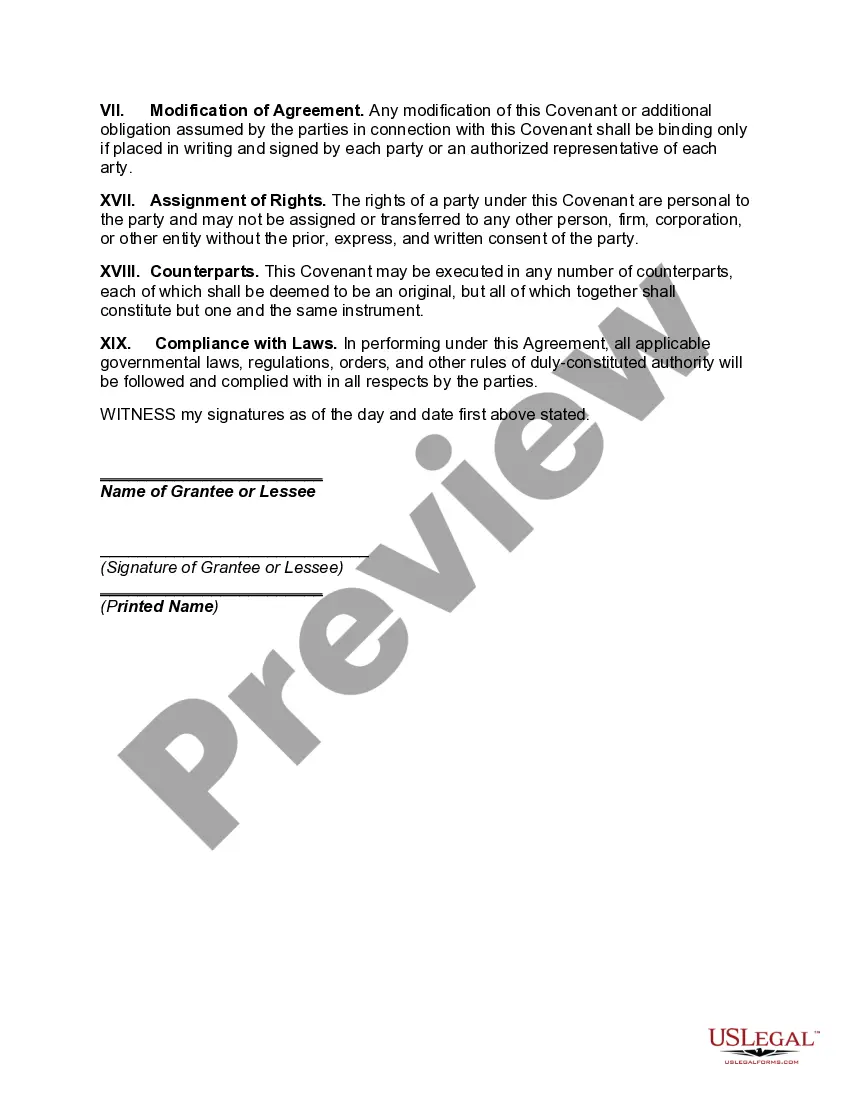
Pennsylvania Covenant Not to Commit Waste
Description
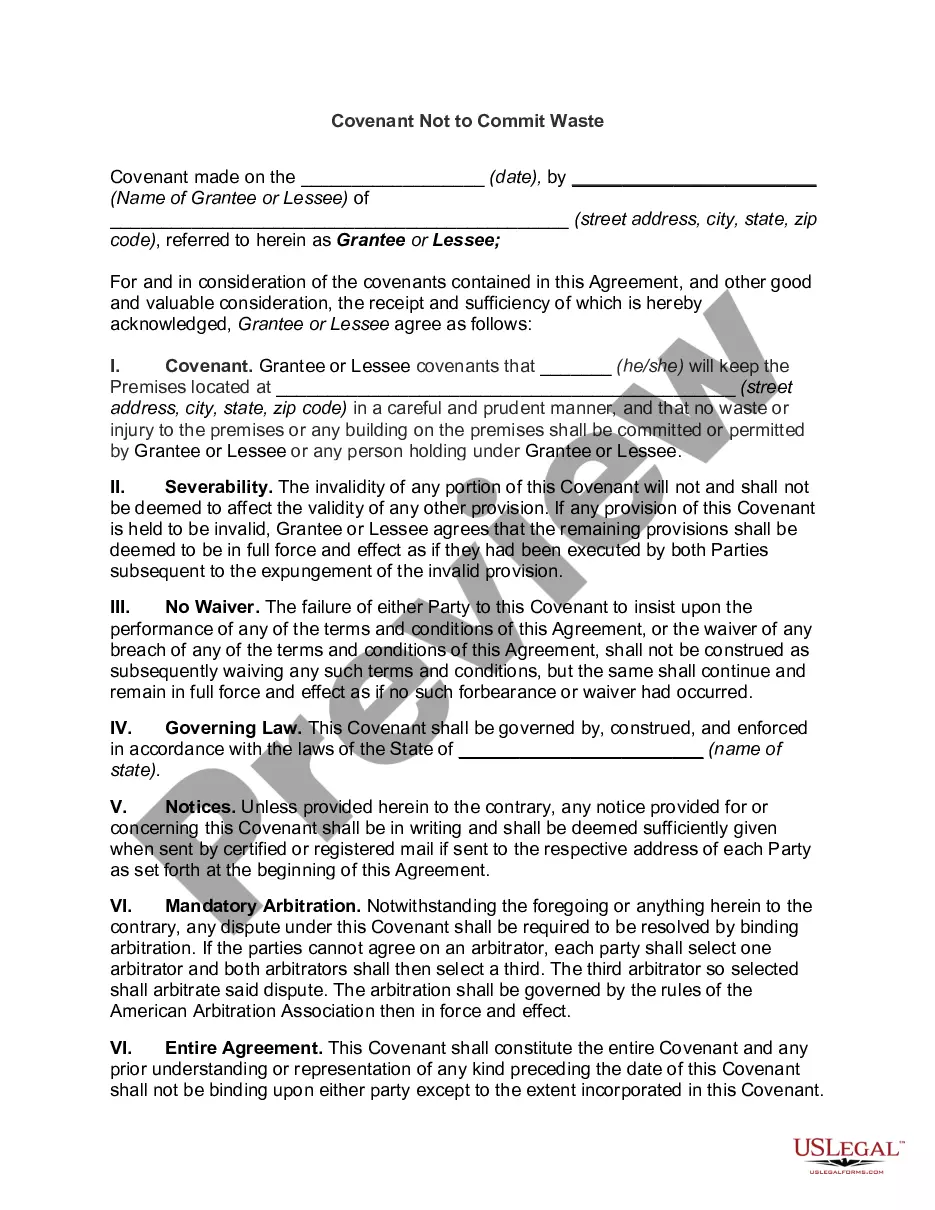

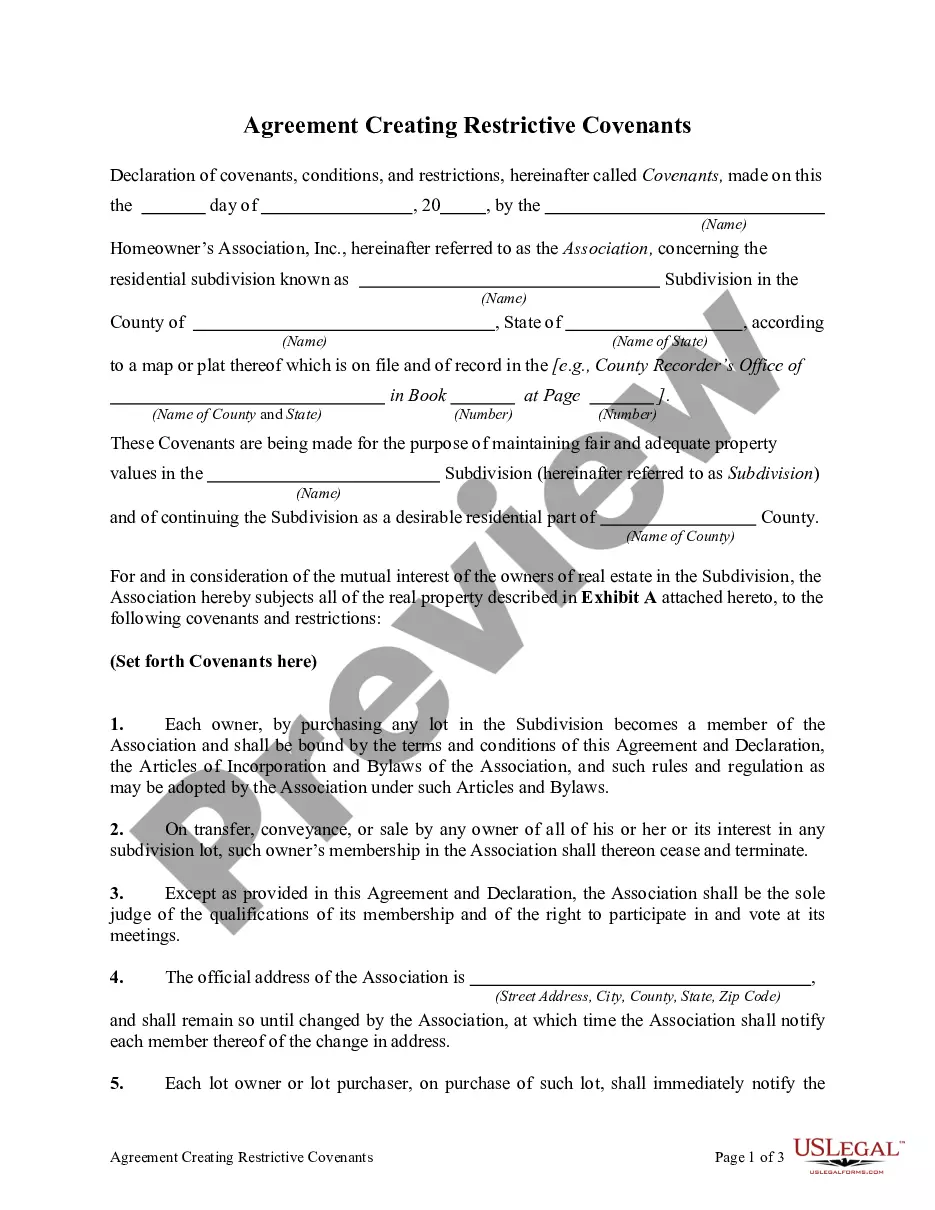
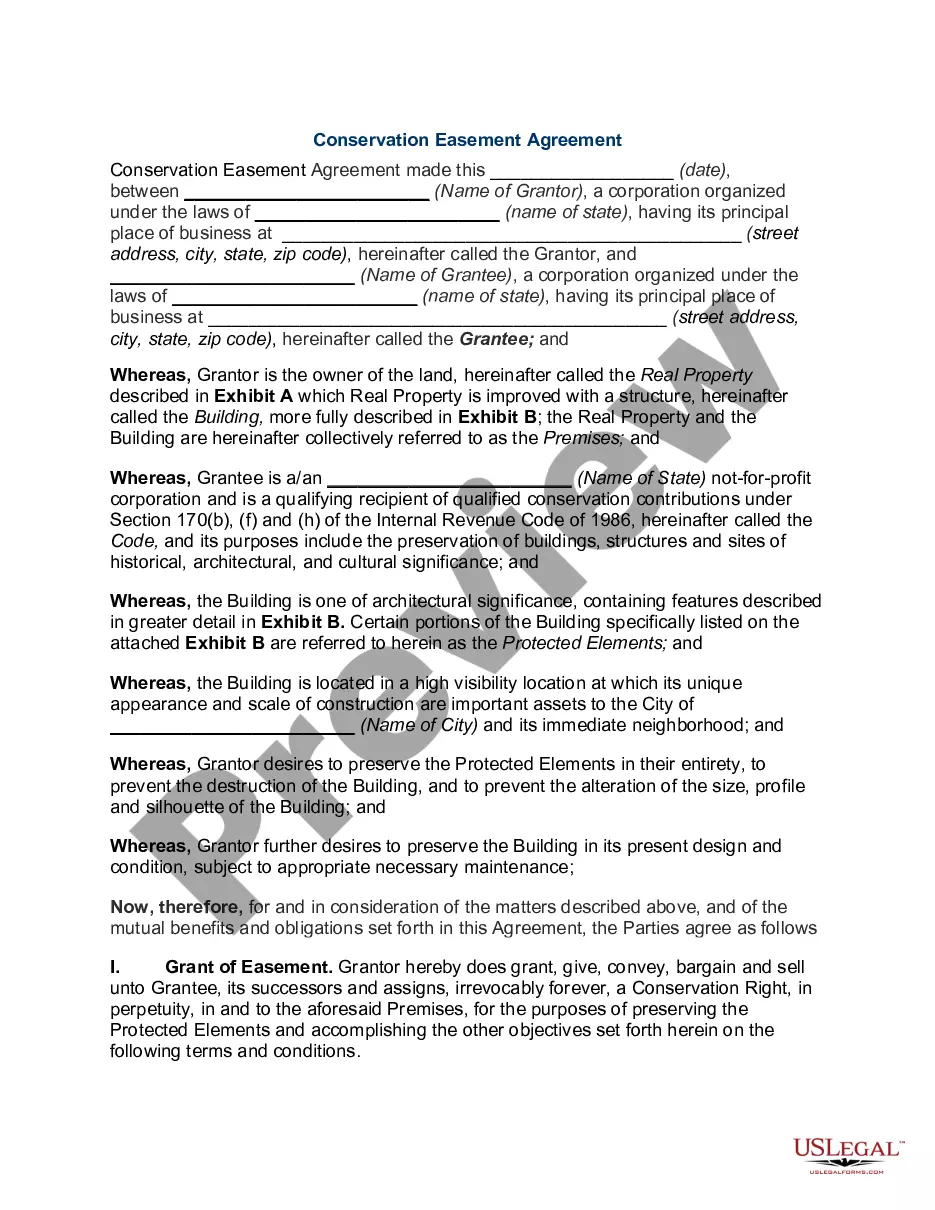
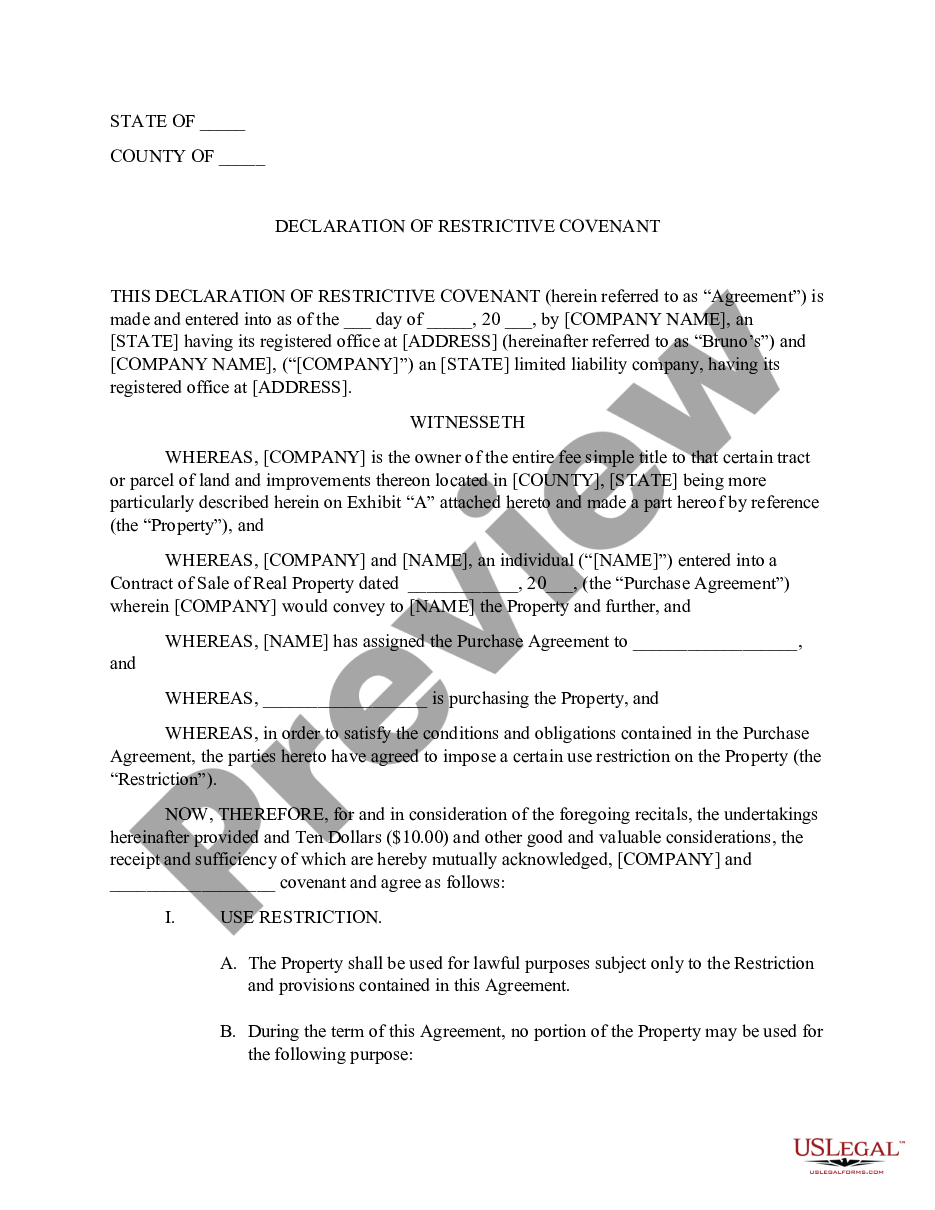
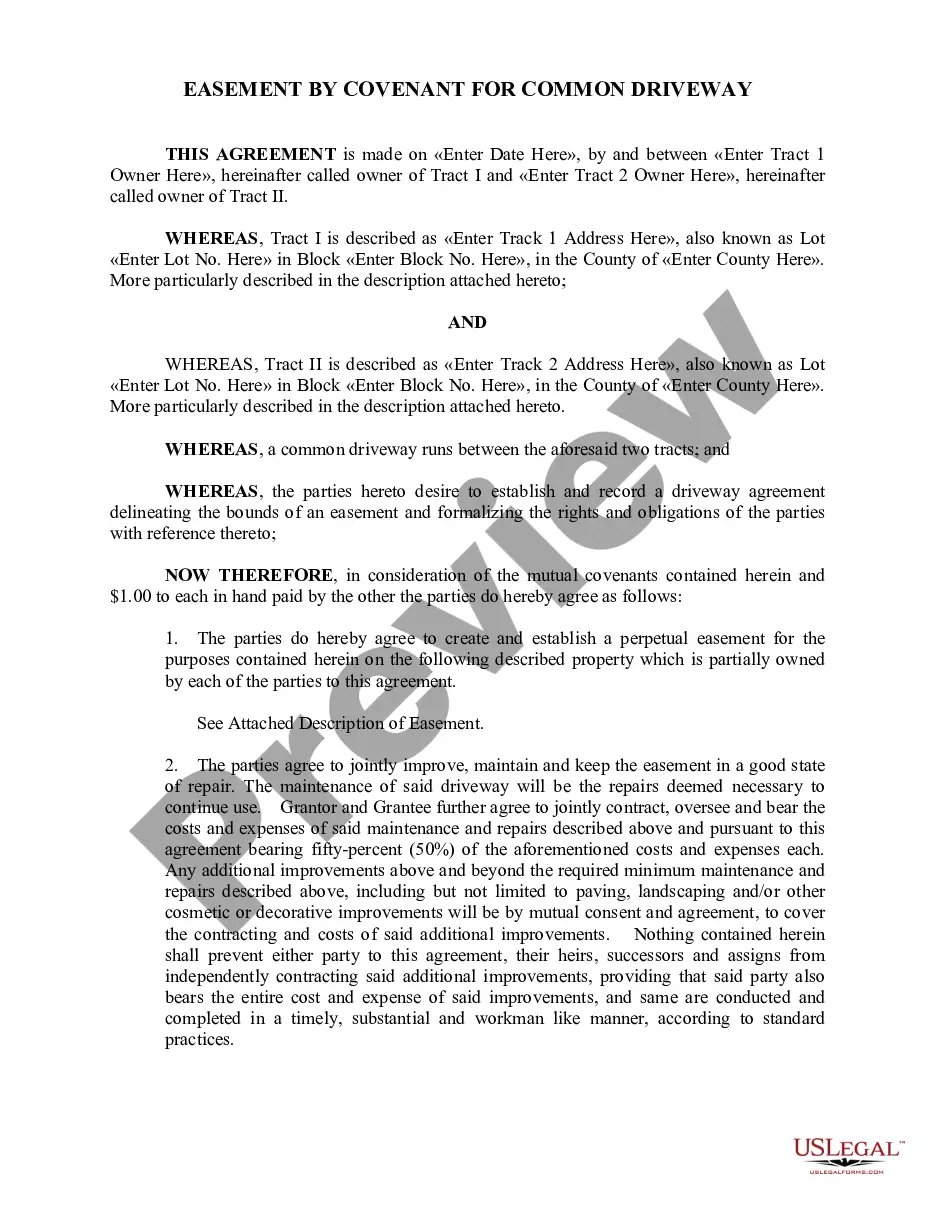
Get your form ready online
Our built-in tools help you complete, sign, share, and store your documents in one place.
Make edits, fill in missing information, and update formatting in US Legal Forms—just like you would in MS Word.
Download a copy, print it, send it by email, or mail it via USPS—whatever works best for your next step.
Sign and collect signatures with our SignNow integration. Send to multiple recipients, set reminders, and more. Go Premium to unlock E-Sign.
If this form requires notarization, complete it online through a secure video call—no need to meet a notary in person or wait for an appointment.
We protect your documents and personal data by following strict security and privacy standards.

Make edits, fill in missing information, and update formatting in US Legal Forms—just like you would in MS Word.

Download a copy, print it, send it by email, or mail it via USPS—whatever works best for your next step.

Sign and collect signatures with our SignNow integration. Send to multiple recipients, set reminders, and more. Go Premium to unlock E-Sign.

If this form requires notarization, complete it online through a secure video call—no need to meet a notary in person or wait for an appointment.

We protect your documents and personal data by following strict security and privacy standards.
Looking for another form?

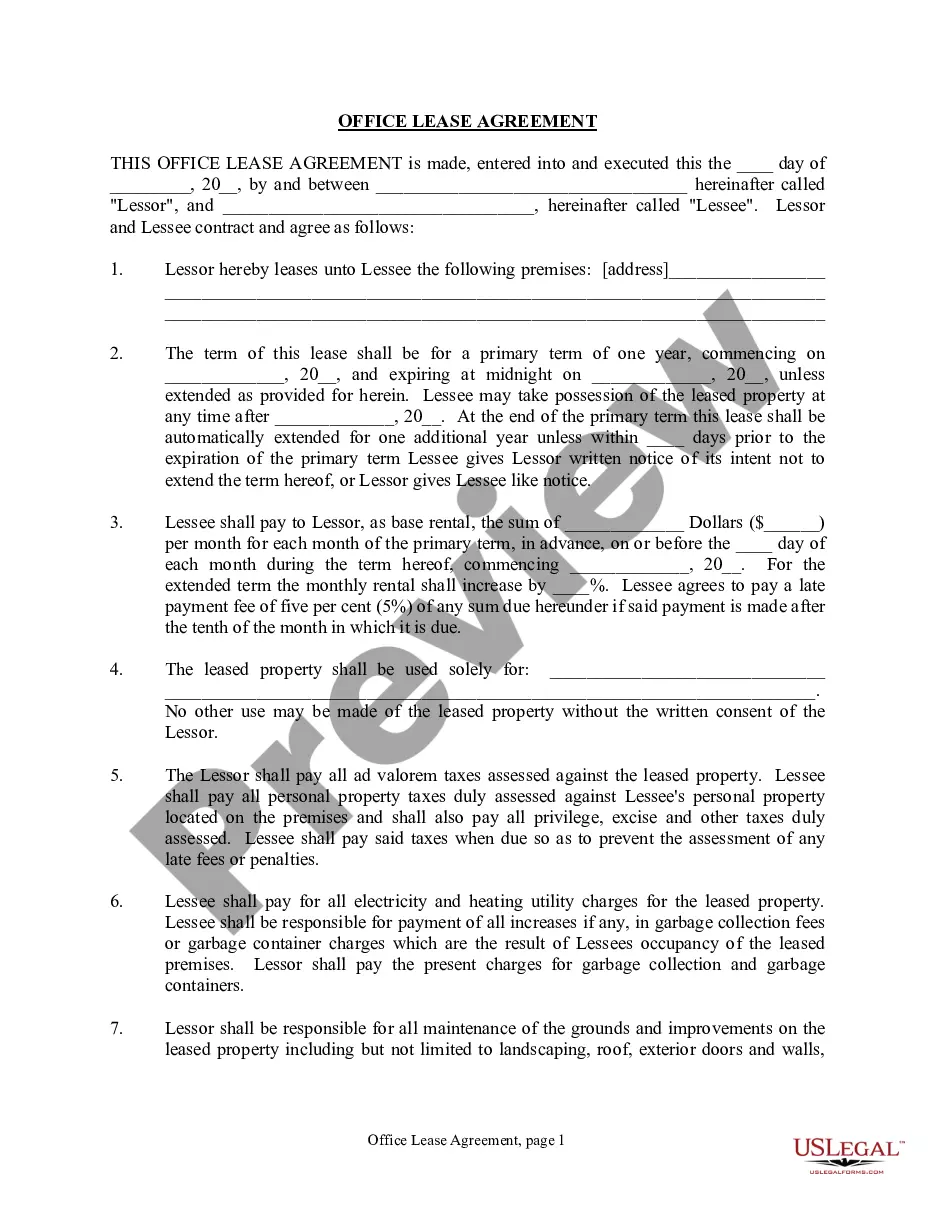





How to fill out Covenant Not To Commit Waste?
US Legal Forms - among the top libraries of legal documents in the United States - offers a wide range of legal document templates that you can download or print.
Through the website, you can access thousands of forms for business and personal use, organized by categories, states, or keywords.
You can find the latest versions of forms such as the Pennsylvania Covenant Not to Commit Waste in just a few minutes.
If the form does not meet your needs, use the Search field at the top of the screen to find one that does.
Once satisfied with the form, confirm your choice by clicking the Purchase now button. Then, select your desired pricing plan and provide your details to register for an account.
- If you already have a subscription, Log In to download the Pennsylvania Covenant Not to Commit Waste from the US Legal Forms library.
- The Download button will appear on every form you view.
- You can find all previously acquired forms in the My documents section of your account.
- To use US Legal Forms for the first time, here are simple steps to get started.
- Ensure you've selected the correct form for your area/county.
- Click the Preview button to review the form’s contents.
Form popularity
FAQ
1, 2022. Landlords are only able to evict tenants after going before a judge and the judge finding in favor of the landlord. Once the judge issues a judgment allowing for eviction of a tenant, the landlord must wait at least 10 days to file a Request for Order of Possession of the property.
In Pennsylvania, a landlord must give reasonable notice before entering a property usually, 24-hours advanced notice. There needs to be written notice if emergency repairs are needed, landlords can enter the property to stop any damage that is occurring.
Landlords cannot enter tenanted properties without giving proper notice. Landlords cannot arbitrarily end someone's tenancy before the lease expires. Arbitrary, mid-lease rent increases are not permitted unless specified in certain circumstances in the lease or by the municipality.
Legally when you grant a tenancy, you give the tenant exclusive possession (the right to exclude the world), they may exercise this right and refuse you access in some circumstances.
This may include dangerous hazards, like infestations, holes in the floors or walls, exposed electrical, or a broken furnace in the winter. Non-working cable television or out-of-date appliances typically do not make a rental uninhabitable, unless there is a dangerous condition associated with them, such as a gas leak.
Pennsylvania tenants are legally entitled to a rental that meets basic structural, health, and safety standards. It must also be in good repair pursuant to the landlord's implied warranty of habitability, an implied right in every written or oral residential lease.
Waste is a term used in property law to describe a cause of action that can be brought in court to address a change in condition of real property brought about by a current tenant that damages or destroys the value of that property.
Pennsylvania does not have any laws regarding landlord right to entry. As such, landlords are legally allowed to enter units whenever they want, though most landlords and tenants have some kind of entry notification policy in the lease agreement.
Legally, your landlord would have to apply for a court order to get access. You could be at risk of section 21 eviction if you rent privately and refuse access for repairs or gas or electrical safety checks.
Landlord Right to Entry in PennsylvaniaPennsylvania does not have any laws regarding landlord right to entry. As such, landlords are legally allowed to enter units whenever they want, though most landlords and tenants have some kind of entry notification policy in the lease agreement.