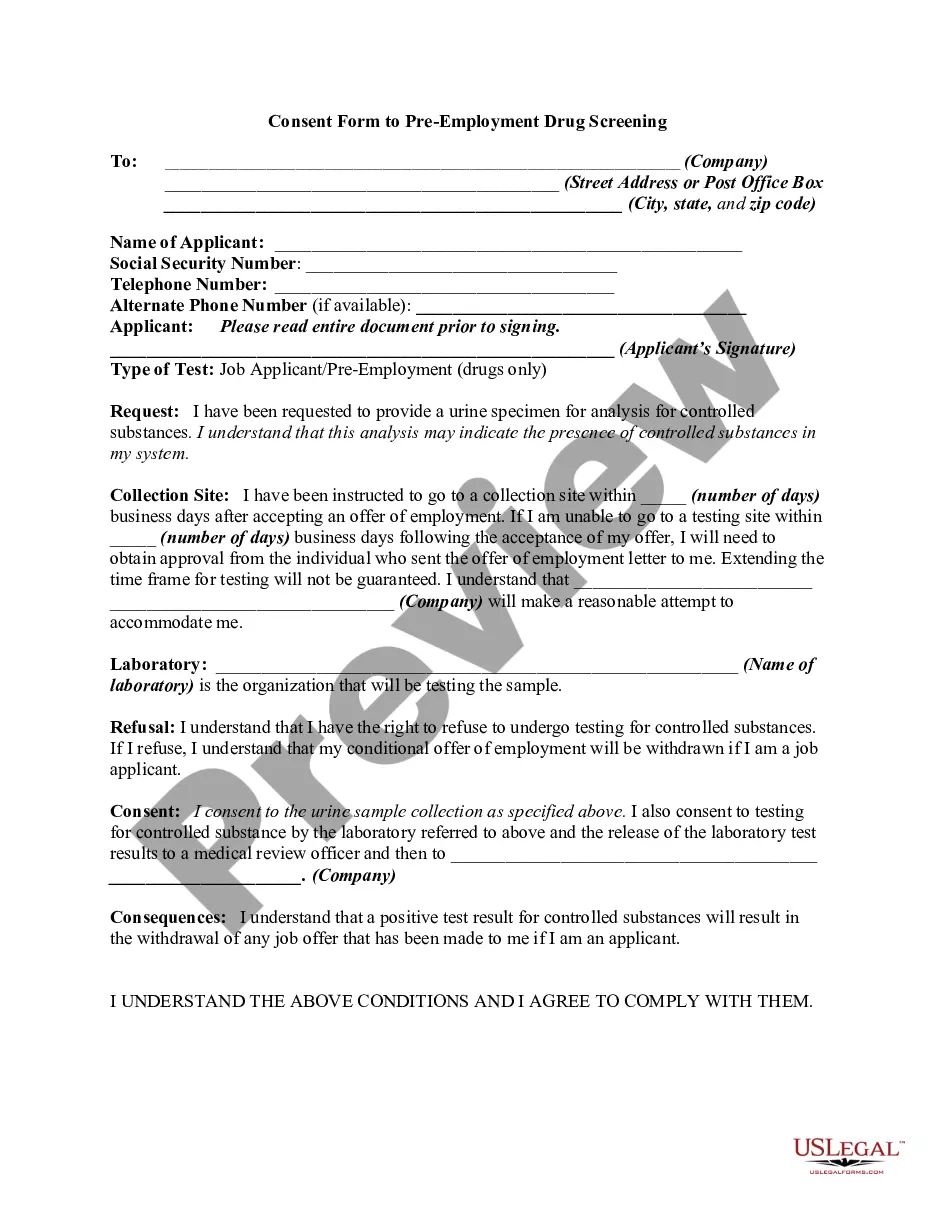
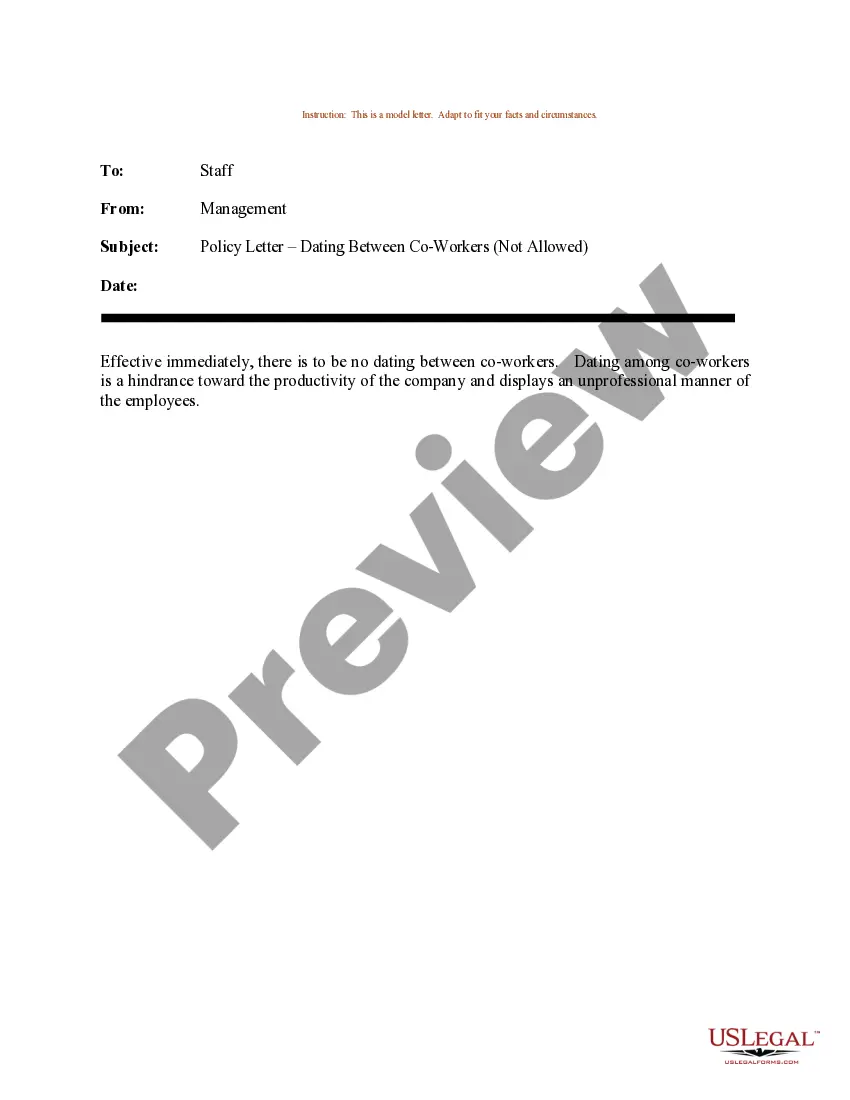
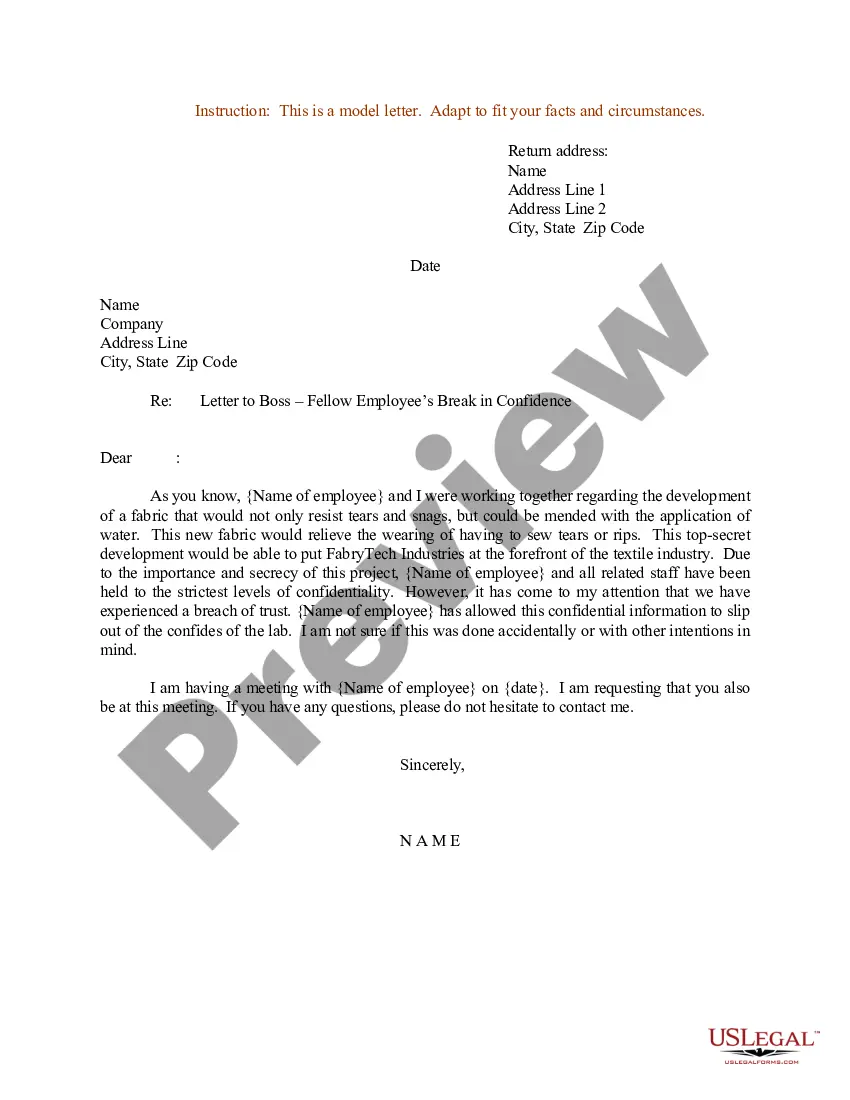
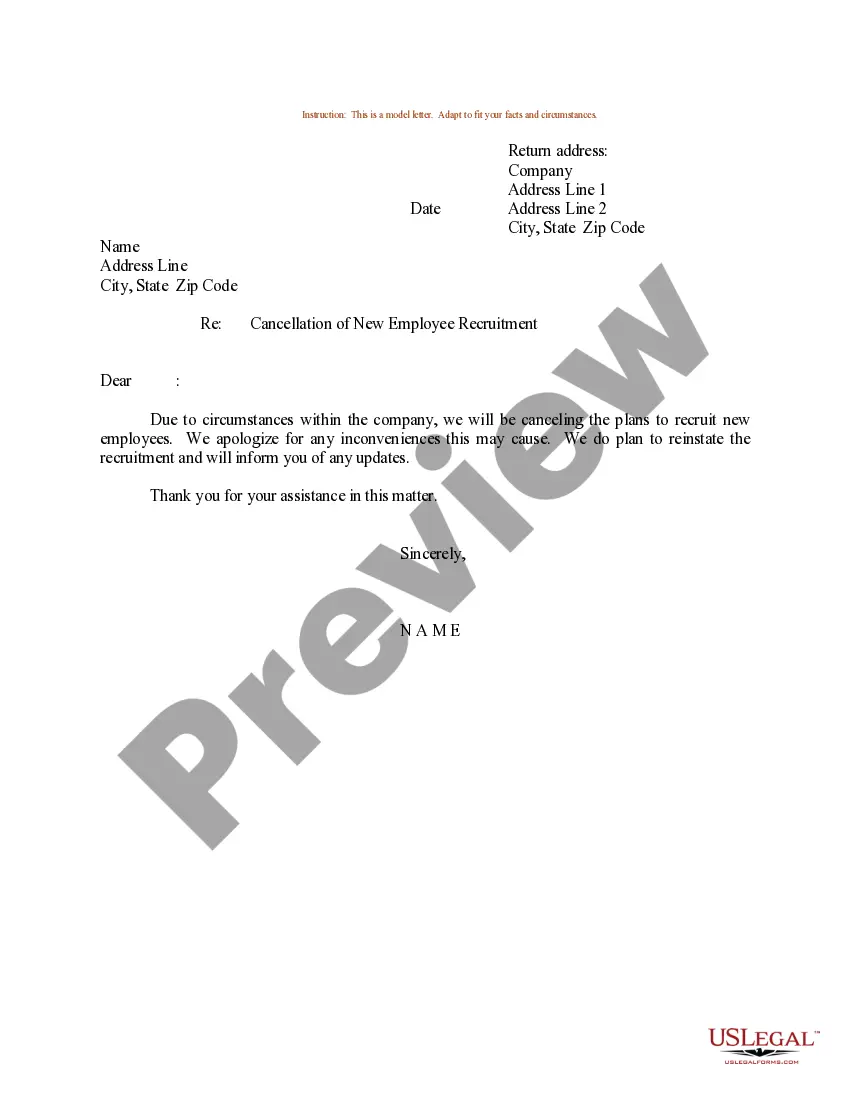
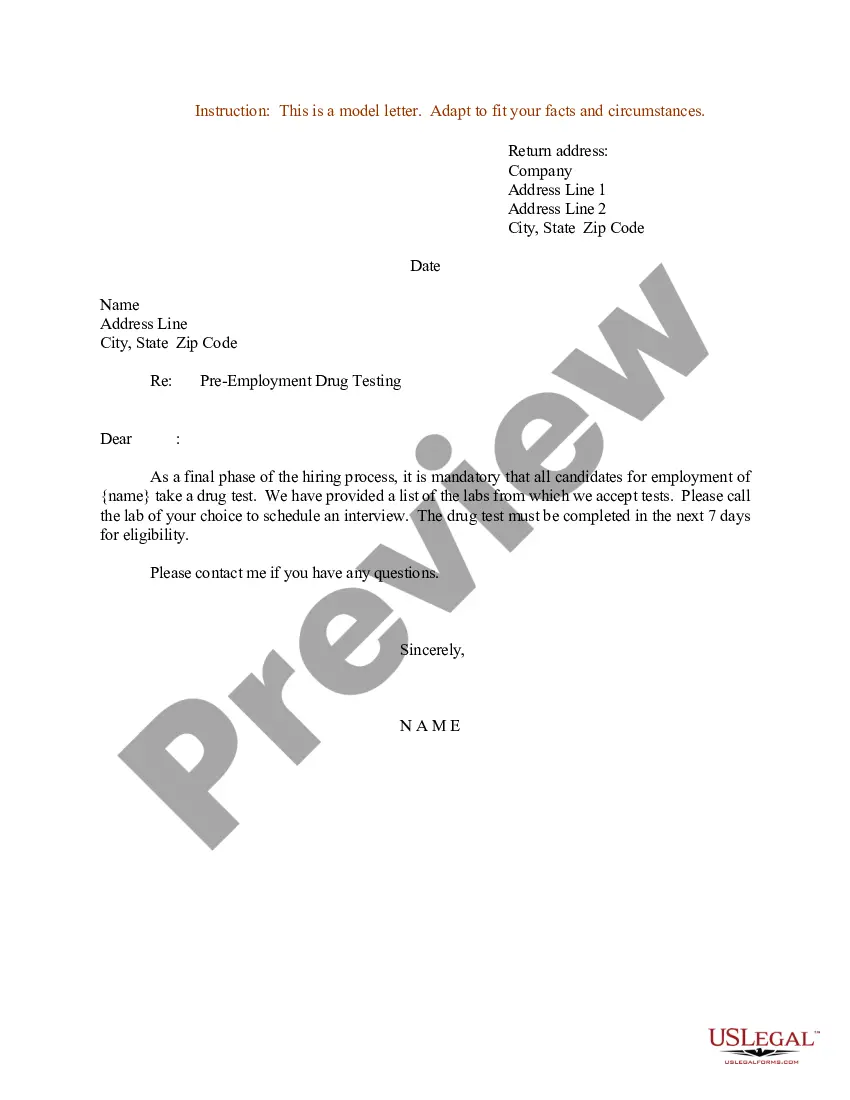
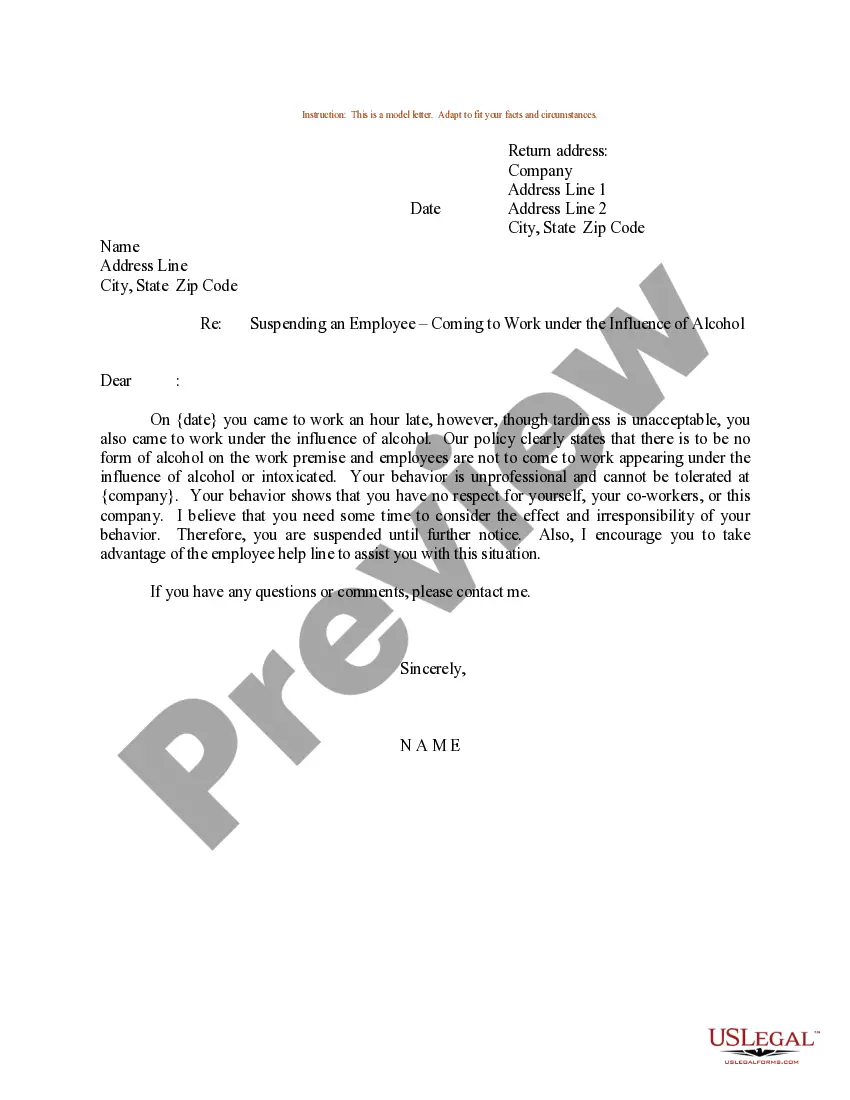
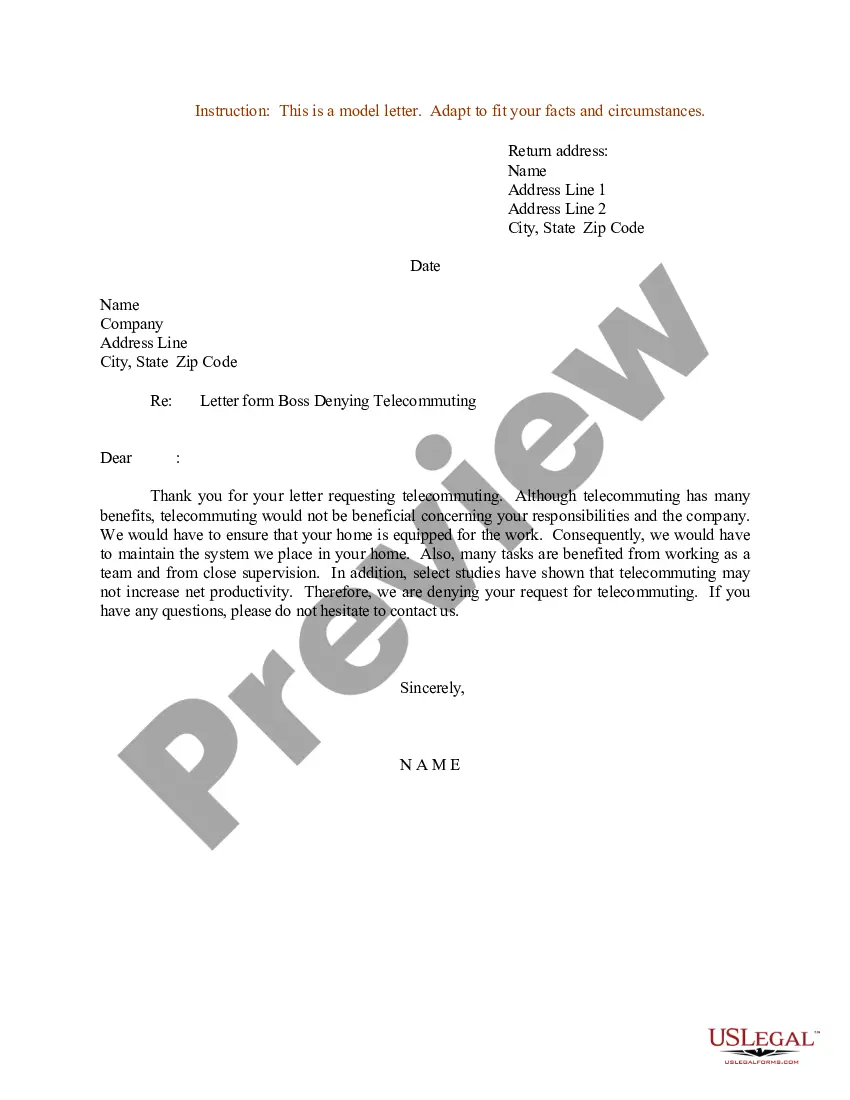
Pennsylvania Sample Letter for Dating Between Co-Workers - Not Allowed
Description
Get your form ready online
Our built-in tools help you complete, sign, share, and store your documents in one place.
Make edits, fill in missing information, and update formatting in US Legal Forms—just like you would in MS Word.
Download a copy, print it, send it by email, or mail it via USPS—whatever works best for your next step.
Sign and collect signatures with our SignNow integration. Send to multiple recipients, set reminders, and more. Go Premium to unlock E-Sign.
If this form requires notarization, complete it online through a secure video call—no need to meet a notary in person or wait for an appointment.
We protect your documents and personal data by following strict security and privacy standards.

Make edits, fill in missing information, and update formatting in US Legal Forms—just like you would in MS Word.

Download a copy, print it, send it by email, or mail it via USPS—whatever works best for your next step.

Sign and collect signatures with our SignNow integration. Send to multiple recipients, set reminders, and more. Go Premium to unlock E-Sign.

If this form requires notarization, complete it online through a secure video call—no need to meet a notary in person or wait for an appointment.

We protect your documents and personal data by following strict security and privacy standards.
Looking for another form?



How to fill out Sample Letter For Dating Between Co-Workers - Not Allowed?
Are you currently in a situation where you need documents for either business or personal purposes almost all the time.
There are numerous legal document templates accessible online, but locating ones you can trust is challenging.
US Legal Forms provides thousands of form templates, including the Pennsylvania Sample Letter for Dating Between Co-Workers - Not Allowed, which are designed to meet state and federal requirements.
Select a suitable paper format and download your copy.
Find all the document templates you have purchased in the My documents menu. You can obtain an additional copy of Pennsylvania Sample Letter for Dating Between Co-Workers - Not Allowed at any time, if needed. Simply click on the necessary form to download or print the document template.
- If you are already familiar with the US Legal Forms website and have an account, just Log In.
- After that, you can download the Pennsylvania Sample Letter for Dating Between Co-Workers - Not Allowed template.
- If you do not have an account and wish to use US Legal Forms, follow these steps.
- Find the form you need and ensure it is for the correct city/state.
- Utilize the Review button to examine the form.
- Check the details to confirm that you have selected the right form.
- If the form is not what you are looking for, use the Search field to find the form that meets your requirements.
- Once you locate the right form, click Buy now.
- Choose the pricing plan you wish, complete the required information to create your account, and pay for the transaction using your PayPal or credit card.
Form popularity
FAQ
In fact, when it comes to love at work, most dating experts are clear about what they recommend: Don't do it. But, of course, people ignore relationship advice all the time. Over half of American workers have had a crush on a co-worker, according to the Society for Human Resource Management.
As long as you can maintain the same professional practices you had before, there shouldn't be an issue with dating a coworker. Most of your other peers will respect and understand if you want to date a co-worker, so long as it doesn't impact the office relationships or your ability to complete your work.
Acceptable behavior If you want to express your romantic interest in a colleague, don't do anything that may embarrass or expose them and always respect their time and choices. You're allowed to ask a colleague on a date only once.
Under US law, dating a coworker is not illegal, and any rules or restrictions enforced by your employer regarding fraternization and dating people at work are employer-specific, rather than mandated in law.
Under US law, dating a coworker is not illegal, and any rules or restrictions enforced by your employer regarding fraternization and dating people at work are employer-specific, rather than mandated in law.
As a California employee, you cannot be fired solely because you are dating a co-worker. While employers are permitted to implement anti-fraternization policies in the workplace, your employer's control over your off-the-clock life should be limited.
Don't: date someone below or above you on the hierarchy "Typically an organization will require employees to disclose a relationship if a potential conflict exists relating to reporting structure," says HR expert Ed Krow.
However, due to a protection of employee privacy and your right to a private life (in California only) they cannot fire you for having an off-hours relationship with someone who happens to be employed by the same company.
Is workplace romance unlawful? No. Title VII of the Civil Rights Act of 1964 is the primary federal law governing sexual harassment in the workplace. Two coworkers having a consensual romantic relationship does not, by itself, violate Title VII.
Employers simply can't forbid the reality of romance within the workplace, Johnny Taylor, president and CEO of SHRM, said. Instead, they should reflect on their culture and ensure their approach is current, realistic and balanced in ways that protect employees while leaving them free to romance responsibly.