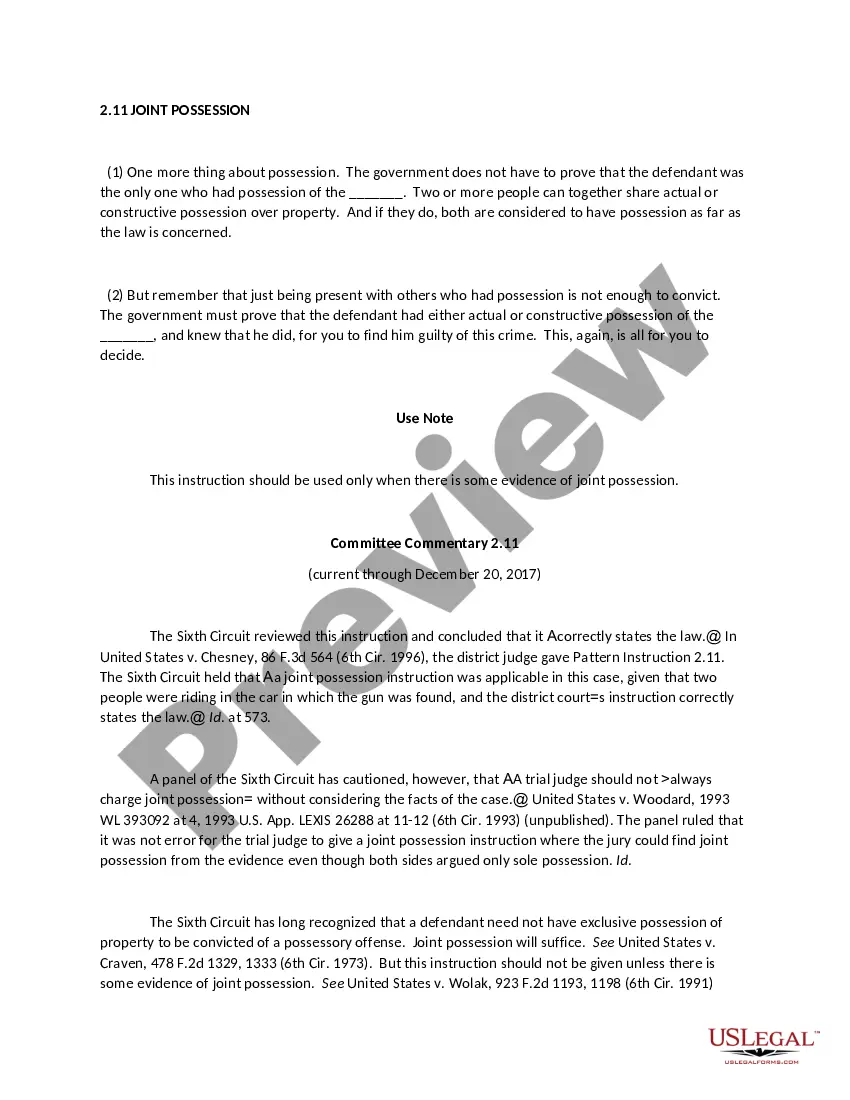
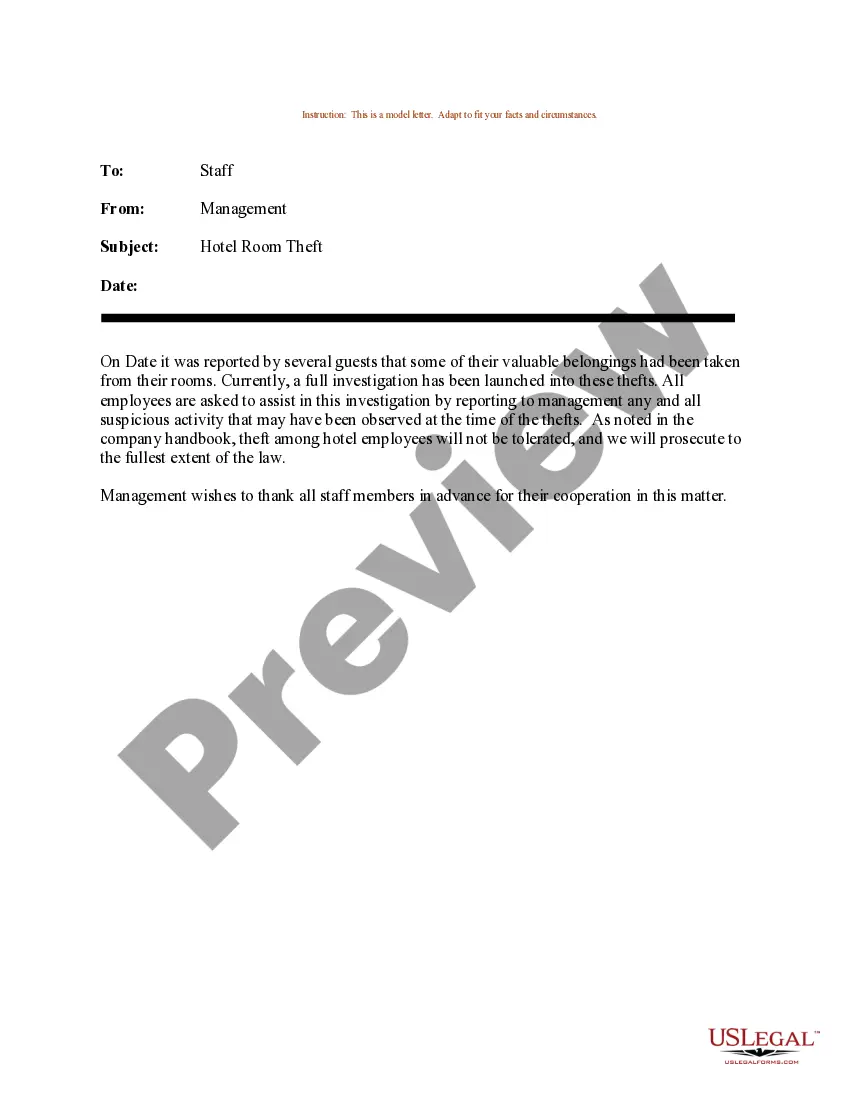
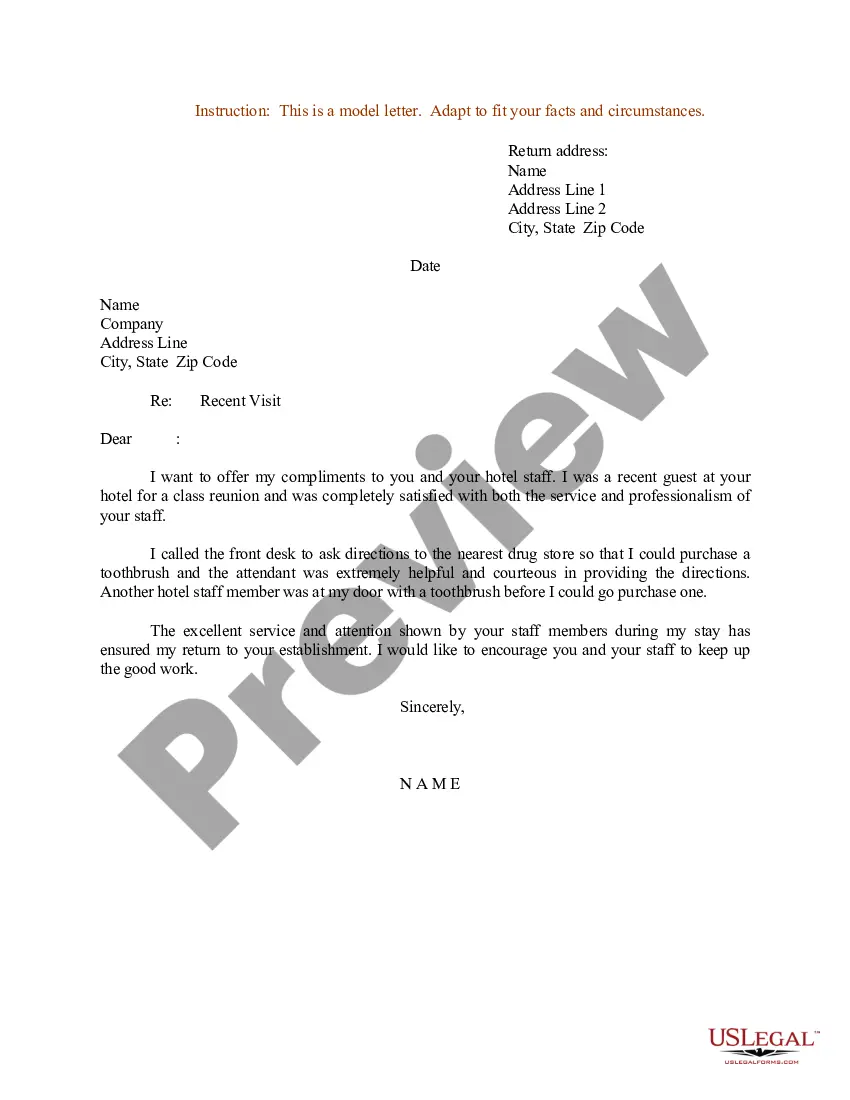
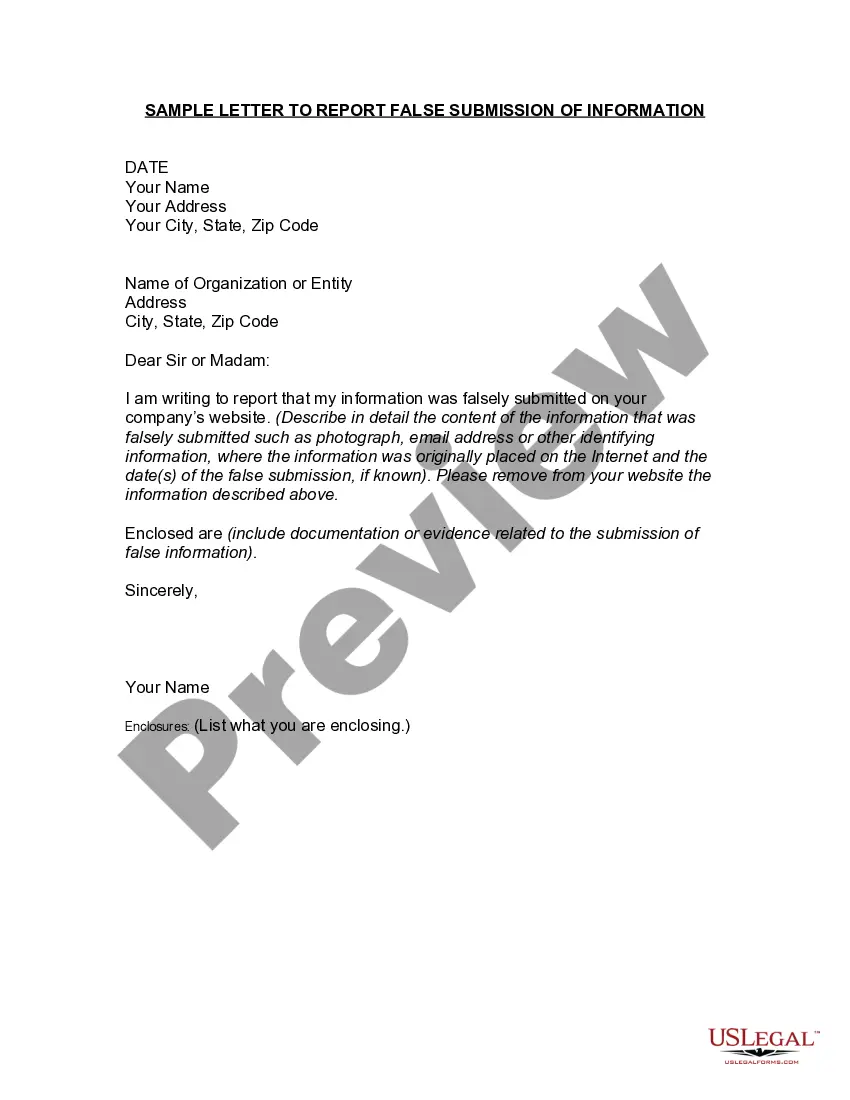
Pennsylvania Sample Letter for Hotel Room Theft
Description
Get your form ready online
Our built-in tools help you complete, sign, share, and store your documents in one place.
Make edits, fill in missing information, and update formatting in US Legal Forms—just like you would in MS Word.
Download a copy, print it, send it by email, or mail it via USPS—whatever works best for your next step.
Sign and collect signatures with our SignNow integration. Send to multiple recipients, set reminders, and more. Go Premium to unlock E-Sign.
If this form requires notarization, complete it online through a secure video call—no need to meet a notary in person or wait for an appointment.
We protect your documents and personal data by following strict security and privacy standards.

Make edits, fill in missing information, and update formatting in US Legal Forms—just like you would in MS Word.

Download a copy, print it, send it by email, or mail it via USPS—whatever works best for your next step.

Sign and collect signatures with our SignNow integration. Send to multiple recipients, set reminders, and more. Go Premium to unlock E-Sign.

If this form requires notarization, complete it online through a secure video call—no need to meet a notary in person or wait for an appointment.

We protect your documents and personal data by following strict security and privacy standards.
Looking for another form?


How to fill out Sample Letter For Hotel Room Theft?
Locating the appropriate legal document template can be quite challenging.
It goes without saying that there are numerous formats available online, but how do you find the legal document you require.
Utilize the US Legal Forms website. The service offers thousands of formats, including the Pennsylvania Sample Letter for Hotel Room Theft, suitable for both business and personal purposes.
You can examine the document using the Review button and view the document details to confirm it is the right one for you.
- All of the documents are reviewed by professionals and adhere to state and federal regulations.
- If you are already a member, Log In to your account and click the Download button to obtain the Pennsylvania Sample Letter for Hotel Room Theft.
- Use your account to review the legal documents you have previously purchased.
- Visit the My documents section of your account to download an additional copy of the document you need.
- If you are a new user of US Legal Forms, here are simple instructions for you to follow.
- First, ensure you have selected the correct document for your city/state.
Form popularity
FAQ
As I was about to shift my attention for other more interesting things to see, one particular rule caught my eye; the rule said: Take care of your personal belongings. The Hotel shall not be liable for any such loss/theft of any valuables/cash or any document(s).
If you're ever in a similar situation, try these tactics to reach a resolution with your hotel.How did a thief get our luggage?Spoiler alert: Just buy trip insurance.Be proactive and demand action.Feeling victimized is stressful but stay calm.Explain what you need.Consult your packing list.File a police report.More items...?
Hotels and motels can purchase what is known as innkeeper's insurance. This is an insurance policy that pays for loss or damage to a guest's property while on the hotel premises and in their possession. It is a policy especially for any business that provides lodging.
The luxury hotel and spa guide Wellness Heaven surveyed 1,157 hotels to determine what the most commonly stolen items are. The top five: towels, bathrobes, hangers, pens, and cutlery.
The first and most important step is to report the theft or loss first to hotel management and then to the police. You'll most likely need to provide a formal police report to file with a travel insurance claim, said Stan Sandberg, the co-founder of travel insurance comparison website TravelInsurance.com.
The first and most important step is to report the theft or loss first to hotel management and then to the police. You'll most likely need to provide a formal police report to file with a travel insurance claim, said Stan Sandberg, the co-founder of travel insurance comparison website TravelInsurance.com.
Hotels can be held liable when hotel guests who are on their property are injured, or have their personal property stolen. There is a common law innkeeper's duty which states that innkeepers (hotel owners) are responsible for injuries to and theft from their guests.
But Paul Frederick, the former vice president of global security for Starwood, who now runs his own firm, tells Conde Nast Traveler that, in his experience, 90 percent of theft is in public areas, and just 10 percent occurs in rooms.
A room reservationeven when it's not prepaidis a contract, which a hotel is legally obligated to honor. Occasionally, however, when you arrive to claim your reservation, the room you chose might not be available. At that point, usually, the hotel will give you any room at all, even if it's a more expensive suite.
According to the concept of constructive bailment, there is an automatic and involuntary legal duty that requires a hotel to retain and safeguard lost or misplaced items of value that are discovered by or turned in to its staff. Such items must be reported and handled according to the hotel's lost and found procedures.