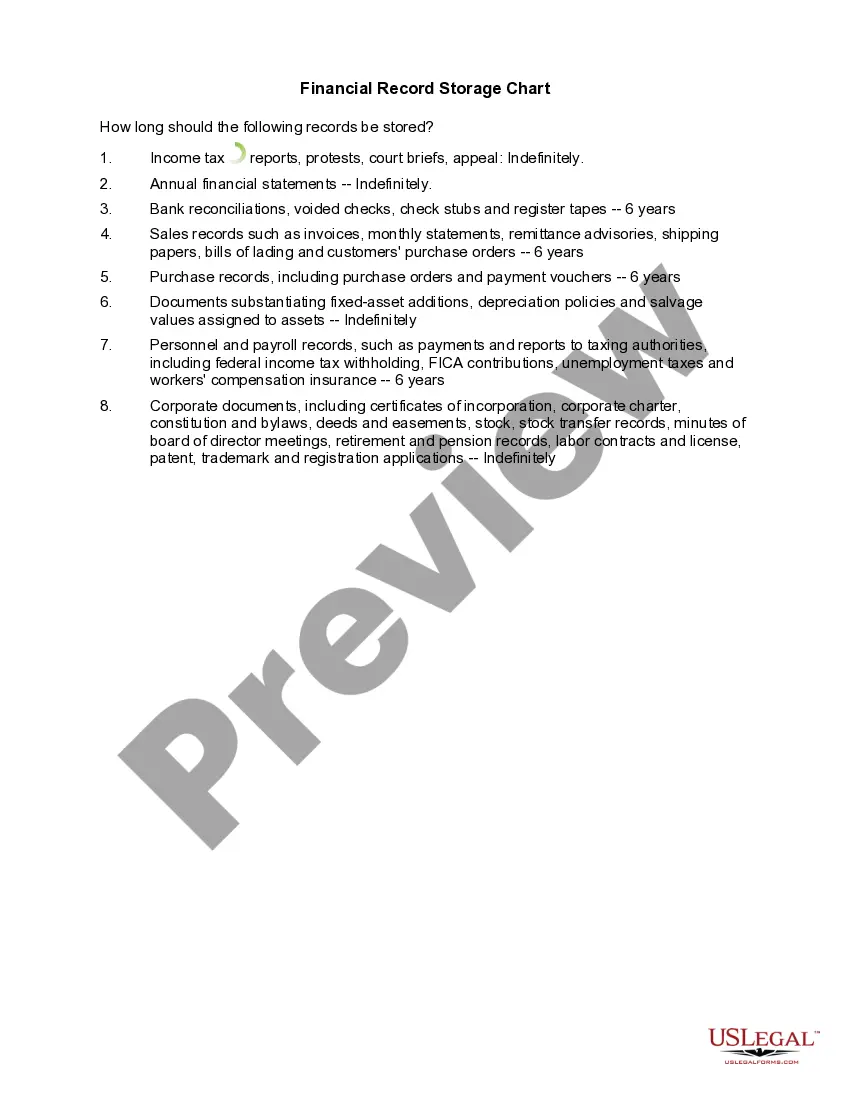
Pennsylvania Financial Record Storage Chart
Description
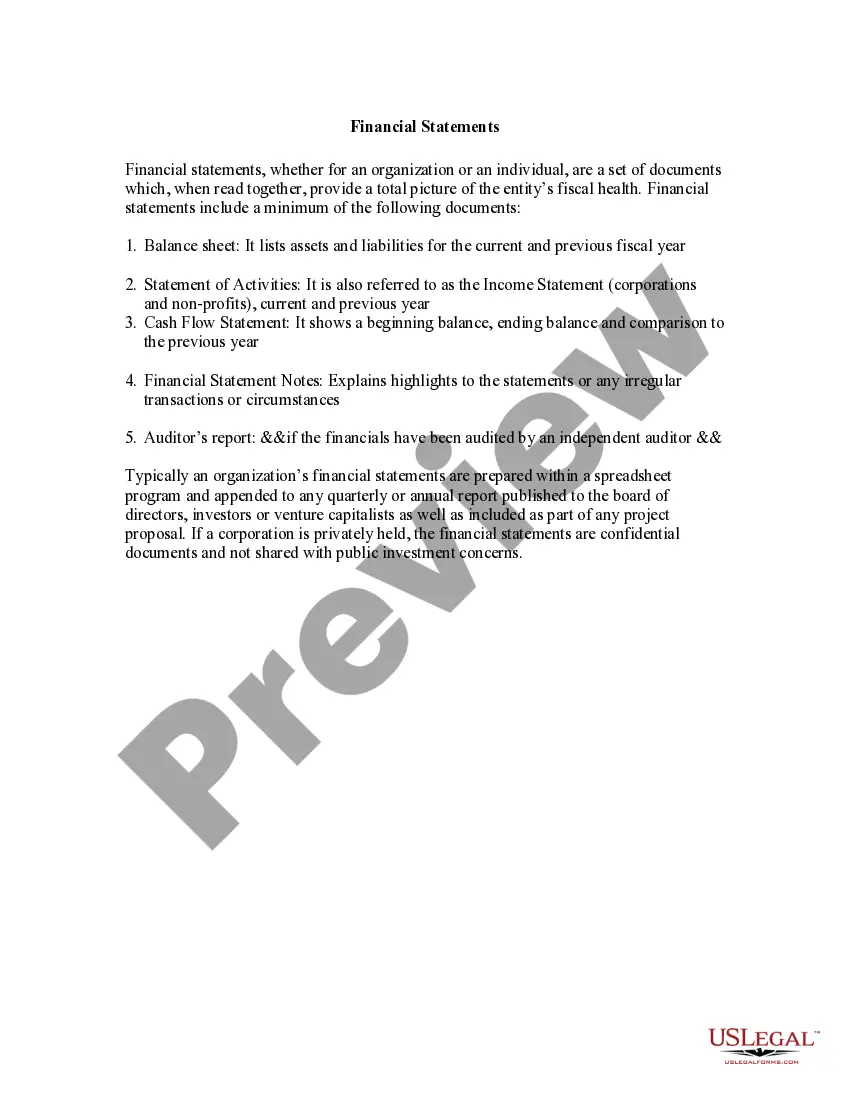
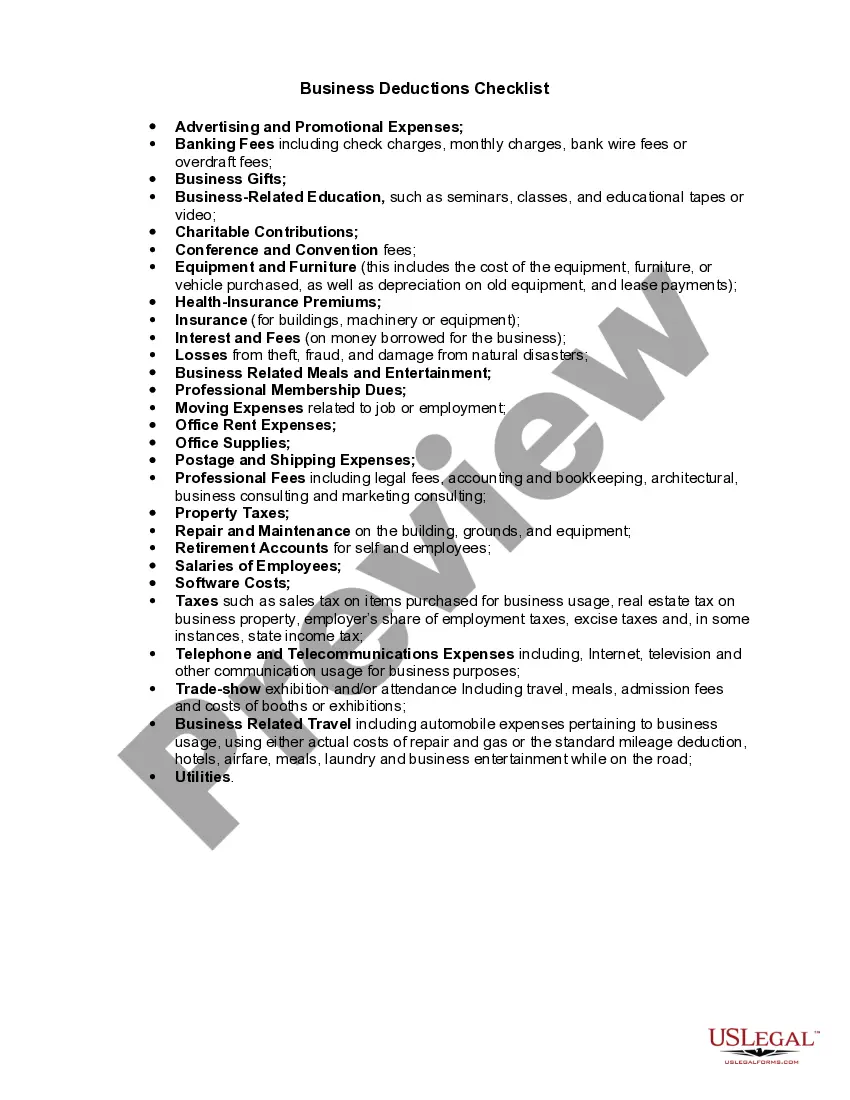
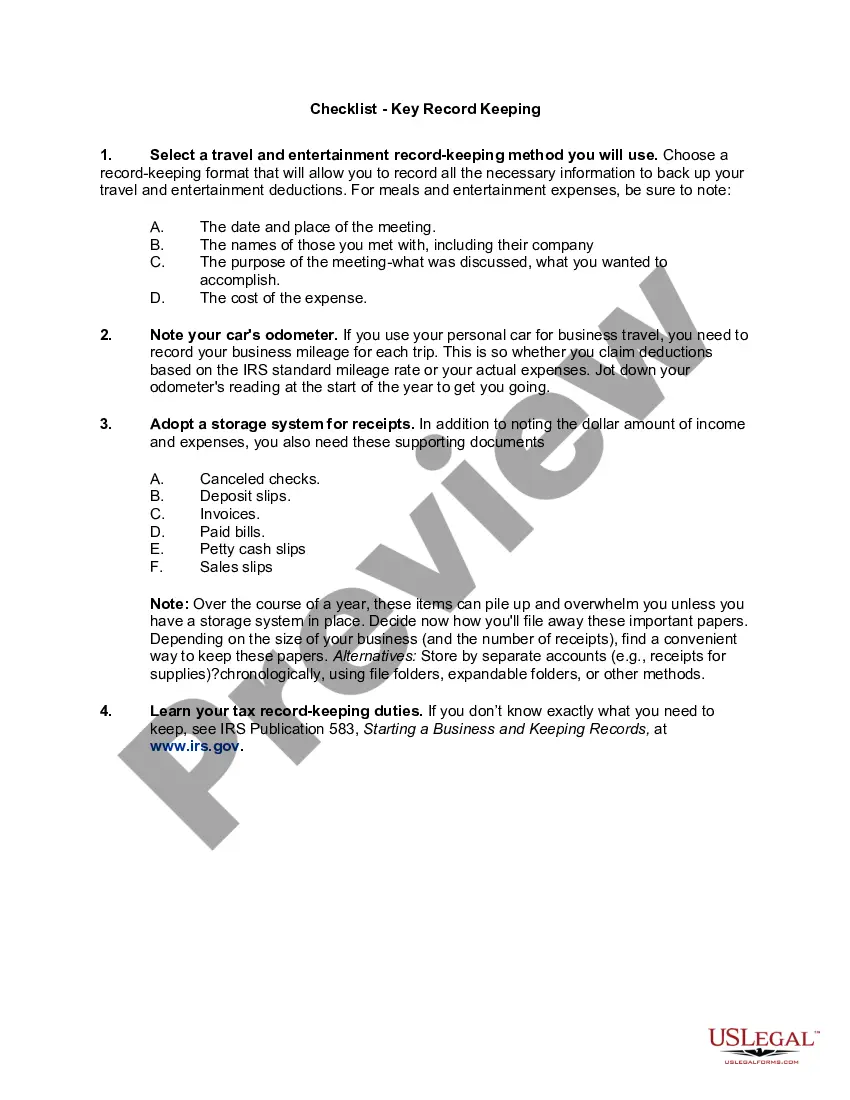
Get your form ready online
Our built-in tools help you complete, sign, share, and store your documents in one place.
Make edits, fill in missing information, and update formatting in US Legal Forms—just like you would in MS Word.
Download a copy, print it, send it by email, or mail it via USPS—whatever works best for your next step.
Sign and collect signatures with our SignNow integration. Send to multiple recipients, set reminders, and more. Go Premium to unlock E-Sign.
If this form requires notarization, complete it online through a secure video call—no need to meet a notary in person or wait for an appointment.
We protect your documents and personal data by following strict security and privacy standards.

Make edits, fill in missing information, and update formatting in US Legal Forms—just like you would in MS Word.

Download a copy, print it, send it by email, or mail it via USPS—whatever works best for your next step.

Sign and collect signatures with our SignNow integration. Send to multiple recipients, set reminders, and more. Go Premium to unlock E-Sign.

If this form requires notarization, complete it online through a secure video call—no need to meet a notary in person or wait for an appointment.

We protect your documents and personal data by following strict security and privacy standards.
Looking for another form?





How to fill out Financial Record Storage Chart?
If you require to aggregate, obtain, or generate legal document templates, utilize US Legal Forms, the largest selection of legal forms, which are accessible online.
Take advantage of the site’s user-friendly and efficient search to locate the documents you need.
Various templates for business and personal purposes are sorted by categories and jurisdictions, or keywords.
Step 4. Once you have identified the form you need, select the Buy now option. Choose the pricing plan you prefer and provide your details to create an account.
Step 5. Complete the transaction. You can use your credit card or PayPal account to finalize the transaction.
- Use US Legal Forms to locate the Pennsylvania Financial Record Storage Chart with just a few clicks.
- If you are already a US Legal Forms user, Log In to your account and click on the Download option to access the Pennsylvania Financial Record Storage Chart.
- You can also access forms you previously downloaded in the My documents tab of your account.
- If you are using US Legal Forms for the first time, refer to the instructions below.
- Step 1. Ensure you have selected the form for the appropriate city/state.
- Step 2. Use the Preview feature to review the form’s contents. Be sure to read the overview.
- Step 3. If you are not satisfied with the form, utilize the Search field at the top of the screen to find alternative types of legal form templates.
Form popularity
FAQ
Financial records such as business expenses, receipts, and certain tax-related paperwork may be kept for a duration between three to seven years, according to the Pennsylvania Financial Record Storage Chart. This range allows you the flexibility to maintain essential documents while ensuring compliance with retention regulations. Organizing these records can help streamline your financial management and audits.
The Pennsylvania Financial Record Storage Chart recommends keeping financial records such as tax documents, income statements, and significant contracts for a period of seven years. This duration allows you to provide comprehensive evidence in case of audits or disputes. Maintaining these documents organized will make retrieval simpler when needed.
The retention policy for records in Pennsylvania is detailed in the Pennsylvania Financial Record Storage Chart, which provides guidelines tailored to various types of documents. Generally, the state encourages keeping financial records for at least seven years, to ensure you have sufficient documentation for any potential inquiries or audits. Adhering to these guidelines can help protect your interests.
Employee records should typically be retained for at least three years, according to the Pennsylvania Financial Record Storage Chart. This time frame covers the minimum requirement for various employment and tax-related documents. Keeping these records organized will help you in case of disputes or audits regarding employee agreements and benefits.
According to the Pennsylvania Financial Record Storage Chart, you should retain documents such as tax returns, bank statements, and invoices for a duration of three years. This period aligns with federal requirements, allowing you to support your financial claims during audits. Keeping these records organized can save you time and effort if needed in the future.
Utility bills should typically be kept for at least one year, while bank statements can be retained for three to five years, especially if they are related to tax filings. However, it’s wise to keep them longer if they pertain to specific transactions or audits. The Pennsylvania Financial Record Storage Chart can provide a useful reference to determine how long you should keep these documents based on your personal or business needs.
Documentation that should be retained for seven years includes tax returns, W-2 forms, 1099 forms, and any financial documents that support claims made on tax filings. Keeping these records ensures that you have the necessary proof in case of an audit. By referring to the Pennsylvania Financial Record Storage Chart, you can easily identify which documents require such extensive retention.
Individuals are primarily responsible for the storage of their own financial records, but businesses must also ensure proper record-keeping practices are in place. This responsibility includes organizing and securing vital documents for reporting and auditing purposes. The Pennsylvania Financial Record Storage Chart can guide you on the best practices for maintaining these important records and identifying who needs to keep what.
The IRS generally requires taxpayers to keep records for three years after filing a return, but this can extend to seven years if you underreported your income or if you filed a claim for a loss. It's crucial to remain informed about these timelines, as they can vary depending on specific circumstances. Utilizing the Pennsylvania Financial Record Storage Chart can provide clarity on maintaining compliance with both state and federal regulations.
Records that should be kept for seven years include tax returns, supporting documentation for deductions, and any records relevant to audits. Keeping these documents will safeguard you from potential legal issues and provide proof of your financial transactions. The Pennsylvania Financial Record Storage Chart serves as a helpful resource for understanding these timelines and requirements.