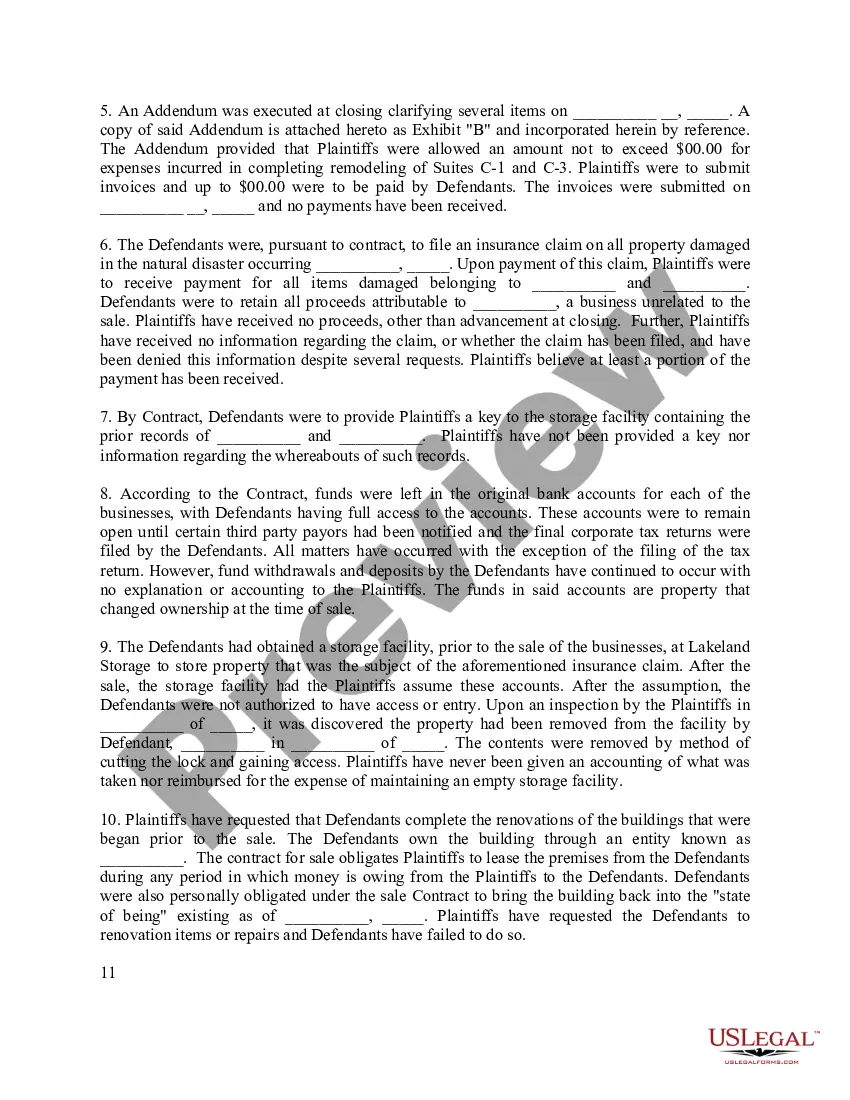
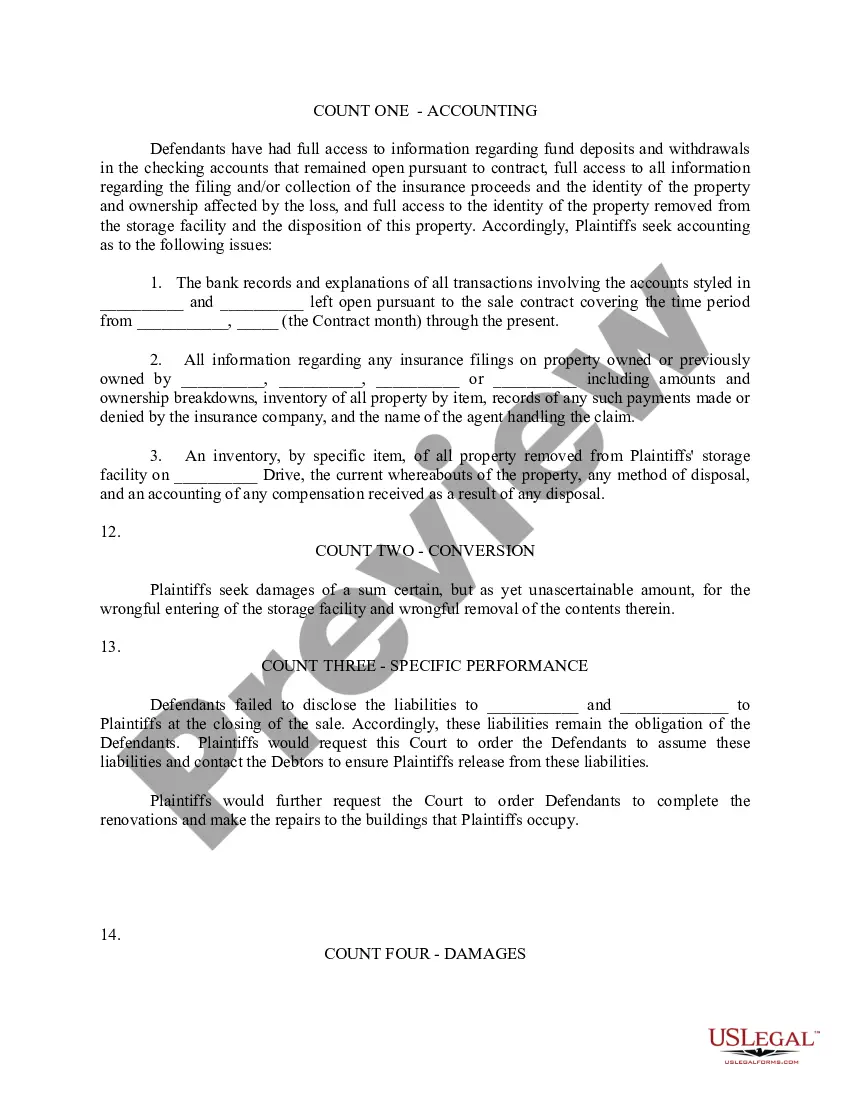
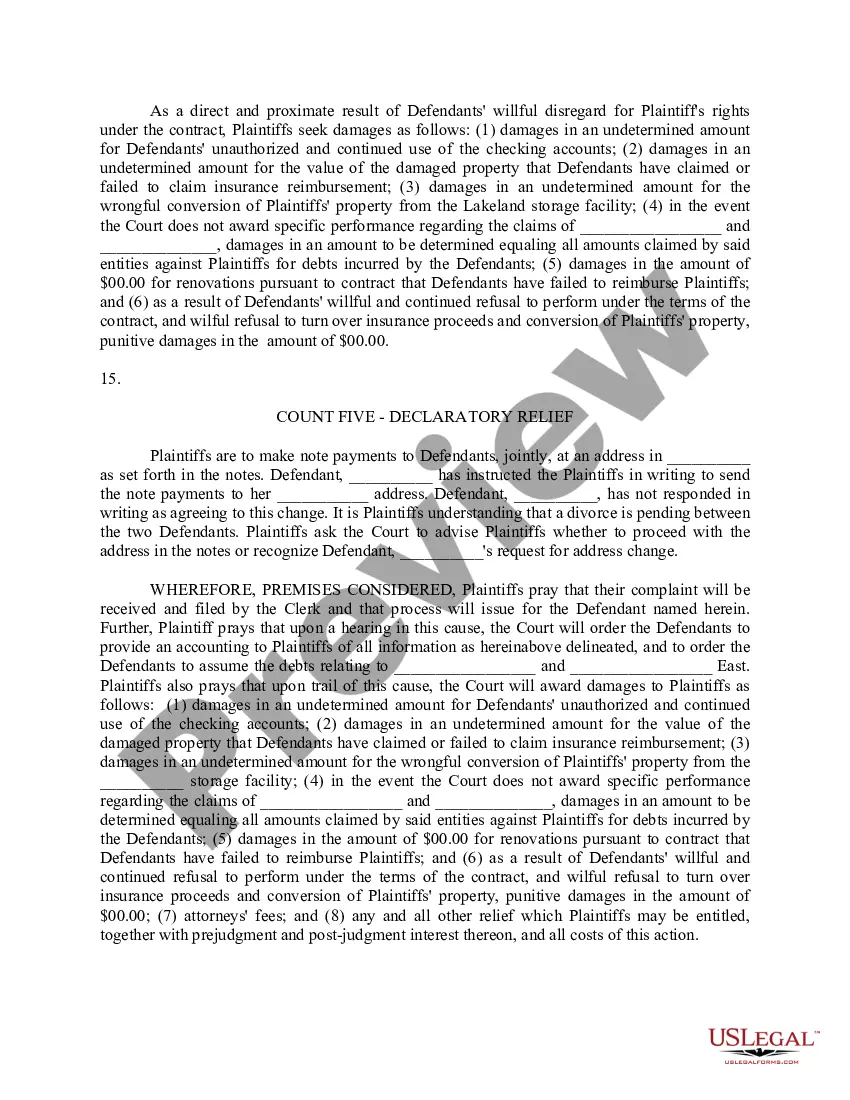
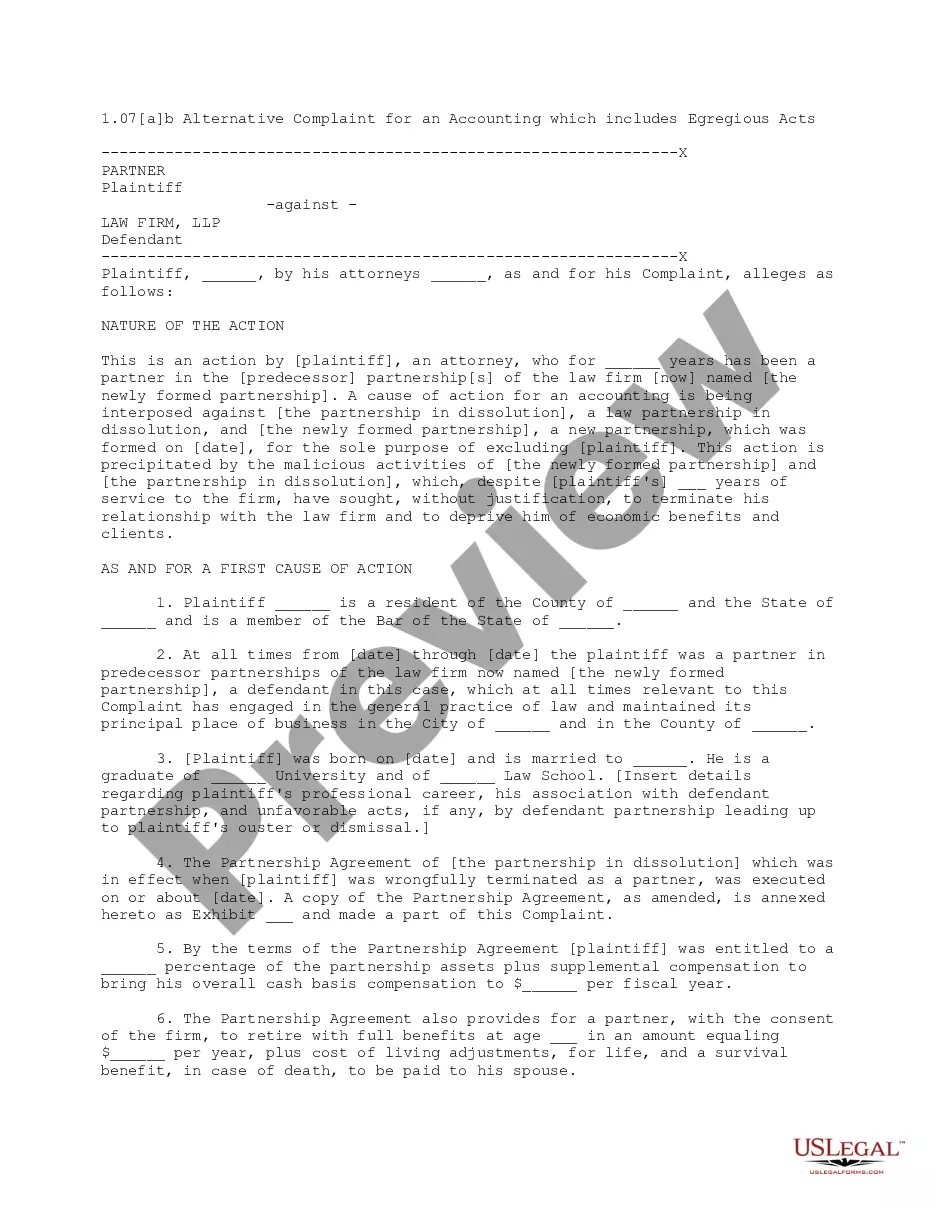
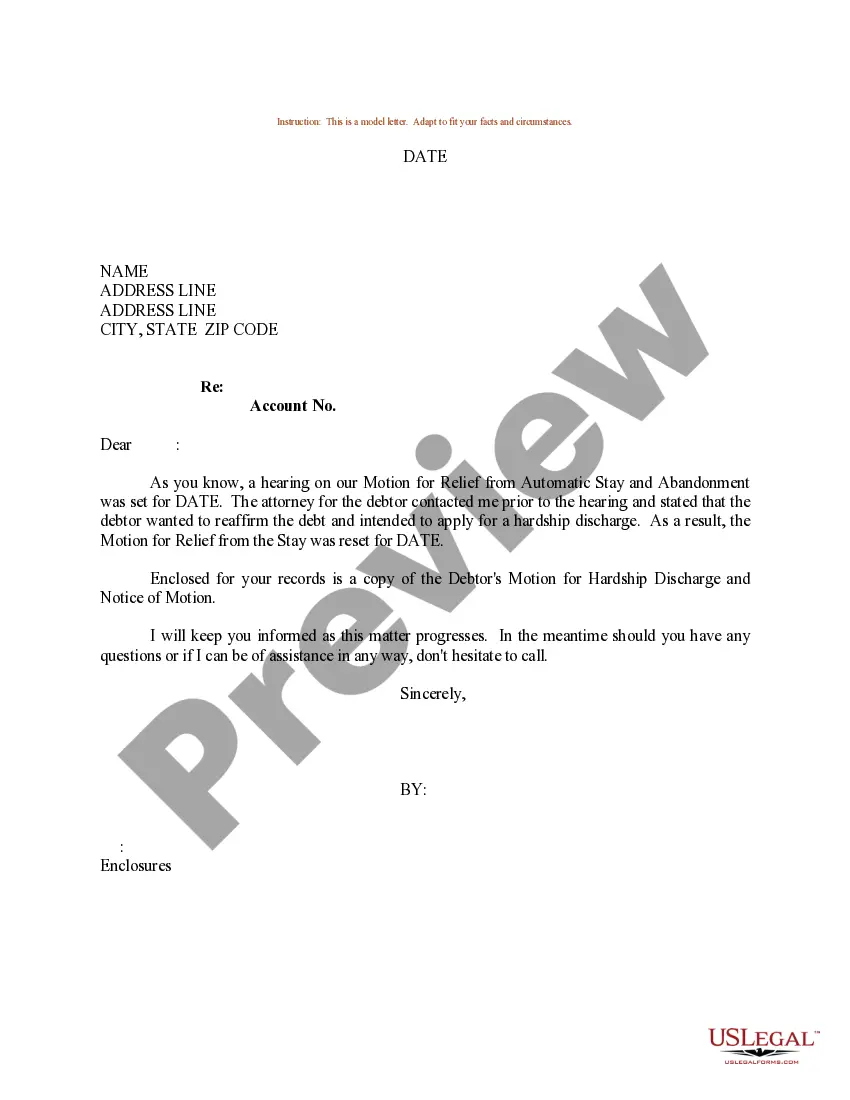
Pennsylvania Complaint for Accounting, Conversion, Damages Declaratory Judgment and for Specific
Description
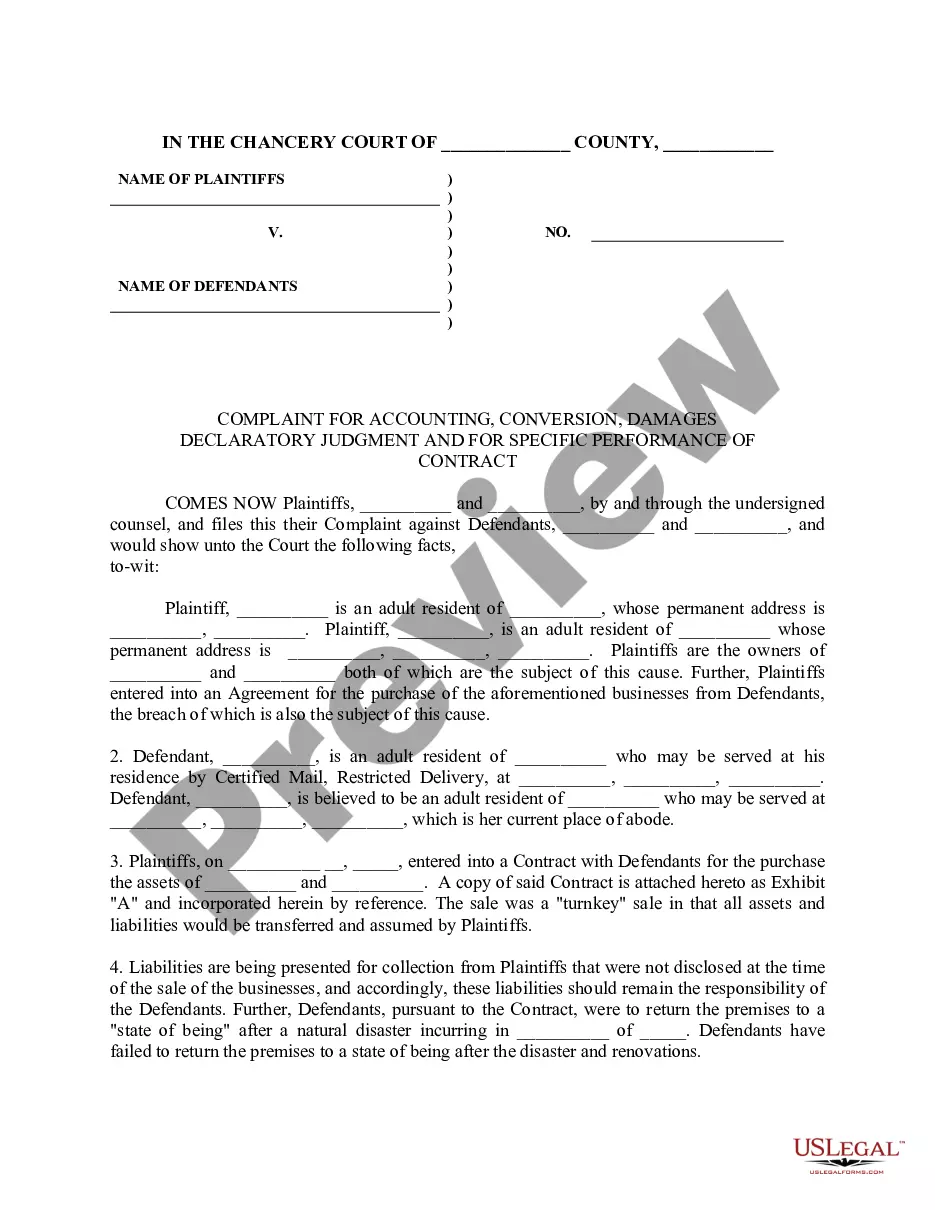

Get your form ready online
Our built-in tools help you complete, sign, share, and store your documents in one place.
Make edits, fill in missing information, and update formatting in US Legal Forms—just like you would in MS Word.
Download a copy, print it, send it by email, or mail it via USPS—whatever works best for your next step.
Sign and collect signatures with our SignNow integration. Send to multiple recipients, set reminders, and more. Go Premium to unlock E-Sign.
If this form requires notarization, complete it online through a secure video call—no need to meet a notary in person or wait for an appointment.
We protect your documents and personal data by following strict security and privacy standards.

Make edits, fill in missing information, and update formatting in US Legal Forms—just like you would in MS Word.

Download a copy, print it, send it by email, or mail it via USPS—whatever works best for your next step.

Sign and collect signatures with our SignNow integration. Send to multiple recipients, set reminders, and more. Go Premium to unlock E-Sign.

If this form requires notarization, complete it online through a secure video call—no need to meet a notary in person or wait for an appointment.

We protect your documents and personal data by following strict security and privacy standards.
Looking for another form?
How to fill out Complaint For Accounting, Conversion, Damages Declaratory Judgment And For Specific?
If you require to thorough, download, or print legal document templates, utilize US Legal Forms, the top variety of legal forms, which can be accessed online.
Take advantage of the site`s straightforward and user-friendly search to find the paperwork you require.
A selection of templates for business and personal purposes are organized by categories and jurisdictions, or keywords. Utilize US Legal Forms to locate the Pennsylvania Complaint for Accounting, Conversion, Damages Declaratory Judgment and for Specific with just a few clicks.
Every legal document format you purchase is yours permanently. You have access to each form you downloaded in your account. Click on the My documents section and select a form to print or download again.
Be proactive and download, and print the Pennsylvania Complaint for Accounting, Conversion, Damages Declaratory Judgment and for Specific with US Legal Forms. There are millions of professional and state-specific forms available for your business or personal needs.
- If you are currently a US Legal Forms user, Log In to your account and click on the Download option to obtain the Pennsylvania Complaint for Accounting, Conversion, Damages Declaratory Judgment and for Specific.
- You can also access forms you have previously downloaded from the My documents tab of your account.
- If you are using US Legal Forms for the first time, follow the guidelines below.
- Step 1. Ensure you have selected the form for your relevant state/area.
- Step 2. Use the Preview option to review the form`s content. Don’t forget to read the description.
- Step 3. If you are unsatisfied with the document, use the Search box at the top of the screen to find other versions of the legal document template.
- Step 4. Once you have found the form you need, click on the Get now option. Choose the payment plan you prefer and enter your details to register for an account.
- Step 5. Process the payment. You can use your credit card or PayPal account to complete the transaction.
- Step 6. Select the format of the legal document and download it to your device.
- Step 7. Complete, modify and print or sign the Pennsylvania Complaint for Accounting, Conversion, Damages Declaratory Judgment and for Specific.
Form popularity
FAQ
Statutes of limitations applicable to actions for conversion are defined by legislative jurisdiction. For example, pursuant to New York law, a claim for conversion/trespass to chattels is subject to a three-year statute of limitations, whereas in Pennsylvania and Kansas it is two years.
The general rule is that there is no conversion until some act is done which is a denial or violation of the plaintiff's dominion over or rights in the property. To constitute a conversion of a chattel, there must be an unauthorized assumption of the right to possession or ownership.
Under California law, the elements required to prove a claim of conversion are: (1) the plaintiff's ownership or right to possession of the property; (2) the defendant's conversion by a wrongful act or in a manner that is inconsistent with the plaintiff's property rights; and (3) resulting damages.
Conversion is an intentional tort which occurs when a party takes the chattel property of another with the intent to deprive them of it. Conversion is not applicable to real property. For the purposes of conversion, ?intent? merely means the objective to possess the property or exert property rights over it.
442 (Pa. 1964). A conversion occurs when a person without authority or permission intentionally takes the personal property of another or deprives another of possession of personal property. It is a tort which allows the injured party to seek legal relief.