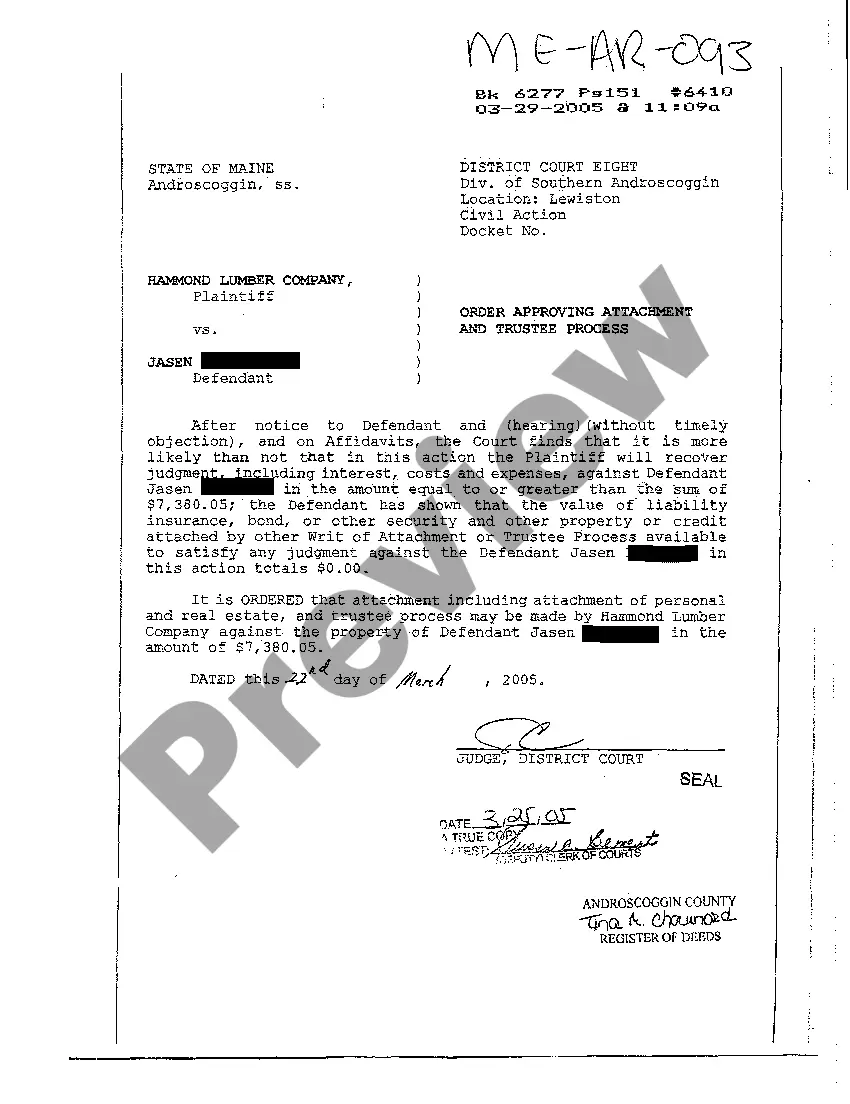
Pennsylvania Affidavit of Lost Mortgage
What this document covers
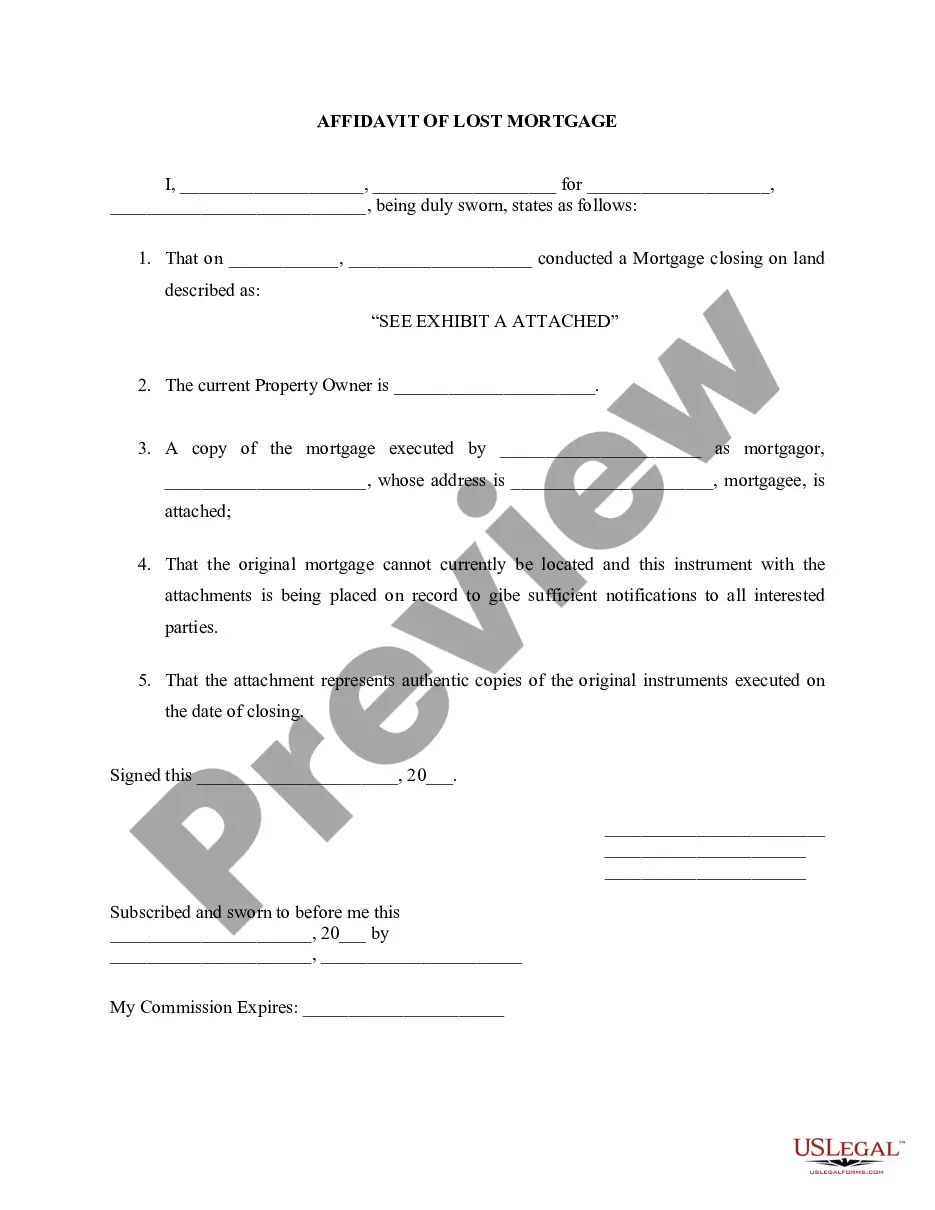
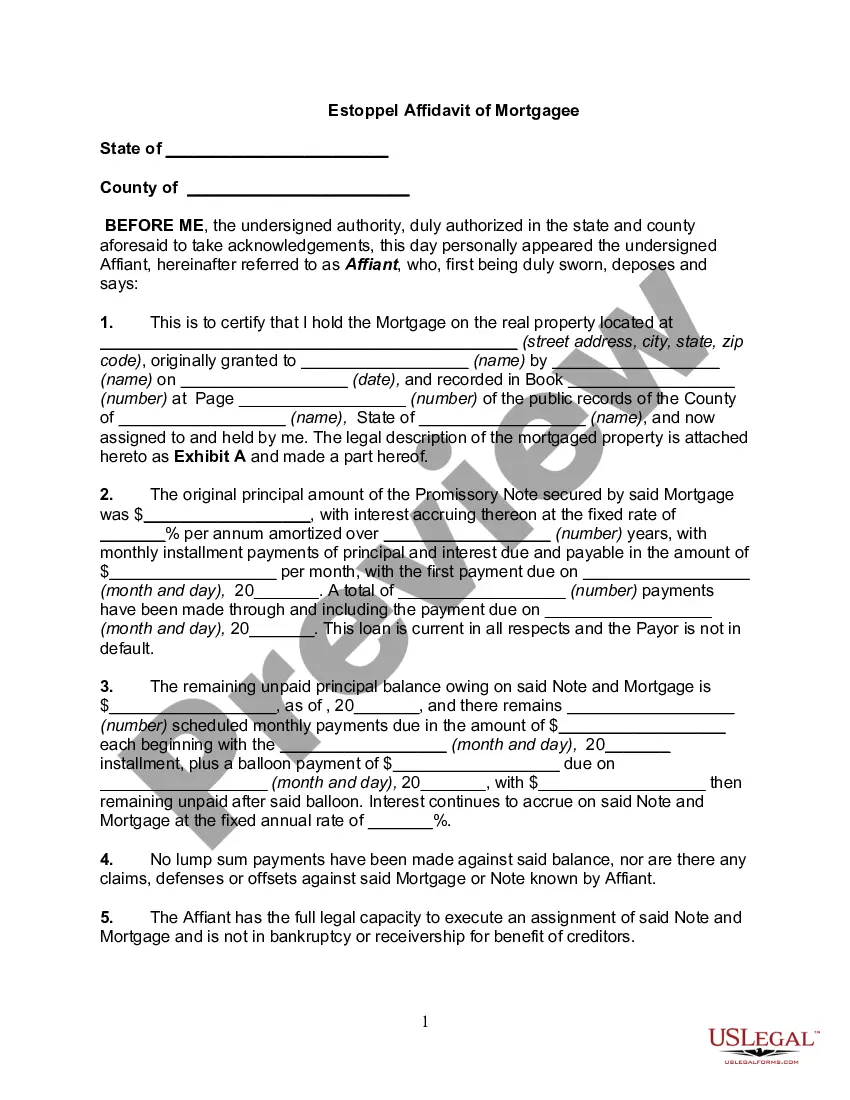
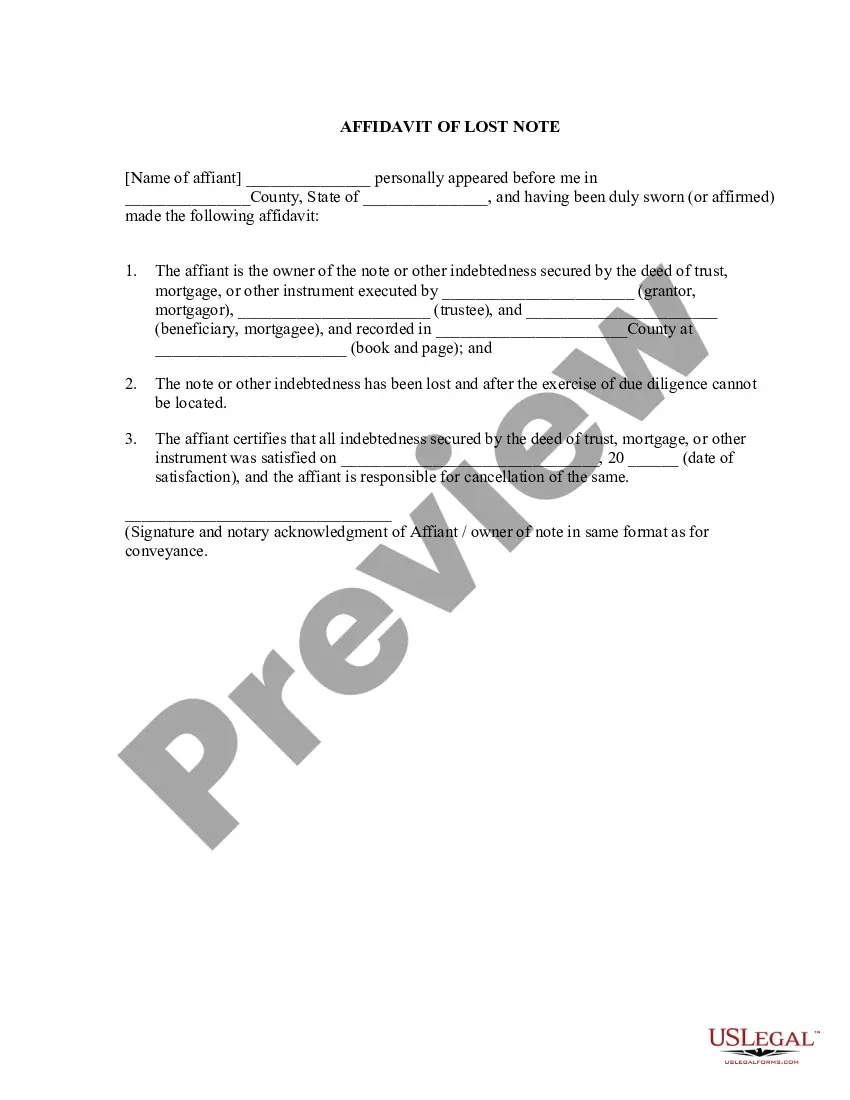
The Affidavit of Lost Mortgage is a legal document used to declare the loss or destruction of a mortgage note. This form serves as a formal means to notify interested parties that the original mortgage cannot be located, while providing evidence of the closing and the property's ownership. It is particularly important in keeping records accurate and protecting the rights of all parties involved in the transaction.
Key parts of this document
- Identifying information for the parties involved
- Description of the property associated with the mortgage
- Statement confirming the mortgage's original execution and loss
- Attachment of copies of original instruments
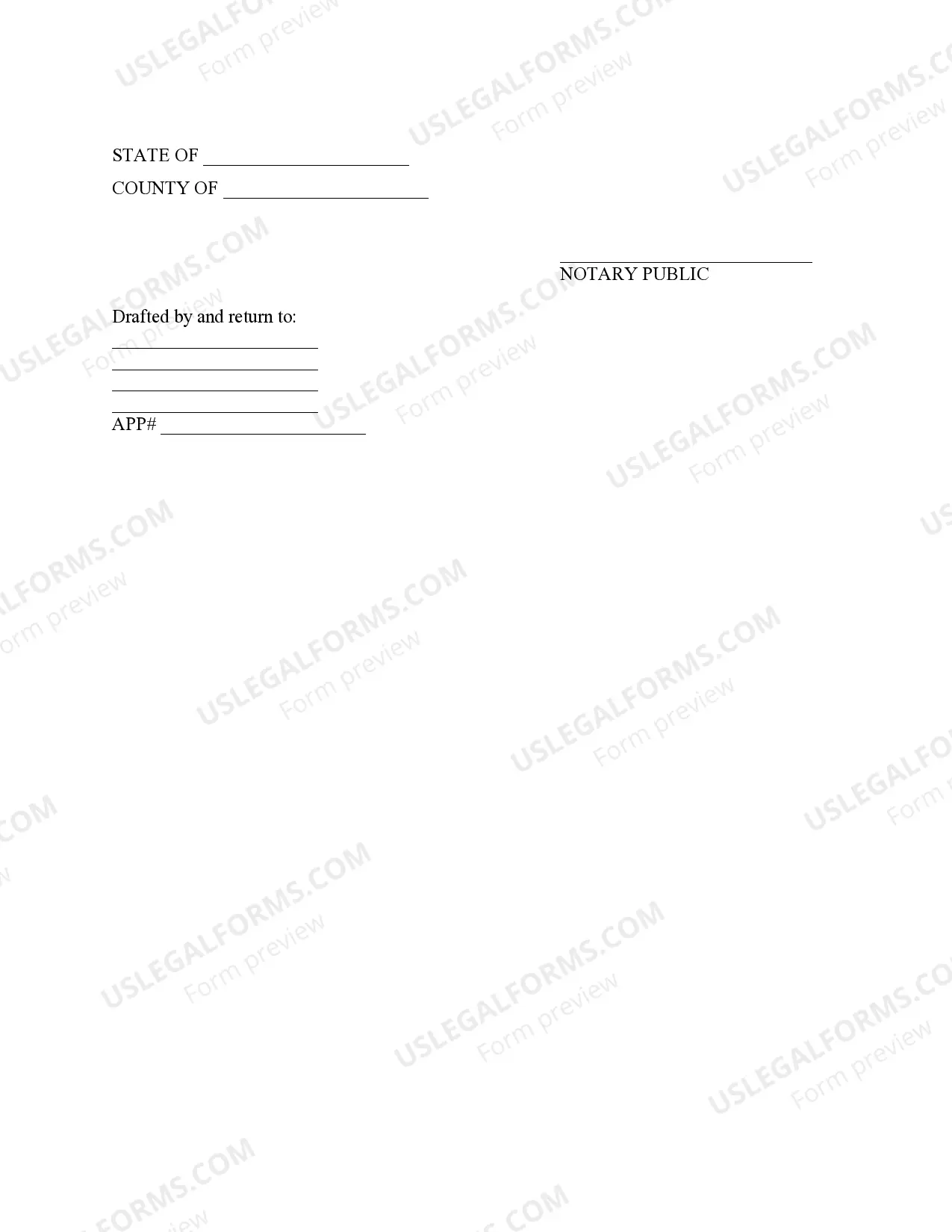
- Notary acknowledgment for legal verification

When to use this form
This form is typically used when the original mortgage note cannot be found, such as after a loss during relocation, natural disaster, or theft. It is necessary in situations where a property owner needs to clarify their mortgage obligations to avoid complications with lenders and to ensure the propertyâs legal status is preserved.
Who needs this form
- Property owners who have lost their mortgage note
- Lenders who require a formal declaration of lost documents
- Real estate professionals involved in the transaction
How to prepare this document
- Identify the parties involved in the mortgage transaction.
- Specify the property details and attach applicable exhibits.
- Clearly state the date of the mortgage closing and the loss of the original note.
- Gather authentic copies of the original mortgage and related documents.
- Have the form notarized to complete the legal process.
Is notarization required?
Yes, this form must be notarized to be legally valid. Notarization provides evidence that the document was executed properly. US Legal Forms offers integrated online notarization services, allowing you to complete this process securely and conveniently through a video call without the need to travel.
Get your form ready online
Our built-in tools help you complete, sign, share, and store your documents in one place.
Make edits, fill in missing information, and update formatting in US Legal Forms—just like you would in MS Word.
Download a copy, print it, send it by email, or mail it via USPS—whatever works best for your next step.
Sign and collect signatures with our SignNow integration. Send to multiple recipients, set reminders, and more. Go Premium to unlock E-Sign.
If this form requires notarization, complete it online through a secure video call—no need to meet a notary in person or wait for an appointment.
We protect your documents and personal data by following strict security and privacy standards.

Make edits, fill in missing information, and update formatting in US Legal Forms—just like you would in MS Word.

Download a copy, print it, send it by email, or mail it via USPS—whatever works best for your next step.

Sign and collect signatures with our SignNow integration. Send to multiple recipients, set reminders, and more. Go Premium to unlock E-Sign.

If this form requires notarization, complete it online through a secure video call—no need to meet a notary in person or wait for an appointment.

We protect your documents and personal data by following strict security and privacy standards.
Avoid these common issues
- Failing to provide complete identifying information for all parties.
- Not attaching necessary supporting documents or exhibits.
- Omitting the date of the original mortgage closing.
- Neglecting to have the document notarized.
- Submitting the form without confirming state-specific requirements.
Why use this form online
- Accessibility to a legally vetted template that simplifies the process.
- Ability to easily edit and customize the form to fit specific needs.
- Secure storage options for important legal documents.
Looking for another form?
Form popularity
FAQ
If you lose your closing papers or they get destroyed, you can obtain a copy of your mortgage note by searching the county's records or contacting the registry of deeds. It's also possible to obtain a copy from the company who services your loan (that is, the company you get billing statements from).
ASK YOUR TITLE COMPANY FOR A PRELIMINARY TITLE ON THE PROPERTY YOU NEED PROOF THAT IT'S FREE AND CLEAR. This, coupled with the HUD1 from the purchase, shows that you didn't use a loan to purchase it, and there is no existing lien from a mortgage on the property.
If the borrower on a recorded mortgage defaults, the lender can foreclose and either be paid in full or receive the property. However, if a mortgage or deed of trust was not recorded, the lender cannot foreclose against the property, just against the defaulting borrower personally.
Title the affidavit. First, you'll need to title your affidavit. Craft a statement of identity. The very next section of your affidavit is what's known as a statement of identity. Write a statement of truth. State the facts. Reiterate your statement of truth. Sign and notarize.
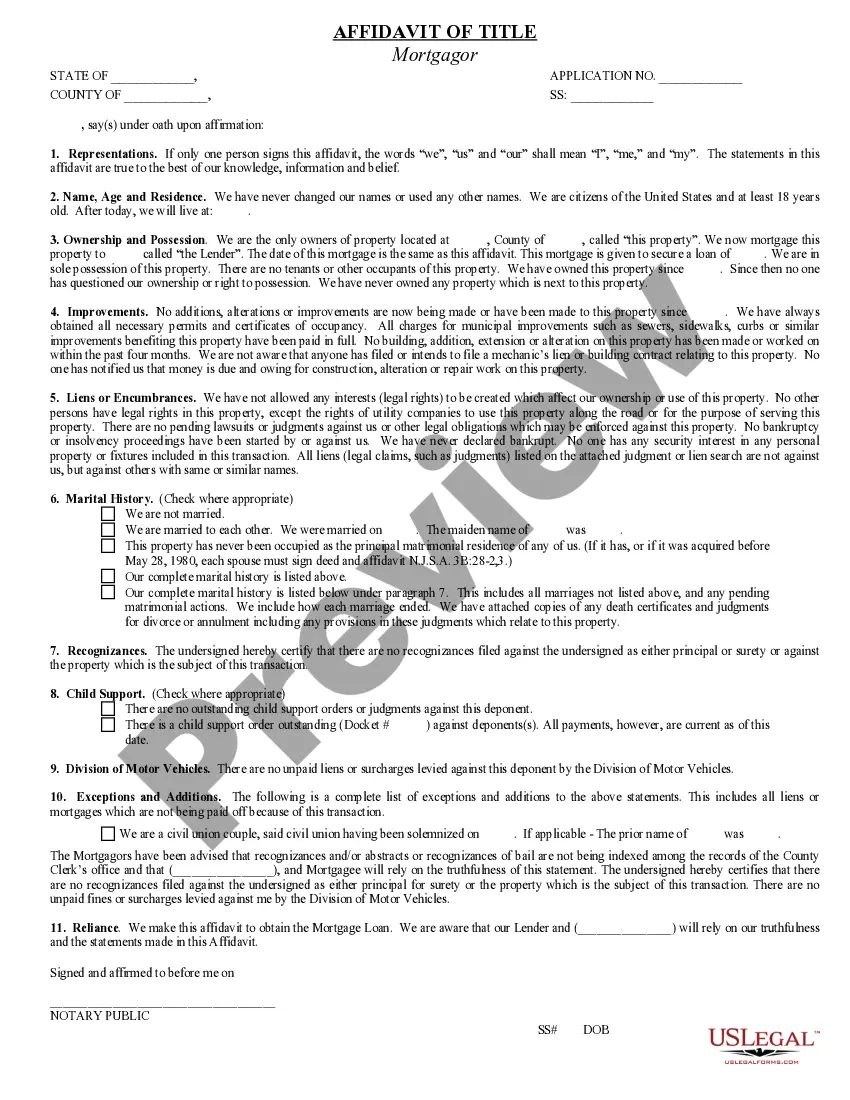
A mortgage affidavit is a written statement signed by a party in a real estate transaction under penalties of perjury that attests to certain conditions of the property.
The Importance of Being Truthful in an Affidavit Saying something that is not true in an affidavit is technically a violation of the law and you can be fined or even imprisoned for committing perjury. It is just like lying on the stand in a court proceeding.
In the sentence, the person writing the statement must state that he or she is stating that the information is accurate. (Example: I, Jane Doe, solemnly swear that the contents of this document are true and correct, and that I agree to abide by the terms in this affidavit.)
Pro tip 2: Another way to show an underwriter you have no mortgage is by producing a copy of Schedule E on your personal income tax returns. If it shows no interest deduction, this demonstrates you have no mortgage to declare.
Borrowers Affidavit: This document must be signed by the borrower in the presence of a notary public. In the document the borrower attests that they have not done anything to affect the title to property, that they are not the subject of divorce or bankruptcy proceedings, etc.