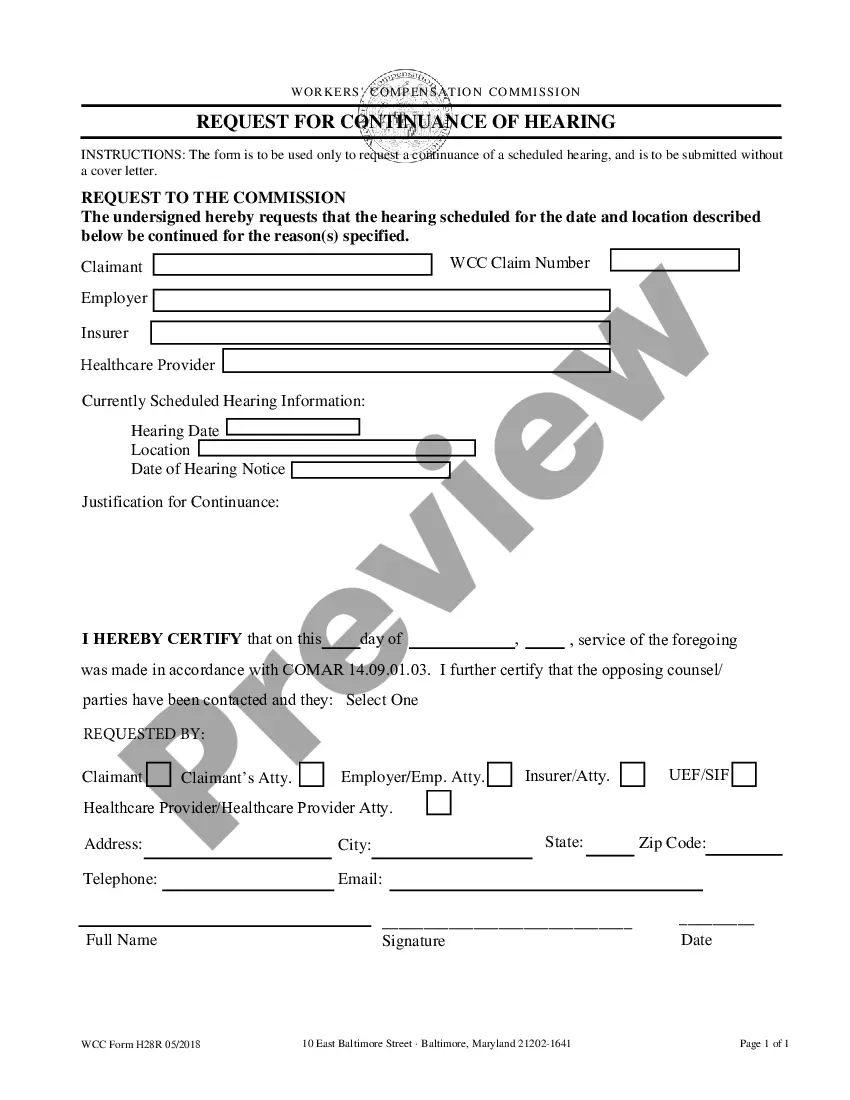
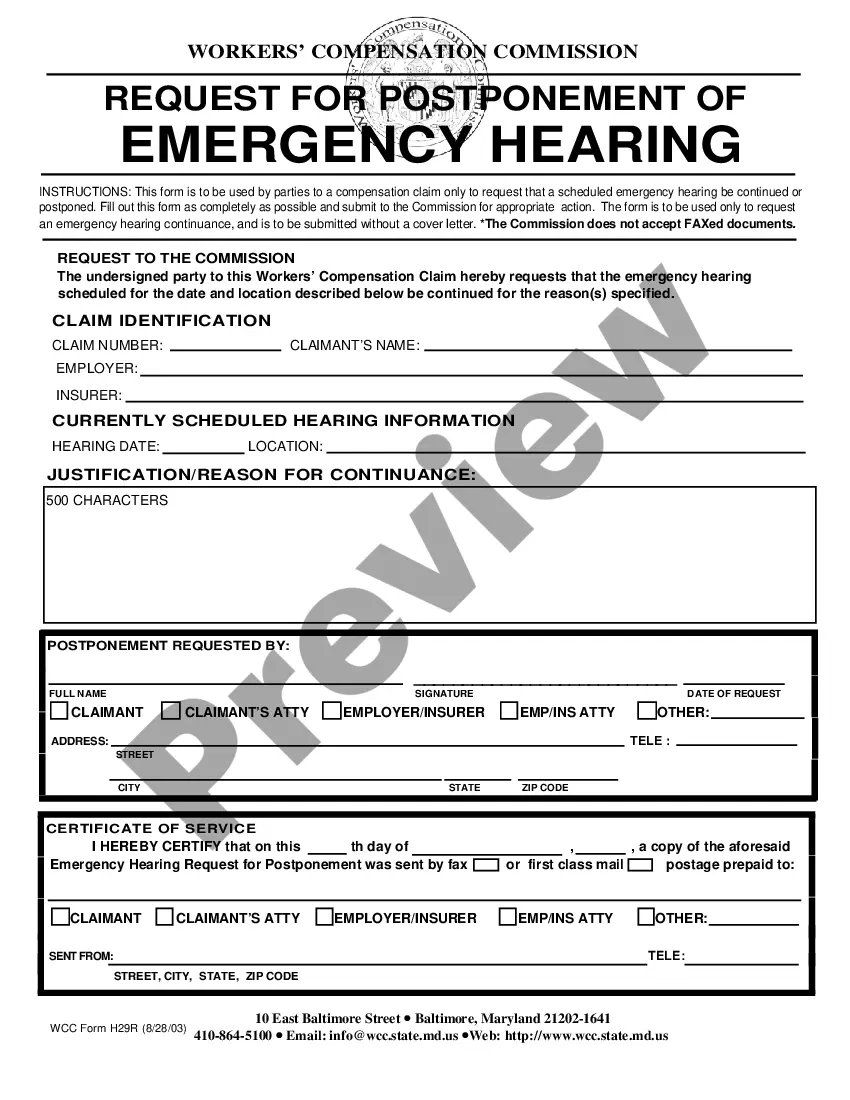
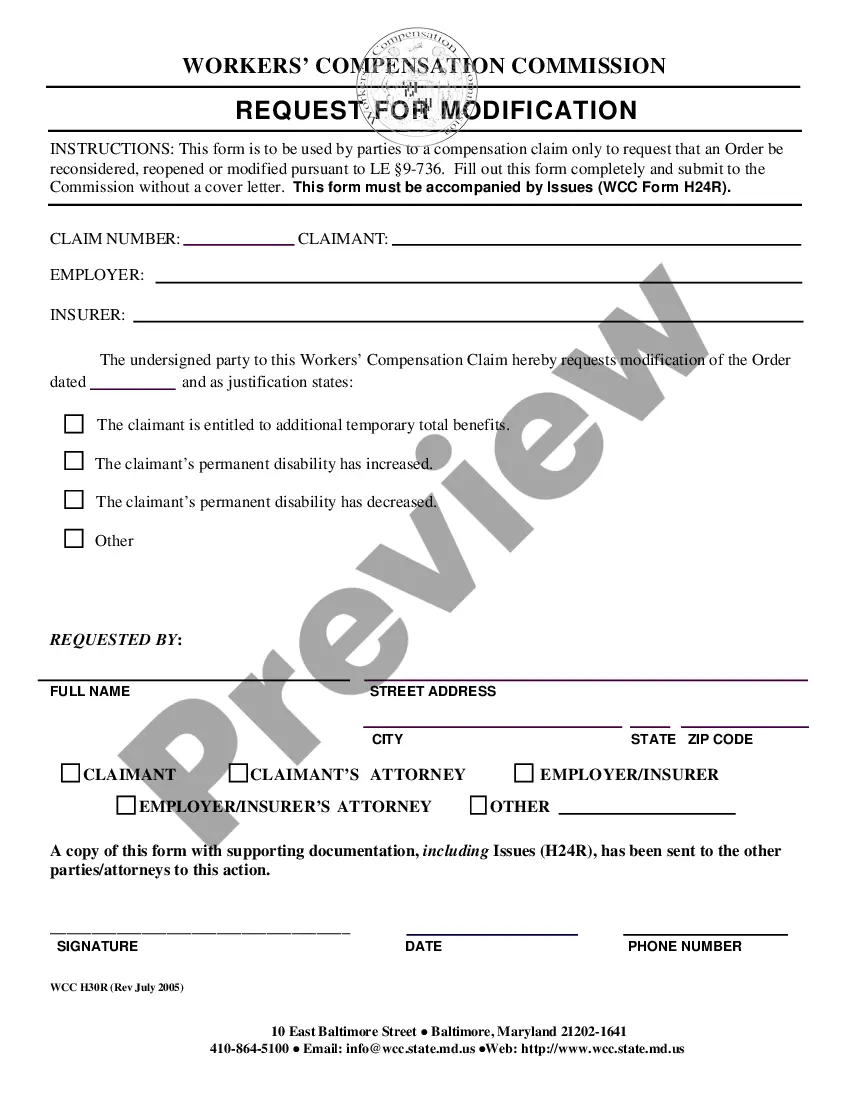
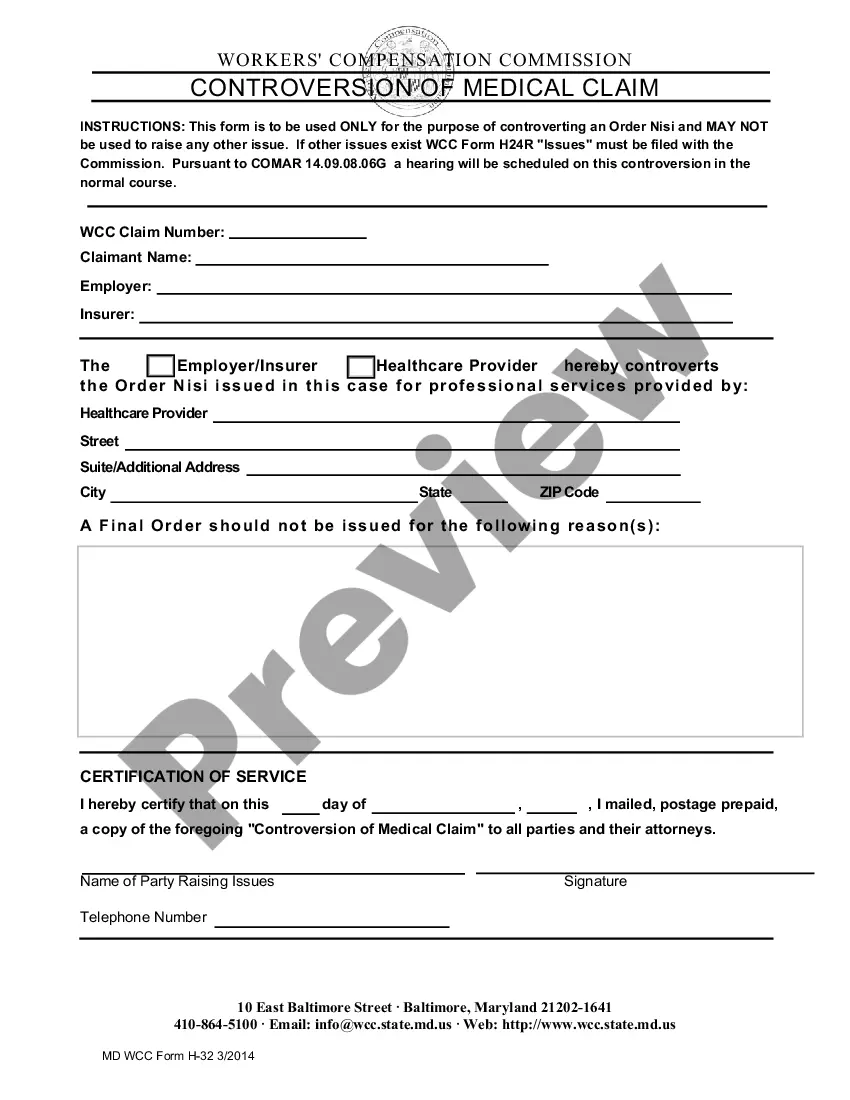
Pennsylvania Assignment of Lien - Individual
What this document covers
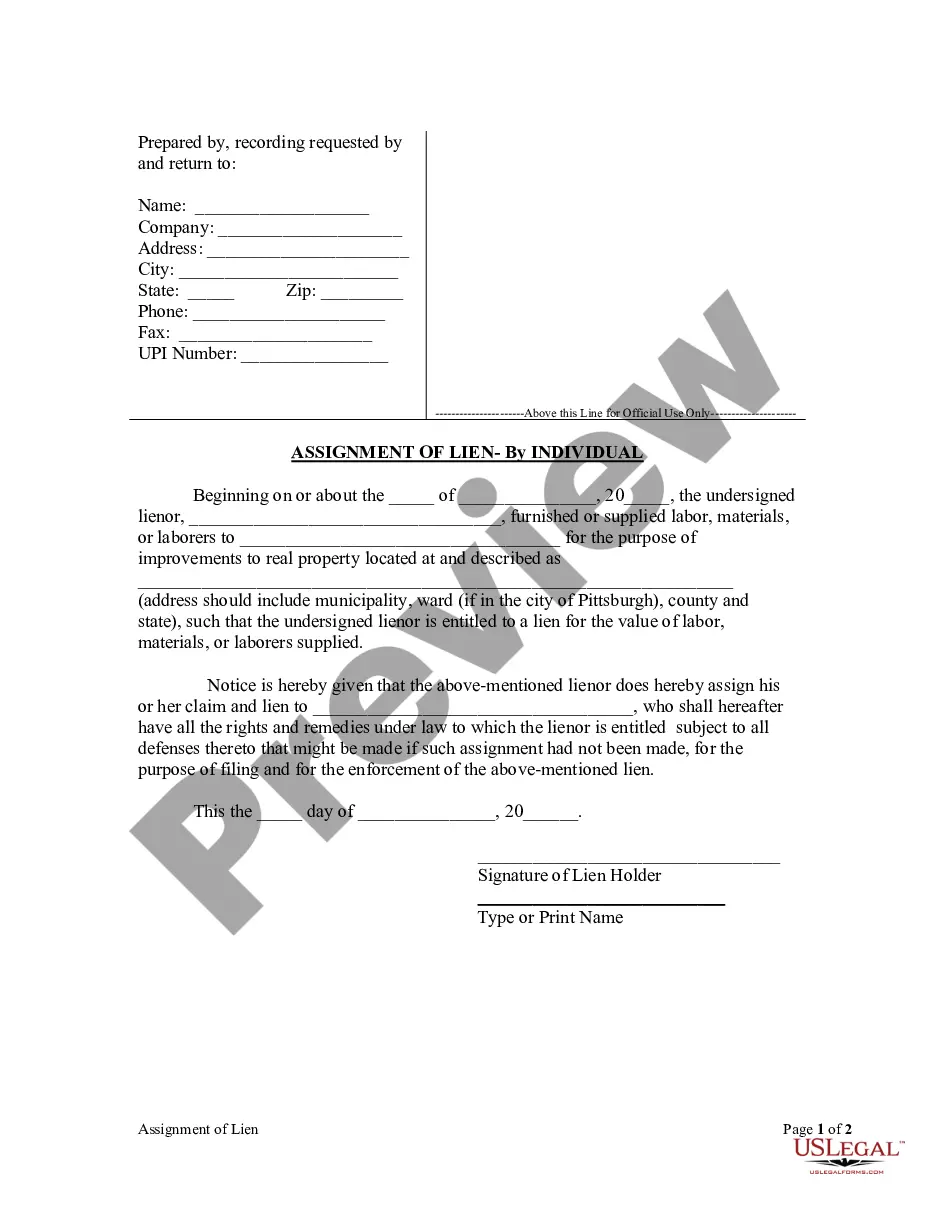
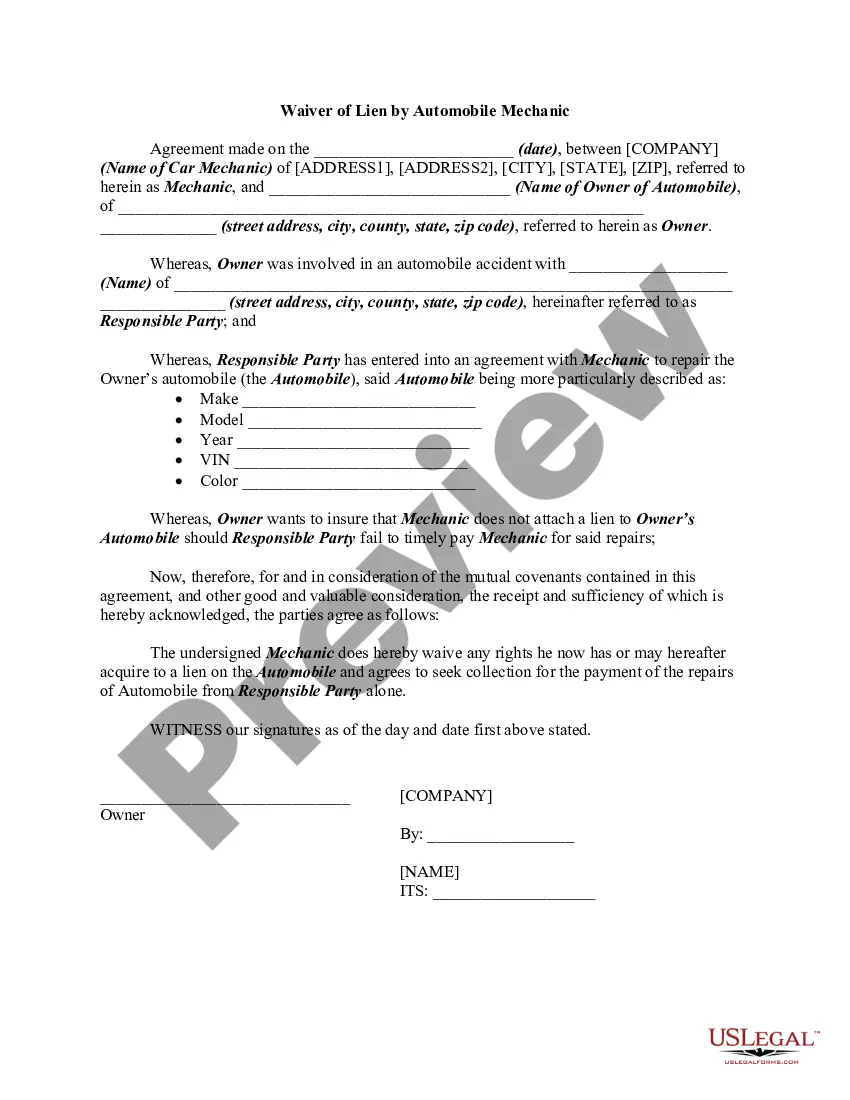
The Assignment of Lien - Individual form is a legal document that enables an individual lienor to formally assign their claim and lien to another party. This form serves to notify that the lienor has previously supplied labor, materials, or laborers for improvements to real property and now transfers their rights to a designated recipient. It is crucial for ensuring the assignee has the necessary authority to pursue any claims or enforce the lien as the original lienor could.
Key components of this form
- Prepared by section: Includes the names and contact information of the parties involved.
- Property description: Specifies the location of the property related to the improvements.
- Assignment notice: Indicates the transfer of the lien claim to another party.
- Signature of lien holder: Contains the lienor's signature, affirming the assignment.
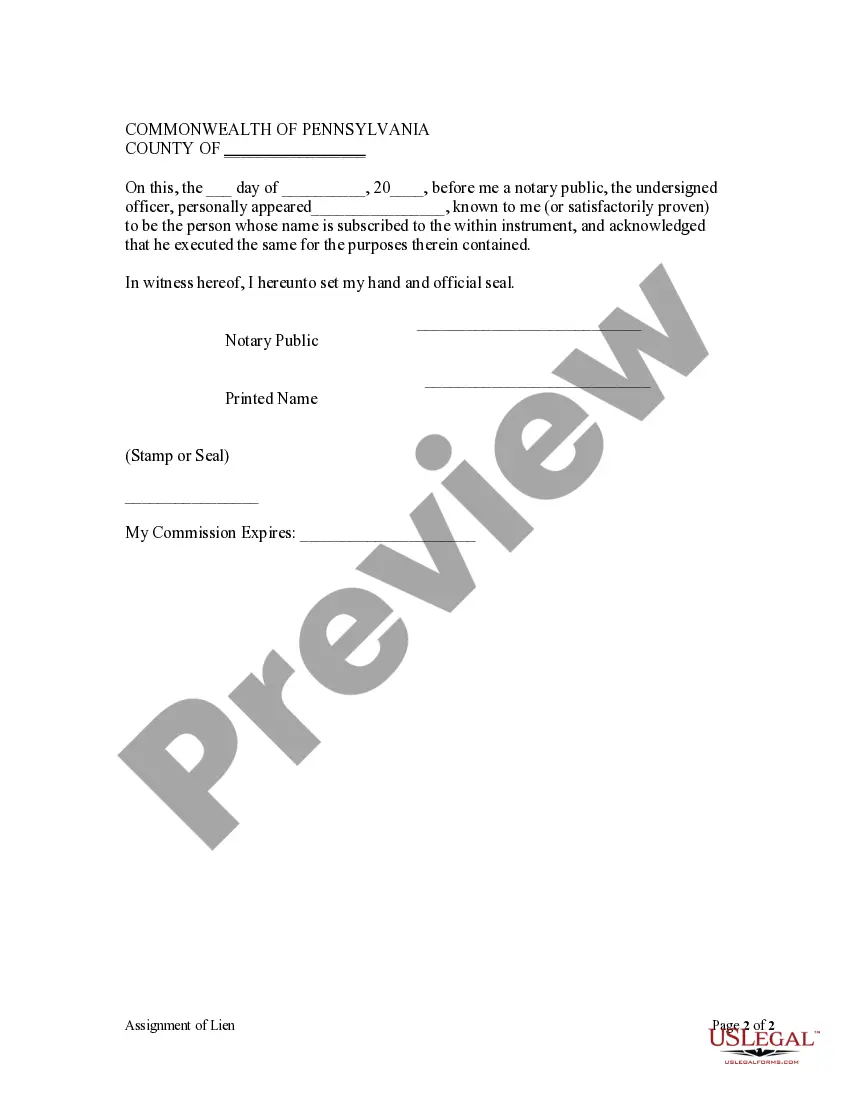
- Notary verification: Provides a space for a notary public to validate the execution of the form.
Common use cases
This form is needed when an individual who has supplied labor or materials for property improvements wants to transfer their lien rights to another individual or entity. Common scenarios include subcontractors assigning their rights to a contractor or suppliers who want to ensure payments through a lien transfer when the original lienor cannot enforce the lien.
Who can use this document
- Individuals or sole proprietors who have provided labor or materials for real property improvements.
- Contractors wishing to assign their lien rights to another party, such as a supplier.
- Anyone involved in a construction or improvement project who needs to transfer their claim to another person.
How to complete this form
- Identify the parties: Clearly list the name of the lienor and the assignee.
- Specify the property: Enter the address and description of the property where improvements were made.
- Fill in dates: Provide the dates relevant to the labor or materials supplied and the date of the assignment.
- Sign the form: The lienor must sign to confirm the assignment of the lien to the designated party.
- Complete the notary section: Have the form notarized to validate the assignment legally.
Notarization requirements for this form
This form needs to be notarized to ensure legal validity. US Legal Forms provides secure online notarization powered by Notarize, allowing you to complete the process through a verified video call, available anytime.
Get your form ready online
Our built-in tools help you complete, sign, share, and store your documents in one place.
Make edits, fill in missing information, and update formatting in US Legal Forms—just like you would in MS Word.
Download a copy, print it, send it by email, or mail it via USPS—whatever works best for your next step.
Sign and collect signatures with our SignNow integration. Send to multiple recipients, set reminders, and more. Go Premium to unlock E-Sign.
If this form requires notarization, complete it online through a secure video call—no need to meet a notary in person or wait for an appointment.
We protect your documents and personal data by following strict security and privacy standards.

Make edits, fill in missing information, and update formatting in US Legal Forms—just like you would in MS Word.

Download a copy, print it, send it by email, or mail it via USPS—whatever works best for your next step.

Sign and collect signatures with our SignNow integration. Send to multiple recipients, set reminders, and more. Go Premium to unlock E-Sign.

If this form requires notarization, complete it online through a secure video call—no need to meet a notary in person or wait for an appointment.

We protect your documents and personal data by following strict security and privacy standards.
Mistakes to watch out for
- Failing to include complete property details, which can invalidate the lien.
- Not obtaining the necessary notarization before filing the form.
- Leaving out crucial information such as dates or signatures.
Benefits of using this form online
- Convenience: Download and complete the form from the comfort of your home.
- Editability: Make necessary changes easily before finalizing.
- Accessibility: Obtain the form anytime, which can expedite the legal process.
Looking for another form?


Form popularity
FAQ
Fill out the Pennsylvania mechanics lien form. Fill out the PA lien form completely and accurately. File your lien claim with the county recorder. Serve a copy of the lien on the property owner.
2. States where the lien law doesn't require a written contract. In these states, contractors and suppliers are generally allowed to file a lien even if they don't have a written contract.These states typically permit parties with verbal, oral, or even implied contracts to claim lien rights.
2. States where the lien law doesn't require a written contract. In these states, contractors and suppliers are generally allowed to file a lien even if they don't have a written contract.These states typically permit parties with verbal, oral, or even implied contracts to claim lien rights.
This form is used to obtain a Pennsylvania Certificate of Title for vehicles not currently titled in Pennsylvania, or which were repossessed (1.Court Order), and vehicles which are reconstructed, specially constructed or recovered thefts.
With the judgment in hand, a judgment creditor can place a judgment lien on your real estate and occasionally on personal property depending on the state in which you live.
If you owe money to a creditor and don't pay, that party may sue you for the balance. If the court rules against you, the creditor can file a judgment lien against you.In a few states, if a court enters a judgment against a debtor, a lien is automatically created on any real estate the debtor owns in that county.
A lien is a legal right or claim against a property by a creditor. Liens are commonly placed against property, such as homes and cars, so creditors, such as banks and credit unions, can collect what is owed to them. Liens can also be removed, giving the owner full and clear title to the property.
How Liens Work. A lien provides a creditor with the legal right to seize and sell the collateral property or asset of a borrower who fails to meet the obligations of a loan or contract. The property that is the subject of a lien cannot be sold by the owner without the consent of the lien holder.
The Indian Contract Act, 1872 classifies the Right of Lien into two types: Particular Lien and General Lien. Section 170 of the aforesaid Act gives the exact definition of Particular Lien which states that the Bailee is free to hold control of a precise property with position to the charge which is due.