Pennsylvania Correction Deed -
About this form
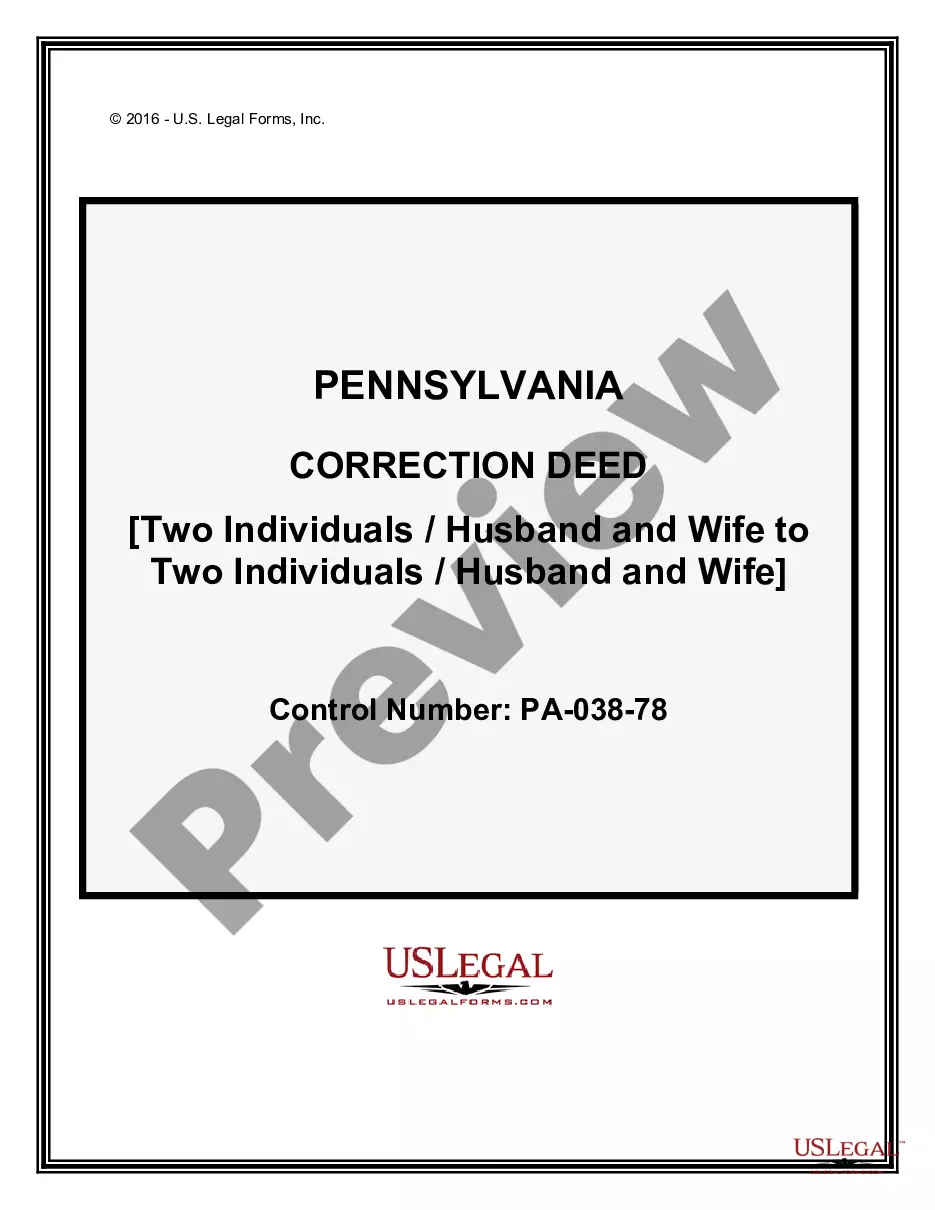
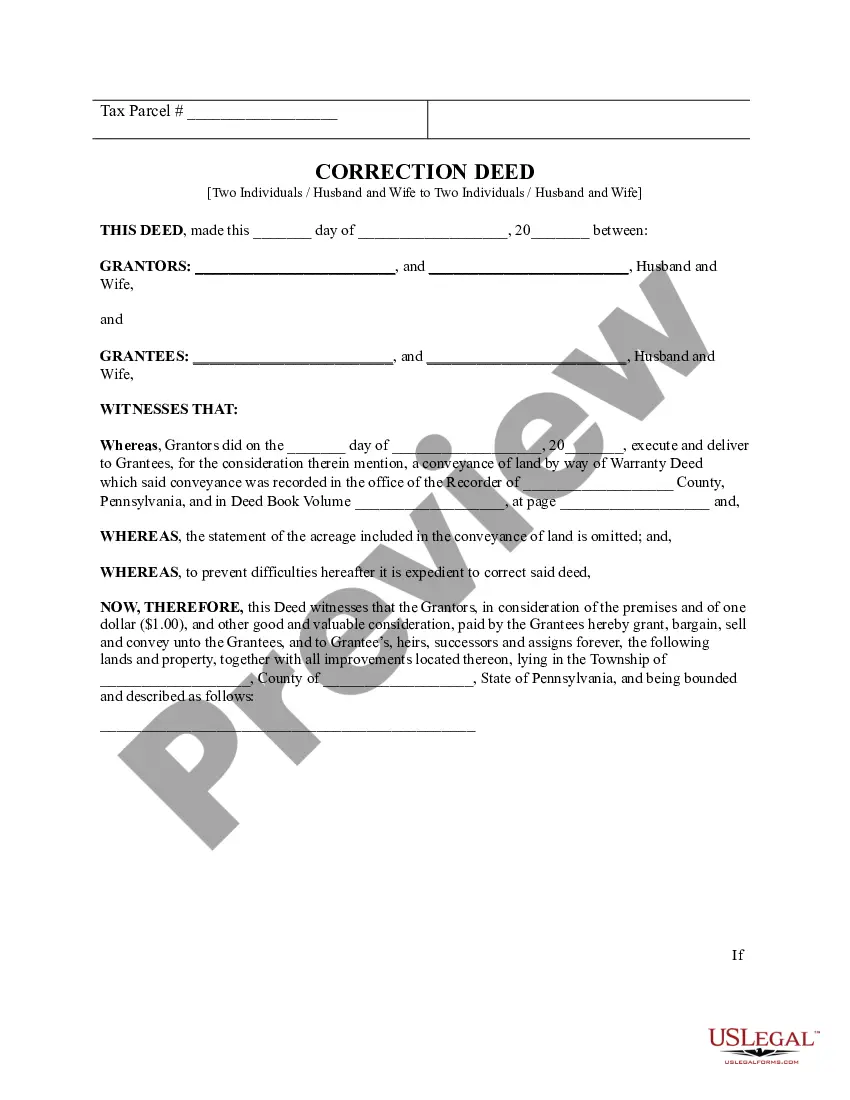
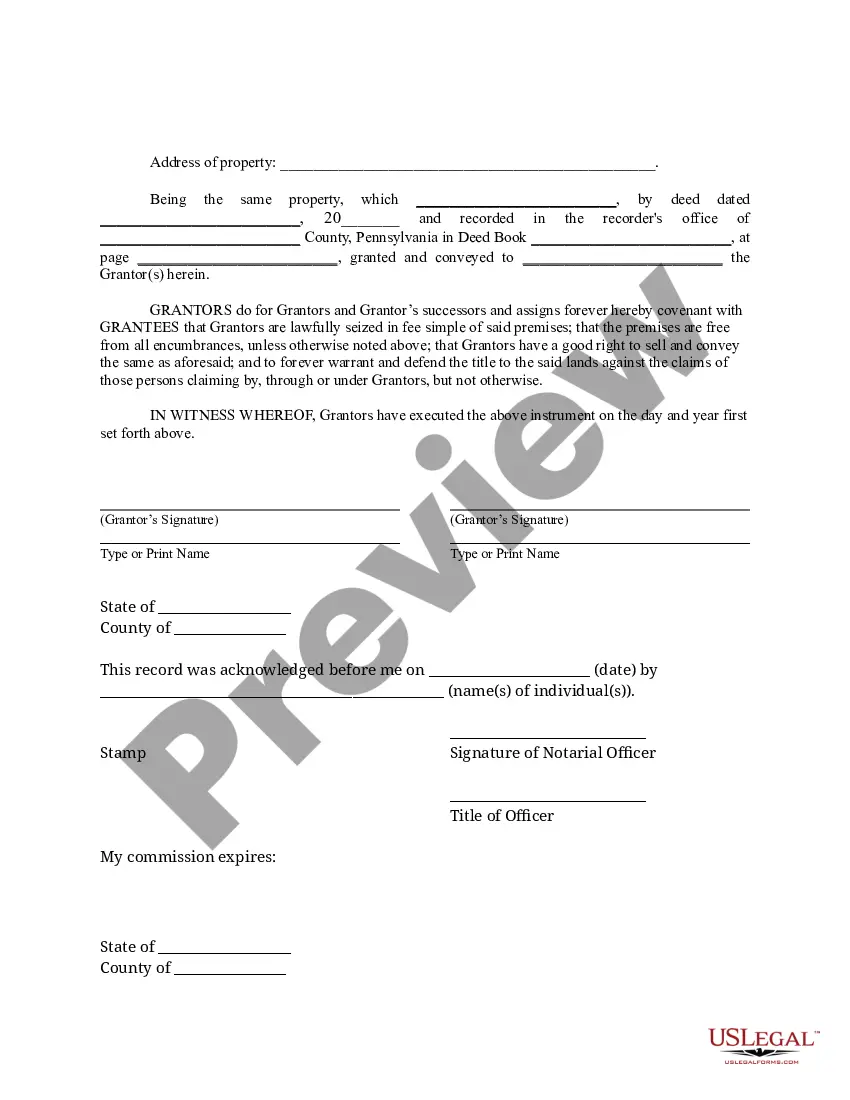
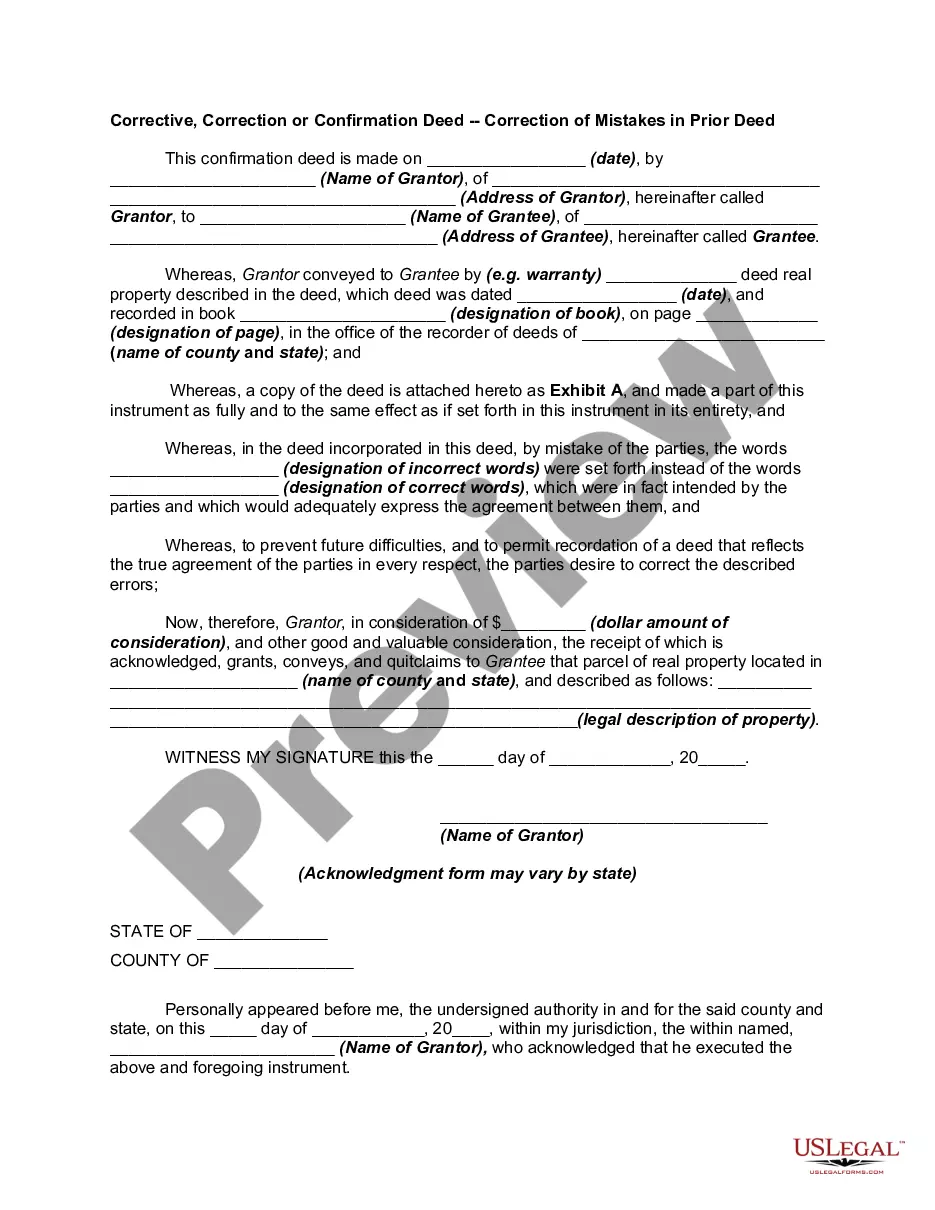
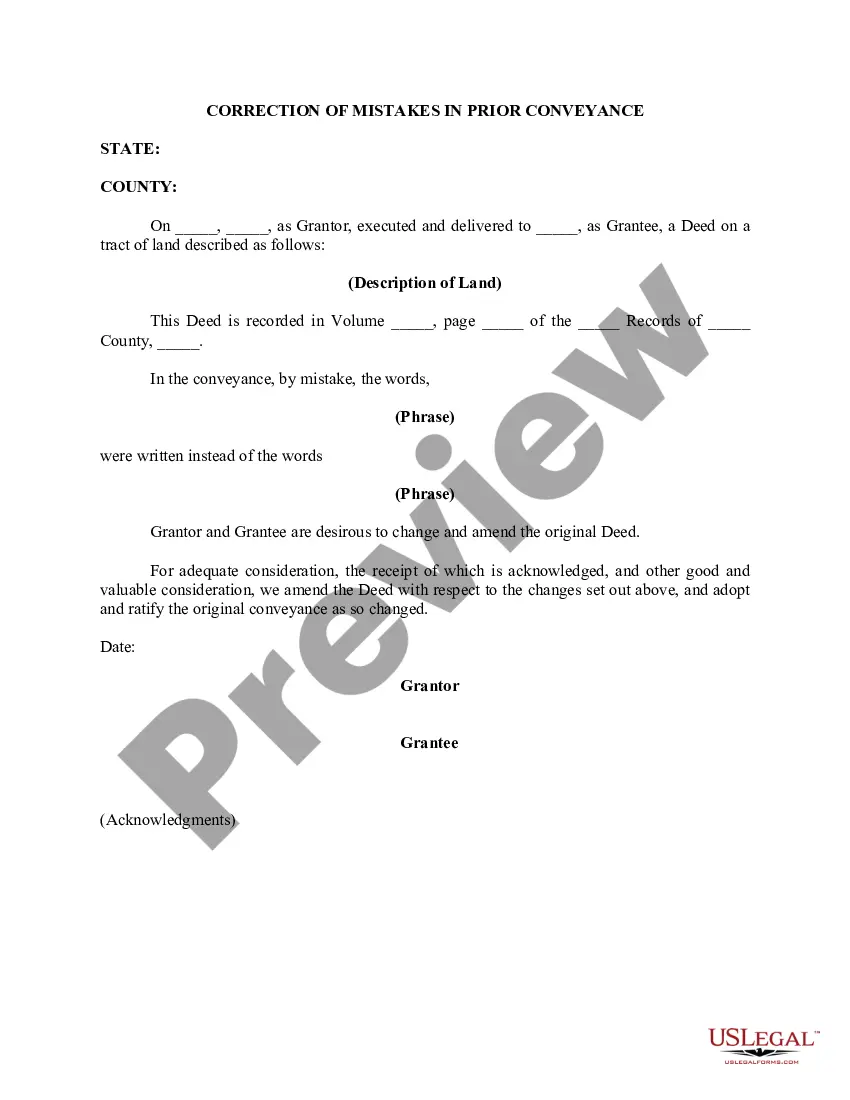
The Correction Deed is a legal document used to rectify errors in a previous deed involving property transfer. It is specifically designed for situations where the Grantors and Grantees are individuals or couples, typically husband and wife. This form differs from other property transfer documents by focusing solely on correcting inaccuracies rather than initiating a new transaction.
Main sections of this form
- Details of Grantors: Names and signatures of the individuals who originally conveyed the property.
- Details of Grantees: Names and addresses of the individuals receiving the property.
- Legal description of the property: A precise description that identifies the land in question.
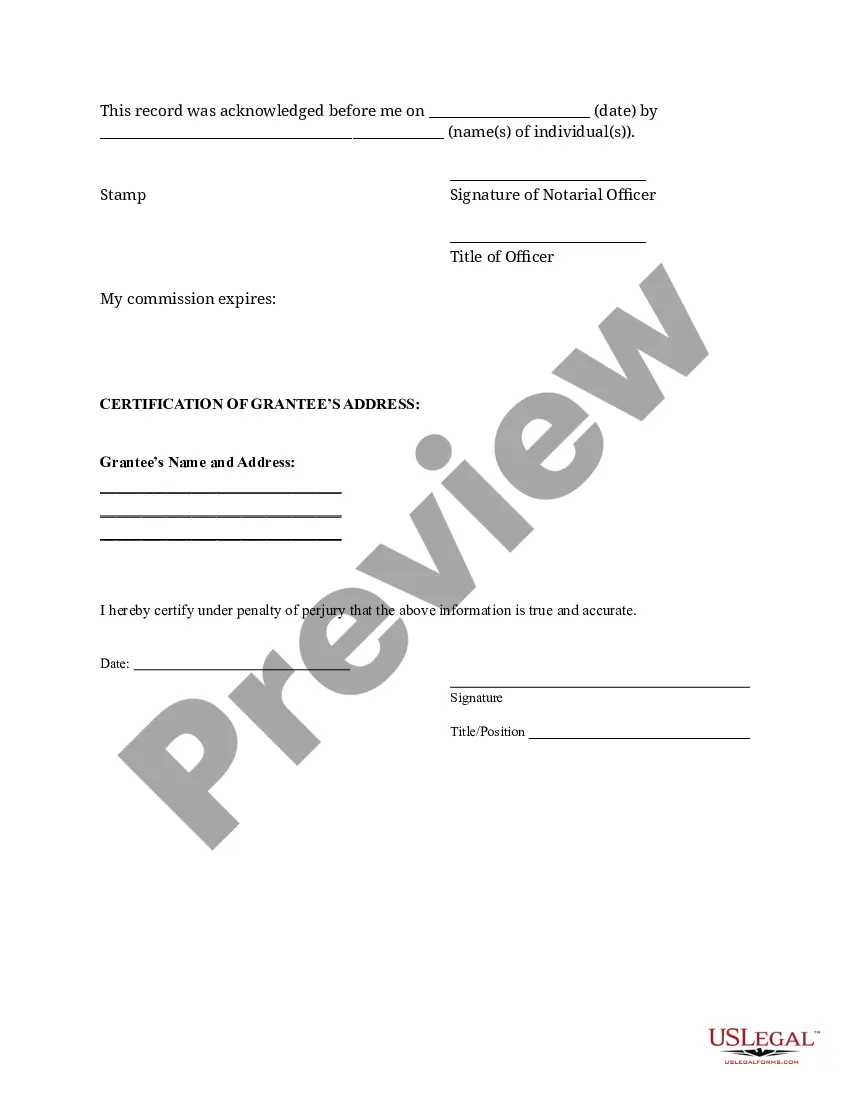
- Notary acknowledgment: A section where a notary verifies the identities of the signatories.
- Covenants of Grantors: Assurances made by Grantors regarding their legal ownership and right to convey the property.

When to use this document
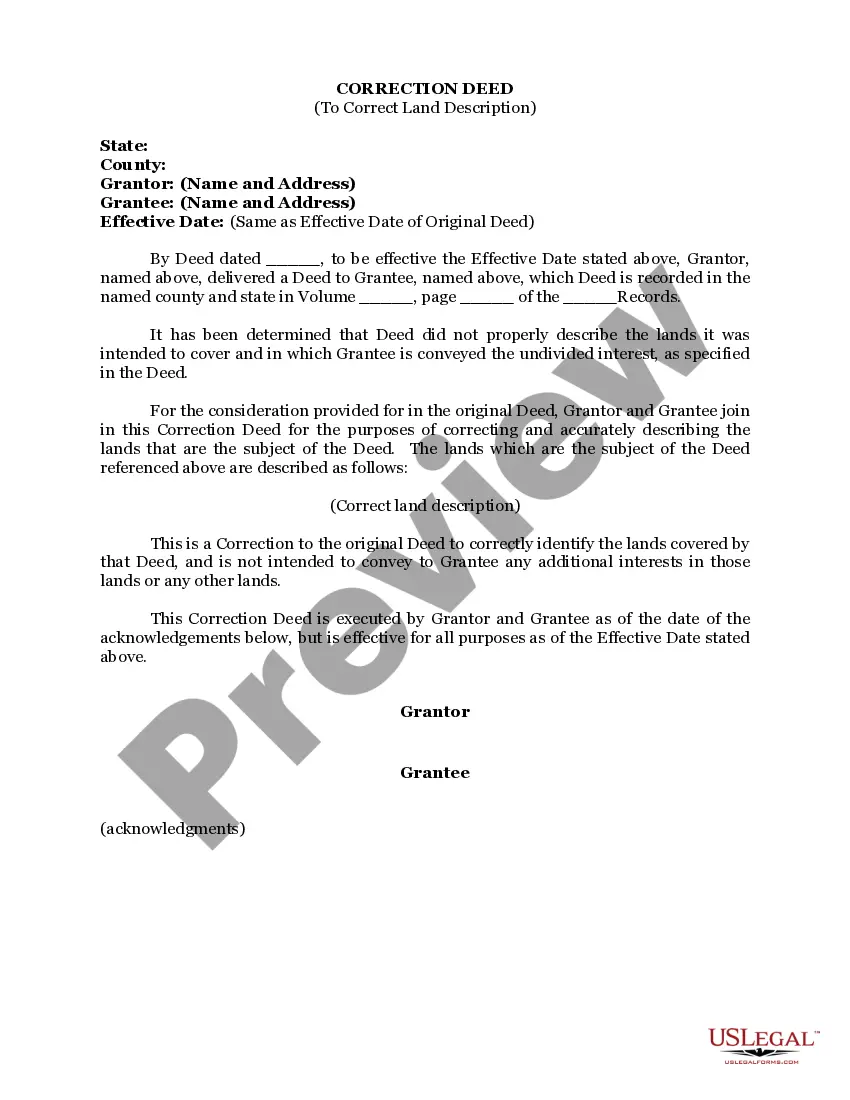
This form should be used when there is a need to correct an error in a previously executed deed. Scenarios may include typographical errors in names, incorrect property descriptions, or resolved discrepancies in ownership. Utilizing this Correction Deed ensures that the title reflects accurate information, thereby maintaining its validity and enforceability.
Who can use this document
This form is suitable for:
- Property owners seeking to amend a prior deed.
- Individuals or couples involved in correcting legal ownership details.
- Real estate professionals helping clients rectify property records.
Steps to complete this form
- Identify the Grantors: Enter the names of the individuals or couples correcting the deed.
- Specify the Grantees: Provide the names and addresses of the individuals receiving ownership.
- Detail the property: Include a comprehensive legal description of the property to be corrected.
- Review the covenants: Ensure the Grantorsâ assurances about legal ownership are accurate.
- Obtain notarization: Have the form notarized to validate the signatures and the document.
Does this form need to be notarized?
Yes, this form must be notarized to be legally valid. A notary public will verify the identities of the signatories and acknowledge the document, enhancing its enforceability.
Get your form ready online
Our built-in tools help you complete, sign, share, and store your documents in one place.
Make edits, fill in missing information, and update formatting in US Legal Forms—just like you would in MS Word.
Download a copy, print it, send it by email, or mail it via USPS—whatever works best for your next step.
Sign and collect signatures with our SignNow integration. Send to multiple recipients, set reminders, and more. Go Premium to unlock E-Sign.
If this form requires notarization, complete it online through a secure video call—no need to meet a notary in person or wait for an appointment.
We protect your documents and personal data by following strict security and privacy standards.

Make edits, fill in missing information, and update formatting in US Legal Forms—just like you would in MS Word.

Download a copy, print it, send it by email, or mail it via USPS—whatever works best for your next step.

Sign and collect signatures with our SignNow integration. Send to multiple recipients, set reminders, and more. Go Premium to unlock E-Sign.

If this form requires notarization, complete it online through a secure video call—no need to meet a notary in person or wait for an appointment.

We protect your documents and personal data by following strict security and privacy standards.
Common mistakes to avoid
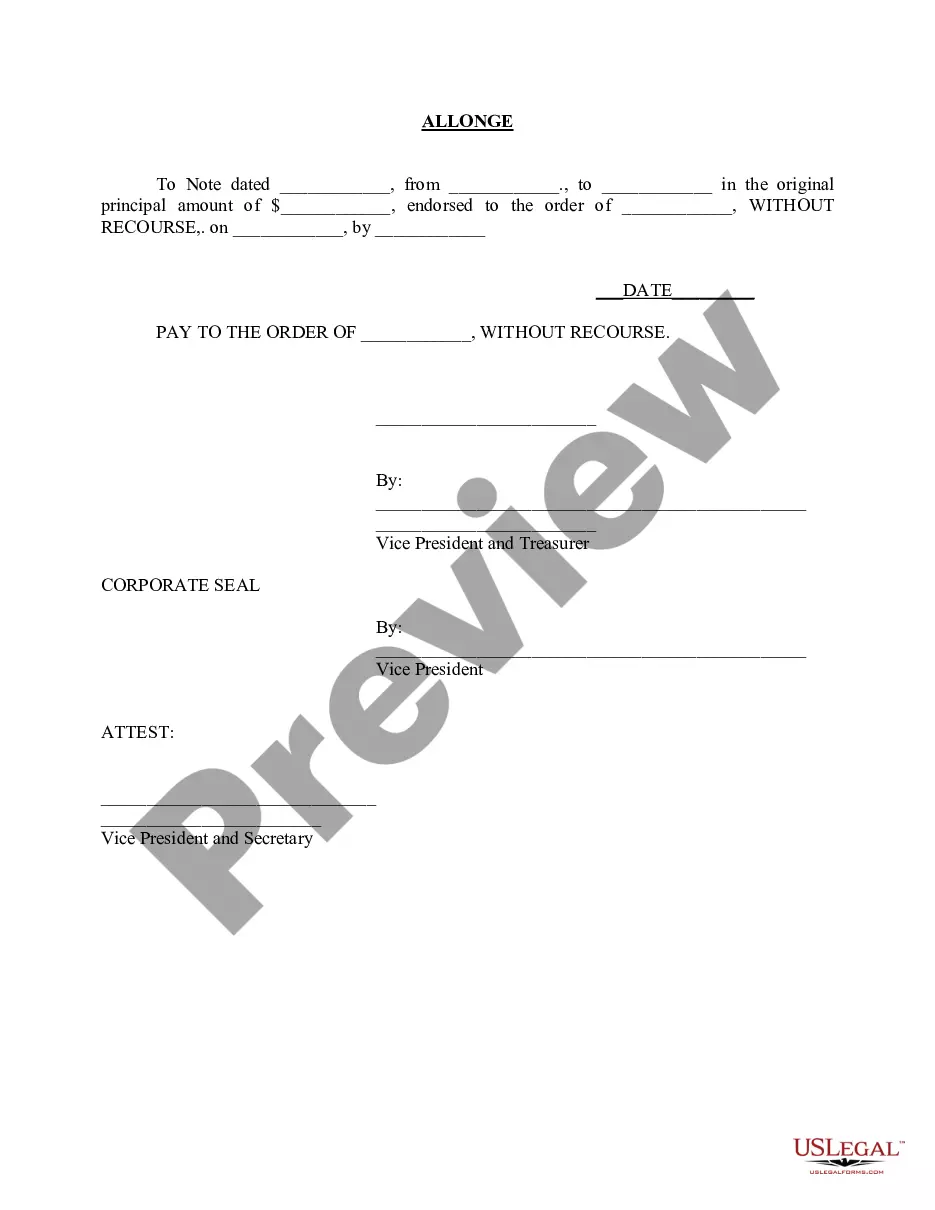
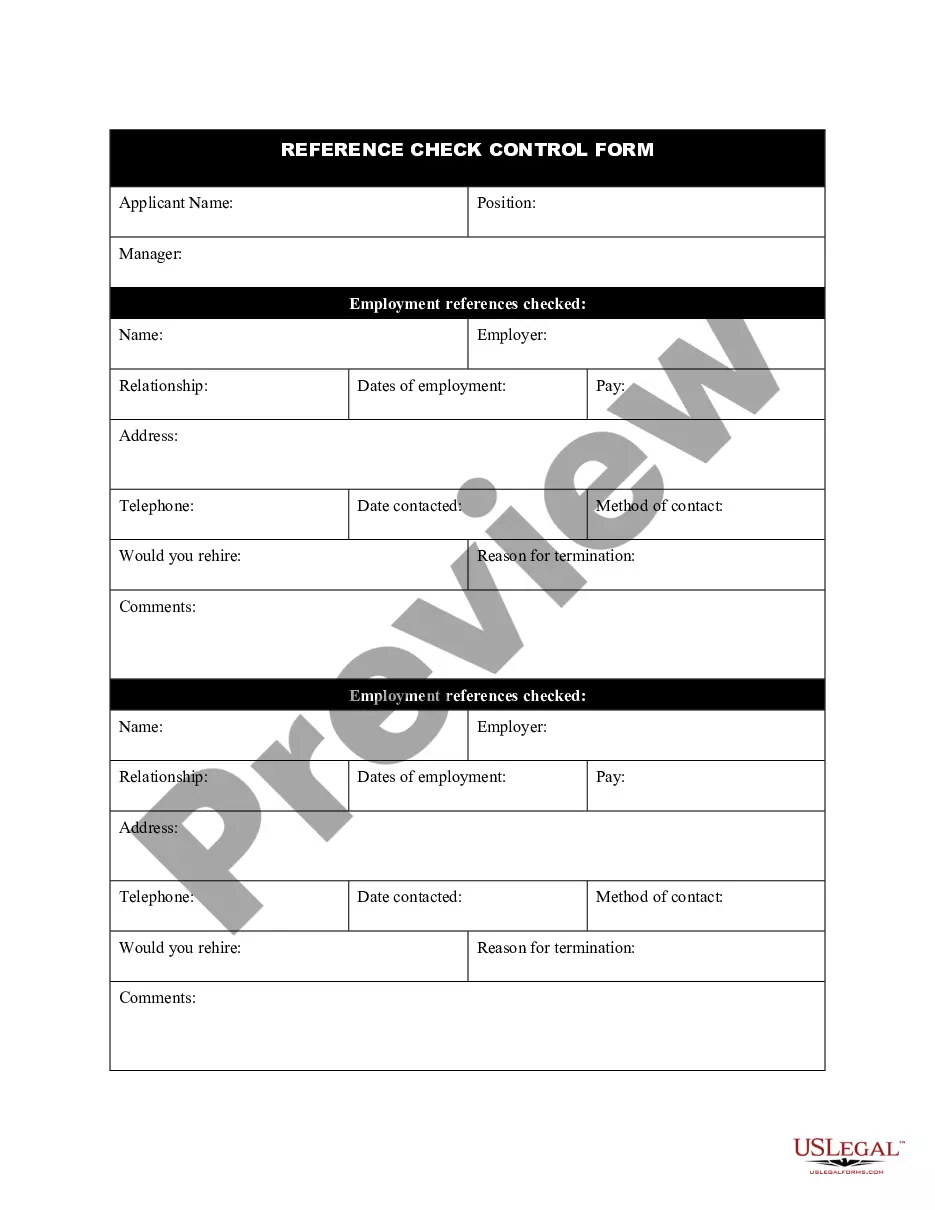
- Failing to include the complete legal description of the property.
- Incorrectly entering the names of the Grantors or Grantees.
- Not obtaining notarization when required for the document's validity.
- Leaving out the date of signature, which could affect the documentâs timing.
Benefits of completing this form online
- Convenience: Easily access and fill out the Correction Deed from the comfort of home.
- Editability: Make changes quickly before finalizing the document.
- Reliability: Forms are drafted by licensed attorneys, ensuring legal compliance.
Looking for another form?
Form popularity
FAQ
Re-recording of the original document. With corrections made in the body of the original document. A cover sheet detailing the changes. Must be re-signed and re-acknowledged. Correction Deed. A new deed reflecting the corrections/changes. Must meet all recording requirements of a deed.
The answer is yes. Parties to a transaction are always free to prepare their own deeds. If you do so, be sure your deed measures up to your state's legal regulations, to help avert any legal challenge to the deed later. Some deeds require more expertise than others.
A corrective deed is an instrument filed in the public record in addition to the incorrect deed. It's known as a confirmatory instrument since it perfects an existing title by removing any defects, but it doesn't pass title on its own.
A corrective affidavit is a statutory device under Cal.Gov. Code 27201, used to correct a minor error in a document that has been recorded at an earlier date. Minor errors are those that, when corrected, cause no actual change in the substance of the document.
Draw line through entry (thin pen line). Make sure that the inaccurate information is still legible. Initial and date the entry. State the reason for the error (i.e. in the margin or above the note if room). Document the correct information.
A correction deed is a new deed signed and acknowledged by the grantor. A correction affidavit can be signed by either party but is used in limited situations. This press release was authorized by Mark W. Bidwell, an attorney licensed in California.
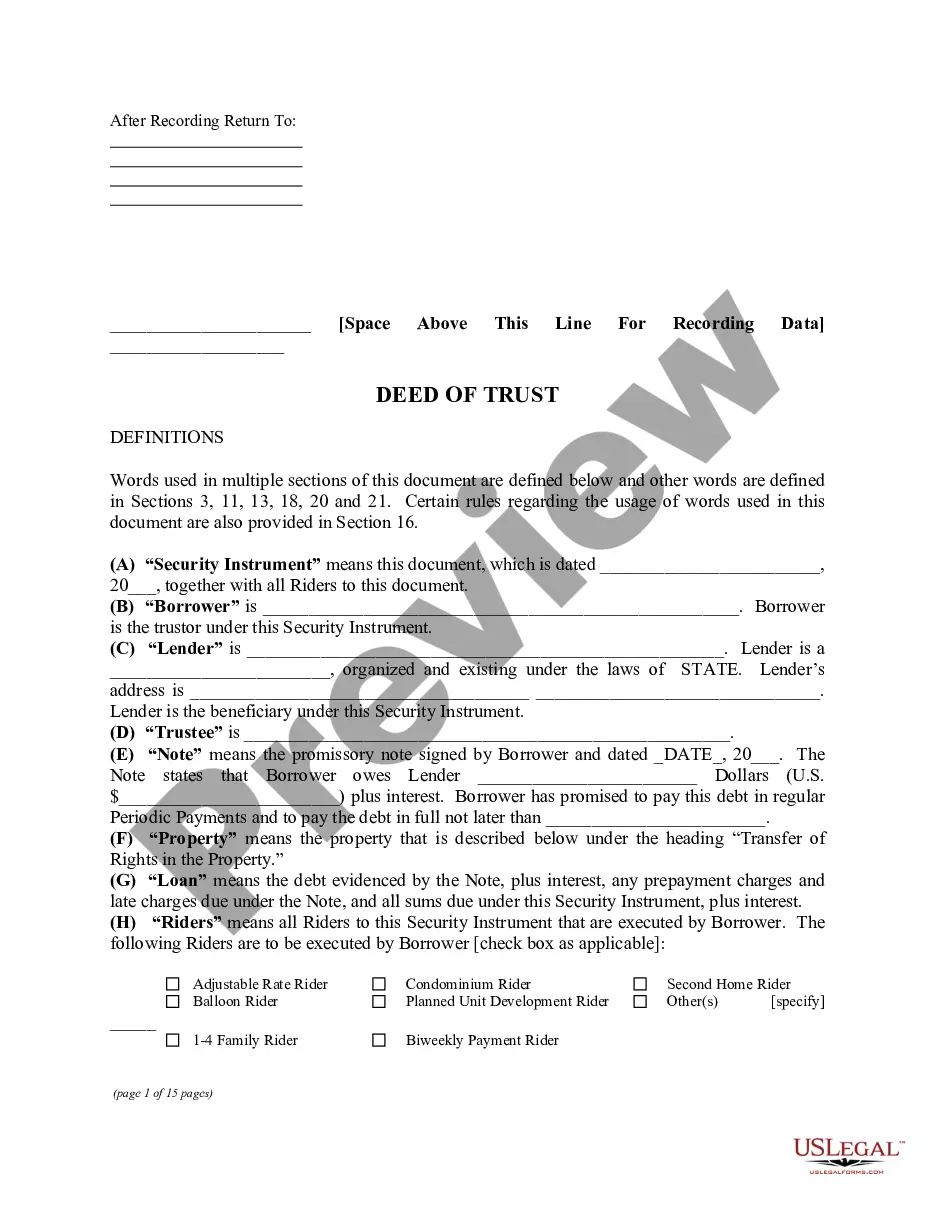
To add a name to a house deed in Pennsylvania, a new deed is prepared. The owner can prepare his own deed or contact an attorney or document service to provide one. Using an attorney is the best route because the attorney ensures that the deed is prepared per the requirements of the state.
Once a deed has been recorded, it is part of the public record and cannot be changed. It is possible, however, to amend that record by adding a newly executed deed, usually called correction or corrective deed, deed of correction or, in some states, deed of confirmation.