Pennsylvania Warranty Deed from Individual to Individual with Life Estate to Third Party
Overview of this form
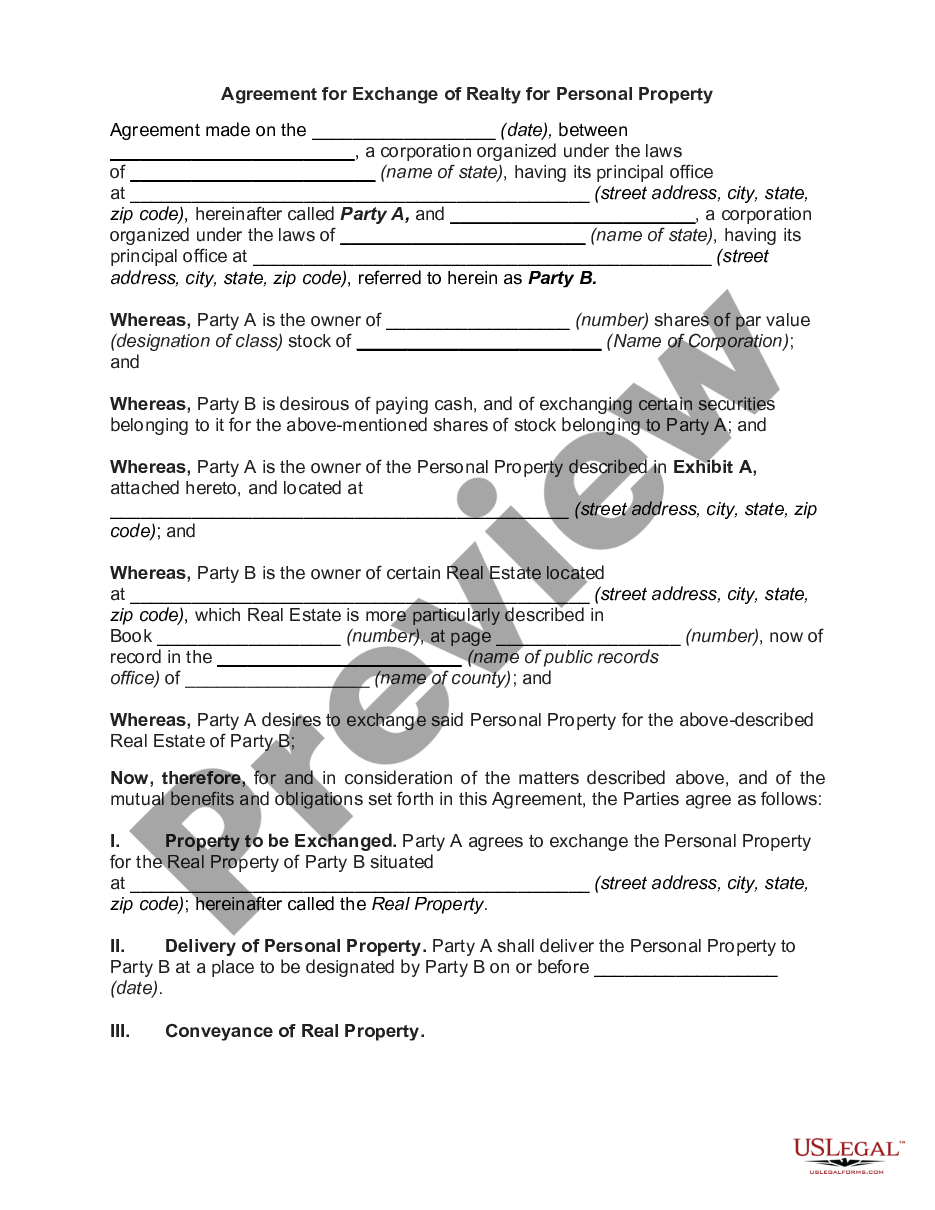
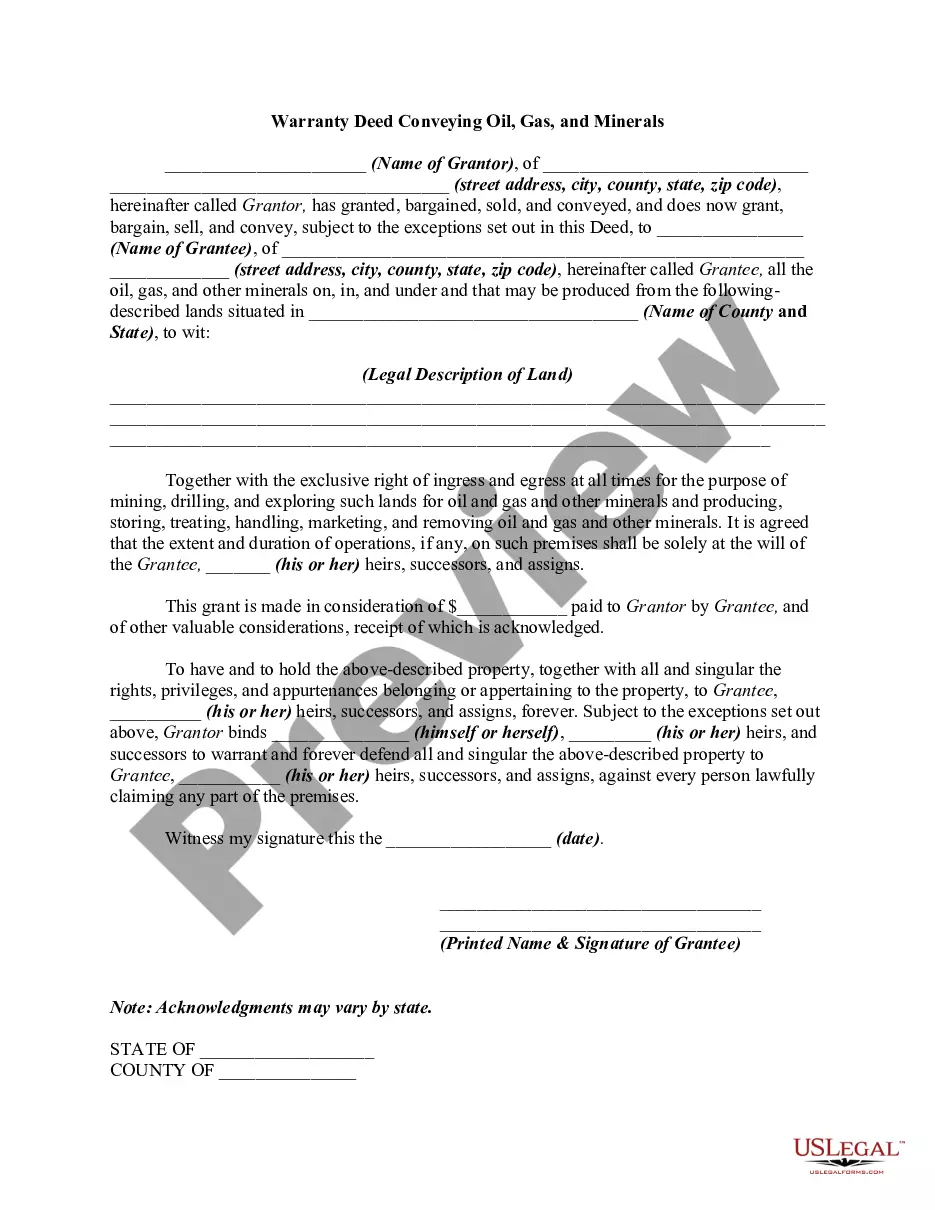
The Warranty Deed from Individual to Individual with Life Estate to Third Party is a legal document that transfers ownership of real property from one individual to another while granting a life estate to a third party. This means that the third party has the right to use the property for their lifetime, after which ownership fully transfers to the grantee. This form is distinct from other deed types, such as quitclaim deeds, because it provides a guarantee regarding the title of the property, making it a more secure form of transfer for grantees.
What’s included in this form
- Identification of the grantor (seller) and grantee (buyer).
- Description of the property being conveyed.
- Details of the life estate granted to the third party.
- Remainder interest declaration for the grantee post-life estate.
- Signatures of the grantor and witnesses, if required by state law.


Situations where this form applies
This form is typically used during property transactions when an individual wants to transfer property, retaining a lifetime interest for a third party. It is essential in situations where estate planning requires that a property remains usable by an elder or other third party during their lifetime, while ensuring clear ownership rights for the future grantee.
Who this form is for
- Individuals looking to transfer property to another individual.
- Individuals who want to create a life estate for a third party.
- Real estate professionals assisting clients with property transactions.
- Estate planners facilitating transfers involving life estates.
How to complete this form
- Identify and enter the full names and addresses of the grantor and grantee.
- Clearly describe the property being conveyed, including any legal descriptions.
- Specify the life estate holder and note their rights regarding the property.
- Include the signatures of the grantor and any required witnesses.
- Consult local regulations to ensure all necessary information is included.
Does this form need to be notarized?
This document requires notarization to meet legal standards. US Legal Forms provides secure online notarization powered by Notarize, allowing you to complete the process through a verified video call, available 24/7.
Get your form ready online
Our built-in tools help you complete, sign, share, and store your documents in one place.
Make edits, fill in missing information, and update formatting in US Legal Forms—just like you would in MS Word.
Download a copy, print it, send it by email, or mail it via USPS—whatever works best for your next step.
Sign and collect signatures with our SignNow integration. Send to multiple recipients, set reminders, and more. Go Premium to unlock E-Sign.
If this form requires notarization, complete it online through a secure video call—no need to meet a notary in person or wait for an appointment.
We protect your documents and personal data by following strict security and privacy standards.

Make edits, fill in missing information, and update formatting in US Legal Forms—just like you would in MS Word.

Download a copy, print it, send it by email, or mail it via USPS—whatever works best for your next step.

Sign and collect signatures with our SignNow integration. Send to multiple recipients, set reminders, and more. Go Premium to unlock E-Sign.

If this form requires notarization, complete it online through a secure video call—no need to meet a notary in person or wait for an appointment.

We protect your documents and personal data by following strict security and privacy standards.
Avoid these common issues
- Failing to accurately describe the property can lead to issues with ownership transfer.
- Omitting the life estate details may cause confusion about the rights of the parties involved.
- Not having the deed notarized when required by state law can invalidate the transfer.
- Using outdated or incorrect legal terminology that does not comply with state statutes.
Why use this form online
- Convenient access to legal forms and templates from any location.
- Editability allows for easy updates and personalization before printing.
- Reliability of forms drafted by licensed attorneys ensures legal compliance.
Legal use & context
- This form must accurately reflect the intentions of both the Grantor and Grantee regarding property ownership and life estate rights.
- All legal formalities must be observed to ensure that the deed is enforceable.
- Consulting with a legal professional can help clarify any potential issues regarding the life estate and property transfer.
Key takeaways
- This Warranty Deed allows for property transfer while granting lifetime rights to a third party.
- Accurate completion of the form is crucial for legal validity.
- Understanding state-specific requirements ensures compliance with local laws.
- Consulting a legal professional can provide guidance and prevent common mistakes.
Looking for another form?
Form popularity
FAQ
With a life estate deed, the remainderman's ownership interest vests when the deed is signed and delivered (or recorded in the public record). Accordingly, the children's ownership interest in the property vested upon their father signing the deed and recording it in the public records, or the year 2000.
Example of creation of a life estate: I grant to my mother, Molly McCree, the right to live in and/or receive rents from my real property, until her death, or I give my daughter, Sadie Hawkins, my real property, subject to a life estate to my mother, Molly McCree. This means a woman's mother, Molly, gets to live in
A California Revocable Transfer-On-Death Deed does not take effect until the property owner dies.As long as the original owner is alive, he can revoke the transfer, sell the property, add or remove beneficiaries, and otherwise maintain complete control over the property.
A life estate deed permits the property owner to have full use of their property until their death, at which point the ownership of the property is automatically transferred to the beneficiary.
A person owns property in a life estate only throughout their lifetime. Beneficiaries cannot sell property in a life estate before the beneficiary's death. One benefit of a life estate is that property can pass when the life tenant dies without being part of the tenant's estate.
The date the deed was made; The name of the party granting the life estate and their address; The name of the grantee and their address; The address and a legal description of the property that is subject to the life estate;
File a petition in probate court. The first step to transferring the property to the rightful new owners is to open up a case in probate court. Petition the court for sale and convey the property to the purchaser. Next, you must petition the court to sell the property.
Can a life estate deed be changed? It is challenging to modify or change a life estate deed. The grantor cannot change the life estate as he or she has no power to do so after creating the life estate deed unless all of the future tenants agree. It requires the permission or consent of every one of the beneficiaries.