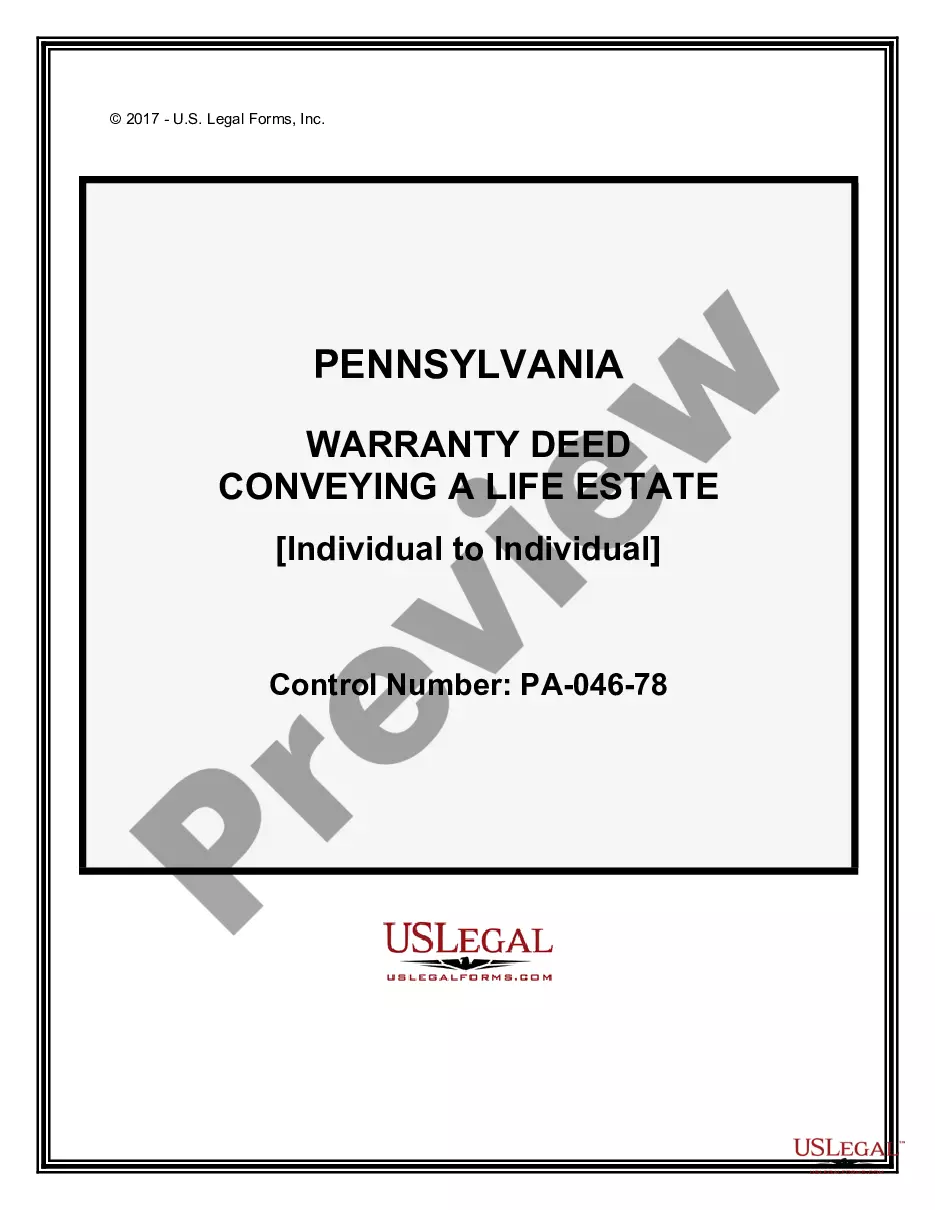
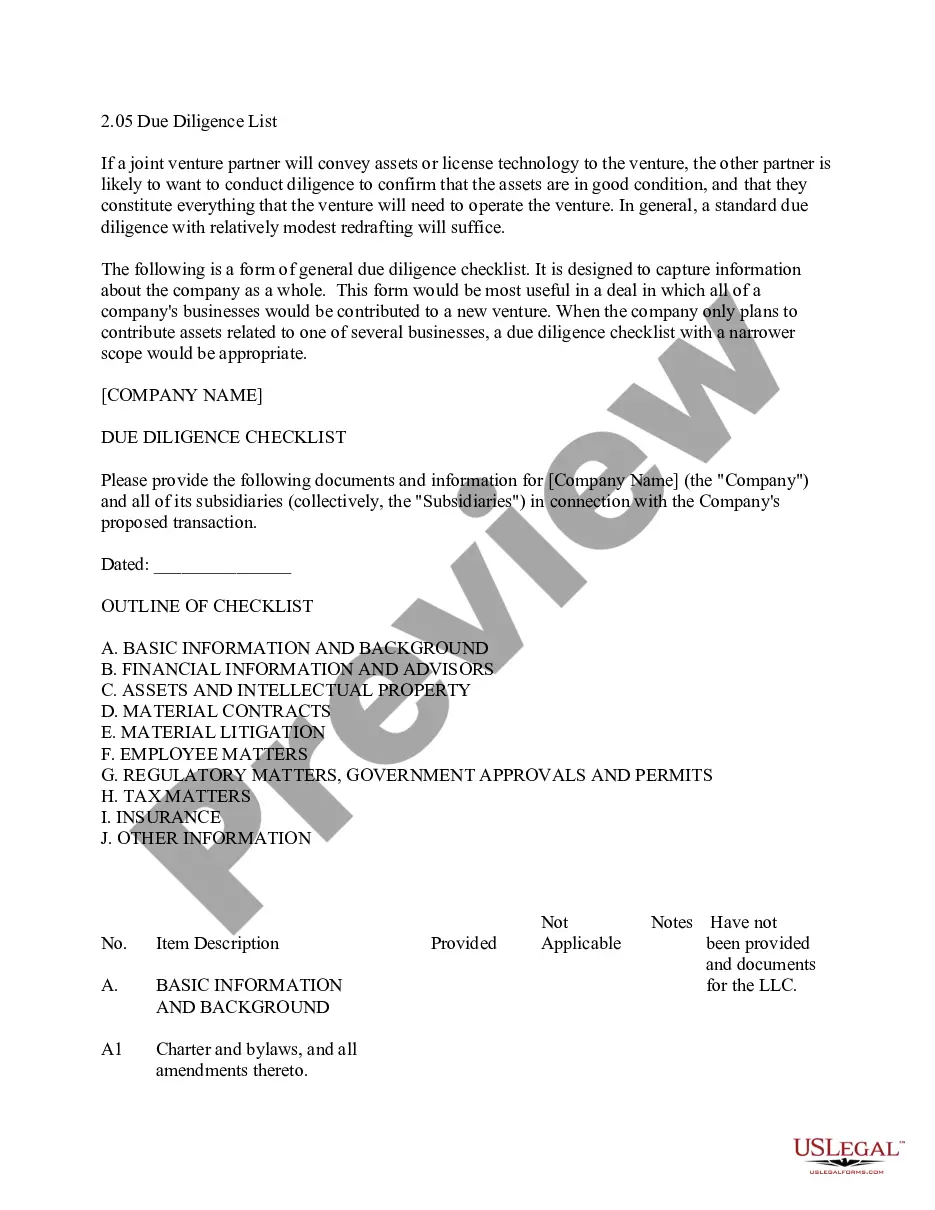
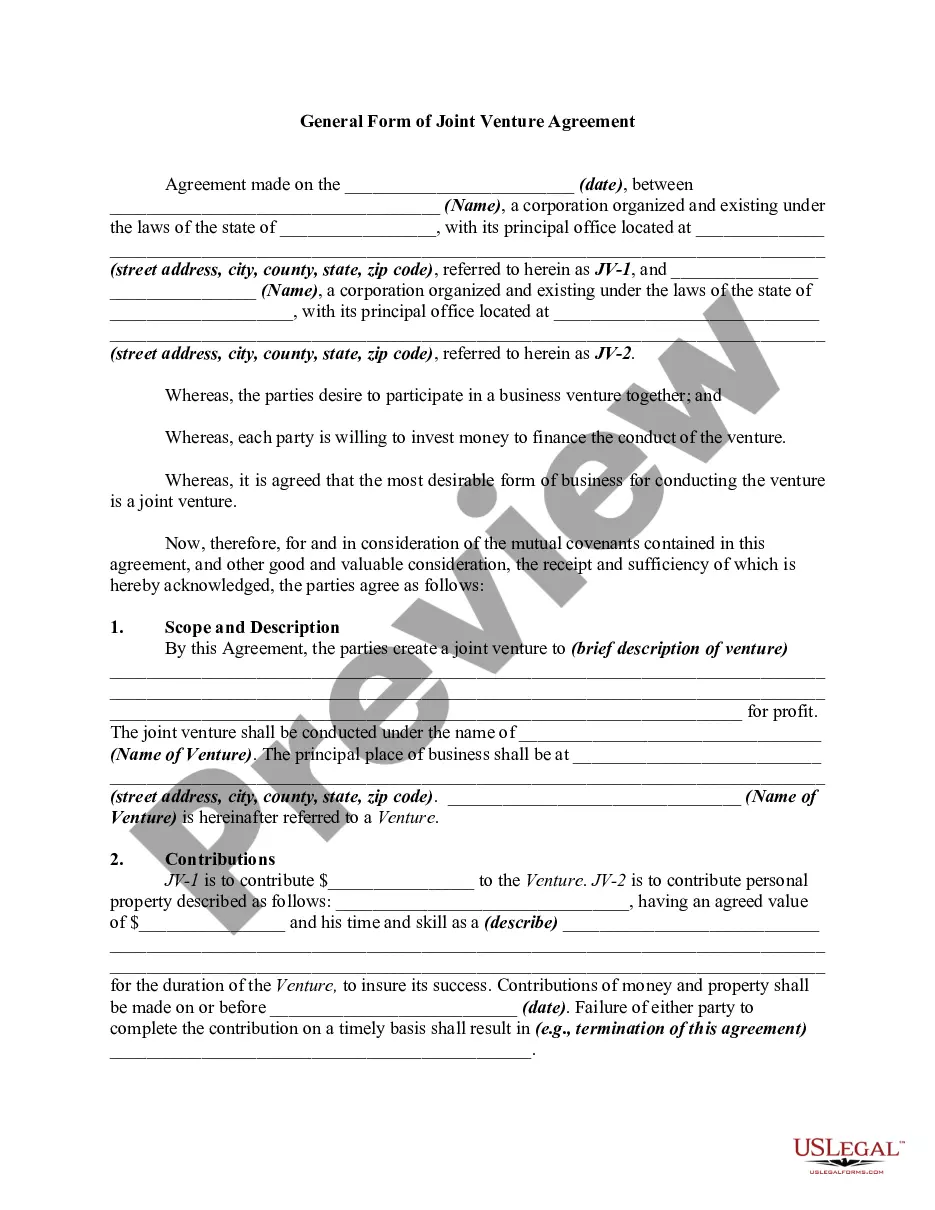
This form is a Warranty Deed, conveying a life estate, where the Grantor is an individual and the Grantee is an individual. Grantor conveys and warrants the life estate interest. This deed complies with all state statutory laws.
Pennsylvania Warranty Deed Conveying A Life Estate - Individual to Individual
Category:
State:
Pennsylvania
Control #:
PA-046-78
Format:
Word;
Rich Text
Instant download
Description
Free preview



How to fill out Pennsylvania Warranty Deed Conveying A Life Estate - Individual To Individual?
Creating documents isn't the most simple process, especially for people who rarely work with legal papers. That's why we advise using accurate Pennsylvania Warranty Deed Conveying A Life Estate Individual to Individual templates created by professional lawyers. It gives you the ability to prevent difficulties when in court or working with formal organizations. Find the files you require on our site for high-quality forms and correct explanations.
If you’re a user with a US Legal Forms subscription, simply log in your account. When you’re in, the Download button will automatically appear on the file webpage. Soon after getting the sample, it’ll be stored in the My Forms menu.
Customers without an active subscription can quickly get an account. Utilize this brief step-by-step help guide to get the Pennsylvania Warranty Deed Conveying A Life Estate Individual to Individual:
- Make sure that the sample you found is eligible for use in the state it’s needed in.
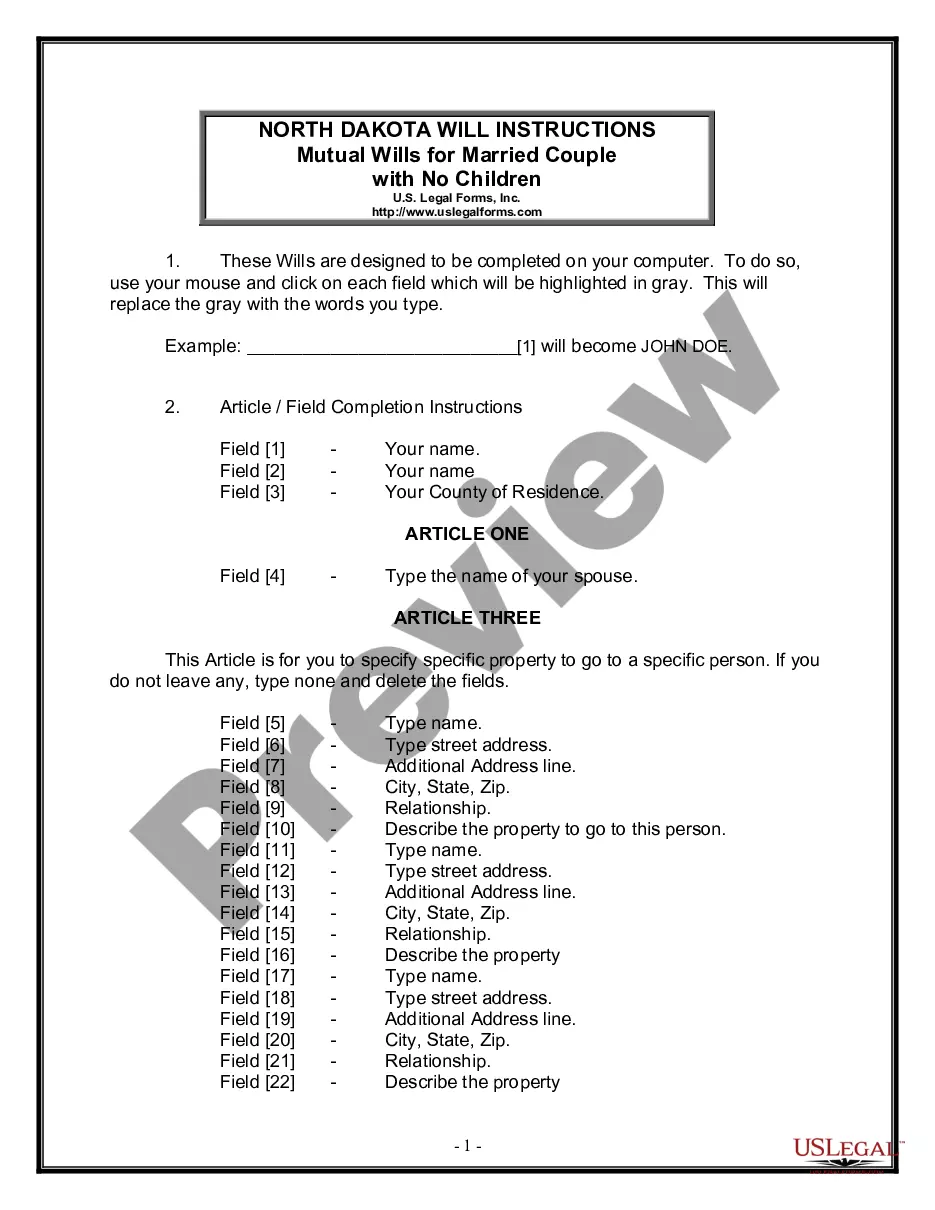
- Confirm the file. Utilize the Preview option or read its description (if offered).
- Click Buy Now if this sample is what you need or go back to the Search field to get another one.
- Choose a convenient subscription and create your account.
- Utilize your PayPal or credit card to pay for the service.
- Download your file in a wanted format.
Right after completing these simple steps, you can complete the sample in an appropriate editor. Double-check filled in details and consider requesting a legal professional to examine your Pennsylvania Warranty Deed Conveying A Life Estate Individual to Individual for correctness. With US Legal Forms, everything gets much easier. Test it now!
Form popularity
FAQ
Example of creation of a life estate: I grant to my mother, Molly McCree, the right to live in and/or receive rents from my real property, until her death, or I give my daughter, Sadie Hawkins, my real property, subject to a life estate to my mother, Molly McCree. This means a woman's mother, Molly, gets to live in
A personal representative deed and warranty deed are the same only in that they both convey ownership of land. The types of title assurance that the different deeds provide to the new owner are very different.
The name and address of the seller (called the grantor) The name and address of the buyer (called the grantee) A legal description of the property (found on the previous deed) A statement that the grantor is transferring the property to the grantee.
With a life estate deed, the remainderman's ownership interest vests when the deed is signed and delivered (or recorded in the public record). Accordingly, the children's ownership interest in the property vested upon their father signing the deed and recording it in the public records, or the year 2000.
The date the deed was made; The name of the party granting the life estate and their address; The name of the grantee and their address; The address and a legal description of the property that is subject to the life estate;
A life estate is a form of joint ownership that allows one person to remain in a house until his or her death, when it passes to the other owner.
A person owns property in a life estate only throughout their lifetime. Beneficiaries cannot sell property in a life estate before the beneficiary's death. One benefit of a life estate is that property can pass when the life tenant dies without being part of the tenant's estate.
A life estate deed permits the property owner to have full use of their property until their death, at which point the ownership of the property is automatically transferred to the beneficiary.