Pennsylvania Quitclaim Deed from Corporation to Two Individuals
Overview of this form
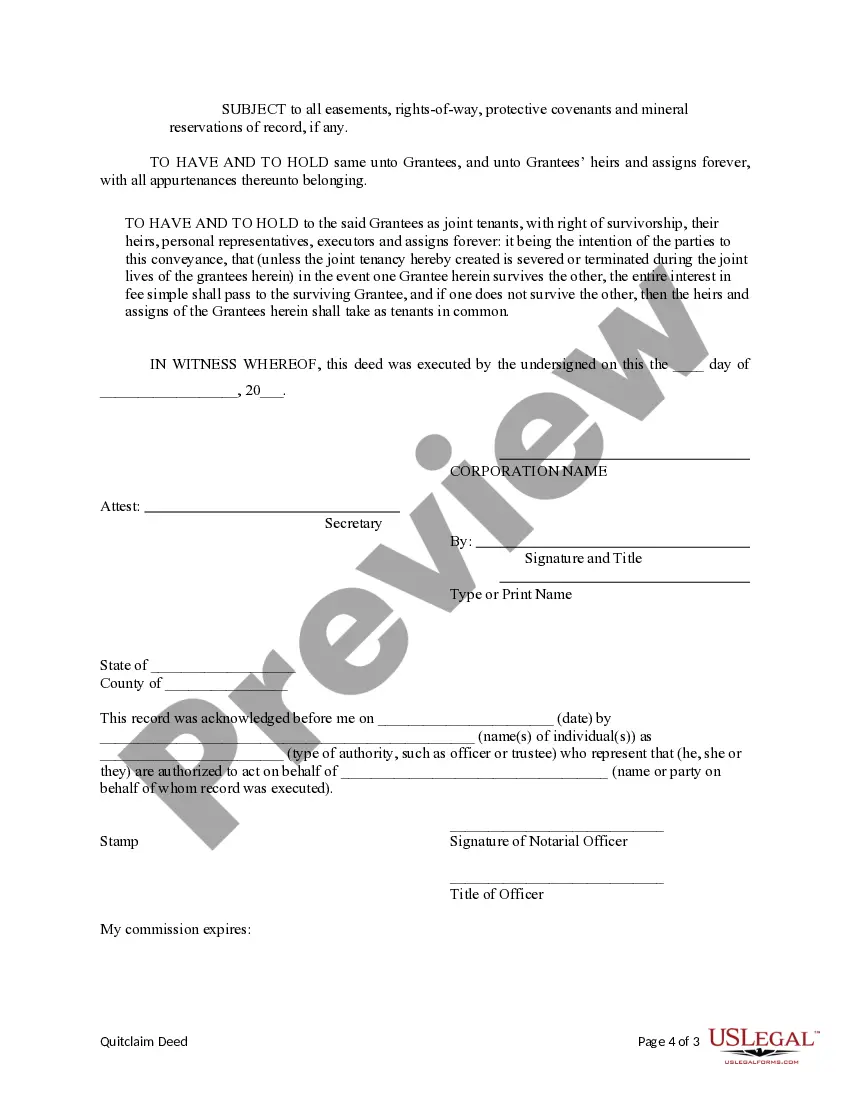
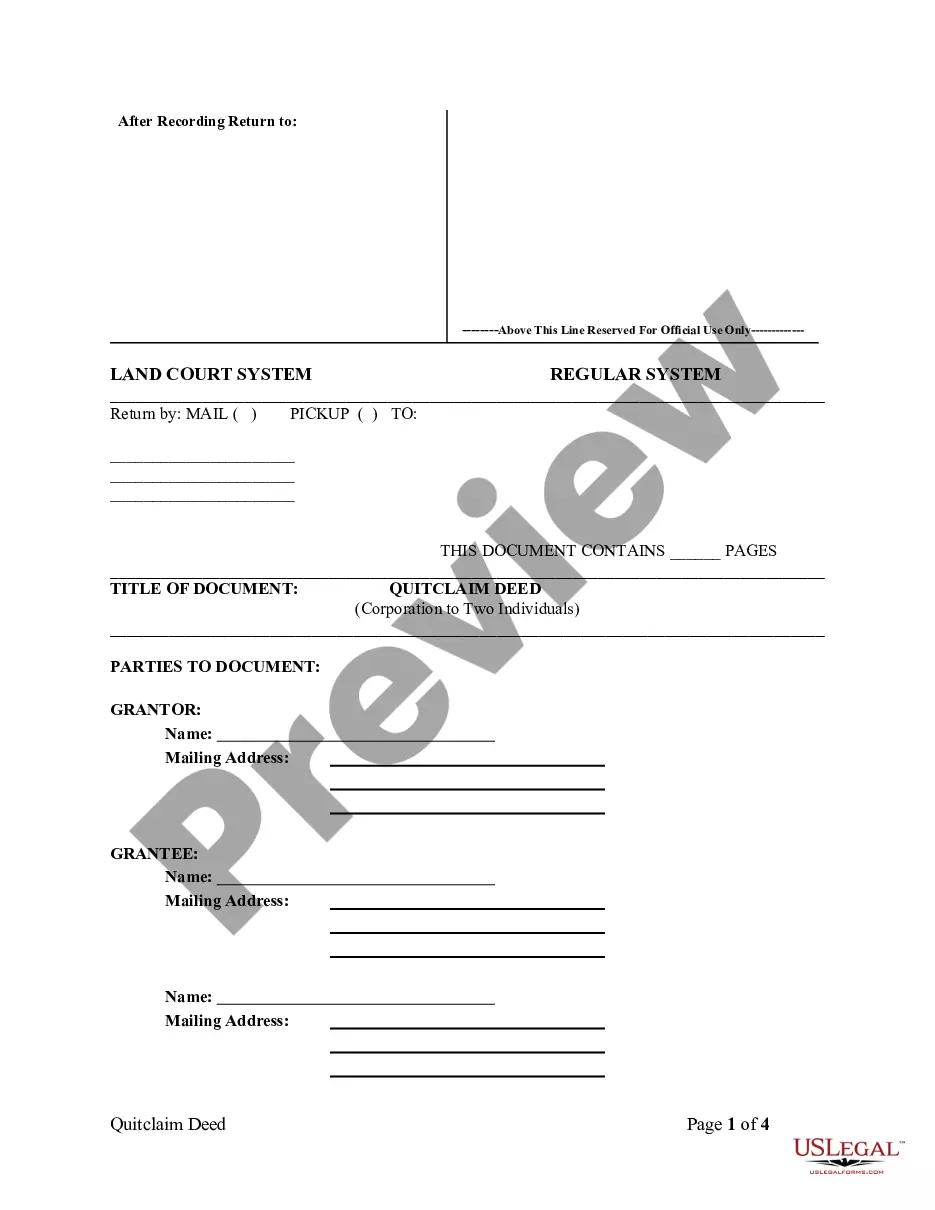
This Quitclaim Deed from Corporation to Two Individuals is a legal document used to transfer property ownership from a corporation (grantor) to two individuals (grantees). Unlike a warranty deed, this quitclaim deed provides no guarantees about the propertyâs title, thus allowing the grantor to convey their interest without verifying its validity. It is particularly useful in situations where the grantor wants to quickly transfer ownership with less formalities.
Key components of this form
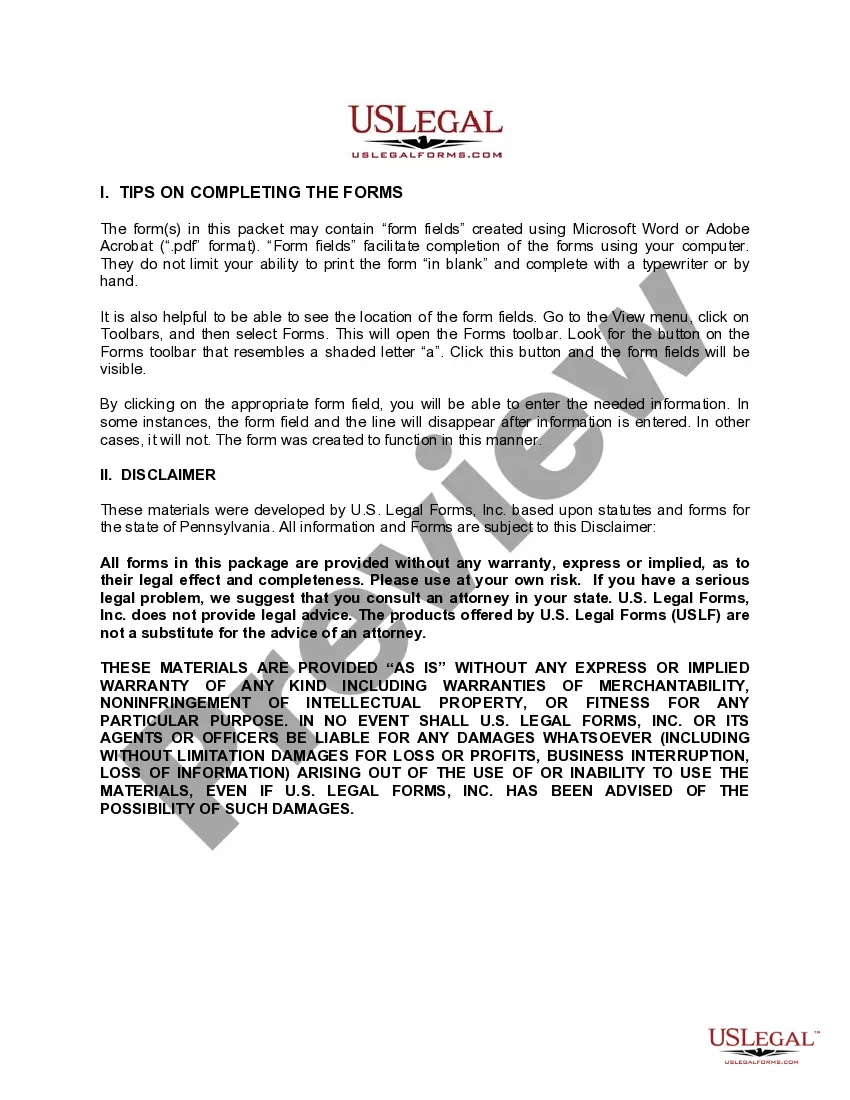
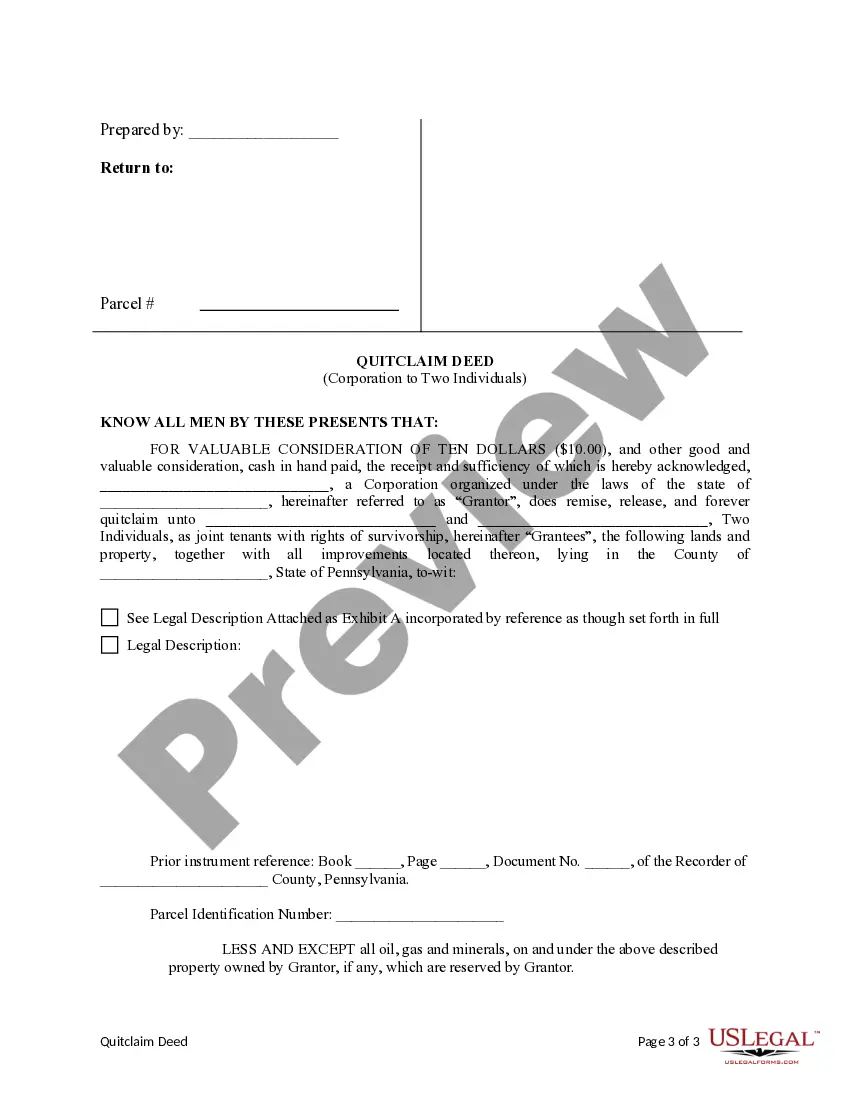
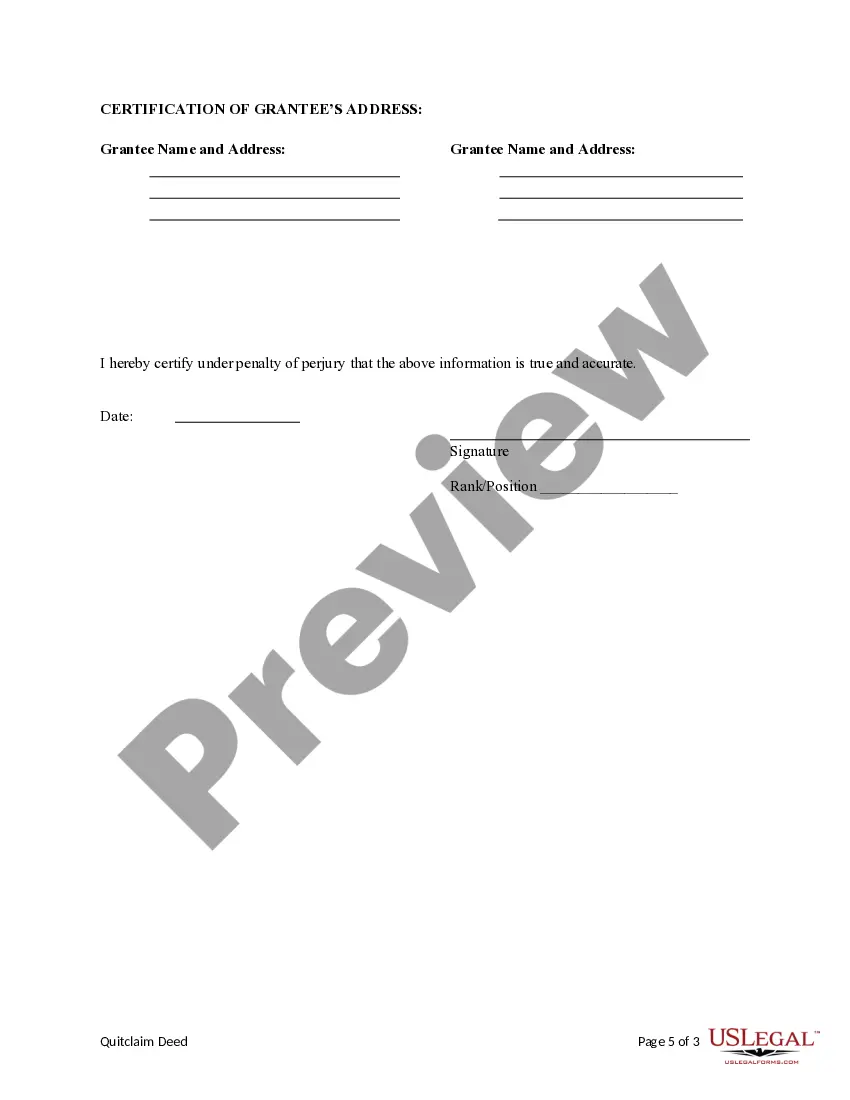
- Grantor information, including name and corporation details.
- Grantee details, including names of the two individuals receiving the property.
- Legal description of the property being transferred.
- Reservation of oil, gas, and mineral rights by the grantor.
- Signatures and dates for the formal execution of the deed.




When this form is needed
This form is ideal in scenarios where a corporation wishes to transfer property to two individuals, such as in a family transfer, partnership dissolution, or estate planning. It can also be used when the corporation does not want to incur the additional costs or efforts associated with a warranty deed.
Intended users of this form
This quitclaim deed is suitable for:
- Corporations intending to transfer property ownership to individual stakeholders.
- Individuals who wish to obtain property from a corporation without warranty.
- Real estate professionals facilitating property transfers on behalf of clients.
Steps to complete this form
- Identify the corporation as the grantor and provide its details.
- List the names of the two individuals who will receive the property as grantees.
- Include the legal description of the property in the designated area.
- Include any reservations of rights, such as oil or mineral rights, as applicable.
- Have the grantor sign and date the form, ensuring that all necessary fields are filled.
Is notarization required?
This form does not typically require notarization unless specified by local law. It is advisable to check with a legal professional to confirm whether notarization is needed depending on the specific circumstances of the property transfer.
Get your form ready online
Our built-in tools help you complete, sign, share, and store your documents in one place.
Make edits, fill in missing information, and update formatting in US Legal Forms—just like you would in MS Word.
Download a copy, print it, send it by email, or mail it via USPS—whatever works best for your next step.
Sign and collect signatures with our SignNow integration. Send to multiple recipients, set reminders, and more. Go Premium to unlock E-Sign.
If this form requires notarization, complete it online through a secure video call—no need to meet a notary in person or wait for an appointment.
We protect your documents and personal data by following strict security and privacy standards.

Make edits, fill in missing information, and update formatting in US Legal Forms—just like you would in MS Word.

Download a copy, print it, send it by email, or mail it via USPS—whatever works best for your next step.

Sign and collect signatures with our SignNow integration. Send to multiple recipients, set reminders, and more. Go Premium to unlock E-Sign.

If this form requires notarization, complete it online through a secure video call—no need to meet a notary in person or wait for an appointment.

We protect your documents and personal data by following strict security and privacy standards.
Typical mistakes to avoid
- Failing to provide a complete legal description of the property.
- Not including required signatures from all parties involved.
- Overlooking the reservation of rights, leading to future disputes.
Benefits of completing this form online
- Convenience of downloading and filling out the form at your own pace.
- Editability allows for easy corrections and modifications without starting over.
- Access to reliable templates created by licensed attorneys to ensure compliance with legal standards.
Legal use & context
- The Quitclaim Deed is legally recognized in Pennsylvania for property transfers.
- This form facilitates transfers where clear title is not guaranteed, making it less formal than other deed options.
- It is critical to ensure that all parties understand the implications of a quitclaim deed before execution.
Main things to remember
- A Quitclaim Deed transfers property without guaranteeing title, making it ideal for certain transfers.
- Ensure the document is accurately completed with all necessary information.
- Avoid common mistakes by double-checking key components and signatures.
Looking for another form?
Form popularity
FAQ
A quitclaim deed affects ownership and the name on the deed, not the mortgage. Because quitclaim deeds expose the grantee to certain risks, they are most often used between family members and where there is no exchange of money.Quitclaim deeds transfer title but do not affect mortgages.
A quitclaim deed is quick and easy because it transfers all of one person's interest in the property to another.The deed transfers all claims the seller has to the property, if any. If the seller has no interest in the real estate, no interest is transferred.
The drawback, quite simply, is that quitclaim deeds offer the grantee/recipient no protection or guarantees whatsoever about the property or their ownership of it. Maybe the grantor did not own the property at all, or maybe they only had partial ownership.
It's usually a very straightforward transaction, but it's possible for a quitclaim deed to be challenged. If a quitclaim deed is challenged in court, the issue becomes whether the property was legally transferred and if the grantor had the legal right to transfer the property.
But you might be wondering if an owner can transfer a deed to another person without a real estate lawyer. The answer is yes. Parties to a transaction are always free to prepare their own deeds.A quitclaim deed, for example, is far simpler than a warranty deed.
A quitclaim deed is a deed (proof of ownership) that is passed from a grantor (the existing property owner) to a grantee (the new property owner) that does not have a warranty.A quitclaim deed has no guarantees for the grantor or grantee.
A quitclaim deed transfers title but makes no promises at all about the owner's title.A person who signs a quitclaim deed to transfer property they do not own results in no title at all being transferred since there is no actual ownership interest. The quitclaim deed only transfers the type of title you own.
If the quitclaim deed requires the signature of all co-owners, the deed is invalid unless all co-owners have signed it and the deed is then delivered to the grantee.If one individual owns real estate and desires to add a co-owner such as a spouse, a quitclaim deed might be used.
Yes, you can use a Quitclaim Deed to transfer a gift of property to someone. You must still include consideration when filing your Quitclaim Deed with the County Recorder's Office to show that title has been transferred, so you would use $10.00 as the consideration for the property.