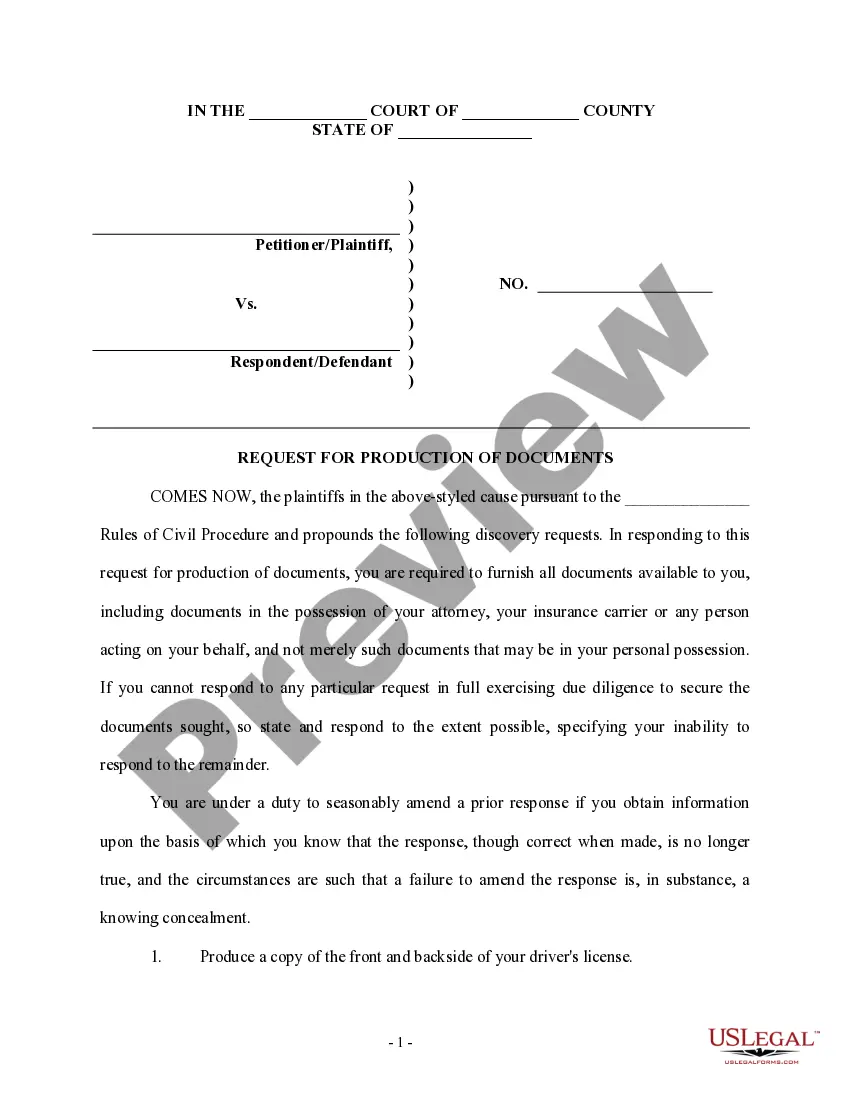
Oregon Waiver and Release From Liability For Minor Child for Extreme Sports
Description
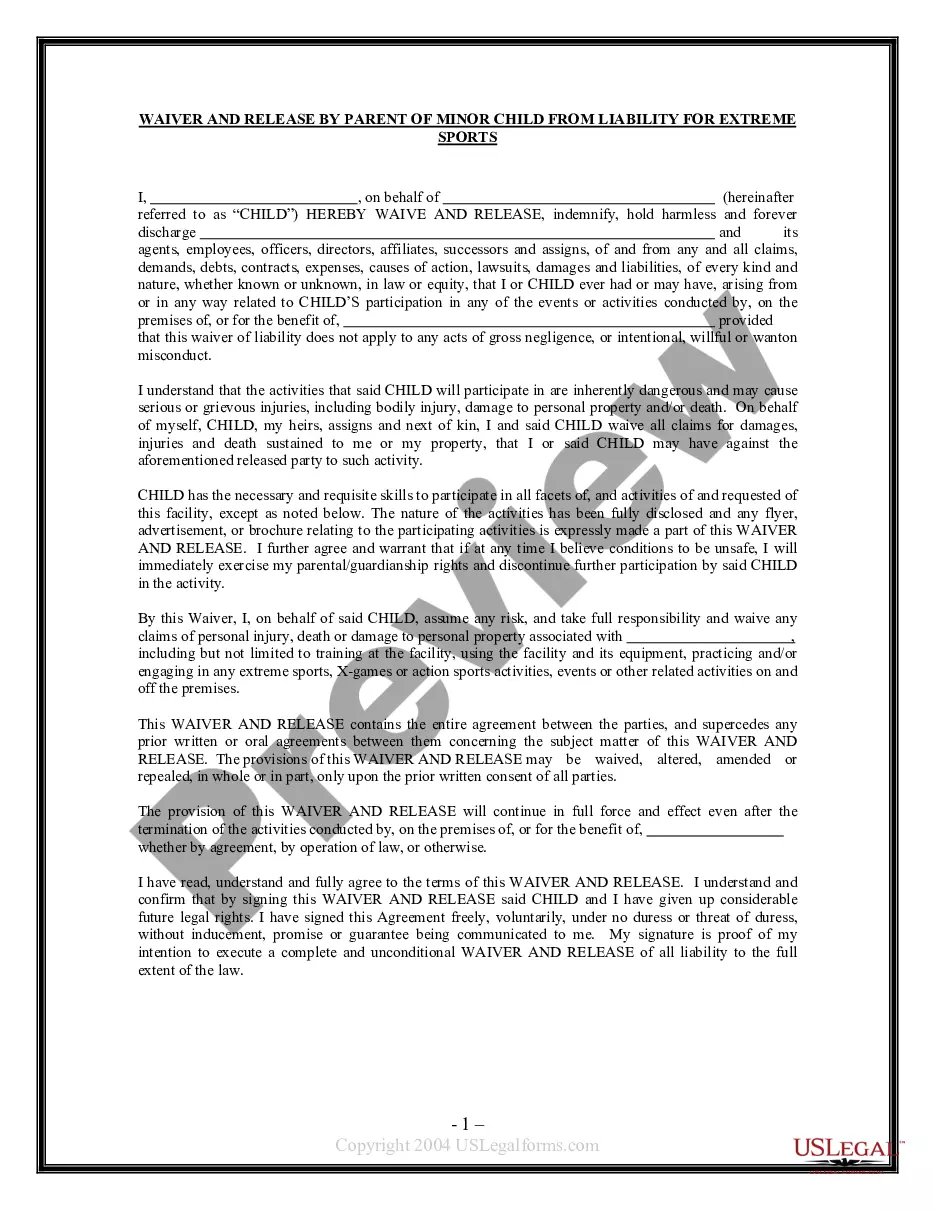
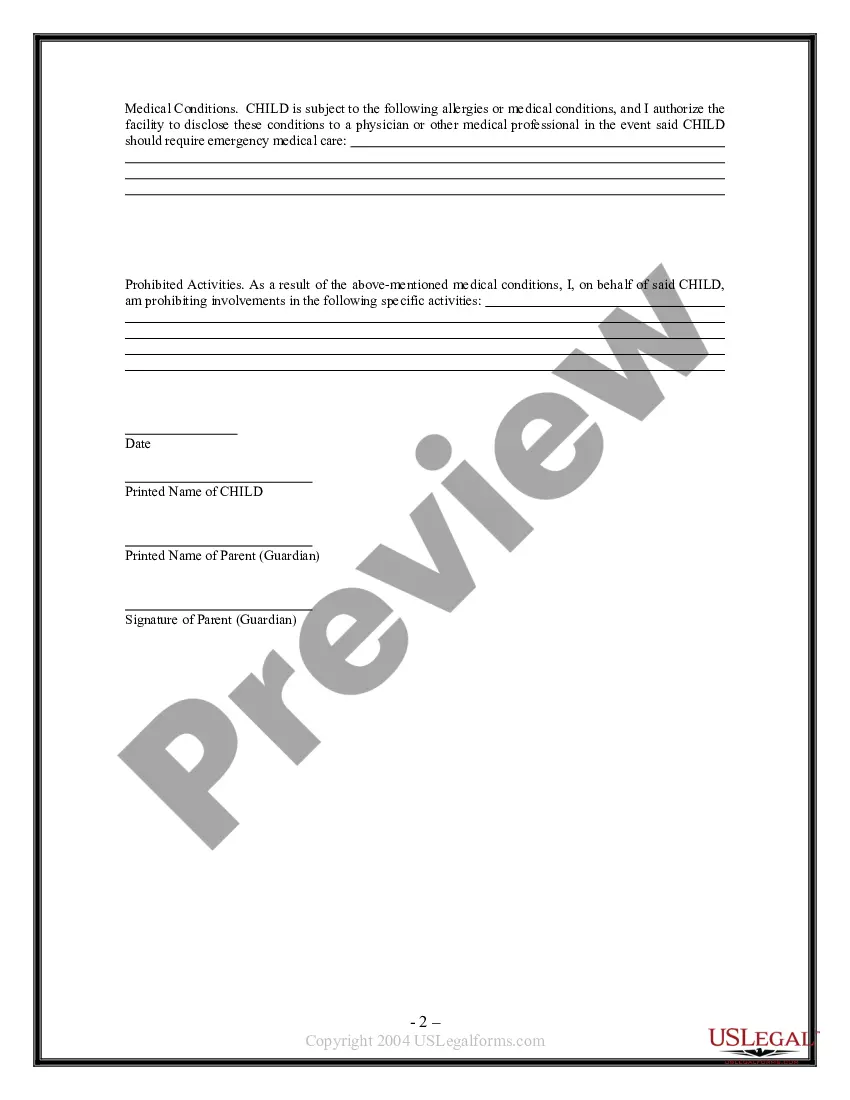
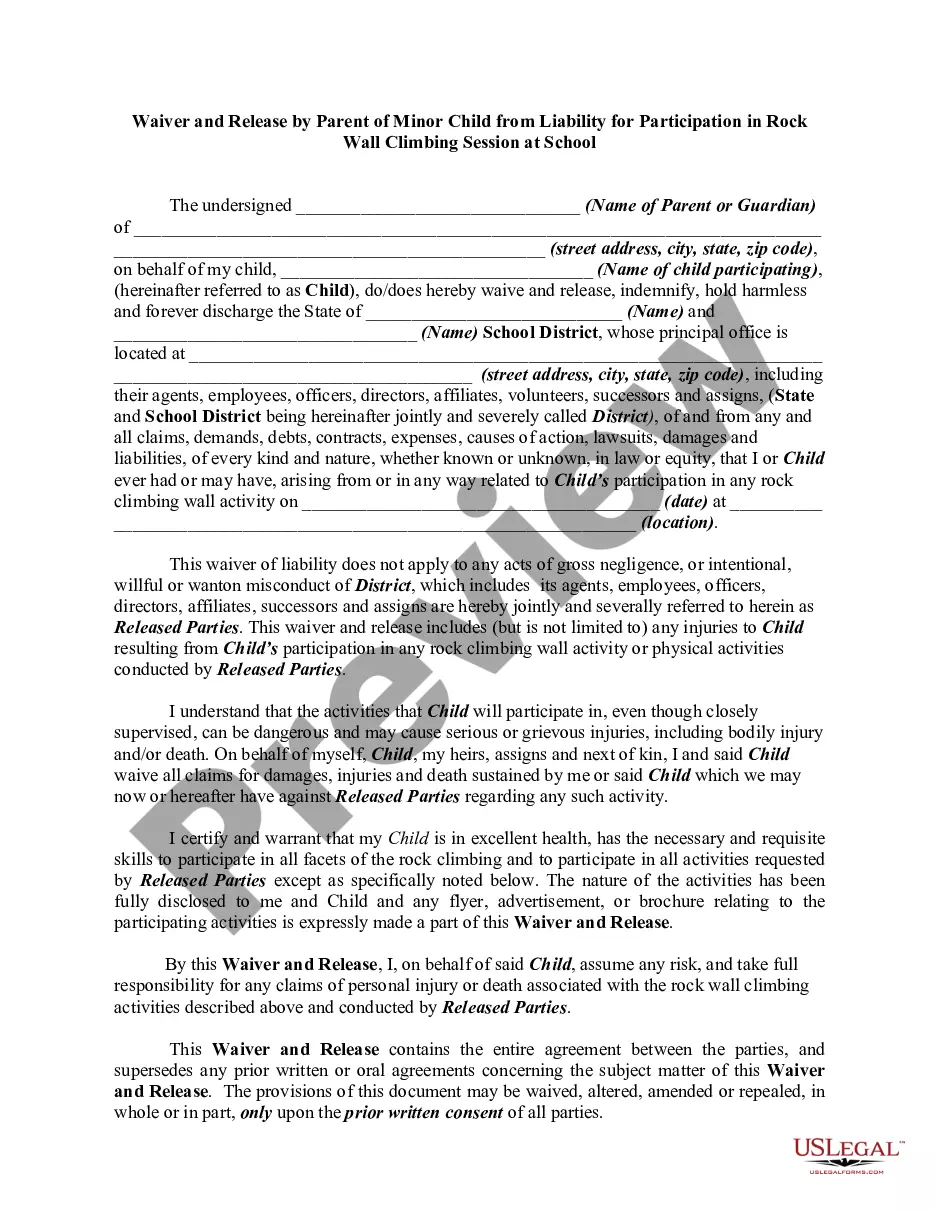
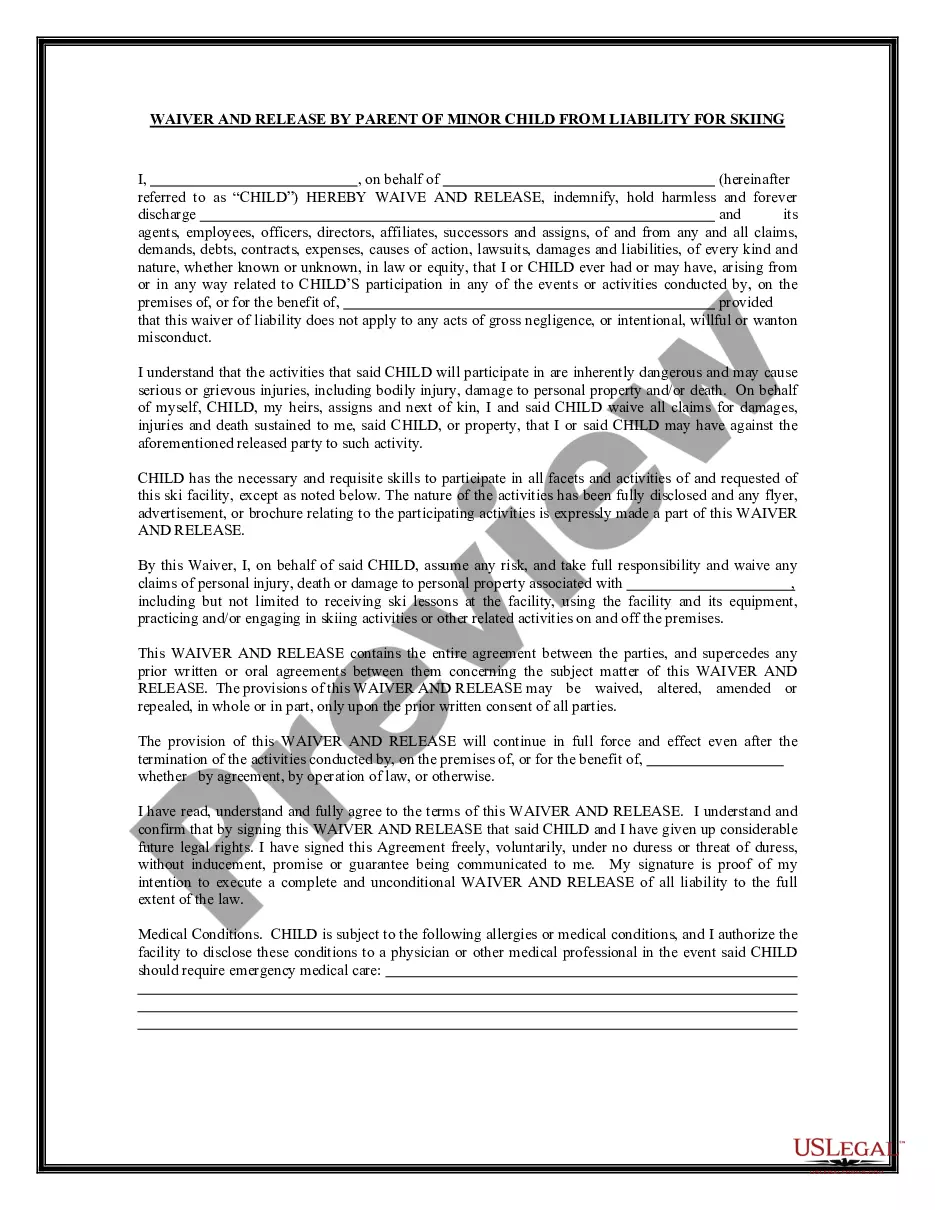
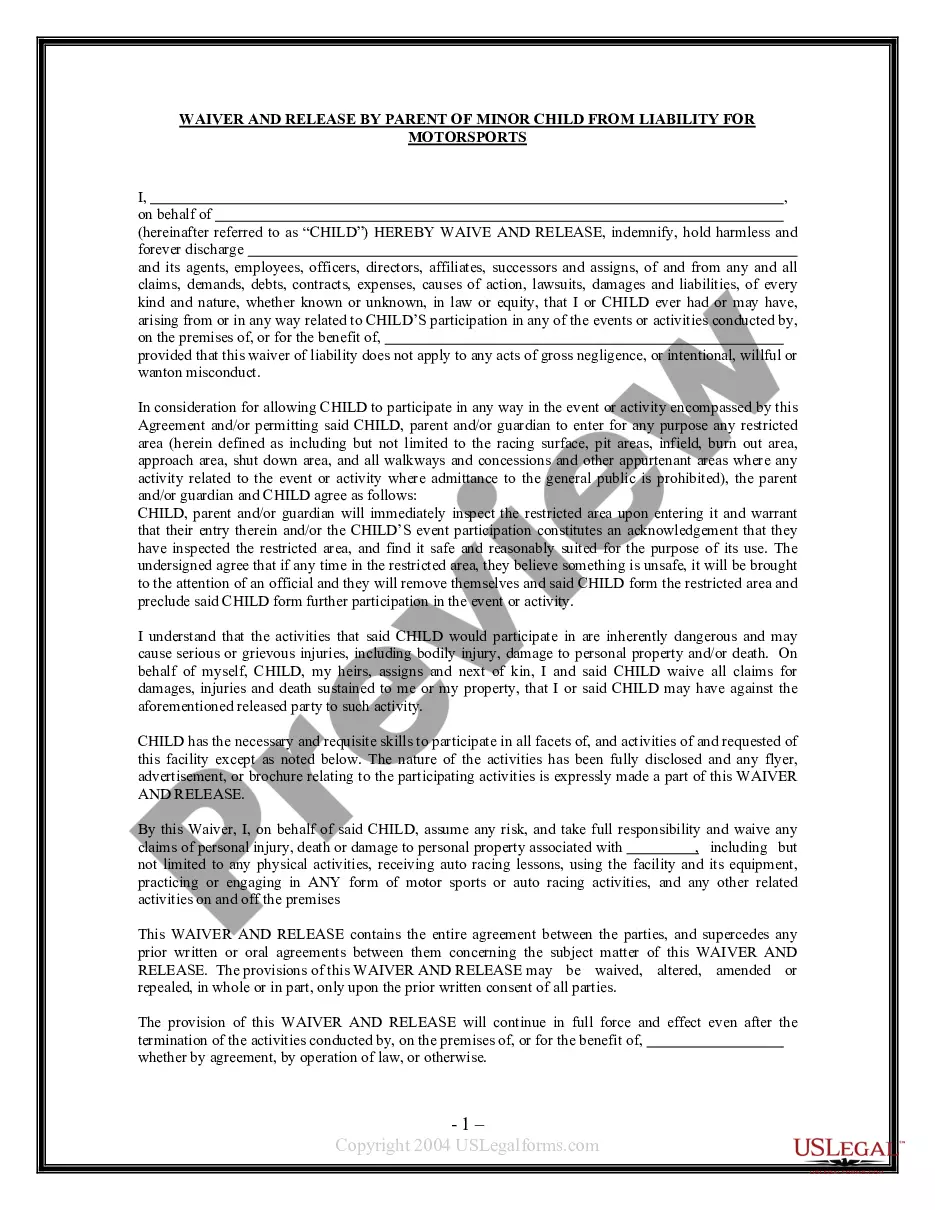
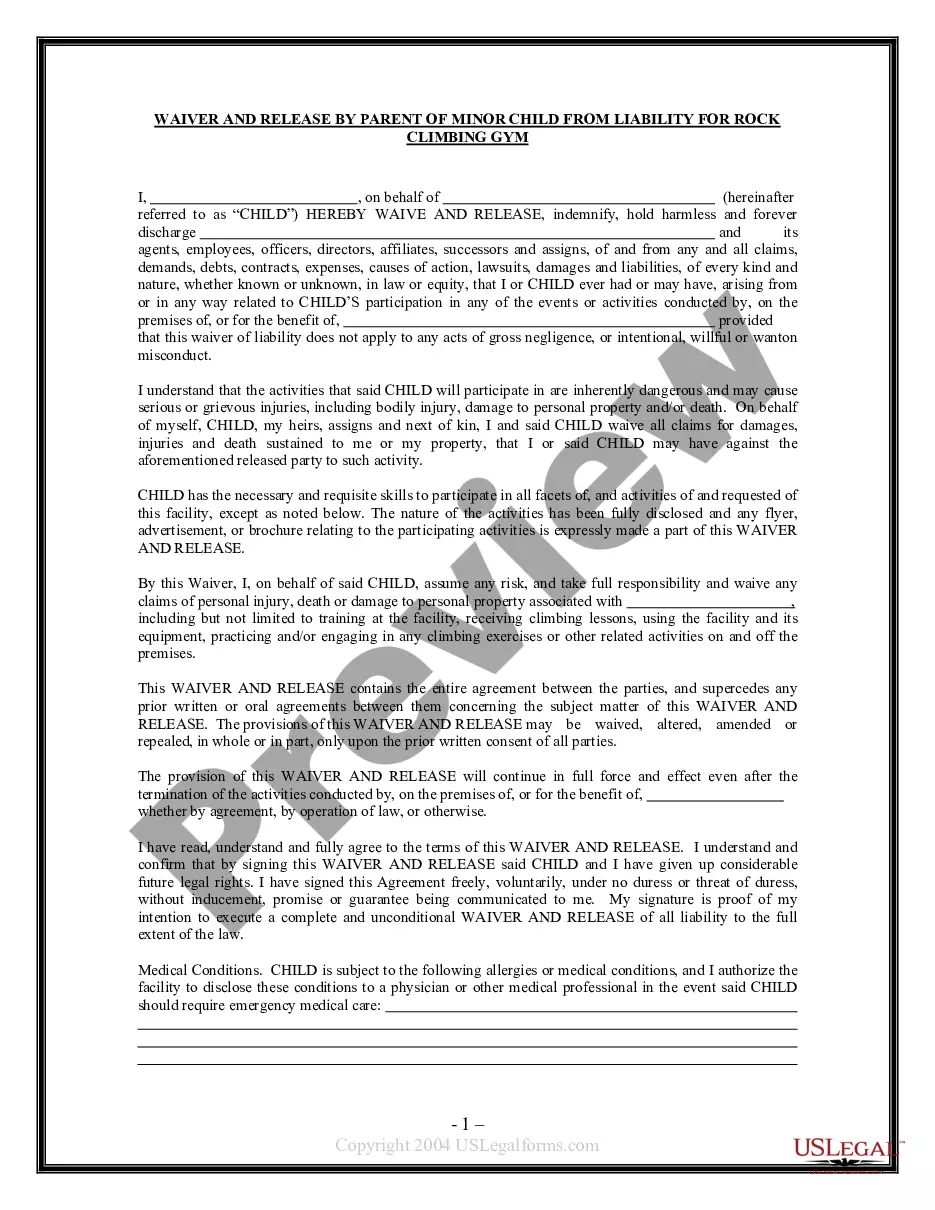
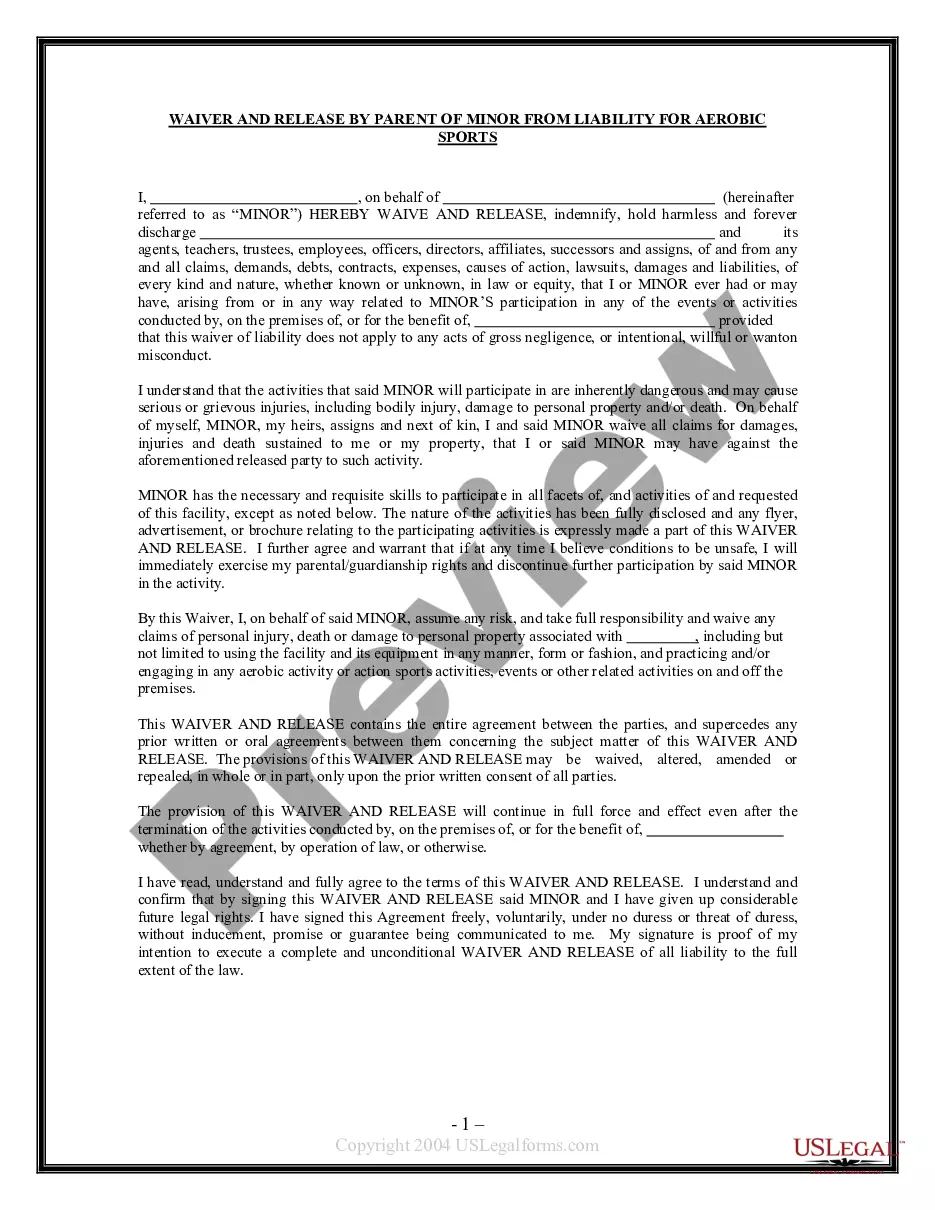

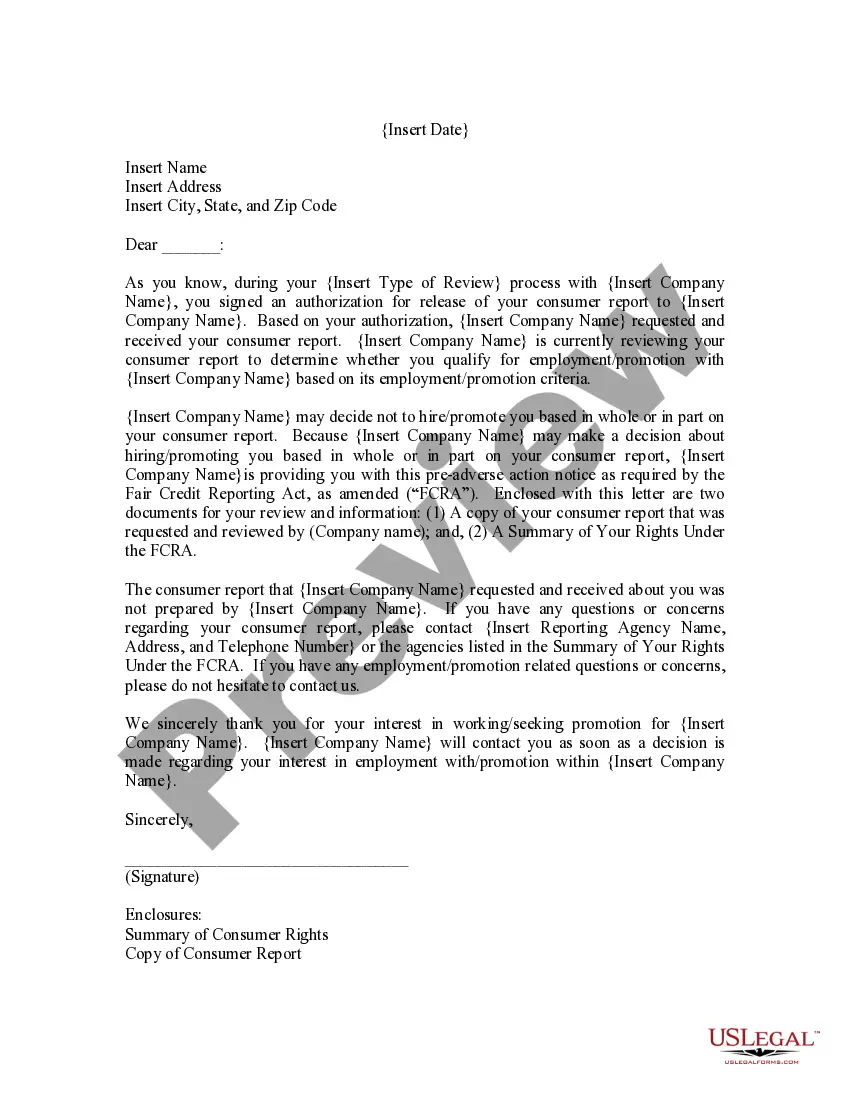
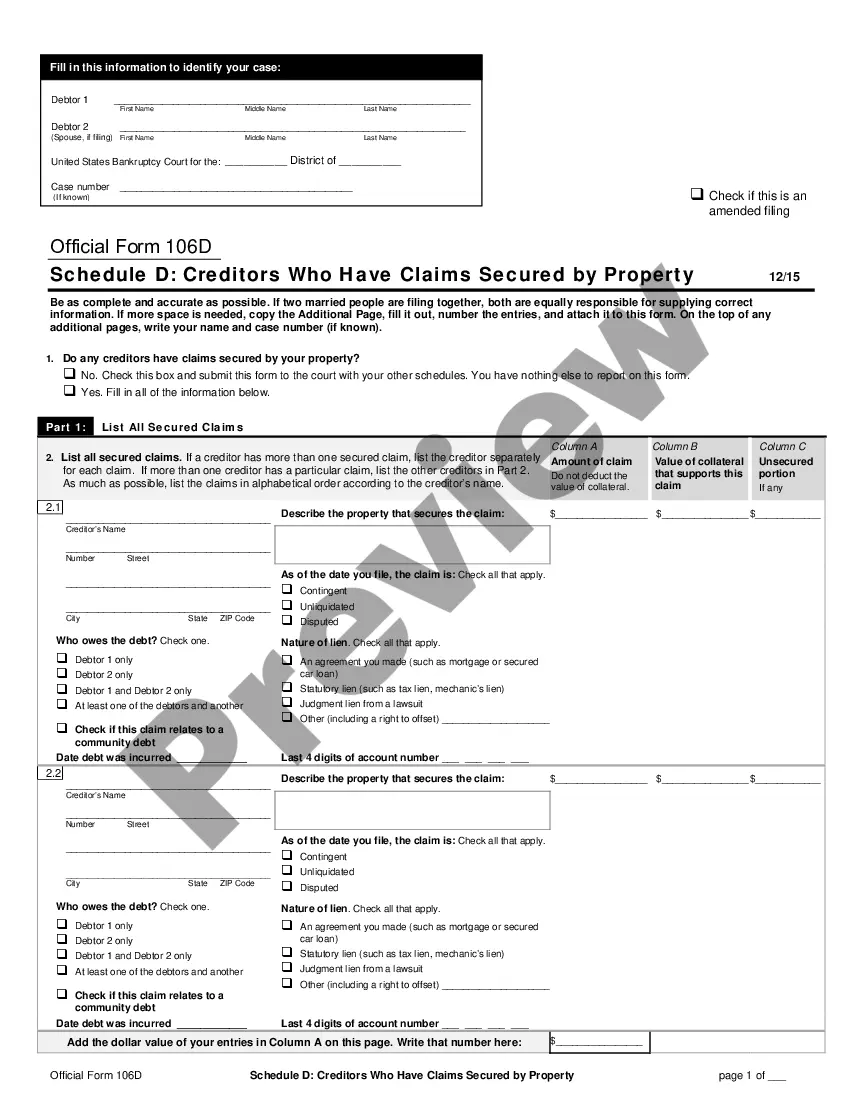
How to fill out Waiver And Release From Liability For Minor Child For Extreme Sports?
US Legal Forms - one of the most important collections of legal documents in the States - provides a selection of legal paper templates available for download or printing.
By using the site, you will find thousands of forms for business and personal uses, organized by categories, states, or keywords. You can obtain the latest versions of forms such as the Oregon Waiver and Release From Liability For Minor Child for Extreme Sports in minutes.
If you have an account, Log In and download the Oregon Waiver and Release From Liability For Minor Child for Extreme Sports from the US Legal Forms catalog. The Download button will appear on every form you view. You have access to all previously downloaded forms in the My documents section of your account.
Complete the transaction. Use your Visa or Mastercard or PayPal account to finish the transaction.
Select the format and download the form to your device. Make modifications. Fill out, edit, print, and sign the downloaded Oregon Waiver and Release From Liability For Minor Child for Extreme Sports. Each template you added to your account has no expiration date and belongs to you indefinitely. Therefore, to download or print another copy, simply visit the My documents section and click on the form you wish.
- To use US Legal Forms for the first time, follow these simple steps.
- Ensure you have selected the correct form for your city/region. Click the Preview button to view the form's content.
- Check the form summary to confirm you have selected the right form.
- If the form doesn't meet your needs, use the Search field at the top of the screen to find the one that does.
- Once satisfied with the form, confirm your choice by clicking the Buy Now button.
- Then, choose the payment plan you prefer and provide your details to register for an account.
Form popularity
FAQ
Yes, you can write your own liability waiver, provided it includes essential elements such as the names of the parties, a description of the activities, and an acknowledgment of risks. However, it’s crucial to ensure that your waiver complies with state laws and effectively protects against liability. Using resources like the Oregon Waiver and Release From Liability For Minor Child for Extreme Sports can help guide you in crafting a comprehensive waiver.
To write a release of liability waiver, begin by identifying the parties involved and the specific activities covered. Clearly outline the risks associated with these activities, and include a statement indicating that the parent or guardian agrees to accept these risks on behalf of their minor child. Utilizing the Oregon Waiver and Release From Liability For Minor Child for Extreme Sports can streamline this process and ensure compliance with legal standards.
A parental release of liability form is a legal document that a parent or guardian signs to protect an organization from being liable for any injuries that their child may incur during activities. This form typically outlines the risks associated with the activity, such as extreme sports, and confirms that the parent understands and accepts these risks. The Oregon Waiver and Release From Liability For Minor Child for Extreme Sports serves as a vital tool for parents in this context.
An example of a waiver of liability is a document that a parent signs before their child participates in a rock climbing class. This waiver may state that the parent acknowledges the risks associated with climbing and agrees not to hold the facility liable for any injuries. Using the Oregon Waiver and Release From Liability For Minor Child for Extreme Sports can help parents create a well-structured waiver tailored to their needs.
To write a simple release of liability, start by clearly stating the names of the parties involved, including the minor child and the activity provider. Specify the activities covered, such as extreme sports, and include a statement that the parent or guardian understands the risks involved. The Oregon Waiver and Release From Liability For Minor Child for Extreme Sports can serve as a model, ensuring all necessary components are included.
A waiver is a document that relinquishes a right or claim, while a release is a more comprehensive document that frees one party from liability. In the context of the Oregon Waiver and Release From Liability For Minor Child for Extreme Sports, a waiver may prevent the minor from suing for injuries, while a release ensures that the activity provider cannot be held responsible for accidents. Understanding this distinction is crucial for parents considering participation in extreme sports.
If the risks are specifically outlined in the waiver, chances are you will experience them. If nothing else, reading the waiver will prepare you for the activity, which may help you avoid injuries. The document will also state that signing the waiver releases the company of any injury liability.
Liability Waivers Are Mostly Enforceable. While unconscionable waivers aren't likely to be enforced, the Bagley case is the exception, not the rule. Most liability waivers are part of explicit language in an agreement which you have signed, from mundane gym membership agreements to skydiving waivers.
Under California law, a liability waiver cannot excuse an injury caused by a defendant's gross negligence, recklessness or intentionally wrongful act. Nor can the defendant avoid liability if the defendant has failed to comply with California or federal law.
Liability waivers are enforceable in California solely to the extent they shift to the customer the risk of ordinary negligence. Under California law, a liability waiver cannot excuse an injury caused by a defendant's gross negligence, recklessness or intentionally wrongful act.