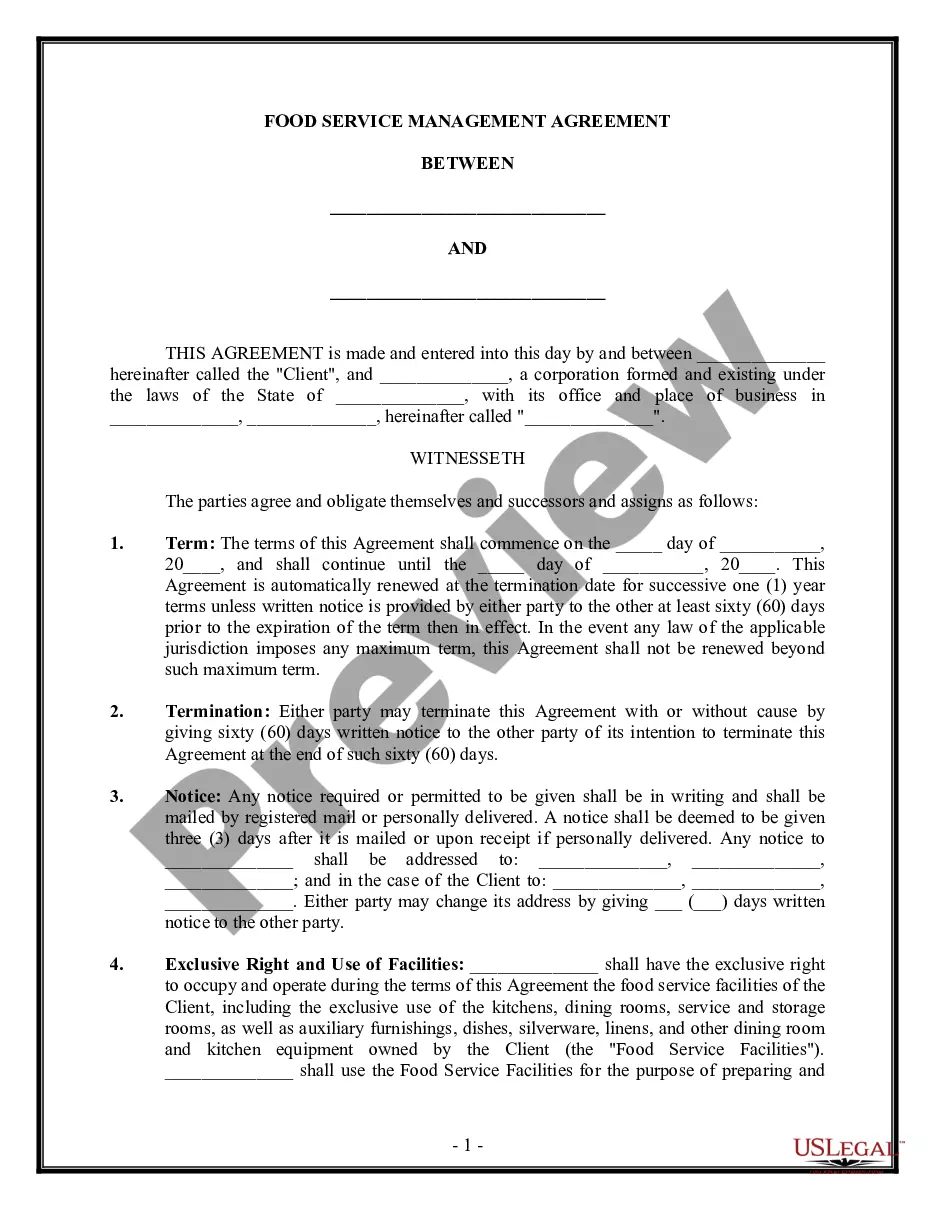
Oregon Charitable Gift Annuity
Description
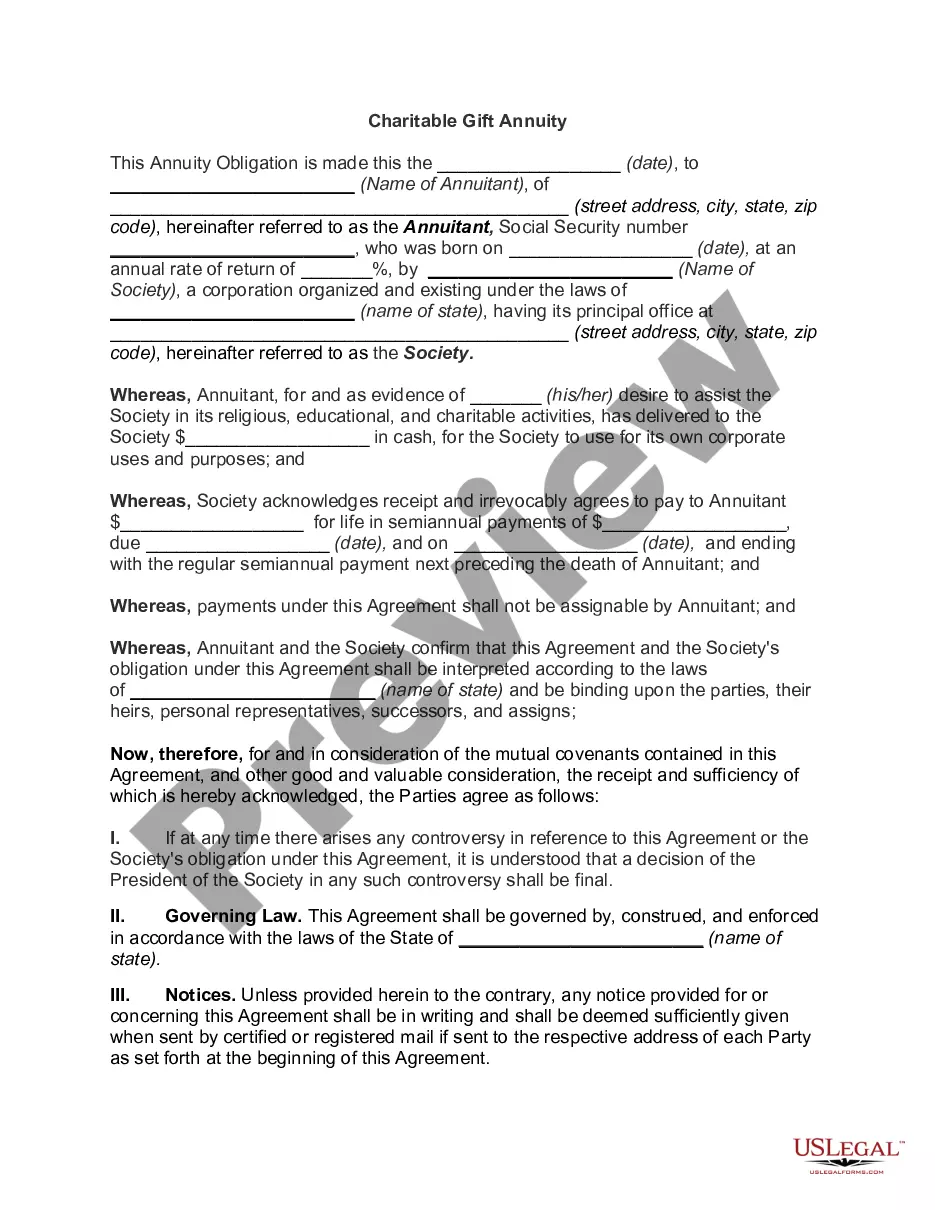
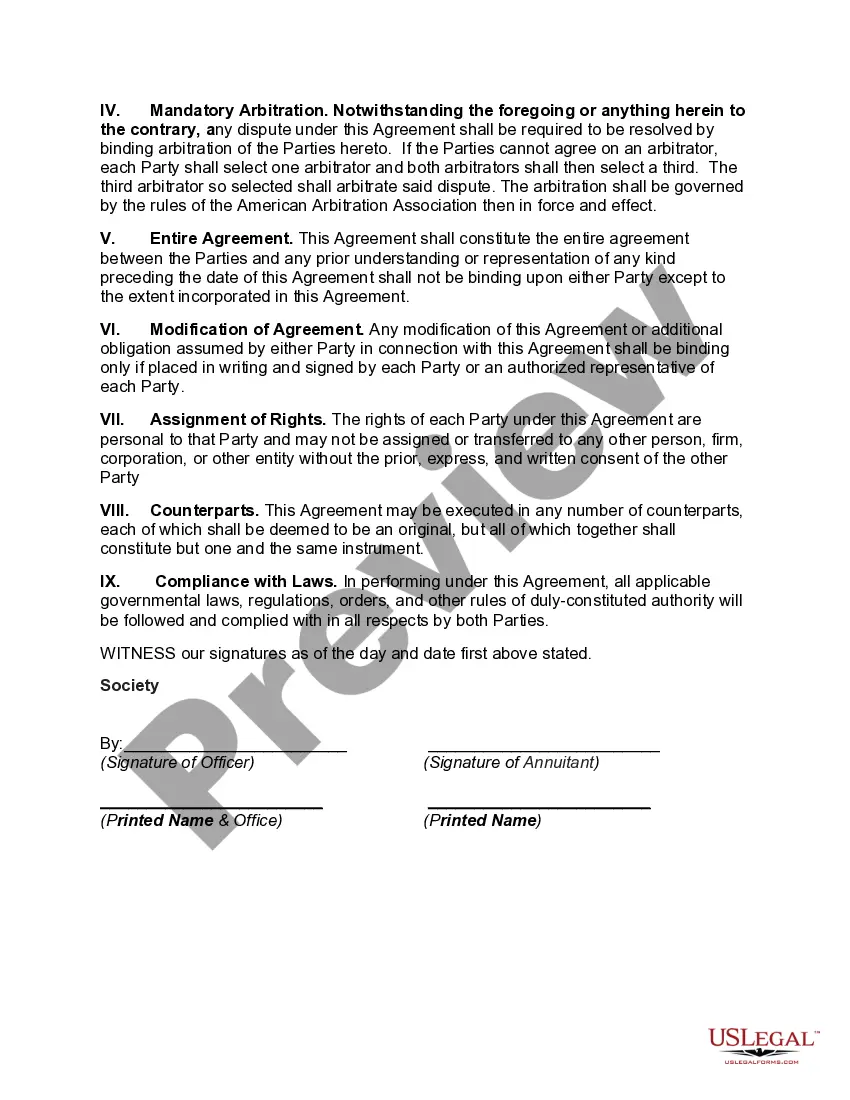
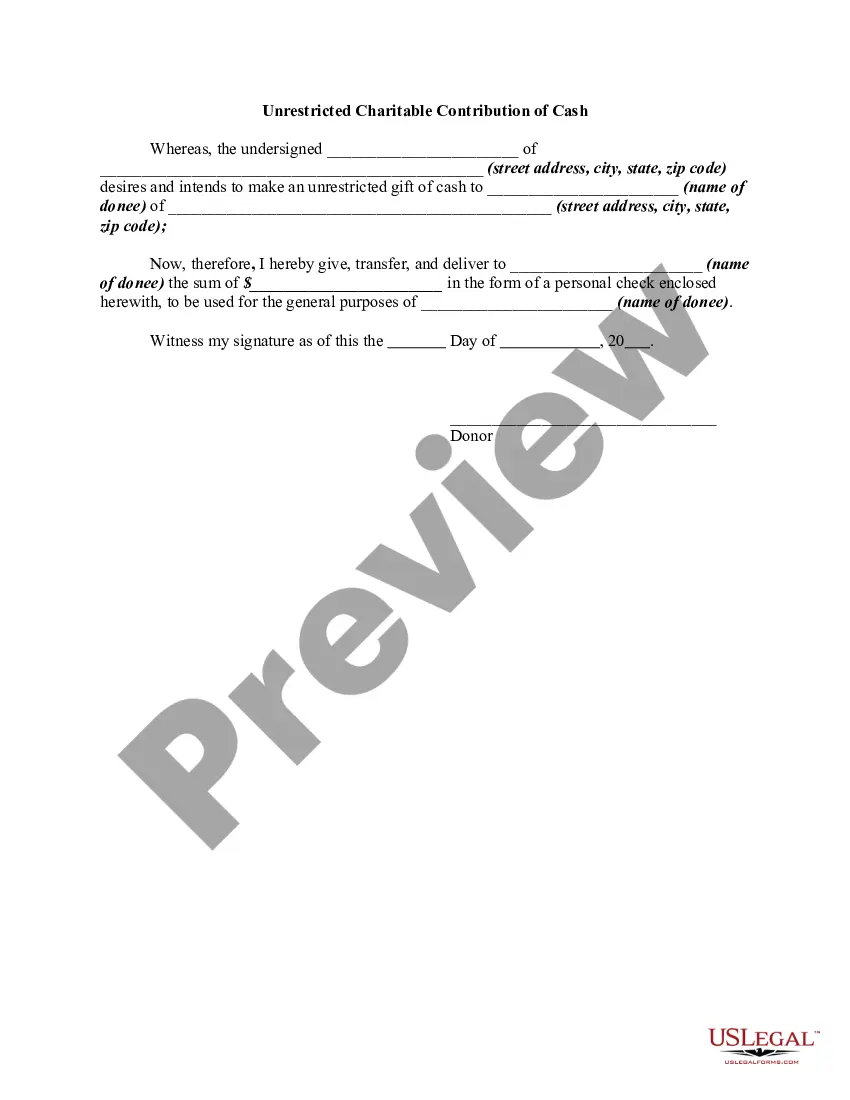
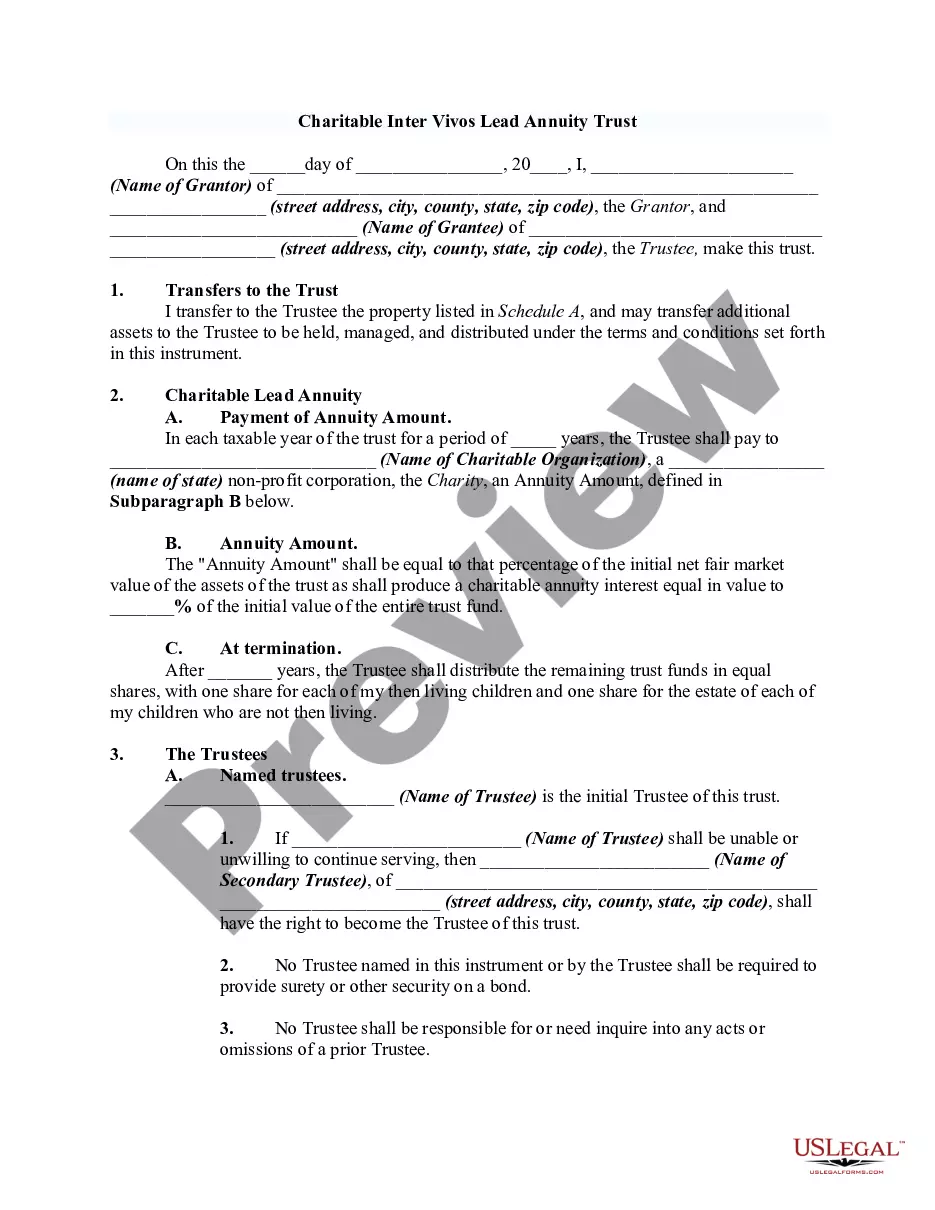
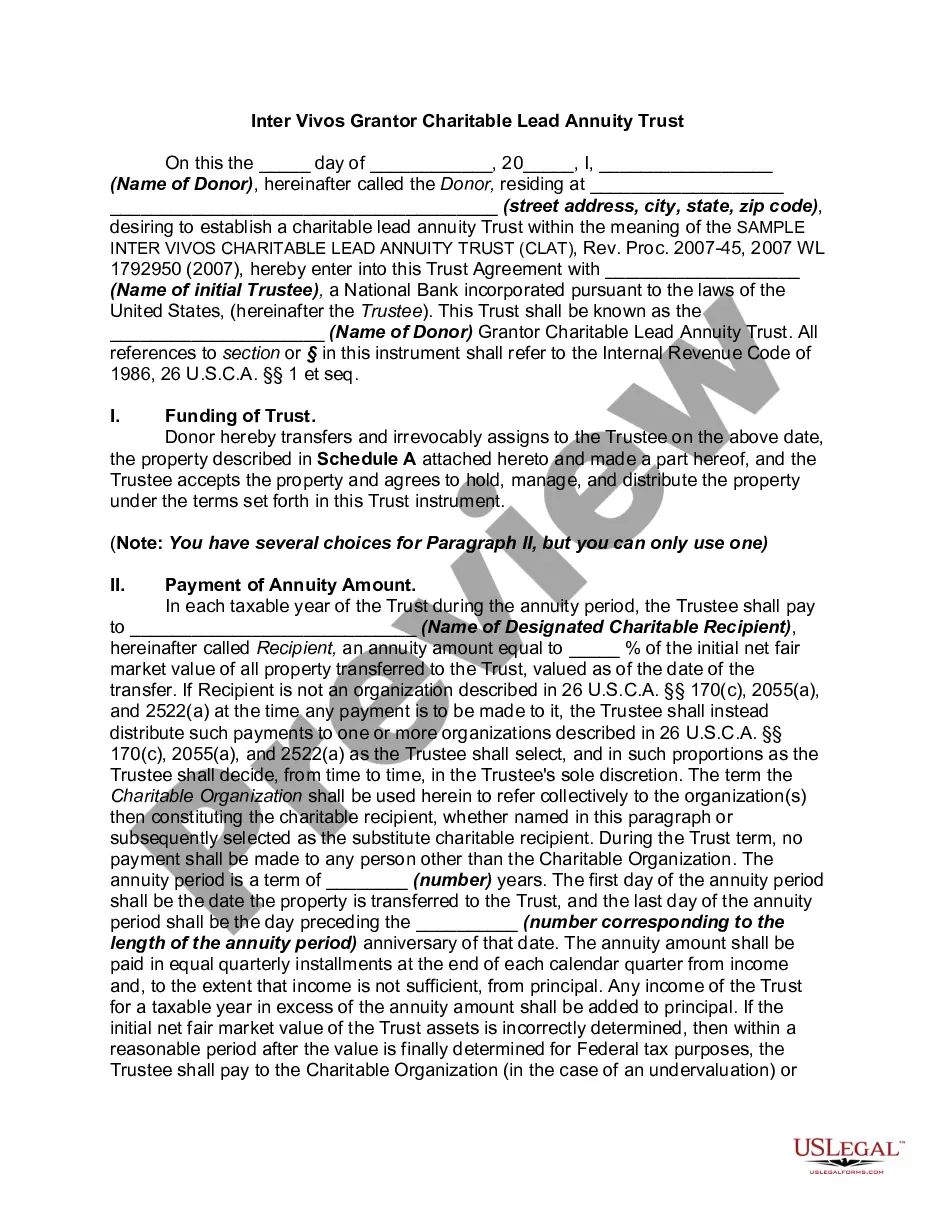
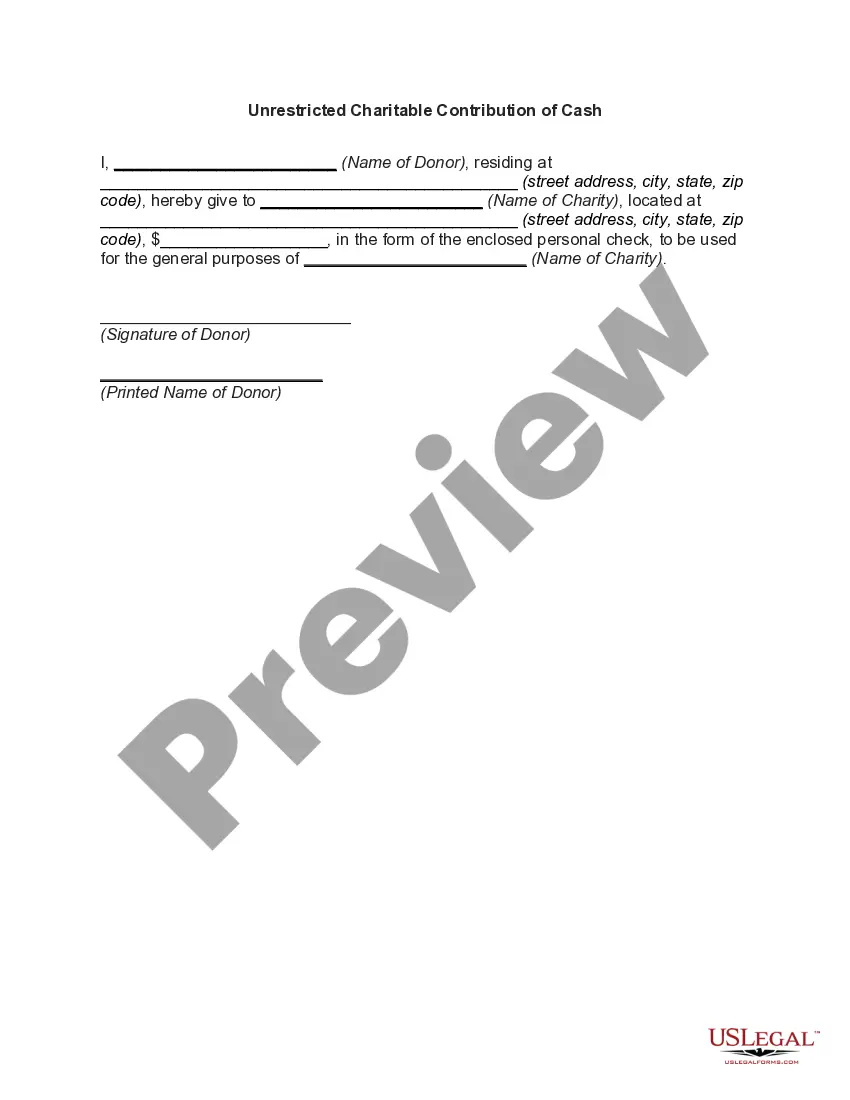
Get your form ready online
Our built-in tools help you complete, sign, share, and store your documents in one place.
Make edits, fill in missing information, and update formatting in US Legal Forms—just like you would in MS Word.
Download a copy, print it, send it by email, or mail it via USPS—whatever works best for your next step.
Sign and collect signatures with our SignNow integration. Send to multiple recipients, set reminders, and more. Go Premium to unlock E-Sign.
If this form requires notarization, complete it online through a secure video call—no need to meet a notary in person or wait for an appointment.
We protect your documents and personal data by following strict security and privacy standards.

Make edits, fill in missing information, and update formatting in US Legal Forms—just like you would in MS Word.

Download a copy, print it, send it by email, or mail it via USPS—whatever works best for your next step.

Sign and collect signatures with our SignNow integration. Send to multiple recipients, set reminders, and more. Go Premium to unlock E-Sign.

If this form requires notarization, complete it online through a secure video call—no need to meet a notary in person or wait for an appointment.

We protect your documents and personal data by following strict security and privacy standards.
Looking for another form?







How to fill out Charitable Gift Annuity?
If you wish to finalize, obtain, or produce official document templates, utilize US Legal Forms, the largest compilation of legal forms, accessible online.
Employ the site’s straightforward and convenient search to locate the documents you require.
Numerous templates for business and personal purposes are categorized by types and regions, or keywords.
Step 4. Once you have located the form you need, select the Buy now button. Choose the payment plan you prefer and provide your details to register for an account.
Step 5. Process the transaction. You can use your credit card or PayPal account to complete the payment.
- Use US Legal Forms to locate the Oregon Charitable Gift Annuity in just a few clicks.
- If you are already a US Legal Forms member, Log In to your account and then click the Acquire button to obtain the Oregon Charitable Gift Annuity.
- You can also access forms you previously obtained in the My documents section of your account.
- If you are using US Legal Forms for the first time, follow the instructions below.
- Step 1. Make sure you have chosen the form for the correct area/country.
- Step 2. Use the Preview option to review the form’s content. Don’t forget to read the description.
- Step 3. If you are not content with the form, use the Search field at the top of the page to find alternative versions of your legal form template.
Form popularity
FAQ
If you own an annuity and give it to another individual as a gift, special income tax rules apply. You (the donor) are considered to have surrendered the contract and are subject to tax on the difference between the value of the contract (the cash surrender value) and the amount you have invested in the contract.
If you fund the gift annuity with appreciated securities or real estate owned more than one year, part of the payments will be taxed as ordinary income, part as capital gain, and part may be tax-free. In most instances, the payments will eventually be taxed as ordinary income.
Unlike a gift annuity, a charitable remainder trust is not a contract with a charity to make a guaranteed payment. The payments from the CRAT continue if the trust has enough assets to make the payments. If the principal is exhausted, payments to the beneficiary stop.
As long as your total lifetime gifts and estate are below this amount, you don't have to pay taxes when you gift an annuity. However, the annual exclusion amount for gifts, according to the IRS, is $15,000. If you transfer an annuity worth more than $15,000, you must file a gift tax return, even though no tax is due.
It is possible to donate an annuity to a charity. Doing so requires adjusting either the owner or the beneficiary of the annuity; these are two of the four parties in an annuity contract. The insurance company issues the contract. The annuitant receives payments during his/her lifetime.
So long as you transferred ownership more than three years before dying, the value of the annuity won't go into your taxable estate. But if you give the annuity as a gift, you have to pay tax on any gain at the time of the transfer. Additionally, you might be liable for gift taxes depending on the value of the annuity.
As long as you do not withdraw your investment gains and keep them in the annuity, they are not taxed. A variable annuity is linked to market performance. If you do not withdraw your earnings from the investments in the annuity, they are tax-deferred until you withdraw them.
It is a non-taxable event. Even though any money coming out of an IRA will be taxed as ordinary income levels, transferring an annuity from one IRA to another will NOT trigger any taxes at all.
According to Kiplinger, your tax deduction is usually 25 to 55 percent of the amount you transferred to charity. Your tax deduction is calculated by taking the full amount of your contribution and subtracting the present value of the lifetime payments you're scheduled to receive.
If the gift annuity is funded with cash, part of the payments will be taxed as ordinary income and part will be tax-free.