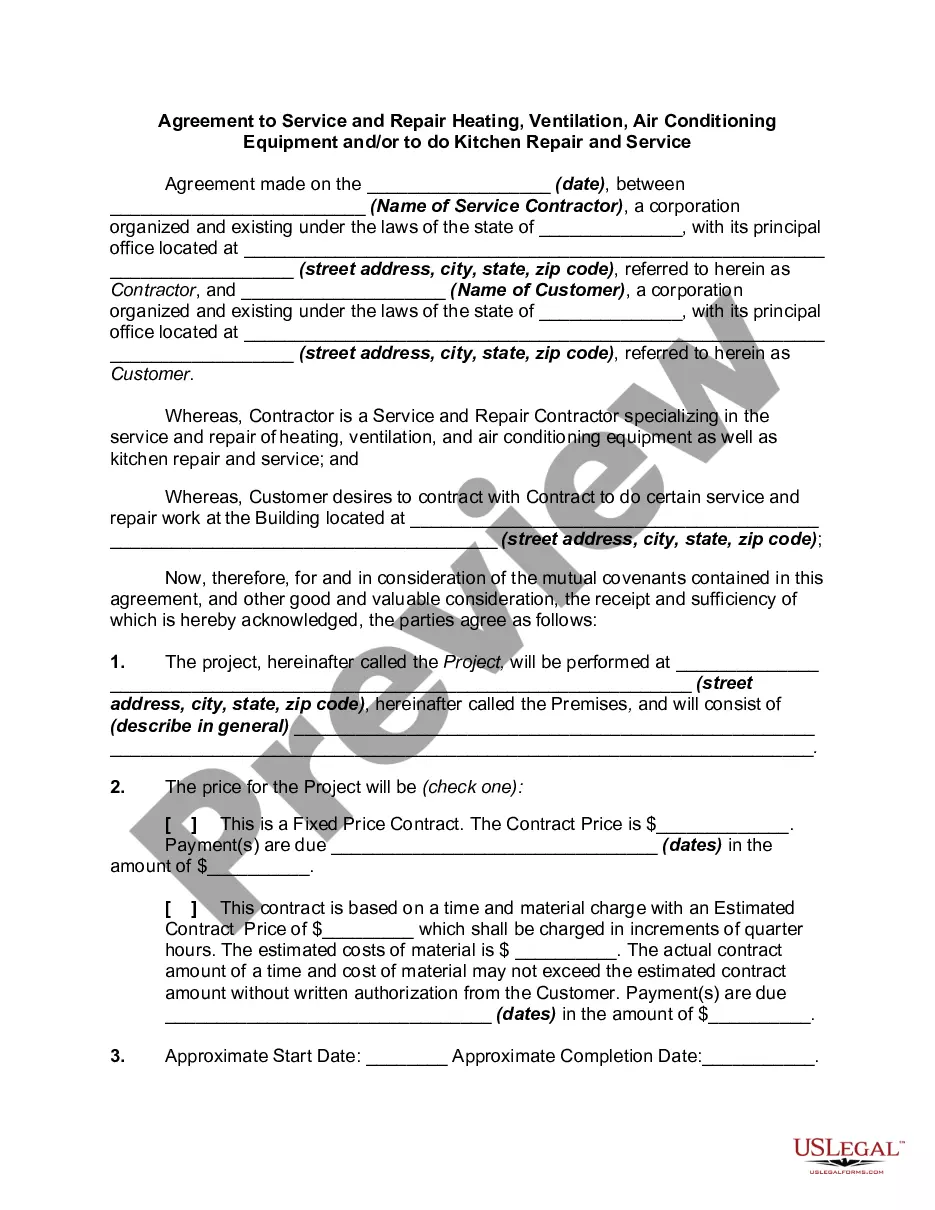
Oregon Non-exclusive and Non-transferable License Agreement for a Product
Description
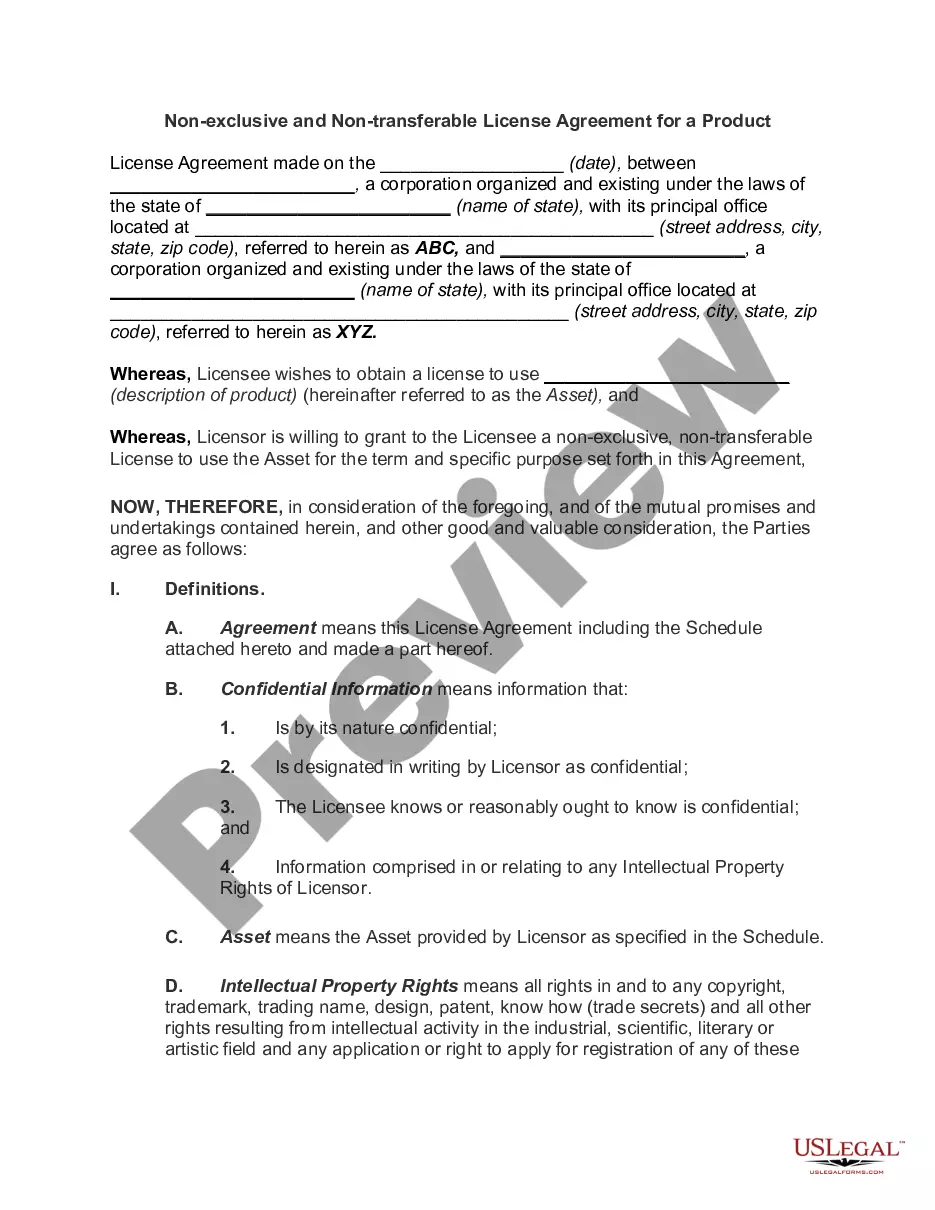
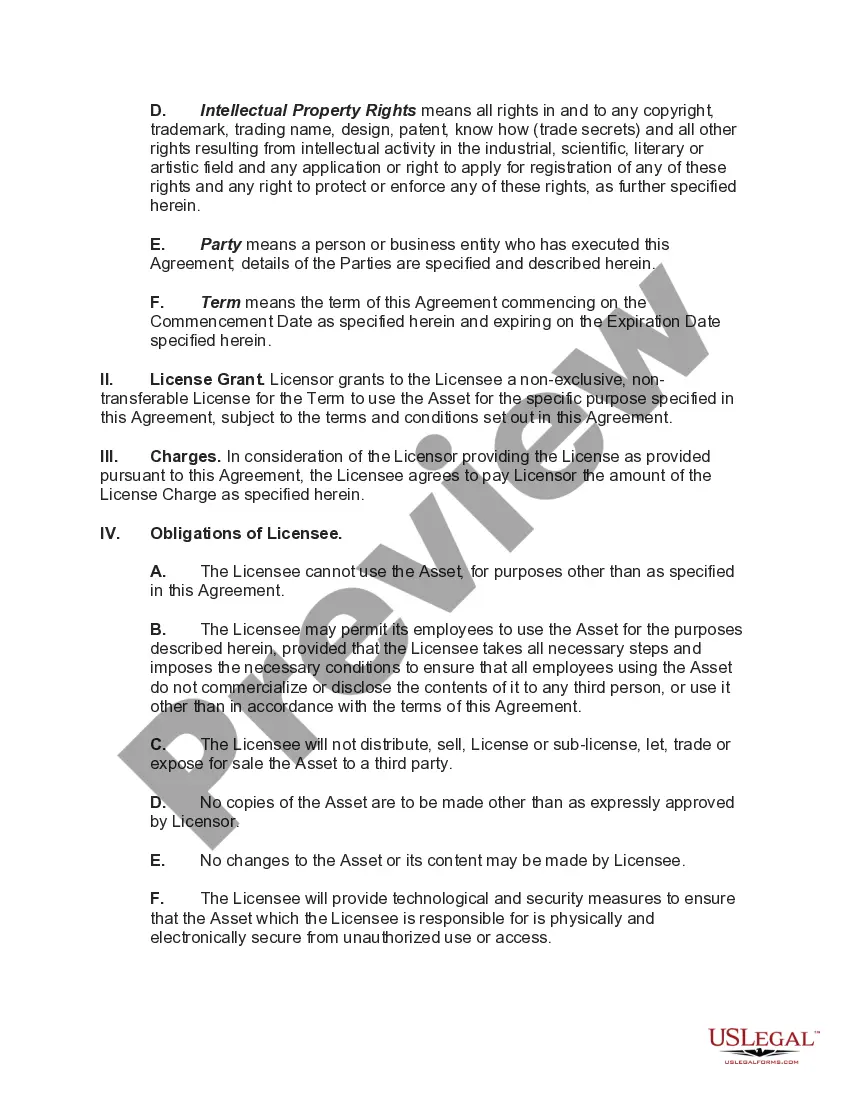
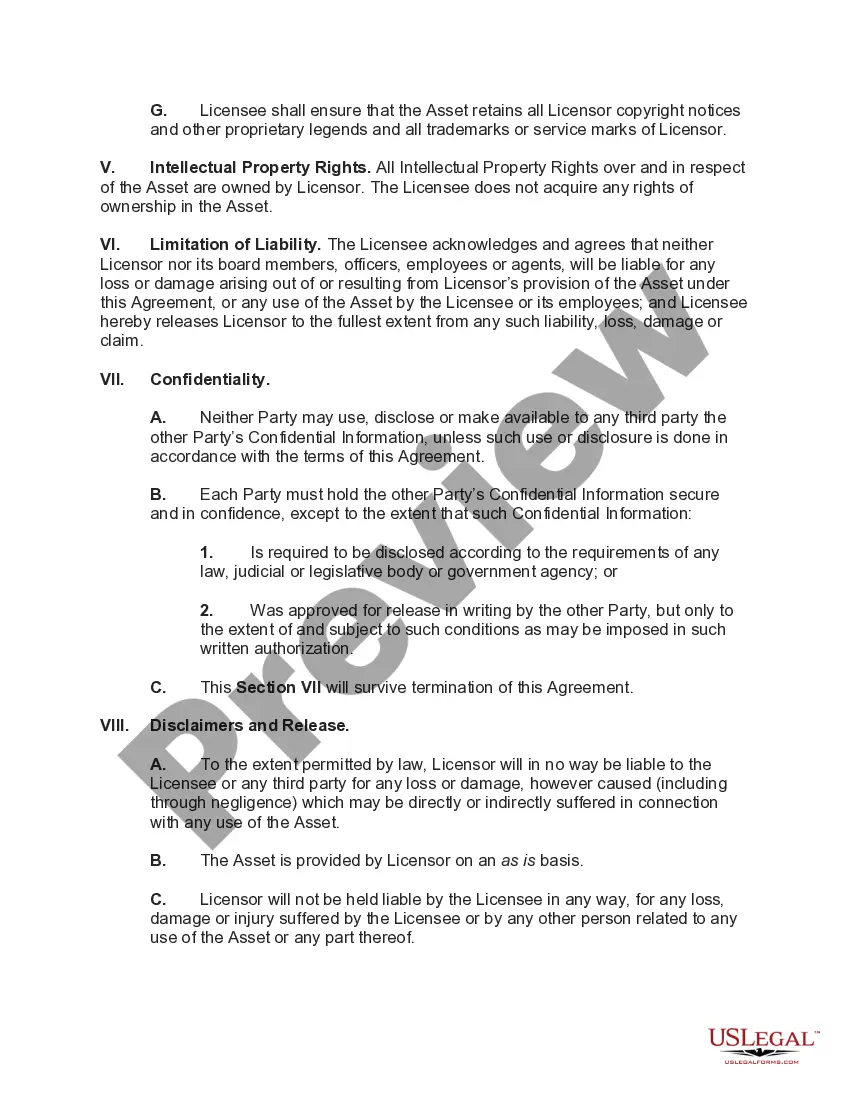
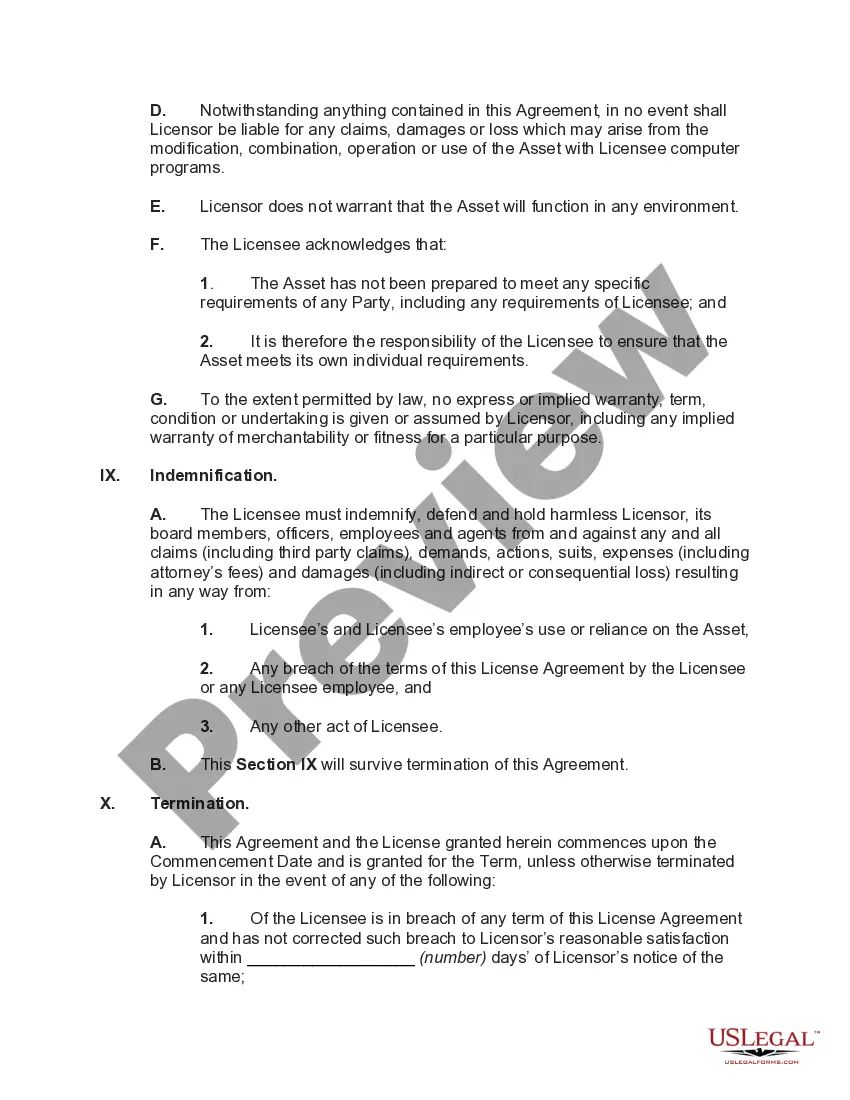
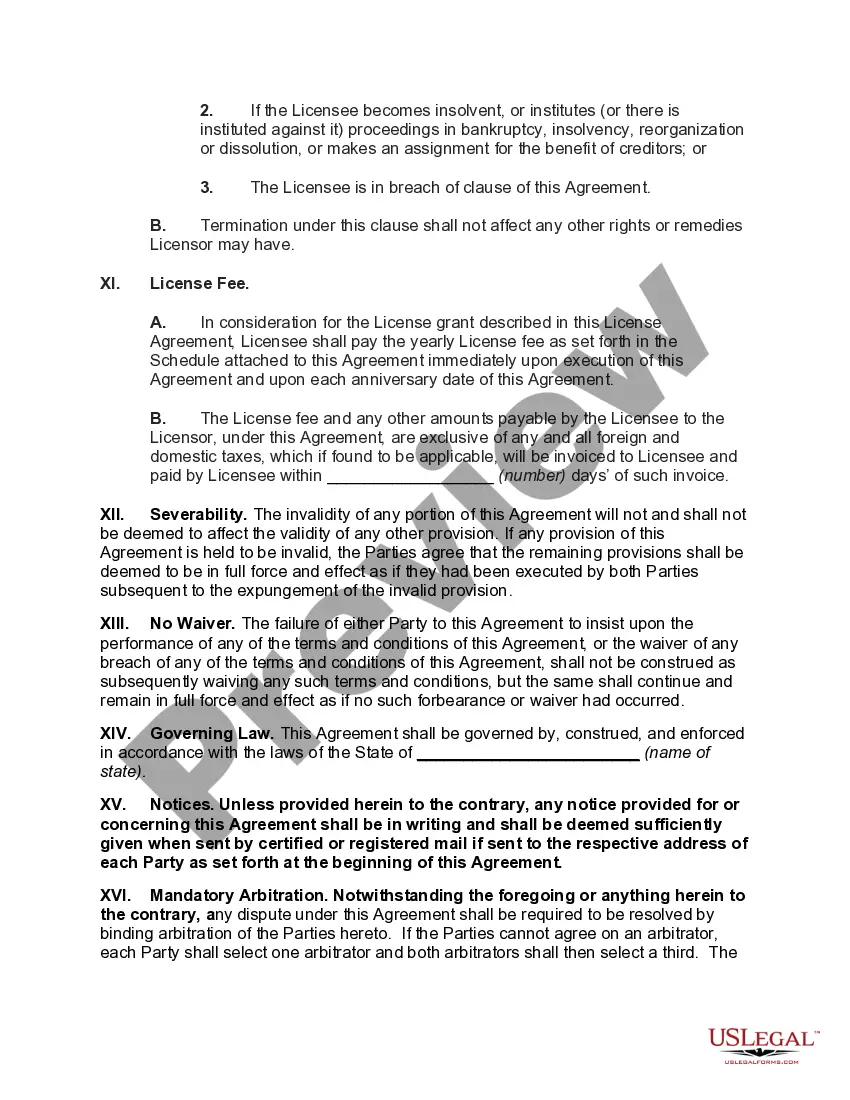
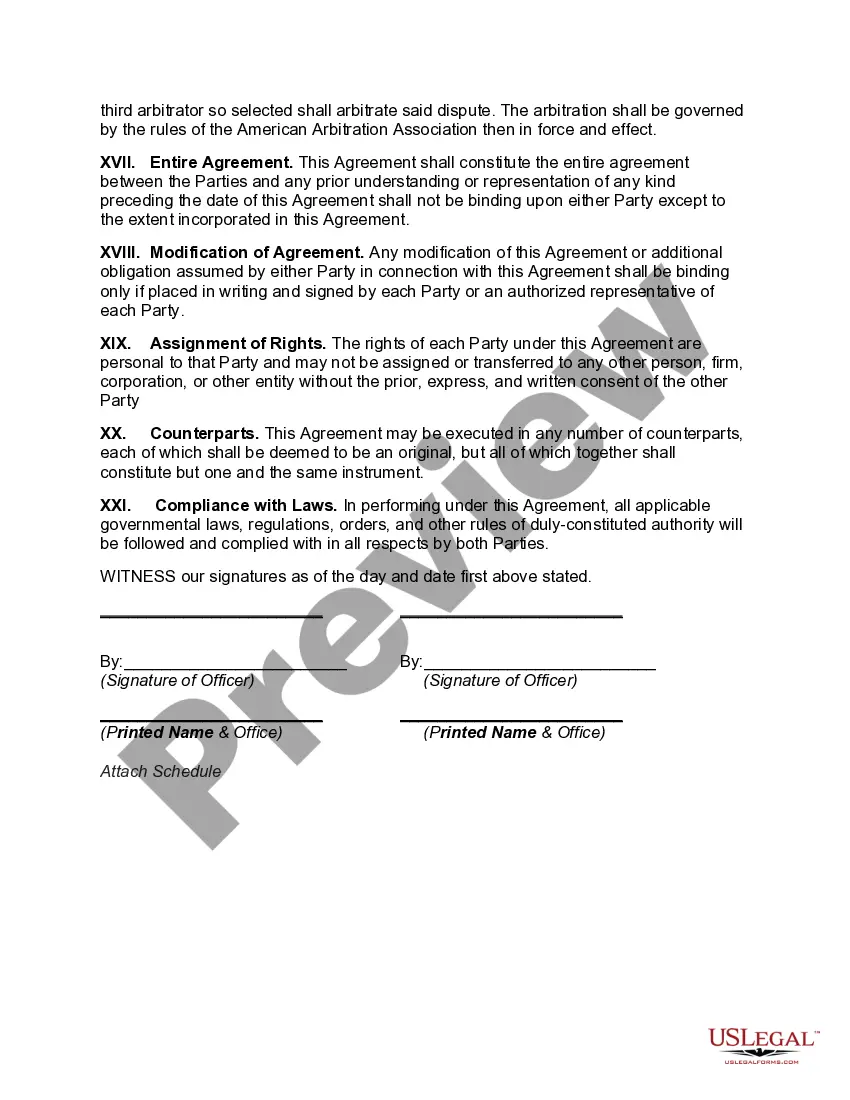
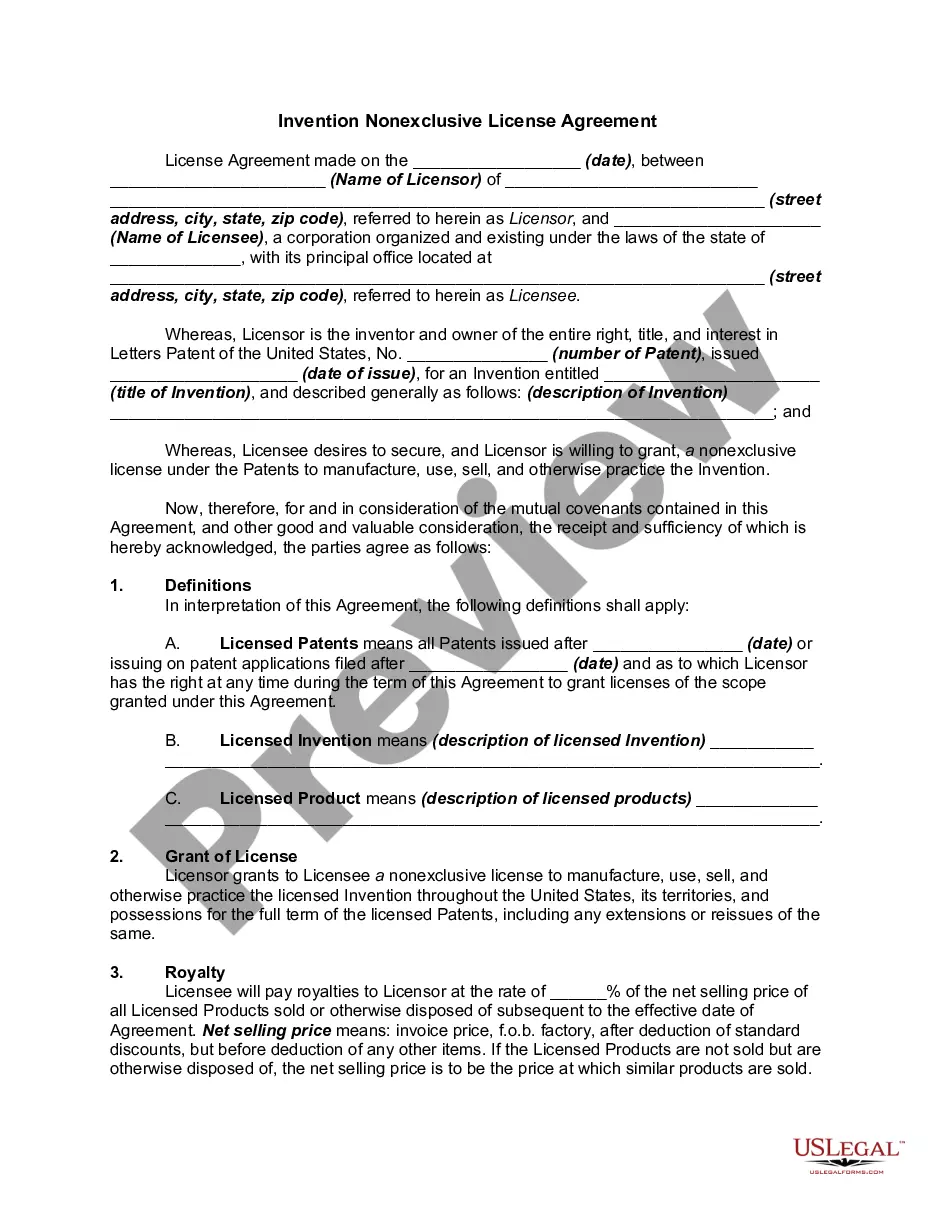
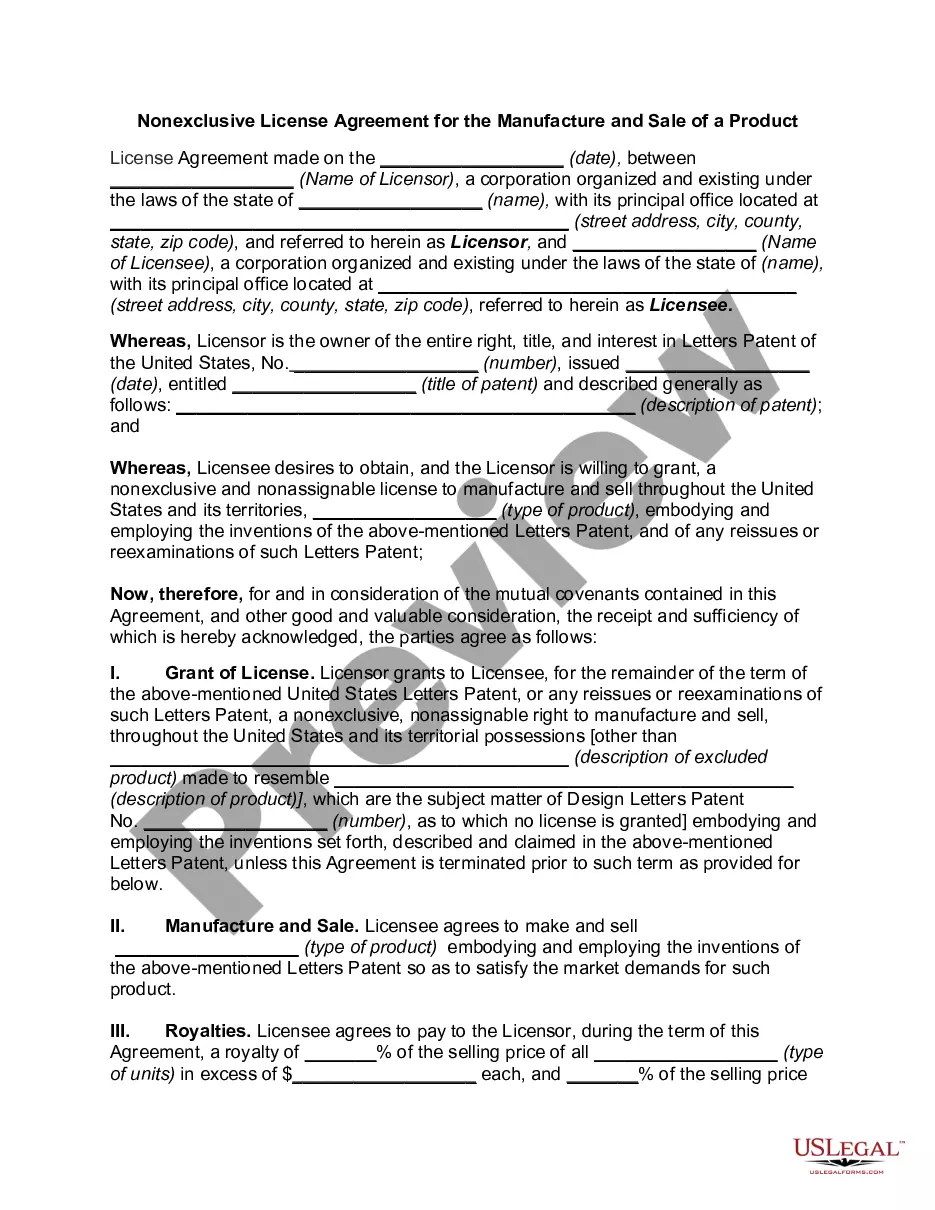
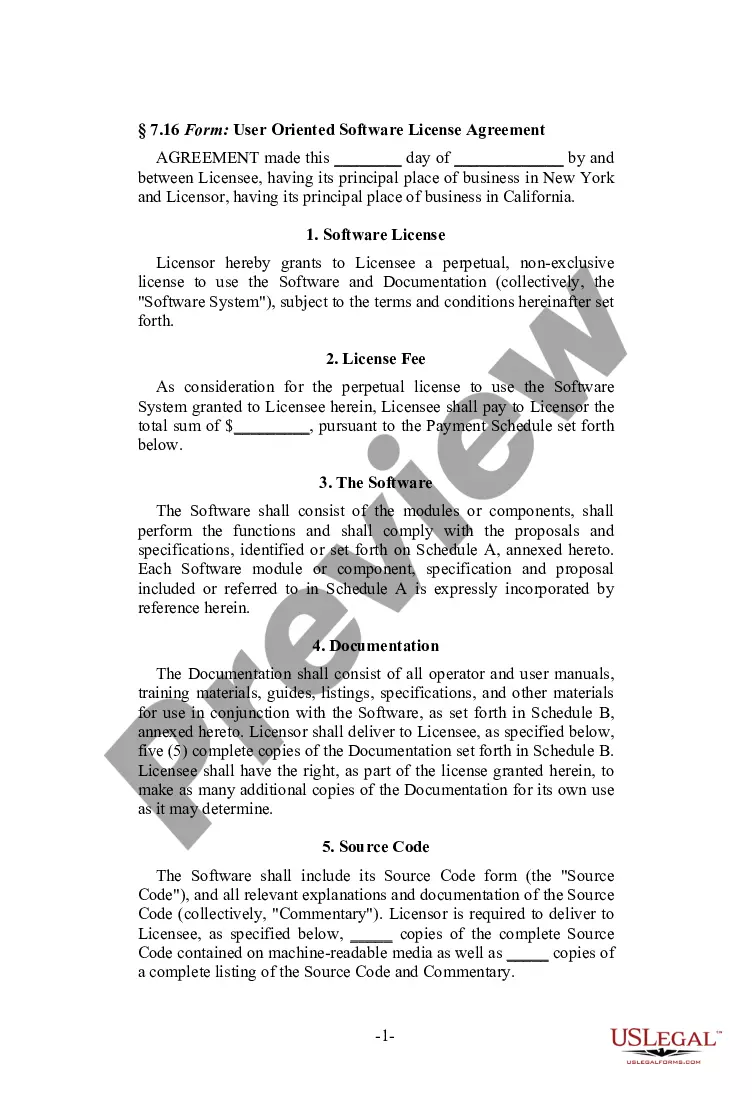
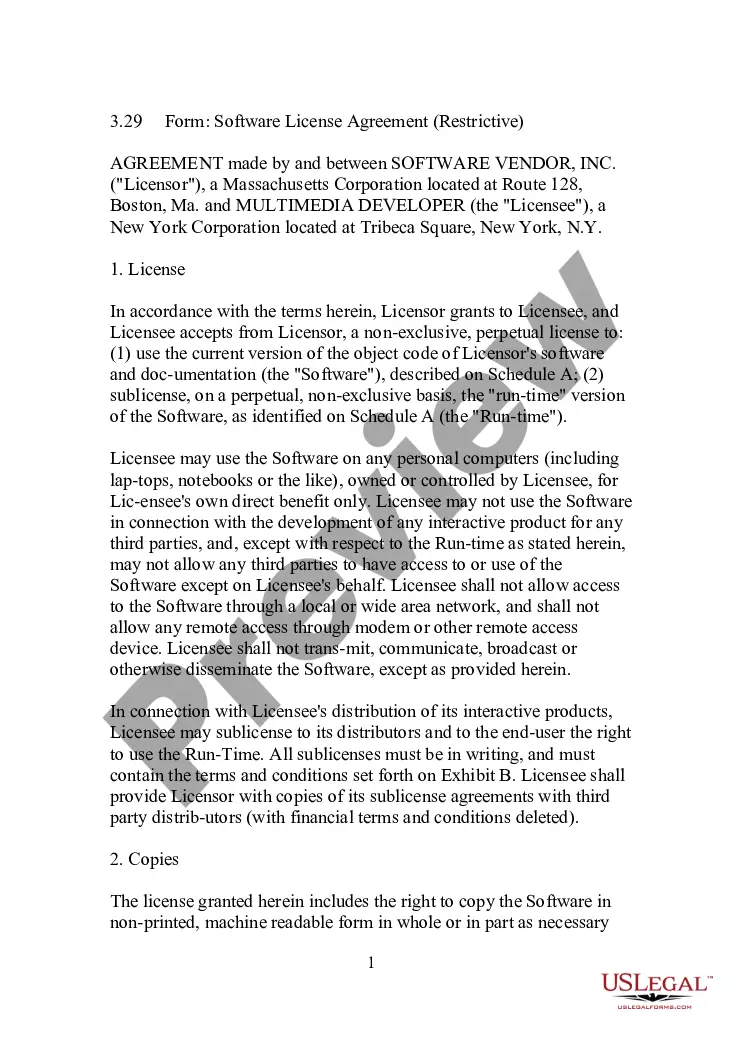
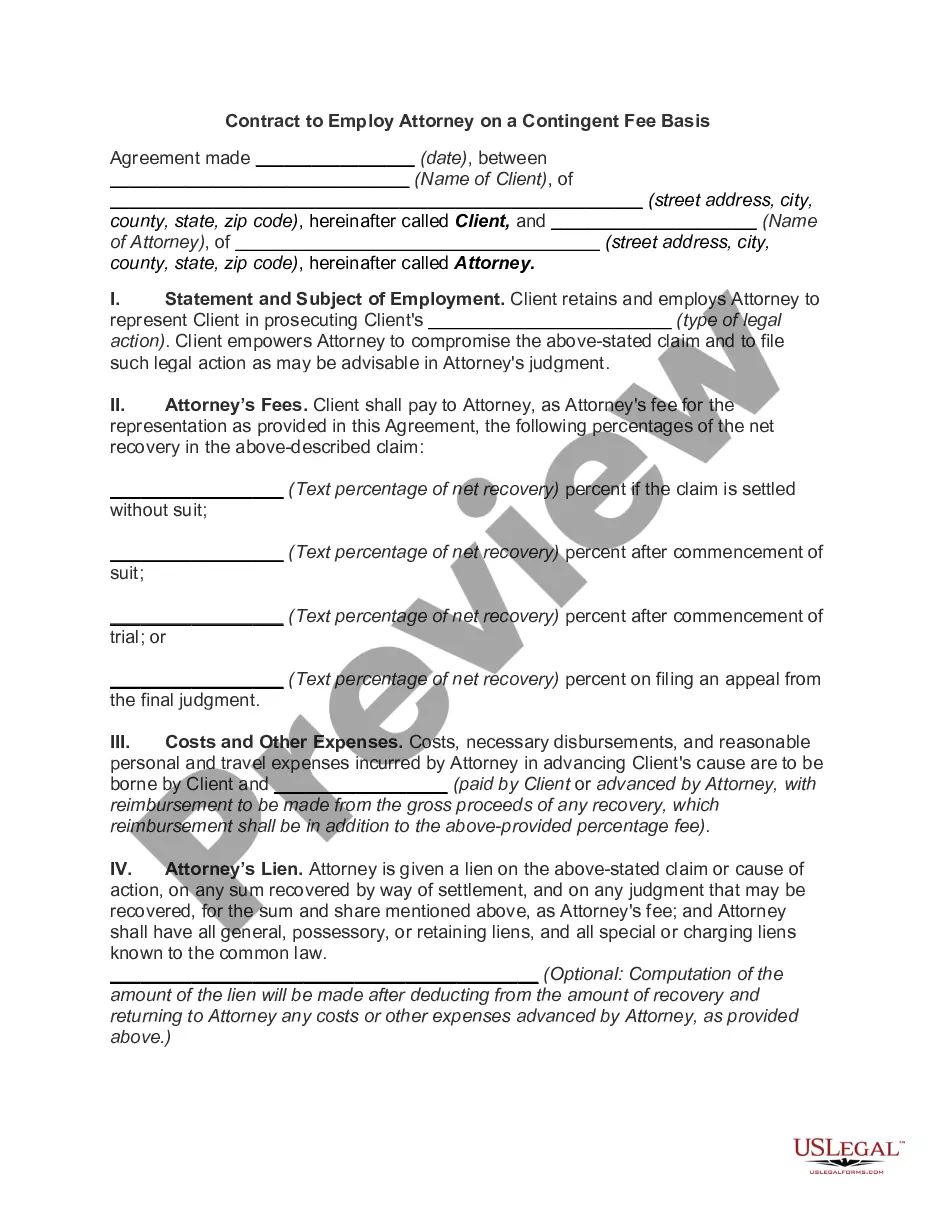

How to fill out Non-exclusive And Non-transferable License Agreement For A Product?
You are capable of dedicating time online trying to locate the legal document template that meets the federal and state specifications you need.
US Legal Forms offers a vast array of legal forms that can be evaluated by professionals.
It is easy to obtain or print the Oregon Non-exclusive and Non-transferable License Agreement for a Product from our services.
Review the form description to make sure you have chosen the suitable form.
- If you already possess a US Legal Forms account, you may Log In and then click the Download button.
- Afterward, you can complete, modify, print, or sign the Oregon Non-exclusive and Non-transferable License Agreement for a Product.
- Every legal document template you purchase is your property forever.
- To retrieve another copy of the acquired form, navigate to the My documents tab and select the corresponding button.
- If you are using the US Legal Forms website for the first time, follow the simple instructions below.
- First, ensure you have selected the correct document template for the state/town of your choice.
Form popularity
FAQ
Non-exclusive non-transferable means that the licensee can use the product, but they cannot transfer their rights to anyone else. In an Oregon Non-exclusive and Non-transferable License Agreement for a Product, this clause protects your interests, ensuring that only the original licensee benefits from the license and that you maintain control over the product.
Exclusive agreements limit rights to a single party, while non-exclusive agreements allow multiple parties to use the same product. Thus, in an Oregon Non-exclusive and Non-transferable License Agreement for a Product, you retain the ability to license the product to various other entities while the current licensee has rights defined by your terms.
Exclusive license allows a licensor to share intellectual property with a licensee for a specific period of time that usually binds the licensor to not share the property with anyone else.
Types of licensing agreement The unique feature of this type of agreement is that even the licensor is excluded to use or exploit the licensed property during the term of the agreement. Copyright, trademark and patent licenses are the best examples of an exclusive license agreement.
A licensing agreement is a contract between two parties (the licensor and licensee) in which the licensor grants the licensee the right to use the brand name, trademark, patented technology, or ability to produce and sell goods owned by the licensor.
Practitioners and licensing executives often refer to three basic types of voluntary licenses: non-exclusive, sole, and exclusive. A non-exclusive licence allows the licensor to retain the right to use the licensed property and the right to grant additional licenses to third parties.
A copyright exclusive license is one in which ownership in one or more rights is transferred by the copyright owner. A copyright nonexclusive license occurs when the owner retains ownership of the copyright and/or may license the same right to others.
If a licence is non-transferable and non-sublicensable, it means that you will not be able to assign or sub-license the right to use or modify the product without the developer's permission (if at all).
Licensing agreements are found in many different industries. An example of a licensing agreement is a contract between the copyright holders of software and another company, allowing the latter to use the computer software for their daily business operations.
An exclusive license does not allow the photographer to license the image or images to other third parties during the duration of the agreement. A non-exclusive license allows the photographer to license the same image to other third parties under separate agreements during the same time frame.