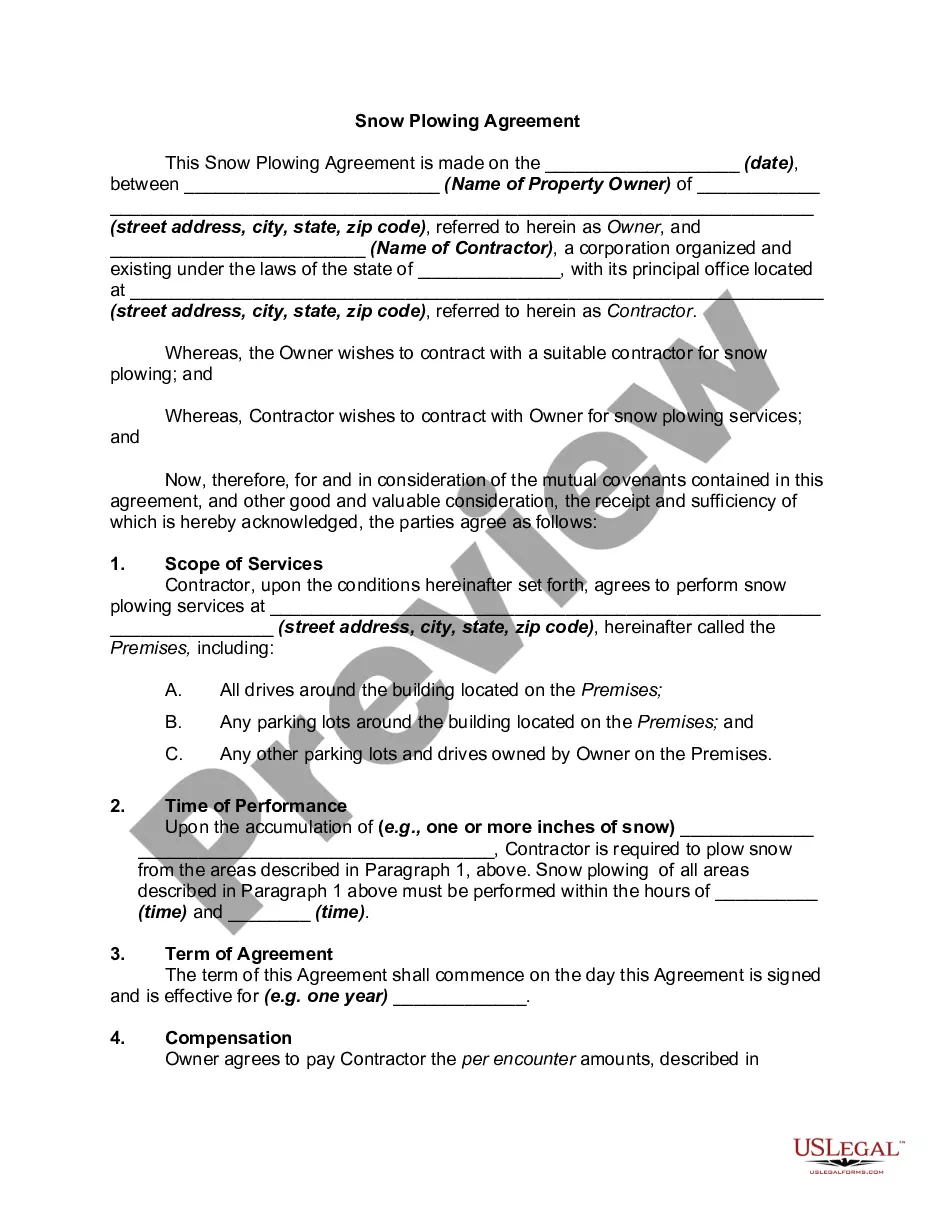
Oregon Employee Lending Agreement
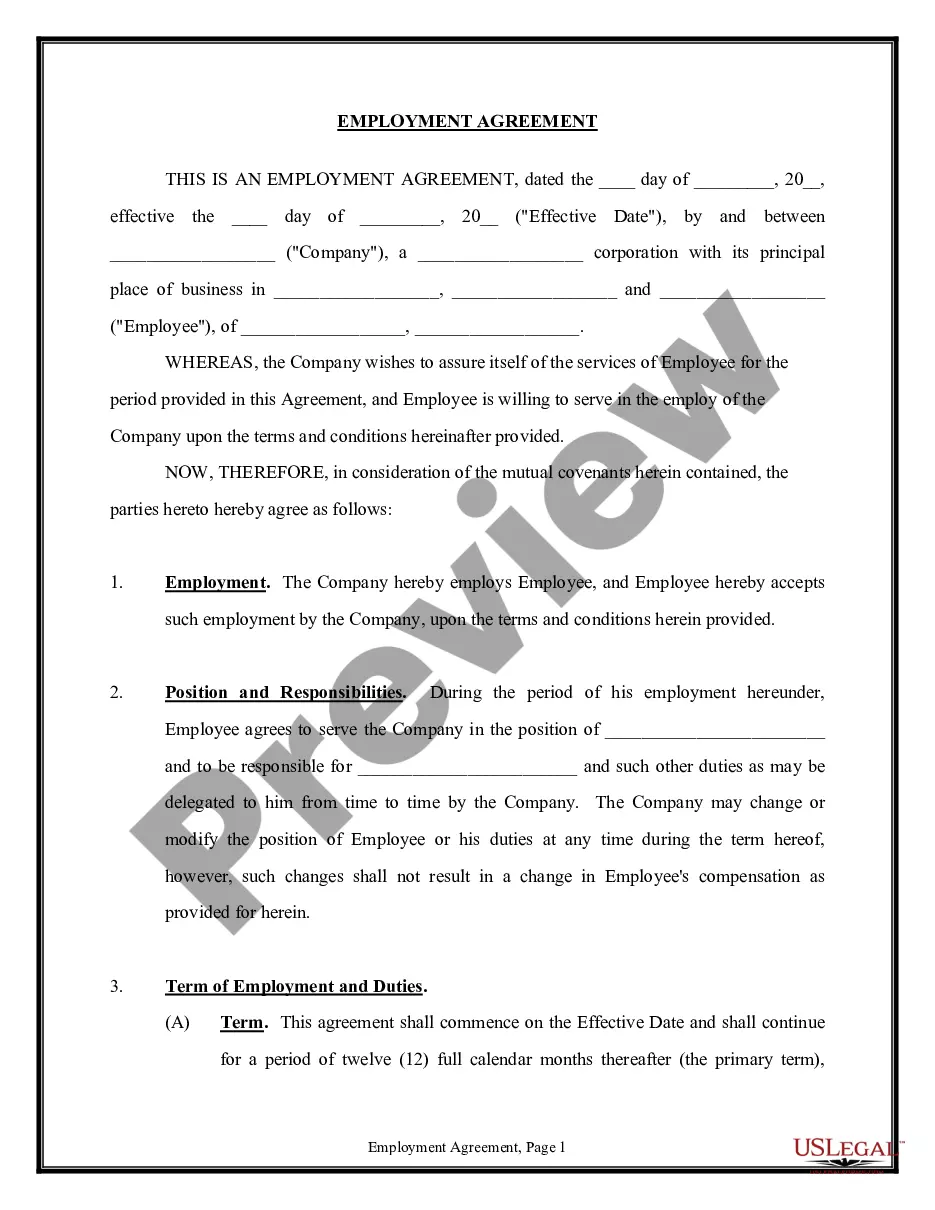
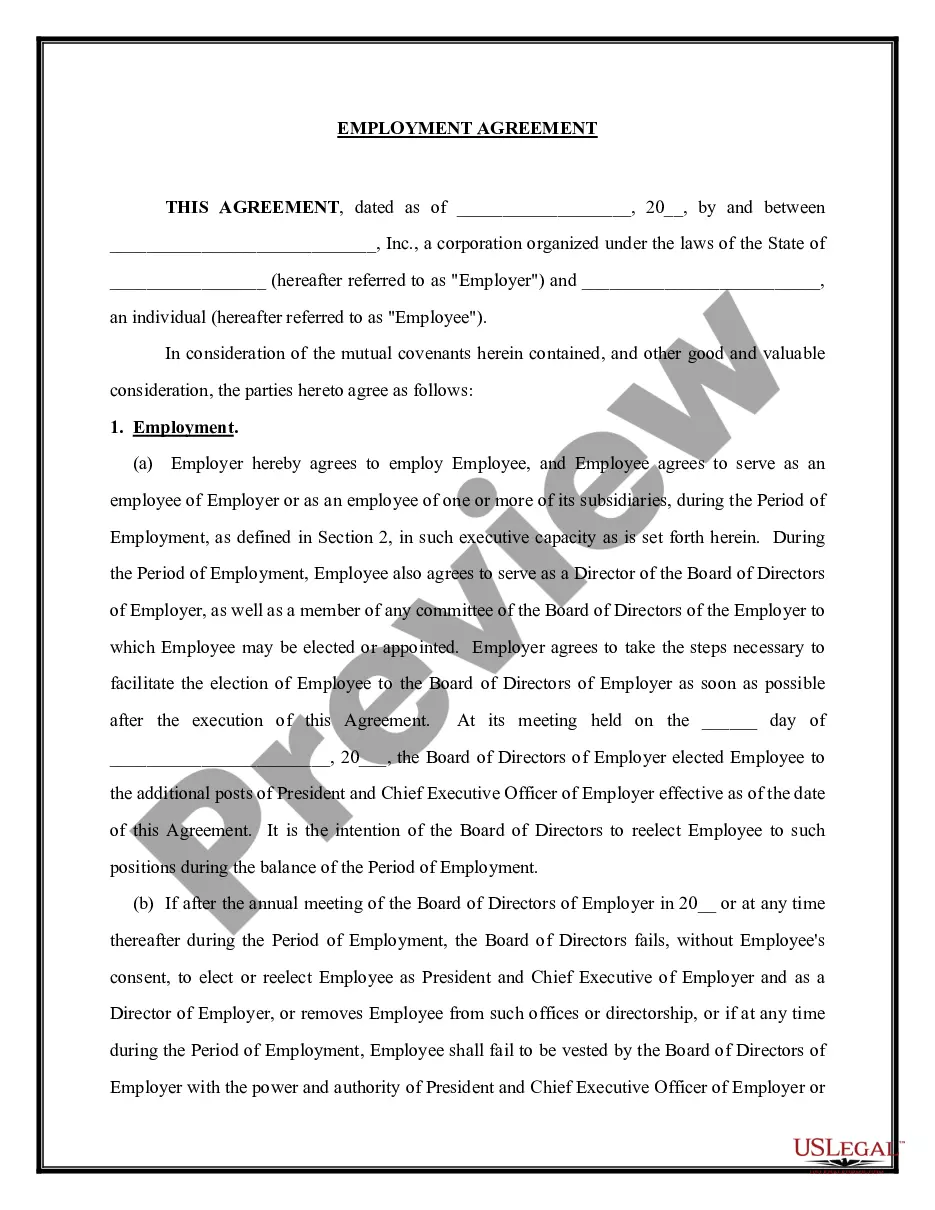
Description

Get your form ready online
Our built-in tools help you complete, sign, share, and store your documents in one place.
Make edits, fill in missing information, and update formatting in US Legal Forms—just like you would in MS Word.
Download a copy, print it, send it by email, or mail it via USPS—whatever works best for your next step.
Sign and collect signatures with our SignNow integration. Send to multiple recipients, set reminders, and more. Go Premium to unlock E-Sign.
If this form requires notarization, complete it online through a secure video call—no need to meet a notary in person or wait for an appointment.
We protect your documents and personal data by following strict security and privacy standards.

Make edits, fill in missing information, and update formatting in US Legal Forms—just like you would in MS Word.

Download a copy, print it, send it by email, or mail it via USPS—whatever works best for your next step.

Sign and collect signatures with our SignNow integration. Send to multiple recipients, set reminders, and more. Go Premium to unlock E-Sign.

If this form requires notarization, complete it online through a secure video call—no need to meet a notary in person or wait for an appointment.

We protect your documents and personal data by following strict security and privacy standards.
Looking for another form?






How to fill out Employee Lending Agreement?
Selecting the appropriate legal document template can be challenging.
Indeed, numerous templates are accessible online, but how do you locate the legal form you require.
Visit the US Legal Forms website.
First, ensure that you have selected the correct form for your location. You can view the form using the Preview button and check the form description to confirm it’s suitable for your needs. If the form does not meet your requirements, use the Search field to find the correct document. Once you are sure the form is appropriate, click the Acquire now button to obtain it. Select the payment plan you prefer and enter the necessary information. Create your account and make the payment using your PayPal account or credit card. Choose the file format and download the legal document template to your device. Complete, modify, print, and sign the acquired Oregon Employee Lending Agreement. US Legal Forms is the premier collection of legal documents where you can find a variety of document templates. Use the service to obtain professionally crafted papers that adhere to state requirements.
- The service provides a wide array of templates, including the Oregon Employee Lending Agreement, which can be utilized for both business and personal purposes.
- All documents are reviewed by specialists and meet federal and state regulations.
- If you are already registered, Log In to your account and click the Download button to obtain the Oregon Employee Lending Agreement.
- Use your account to browse through the legal forms you have previously purchased.
- Navigate to the My documents tab in your account to download another copy of the document you require.
- For new users of US Legal Forms, here are some simple steps you can follow.
Form popularity
FAQ
The agreement between an employer and employee in Oregon is commonly referred to as an Oregon Employee Lending Agreement. This document outlines the terms and conditions under which an employer provides financial assistance or loans to their employees. By establishing clear guidelines, this agreement helps protect both parties' interests and ensures compliance with relevant laws. Utilizing the Oregon Employee Lending Agreement through US Legal Forms can help streamline the process, making it easier for employers to manage lending and maintain transparency.
Authorized deductions are limited. Under the California Labor Code, employers can make deductions from employee wages if the deductions are: Required or "empowered" by state or federal law. Expressly authorized in writing by the employee to cover insurance premiums, or hospital or medical dues.
Can employers take back wages from overpaid employees? Both federal legislation like the Fair Labor Standards Act (FLSA) and state labor and employment laws give employers the right to recover an overpayment in full.
A recent survey by the Society of Human Resource Management (SHRM) found that the average cost per hire is just over $4,000. This number is the average across all the companies SHRM surveyed.
It costs employers an average of $4,129 and takes an average of 42 days to fill an open position according to a report by the Society for Human Resource Management (SHRM). The cost to hire employees increases proportionately based on the duration of the search, job role and salary range.
Section 34 (1) of the Basic Conditions of Employment Act prohibits an employer from making deductions from an employee's remuneration without the employee's consent and if the deduction is required or permitted in terms of a law, collective agreement, court order or arbitration award.
Generally, you can deduct garnishments from wages without violating the minimum wage rules because federal law treats money paid to a third party for the employee's benefit as the equivalent of payment to the employee.
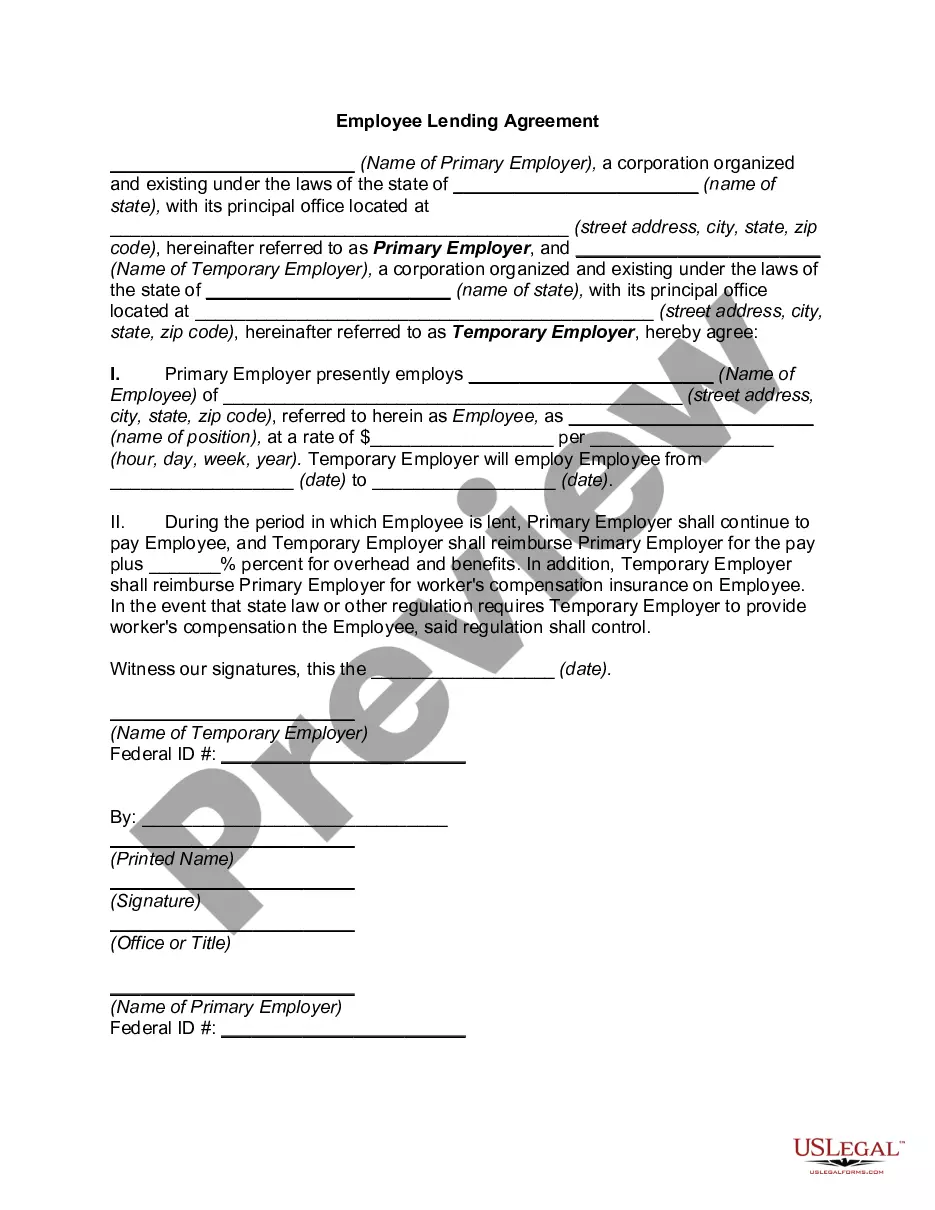
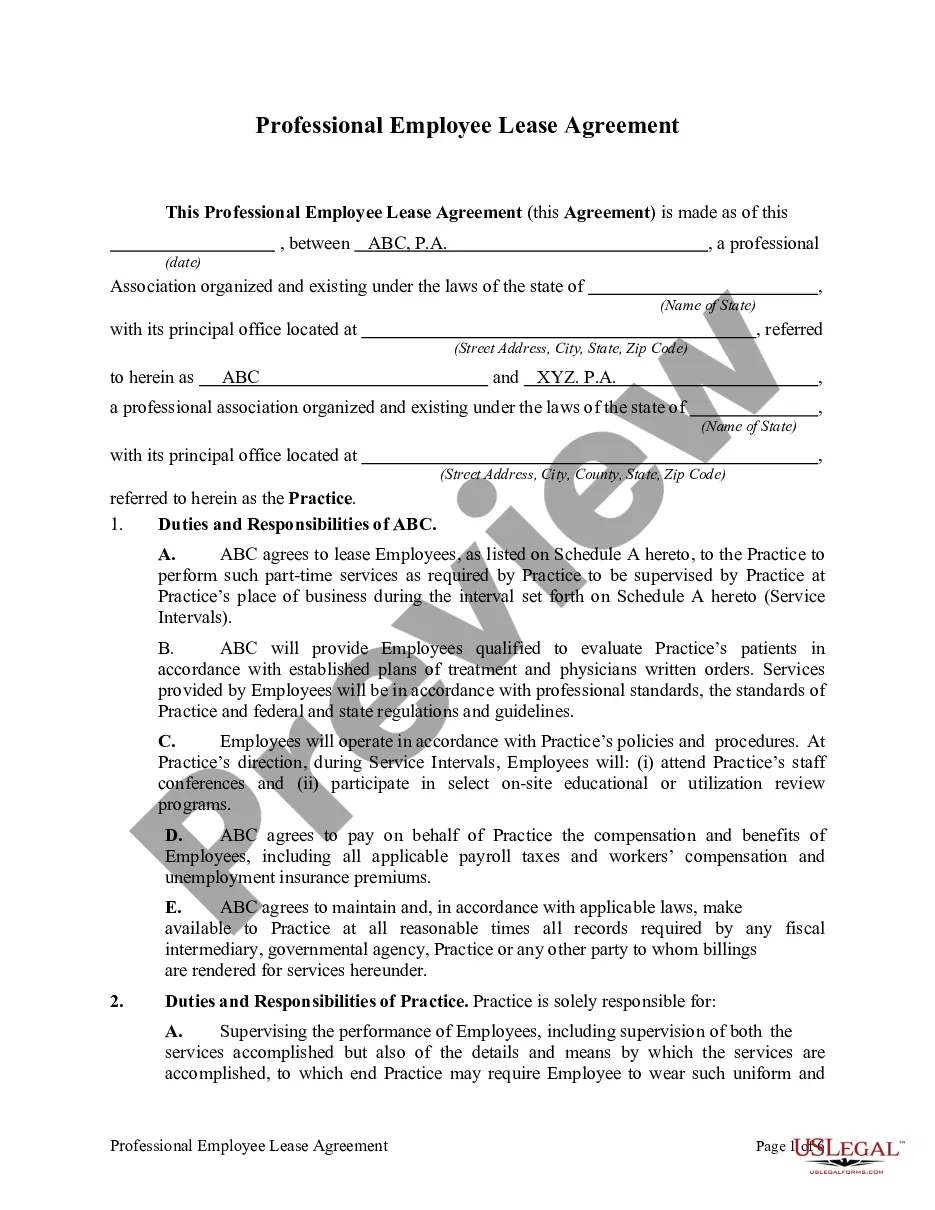
A borrowed employee agreement is a legal contract in which an employee is assigned by their employer to work for another employer for a period of time. This may occur when a company has a surplus of employees and not enough work to go around.
Rates vary by state, but a 2014 report PDF from the state of Oregon noted that the median rate is around $1.85 per $100 of payroll, or 1.85 percent of an employee's salary.
Cost per hire formula SHRM's formula for cost per hire is the sum of all recruiting costs divided by the number of hires in a specific time period.