Oregon Certificate of Trust for Successor Trustee
Description
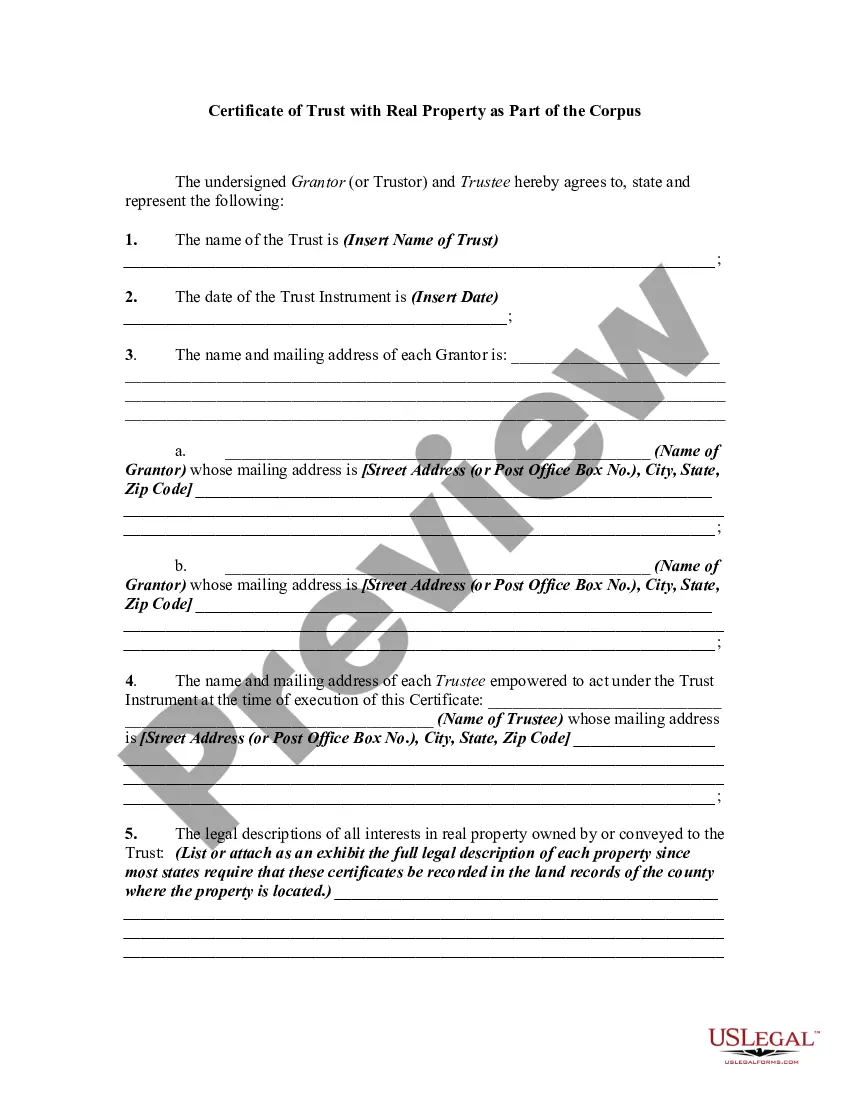
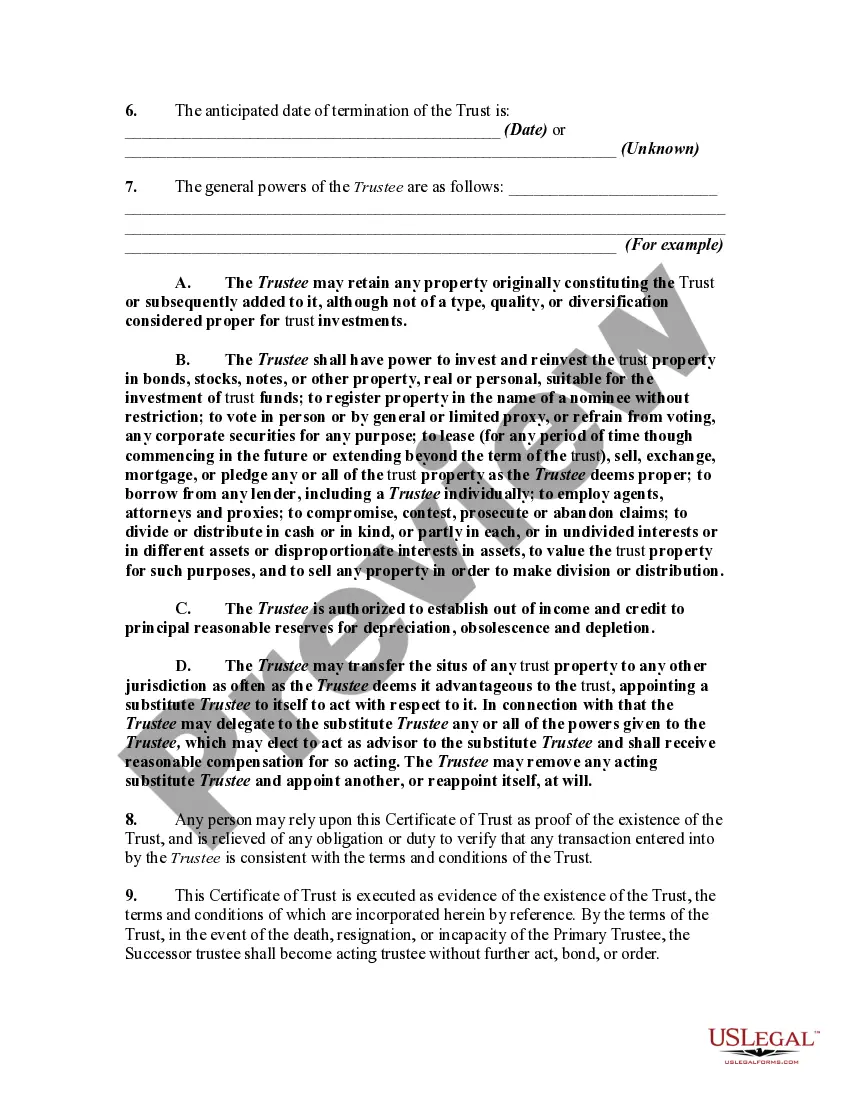
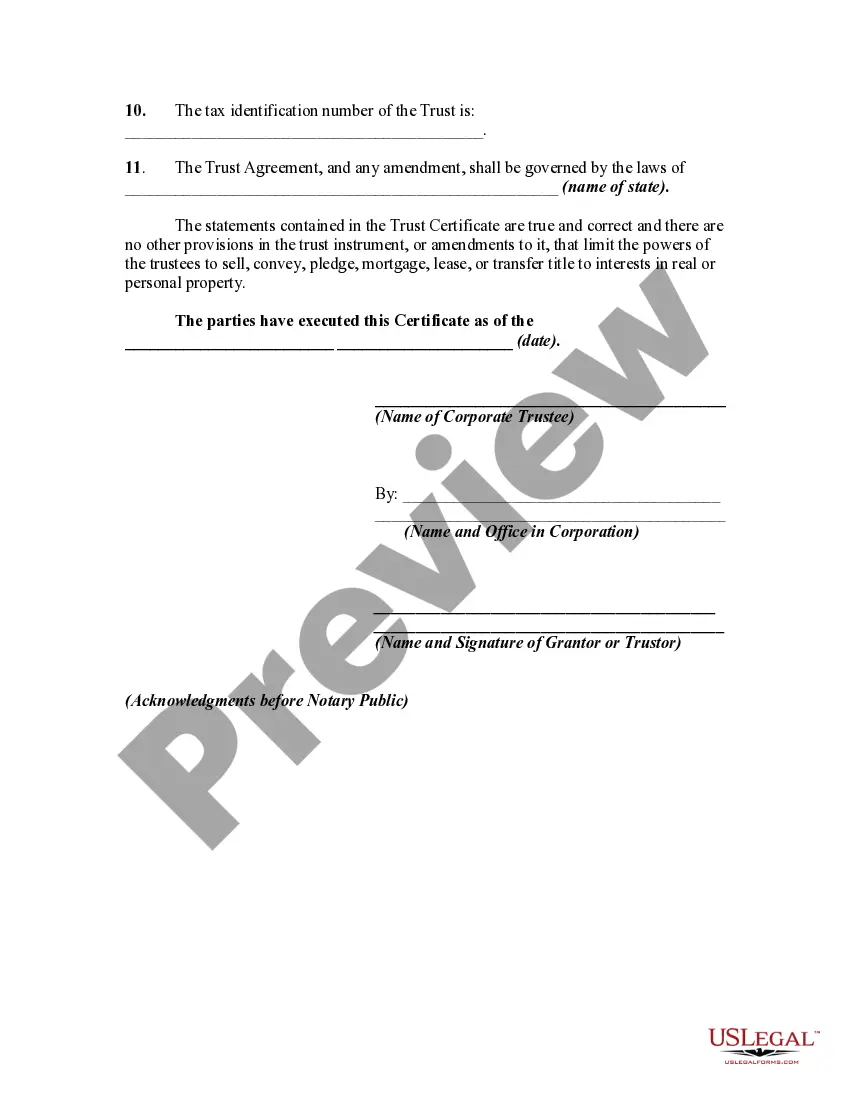
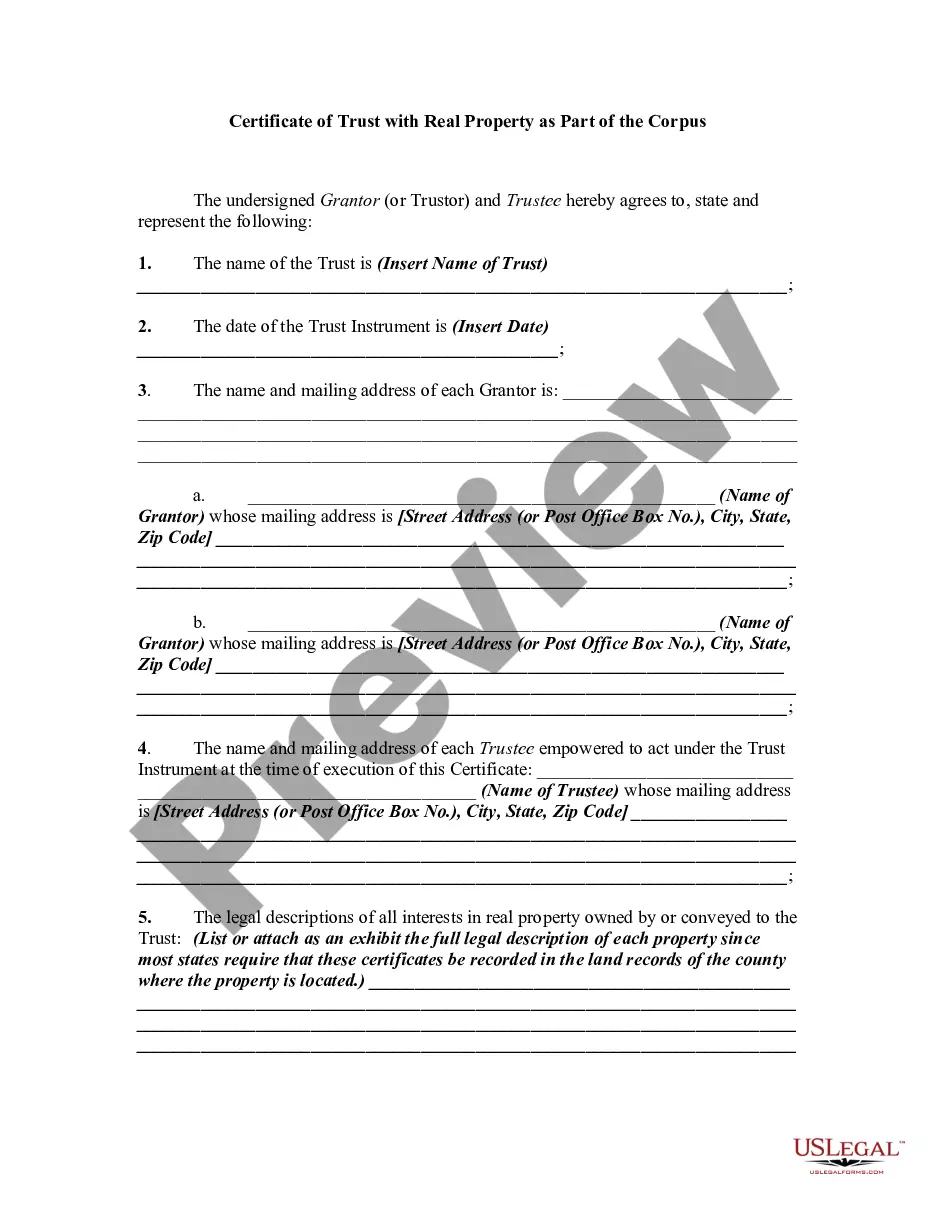
Get your form ready online
Our built-in tools help you complete, sign, share, and store your documents in one place.
Make edits, fill in missing information, and update formatting in US Legal Forms—just like you would in MS Word.
Download a copy, print it, send it by email, or mail it via USPS—whatever works best for your next step.
Sign and collect signatures with our SignNow integration. Send to multiple recipients, set reminders, and more. Go Premium to unlock E-Sign.
If this form requires notarization, complete it online through a secure video call—no need to meet a notary in person or wait for an appointment.
We protect your documents and personal data by following strict security and privacy standards.

Make edits, fill in missing information, and update formatting in US Legal Forms—just like you would in MS Word.

Download a copy, print it, send it by email, or mail it via USPS—whatever works best for your next step.

Sign and collect signatures with our SignNow integration. Send to multiple recipients, set reminders, and more. Go Premium to unlock E-Sign.

If this form requires notarization, complete it online through a secure video call—no need to meet a notary in person or wait for an appointment.

We protect your documents and personal data by following strict security and privacy standards.
Looking for another form?
How to fill out Certificate Of Trust For Successor Trustee?
Are you presently in a position where you need documentation for a company or individual that is utilized almost every workday.
There are numerous legal document templates accessible online, but finding reliable ones isn't straightforward.
US Legal Forms offers thousands of form templates, including the Oregon Certificate of Trust for Successor Trustee, which are designed to comply with federal and state regulations.
Refrain from altering or deleting any HTML tags. Only synonymize plain text outside of the HTML tags.
- If you are already familiar with the US Legal Forms website and possess an account, simply Log In.
- After that, you can download the Oregon Certificate of Trust for Successor Trustee template.
- If you do not have an account and wish to start using US Legal Forms, follow these steps.
- Locate the form you require and ensure it is for your specific city/county.
- Utilize the Preview button to examine the form.
- Review the description to confirm that you have selected the correct form.
- If the form isn't what you're looking for, use the Search section to find the form that suits your needs.
- Once you find the right form, simply click Purchase now.
- Select the payment plan you prefer, fill in the necessary information to create your account, and complete your order using your PayPal or credit card.
- Choose a convenient document format and download your version.
- Access all of the document templates you have purchased in the My documents section.
- You can obtain another copy of the Oregon Certificate of Trust for Successor Trustee at any time, if needed. Just select the required form to download or print the document template.
- Utilize US Legal Forms, one of the most extensive collections of legal forms, to save time and avoid errors.
- The service provides professionally crafted legal document templates for a variety of purposes.
- Create an account on US Legal Forms and start making your life a bit easier.
Form popularity
FAQ
A mortgage involves two parties, while a deed of trust has three, and. mortgages are usually foreclosed judicially, while deeds of trust typically go through a nonjudicial foreclosure process (but not always).
Section 130.650 - UTC 801. Duty to administer trust (1) Upon acceptance of a trusteeship, the trustee shall administer the trust in good faith, in ance with its terms and purposes and the interests of the beneficiaries, and in ance with this chapter.
Oregon law requires that trustee's make certain information available to trust beneficiaries. Generally speaking, a trustee must keep the beneficiaries of the trust reasonably informed about the administration of the trust and of the material facts necessary for those beneficiaries to protect their interests.
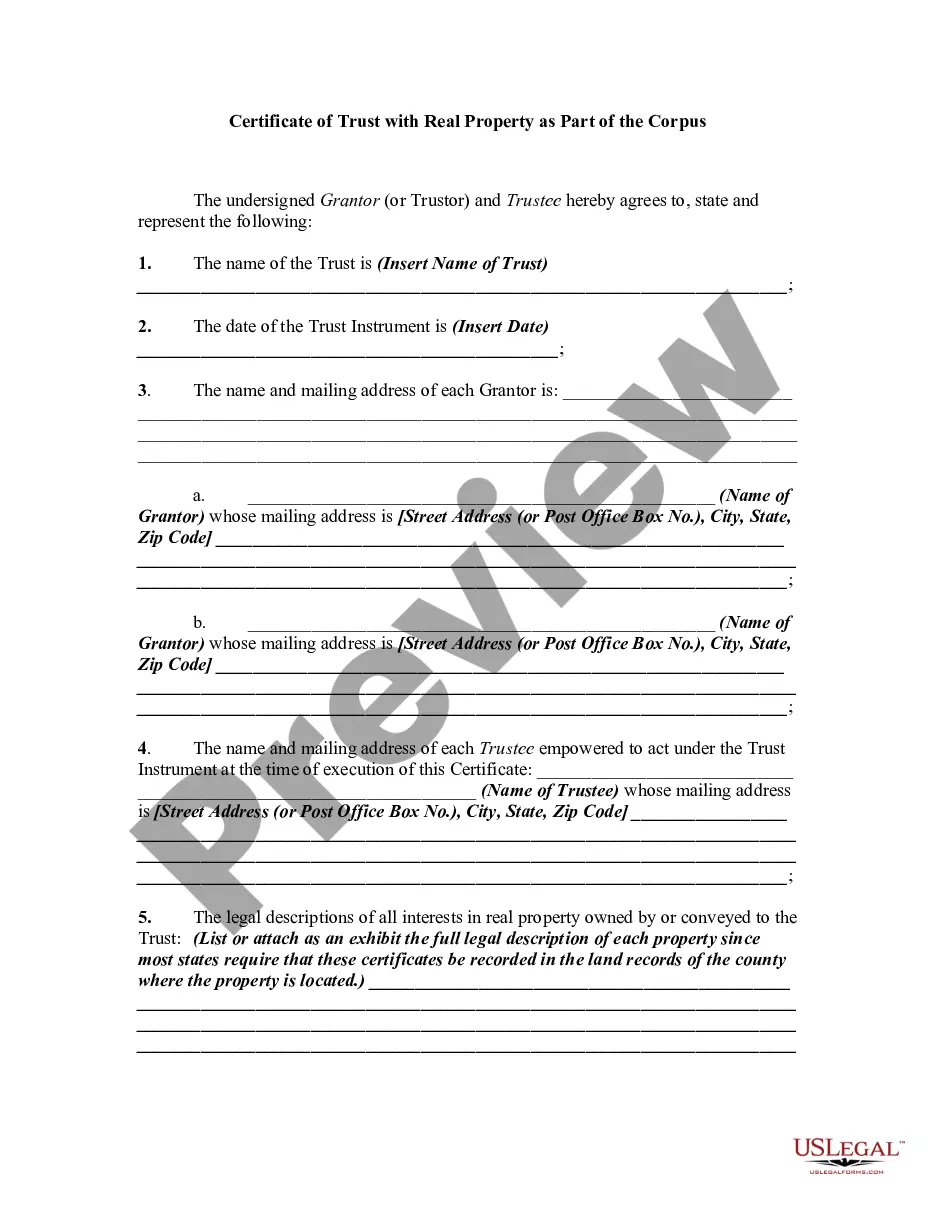
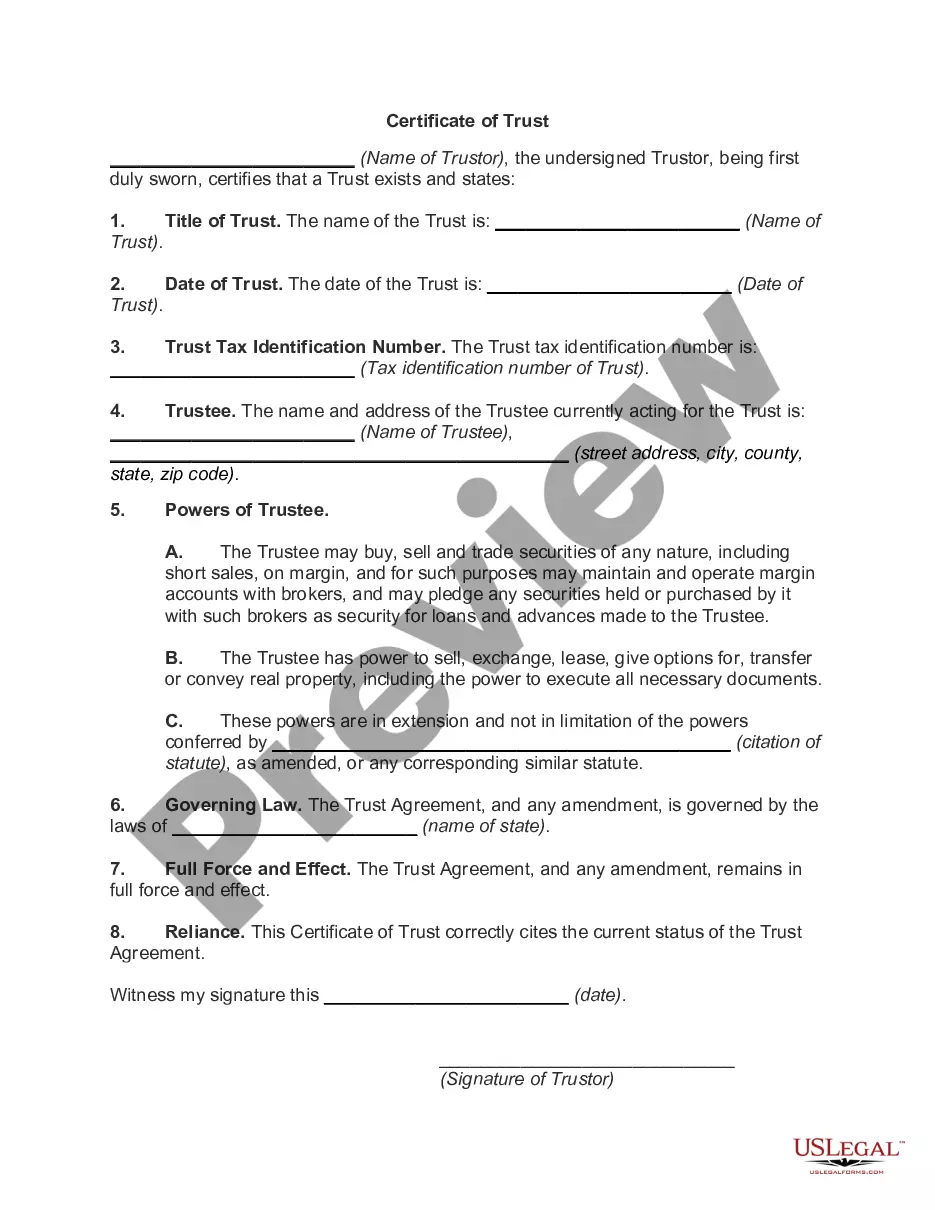
A Trust Certification gives a Trustee the ability to provide anyone who needs it (think: financial institutions or other third parties) important information about the Trust - like the date it was formed, the legal/formal name of the Trust, who the Trustee is (or Trustees are) and other information institutions may ...
Limitations Period: Six years for an action on the Note. Ten years for foreclosure under a deed of trust. [7] It is unsettled in Oregon whether a non-judicial foreclosure is barred if the limitations period on an action under the Note has already expired.
How Do I Make a Living Trust in Oregon? Choose the type of trust you want to set up. ... Decide what items to leave in the trust. ... Choose a trustee. ... Decide who will be the beneficiary of the trust asset. ... Create the trust agreement document. ... Sign the document. ... Fund the trust by transferring your property into it.
The Oregon Uniform Trust Code (?Oregon UTC?) was developed during a two-year period by the Oregon Uniform Trust Code Study Committee, a 12- member study committee organized by Professor Valerie J.
The trust allows you to keep your family matters private. While a will becomes public record when probate occurs, a trust is never probated and never made public. No one will know who your beneficiaries are, what assets are in the trust, or what the conditions of the trust are.
Construct, repair, alter or otherwise improve buildings or other structures on real property in which the trust has an interest, demolish improvements, raze existing or erect new party walls or buildings on real property in which the trust has an interest, subdivide or develop land, dedicate land to public use or grant ...
Who can be the trustee? In Oregon any competent adult can be the trustee, including the person setting up the trust. An Oregon bank or trust company can also act as trustee. A professional fiduciary that is not an Oregon bank or trust company can act as trustee, if a court appoints it and it posts a bond.