Oregon Enroachment Agreement
What this document covers
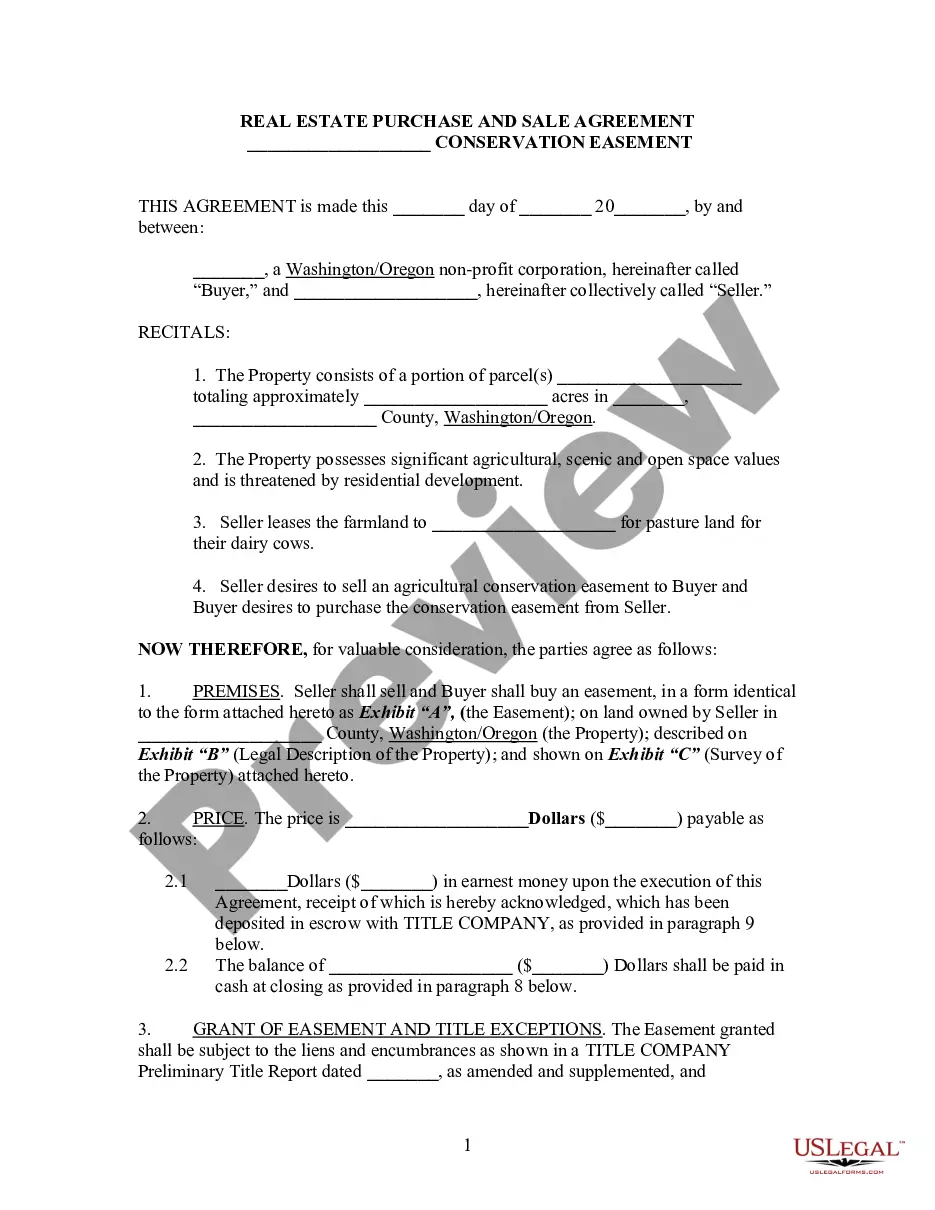
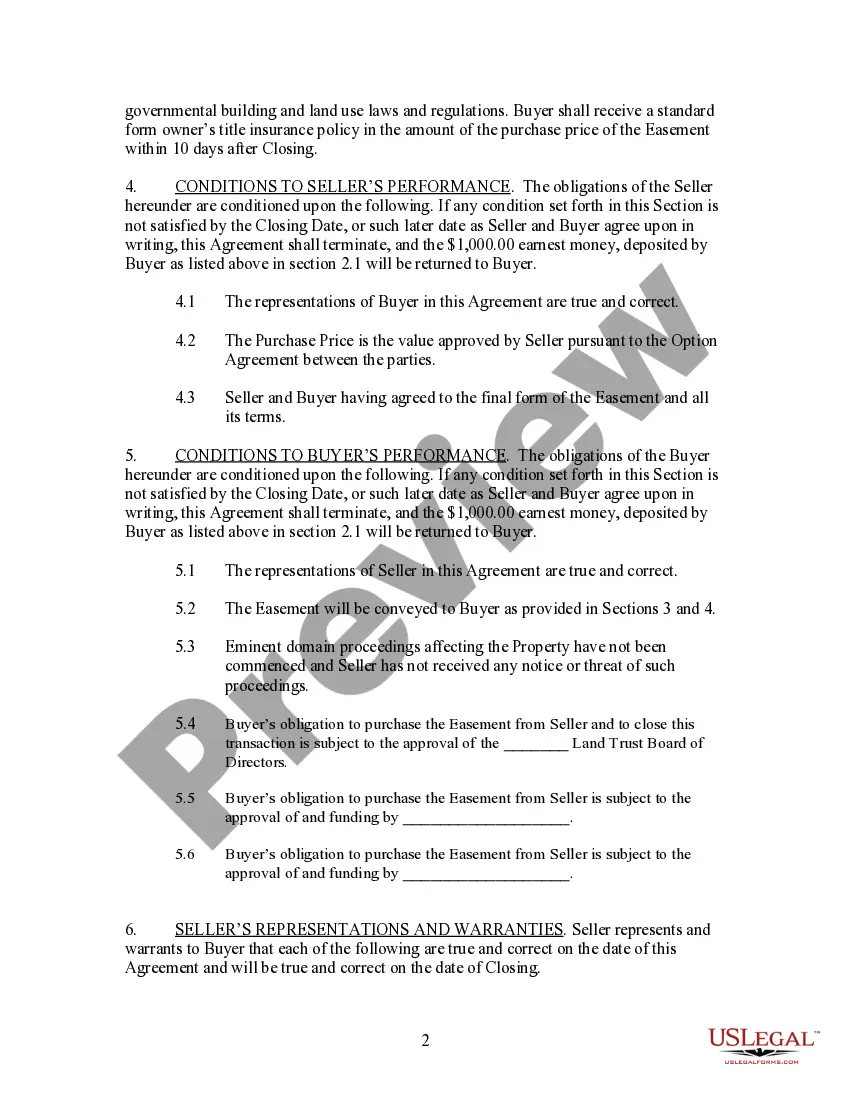
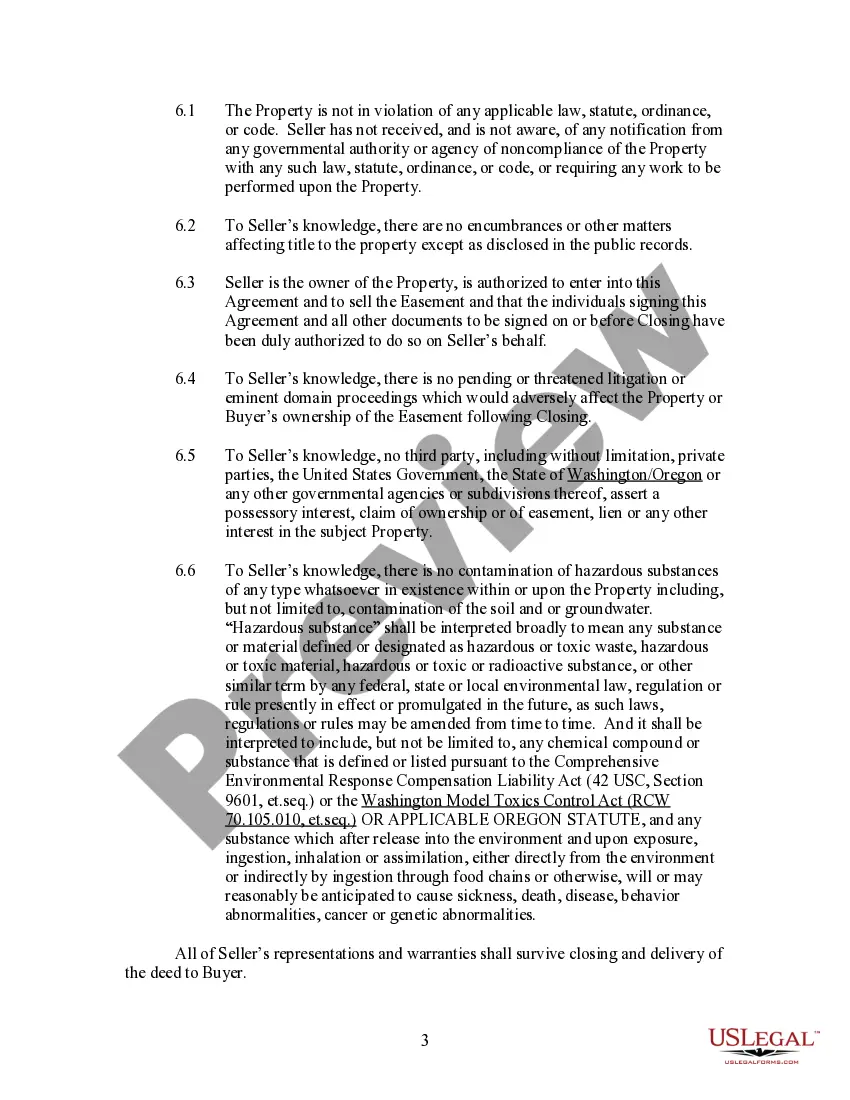
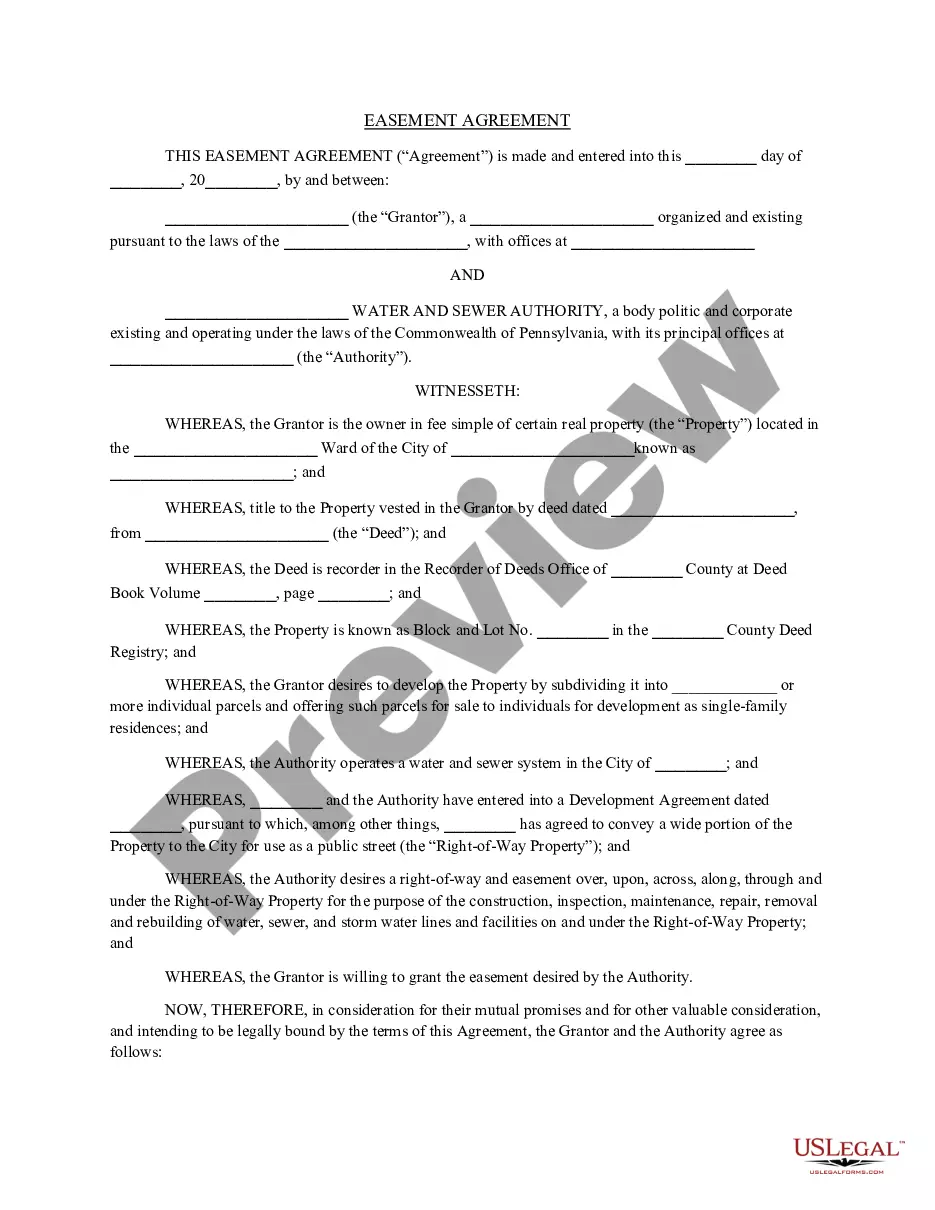
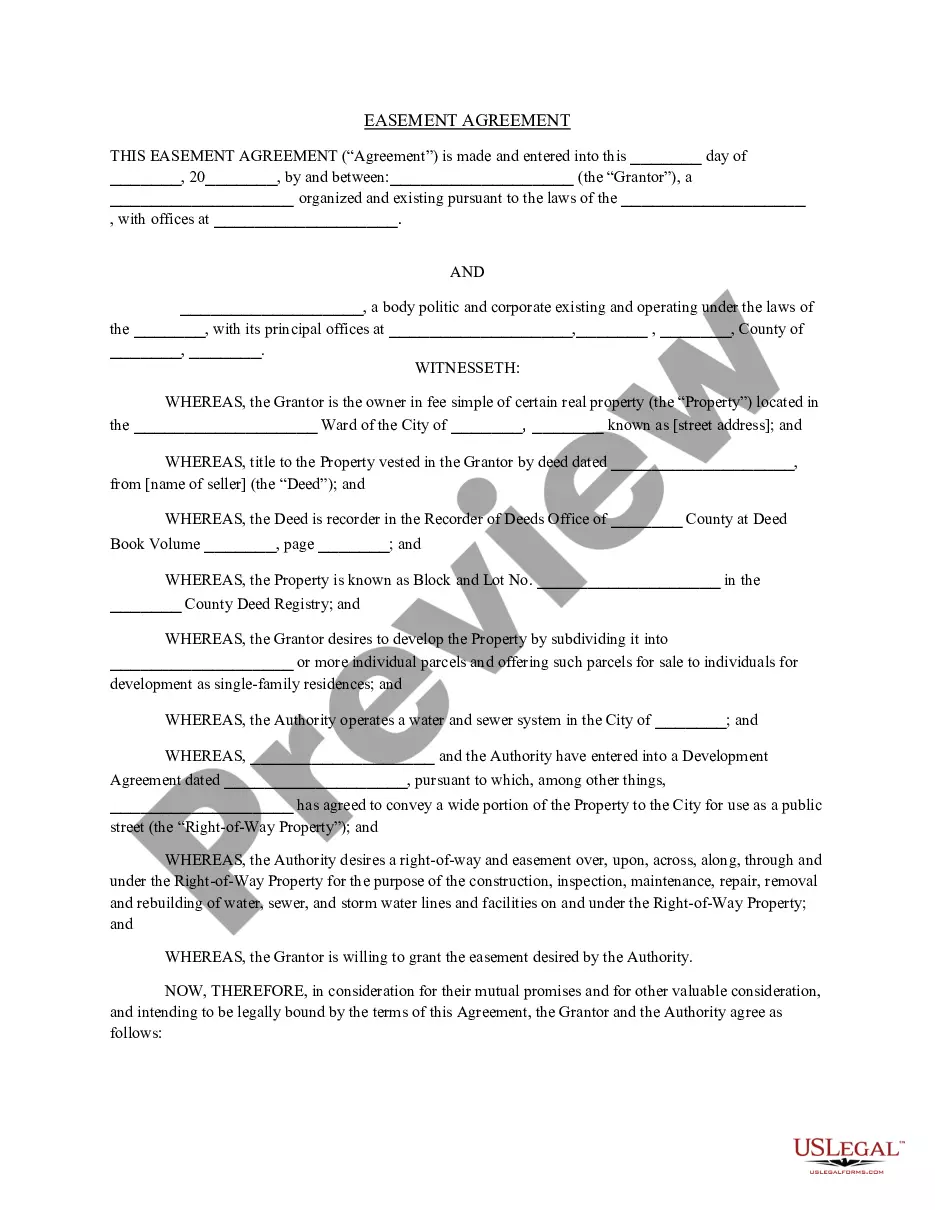
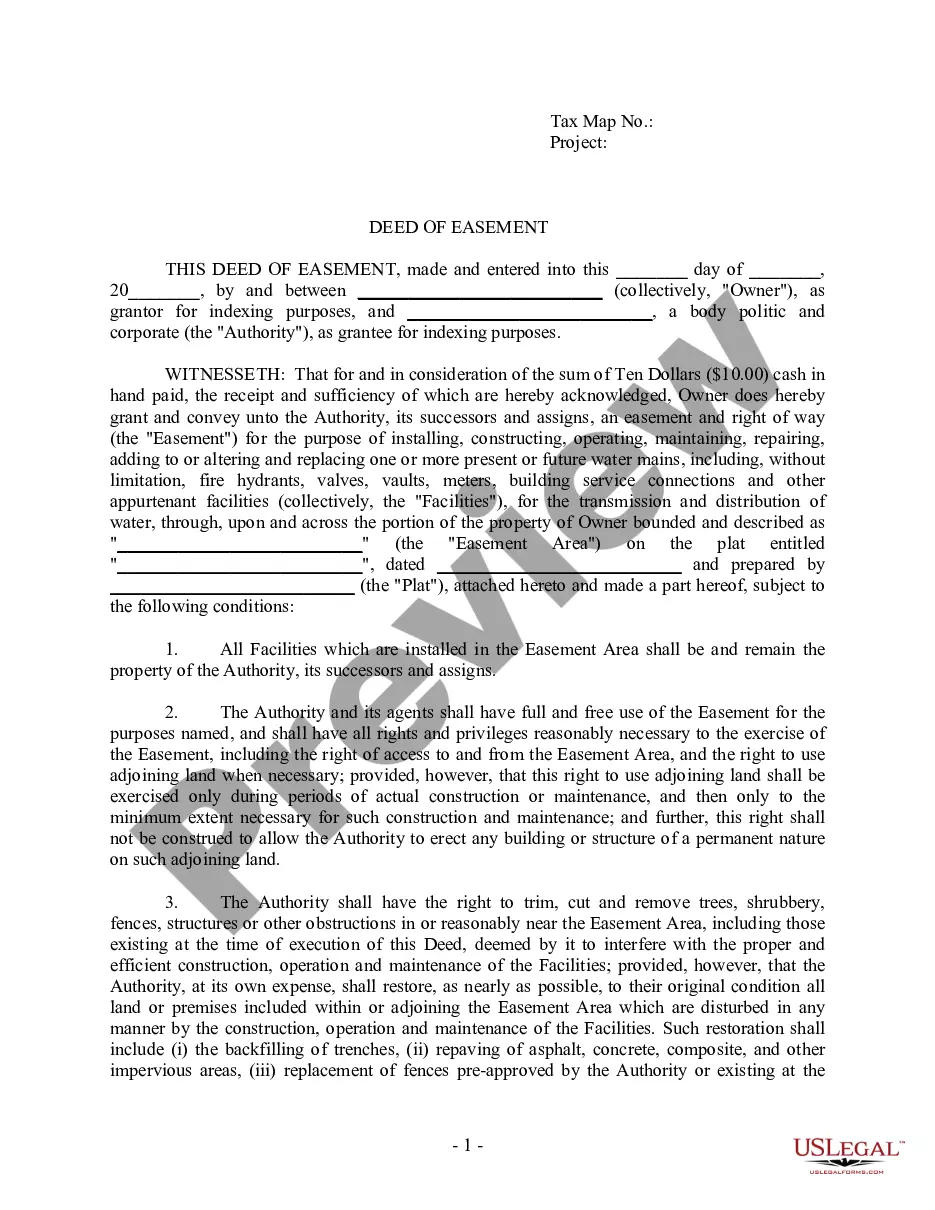
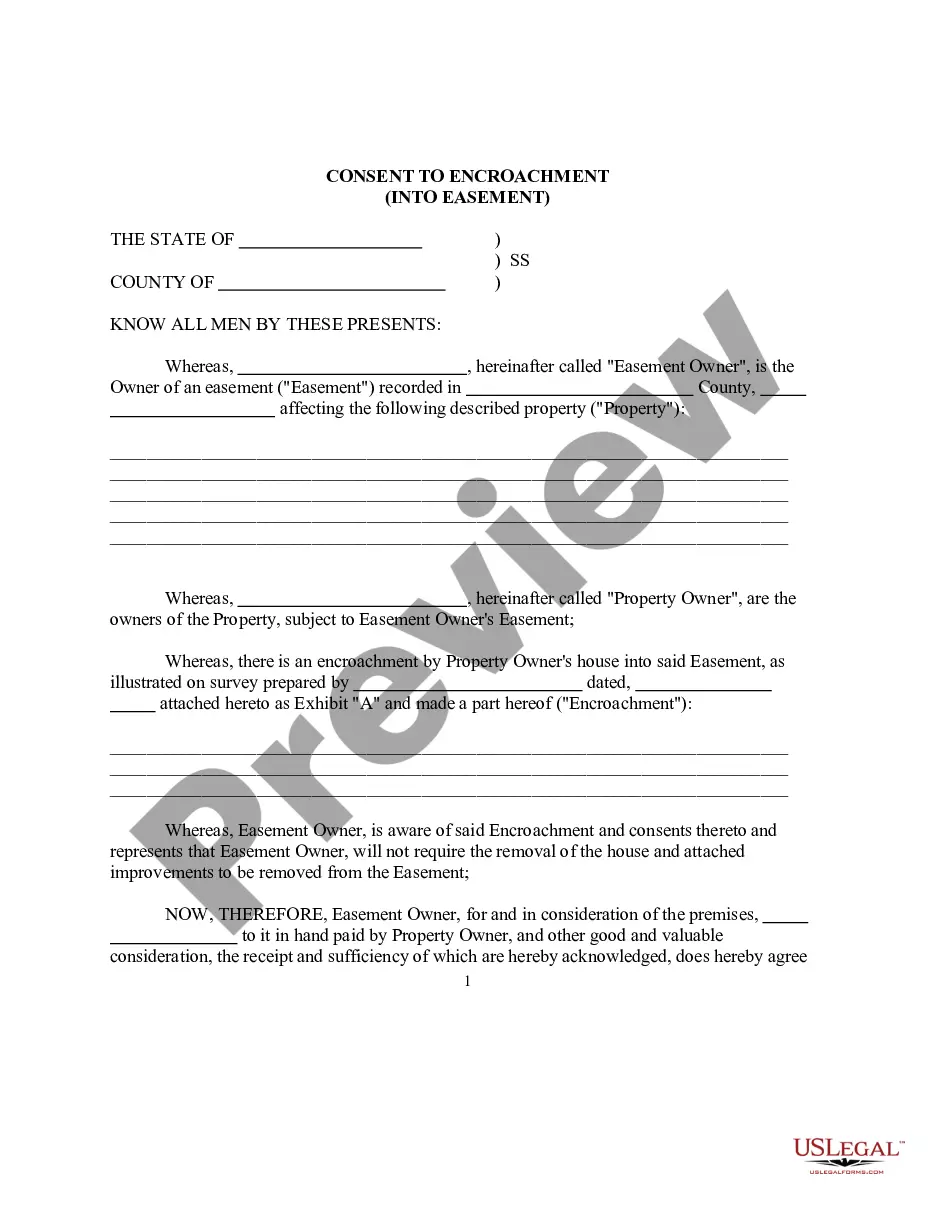
The Enroachment Agreement is a legal document that allows one party to convey the use or benefit of a specific tract of land to another party for a limited purpose. Unlike other property agreements, this form does not grant the other party the right to possess, take from, improve, or sell the tract. It is typically used in scenarios involving conservation or preservation of land while maintaining ownership rights.
Main sections of this form
- Parties Involved: Identifies the Buyer and Seller in the agreement.
- Property Description: Details the tract of land involved in the agreement.
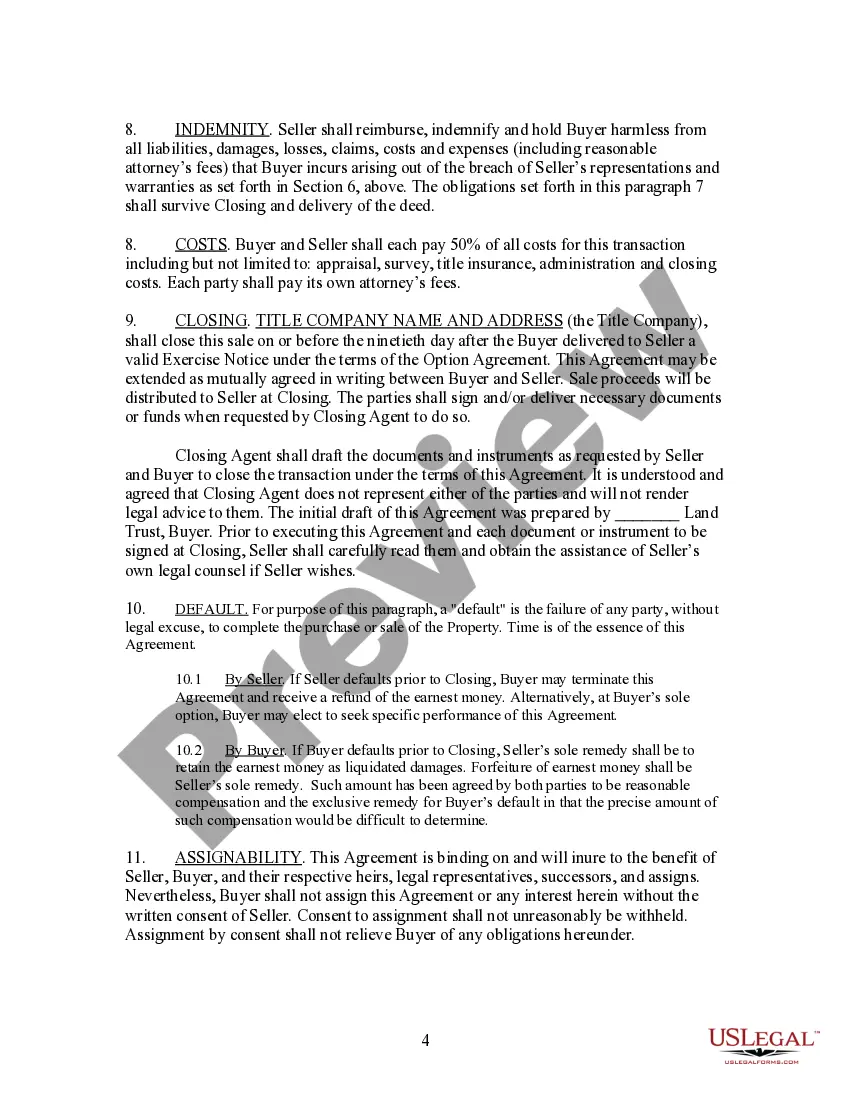
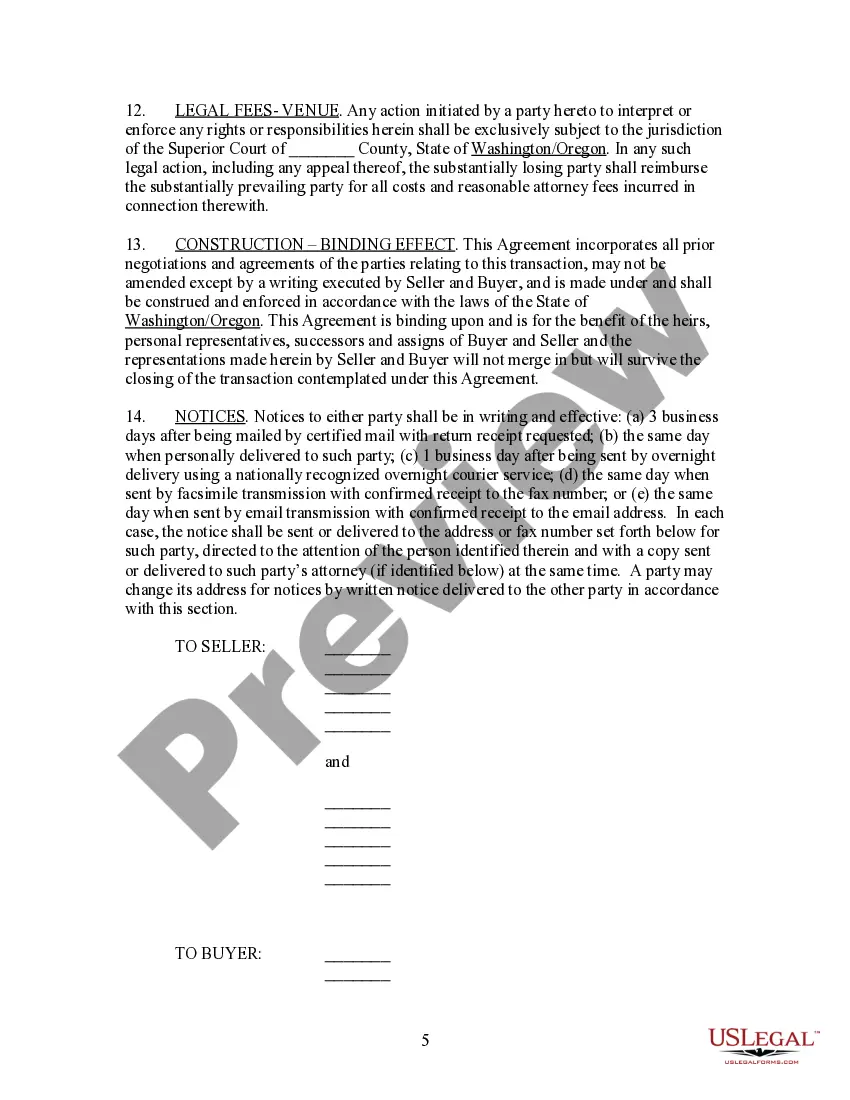
- Grant of Easement: Specifies the terms of the easement being granted to the Buyer.
- Conditions of Performance: Outlines the conditions that must be satisfied by both Seller and Buyer.
- Price and Payment Terms: Details the transaction price and payment schedule.
- Indemnity Clauses: Provides protection against specific liabilities for both parties.
When to use this document
This form is typically used when a landowner wants to protect the agricultural, scenic, or open space values of their property. The Seller may wish to ensure that their land remains undeveloped while allowing another party, such as a conservation organization, to utilize the land in a specific manner, such as for farming or habitat preservation.
Intended users of this form
- Landowners looking to sell an easement while retaining ownership of their property.
- Non-profit organizations or entities focused on land conservation.
- Buyers interested in obtaining rights to use the land for specific purposes without ownership.
- Legal professionals assisting clients with land use agreements.
How to prepare this document
- Identify the Buyer and Seller and enter their names into the appropriate fields.
- Provide a detailed description of the property, including acreage and location.
- Specify the terms of the easement in detail, including limitations on usage.
- Enter the price for the easement and outline the payment schedule.
- Ensure all parties sign and date the agreement to validate it.
Does this document require notarization?
This form does not typically require notarization unless specified by local law. Always check specific regulations in your jurisdiction to ensure compliance.
Get your form ready online
Our built-in tools help you complete, sign, share, and store your documents in one place.
Make edits, fill in missing information, and update formatting in US Legal Forms—just like you would in MS Word.
Download a copy, print it, send it by email, or mail it via USPS—whatever works best for your next step.
Sign and collect signatures with our SignNow integration. Send to multiple recipients, set reminders, and more. Go Premium to unlock E-Sign.
If this form requires notarization, complete it online through a secure video call—no need to meet a notary in person or wait for an appointment.
We protect your documents and personal data by following strict security and privacy standards.

Make edits, fill in missing information, and update formatting in US Legal Forms—just like you would in MS Word.

Download a copy, print it, send it by email, or mail it via USPS—whatever works best for your next step.

Sign and collect signatures with our SignNow integration. Send to multiple recipients, set reminders, and more. Go Premium to unlock E-Sign.

If this form requires notarization, complete it online through a secure video call—no need to meet a notary in person or wait for an appointment.

We protect your documents and personal data by following strict security and privacy standards.
Typical mistakes to avoid
- Failing to provide a clear legal description of the property.
- Not including all parties involved in the agreement.
- Omitting important conditions that need to be fulfilled before the agreement becomes binding.
- Neglecting to have the agreement reviewed by legal counsel.
Benefits of using this form online
- Convenience of filling out the form from any location.
- Editability, allowing you to customize the form to fit your specific situation.
- Access to templates created by licensed attorneys, ensuring legal validity.
- Instant download capability, saving time and effort.
Looking for another form?
Form popularity
FAQ
Both involve a property owner making extensions over their neighbor's property. While encroachments are the unauthorized use of the neighbor's property, easements are agreed upon by both parties. In many cases, the party responsible for the easement compensates the other neighbor.
An encroachment letter is a written communication that is sent to a neighbor to inform them that they are encroaching on your property or that their actions are affecting your property in some way.
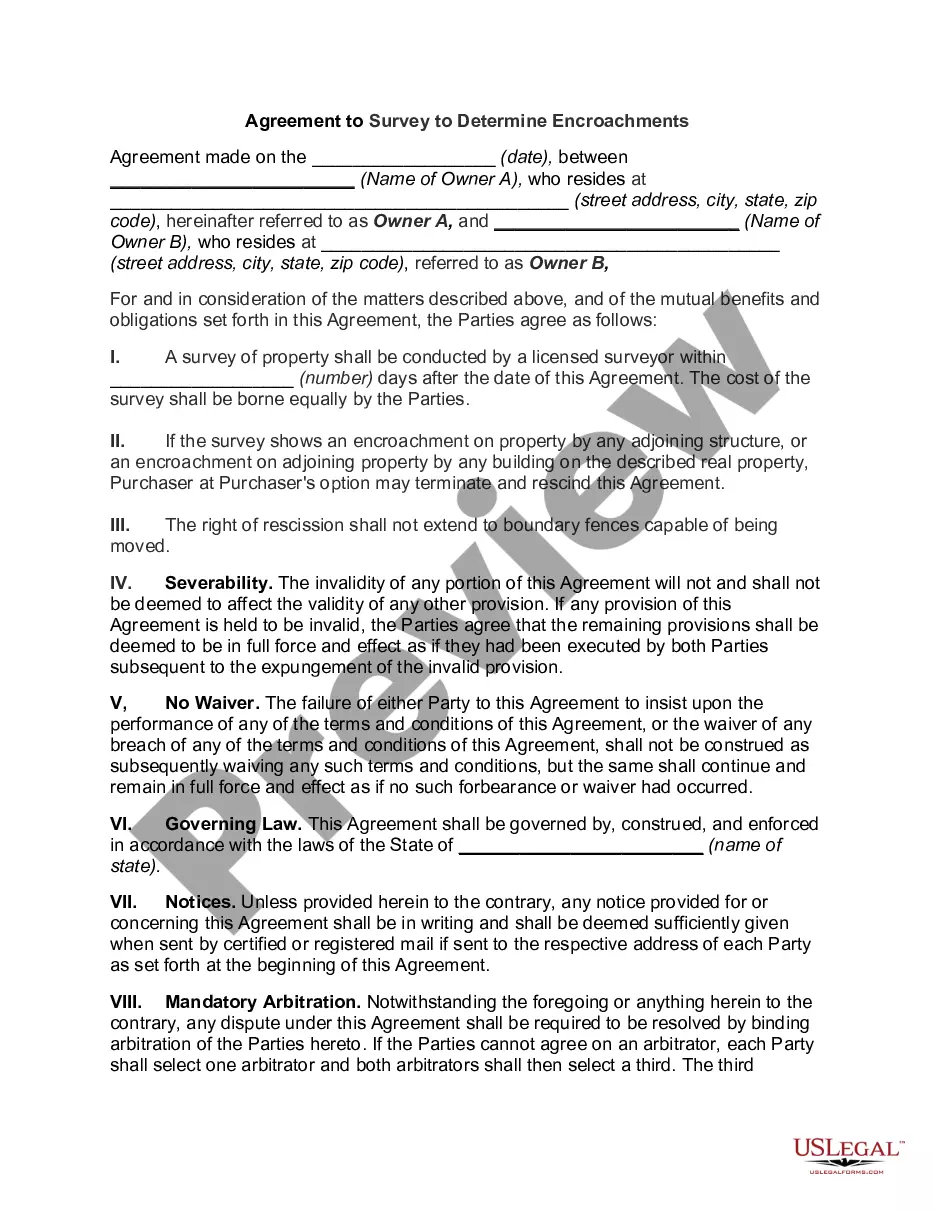
A: Encroachment Agreements and Party Wall Agreements are types of written documents entered into between owners of neighboring properties. They are usually entered into in response to a land survey indicating that a wall or other improvement crosses the boundary line between two properties.
The term encroachment refers to a situation in real estate where a property owner violates the property rights of his neighbor by building on or extending a structure to the neighbor's land or property intentionally or otherwise.
Hereby expressly understands and agrees that the fence encroaches upon the premises and that the fence may remain so long as it shall stand in good condition.
Here are some encroachment examples to watch out for: Your neighbor builds a fence, and it extends onto your land. A structural addition to your neighbor's home extends beyond the legal property boundaries. An overgrown garden or hedge crosses onto your land.