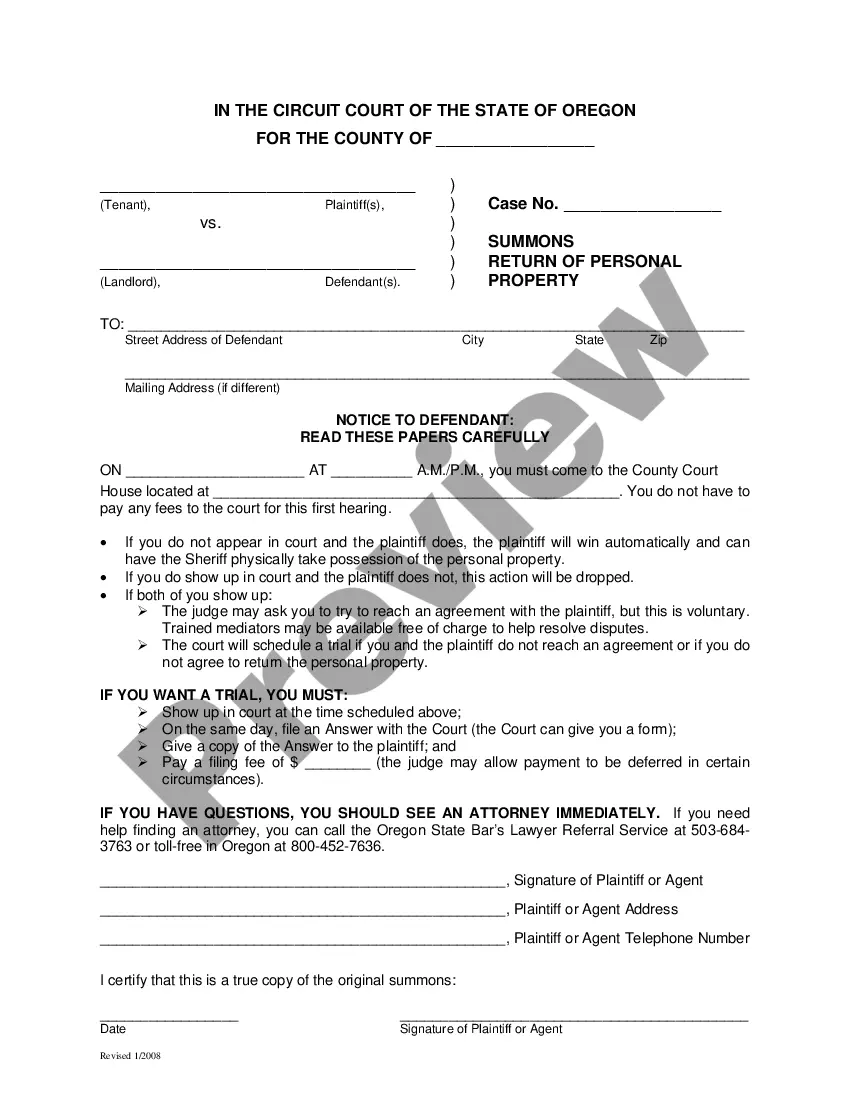
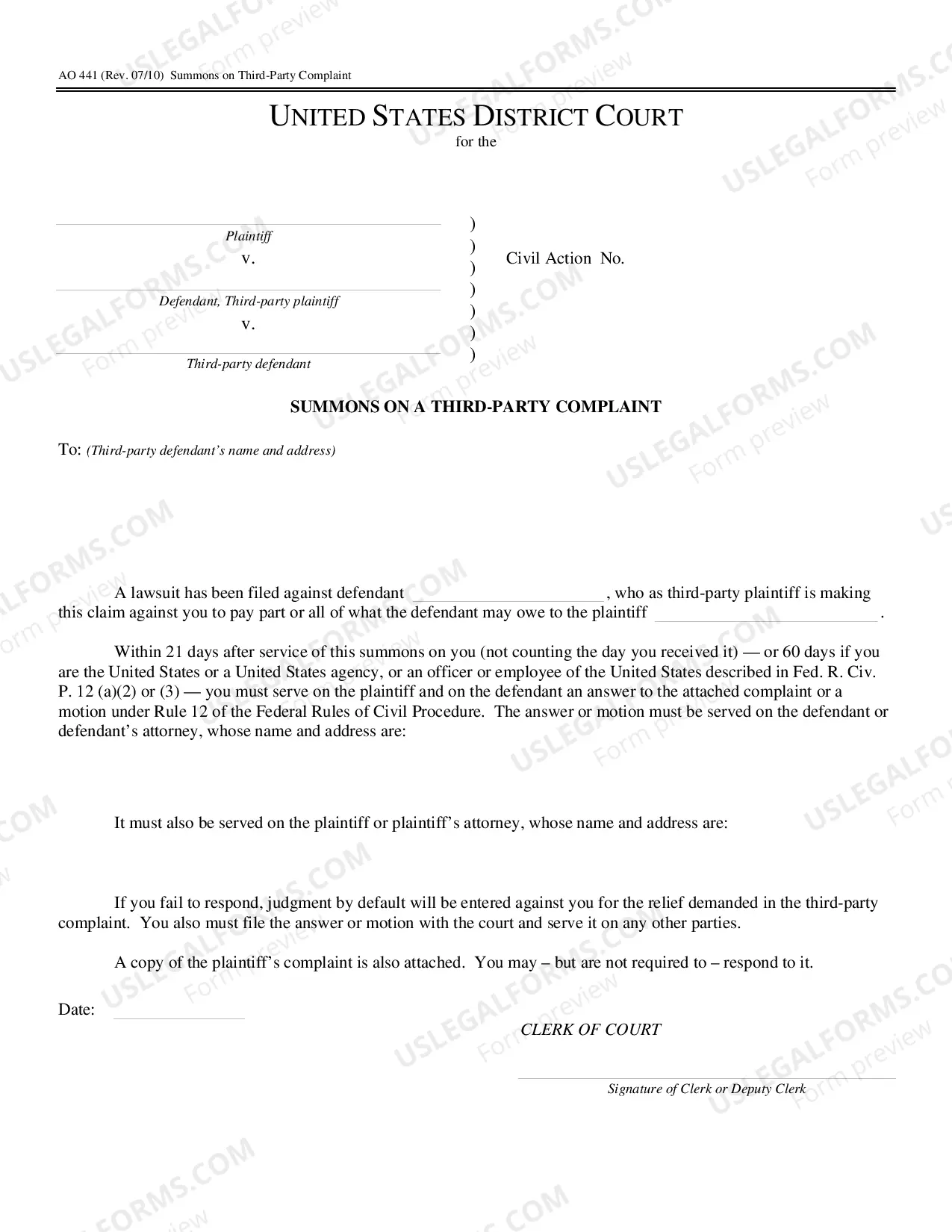
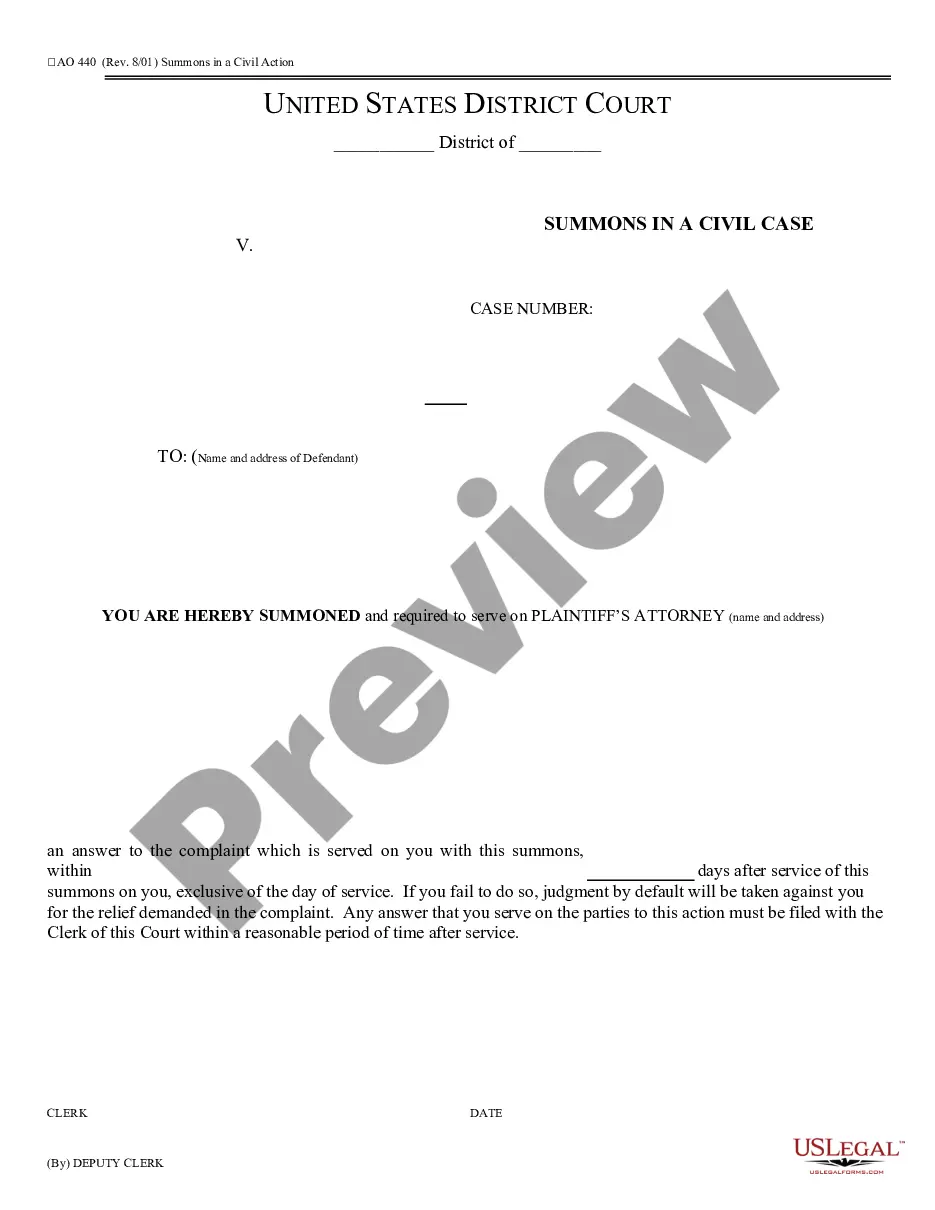
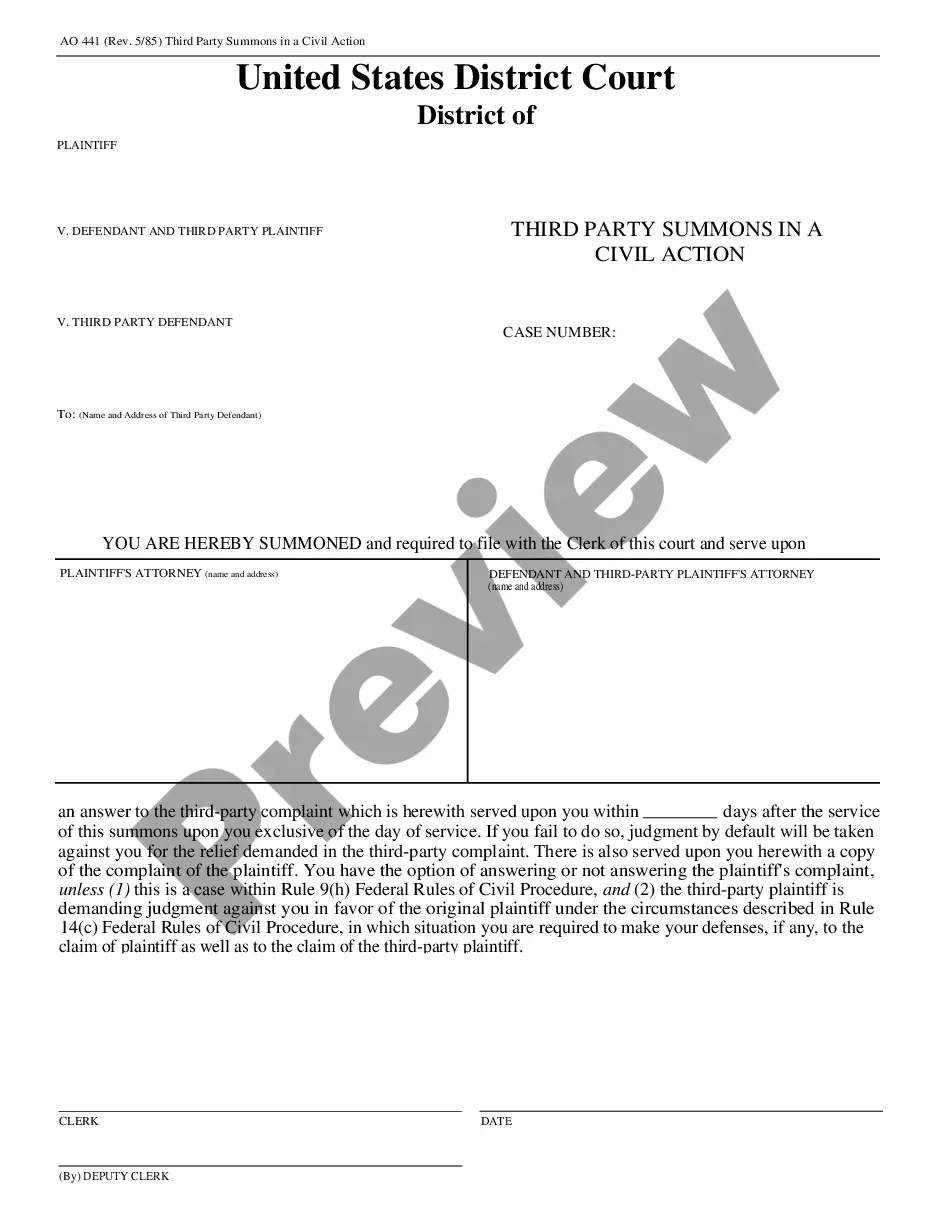
Oregon Summons - Return Of Personal Property FED
Is notarization required?
This form usually doesn’t need to be notarized. However, local laws or specific transactions may require it. Our online notarization service, powered by Notarize, lets you complete it remotely through a secure video session, available 24/7.
Get your form ready online
Our built-in tools help you complete, sign, share, and store your documents in one place.
Make edits, fill in missing information, and update formatting in US Legal Forms—just like you would in MS Word.
Download a copy, print it, send it by email, or mail it via USPS—whatever works best for your next step.
Sign and collect signatures with our SignNow integration. Send to multiple recipients, set reminders, and more. Go Premium to unlock E-Sign.
If this form requires notarization, complete it online through a secure video call—no need to meet a notary in person or wait for an appointment.
We protect your documents and personal data by following strict security and privacy standards.

Make edits, fill in missing information, and update formatting in US Legal Forms—just like you would in MS Word.

Download a copy, print it, send it by email, or mail it via USPS—whatever works best for your next step.

Sign and collect signatures with our SignNow integration. Send to multiple recipients, set reminders, and more. Go Premium to unlock E-Sign.

If this form requires notarization, complete it online through a secure video call—no need to meet a notary in person or wait for an appointment.

We protect your documents and personal data by following strict security and privacy standards.
Looking for another form?
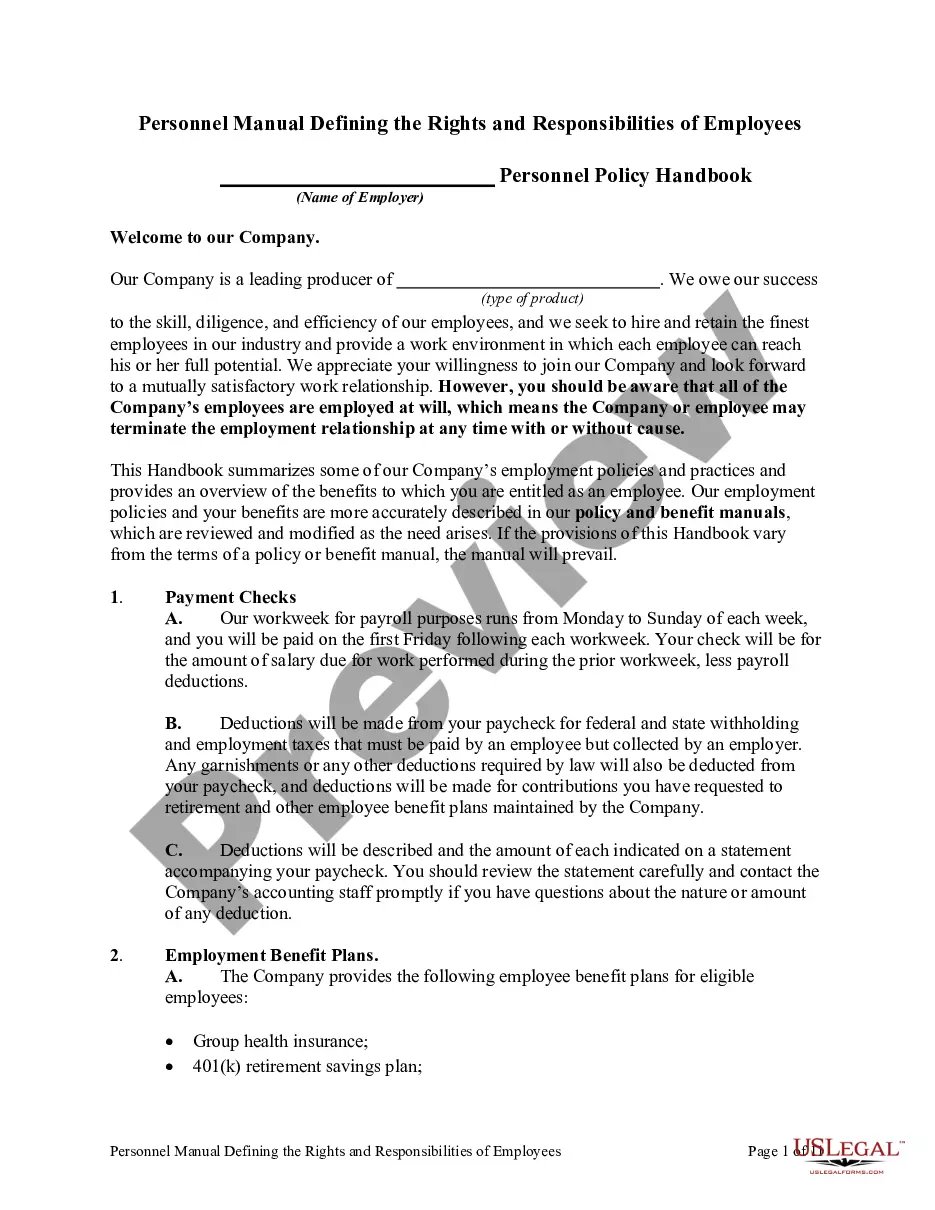

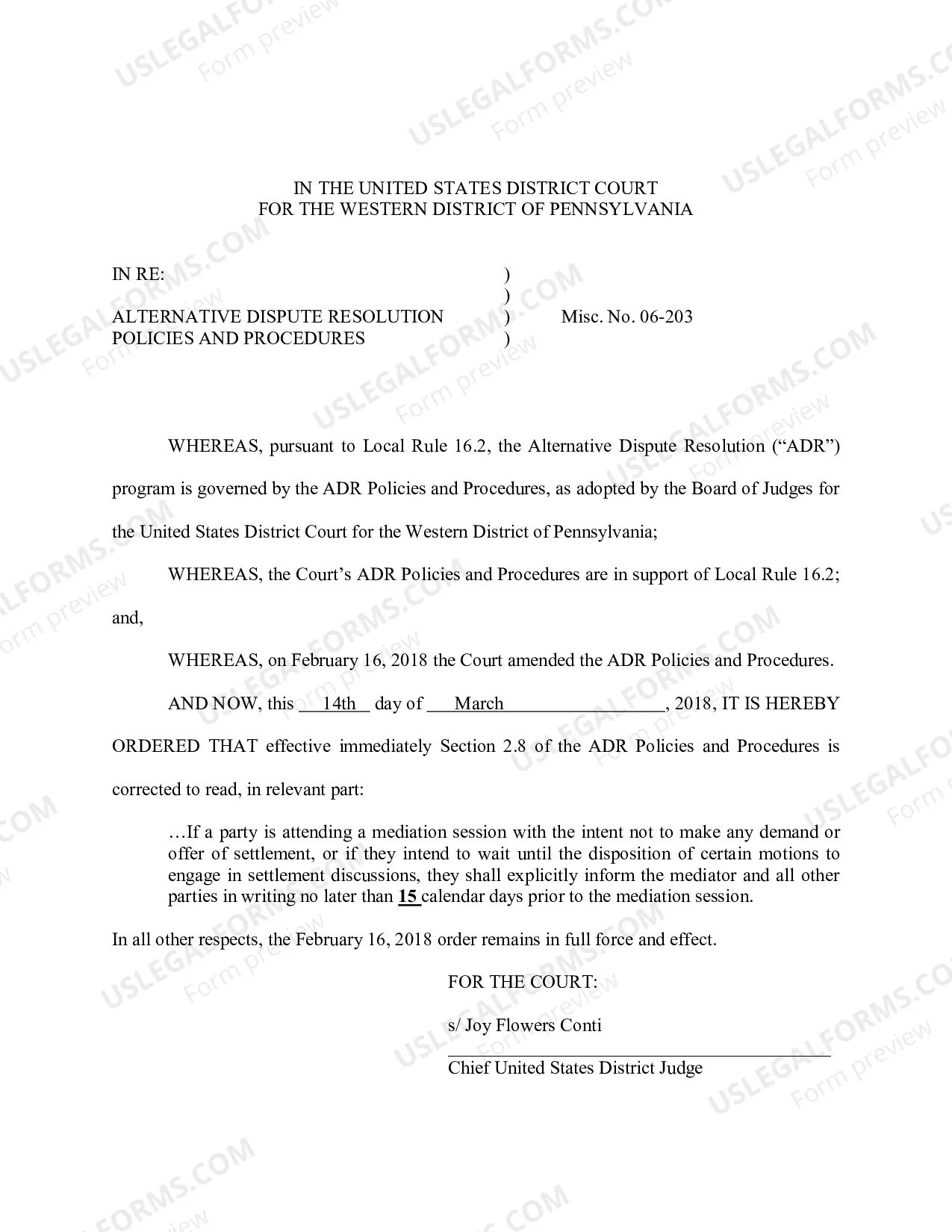
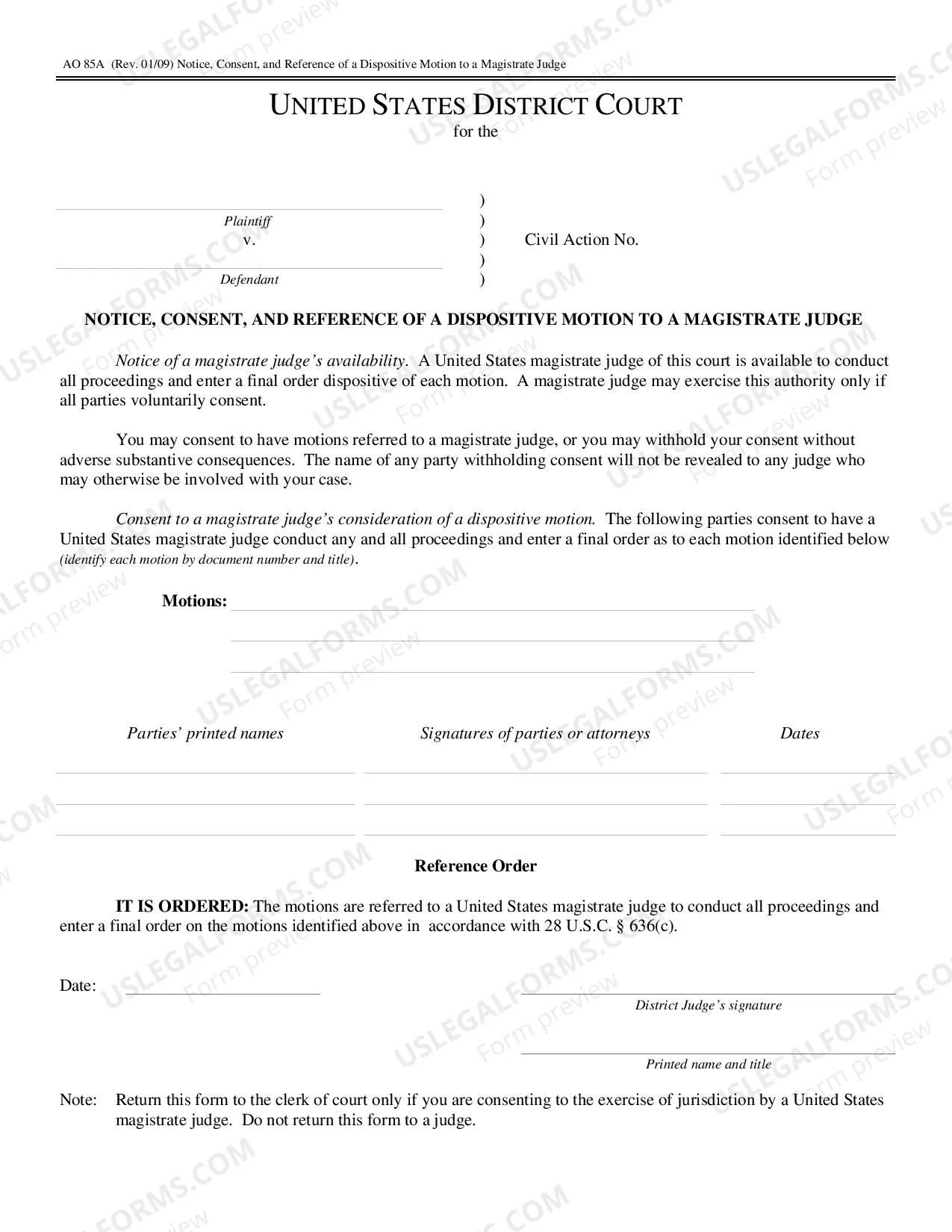
Form popularity
FAQ
In contextlegallang=en terms the difference between summons and summon. is that summons is (legal) a notice summoning someone to appear in court, as a defendant, juror or witness while summon is (legal) to order someone to appear in court, especially by issuing a summons.
Sum·200bmons \\ 02c8s0259-m0259nz \\ plural summonses.
Summons is one of those odd nouns that ends in s in its singular form; so the plural is summonses. Odder still is the use of summons as a verb, meaning to command someone's appearance in a court of law by way of a summons.
A summons addresses the defendant or witness or any other person related to the case, whereas warrant addresses the police officer. Summons aims at notifying the person of the legal obligation to appear in the court.
A Summons is an official notice of a lawsuit. It is given to the person being sued. If you sue someone, they need to know about it. This way, they can come to court and fight the lawsuit. When you serve the defendant with a Summons, you officially tell that you are suing them.
The soft summons made her pause. The queen summons you. We stole one weekend together, remaining in New York, before answering a summons to join the others in Massachusetts. Landon's summons drew his attention. Leery of the madman's summons , he followed the page to the round chamber.
Summons is one of those odd nouns that ends in s in its singular form; so the plural is summonses. Odder still is the use of summons as a verb, meaning to command someone's appearance in a court of law by way of a summons.
Were you summonsed or summoned to appear in court? Although summonsed isn't downright wrong, in modern legal usage it's much preferable to say that someone was summoned to appear in court. Summons as a verb dates from the 17th century.For example, summoned is the only form used in U.S. Supreme Court opinions.
1 : to issue a call to convene : convoke. 2 : to command by service of a summons to appear in court. 3 : to call upon for specified action. 4 : to bid to come : send for summon a physician. 5 : to call forth : evoke often used with up.