Oregon Elder Abuse Prevention Act - EAPA Instructions for Obtaining a Restraining Order
Description
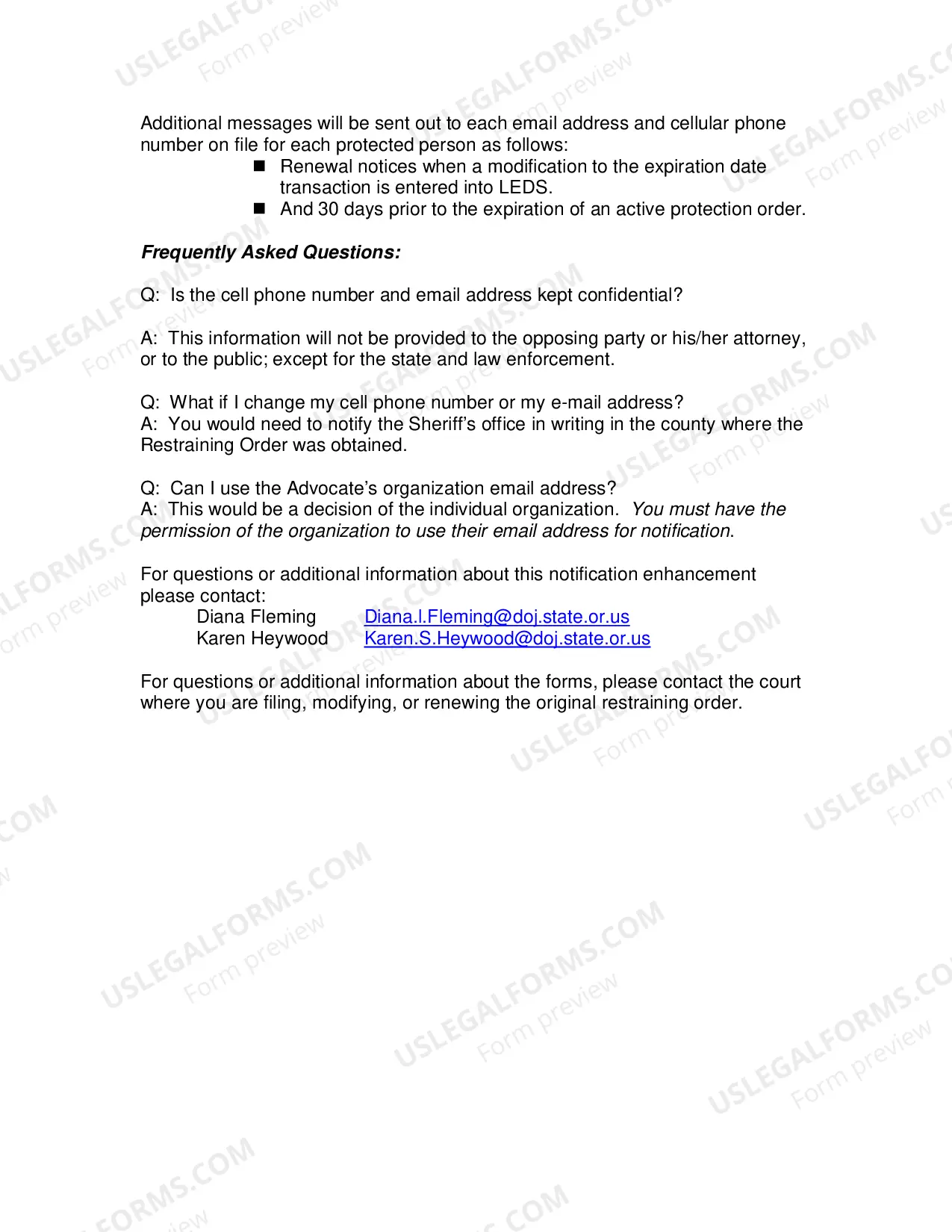
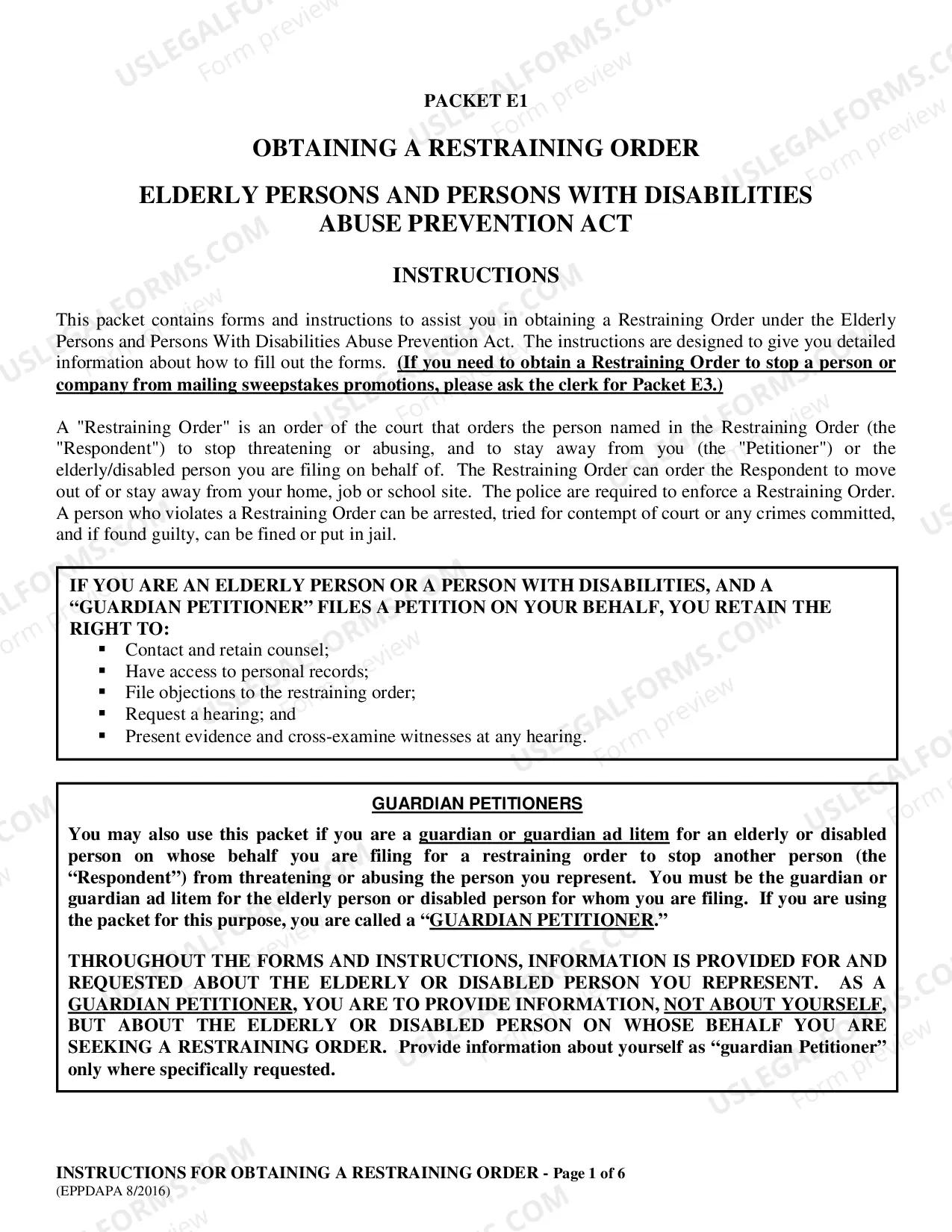
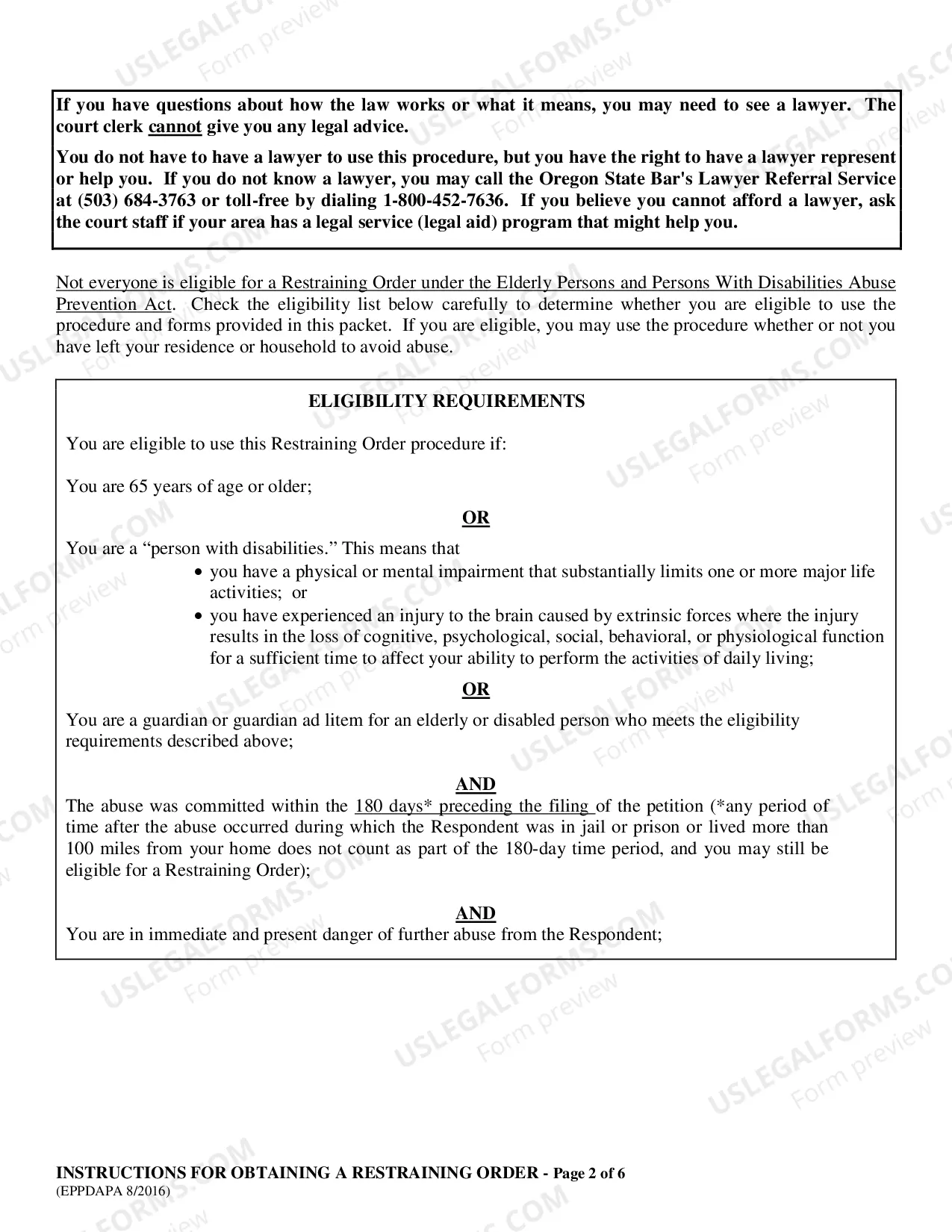
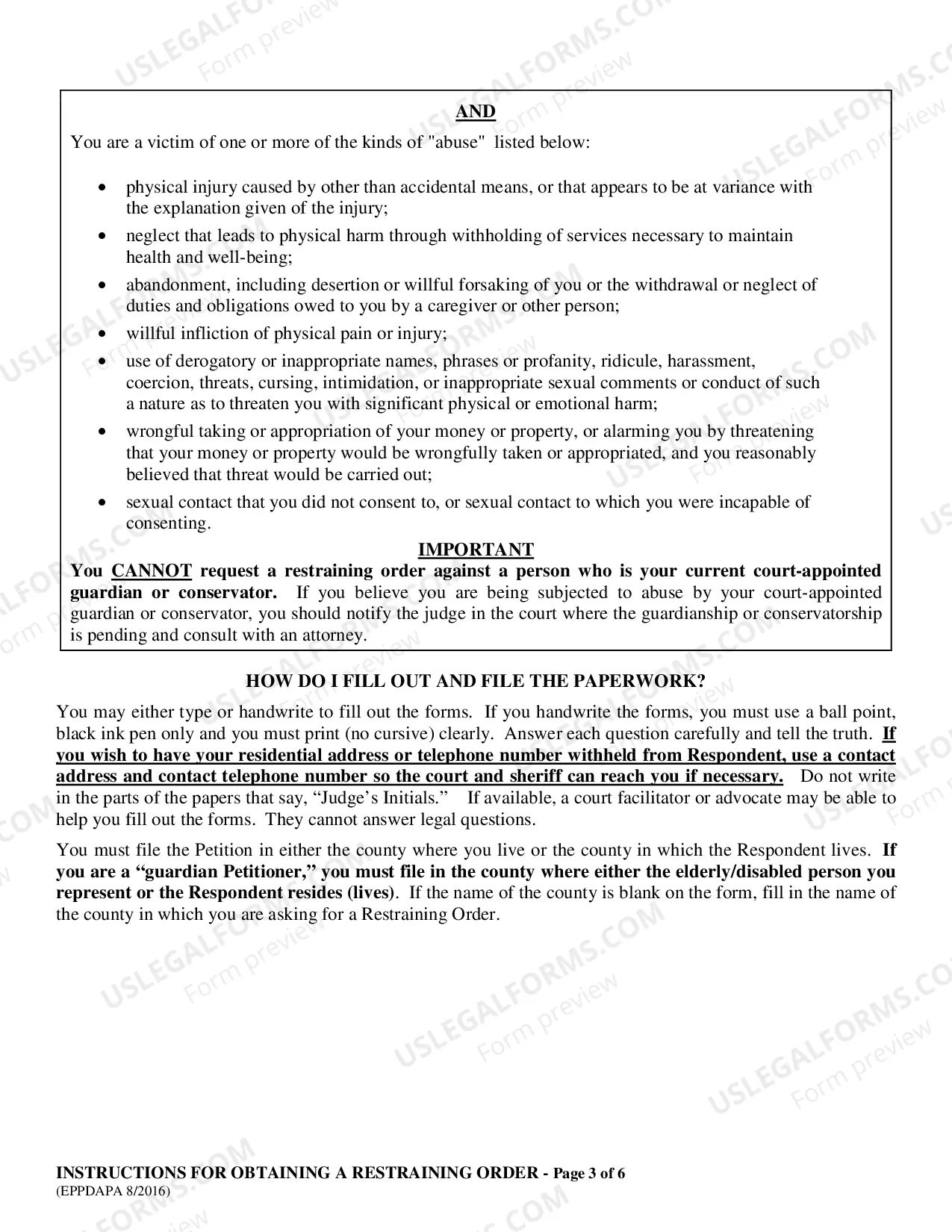
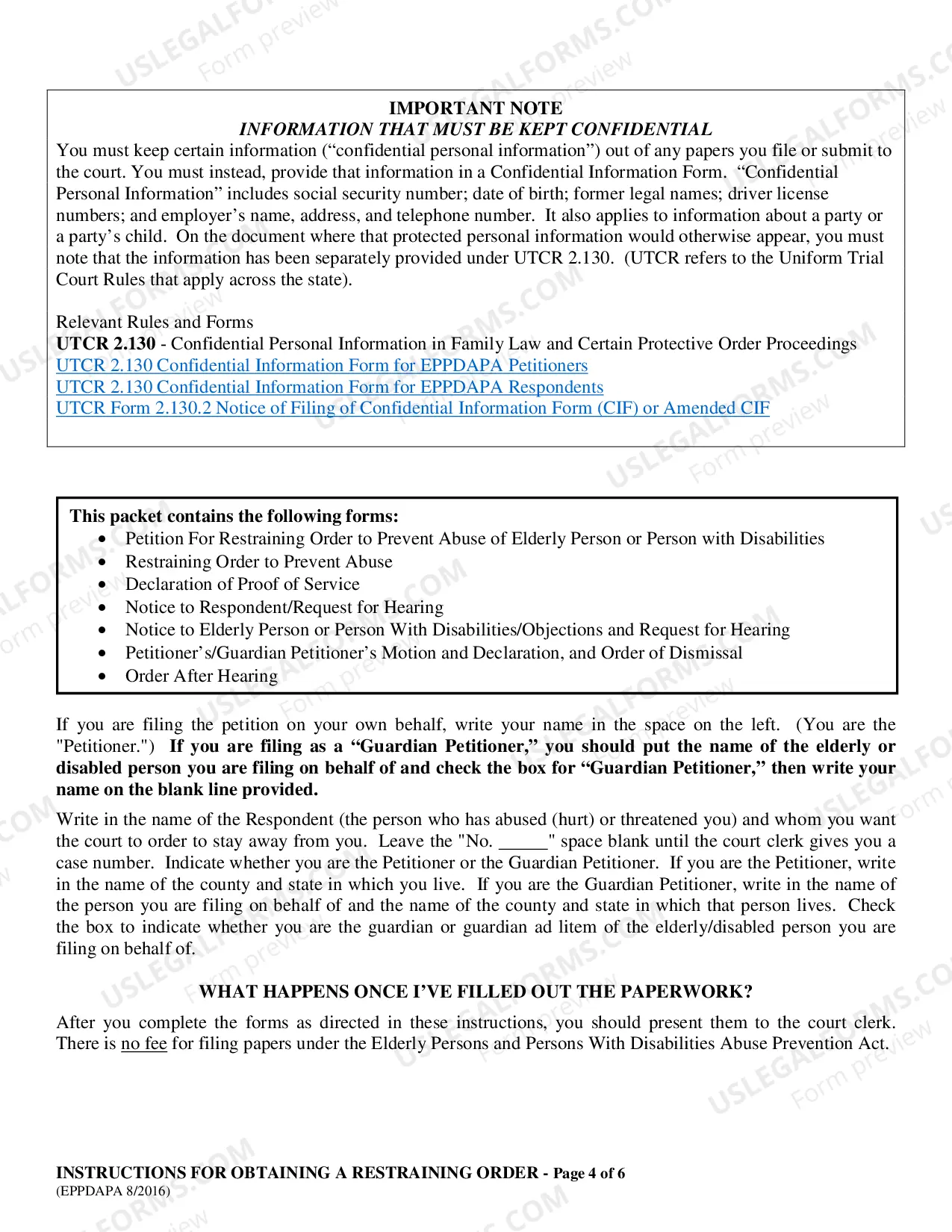
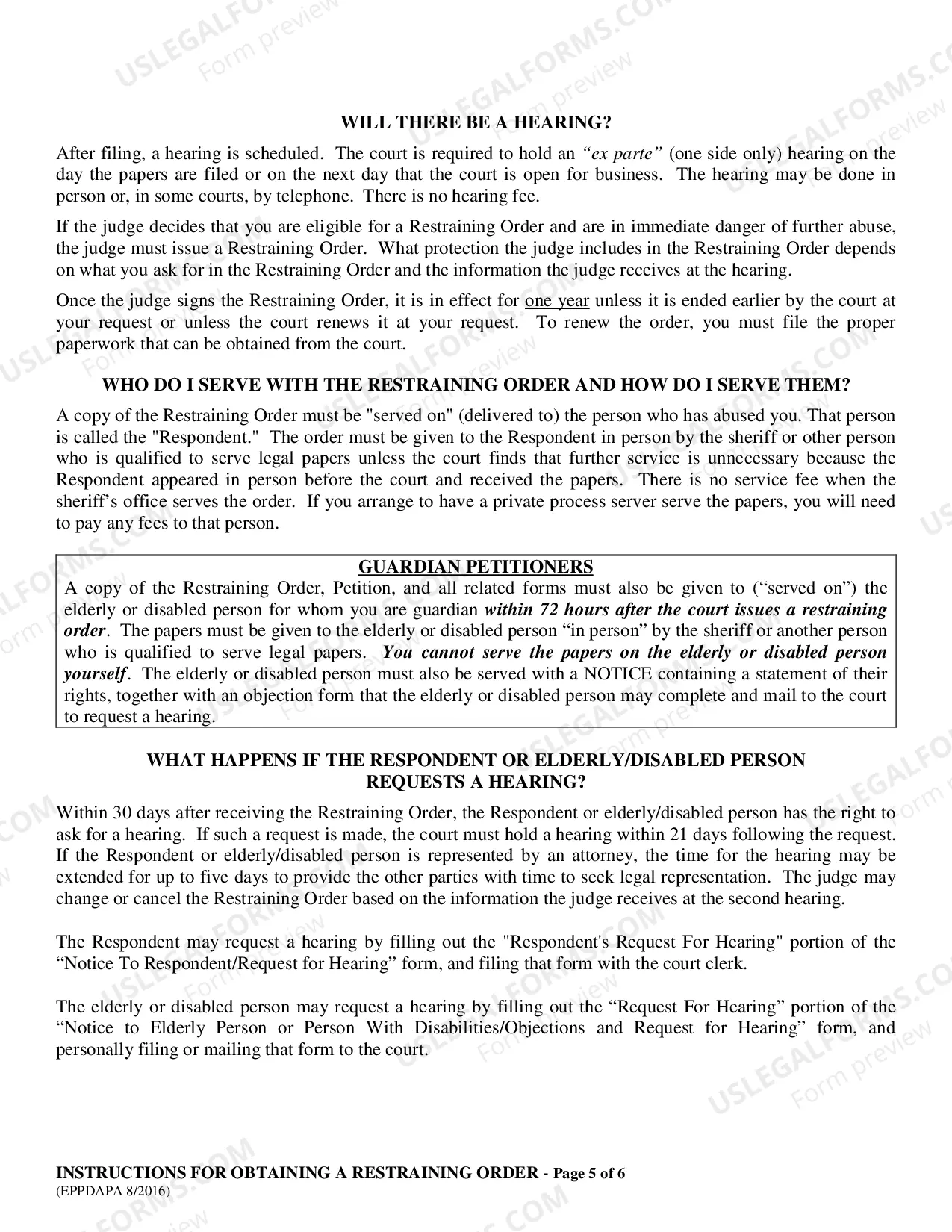

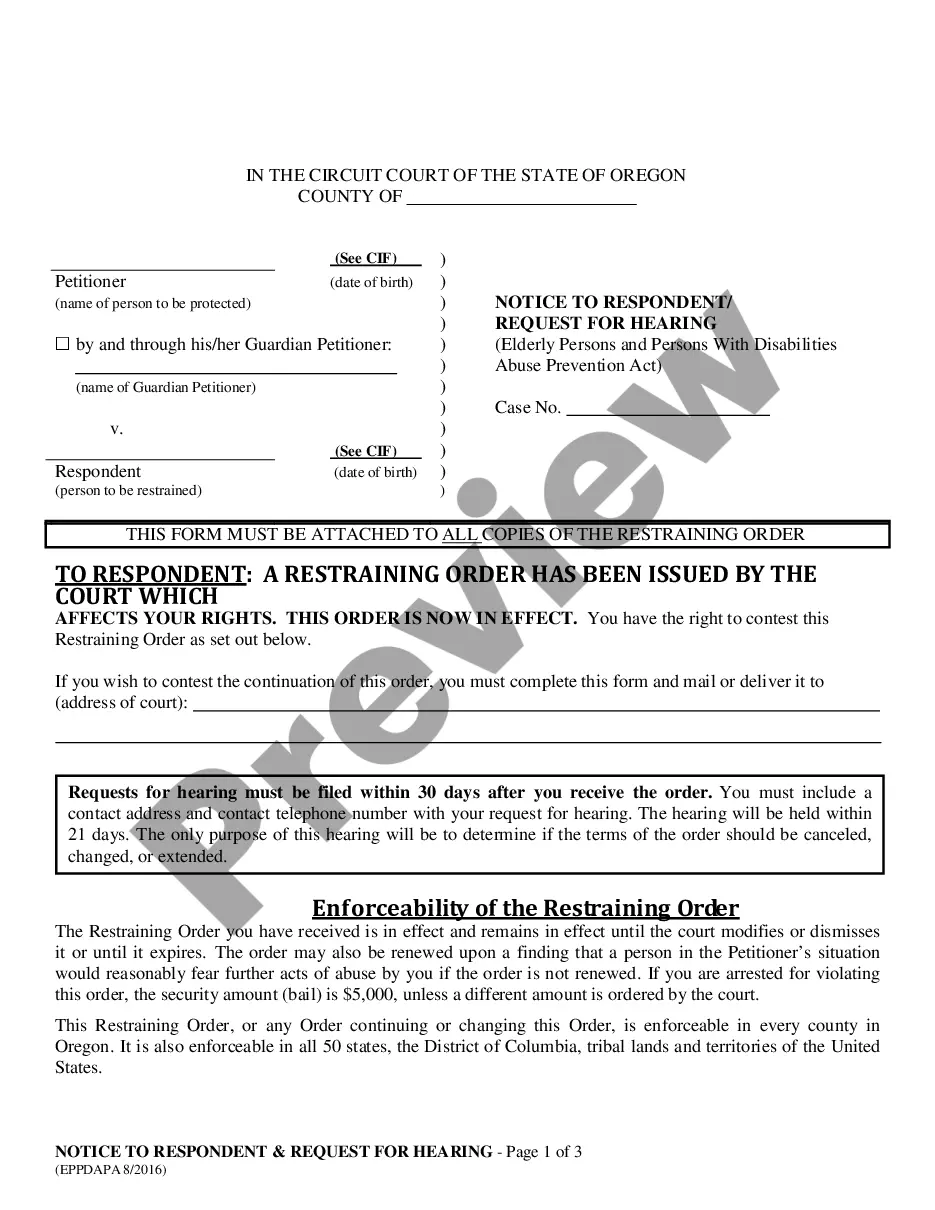
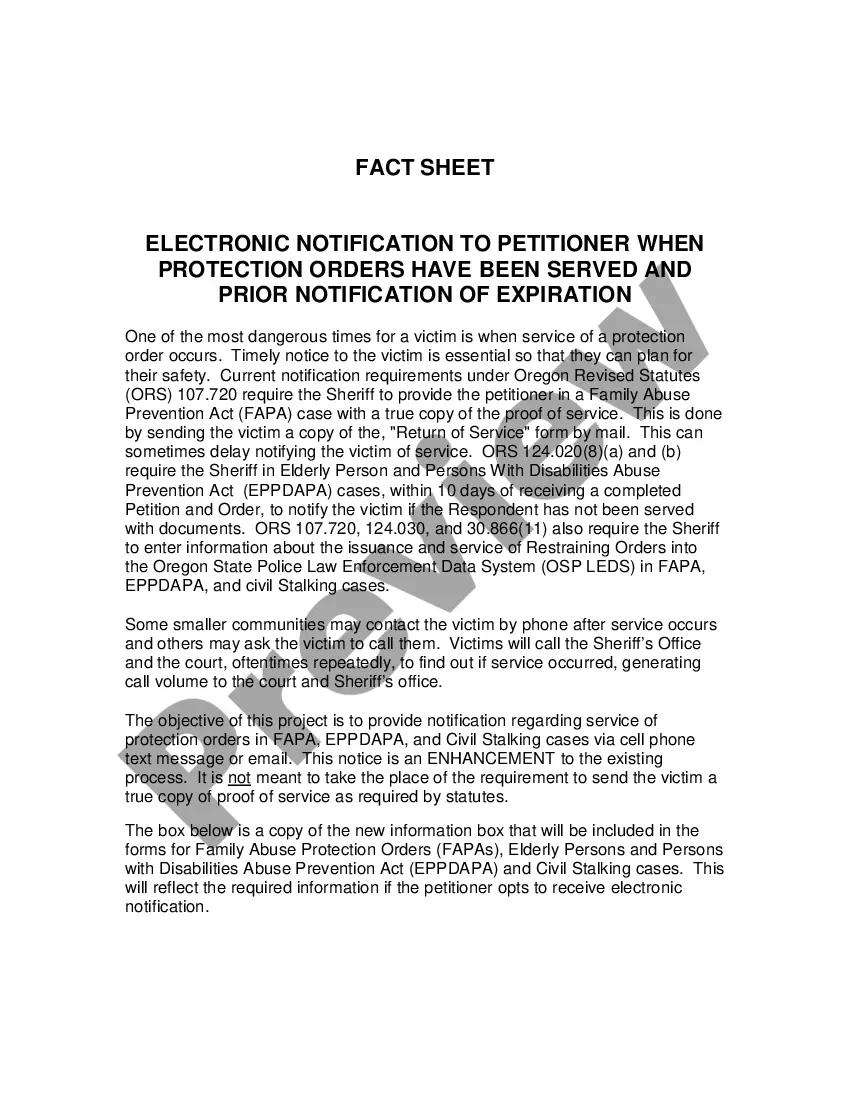
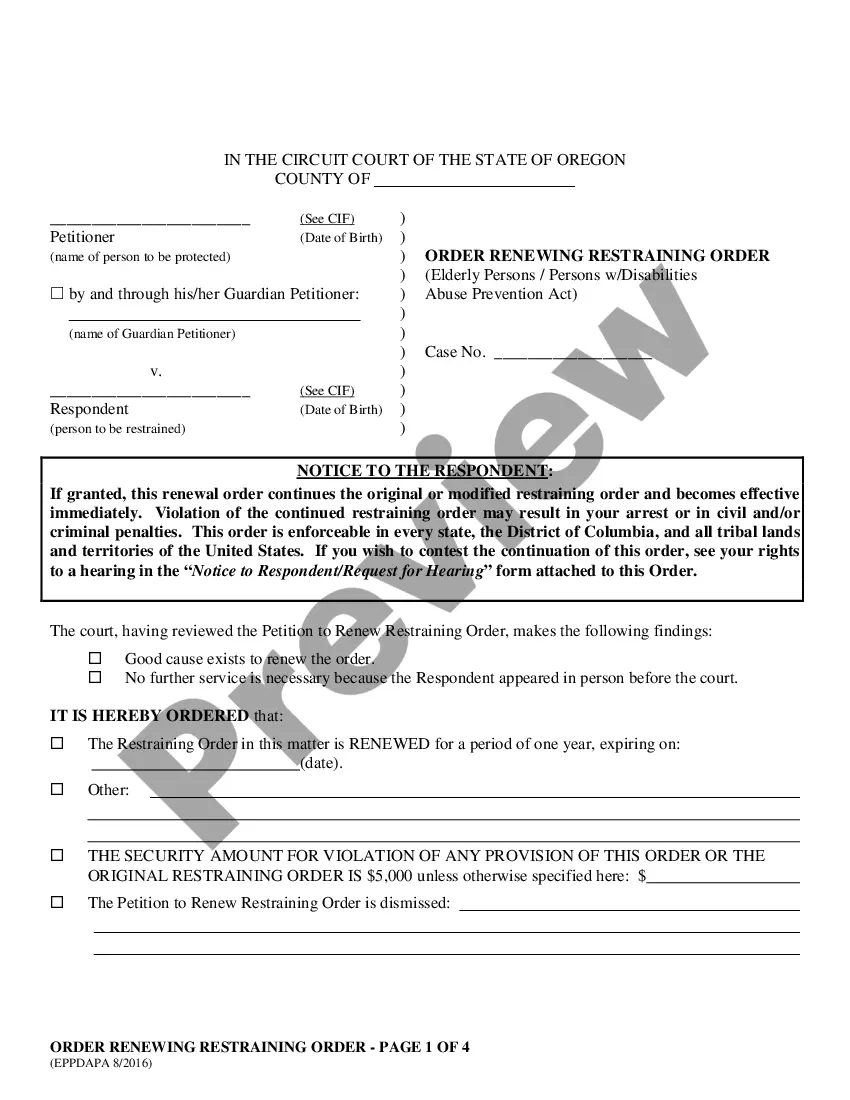
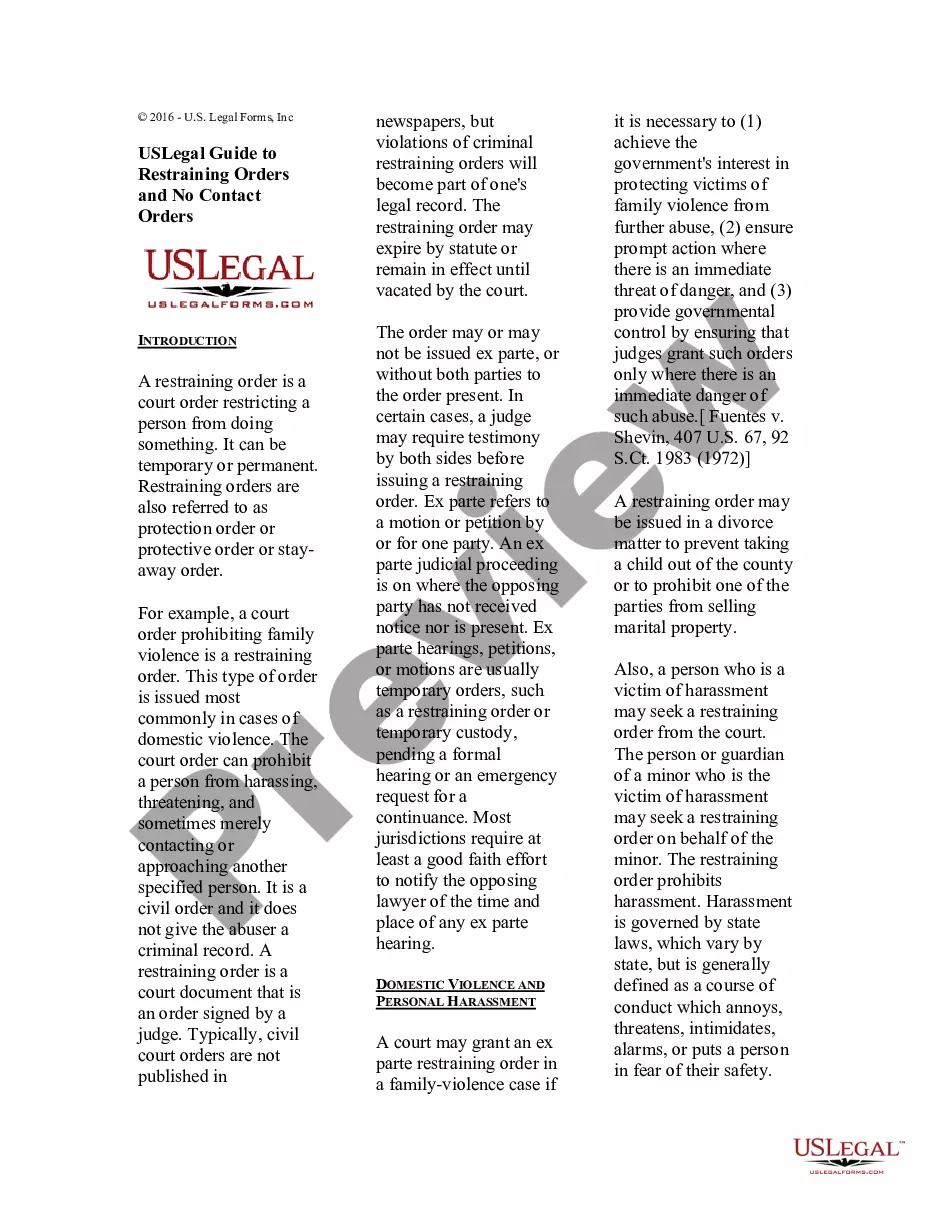
Get your form ready online
Our built-in tools help you complete, sign, share, and store your documents in one place.
Make edits, fill in missing information, and update formatting in US Legal Forms—just like you would in MS Word.
Download a copy, print it, send it by email, or mail it via USPS—whatever works best for your next step.
Sign and collect signatures with our SignNow integration. Send to multiple recipients, set reminders, and more. Go Premium to unlock E-Sign.
If this form requires notarization, complete it online through a secure video call—no need to meet a notary in person or wait for an appointment.
We protect your documents and personal data by following strict security and privacy standards.

Make edits, fill in missing information, and update formatting in US Legal Forms—just like you would in MS Word.

Download a copy, print it, send it by email, or mail it via USPS—whatever works best for your next step.

Sign and collect signatures with our SignNow integration. Send to multiple recipients, set reminders, and more. Go Premium to unlock E-Sign.

If this form requires notarization, complete it online through a secure video call—no need to meet a notary in person or wait for an appointment.

We protect your documents and personal data by following strict security and privacy standards.
Looking for another form?
How to fill out Oregon Elder Abuse Prevention Act - EAPA Instructions For Obtaining A Restraining Order?
When it comes to completing Oregon Elder Abuse Prevention Act - EAPA Instructions for Obtaining a Restraining Order, you probably think about a long process that consists of finding a perfect form among numerous very similar ones then needing to pay a lawyer to fill it out to suit your needs. Generally, that’s a slow-moving and expensive choice. Use US Legal Forms and choose the state-specific form in just clicks.
In case you have a subscription, just log in and click Download to get the Oregon Elder Abuse Prevention Act - EAPA Instructions for Obtaining a Restraining Order sample.
In the event you don’t have an account yet but need one, keep to the step-by-step guideline listed below:
- Make sure the document you’re downloading is valid in your state (or the state it’s needed in).
- Do this by reading the form’s description and by clicking on the Preview option (if accessible) to see the form’s information.
- Click on Buy Now button.
- Choose the proper plan for your financial budget.
- Sign up to an account and select how you would like to pay out: by PayPal or by card.
- Download the file in .pdf or .docx format.
- Get the document on your device or in your My Forms folder.
Skilled lawyers draw up our samples to ensure that after downloading, you don't have to bother about enhancing content material outside of your individual info or your business’s info. Be a part of US Legal Forms and get your Oregon Elder Abuse Prevention Act - EAPA Instructions for Obtaining a Restraining Order example now.
Form popularity
FAQ
The laws on restraining orders and no-contact agreements vary by state, but the main idea is that no-contact agreements exist to punish someone who has already caused harm and to prevent further harm, whereas restraining orders exist to prevent someone from causing harm in the first place.
You are at least 18 years old. If you are younger, then you may seek a restraining order (1) if you are or you were married to the abuser, and/or (2) you have been in a sexual relationship with the abuser, and (3) the person who abused you is at least 18 years old.
A civil harassment restraining order is a court order that helps protect people from violence, stalking, serious harassment, or threats of violence. You can ask for a civil harassment restraining order if: A person has abused (or threatened to abuse), sexually assaulted, stalked, or seriously harassed you, and.
A restraining order is a court order to protect your physical safety. It can tell the other person (the respondent) to move. The order can also specify locations where the respondent cannot go. The Petition includes other things that you can ask for if you think they will help you stay safe.
While a restraining order might seem helpful in preventing you from harm, it can make things much worse. The whole idea of a restraining order relies on the fact that the person restrained will be afraid to violate the terms. However, they typically aren't.
A restraining order lasts for 1 year from the date the judge signed it, unless it is dismissed or cancelled by the court. Orders can be renewed for 1 year at a time, if the judge believes you are likely still in danger. To renew the order, you must file paperwork before the order ends.
Stay Away Provision: Ordering the abuser to stay at least a certain number of yards or feet away from the victim, his or her home, job, school, and car. The stay-away distance can vary by state, judge or the lethality of the situation, but is often at least 100 yards or 300 feet.
It should be noted that upon conviction for domestic violence the court can make a no-contact order a condition of probation. This means that the defendant will continue to be precluded from having contact with the victim as long as they are on probation, usually up to one year.
Each restraining order has its own terms as to how far away a defendant must stay from the complaintant. Typically it is 50 or 100 feet. If you become aware that your ex is within that protection zone, it is up to you to remove...
Restraining orders, also sometimes called protective orders, can be obtained in any state, but they can still be enforced when you or the protected person are in another state.Although valid restraining orders can be enforced in any state, they can only be modified in the state that issued it.