Oregon Affidavit for use in Trial by Affidavit
What is this form?
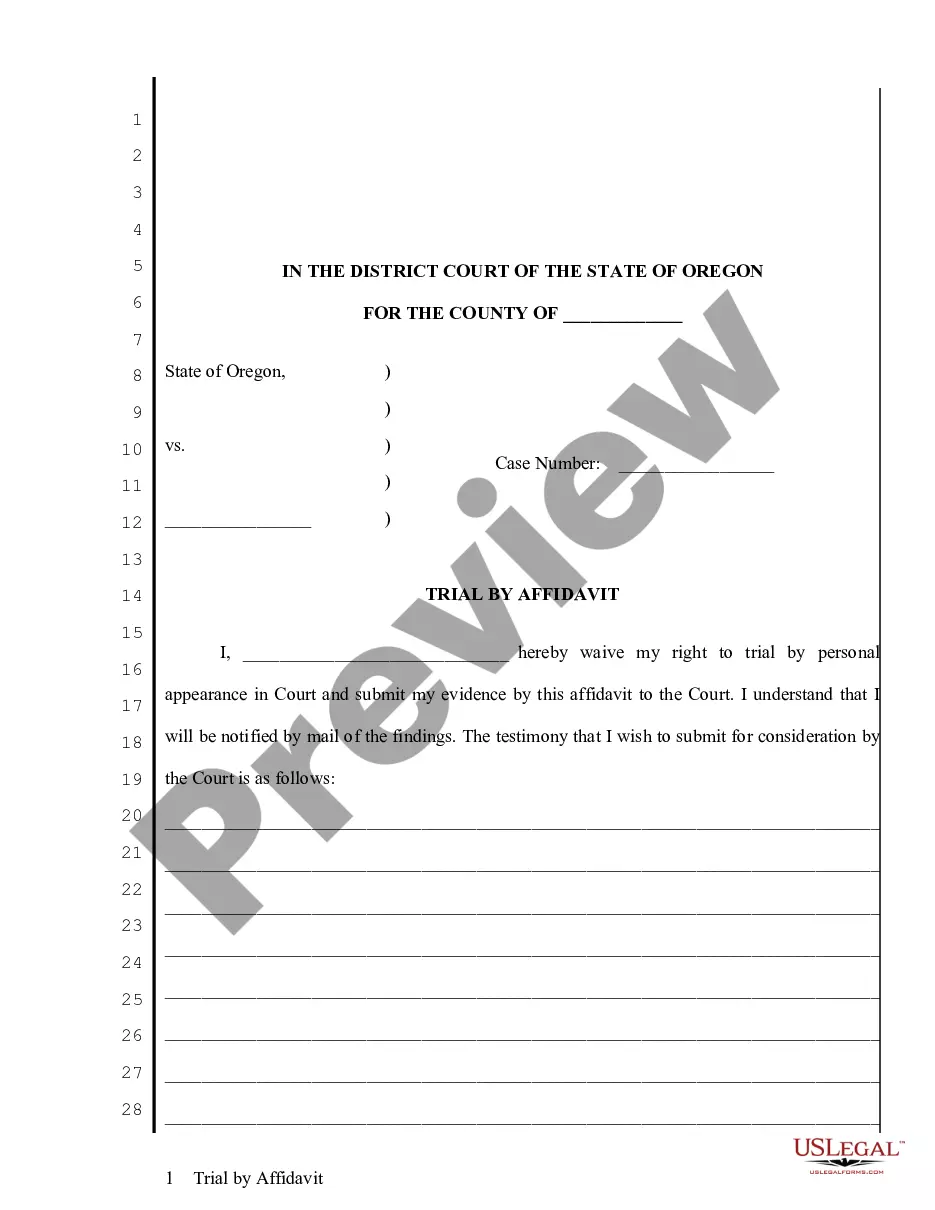
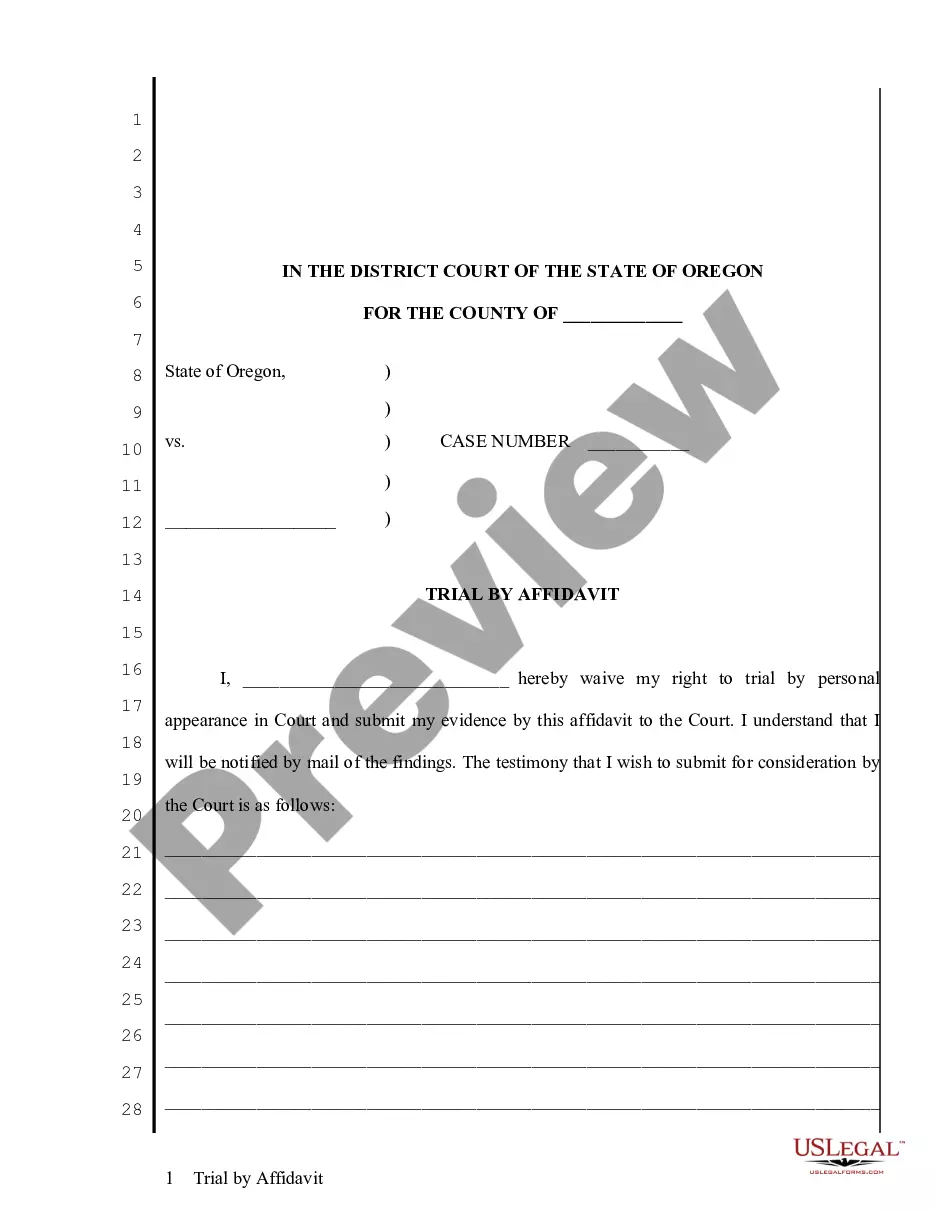
The affidavit for use in trial by affidavit is a legal document that allows a party to submit factual testimony to the court without needing to appear in person. This form is particularly useful for individuals who may not be able to attend court due to various reasons, enabling them to present their evidence effectively. Unlike a traditional court appearance, this affidavit serves as a written statement of facts that the judge will consider when making a ruling in the case.
Form components explained
- Case Information: Includes the names of the parties involved and the case number.
- Waiver Statement: An acknowledgment by the submitting party to waive their right to a personal court appearance.
- Testimony Section: Space for the individual to provide detailed evidence and explanations relevant to the case.
- Signature Line: Requires the signature of the person submitting the affidavit.
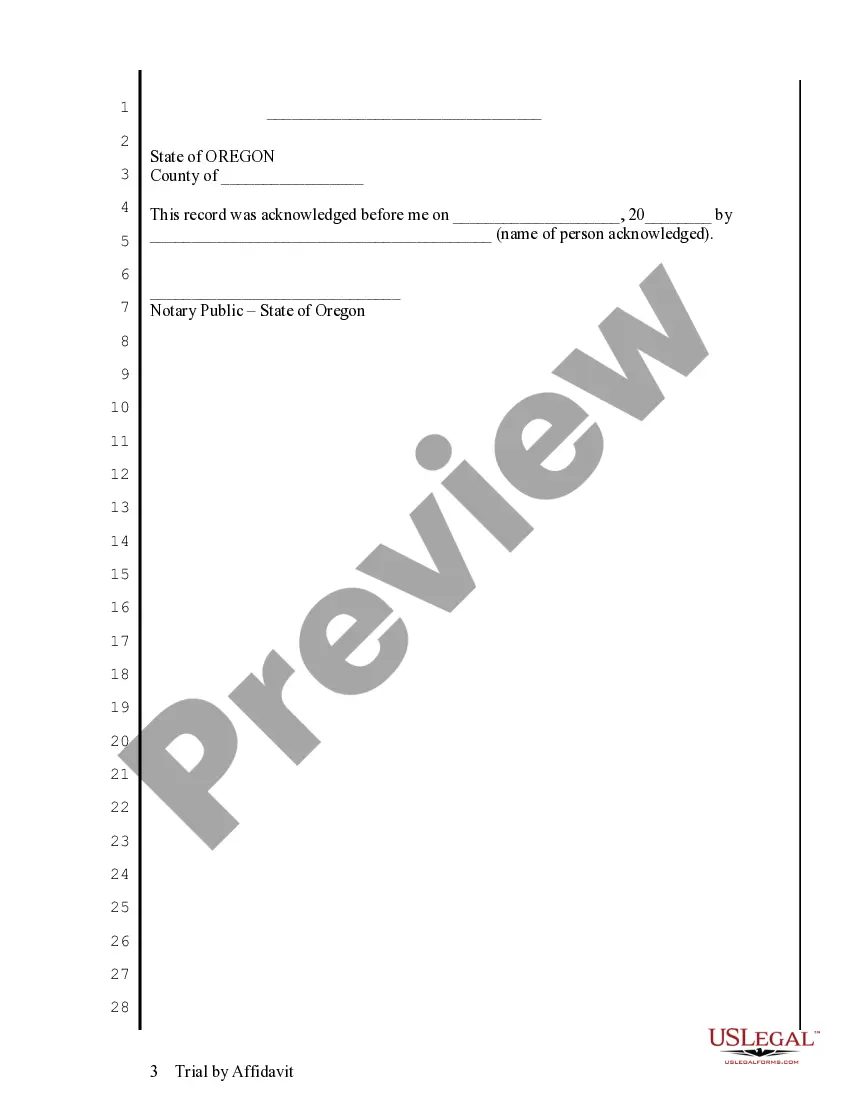
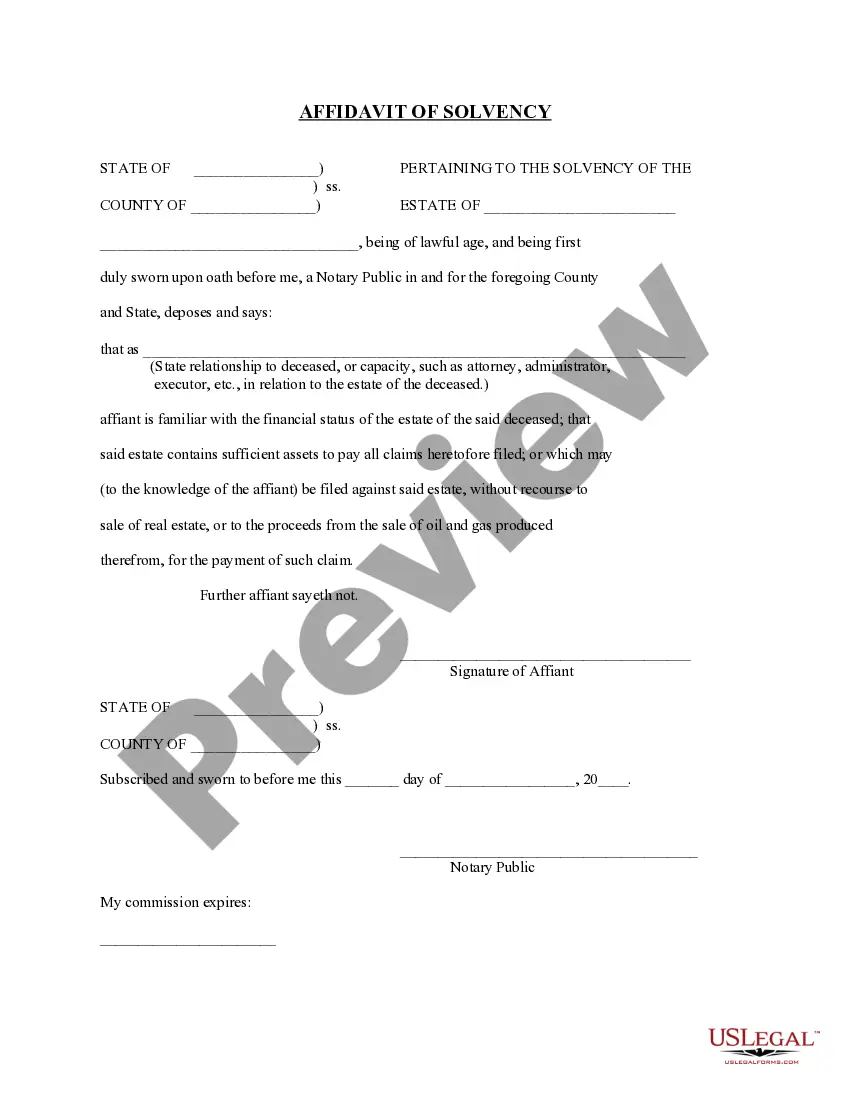
- Notary Section: To be completed by a notary public, if required for verification.


Common use cases
This form should be used when a party involved in a legal dispute wishes to present evidence to the court without attending a hearing. It is particularly applicable in situations where appearing in person is impractical, such as being out of state, having health issues, or other valid reasons. By submitting this affidavit, the individual ensures their testimony is formally recognized during the trial process.
Who this form is for
- Individuals involved in a legal case in Oregon who are unable to attend court.
- Parties who want to submit their account of facts legally and formally.
- Anyone seeking to streamline the trial process by using written testimony instead of a physical presence.
Steps to complete this form
- Fill in the case information at the top, including the names of the parties and the case number.
- Sign the waiver statement to acknowledge your choice to submit testimony without attending court.
- Provide detailed testimony in the designated section, clearly outlining the facts relevant to your case.
- Sign and date the form where indicated to confirm your submission.
- If required, have the affidavit notarized to verify your identity and signature.
Is notarization required?
This form needs to be notarized to ensure legal validity. US Legal Forms provides secure online notarization powered by Notarize, allowing you to complete the process through a verified video call, available anytime.
Get your form ready online
Our built-in tools help you complete, sign, share, and store your documents in one place.
Make edits, fill in missing information, and update formatting in US Legal Forms—just like you would in MS Word.
Download a copy, print it, send it by email, or mail it via USPS—whatever works best for your next step.
Sign and collect signatures with our SignNow integration. Send to multiple recipients, set reminders, and more. Go Premium to unlock E-Sign.
If this form requires notarization, complete it online through a secure video call—no need to meet a notary in person or wait for an appointment.
We protect your documents and personal data by following strict security and privacy standards.

Make edits, fill in missing information, and update formatting in US Legal Forms—just like you would in MS Word.

Download a copy, print it, send it by email, or mail it via USPS—whatever works best for your next step.

Sign and collect signatures with our SignNow integration. Send to multiple recipients, set reminders, and more. Go Premium to unlock E-Sign.

If this form requires notarization, complete it online through a secure video call—no need to meet a notary in person or wait for an appointment.

We protect your documents and personal data by following strict security and privacy standards.
Typical mistakes to avoid
- Failing to provide sufficient details in the testimony section, which can lead to misunderstandings.
- Not signing the affidavit, making it invalid.
- Neglecting to comply with notary requirements, if applicable.
Benefits of using this form online
- Convenient access to a reliable legal template that can be completed and downloaded quickly.
- Easy to edit and customize to reflect your specific case details accurately.
- Reduces the need for in-person visits, saving time and effort for individuals with scheduling conflicts.
Looking for another form?
Form popularity
FAQ
An affidavit is a written statement of relevant factual material that a party intends to rely on as evidence in court.In most Family Law Court proceedings all evidence (evidence in chief and other evidence in support of the orders sought) is given on affidavit unless the court directs otherwise.
Step 2: Write the purpose of the Affidavit or the Heading. Step 3: Write the name of the parties in case of an affidavit being filled in Court or Write the name of the Deponent in case of other affidavits. Step 4: Write the complete address of the deponent.
An affidavit, by itself, is inadmissible. One cannot cross examine a piece of paper. It is hearsay without the person who signed it present in court and ready to testify about it as well as authenticate it if necessary. So, an affidavit by itself does not stand up in a court of law.
After your affidavit has been filed, the court clerk will give your case file to the judge for review.The judgment will state that it is a default judgment and it will be signed and dated by the judge. The court clerk will mail copies of the judgment to you and the defendant.
Affidavits can be written in your own handwriting or typed. 2."Notarized" means that you have sworn under oath that the facts in the affidavit are true, the document has been signed in front of a notary public, and a notary public has signed and put a seal on the affidavit.
An affidavit is used for the purpose of proving in court that a claim is true, and is typically used in conjunction with witness statements and other corroborating evidence. Through an affidavit, an individual swears that the information contained within is true to the best of their knowledge.
Step 1: Name Your Document. Step 2: Identify the Deponent / Affiant. Step 3: Write a Statement of Truth. Step 4: State the Facts. Step 5: Sample Notary Public Statements for an Affidavit.
An Affidavit Usually Isn't Admissible at Trial By itself, an affidavit isn't admissible at trial.The court will agree that the affidavit is inadmissible hearsay, and the court will prevent you from presenting the affidavit to the jury.
Title the affidavit. First, you'll need to title your affidavit. Craft a statement of identity. Write a statement of truth. State the facts. Reiterate your statement of truth. Sign and notarize.