Oregon Apartment Rules and Regulations
Understanding this form
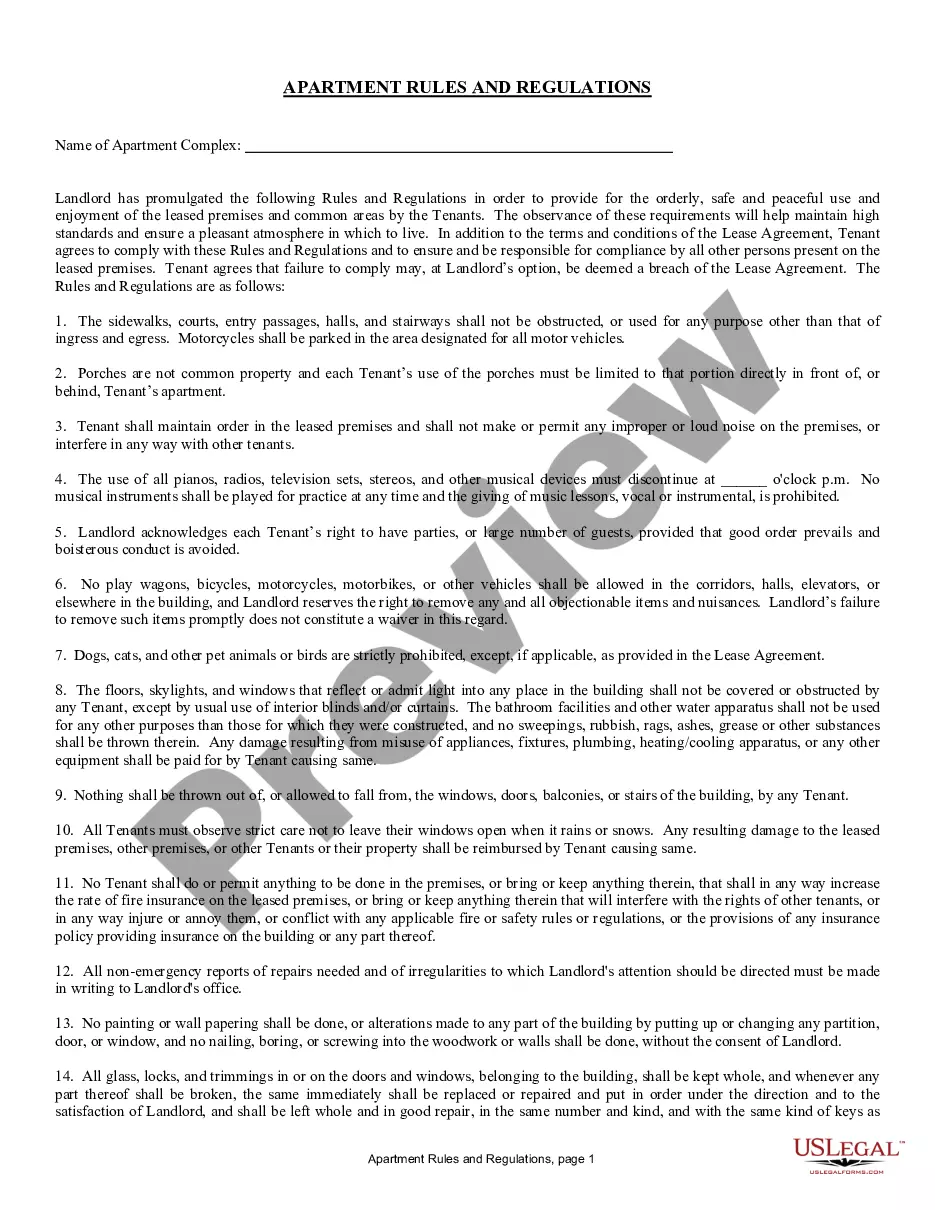
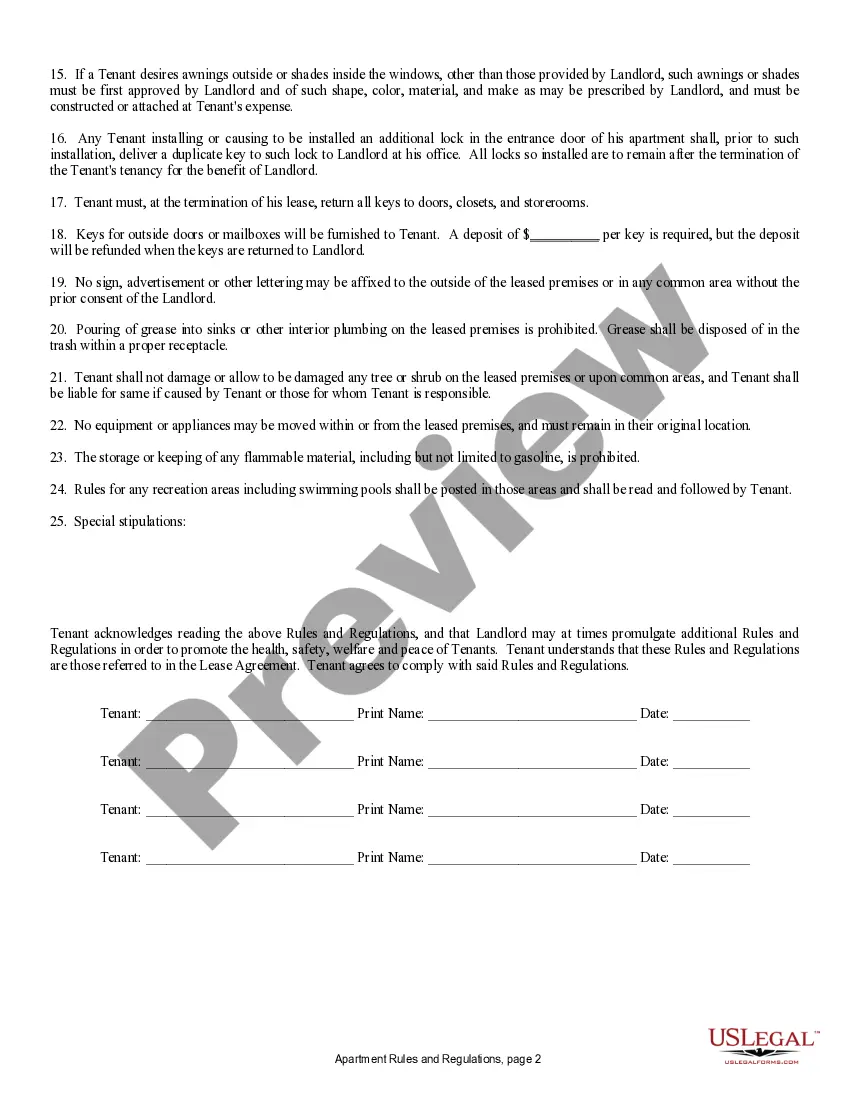
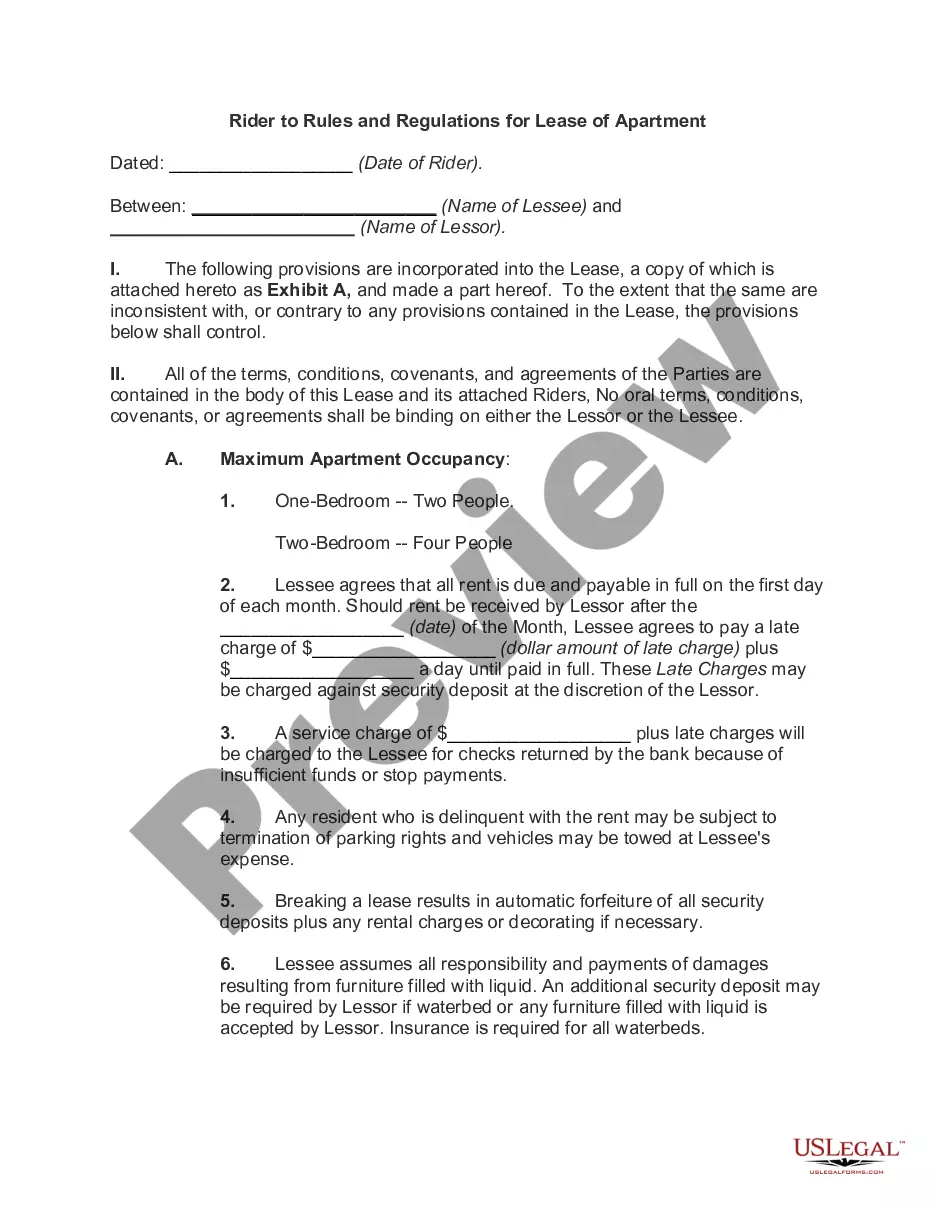
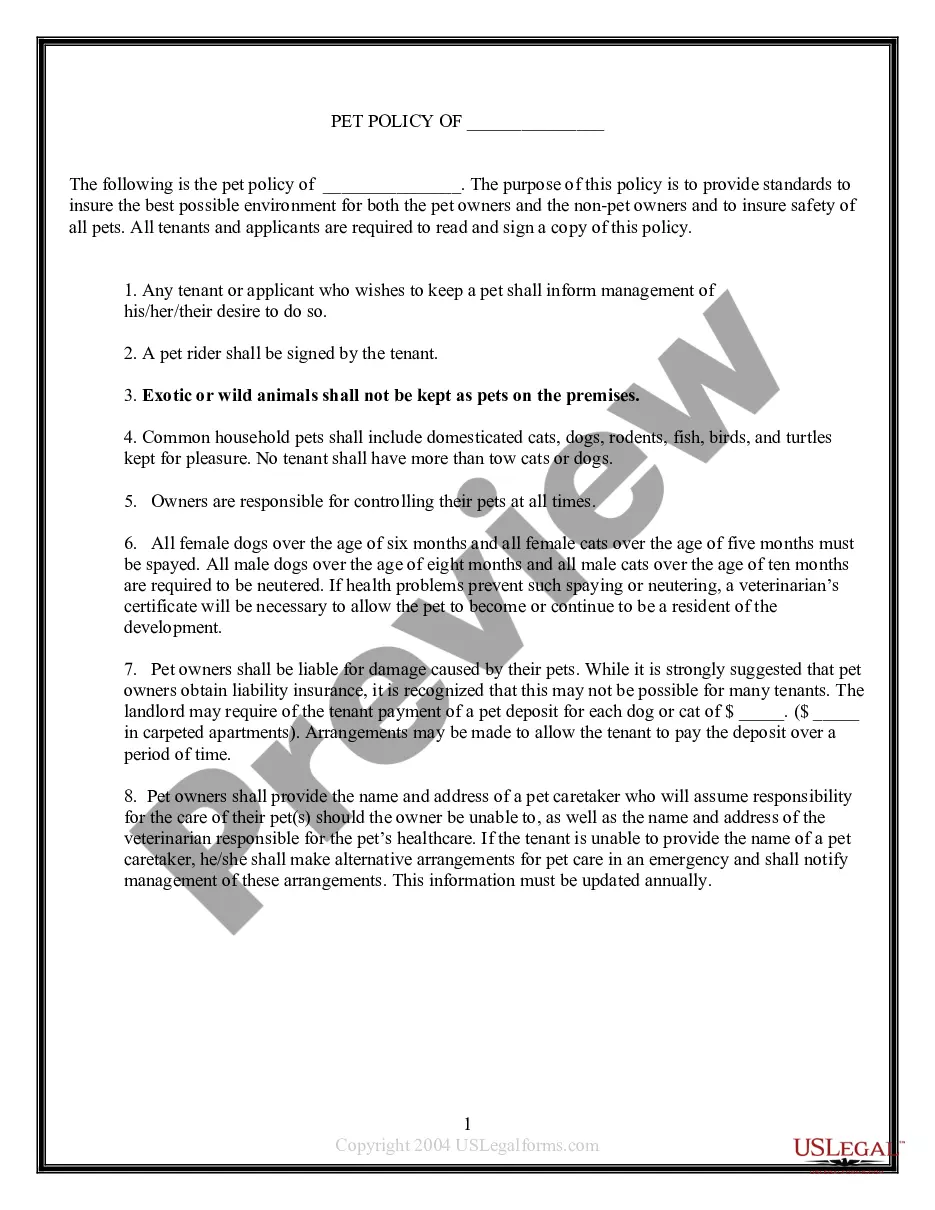
The Apartment Rules and Regulations form outlines the essential guidelines tenants must adhere to while living in an apartment complex. It serves as a supplement to the Apartment Lease Agreement and helps ensure a harmonious living environment by detailing the responsibilities and expectations of tenants. Unlike the lease agreement, which focuses on the rental terms, this form specifies everyday conduct in shared spaces, noise levels, and pet policies, among other points.
Key parts of this document
- Name of the apartment complex and landlord.
- General requirements for noise control and tenant behavior.
- Rules regarding the maintenance of common areas and property.
- Guidelines on pet ownership and guest management.
- Procedures for reporting repairs and modifications to the unit.
- Responsibilities for the upkeep of locks, keys, and appliances.
When to use this document
This form should be used when a landlord or property manager needs to establish clear expectations for tenant behavior and responsibilities within an apartment complex. It is useful when starting a new lease, when current tenants require reminders about property rules, or when updating rules to adapt to changing tenant dynamics or community needs.
Who this form is for
- Landlords and property managers setting rules for their tenants.
- Tenants moving into a new apartment who need to understand their responsibilities.
- Residential property owners wishing to maintain a peaceful living environment.
How to complete this form
- Fill in the name of the apartment complex and landlord at the top of the form.
- Review the outlined rules and ensure they include relevant expectations for tenants.
- Specify any additional clauses or conditions that may be applicable.
- Have all tenants print and sign their names along with the date to acknowledge their agreement to the rules.
- Keep a copy of the signed document for your records and provide a copy to each tenant.
Is notarization required?
This form usually doesn’t need to be notarized. However, local laws or specific transactions may require it. Our online notarization service, powered by Notarize, lets you complete it remotely through a secure video session, available 24/7.
Get your form ready online
Our built-in tools help you complete, sign, share, and store your documents in one place.
Make edits, fill in missing information, and update formatting in US Legal Forms—just like you would in MS Word.
Download a copy, print it, send it by email, or mail it via USPS—whatever works best for your next step.
Sign and collect signatures with our SignNow integration. Send to multiple recipients, set reminders, and more. Go Premium to unlock E-Sign.
If this form requires notarization, complete it online through a secure video call—no need to meet a notary in person or wait for an appointment.
We protect your documents and personal data by following strict security and privacy standards.

Make edits, fill in missing information, and update formatting in US Legal Forms—just like you would in MS Word.

Download a copy, print it, send it by email, or mail it via USPS—whatever works best for your next step.

Sign and collect signatures with our SignNow integration. Send to multiple recipients, set reminders, and more. Go Premium to unlock E-Sign.

If this form requires notarization, complete it online through a secure video call—no need to meet a notary in person or wait for an appointment.

We protect your documents and personal data by following strict security and privacy standards.
Common mistakes
- Failing to have tenants sign the document to acknowledge their understanding of the rules.
- Not including important details about noise restrictions and guest policies.
- Neglecting to update the form when rules change or when new tenants move in.
Why use this form online
- Convenience of downloading and customizing the document as needed.
- Ability to easily edit and adapt rules to meet specific community needs.
- Reliable access to professionally drafted guidelines that protect both parties.
Legal use & context
- This form is legally binding once signed by the tenant, ensuring accountability.
- The rules outlined must comply with applicable landlord-tenant laws.
- Tenants who violate the regulations may face penalties or breach of lease consequences.
What to keep in mind
- The Apartment Rules and Regulations form enhances tenant-landlord communication.
- Clear rules contribute to a peaceful living environment.
- Compliance with the rules protects both tenant rights and landlord interests.
Looking for another form?
Form popularity
FAQ
Check the cell phone reception. Check the water pressure and temperature. Make sure there are no pests Visit the apartment at night. Check the power outlets and electrical work. Take note of the parking lot at different times of the day. Speak to neighbors if possible. Test out the appliances.
For 2020, the maximum rent increase is 9.9%. Between tenants, there is no limit to how much the rent can go up (except if a short-term tenant was just evicted from the unit, a provision that discourages a revolving door of tenants for rent increases.)
Tenant's Name. Tenant's Address, Including Unit Number. Date of Move-In. Date of Move-Out (When Occurs). Date of Move-In Inspection. Date of Move-Out Inspection.
Oregon Rent RulesOregon has a statewide rent control law that limits the amount of rent increases, bars landlords from raising rent more than once in any 12-month period, and requires landlords to give tenants proper notice before raising rent.
A routine inspection involves a landlord, maintenance worker, or property manager coming to your apartment and walking through it. They usually look for, and take notes on, any damages to the unit, changes made to the interior, or alterations to the outside of the property.
Reach Out to Your Current Landlord. Contact Your New Landlord. Make Sure You Have Renters Insurance. Set Up Your Utilities. Change Your Address. Research Your New Neighborhood. Shop For New Furniture. Consider Storage.
Starting on January 1, 2021, a landlord can evict for unpaid rent that came due between October 1 and December 31. Under the new law, a landlord can give the tenant a notice saying how much rent the tenant owes and will have to pay back by March 31, 2021. October 1, 2020 to December 31, 2020.
Rent Control LimitationsOregon now has rent control that limits rent increases for existing tenants. Rent cannot be increased during any 12-month period above the existing rent in an amount greater than 7% plus the consumer price index from the previous calendar year.
Tenant's Name. Tenant's Address, Including Unit Number. Date of Move-In. Date of Move-Out (When Occurs). Date of Move-In Inspection. Date of Move-Out Inspection. Tenant Signature. Landlord Signature.