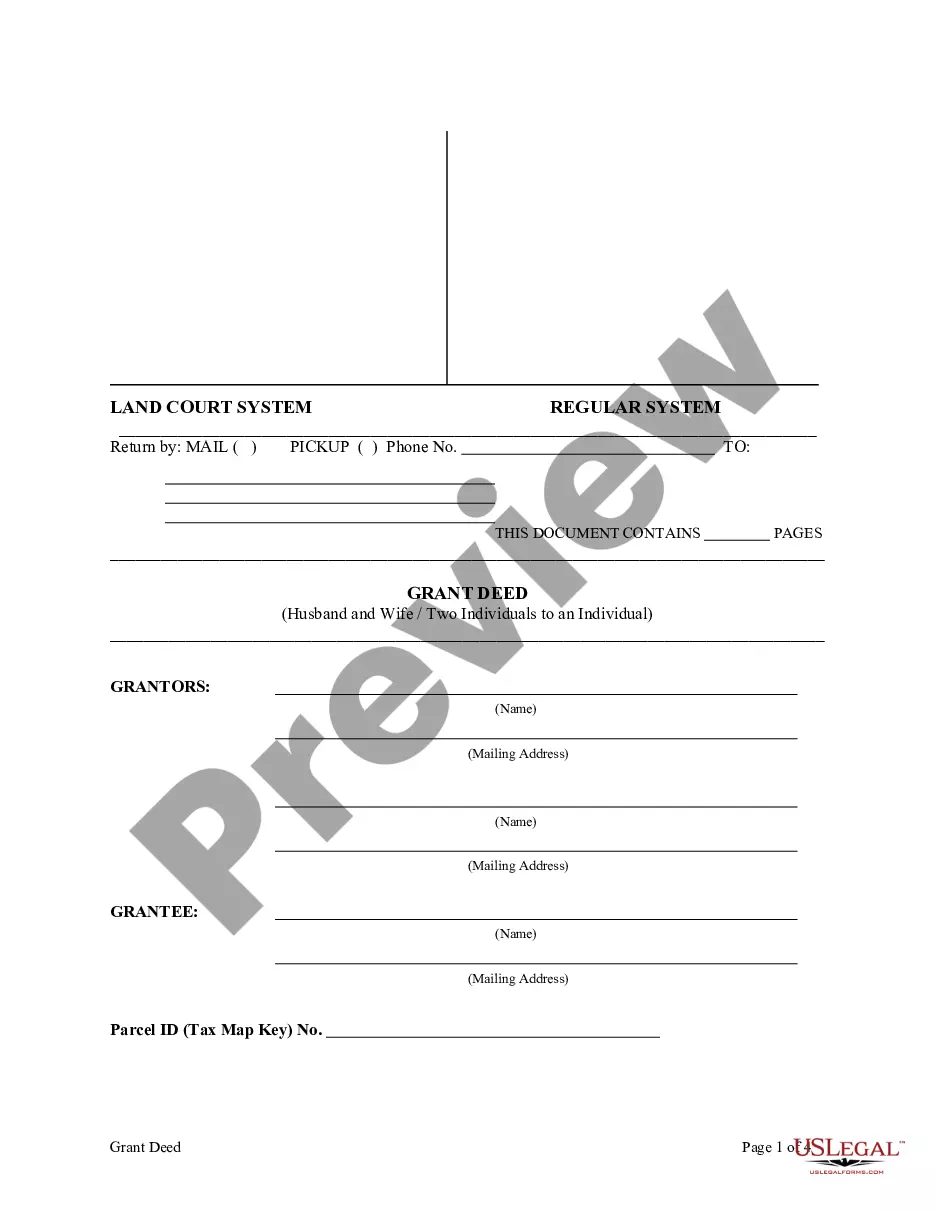
Oregon Landlord Agreement to allow Tenant Alterations to Premises
Understanding this form
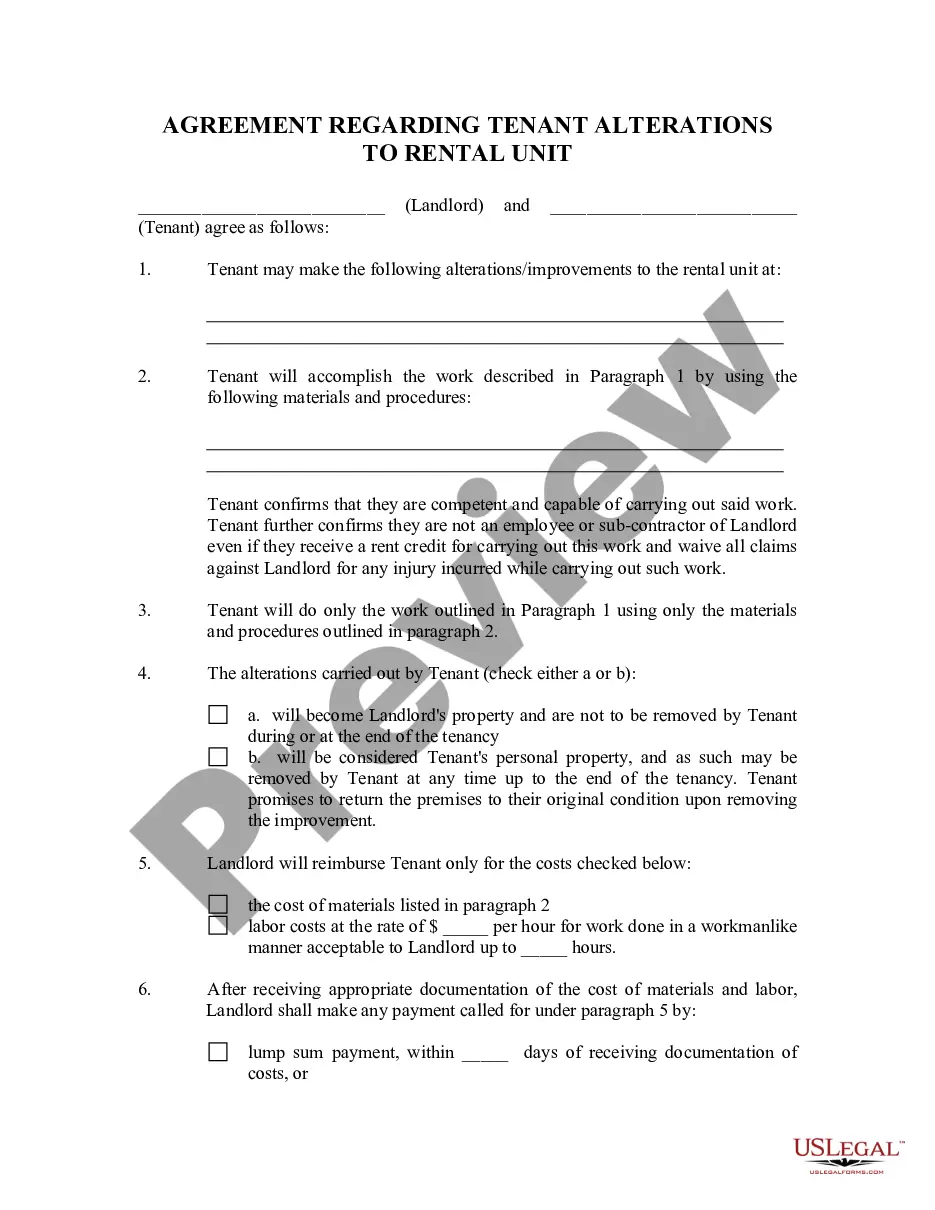
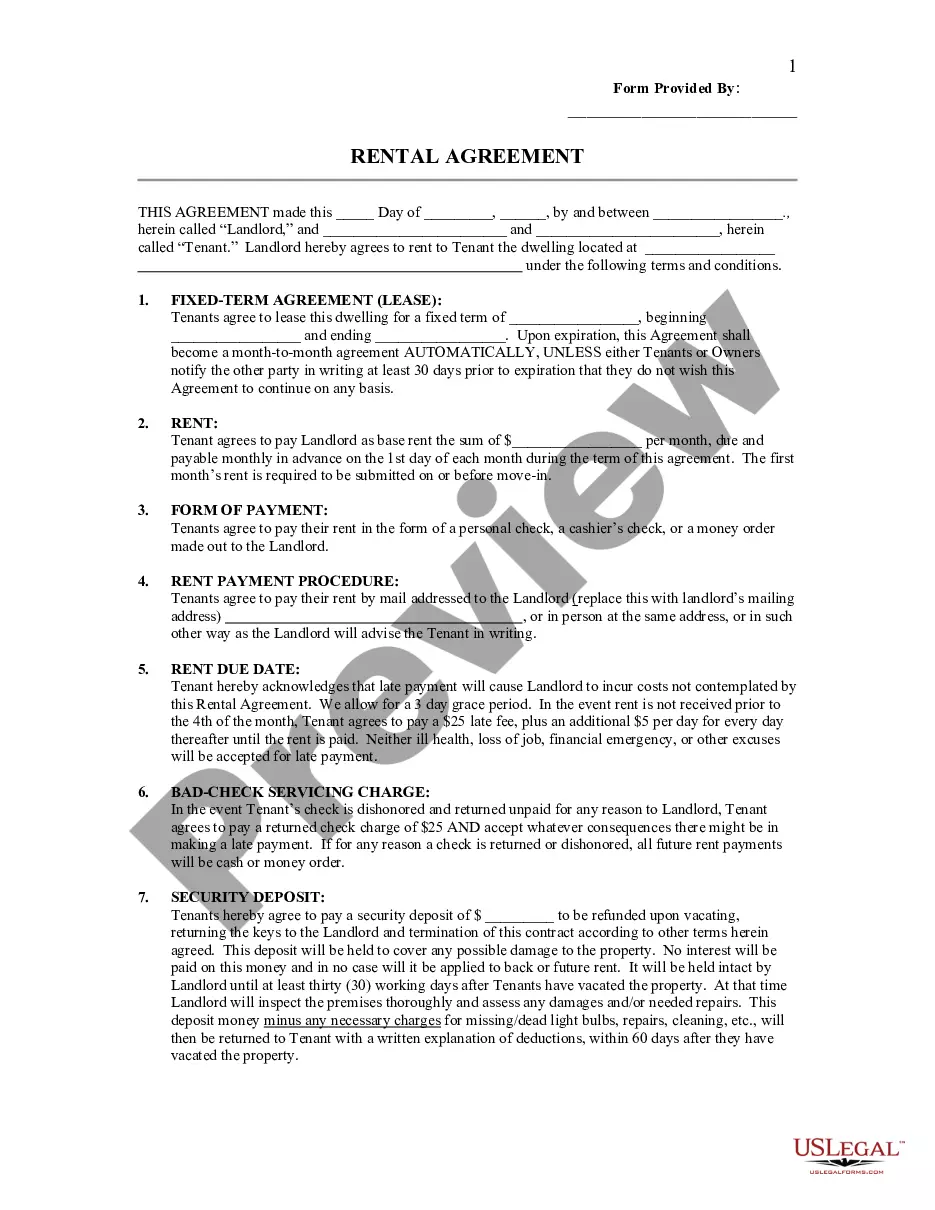
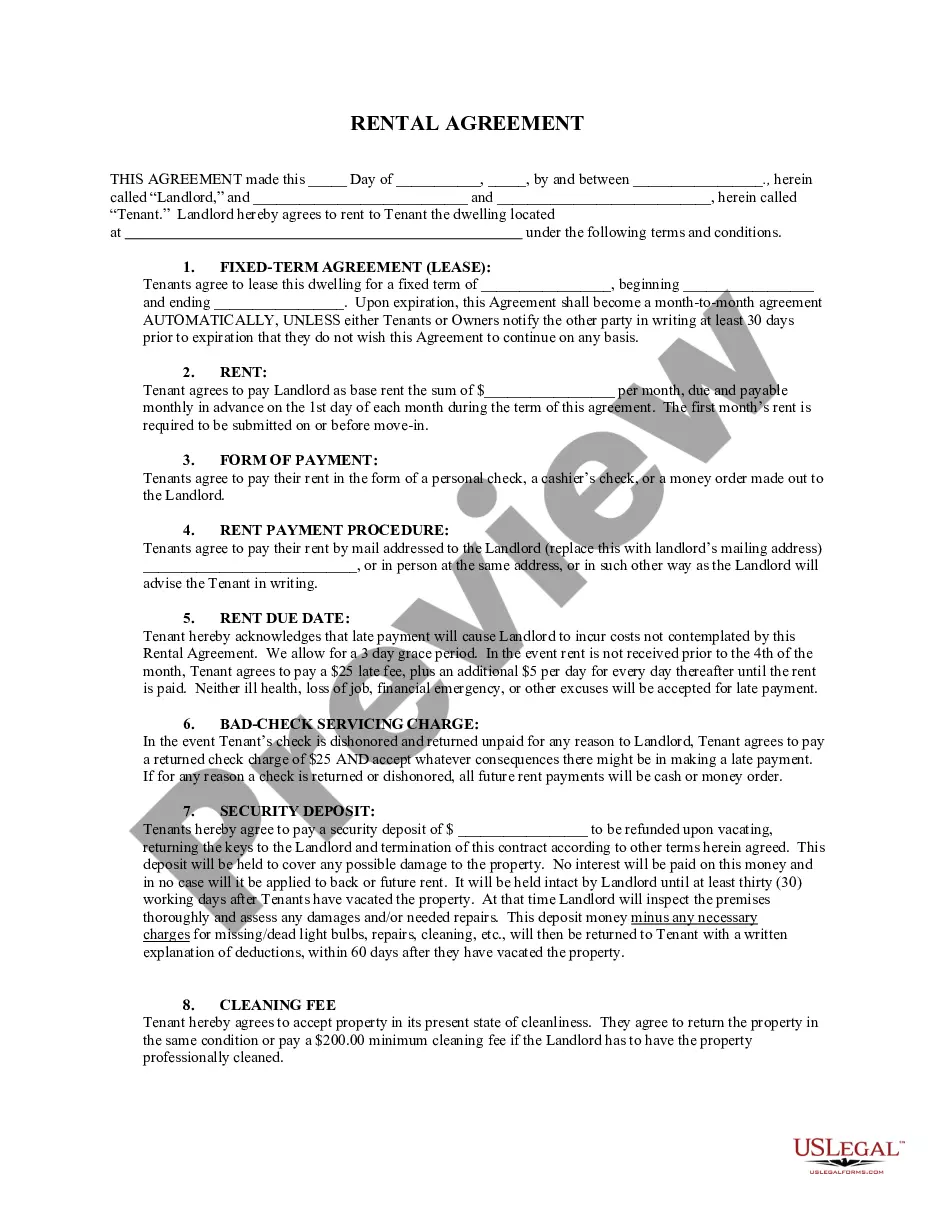
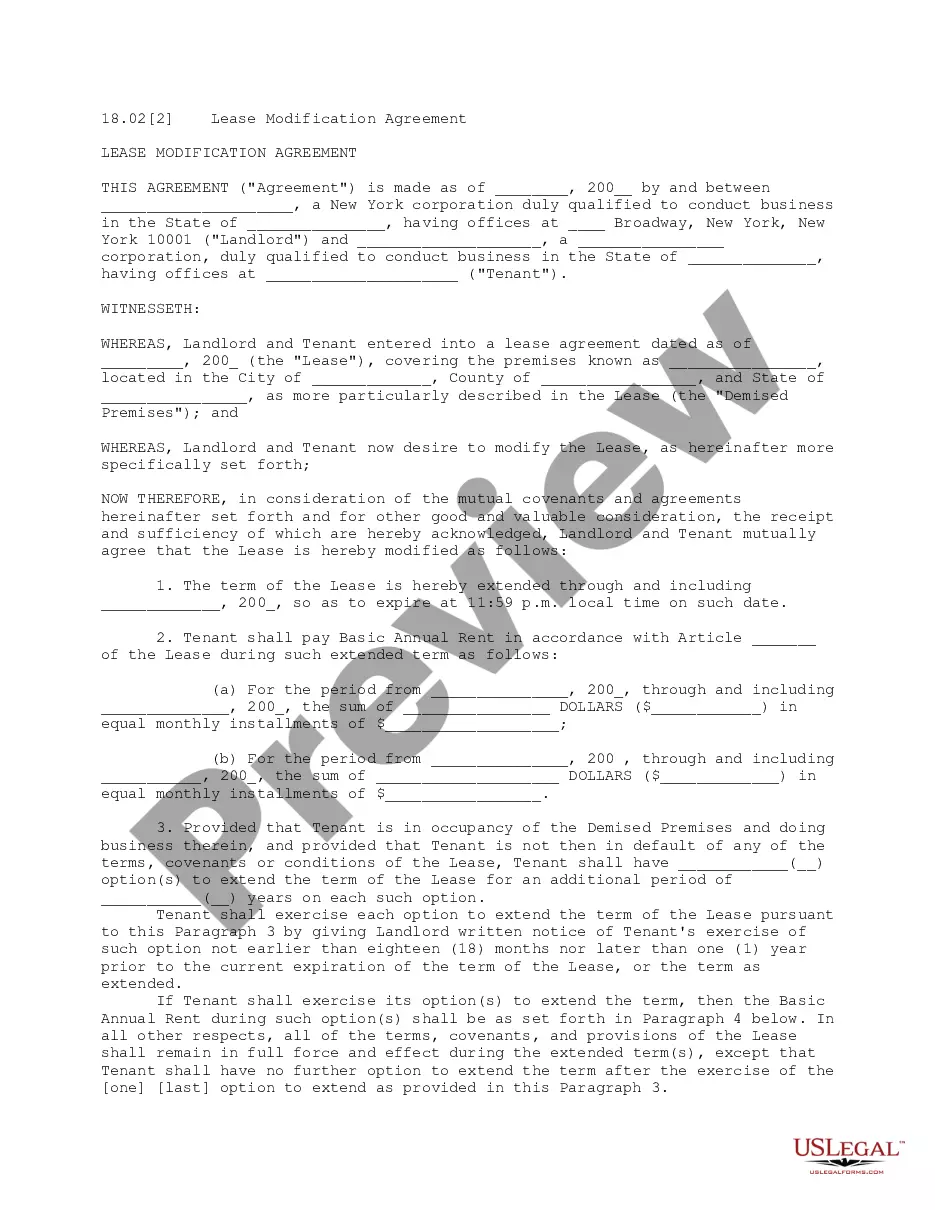
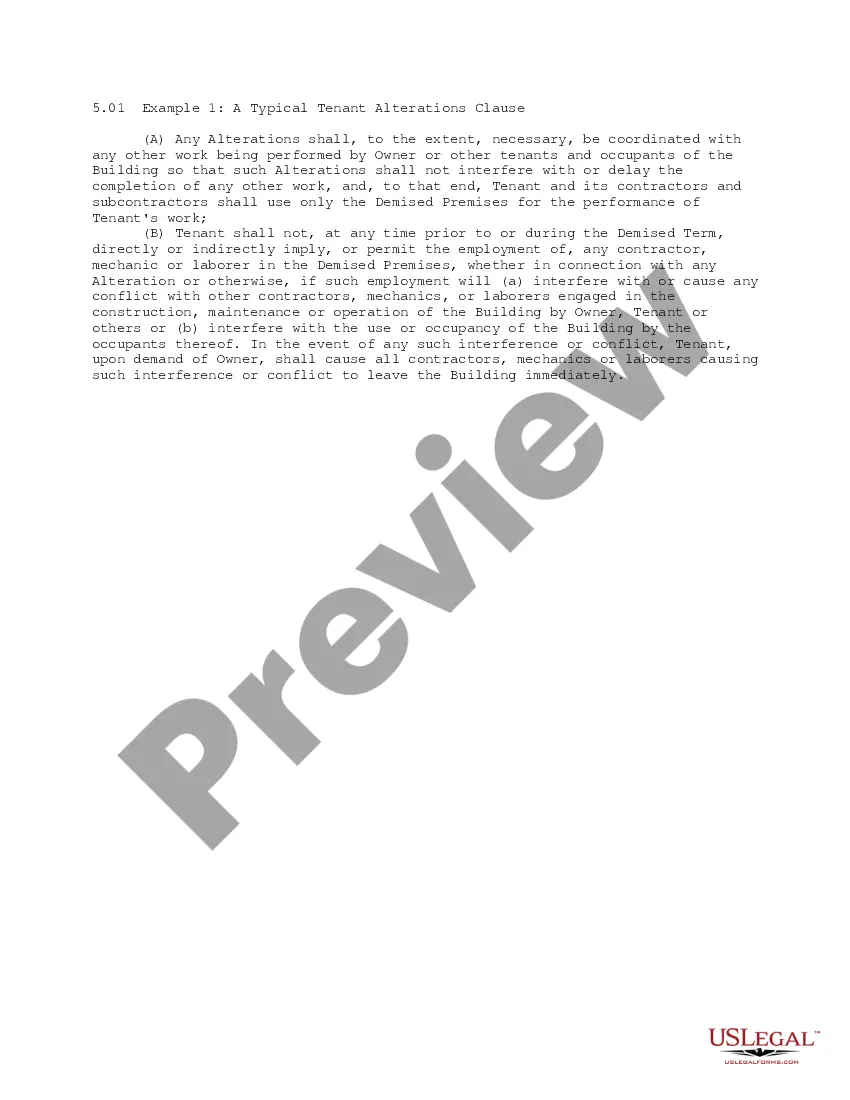
The Landlord Agreement to allow Tenant Alterations to Premises is a legal document that outlines the agreements between a landlord and a tenant regarding modifications the tenant wishes to make to the rental property. This form ensures clear communication and understanding about the responsibilities for costs, property ownership of the alterations, and the conditions under which the tenant can modify or remove these changes. It serves to prevent any misunderstandings that can arise from verbal agreements or assumptions, differentiating itself from other landlord-tenant agreements by focusing specifically on alterations to the premises.
Key parts of this document
- Identification of the landlord and tenant
- Description of the specific alterations or improvements allowed
- Clarity on whether alterations are tenant or landlord property
- Cost reimbursement terms for the tenant's improvements
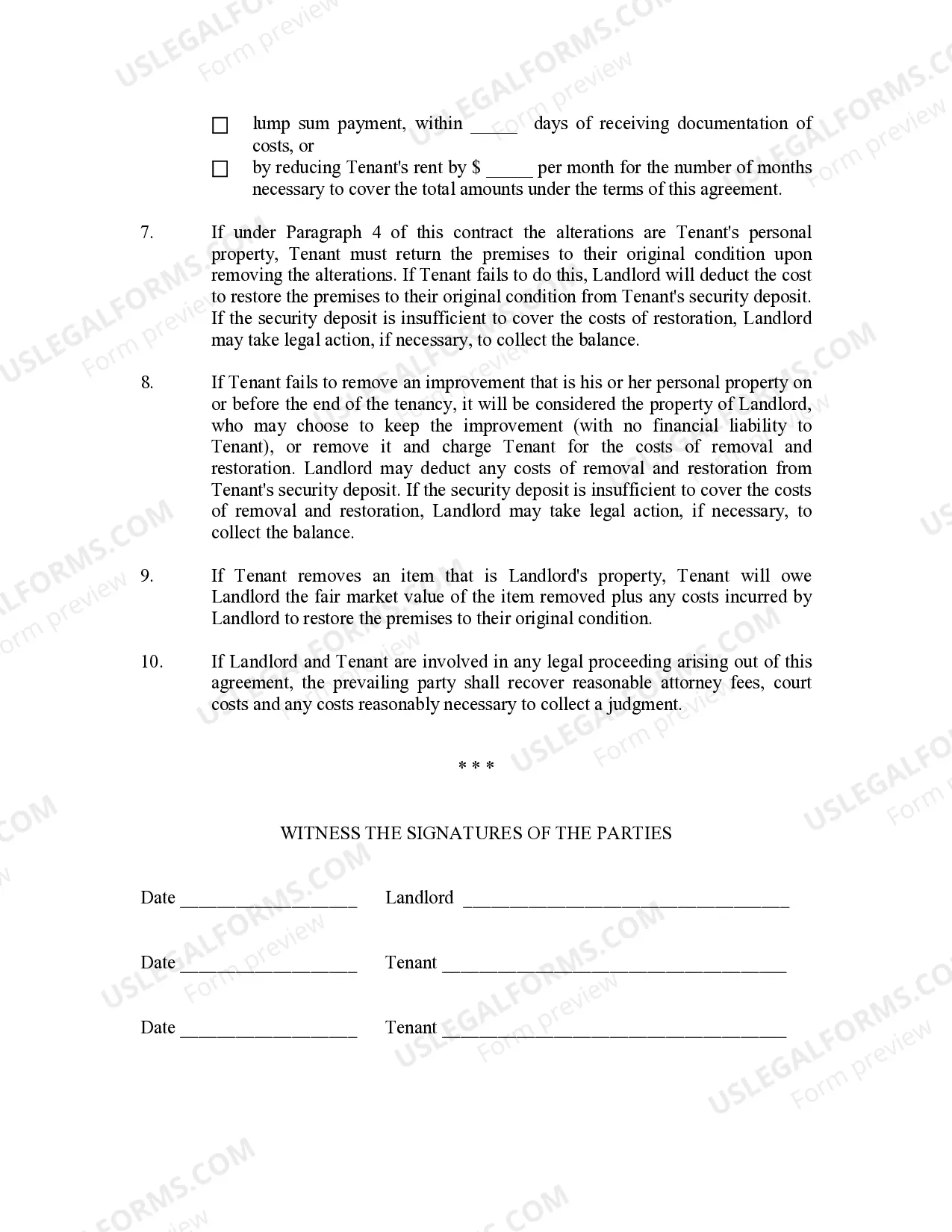
- Conditions for restoring the premises to original condition upon tenant's move-out
- Legal ramifications for failure to comply with the agreement
When this form is needed
This agreement should be used when a tenant wishes to make changes to a rented property, such as renovations or other modifications. It is particularly important in situations where significant alterations are planned, ensuring both parties have a clear understanding of the costs, ownership, and requirements for reinstating the property to its original state upon lease termination.
Intended users of this form
- Landlords who want to allow tenants to make alterations to their property.
- Tenants who are seeking permission to improve or modify their rental unit.
- Property managers who oversee residential units and need formal agreements regarding tenant alterations.
How to prepare this document
- Identify and fill in the names of the landlord and tenant at the top of the form.
- Clearly specify the alterations or improvements that the tenant is permitted to perform.
- Determine the ownership of the alterations (whether they belong to the landlord or tenant).
- Outline the financial terms, including who will pay for materials and labor, and how reimbursement will occur.
- Ensure all parties sign and date the agreement to make it valid.
Does this form need to be notarized?
Notarization is not commonly needed for this form. However, certain documents or local rules may make it necessary. Our notarization service, powered by Notarize, allows you to finalize it securely online anytime, day or night.
Get your form ready online
Our built-in tools help you complete, sign, share, and store your documents in one place.
Make edits, fill in missing information, and update formatting in US Legal Forms—just like you would in MS Word.
Download a copy, print it, send it by email, or mail it via USPS—whatever works best for your next step.
Sign and collect signatures with our SignNow integration. Send to multiple recipients, set reminders, and more. Go Premium to unlock E-Sign.
If this form requires notarization, complete it online through a secure video call—no need to meet a notary in person or wait for an appointment.
We protect your documents and personal data by following strict security and privacy standards.

Make edits, fill in missing information, and update formatting in US Legal Forms—just like you would in MS Word.

Download a copy, print it, send it by email, or mail it via USPS—whatever works best for your next step.

Sign and collect signatures with our SignNow integration. Send to multiple recipients, set reminders, and more. Go Premium to unlock E-Sign.

If this form requires notarization, complete it online through a secure video call—no need to meet a notary in person or wait for an appointment.

We protect your documents and personal data by following strict security and privacy standards.
Common mistakes to avoid
- Failing to clearly define the alterations allowed, leading to disputes later on.
- Not specifying the reimbursement amount or conditions, which can cause financial misunderstandings.
- Ignoring to document signatures and dates, making the agreement unenforceable.
Why use this form online
- Convenient access to the form allows for quick completion and download.
- Editable templates provide flexibility to customize the agreement to fit unique circumstances.
- Access to legally vetted content ensures the agreement complies with current legal standards.
Legal use & context
- The agreement provides a clear framework for tenant alterations, making it enforceable in court if disputes arise.
- Proper documentation helps protect both parties from future claims regarding property alterations.
- Understanding the terms helps ensure compliance with local laws regarding rental agreements and tenant improvements.
Key takeaways
- This agreement formalizes tenant alterations to rental properties.
- It protects both the landlord's and tenant's rights and responsibilities.
- Clear terms regarding costs and ownership can prevent future conflicts.
Looking for another form?
Form popularity
FAQ
The landlord cannot rummage through your dresser drawers, or inspect the contents of boxes or the clothing in the closet. He can make you move items out of the closet or the under-sink cabinets to facilitate an inspection.
A landlord cannot evict a tenant without an adequately obtained eviction notice and sufficient time. A landlord cannot retaliate against a tenant for a complaint. A landlord cannot forego completing necessary repairs or force a tenant to do their own repairs.A landlord cannot remove a tenant's personal belongings.
If you think your landlord is violating the Fair Housing Act, you can get that landlord in trouble by filing a complaint at HUD.gov. Your remedy for breach of quiet enjoyment is to terminate the lease and move or sue in small claims court.
Let's be clear, other than in emergency it's illegal for a landlord or agent to enter a property without agreement from the tenant. The golden rule to abide by is always to provide your tenants with written notice at least 24 hours before any planned visits.
When you rent a property from a landlord it becomes your home. They should only enter the property without you being present, if you have given permission for them to do so, or in a genuine emergency.
Yes, a landlord can tell tenants how clean to keep the house. Most times, there's a clause on the tenancy or lease agreement about cleanliness. Always ensure you read and understand the agreement before signing to avoid any disagreement during your stay at the apartment.
Ending No Grounds Evictions Under our current laws in NSW, a landlord can evict a tenant without grounds with just 30 days' notice at the end of their fixed-term lease, or with just 90 days' notice during an on-going lease. Rental laws in many other countries don't allow 'no grounds' evictions.
While a landlord has a right of entry, this is balanced against your right to privacy as a tenant. Landlords are not entitled to go through your unit and belongings at will. They generally must have a valid reason to enter the unit and give you proper notice, unless you gave them permission in advance.
In California, a prospective landlord cannot ask about race, color, religion, sex, gender, gender identity, gender expression, sexual orientation, marital status, national origin, ancestry, familial status, disability, or genetic information.