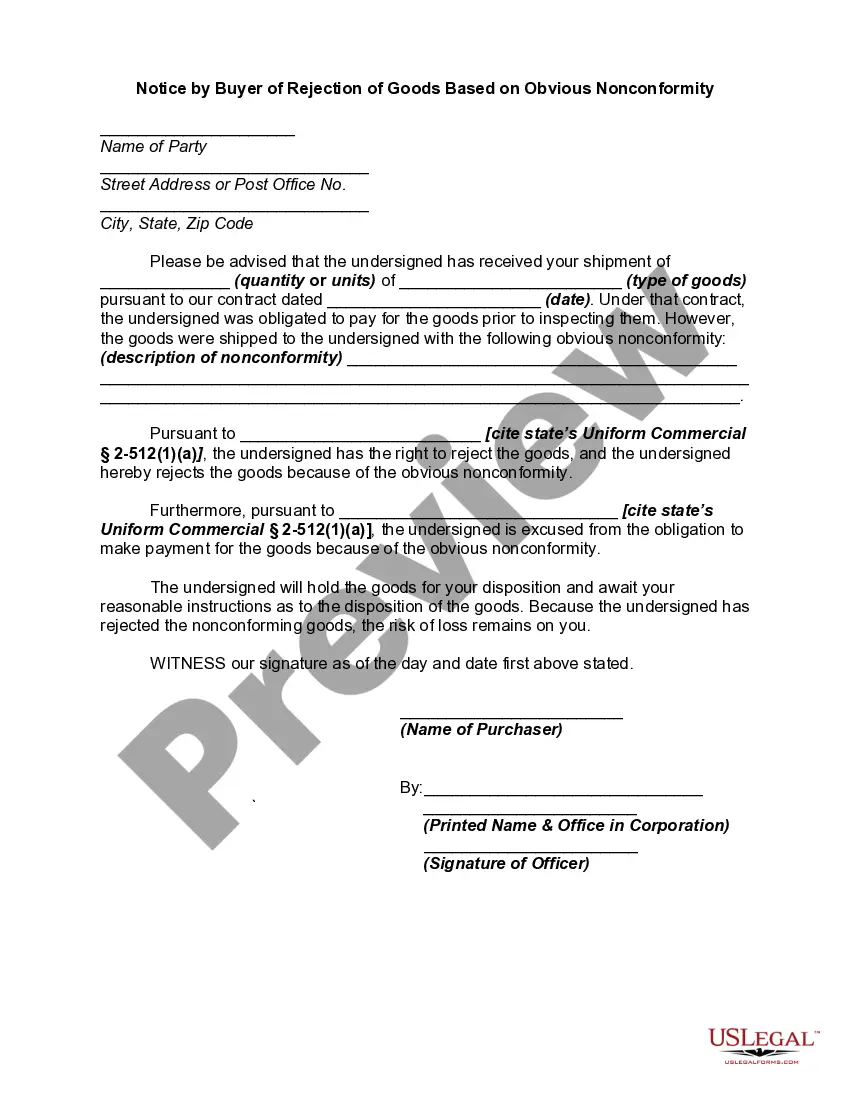
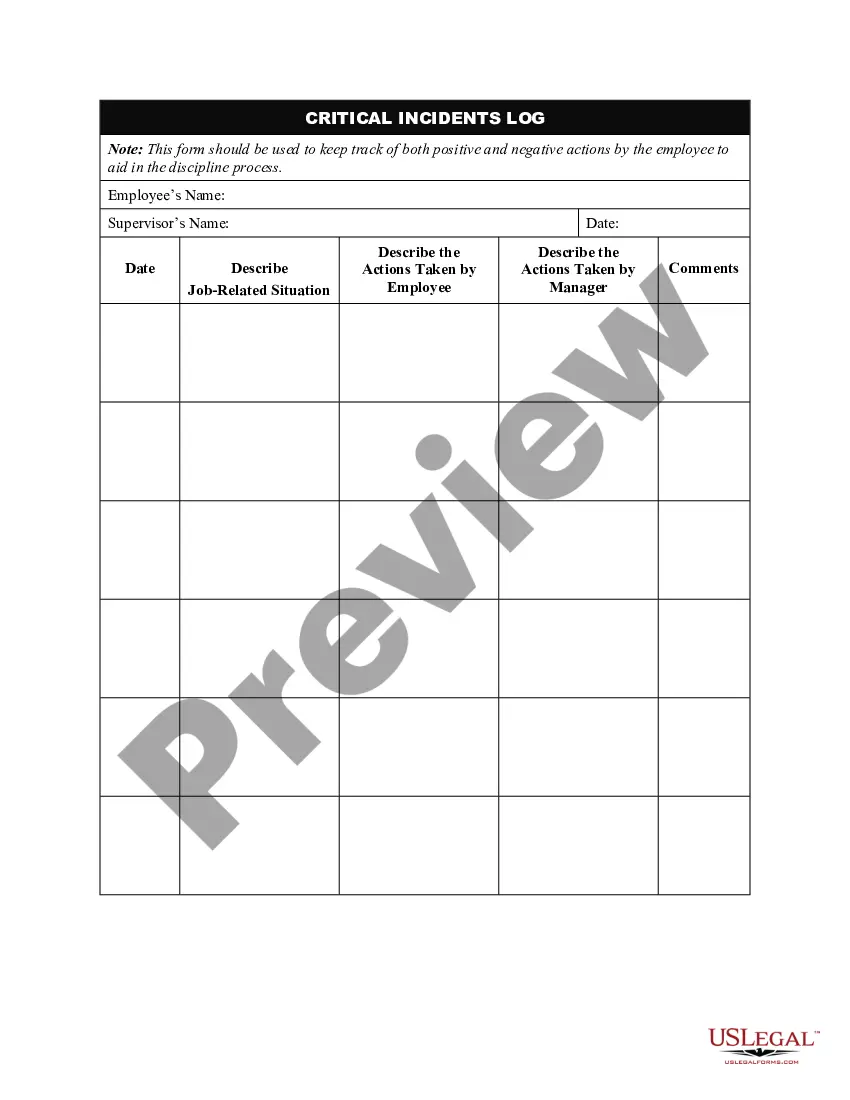
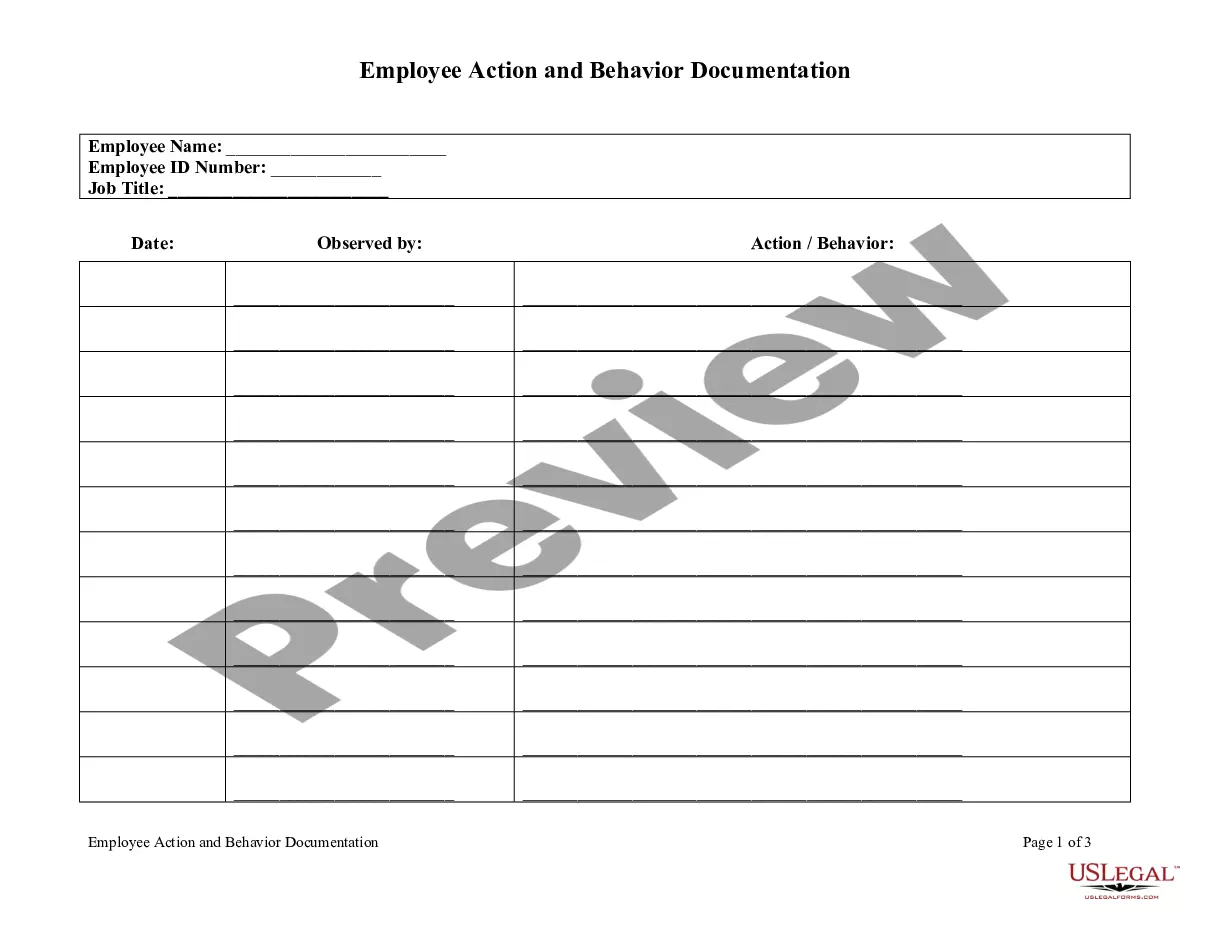
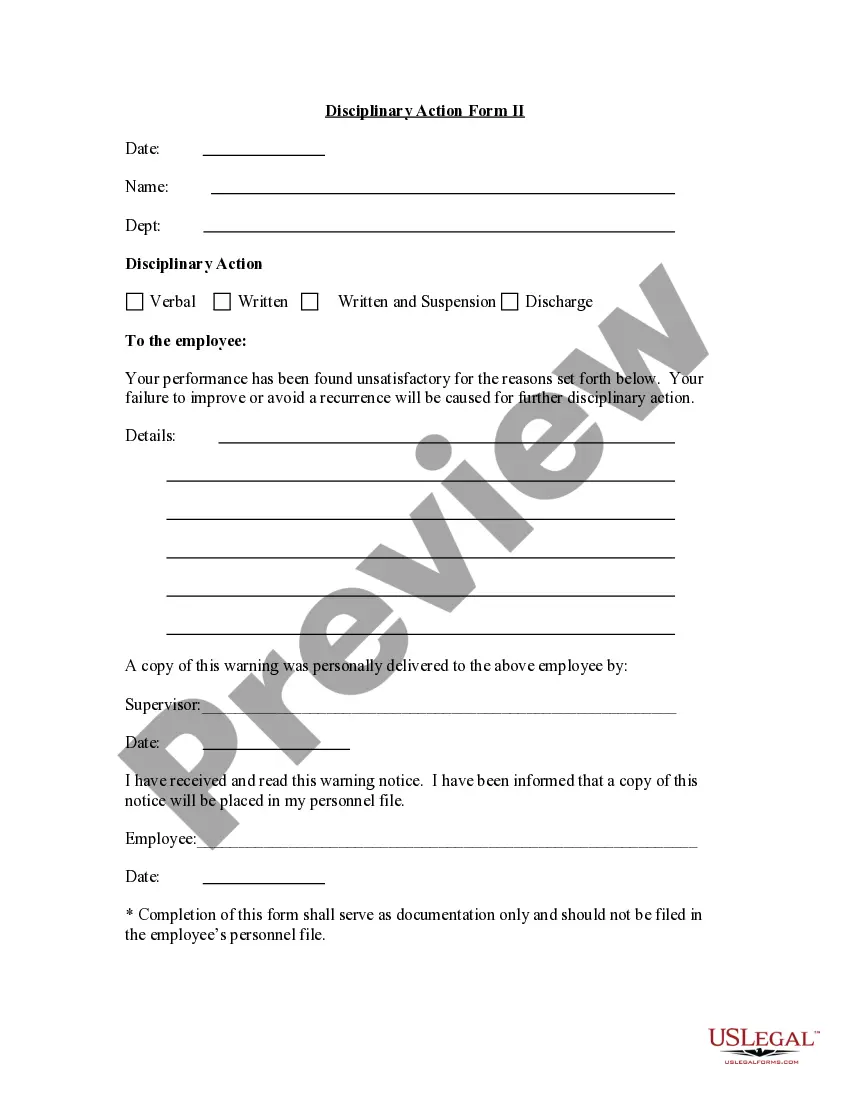
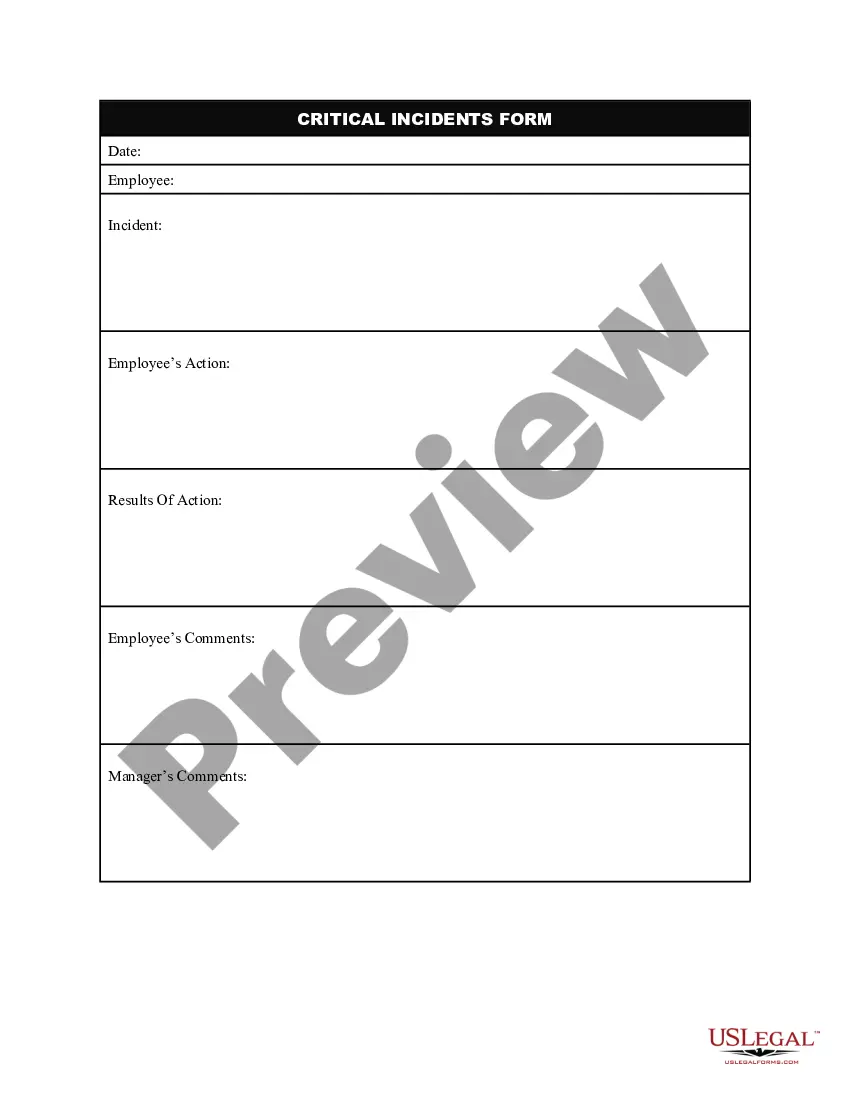
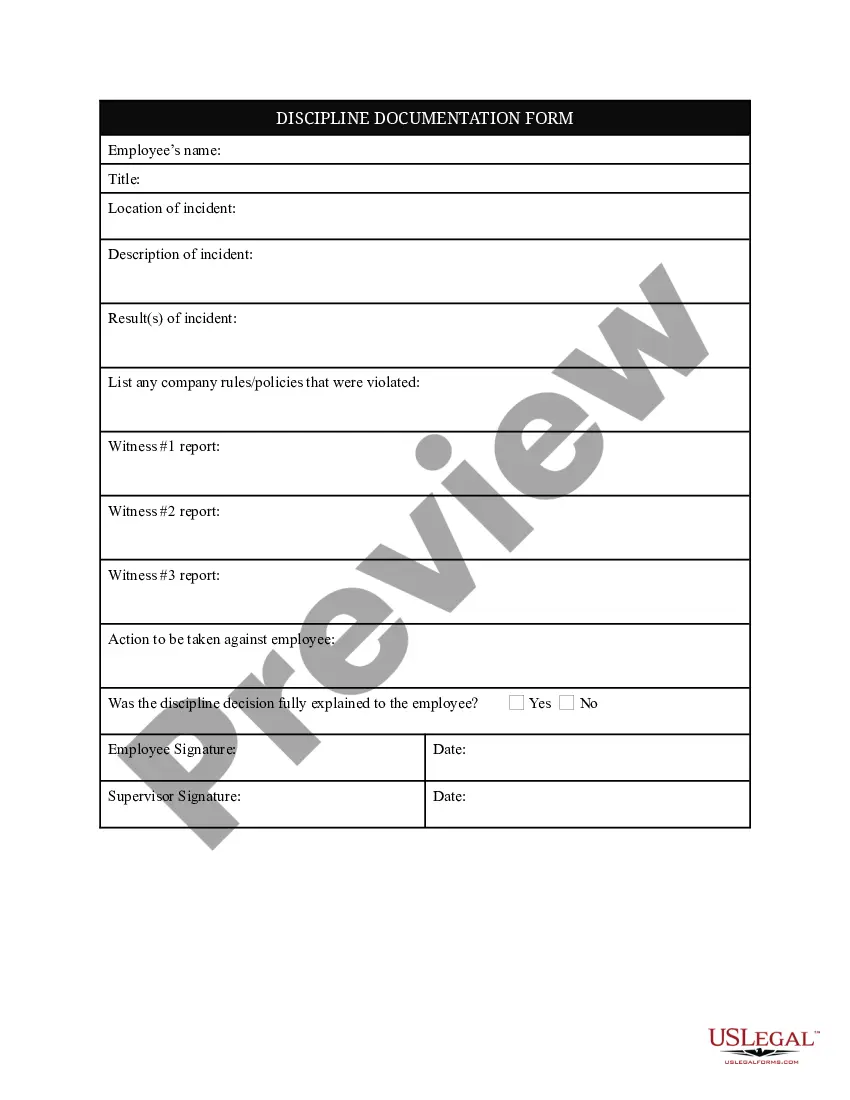
Oklahoma Critical Incidents Log
Description
Get your form ready online
Our built-in tools help you complete, sign, share, and store your documents in one place.
Make edits, fill in missing information, and update formatting in US Legal Forms—just like you would in MS Word.
Download a copy, print it, send it by email, or mail it via USPS—whatever works best for your next step.
Sign and collect signatures with our SignNow integration. Send to multiple recipients, set reminders, and more. Go Premium to unlock E-Sign.
If this form requires notarization, complete it online through a secure video call—no need to meet a notary in person or wait for an appointment.
We protect your documents and personal data by following strict security and privacy standards.

Make edits, fill in missing information, and update formatting in US Legal Forms—just like you would in MS Word.

Download a copy, print it, send it by email, or mail it via USPS—whatever works best for your next step.

Sign and collect signatures with our SignNow integration. Send to multiple recipients, set reminders, and more. Go Premium to unlock E-Sign.

If this form requires notarization, complete it online through a secure video call—no need to meet a notary in person or wait for an appointment.

We protect your documents and personal data by following strict security and privacy standards.
Looking for another form?

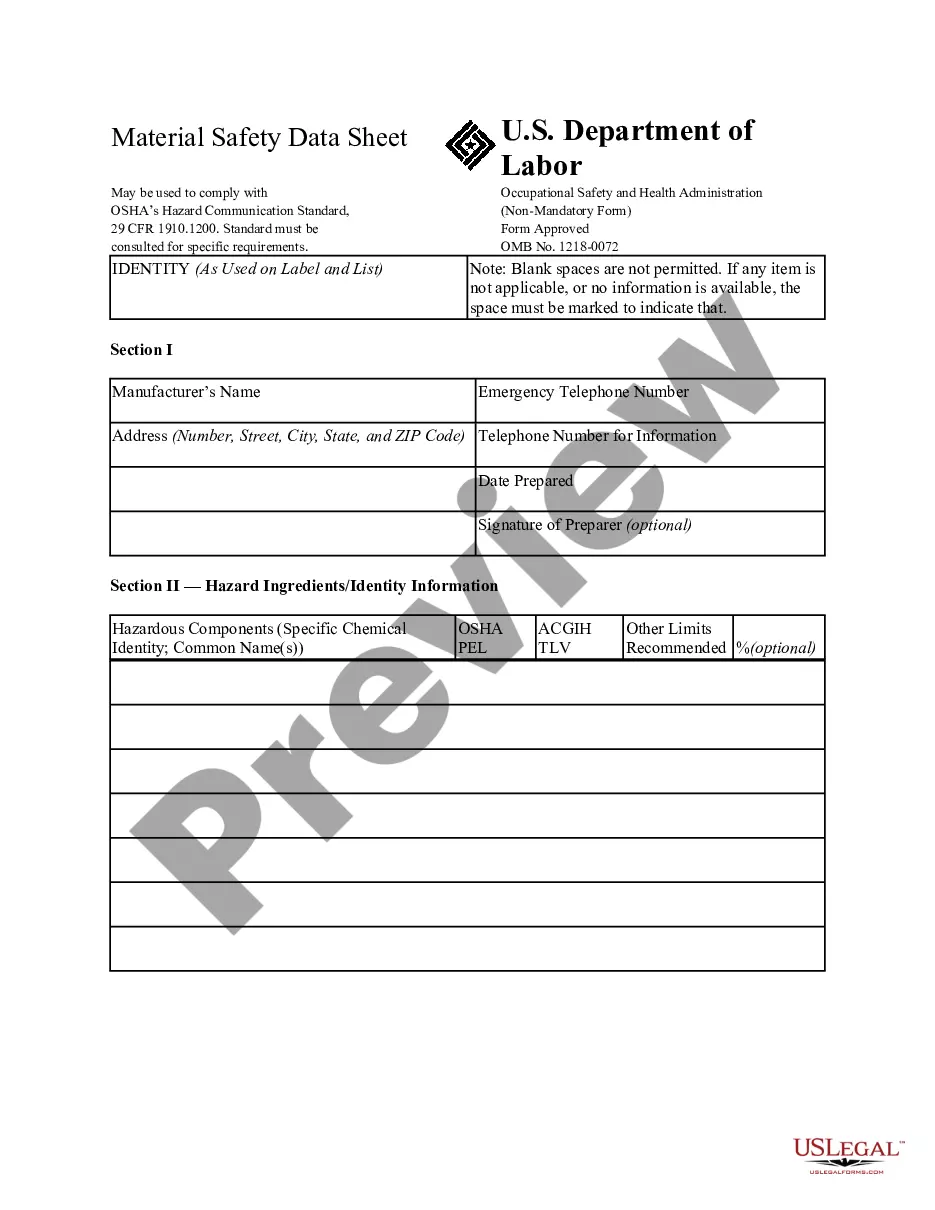





How to fill out Critical Incidents Log?
Locating the appropriate legal document template can be challenging.
Of course, there are numerous templates available online, but how do you find the legal form you require.
Utilize the US Legal Forms website. This platform offers thousands of templates, including the Oklahoma Critical Incidents Log, suitable for both business and personal use.
You can review the form using the Preview button and examine the form summary to ensure it meets your requirements.
- All forms are verified by experts and comply with federal and state regulations.
- If you are already registered, Log Into your account and click the Download button to access the Oklahoma Critical Incidents Log.
- You can use your account to review the legal forms you have previously acquired.
- Navigate to the My documents section of your account to retrieve another copy of the document you need.
- If you are a new user of US Legal Forms, here are simple instructions for you to follow.
- First, ensure you have selected the correct form for your locality/state.
Form popularity
FAQ
Reportable Critical Incidents Per state guidelines, providers are required to report Critical Incidents within 24 hours of the time of discovery.
Information required on an incident reporting formPatient name and hospital number/date of birth.Date and time of incident.Location of incident.Brief, factual description of incident.Name and contact details of any witnesses.Harm caused, if any.Action taken at the time.More items...
Critical incident reporting, key in improving safety, is under-utilized in health-care systems. Reported incidents should be handled in non-punitive manner. The analysis should take human factors approach, using standardized framework. Feedback, regular and detailed, is crucial in engaging clinicians 'in the loop'.
A Critical Incident is any actual or alleged event or situation that creates a significant risk of substantial or serious harm to the physical or mental health, safety or well being of a waiver participant. Reportable Critical Incidents Defined.
In a critical incident' journal, you will want to record and explore the. points of impact with other balls which cause you to change your direction. You will want to. describe and explore in writing both the incident of impact and how it affected your progress as an. intern.
What Is a Critical Incident? Some examples of critical incidents include assaults on employees, hostage-takings, the suicide or murder of a co- worker, accidents causing bodily harm or death, as well as airplane crashes or natural disasters including floods, fires and tornadoes.
The seven critical steps of incident investigation are:Take immediate action.Report the incident.Report to the authorities.Investigate and develop corrective actions.Calculate the costs.Conduct a root cause analysis.Record the details.
The rule of thumb is that as soon as an incident occurs, an incident report should be completed. Minor injuries should be reported and taken as equally important as major injuries are. These injuries may get worse and lead to more serious injuries or health issues.
A critical incident log is a useful means of recording information. You may wish to keep log sheets of similar learning events together to represent how you have moved from one learning cycle to the next.