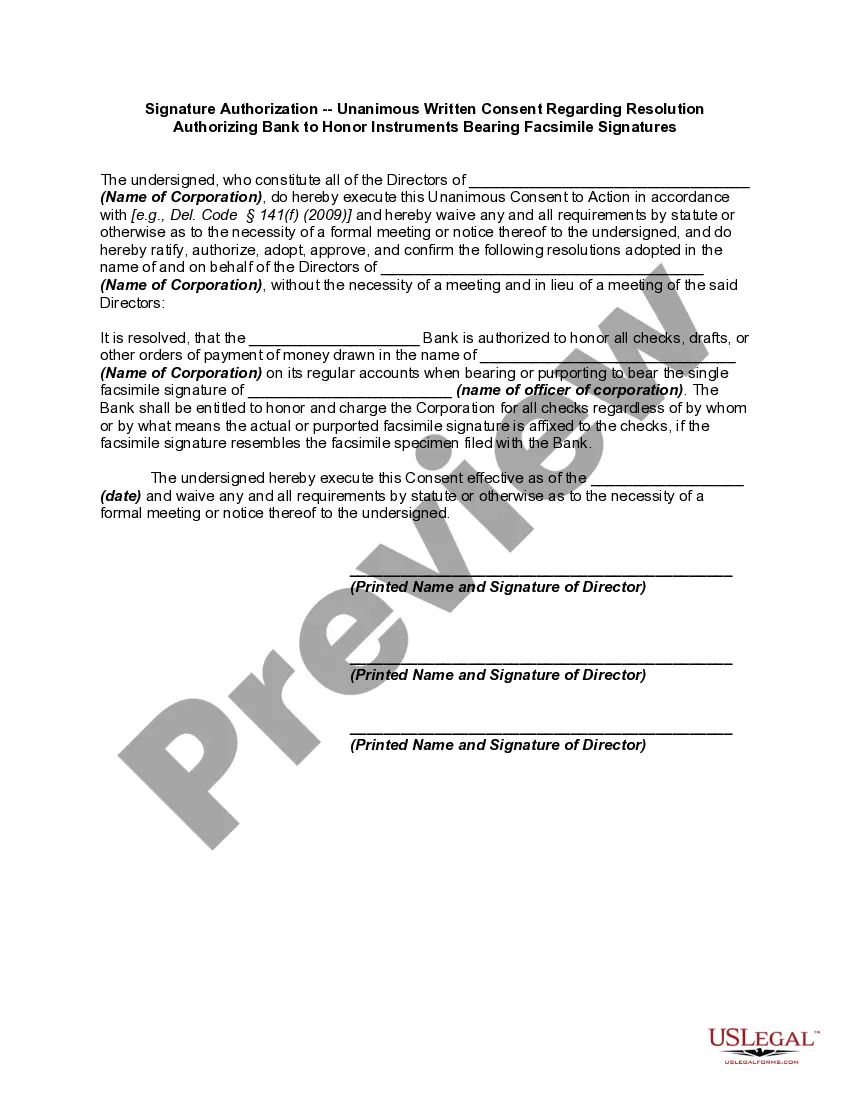
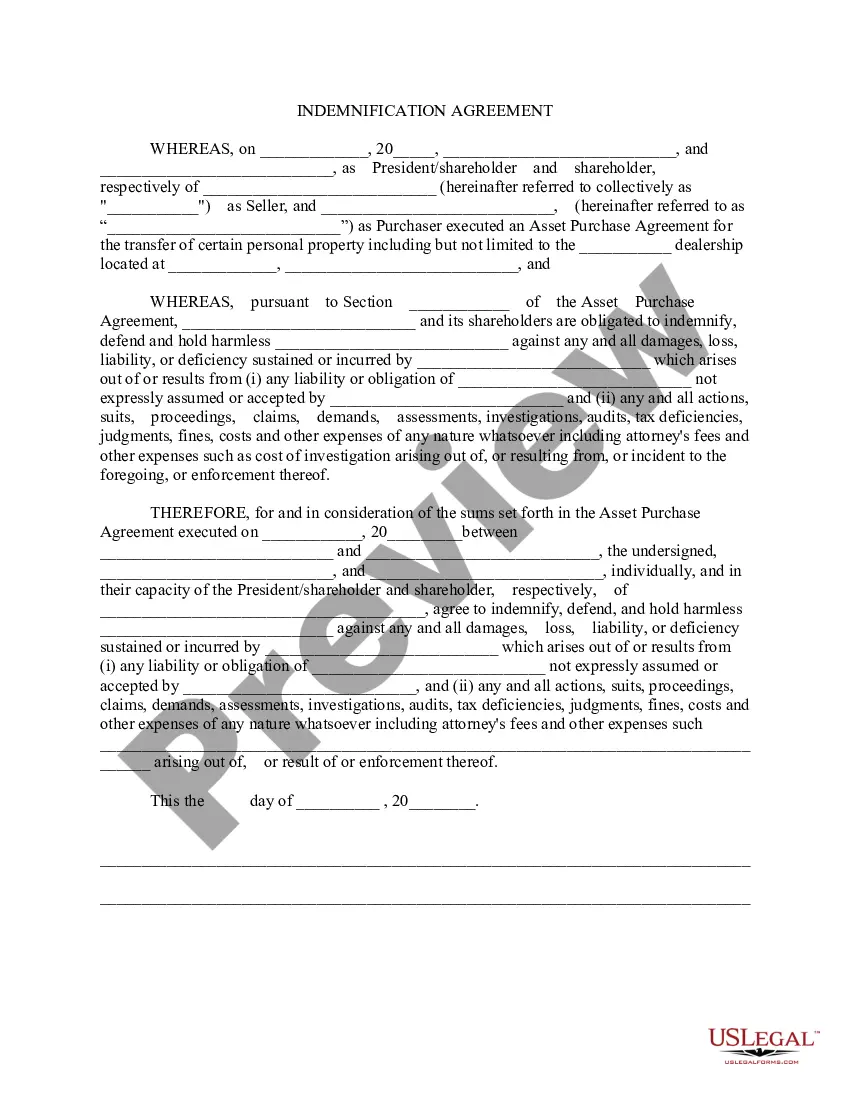
Oklahoma Indemnification Agreement for Personal Property
Description
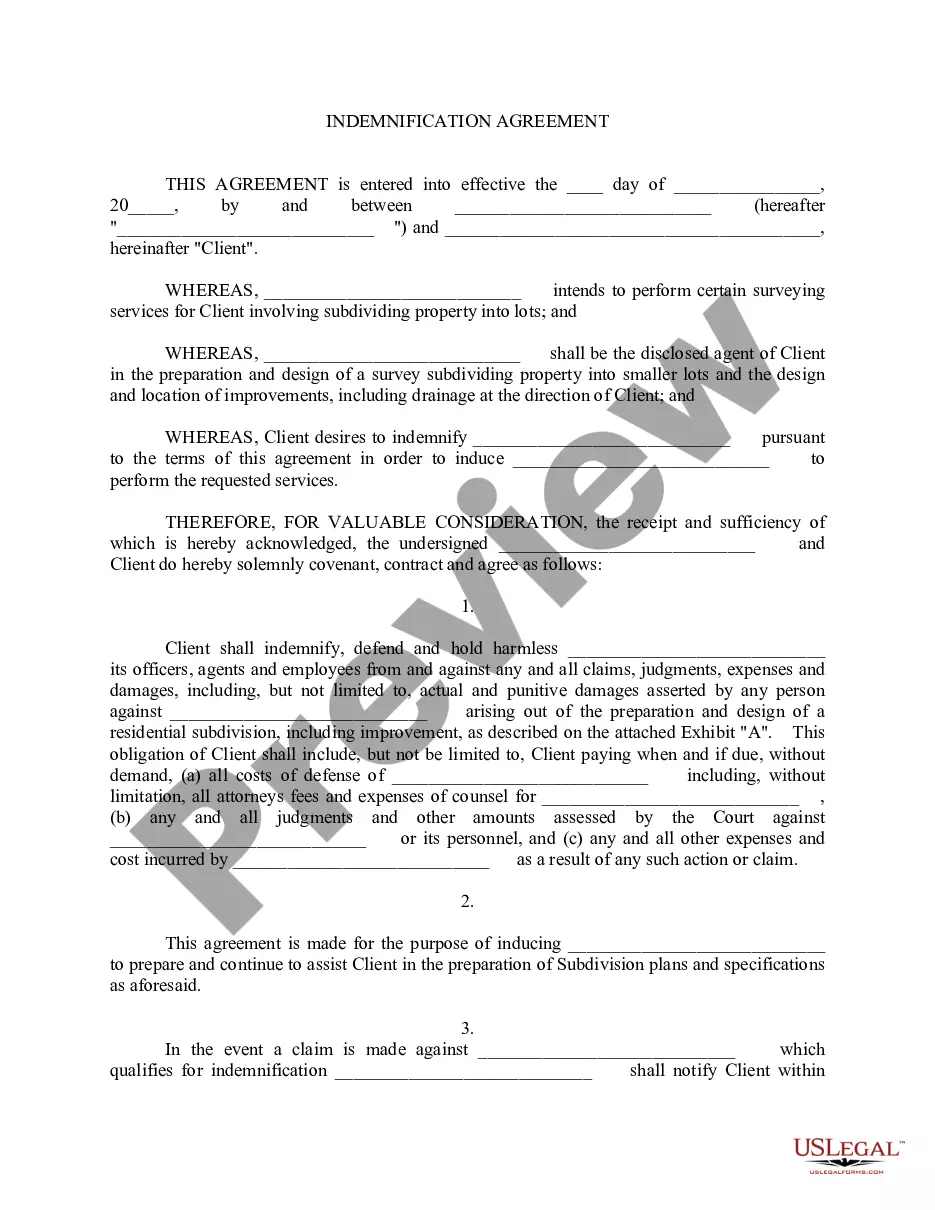
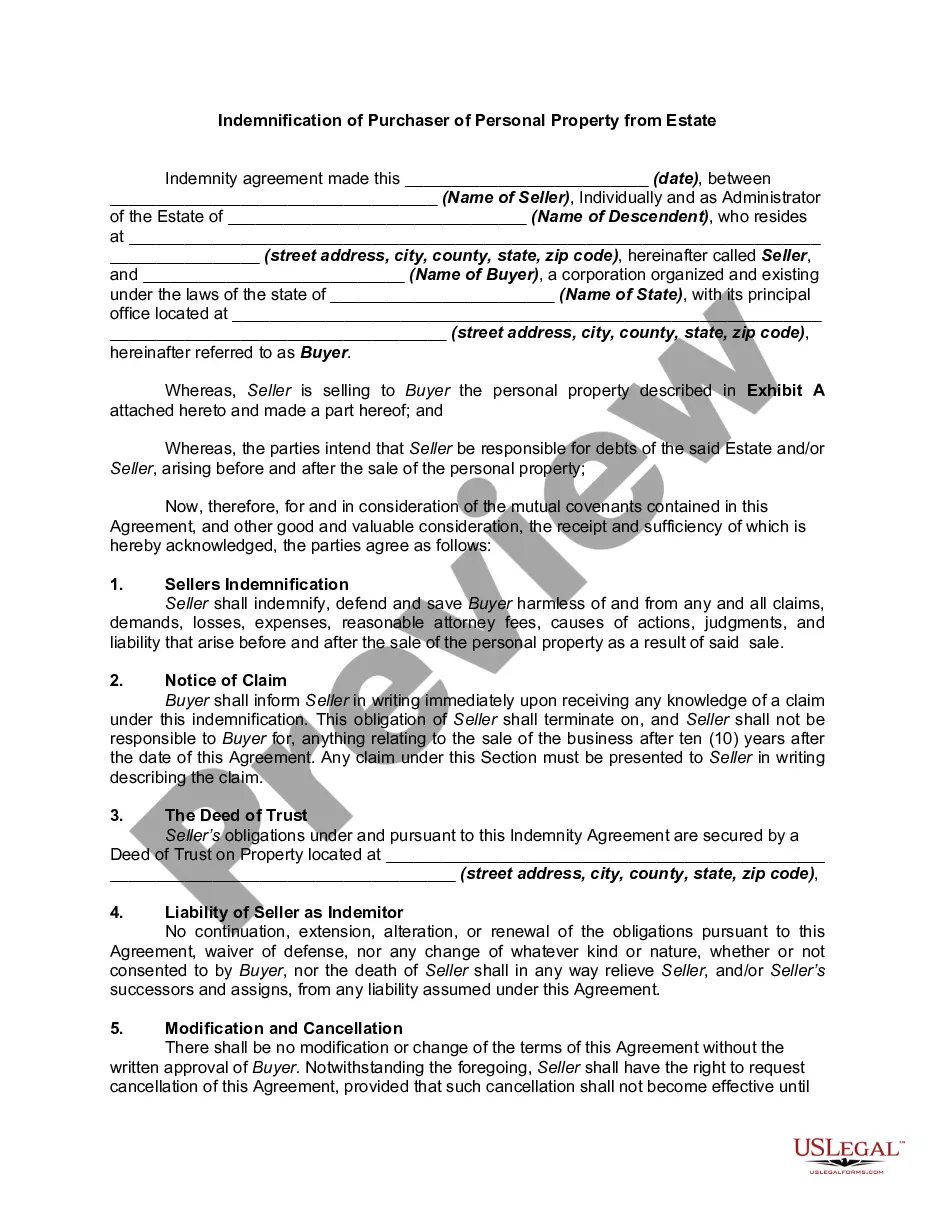

How to fill out Indemnification Agreement For Personal Property?
Selecting the most suitable authorized document template can be challenging.
Clearly, there are numerous templates accessible online, but how do you locate the legal form you require.
Utilize the US Legal Forms website. The platform offers a vast array of templates, such as the Oklahoma Indemnification Agreement for Personal Property, suitable for business and personal use. All documents are vetted by professionals and comply with state and federal regulations.
If the form does not meet your requirements, utilize the Search field to locate the right form. Once you are confident the form is appropriate, click on the Buy now button to procure the form. Select the pricing plan you prefer and fill in the necessary details. Create your account and complete the purchase using your PayPal account or Visa/Mastercard. Choose the document format and download the authorized document template to your device. Complete, edit, and print as well as sign the obtained Oklahoma Indemnification Agreement for Personal Property. US Legal Forms is the largest repository of legal forms where you can find various document templates. Utilize the service to download properly created documents that meet state requirements.
- If you are already registered, Log In to your account and click the Download button to access the Oklahoma Indemnification Agreement for Personal Property.
- Use your account to view the legal forms you have previously purchased.
- Go to the My documents section of your account and obtain another copy of the document you need.
- If you are a new user of US Legal Forms, here are some simple steps for you to follow.
- First, ensure that you have chosen the correct form for your region/county.
- You can review the form using the Preview button and read the form description to confirm it is suitable for you.
Form popularity
FAQ
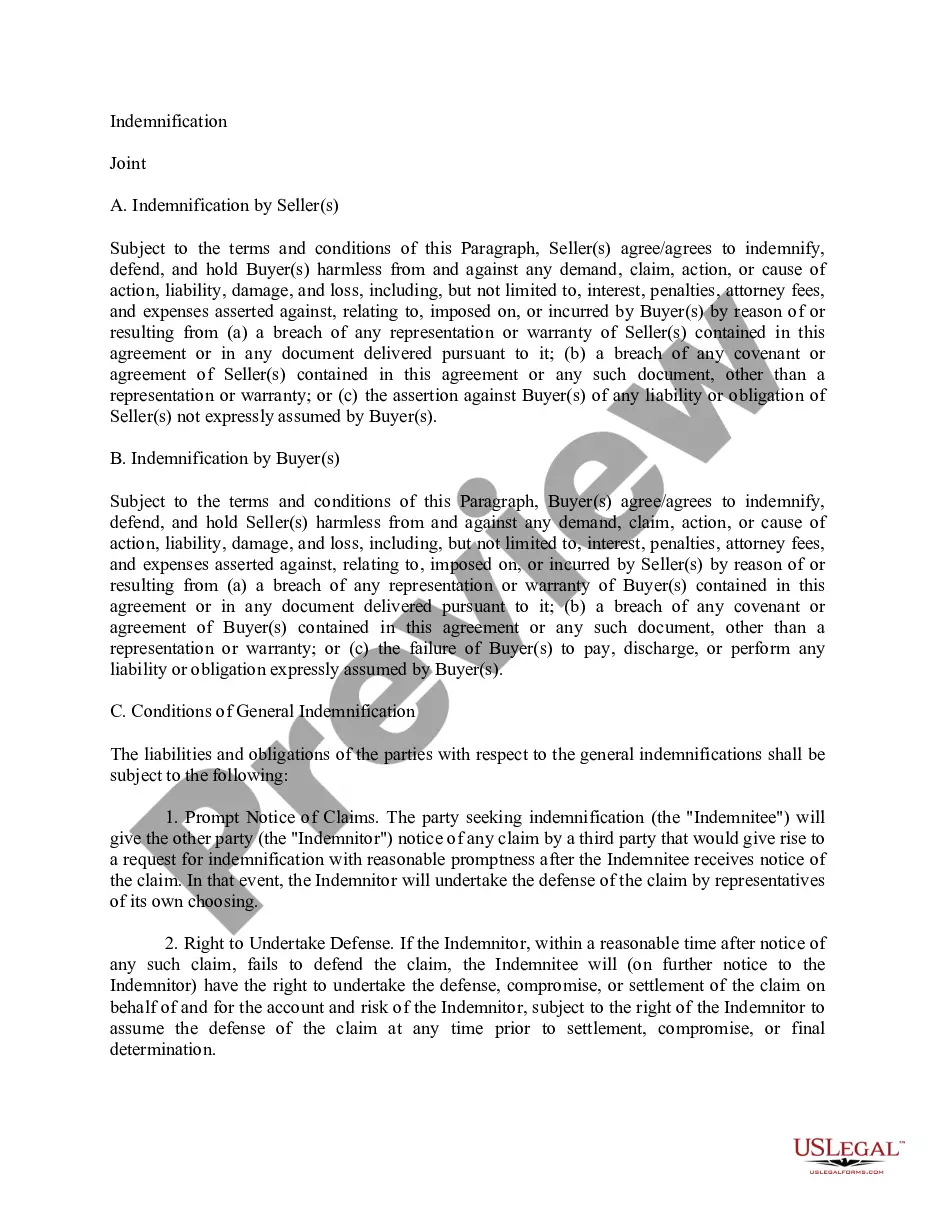
California courts have held that indemnify and hold harmless confer distinct rights: (1) Indemnify is an offensive right, allowing the indemnified party to seek indemnification from the indemnifying party; (2) Hold harmless is a defensive right, protecting the indemnified party from being bothered by the other
To indemnify something basically means to make good a loss. In other words, it means that one party will compensate the other in case it suffers some losses. For example, A promises to deliver certain goods to B for Rs. 2,000 every month.
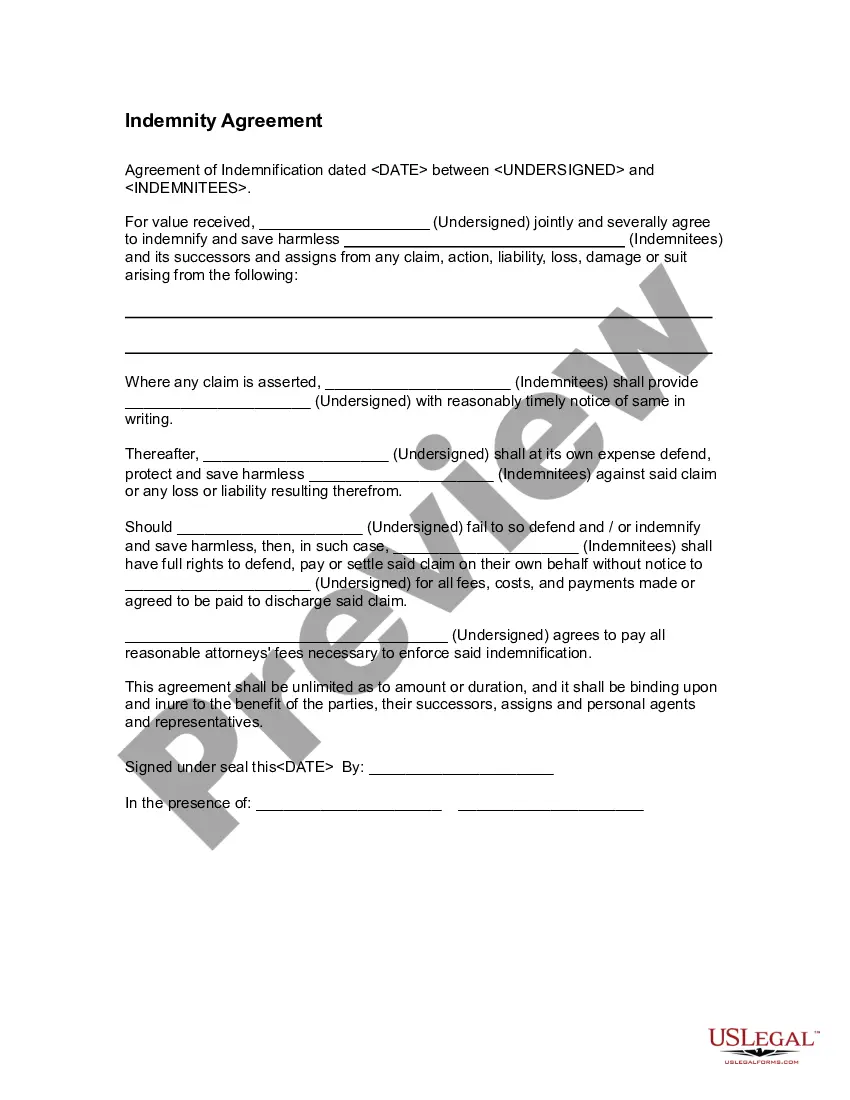
Company/Business/Individual Name shall fully indemnify, hold harmless and defend and its directors, officers, employees, agents, stockholders and Affiliates from and against all claims, demands, actions, suits, damages, liabilities, losses, settlements, judgments, costs and expenses (including but not
Indemnification provisions are generally enforceable. There are certain exceptions however. Indemnifications that require a party to indemnify another party for any claim irrespective of fault ('broad form' or 'no fault' indemnities) generally have been found to violate public policy.
When the term indemnity is used in the legal sense, it may also refer to an exemption from liability for damages. Indemnity is a contractual agreement between two parties. In this arrangement, one party agrees to pay for potential losses or damages caused by another party.
What is an Indemnity Agreement? An indemnity agreement, also known as a hold harmless agreement, waiver of liability, release of liability, or no-fault agreement, safeguards the indemnified party against loss or damages associated with a third-party business arrangement.
A personal indemnity agreement is an agreement between you and the bond company that states that you will compensate the surety company for any losses.
Example of Indemnity in Business If the building sustains significant structural damages from fire, then the insurance company will indemnify the owner for the costs to repair by way of reimbursing the owner or by reconstructing the damaged areas using its own authorized contractors.
Letters of indemnity should include the names and addresses of both parties involved, plus the name and affiliation of the third party. Detailed descriptions of the items and intentions are also required, as are the signatures of the parties and the date of the contract's execution.